

What happened
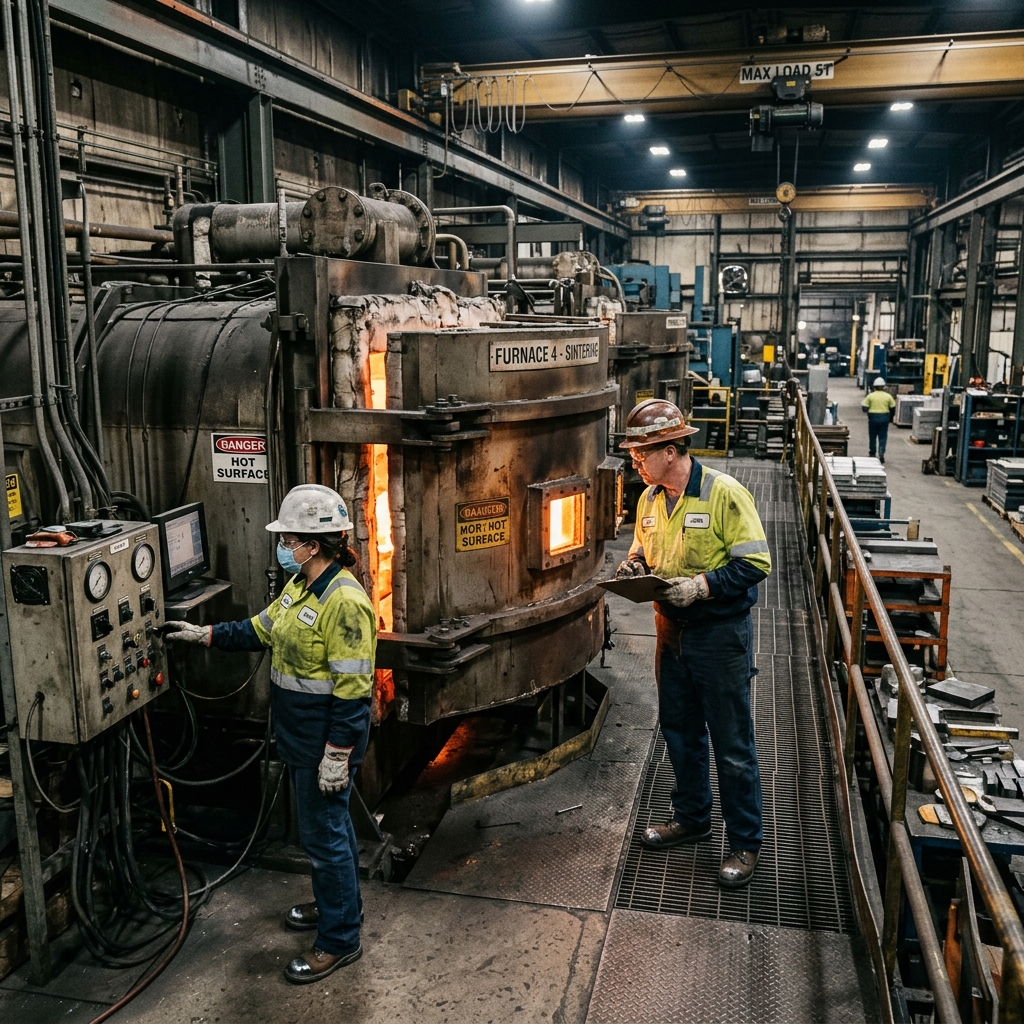
Illustration: RivCut
In a major push for domestic supply chain security, USA Rare Earth has announced plans to build a one point two billion dollar permanent magnet manufacturing facility in South Carolina. Neodymium permanent magnets are critical components in a wide range of modern technologies. They are used in electric vehicle motors, wind turbines, cell phones, and military defense systems. Currently, the global supply of these magnets is heavily concentrated in China, creating a major strategic risk for U.S. manufacturers. The new South Carolina plant aims to address this risk by establishing a fully integrated, domestic manufacturing base. The project is expected to create over eight hundred high-paying industrial jobs and revitalize the local manufacturing sector.
The facility will process rare earth materials sourced from the company's mine in Texas, creating a complete domestic supply chain. It will feature state-of-the-art processing equipment, including alloy blending, powder metallurgy, sintering, and surface coating. Production is scheduled to begin in phases, with the goal of reaching full capacity by the end of the decade. The South Carolina location was chosen for its access to key shipping ports, stable energy grid, and business-friendly environment. The state has also offered significant tax incentives and infrastructure support to secure the project, highlighting the importance of the investment to the local economy.
Neodymium magnets are made from an alloy of neodymium, iron, and boron (NdFeB). The manufacturing process is highly complex, requiring precise control over chemical compositions and thermal cycles. The materials must be processed in inert gas atmospheres to prevent oxidation, which can ruin the magnetic properties. Once the powder is pressed and sintered in thermal furnaces, the resulting blocks are extremely hard and brittle. They must then be machined to final dimensions using specialized grinding and wire EDM processes. The South Carolina plant will incorporate these advanced machining capabilities, ensuring that magnets are produced to the exact specifications required by automotive and aerospace buyers.
The establishment of this facility is a significant step toward reducing the U.S. manufacturing sector's dependence on foreign materials. In recent years, geopolitical tensions and trade restrictions have highlighted the vulnerability of global supply chains. A disruption in the supply of permanent magnets would halt production at major automotive and electronics factories across the country. By building a domestic production base, USA Rare Earth is helping to insulate U.S. manufacturers from these external shocks. This investment is aligned with broader federal efforts to support critical mineral processing and rebuild the domestic industrial base, setting a path for long-term growth.
Furthermore, the South Carolina plant is designed to implement advanced dust management and environmental controls. Rare earth powder is extremely fine and reactive, posing explosive hazards if not controlled. The plant will utilize automated inert-gas powder transport systems and active air filtration to maintain safety. Water used in the grinding and cooling processes will be recycled on-site through a closed-loop system, minimizing environmental discharge. These safety and environmental measures are critical for meeting local regulations and demonstrating the sustainability of domestic critical mineral processing, which is a major focus for investors and buyers alike.
Why it matters for manufacturers
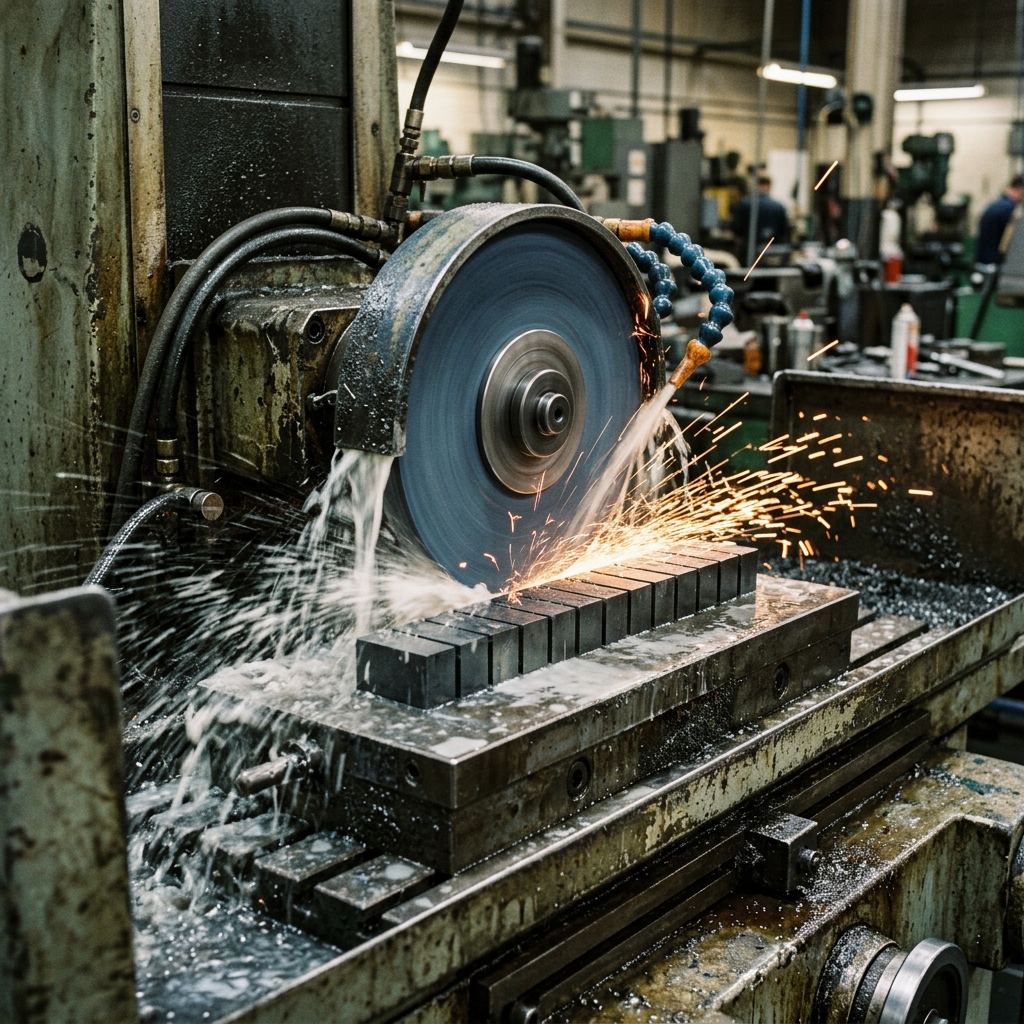
Illustration: RivCut
For manufacturers of electric motors, wind turbines, and electronic assemblies, having a domestic source of permanent magnets is a major advantage. It reduces transit times, lowers logistics costs, and simplifies quality audits. Sourcing magnets from overseas introduces significant delays and compliance risks, particularly regarding environmental and labor standards. By sourcing domestically, U.S. companies can verify that their materials are produced responsibly and in compliance with local regulations. This transparency is increasingly important as consumers and investors demand higher environmental, social, and governance standards from the brands they support.
However, incorporating domestic magnets into existing product designs is not always straightforward. Neodymium magnets are highly sensitive to temperature and can lose their magnetism if exposed to extreme heat. They are also prone to corrosion, requiring protective coatings like nickel plating or epoxy. Design engineering teams must work closely with magnet manufacturers to select the right grade of NdFeB and the appropriate coating for their specific application. This collaboration requires strong technical support and clear communication, which is much easier to manage when the supplier is located in the same country. Close proximity also allows for faster prototyping and iterative design testing.
Machining and handling permanent magnets requires specialized equipment and safety protocols. Because the material is brittle, it cannot be cut with conventional machining tools. Instead, it must be ground using diamond-coated wheels or cut using wire EDM. This grinding process generates fine metallic dust that is highly flammable and must be managed carefully. Additionally, once the magnets are magnetized, they exert powerful forces that can easily trap fingers or damage nearby electronic equipment. Workstations must be designed with non-magnetic materials and proper safety shielding, adding to the tooling and setup costs of the assembly line.
For small-to-medium manufacturers, the capital costs of setting up magnet assembly lines can be a major hurdle. Many shops choose to outsource the assembly of magnetic rotors or sensors to specialized sub-contractors. These partners have the necessary equipment, safety protocols, and quality control systems to handle magnetic materials safely. By sourcing fully assembled magnetic sub-systems, manufacturers can reduce their capital risk and focus on their core assembly processes. This approach requires finding reliable sub-contractors with demonstrated expertise in magnetic assembly, highlighting the importance of developing a robust local manufacturing ecosystem.
In addition, local sourcing of magnet assemblies simplifies the overall production planning. Instead of shipping magnet components to one facility for assembly and then to another for testing, manufacturers can locate their partners nearby. This local concentration reduces inventory requirements and lowers the risk of transport delays. It also allows for tighter integration between the magnet supplier and the final motor builder, facilitating the sharing of quality data and the implementation of joint quality improvement projects. This collaborative approach is essential for achieving the high levels of reliability required in automotive and industrial applications.
What to watch next
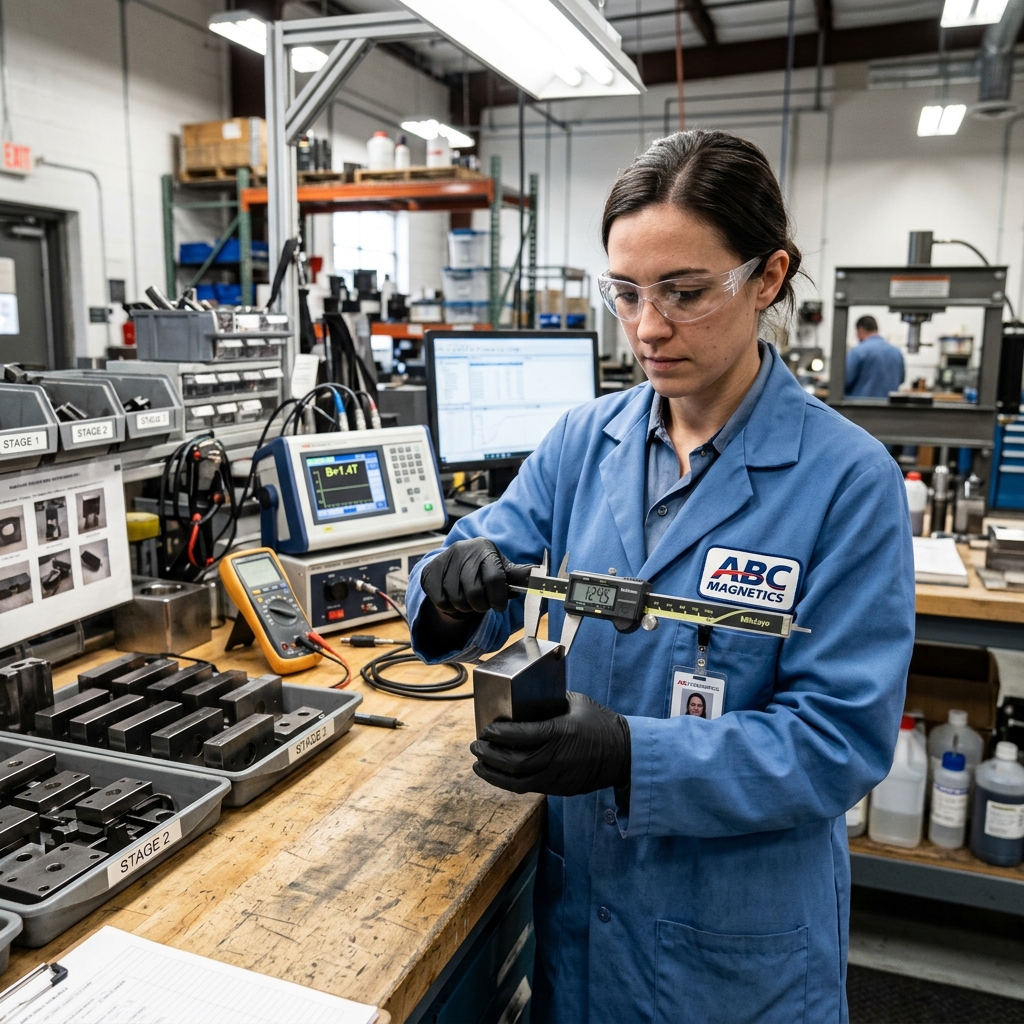
Illustration: RivCut
Moving forward, the industry is watching how USA Rare Earth manages the ramp-up of the South Carolina facility. Scaling a complex chemical and metallurgical process from prototype to high-volume production is notoriously difficult. It requires fine-tuning equipment, managing process variations, and training a specialized workforce. Any delays in reaching full production capacity could impact supply agreements and delay the delivery of domestic magnets to key automotive and defense customers. The company's ability to execute this ramp-up plan successfully will be a critical test of the viability of domestic rare earth processing.
We should also monitor the progress of rare earth recycling initiatives. While mining and refining new ore is necessary to meet demand, recycling used magnets from electronics and electric motors is an increasingly attractive option. Recycling requires less energy and has a lower environmental impact than mining. USA Rare Earth has indicated that its South Carolina facility will have the capability to process recycled magnets, creating a closed-loop supply chain. If recycling technology can be scaled successfully, it could provide a significant secondary source of raw materials, further reducing reliance on overseas mines.
Furthermore, federal policy updates regarding critical minerals will be an important factor. The U.S. government is considering new tariffs on imported rare earth magnets and increased funding for domestic processing. These policy changes could make domestic magnets more competitive and encourage more manufacturers to switch to local suppliers. However, they could also trigger retaliatory measures from major exporters, potentially complicating raw material sourcing. Manufacturers should watch these policy developments closely and design their supply chains to be flexible and resilient to political changes, ensuring stable operations under any trade environment.
Finally, keep an eye on how international competitors respond to the U.S. push for magnet independence. China is investing heavily in its own rare earth industry, focusing on advanced magnetic alloys and high-efficiency motor designs. They may adjust their pricing strategies or export controls to maintain their dominant market position. This competitive pressure will require U.S. magnet manufacturers to maintain high efficiency and constant innovation. The battle for supply chain control in the green economy is just beginning, and permanent magnets are at the very center of the conflict, making this a vital area to watch for years to come.
In conclusion, the South Carolina magnet factory is a critical project for the future of U.S. manufacturing. It represents a bold investment in supply chain resilience and national security. For manufacturers, it offers a path to more reliable material sourcing and closer collaboration with suppliers. However, it also highlights the constant need to adapt to changing market conditions and invest in new technical capabilities. The shops that succeed will be those that can master the handling of brittle magnetic materials, build strong local partnerships, and navigate the complex geopolitics of critical minerals.
Neodymium permanent magnets are the silent muscles of the modern green economy, and securing a reliable domestic manufacturing base is a vital national security priority.