Executive Summary: Training the Next Generation of Builders
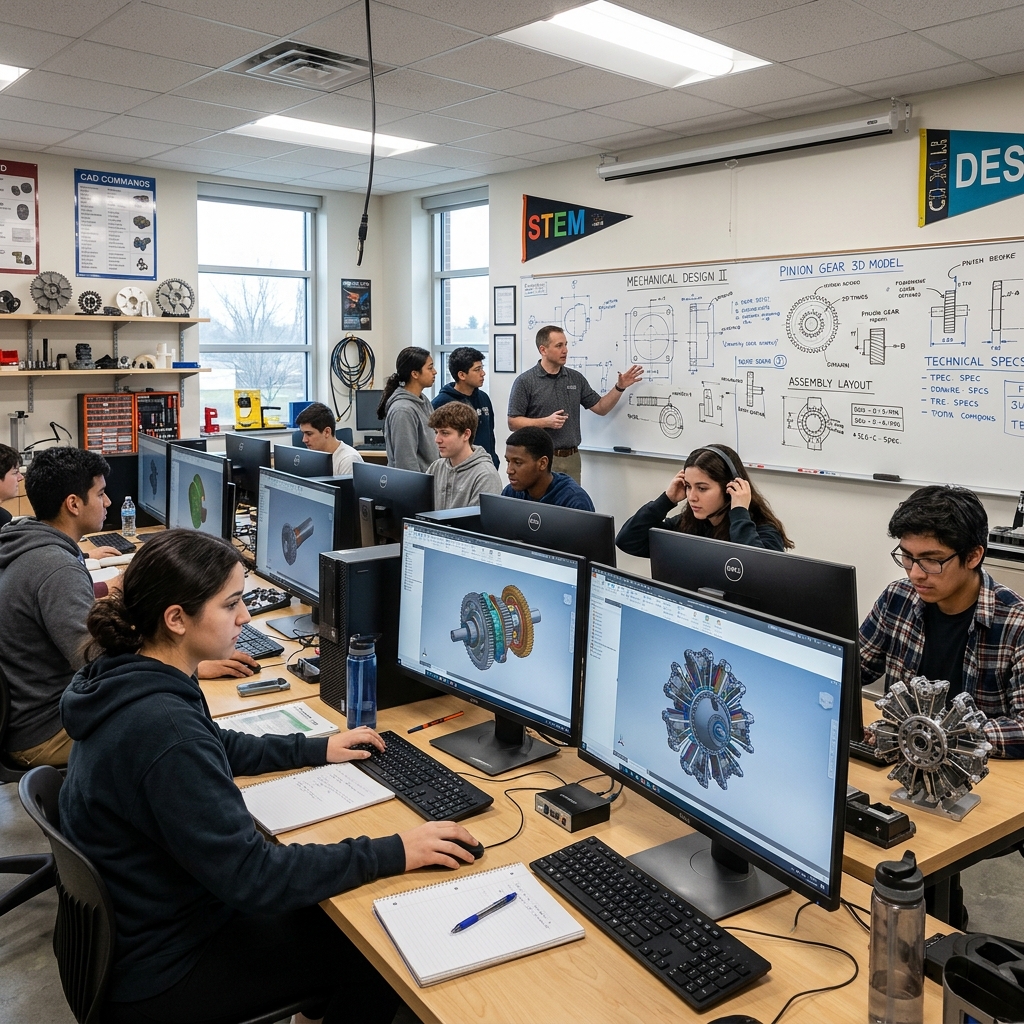
Illustration: RivCut
U.S. Advanced making academies are reporting record enrollment in CAD/CAM design programs. Faced with a nationwide shortage of skilled labor, public-private teams are funding tuition-free training courses. These programs draw high school graduates and career changers to advanced careers in digital design, electrical testing. And clean room tools. By combining classroom learning with hands-on training programs, U.S. Academies are training the skilled workforce needed to run the smart factories of the future.
The making sector is undergoing a major shift. The popular image of a factory as a dirty, noisy space is out of date. Today's advanced factories are clean, high-tech rooms filled with robotic arms, robotic transport tools. And computerized machine tools. Running these plants requires workers with computer skills, mathematical training. And design expertise. CAD/CAM training programs address this need by training students in modern digital design and making workflows.
The Foundations of Digital Design: CAD and CAM
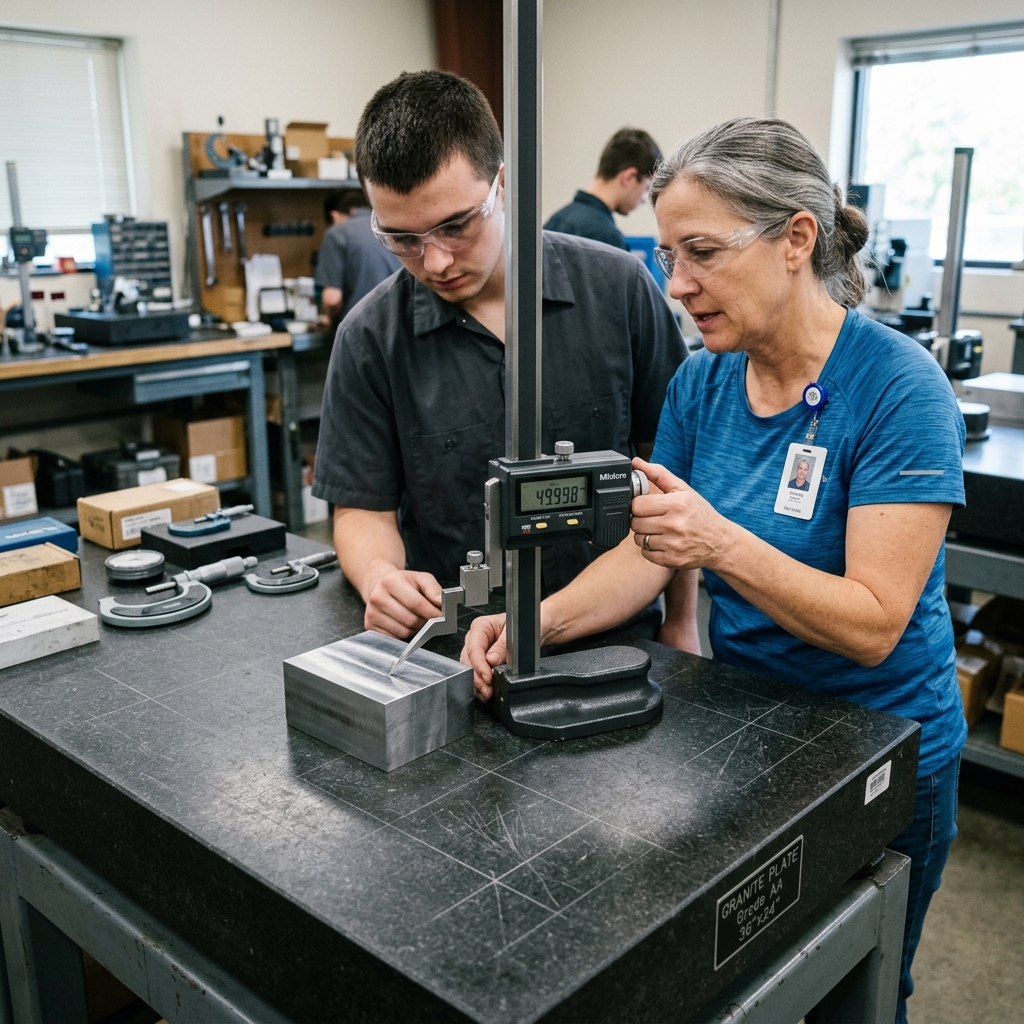
Illustration: RivCut
To understand what students learn in these programs, we must look at CAD and CAM. Computer-Aided Design (CAD) is software used to create 3D digital models of parts. Designers use CAD to draw brackets, casings. And device enclosures. The software uses parametric modeling. This allows designers to define relationships between features. For example, if you change a part's width, the software simply resizes the mounting holes to match. This prevents human error.
Computer-Aided making (CAM) is software that takes the 3D CAD model and plans how to machine it. The CAM software calculates the toolpaths. This are the paths the cutting tool will follow to carve the part out of a block of metal. It determines the spin speed of the tool, the feed rate into the metal. And the depth of each cut. Once the toolpaths are planned, the CAM software translates them into G-code. This is the programming language that controls CNC machines.
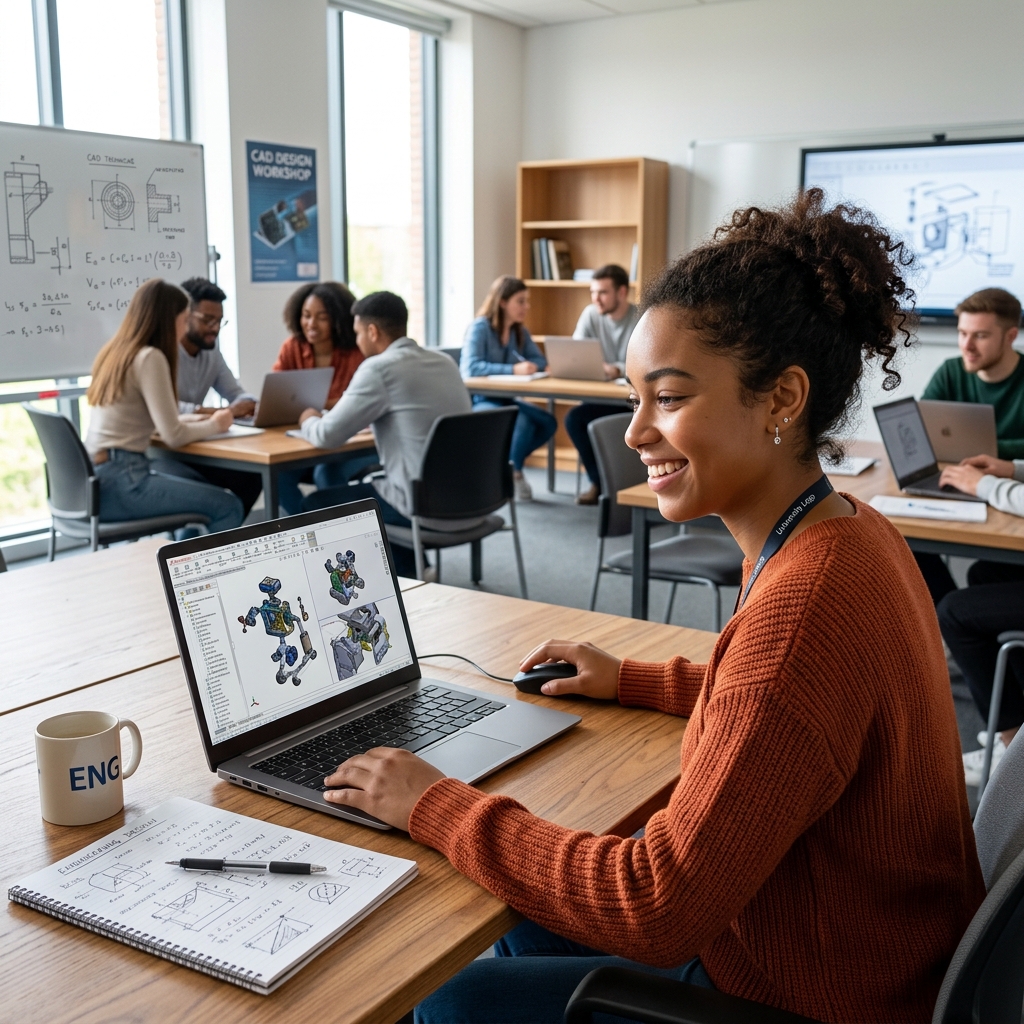
Students learn to use both CAD and CAM tools in clean, modern computer classrooms. They design parts for space, defense. And medical devices. They run tests in the software to verify that the tool will not collide with the machine. This ensures safe, quick work. This digital workflow is the backbone of advanced making. This allows companies to design, test. And build hard parts quickly and cleanly.
Why training programs Matter for U.S. Makers
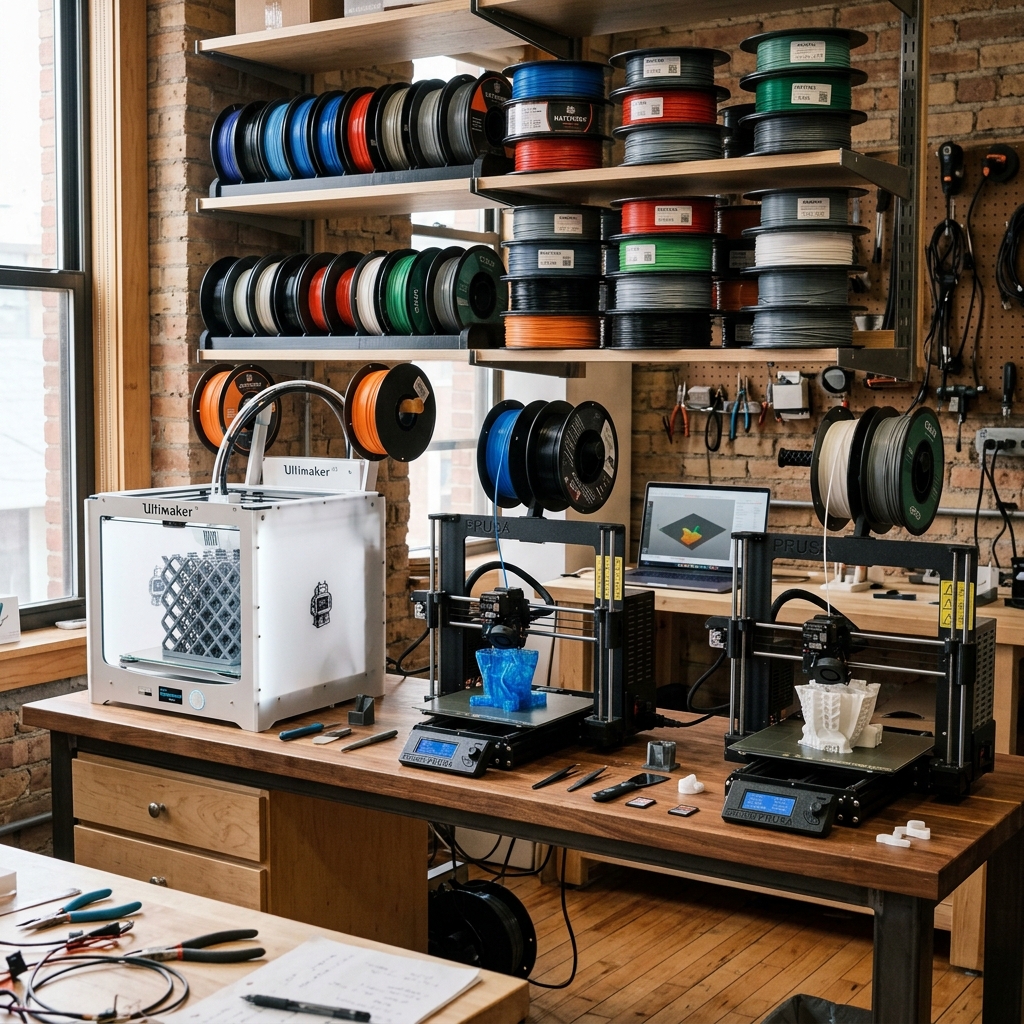
Illustration: RivCut
For U.S. Makers, the skilled labor shortage is a major bottleneck. As the U.S. Expands domestic chip fabs, EV factories. And space build plants, the demand for workers is soaring. Many older machinists are retiring. And not enough young workers are entering the trade. This has led to a talent gap. Academies address this by offering tuition-free, accelerated training programs that get workers onto the factory floor quickly.
training programs are a key part of this strategy. An training combines classroom learning with on-the-job training. Students spend part of their week in the classroom learning CAD/CAM theory. And the rest of the week working in local machine shops. They are paired with experienced mentors who teach them how to run machines, measure parts. And follow safety rules. This hands-on experience is vital. This helps students apply what they learn in class to real-world projects.
Additionally, training programs offer high-paying career paths. Graduates can earn starting salaries of $50,000 to $70,000, with opportunities to double their income as they gain experience. These jobs offer good benefits and long-term stability, as advanced making cannot be easily outsourced. By pitching these careers as high-tech, high-value opportunities, academies are changing the perception of the trade and attracting a diverse pool of talent.
The Shift Toward clean room and Tech Careers
Advanced making training is expanding beyond traditional making to include clean room and devices careers. As chip fabs and medical device factories expand in the U.S., they require workers trained in clean room rules. These workers must know how to operate in sterile rooms, use robotic wafer transport tools. And handle delicate chips. Academies are building simulated clean rooms to teach students how to gown up, handle wafer pods. And follow cleanliness rules.
Students also learn electrical testing and quality checking. They learn to operate coordinate measuring machines (CMMs) using touch probes and optical scanners to verify part dimensions to sub-micron tolerances. They learn to use green stress chambers to test circuit boards under extreme heat levels. This training prepares students for high-demand roles in quality control. This ensures that U.S. Factories maintain the highest rules of safety.
This tech-focused training is supported by U.S. Machine shops. Shops like RivCut. This operates high-speed CNC milling and turning lines in California, rely on a pipeline of skilled programmers and operators. By supporting local academies and hiring students, shops are investing in their own growth. It ensures they have the talent needed to handle hard space and medical contracts, keeping the U.S. Making base strong and competitive.
rules of making passes
As training programs grow, trade groups are working to standardize making passes. The National Institute for Metalworking Skills (NIMS) and the Smart making Experience (SME) offer trade-recognized seals. These passes verify that a student has mastered specific skills, such as CNC setup, manual milling, or CAD design. Earning these seals helps students stand out to employers and allows them to carry their passes across state lines.
academies are aligning their curricula with these national rules. This ensures that the skills taught in Ohio or California are relevant to employers nationwide. It creates a standardized pathway for career growth, making it easier for workers to advance from entry-level operators to senior programmers and managers. It also helps makers verify the skill level of job applicants. This reduces hiring risks and onboarding times.
Furthermore, rules supports work between learning and trade. Fabs and tech companies work with academies to define the skills needed for future jobs. This feedback loop ensures that training programs remain relevant, updating their curricula to include new tools like AI path planning, additive making (3D printing). And computer model test. It keeps U.S. Workers at the cutting edge of global trade.
Future Outlook: Virtual Reality and Digital Twins
Looking ahead, making learning will integrate virtual reality (VR) and digital twins. VR headsets will allow students to practice running CNC machines and operating clean room hoists in a virtual room. This will allow them to make mistakes safely and without wasting expensive materials or tools. Digital twins of actual machines will let students write G-code in CAM software and test it on a virtual machine. This verifies that the program is correct before running it on the actual factory floor.
We will also see closer work between academies and local high schools. By introducing students to CAD design and 3D printing in middle and high school, educators can spark an early interest in the trade. This will encourage more young people to choose making careers, building a robust pipeline of talent to support the nation's high-tech factory base and ensuring the U.S. Remains a global leader in advanced making.
Frequently Asked Questions (FAQ)
What is the difference between CAD and CAM?
Answer: Computer-Aided Design (CAD) is software used to draw and design a 3D model of a part. Computer-Aided making (CAM) is software that takes the CAD model and generates toolpaths. The toolpaths are translated into G-code. This tells a CNC machine how to cut the metal to make the physical part.
Why is CAD/CAM training key for advanced making?
Answer: Training is key. This is because modern factories run on digital designs. Machinists no longer hand-crank wheels to cut metal. They program computers to control high-speed robotic machines. Knowing how to use CAD/CAM software allows workers to design and cut hard parts with micron-level exact.
What career paths do making training programs open up?
Answer: training programs open up high-paying careers in high-tech trades. Graduates can work as CAD designers, CNC programmers, clean room workers, or quality inspectors in space, defense, medical device. And chip factories. These jobs offer good wages and long-term career growth.
How does parametric modeling reduce making errors?
Answer: Parametric modeling uses rules and parameters to define a design. For example, if you change the diameter of a screw hole, the software simply resizes the surrounding bracket to fit. This links different parts of the design. This prevents human errors when modifications are made.
Modern manufacturing is a digital career; learning to design complex systems in CAD and run virtual simulations is a high-demand skill set.