
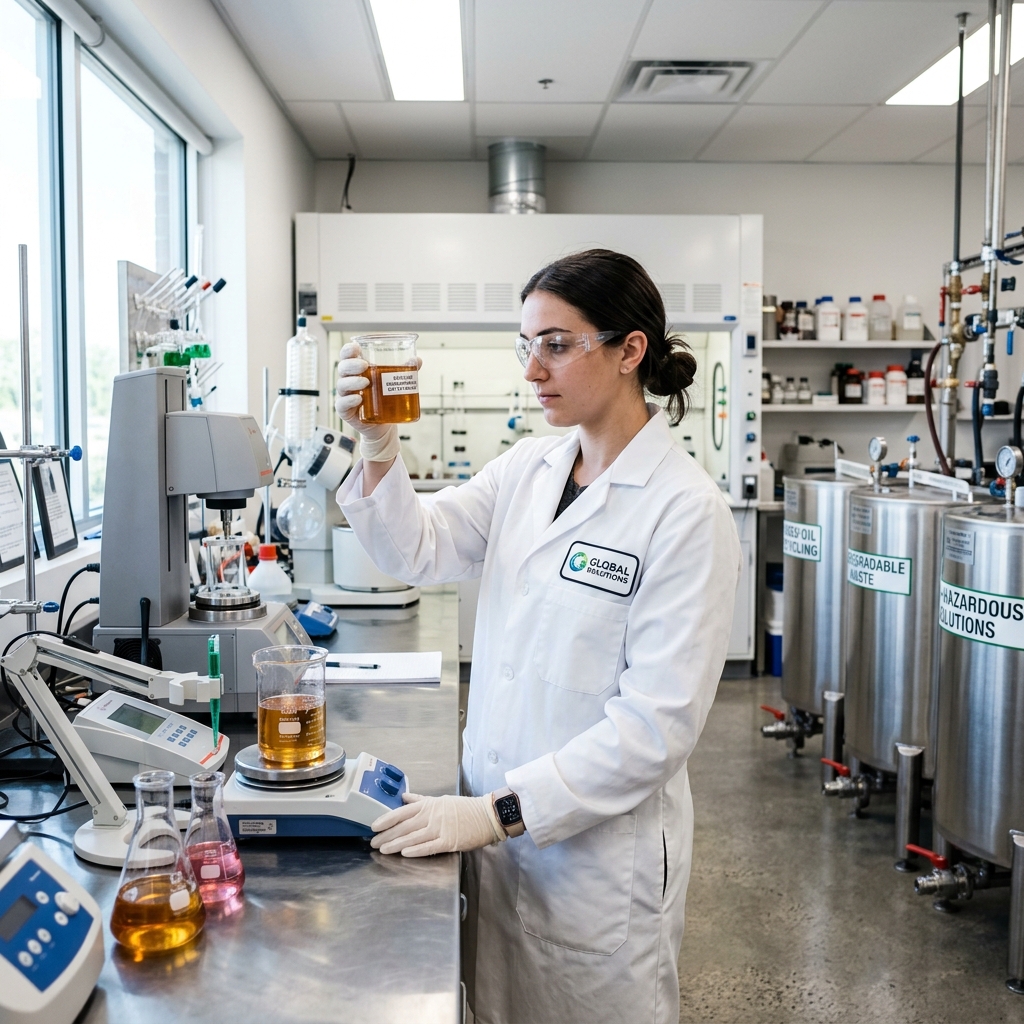
Executive Summary: Green Science for Clean work
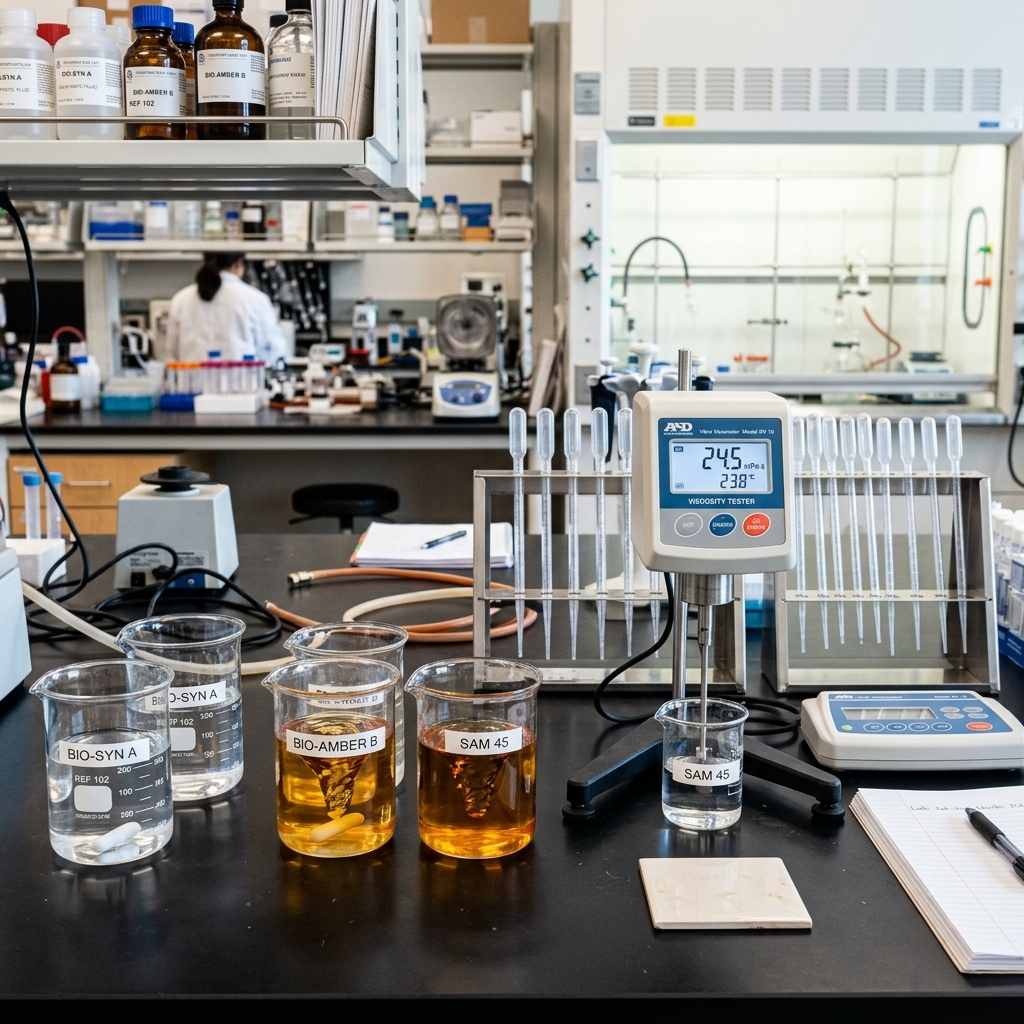
Illustration: RivCut
U.S. Liquid laboratories are developing high-speed bio-oils to support green work on advanced packaging lines. With the rising focus on green sustainability, makers are looking for alternatives to traditional petroleum-based oils. Material scientists in clean laboratories are formulating biodegradable, non-toxic oils from vegetable oils and synthetic esters. These new bio-oils reduce carbon footprints, meet strict safety rules. And provide high shear stability. This helps packaging plants run cleanly and efficiently.
Packaging lines run at high speeds. They use thousands of moving parts, including conveyor chains, gearboxes, bearings. And slides. These parts require constant oiling to prevent friction and wear. If a lubricant fails, the machines will overheat, wear out. And stop working. This causes expensive downtime. Bio-oils solve this issue by providing excellent oiling while protecting the room. They are particularly useful in food, beverage. And pharmaceutical packaging, where safety is a top priority.
The Science of Tribology and Biodegradable Oils
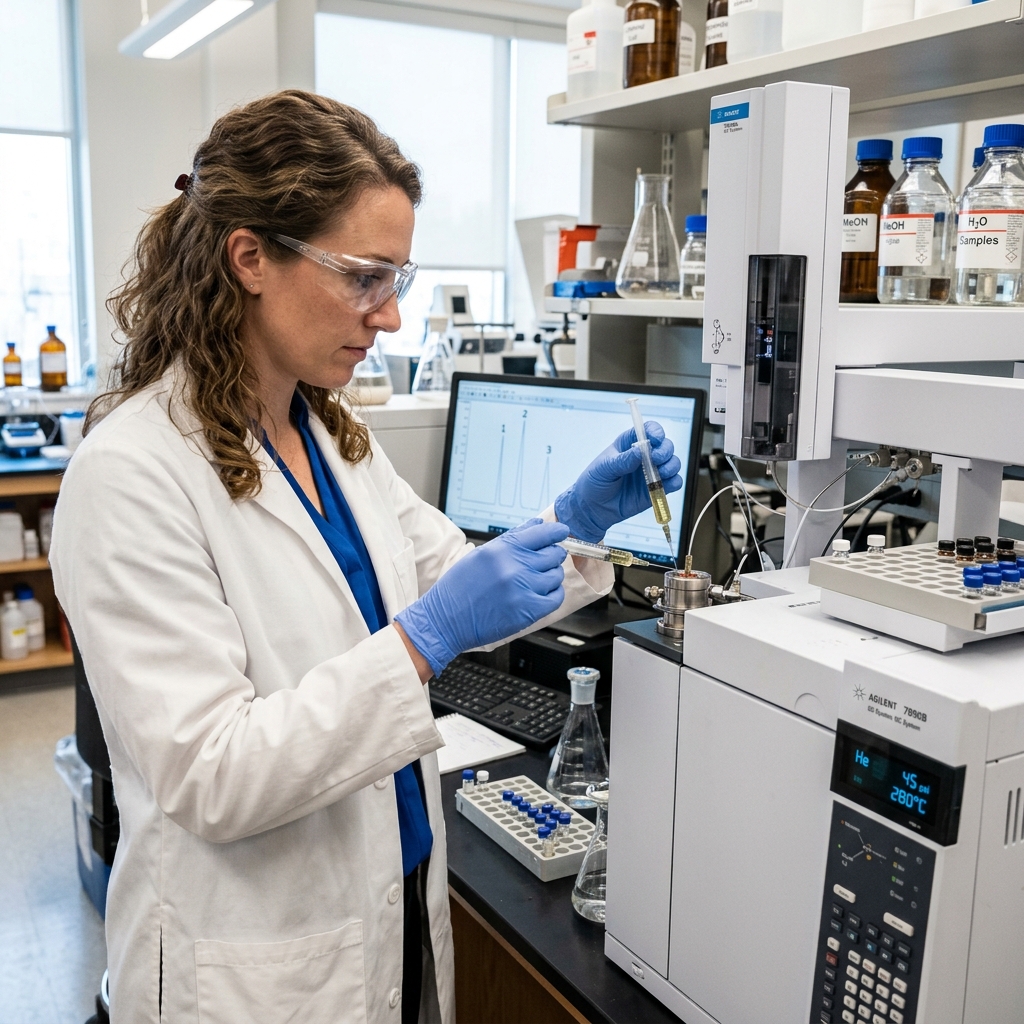
Illustration: RivCut
To design quick bio-oils, scientists study tribology. Tribology is the science of interacting surfaces in relative motion. It focuses on friction, wear. And oiling. When two metal parts slide against each other, their microscopic rough spots touch. This creates friction. This generates heat and wears away the metal. A lubricant prevents this by creating a thin fluid film between the surfaces, keeping them separated.
Traditional oils are made from mineral oils derived from crude oil. While they perform well, they are toxic and biodegrade slowly. If a mineral oil leaks onto the floor or into water supplies, it causes green damage. Bio-oils address this problem by using vegetable oils, such as canola, soybean. And sunflower oils, as base fluids. These natural oils contain triglycerides. This are polar molecules. The polar molecules attach to metal surfaces, creating a strong protective film that reduces wear better than mineral oil.
However, natural vegetable oils have a weakness: they oxidize quickly at high heat levels. Oxidation occurs when oxygen in the air reacts with the oil, creating acids and thick sludge. This breaks down the oil and clogs the machines. To solve this, liquid labs use synthetic esters. Synthetic esters are man-made liquid compounds built from natural acids and alcohols. They combine the biodegradability of vegetable oils with the high thermal stability of mineral oils, creating a high-speed lubricant that can withstand continuous factory work.
H1 Food-Grade seal: Ensuring Safety
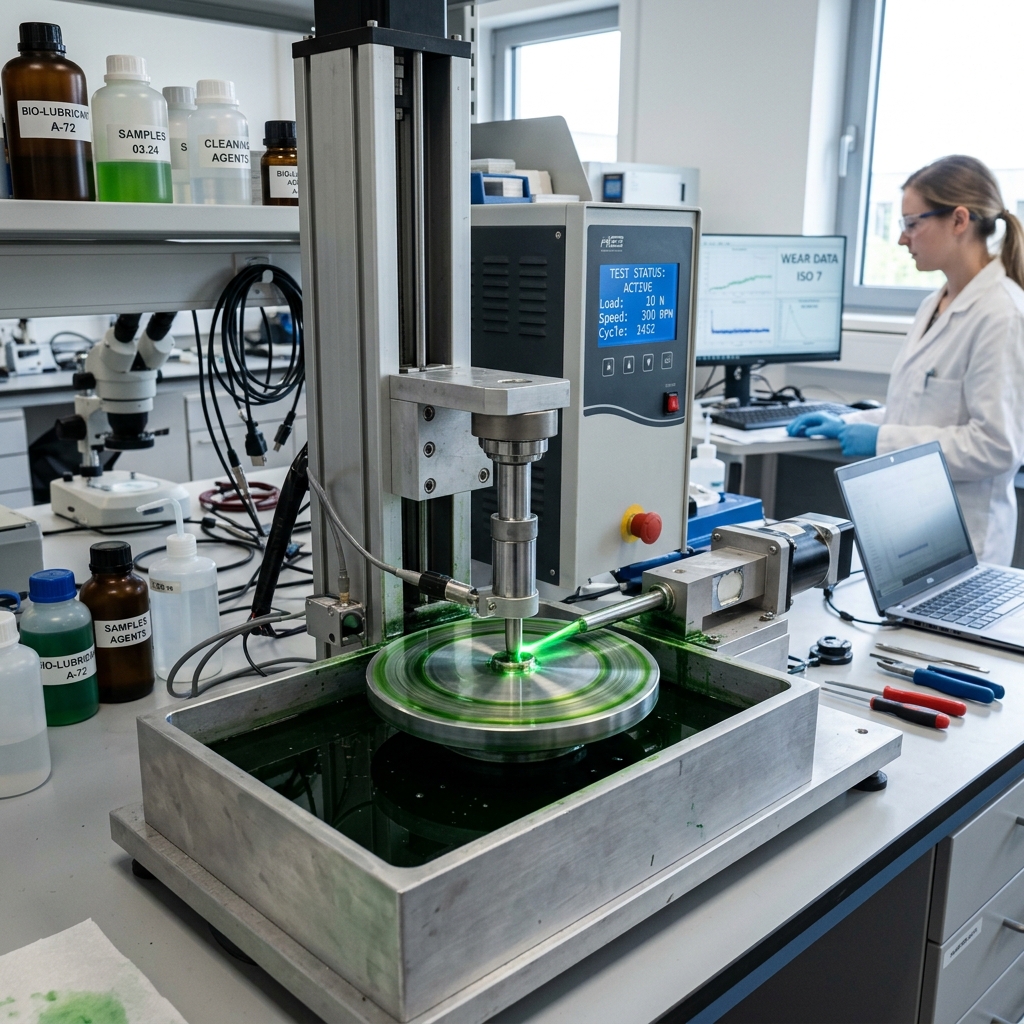
Illustration: RivCut
Safety is a key need for oils used in packaging lines. In food, beverage. And medical packaging, oils must be certified by the National Sanitation Foundation (NSF). The primary rule is the H1 food-grade seal. H1 oils are approved for use in locations where incidental food contact may occur. This means that if a tiny amount of the lubricant accidentally touches a bottle or box, it will not contaminate the contents.
Formulating H1 oils is a challenge for chemists. All ingredients, including the base oil and additives, must be non-toxic and odorless. Chemists cannot use traditional anti-wear additives, such as zinc or sulfur compounds,. This is because they are toxic. Instead, they use safe alternatives, like calcium sulfonates and synthetic polymers. These food-grade additives protect machine parts from wear and rust while keeping the lubricant safe for contact with packaging materials.
exact dispensing tools are also important for maintaining cleanliness. Packaging lines use robotic oiling tools to apply the oil. These tools use positive-displacement pumps and nozzles to deliver precise amounts of oil directly to the bearings and chains. Applying the correct amount of lubricant prevents excess oil from slinging off the parts and contaminating the packaging. It keeps the line clean and reduces oil consumption.
Why Bio-oils Matter for U.S. Makers
For U.S. Makers, switching to bio-oils supports sustainability goals. Many retail brands and consumer goods companies have pledged to reduce their carbon footprint. They require their suppliers to adopt green tools. Using bio-oils on packaging lines helps makers meet these needs. It demonstrates a commitment to green work and attracts environmentally conscious customers.
Additionally, bio-oils improve worker safety. Mineral oils contain volatile organic compounds (VOCs) that can evaporate into the air. Breathing in these vapors can cause respiratory irritation and skin problems. Bio-oils have very low volatility. They do not evaporate easily, keeping the clean room air healthy for workers. They are also less likely to catch fire. This reduces the risk of factory fires.
Finally, bio-oils can lower maintenance costs. While bio-oils can be more expensive to buy than mineral oils, they last longer. Synthetic ester oils resist shear breakdown. This means they do not thin out under heavy loads, maintaining a strong protective film over long periods. This reduces the frequency of oil changes and extends the lifespan of expensive machine parts, such as gearboxes and bearings. This saves maintenance costs over time.
Tribology Lab Testing and checks
Before a new bio-lubricant is deployed on a packaging line, it must undergo testing in a tribology laboratory. Chemists use specialized machines to measure the oil's speed. The four-ball wear tester is a rule tool. It presses a rotating steel ball against three stationary steel balls submerged in the lubricant. After the test, workers measure the wear scars on the balls under a microscope. A smaller scar indicates better anti-wear speed.
Labs also measure the oil's viscosity. Viscosity is the measure of a fluid's resistance to flow. It is often described as the oil's thickness. A lubricant must maintain the correct viscosity across a wide heat range. If it gets too thin at high heat levels, it will not protect the parts. If it gets too thick at low heat levels, it will block the robotic pump tools. Chemists use viscometers to verify the oil's viscosity index. This ensures consistent speed in both cold storage areas and hot processing lines.
For exact machine parts, lubricant compatibility is also key. Seals and gaskets made of rubber or polyurethane can swell or crack if they react with the lubricant. This leads to leaks that can shut down the line. Chemists test compatibility by soaking seal samples in the oil for weeks and measuring changes in their weight and flexibility. Ensuring that the bio-lubricant does not degrade seals is a key step in verifying its safety for factory use.
Future Outlook: Nano-Additives and Green rules
Looking ahead, bio-lubricant tools will continue to advance. Researchers are testing nano-particle additives to improve anti-wear speed. For example, adding tiny particles of silica or graphene can fill the microscopic rough spots on metal parts. This reduces friction even further. These nano-additives can help bio-oils match or exceed the speed of heavy-duty mineral oils. This allows them to be used in high-load gearboxes and heavy machinery.
We will also see the expansion of green regulations. Government entities are defining parameters for certified bio-based products. The U.S. Department of Agriculture (USDA) runs the BioPreferred program. This requires federal agencies to purchase bio-based products. As these rules expand to the private sector, the demand for certified bio-oils will grow, driving further new idea in liquid laboratories.
For U.S. Liquid firms and exact packaging suppliers, the sustainability push offers strong opportunities. The market for green tools is expanding rapidly. Suppliers that combine advanced tribology research, food-safe formulations. And robust lab testing will lead this growing market. This ensures the U.S. Remains a leader in green factory tools.
Frequently Asked Questions (FAQ)
What are bio-oils in factory making?
Answer: Bio-oils are factory oils and greases made from natural resources, like vegetable oils or synthetic esters. Unlike traditional mineral oils made from petroleum, bio-oils are biodegradable, non-toxic. And have a much lower carbon footprint, making them safer for the room.
What is H1 food-grade seal for packaging oils?
Answer: H1 seal is a safety rule for oils used in food and beverage packaging plants. It certifies that the lubricant is non-toxic and safe for incidental food contact. This means that if a tiny drop of the lubricant accidentally touches a packaging container, it will not contaminate the food.
How do synthetic bio-oils compare to traditional mineral oils?
Answer: Synthetic bio-oils perform as well as or better than traditional mineral oils. They have high thermal stability, meaning they do not break down at high heat levels. They also resist oxidation. This prevents sludge buildup in gearboxes. This keeps machines running smoothly for longer periods.
Why is tribology research key for factory speed?
Answer: Tribology is the science of friction, wear. And oiling. Research in tribology helps scientists design oils that minimize friction between moving machine parts. Lower friction reduces the energy needed to run the machines, cutting electricity bills and reducing greenhouse gas emissions.
Green manufacturing starts in the laboratory; formulating high-stability bio-lubricants allows automated lines to operate cleanly and sustainably.