

What happened

Illustration: RivCut
The U.S. manufacturing sector saw a strong rebound in June 2026, with the Purchasing Managers' Index (PMI) rising to fifty-five point seven. This figure is up from fifty-five point one in May, marking a forty-nine-month high and the eleventh consecutive month of expansion. The rebound was driven by a surge in new orders and the fastest rate of production growth since mid-twenty-twenty-one. According to S&P Global, manufacturers are benefiting from strong domestic demand and a steady recovery in key capital-intensive sectors. However, this growth has created major operational challenges. Factories are struggling to keep up with the volume of orders, leading to rising backlogs and longer delivery times for raw materials.
The lengthening of supplier delivery times is a major concern for manufacturers. Shipping disruptions, port congestion, and shortages of key raw materials have combined to create logistical bottlenecks. In response, many firms have begun stockpiling critical parts and materials to prevent production shutdowns. This safety stock strategy has increased inventory carrying costs and tied up cash flow. Input cost inflation has also accelerated, driven by higher prices for steel, copper, and specialized components. While manufacturers have been able to pass some of these costs on to customers through higher prices, the persistent inflation is squeezing profit margins across the sector.
The most critical challenge facing the industry is a severe shortage of skilled labor. Despite the rise in production orders, manufacturing employment saw its largest decline since early twenty-twenty. Machine shops and fabrication facilities are struggling to find qualified workers to operate complex machinery. The shortage of precision CNC operators, welders, and quality inspectors is capping production capacity and preventing shops from taking on new business. Many firms are running their existing staff on heavy overtime, which raises labor costs and increases the risk of operator fatigue and quality errors. The labor crunch has become a primary bottleneck for the sector, holding back the full potential of the manufacturing rebound.
The labor crisis is a long-term structural issue that cannot be solved quickly. The retirement of experienced baby-boomer machinists has combined with a lack of young people entering the trade to create a major talent gap. Modern manufacturing requires advanced technical skills, including computer programming, mathematical modeling, and precision metrology. However, public perception of the industry remains outdated, with many viewing factory work as low-skilled and manual. To address this, industry groups and local governments are investing in public awareness campaigns and vocational training programs. While these efforts are vital, they will take years to rebuild the talent pool, leaving shops to find creative ways to manage their current staffing needs.
In addition to recruitment challenges, the high turnover rate in manufacturing entry-level roles is causing concern. Many shops find that new hires leave within the first six months, citing long hours or difficulty adapting to the technical environment. To combat this, some firms are hiring dedicated employee coordinators to help new workers transition and feel supported. They are also implementing mentoring programs where experienced machinists guide new hires on the shop floor. This high-touch approach is designed to build a supportive community and reduce the cost of constant onboarding, helping to stabilize the workforce over time.
Why it matters for manufacturers
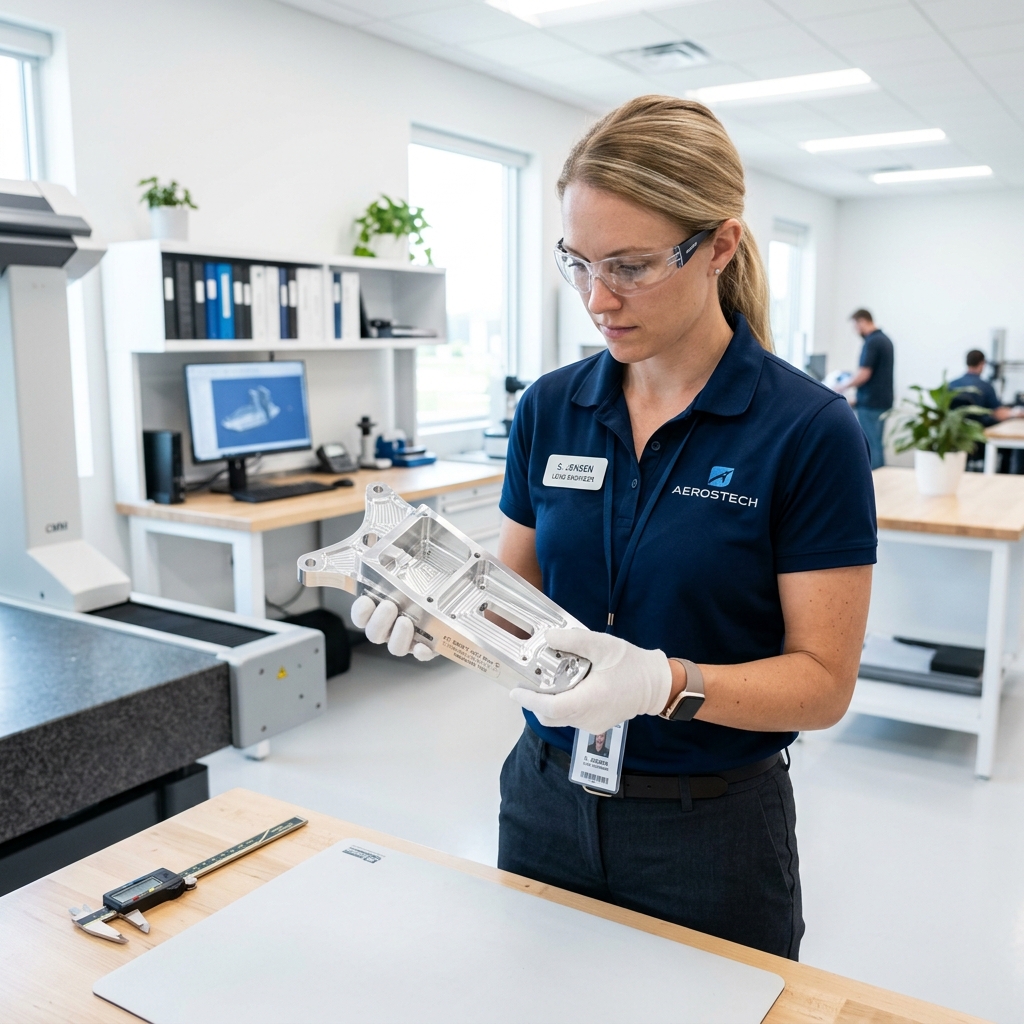
Illustration: RivCut
For machine shops and custom fabricators, navigating this high-growth, low-capacity environment requires strategic changes. Shops must focus on improving operational efficiency to maximize output from their existing workforce. This includes adopting lean manufacturing principles, streamlining shop-floor logistics, and reducing setup times between production runs. It also means prioritizing high-margin work and firing unprofitable customers who consume valuable machine time. With capacity at a premium, shops must be selective about the projects they accept, focusing on work that aligns with their core strengths and offers the best return on investment.
Investing in automation is another key strategy for managing the labor shortage. Automated pallet changers, robotic part loaders, and bar feeders can keep CNC machines running through lunch breaks and overnight shifts. This lights-out manufacturing capability allows shops to increase output without hiring more operators. However, setting up automation requires significant capital investment and advanced programming skills. It also requires stable, repeatable machining processes. If a cutting tool breaks during unattended operations, it can cause catastrophic damage to the machine. Shops must implement tool-monitoring sensors and advanced toolpath simulation to prevent these failures, adding to the complexity of the setup.
Improving worker retention is also a top priority for manufacturers. With skilled operators in high demand, shops are competing for talent by offering higher wages, signing bonuses, and improved benefits. They are also investing in air conditioning and modern workstations to make the shop floor a more appealing place to work. Beyond compensation, providing clear career paths and technical training is critical for keeping young employees. Machinists want to work with the latest technology and learn new skills, such as multi-axis programming and robotic cell integration. Shops that provide these learning opportunities will have a significant advantage in retaining key staff.
For procurement teams, the capacity crunch at machine shops means that lead times for custom parts are increasing. Buyers can no longer expect quick turnarounds on prototype or production orders. To secure machine time, they must build long-term relationships with key suppliers and provide them with clear demand forecasts. They must also be prepared to pay higher prices, as shops pass on their rising labor and material costs. Procurement strategies must shift from transactional buying to strategic partnerships, focusing on securing reliable capacity rather than chasing the lowest price, ensuring that production lines remain running.
In addition to rising prices, procurement managers must adapt to stricter terms from suppliers. Machine shops are increasingly asking for upfront deposits or tooling payments before beginning a project, which helps them fund the material purchases. They are also limiting the number of engineering changes allowed after the project has started, as updates disrupt the tightly packed schedule. Buyers who are slow to pay or make frequent design changes may find themselves deprioritized by their suppliers, emphasizing the need for buyers to be professional and cooperative partners to protect their supply chain.
What to watch next
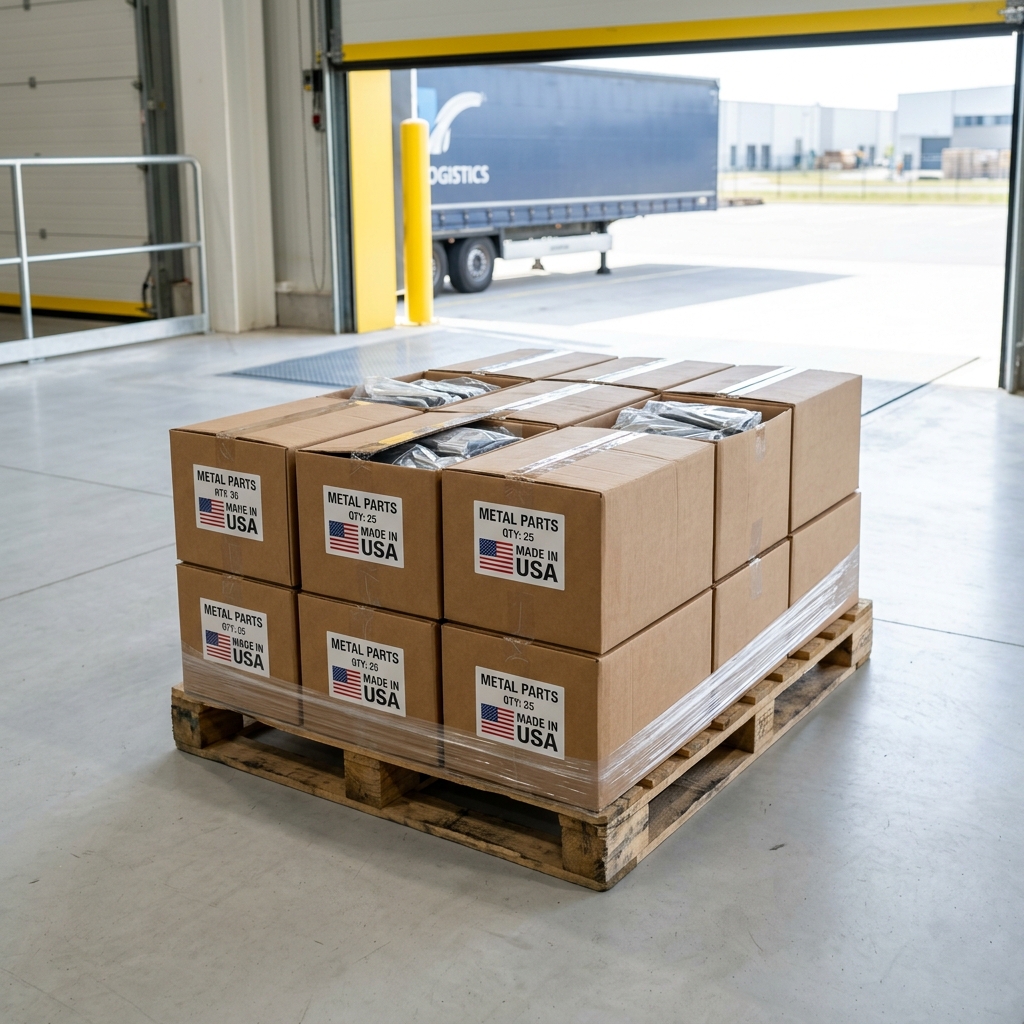
Illustration: RivCut
Moving forward, the industry is watching the Federal Reserve's interest rate decisions. High interest rates raise the cost of financing new machinery and facility expansions, which could slow down capital investment in automation. If rates remain elevated, smaller machine shops may struggle to fund the automation projects they need to manage the labor shortage. On the other hand, if the Fed begins cutting rates, it could trigger a new wave of capital spending and drive further expansion in the sector. The cost of capital will shape the technological landscape of U.S. manufacturing for the next several years.
We should also monitor the expansion of regional apprenticeship programs. Local manufacturing groups, community colleges, and high schools are teaming up to create hands-on training programs that match students with local employers. These programs allow students to earn a wage while learning a trade, making manufacturing a more attractive career path. The success of these initiatives will be critical for rebuilding the industrial workforce. If these programs can attract enough young people, it will help ease the labor crisis and allow shops to expand their operations to support the manufacturing rebound.
Additionally, the role of community-based manufacturing hubs is worth watching. These shared facilities provide access to high-end machinery and engineering software for local startups and small manufacturers, lowering the barrier to entry. They also serve as training centers, helping to develop local technical skills. By fostering local innovation and collaboration, these hubs can help build a more resilient and distributed manufacturing network. If these hubs succeed, they could become a model for regional economic development, supporting the growth of U.S. manufacturing from the ground up.
Finally, keep an eye on how global supply chains evolve. If shipping delays and geopolitical tensions persist, it will continue to drive reshoring and keep domestic factory demand high. However, if international logistics stabilize, some buyers may return to lower-cost foreign suppliers, easing the pressure on domestic shops. The balance between domestic and offshore sourcing will remain a key factor in U.S. manufacturing demand. Manufacturers must remain flexible and ready to adjust their capacity plans as global trade patterns shift, ensuring they can stay competitive under any market conditions.
In conclusion, the June manufacturing PMI data shows a sector that is growing strongly but facing real physical limits. The labor crisis and supply chain bottlenecks are the main roadblocks to further expansion. For manufacturers, succeeding in this environment requires a focus on operational efficiency, strategic capital investment in automation, and a commitment to workforce training. The shops that can adapt to these constraints will be the ones that thrive in this high-demand market, building a stronger and more resilient domestic industrial base.
The surge in manufacturing new orders is a positive sign for the economy, but without a dedicated effort to train precision machinists, U.S. factories will continue to bump against hard capacity ceilings.