
Materials
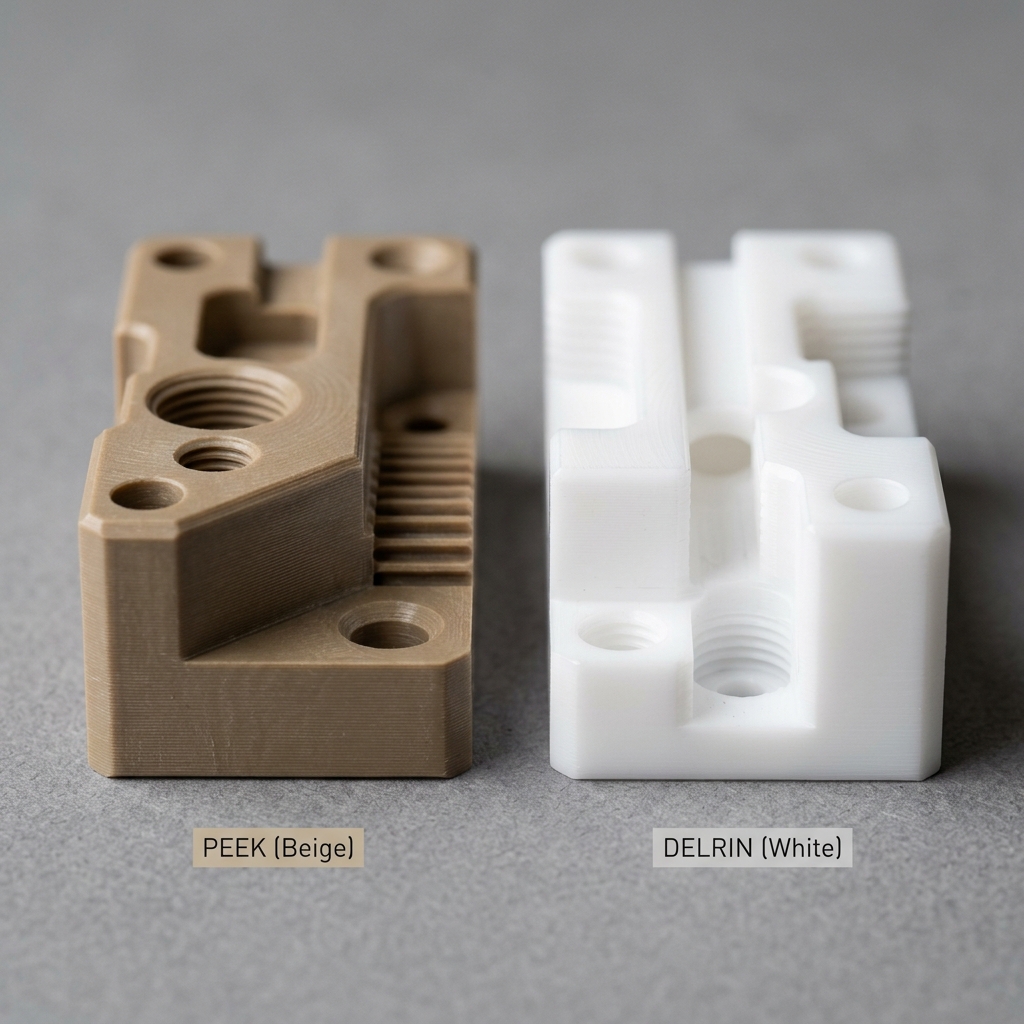
PEEK vs. Delrin: Choosing the Right CNC Plastic for High Performance
Compare PEEK and Delrin for CNC machining. Learn about material properties, cost, heat limits, and chemical resistance in plain language.
Read ArticleIndustry-leading insights on CNC machining, rapid prototyping, production scaling, and design for manufacturability (DFM). Stay ahead of the curve.
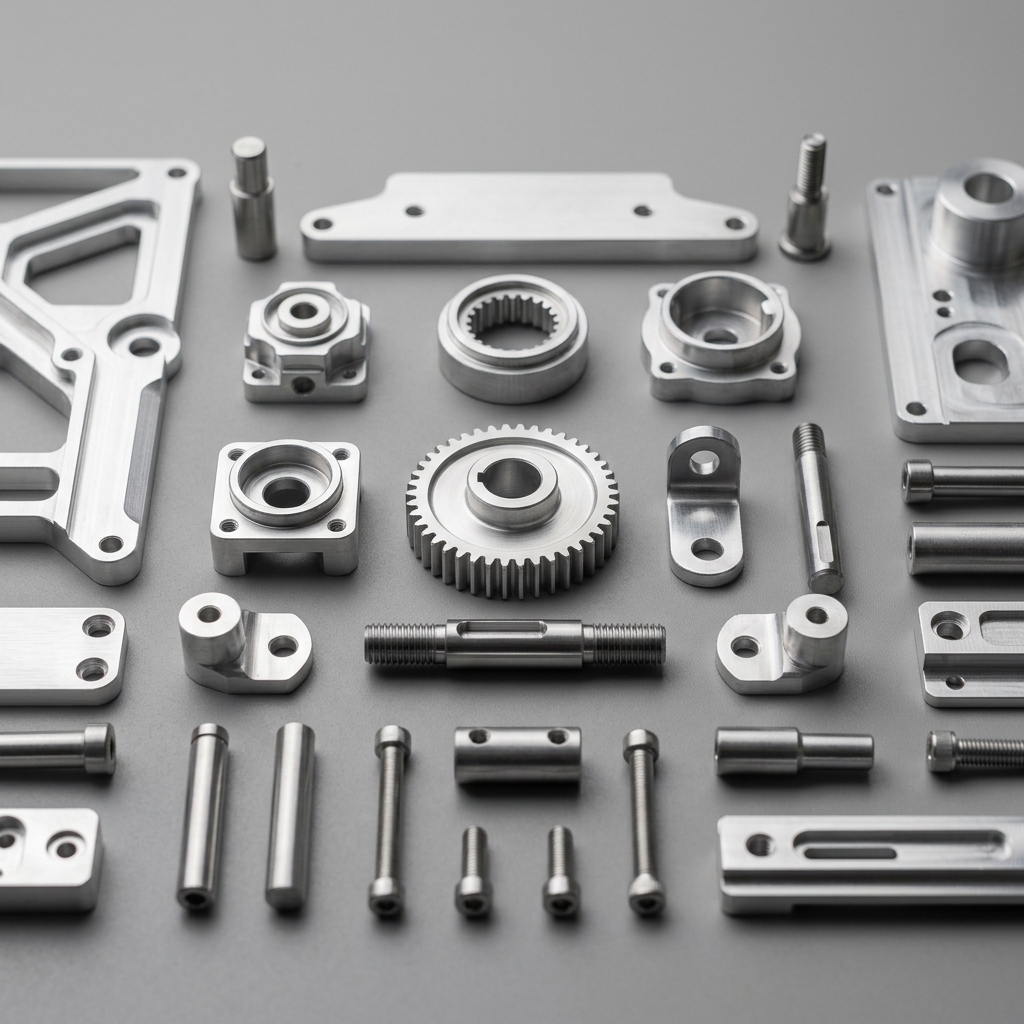
Everything you need to know about CNC machining — how it works, what materials are used, and why it remains the gold standard for precision manufacturing. A must-read primer for engineers and buyers alike.
Read Full Article
Compare PEEK and Delrin for CNC machining. Learn about material properties, cost, heat limits, and chemical resistance in plain language.
Read Article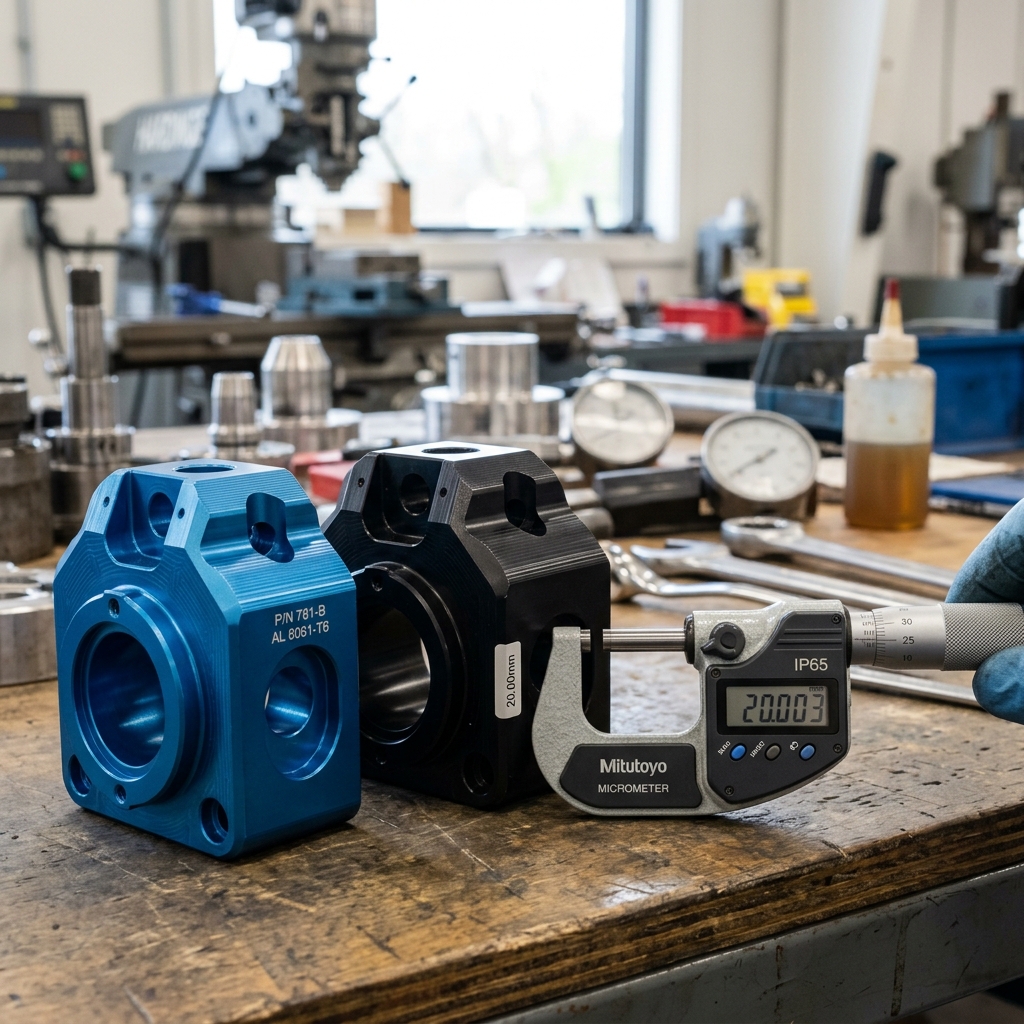
Understand how anodizing affects the dimensions of CNC machined parts. Learn the 50/50 buildup and penetration rule to design perfect fits.
Read Article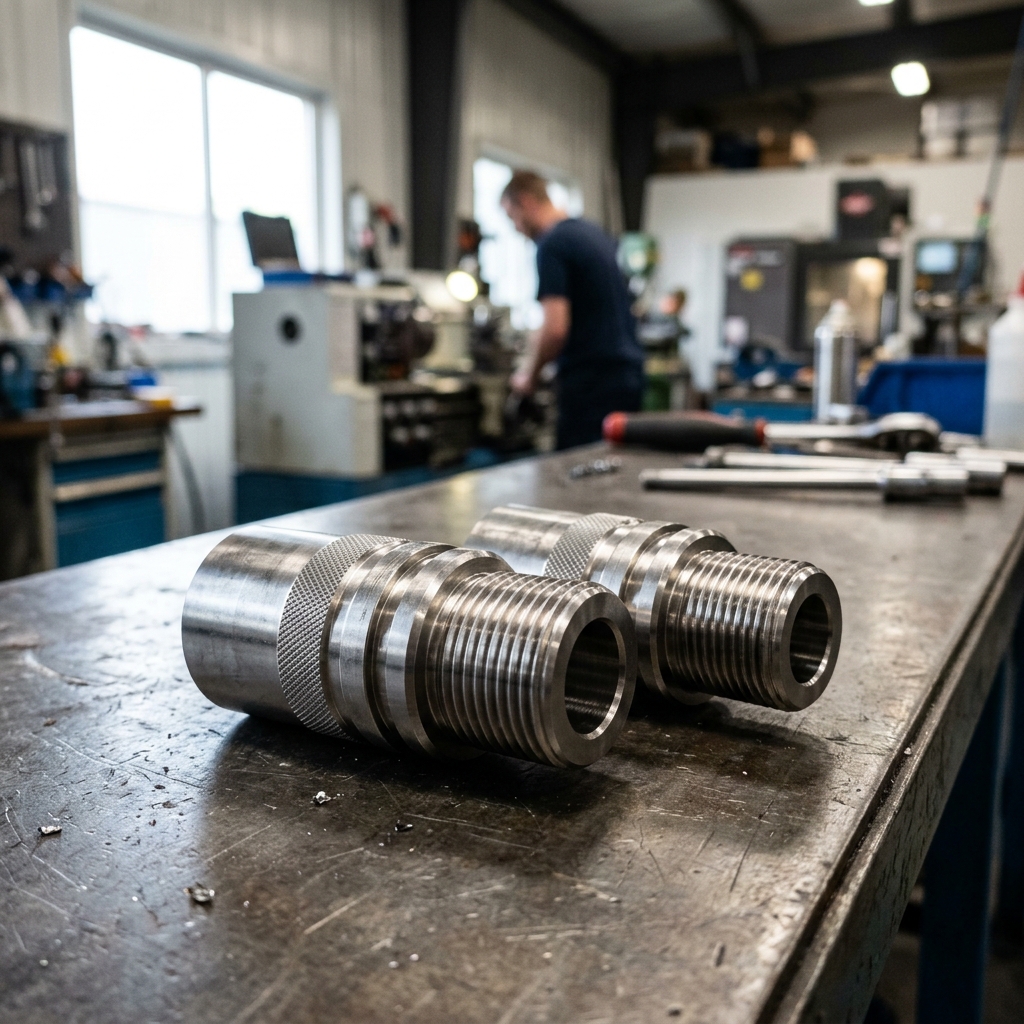
Compare 304 and 316 stainless steel for CNC machining. Learn about cost, corrosion, strength, and machining tips in plain language.
Read Article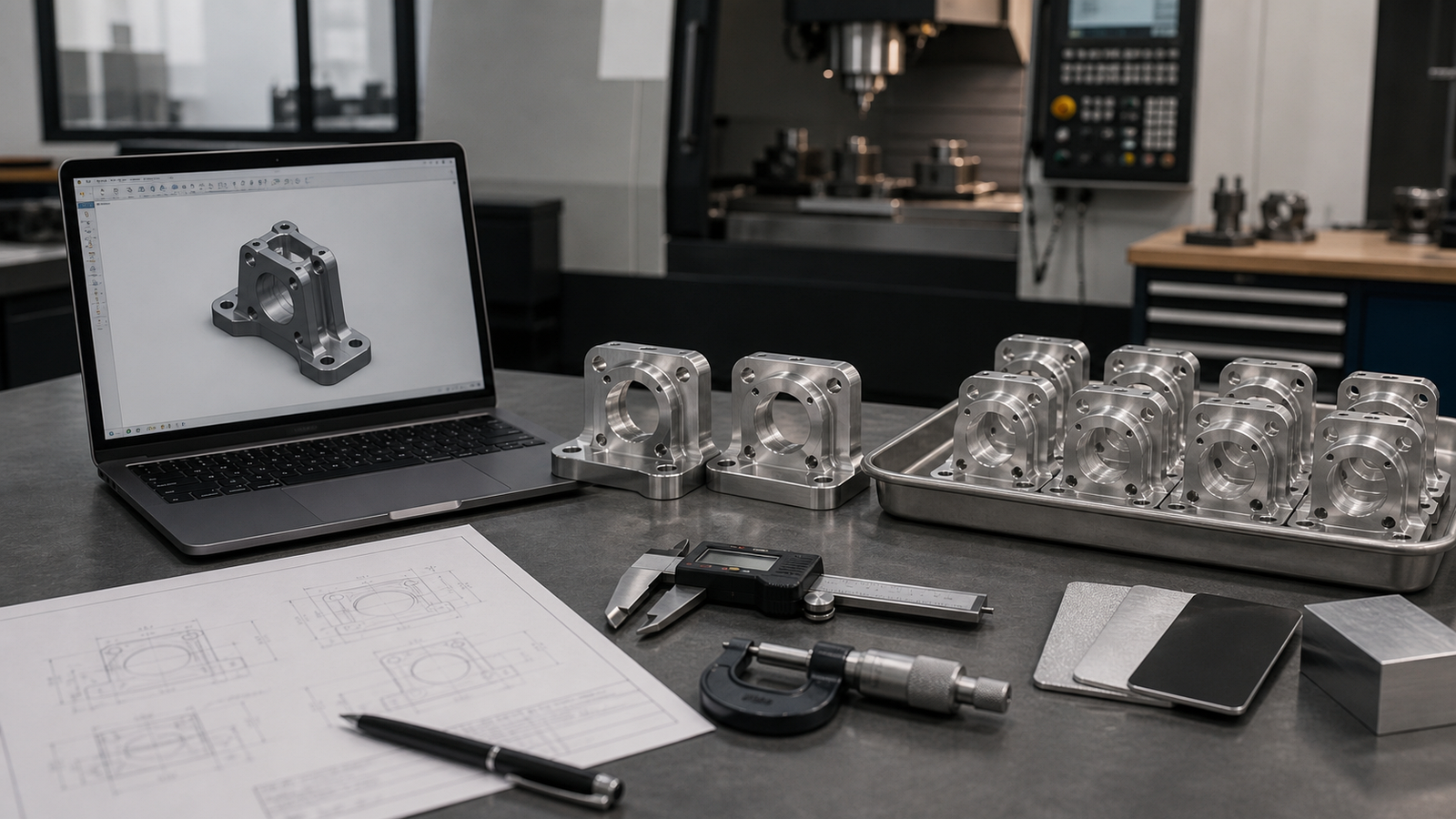
A practical roadmap for going from CAD to metal parts, then from first prototype to low-volume pilot batches and repeatable production.
Read Article
The three concepts every mechanical engineer must master — fits, tolerances, and stackup analysis — with worked examples and the workflow to assemble first time, every time.
Read Article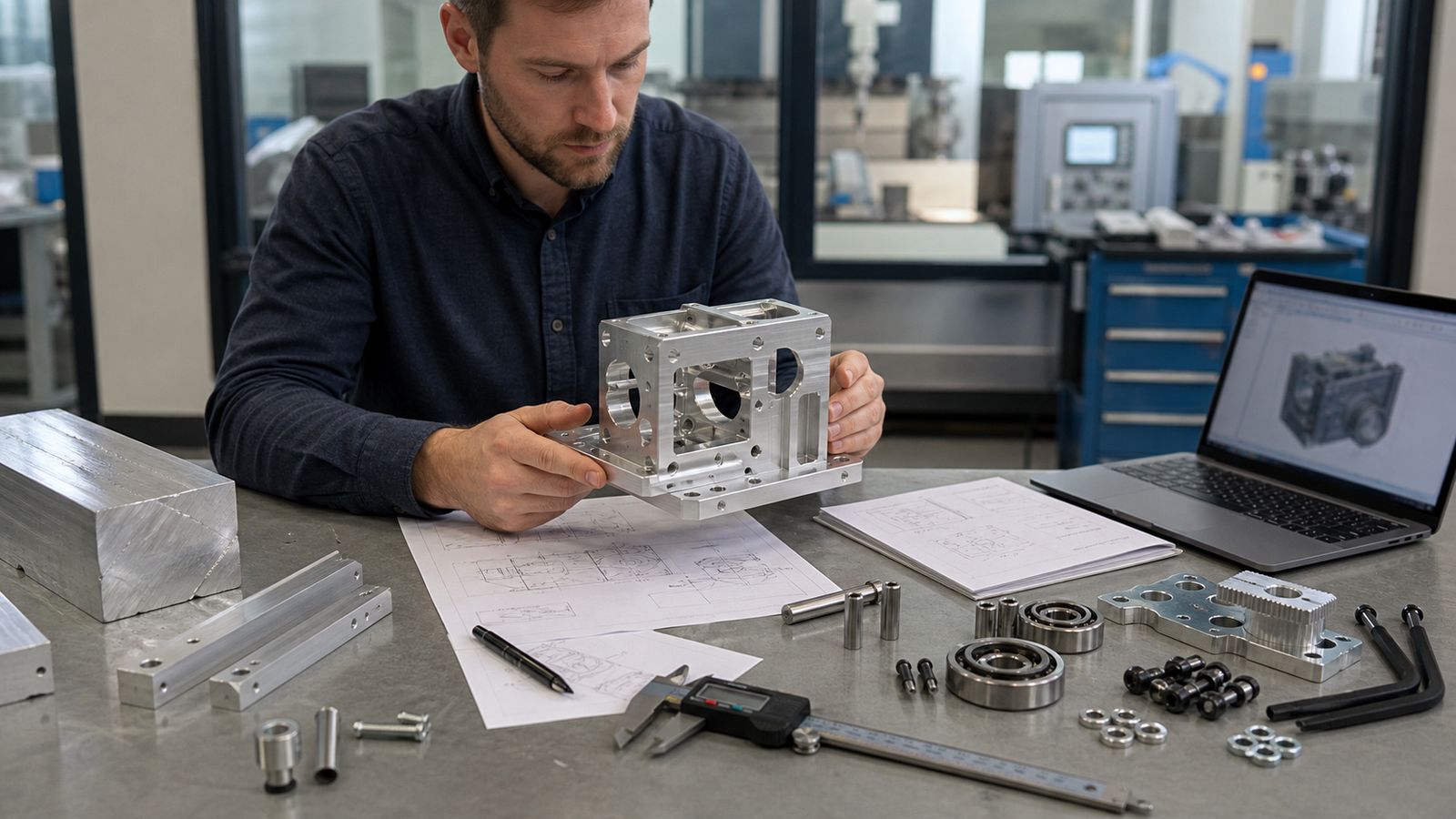
Eighteen (ish) mechanical-design habits — from defining the problem to picking the right tolerance callout — that decide what your CNC quote costs.
Read Article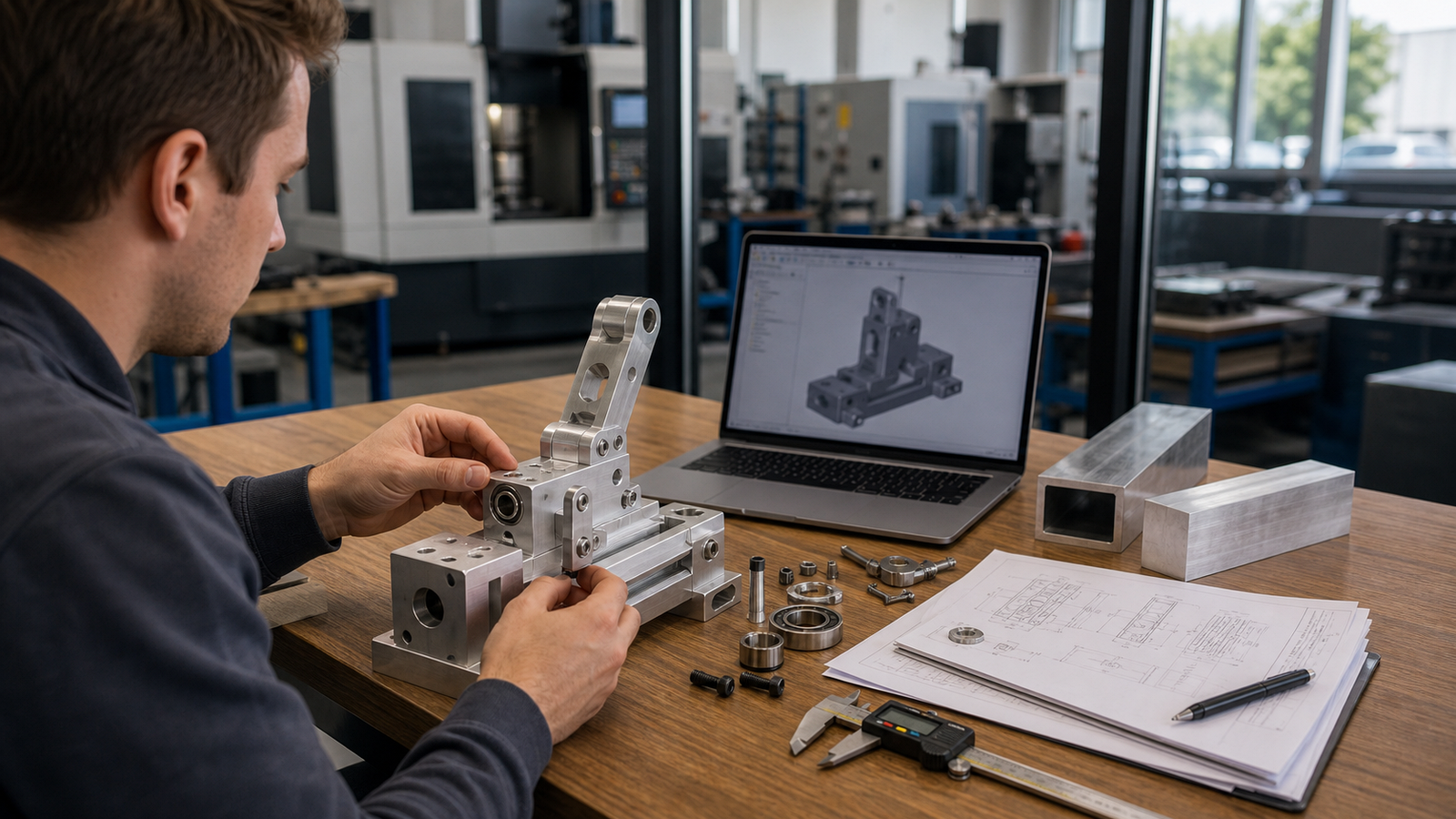
Twelve DFM principles — dynamic loads, bearings, counterweights, stiffness vs strength — that decide what your next CNC quote actually costs.
Read Article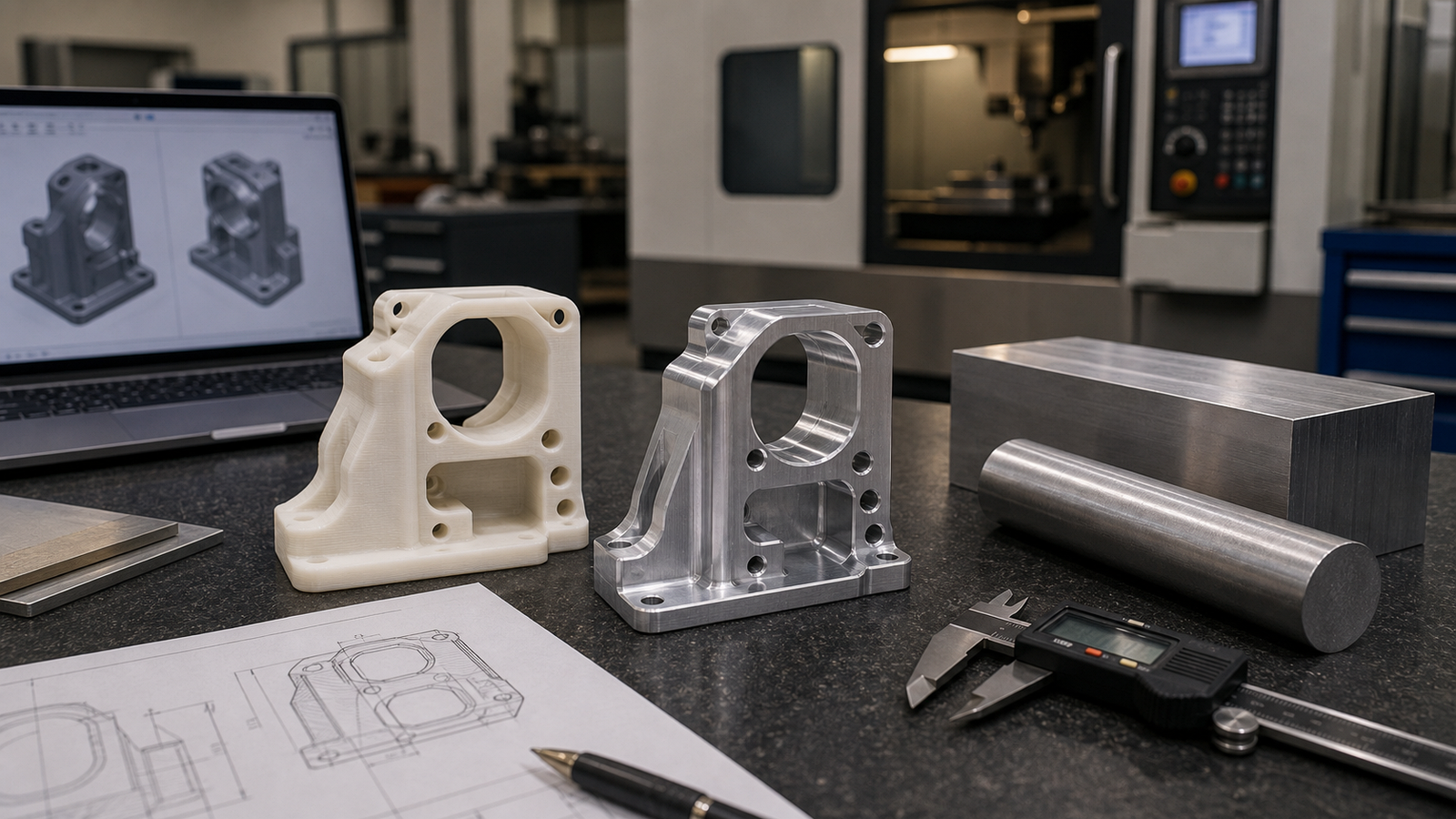
Compare 3D printing and CNC prototyping side by side. Learn when to use each method based on material, tolerance, cost, and lead time.
Read Article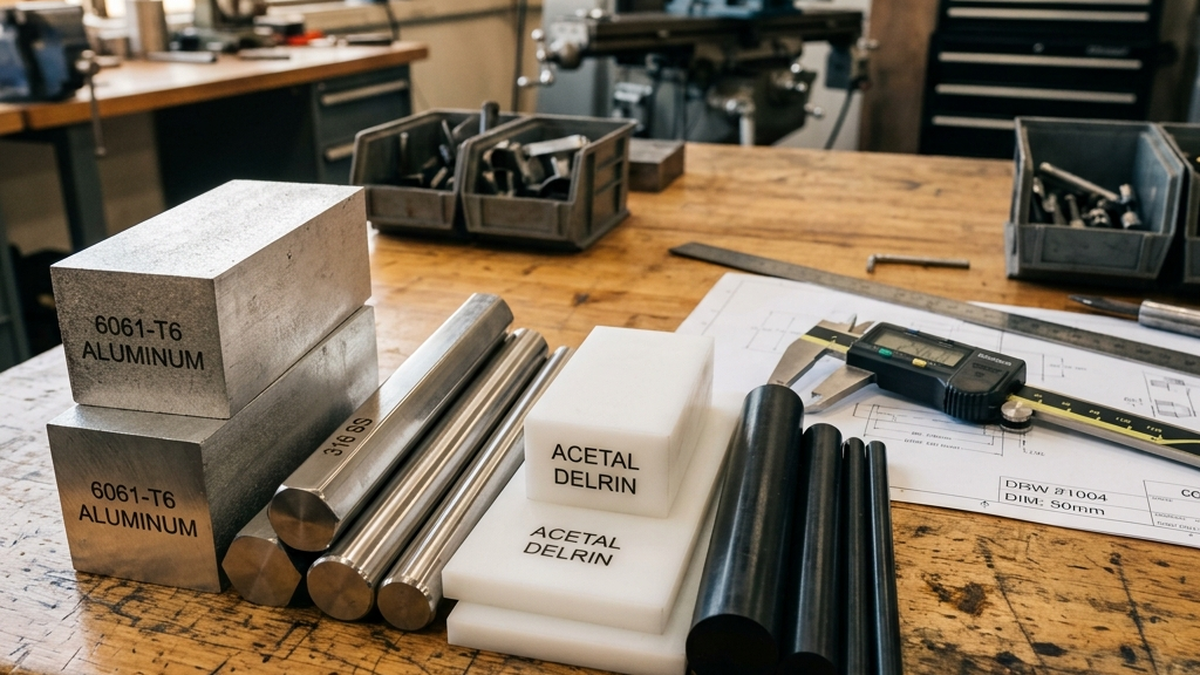
Complete guide to selecting materials for rapid prototyping. Covers metals, plastics, and composites for CNC and 3D printing.
Read Article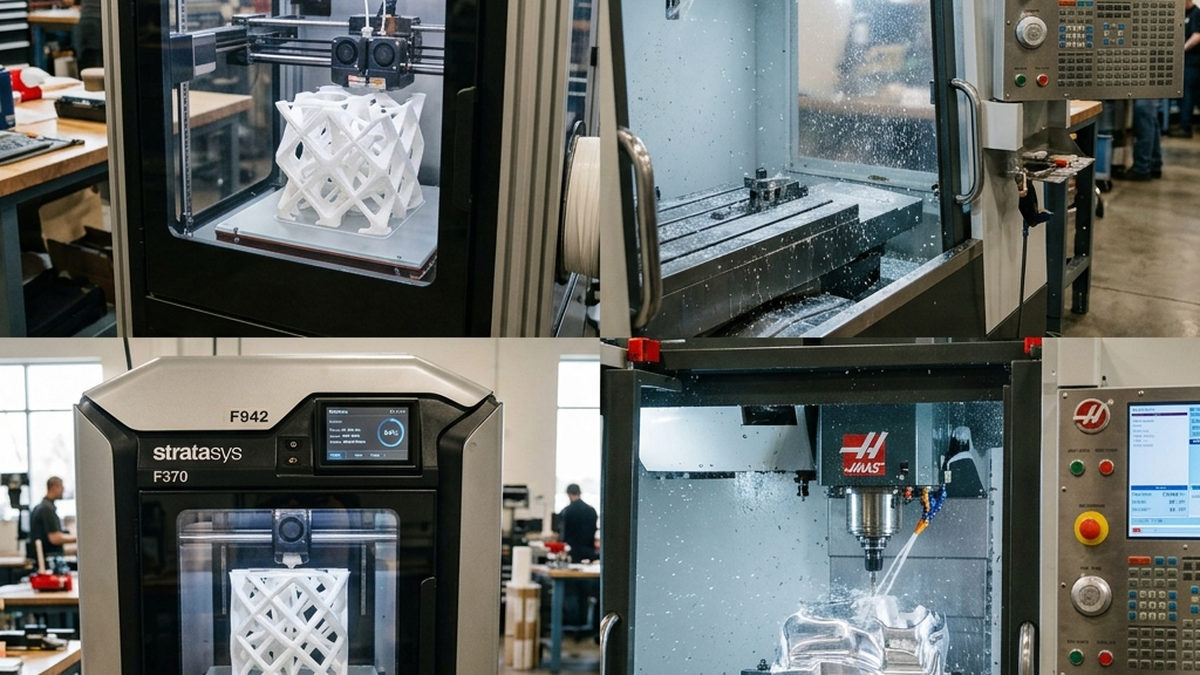
A practical decision framework to help engineers pick the right manufacturing method for prototypes and production parts.
Read Article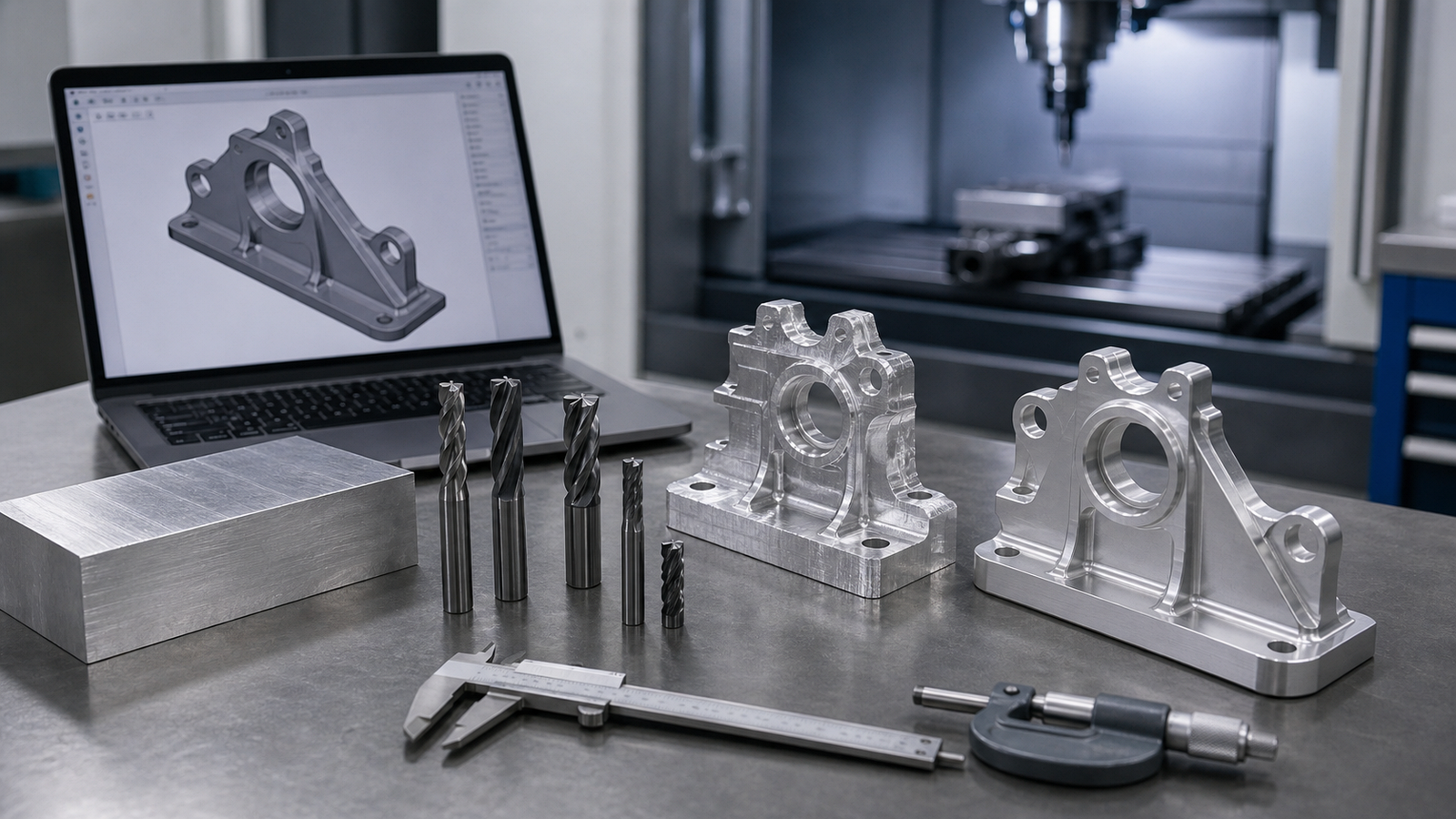
Follow every step of the CNC workflow from file upload through final inspection, so you know exactly what happens after you hit "submit."
Read Article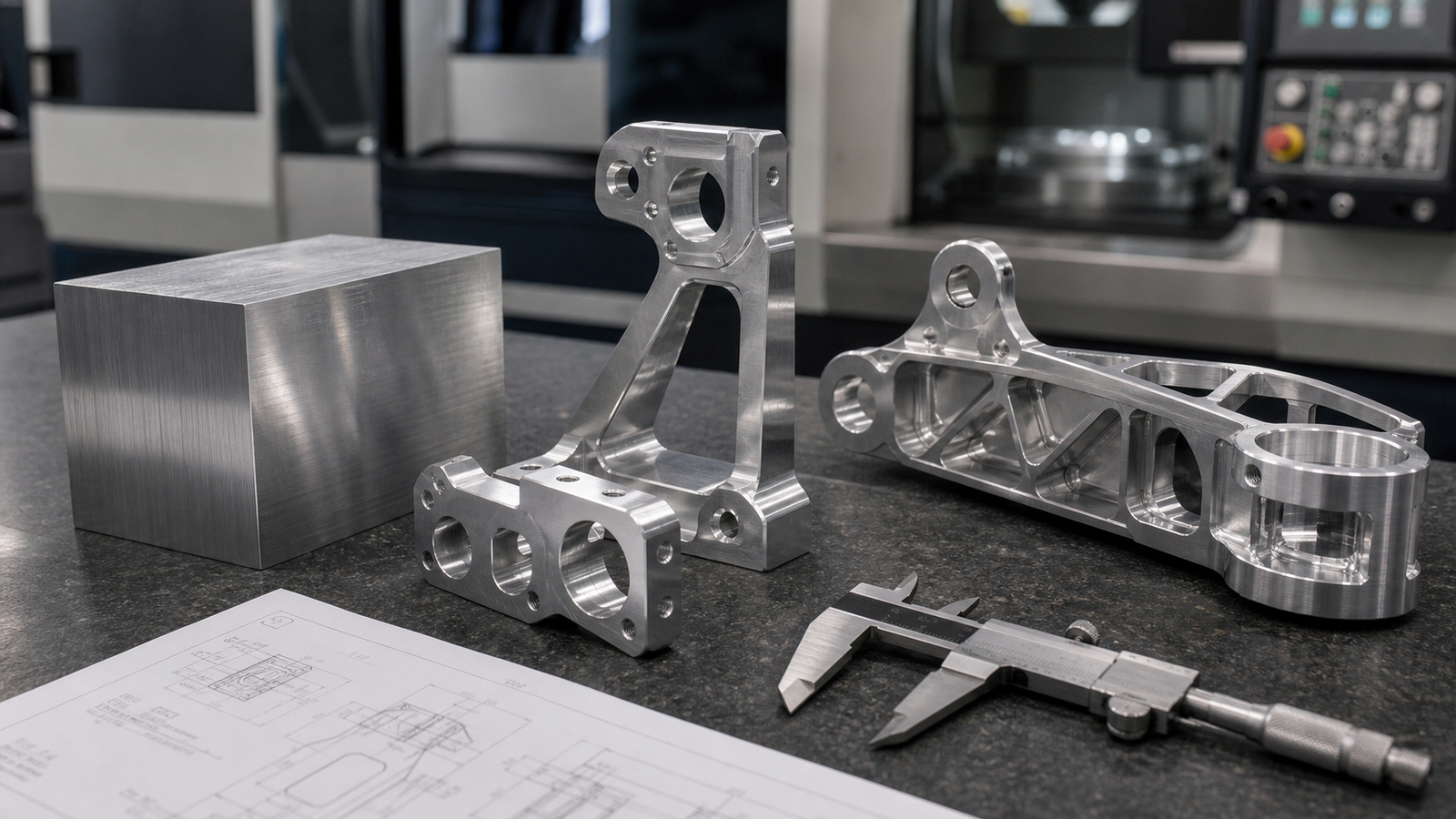
Explore the properties, strengths, and applications of 7075 aluminum alloy and how it compares to 6061 for demanding aerospace parts.
Read Article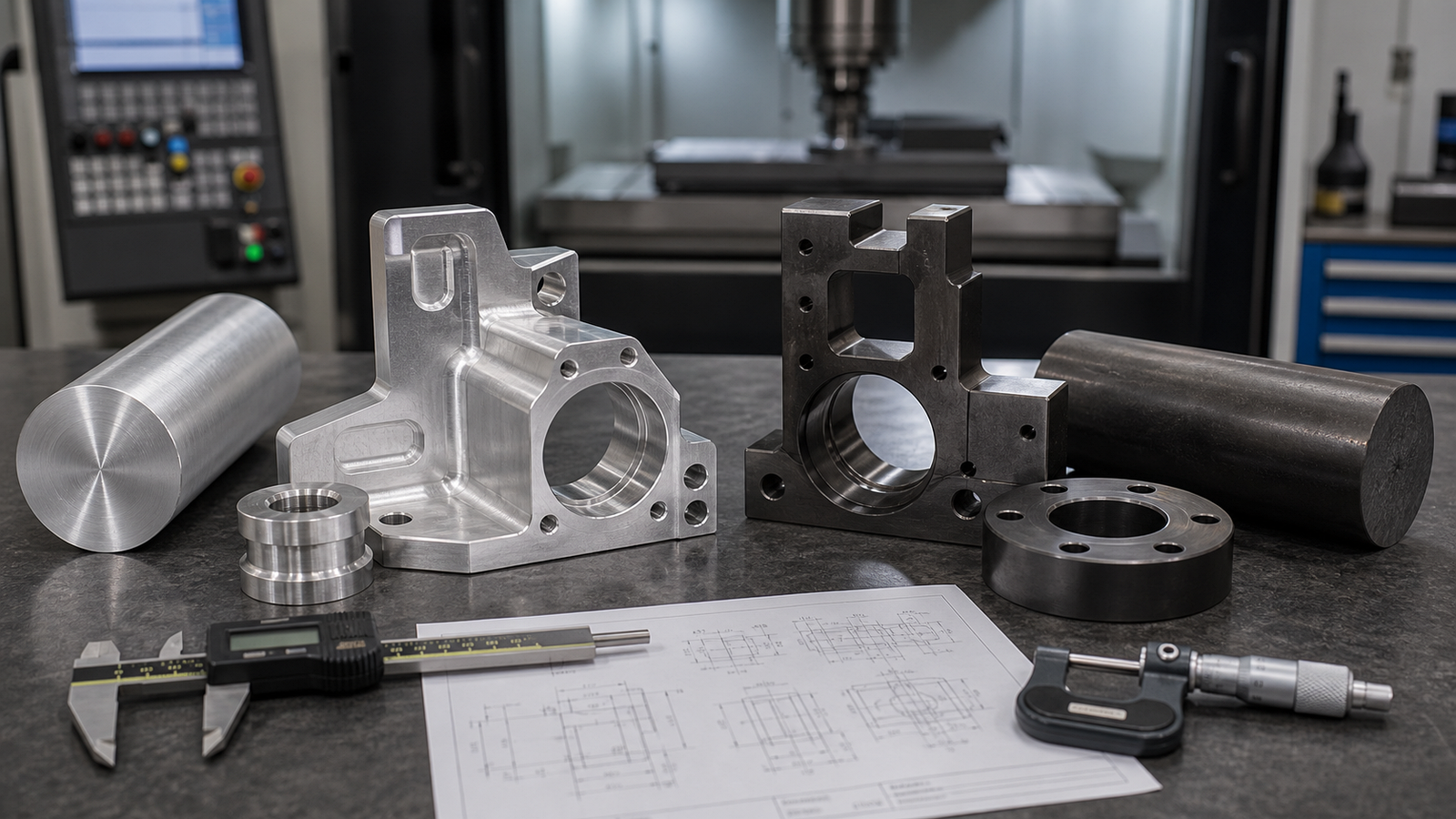
Compare weight, strength, corrosion resistance, machinability, and cost to pick the right metal for your next CNC project.
Read Article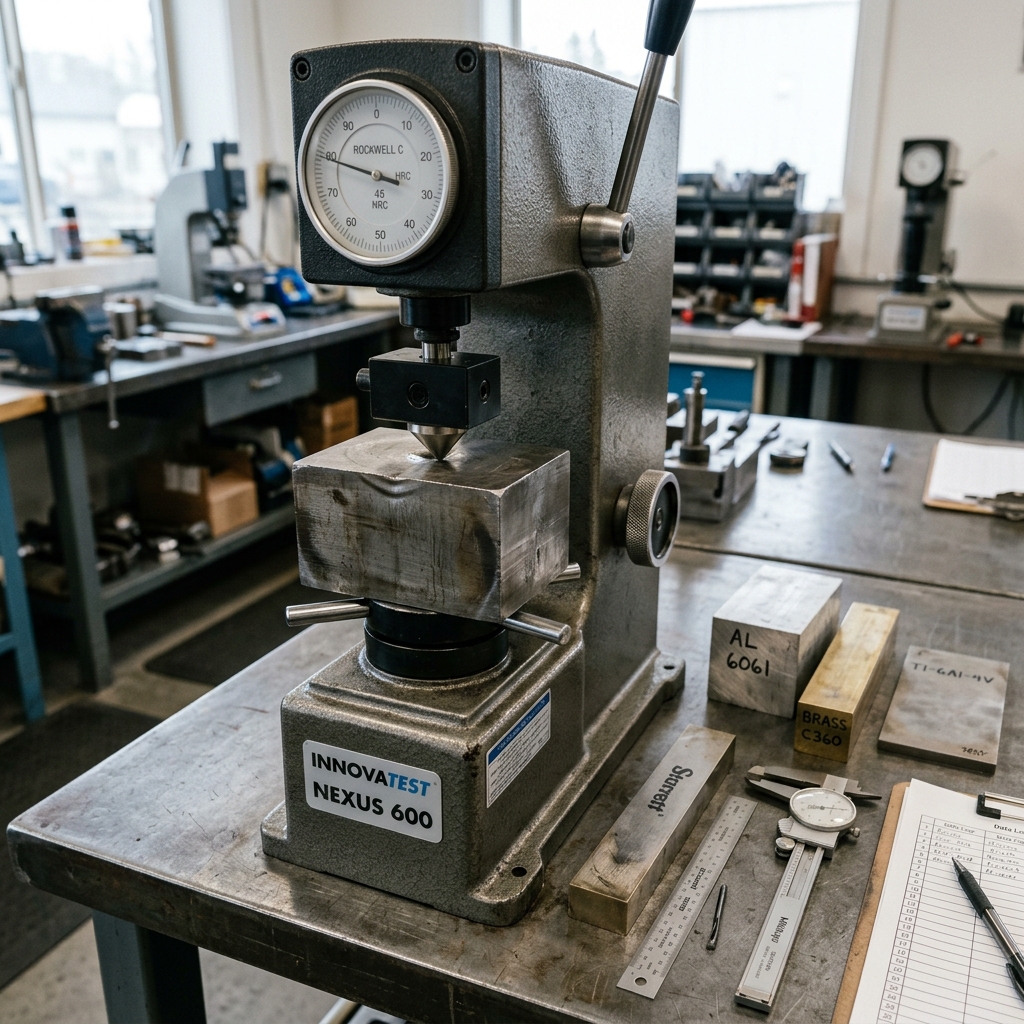
Understand hardness scales, how they affect tool life and cycle time, and what hardness ranges work best for common CNC materials.
Read Article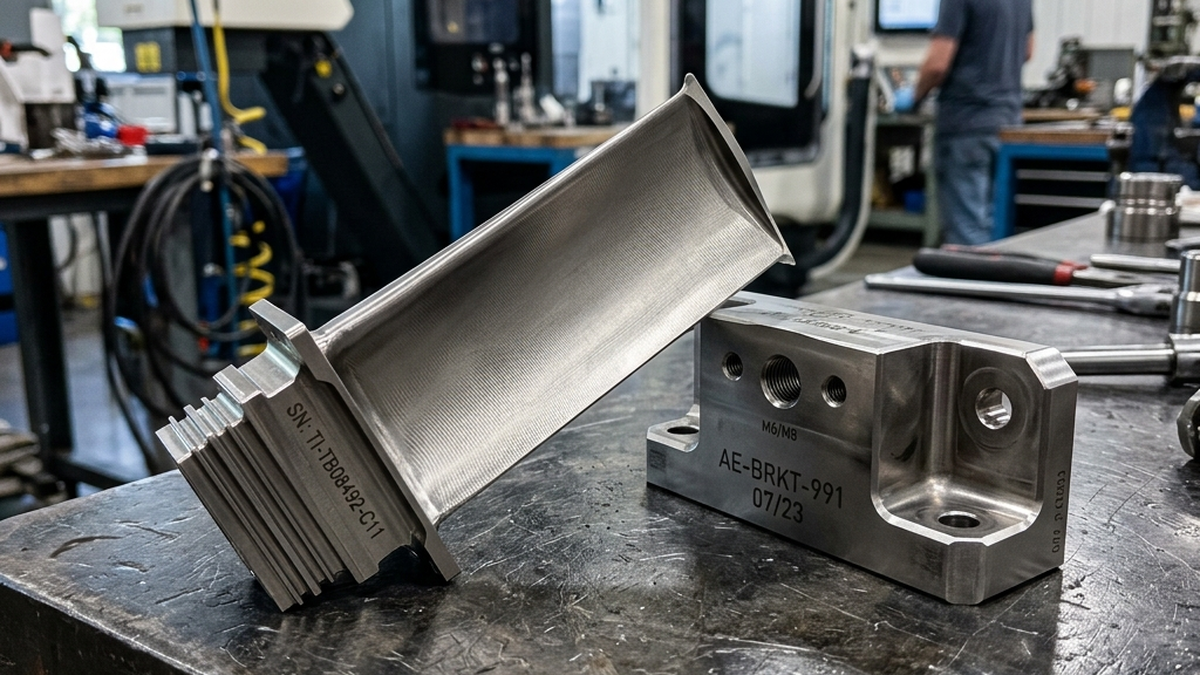
Compare Grade 2 vs Grade 5 titanium, understand cost factors and lead times, and learn when the premium is worth it.
Read Article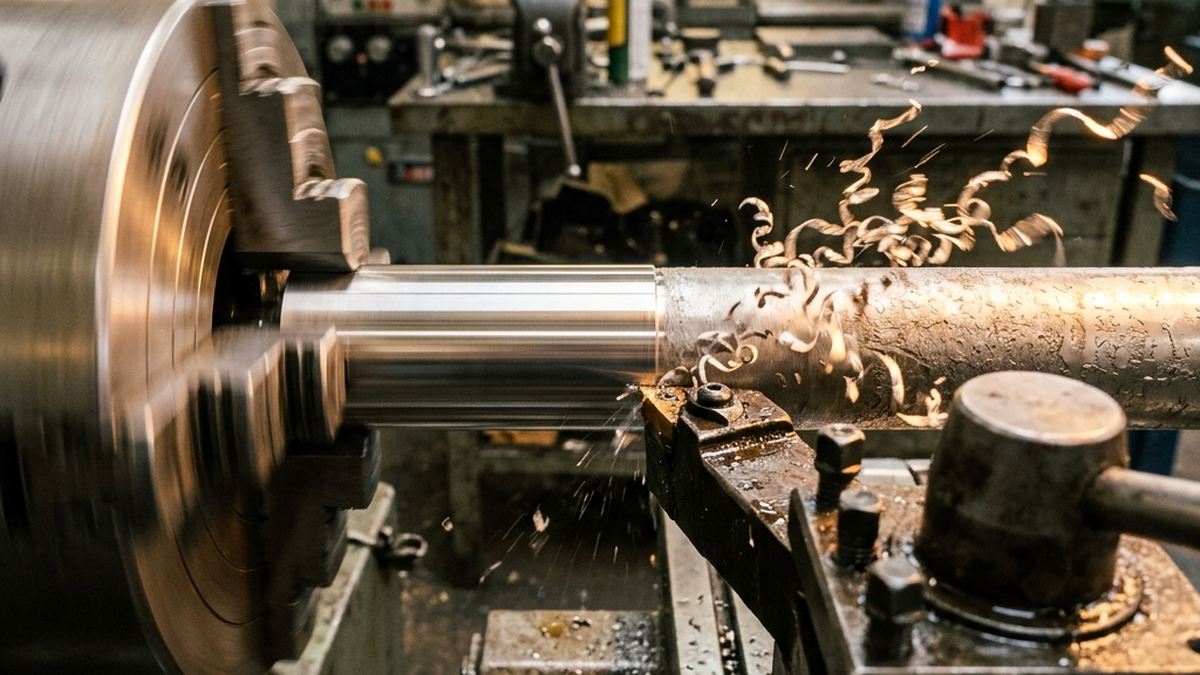
Learn which stainless steel grades machine best, how to avoid work hardening, and what finish options are available.
Read Article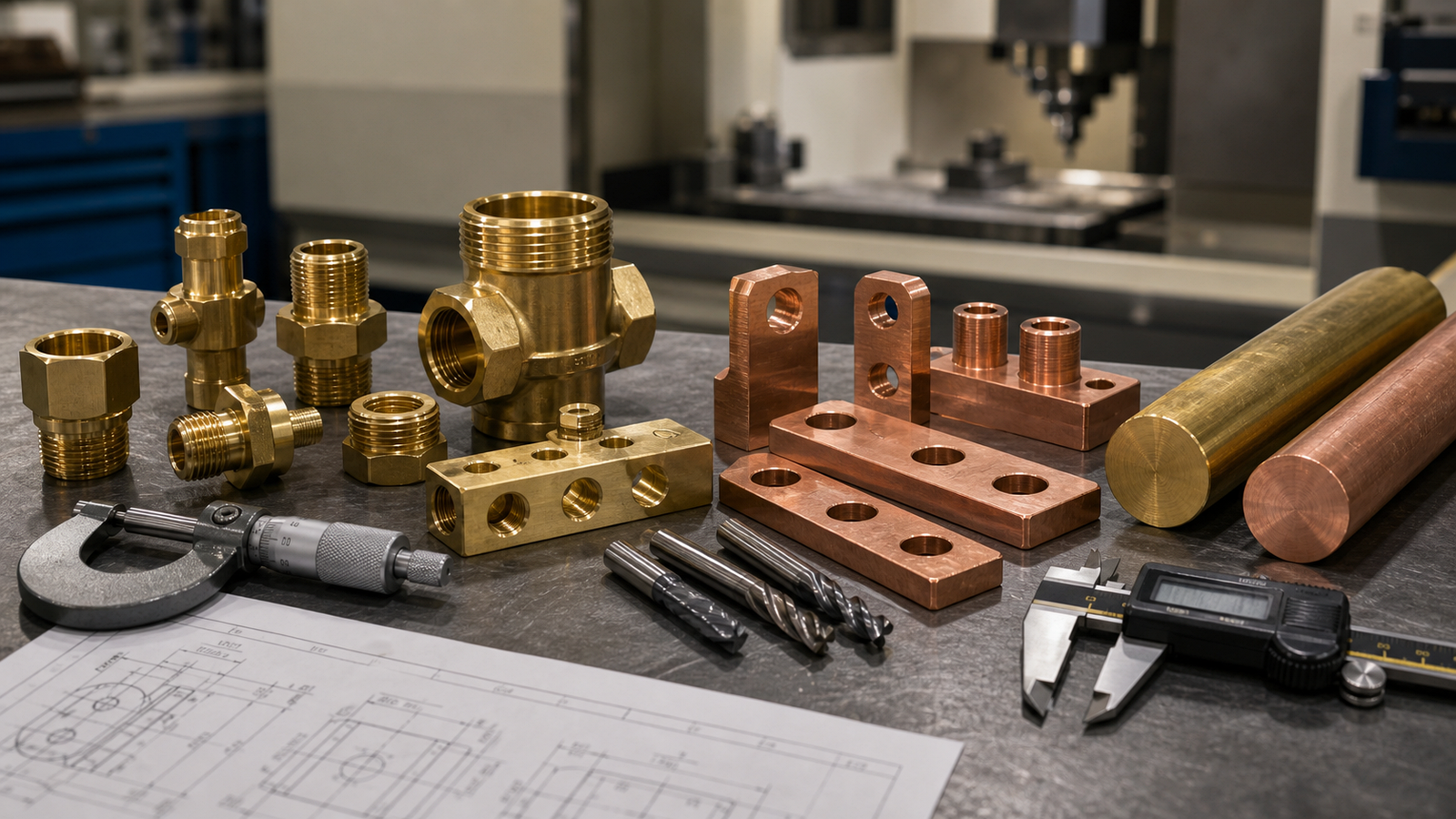
Discover the best brass and copper alloys for CNC, their typical applications, and the finishes that protect conductivity.
Read Article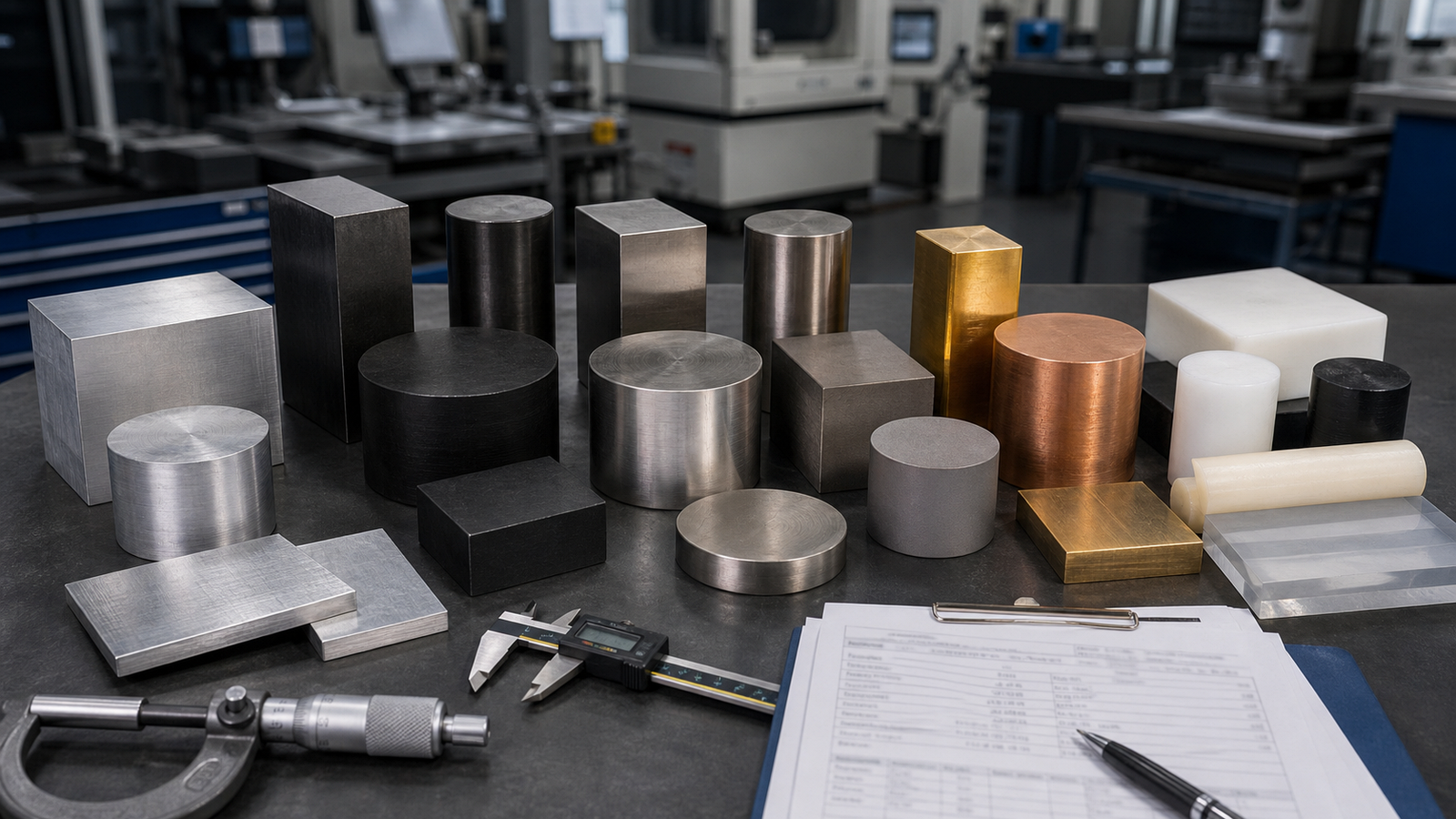
A single reference covering every common CNC material, from aluminum and steel to PEEK and Delrin, with machinability ratings.
Read Article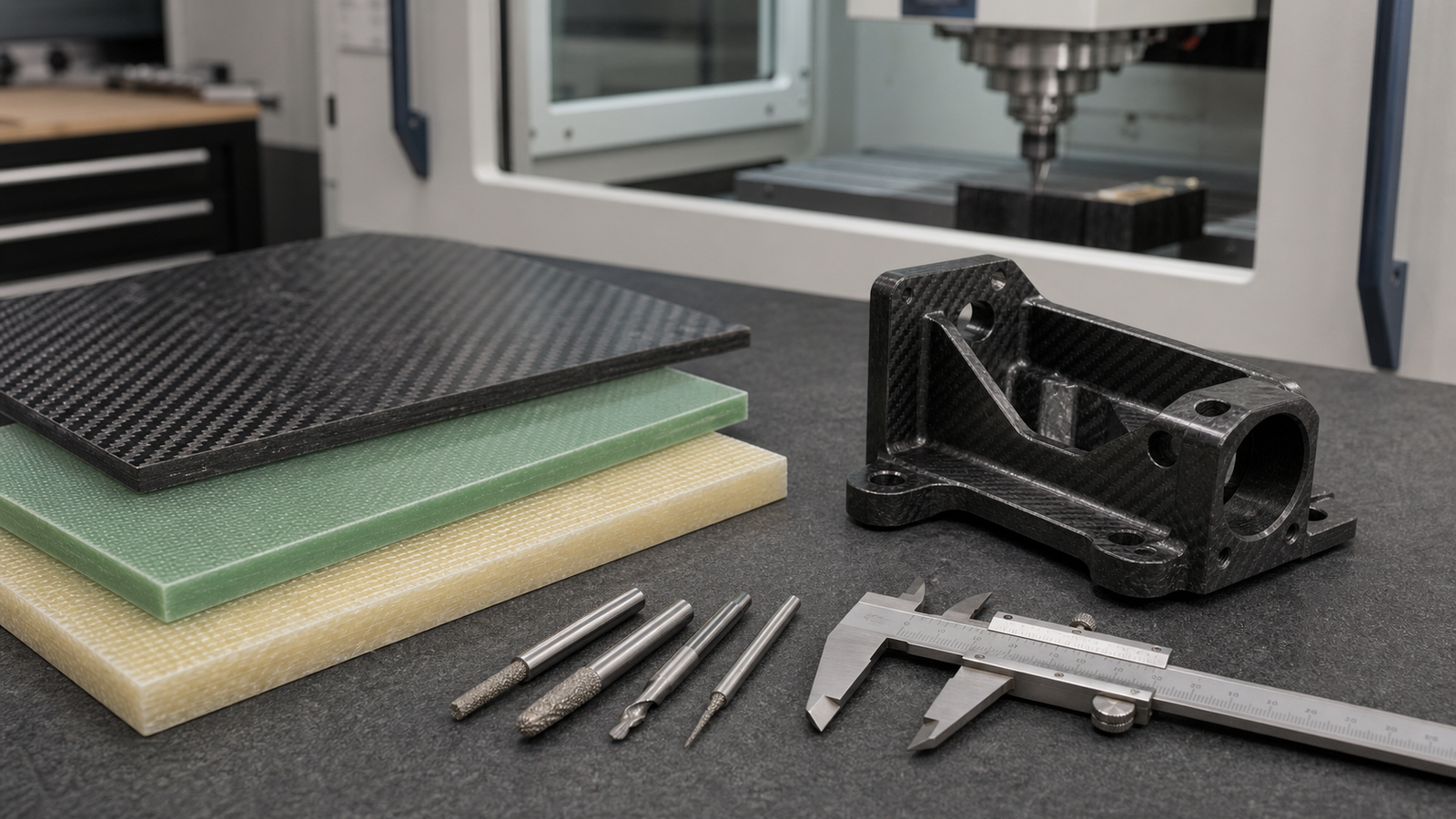
Tooling, dust management, and design tips for machining carbon fiber, G10, and fiberglass composite materials on CNC equipment.
Read Article
Understand annealing, quenching, tempering, and case hardening, and know when heat treatment should happen before or after machining.
Read Article
Practical strategies for stress relief, roughing sequences, and fixturing that prevent warping on thin-wall 6061 parts.
Read Article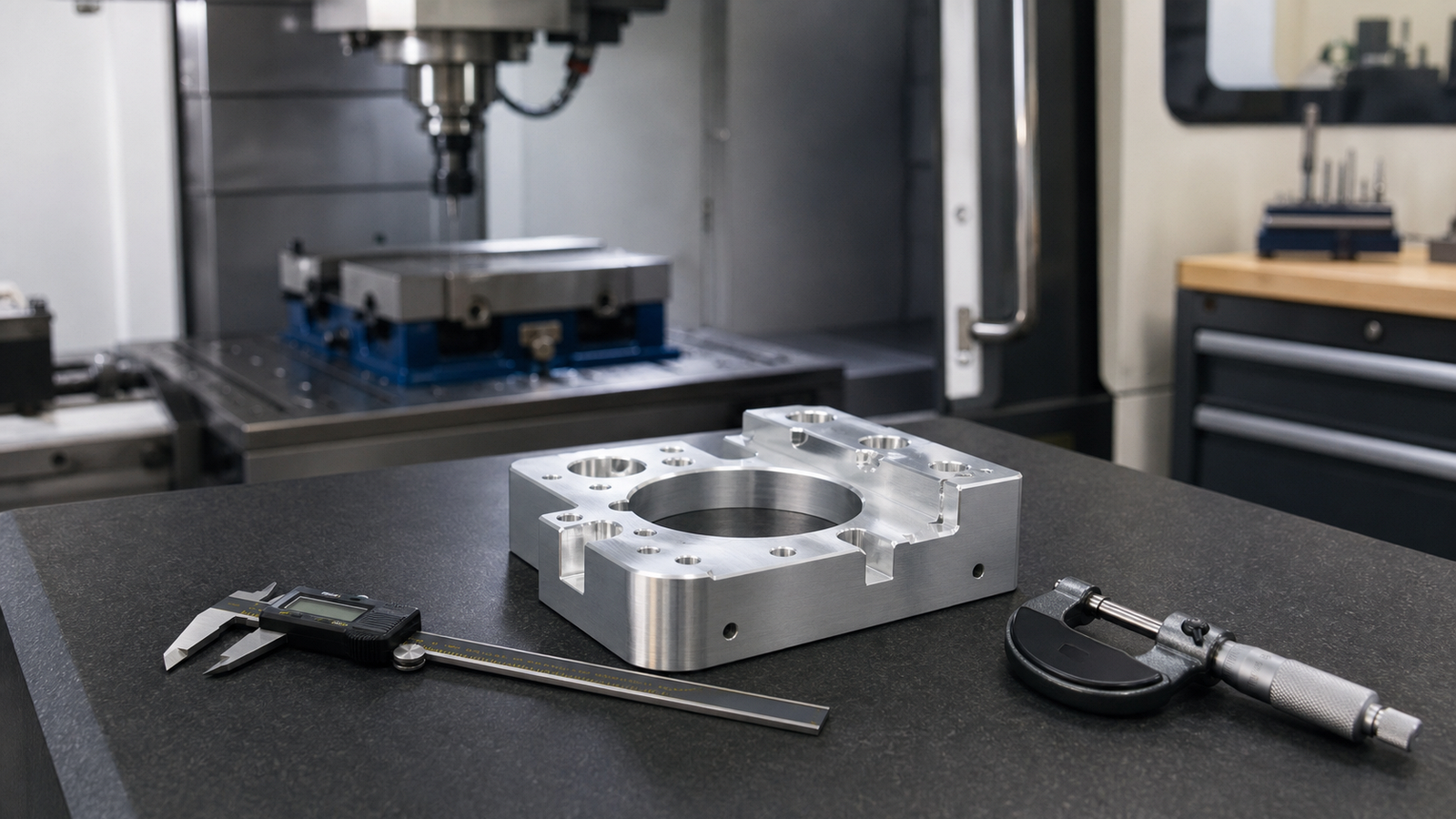
Reference tables for standard and tight milling tolerances, plus how tighter specs drive up cost and what to ask your shop.
Read Article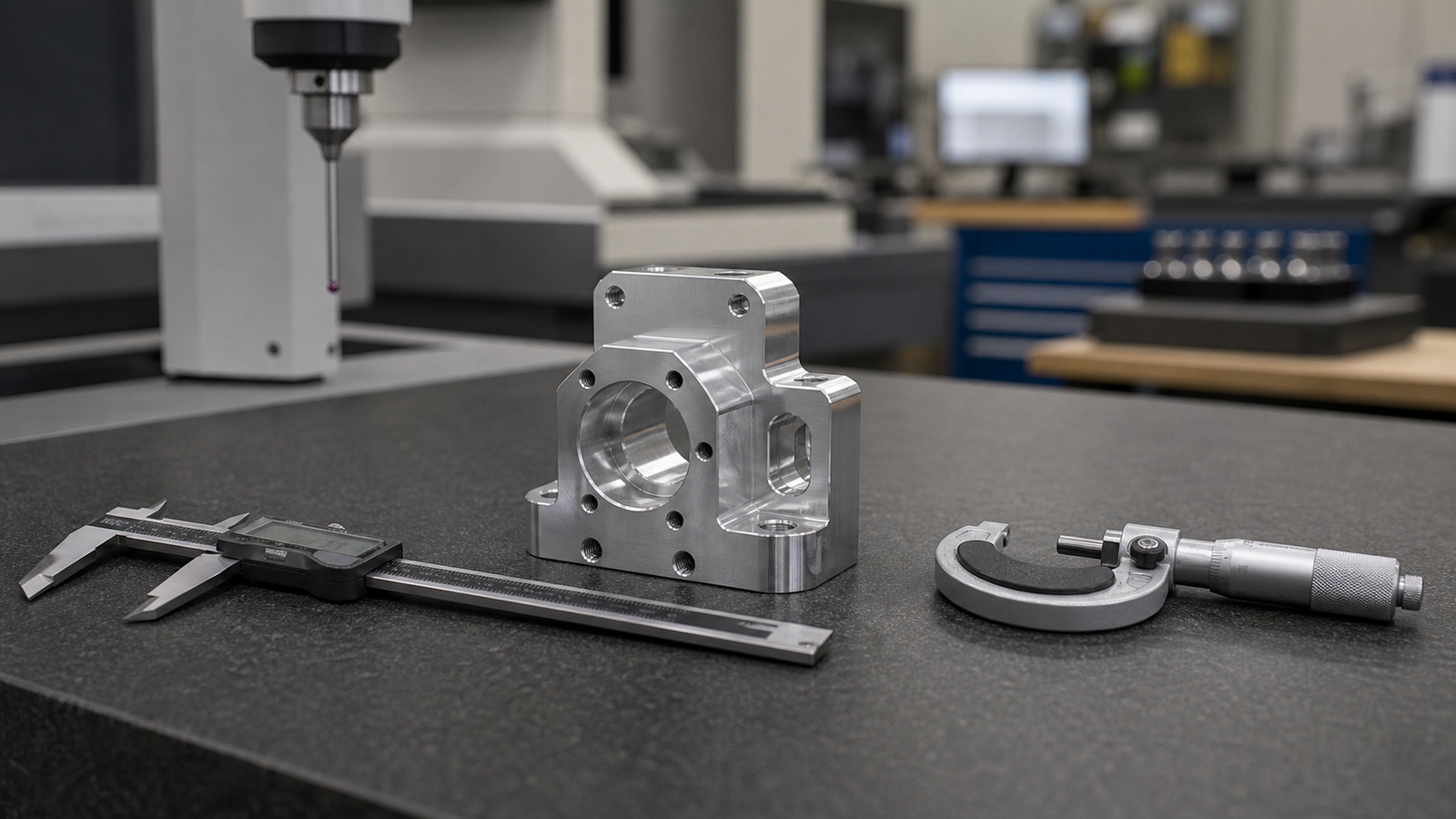
Quick-reference tolerance tables for milling, turning, and drilling with real-world capability data engineers can rely on.
Read Article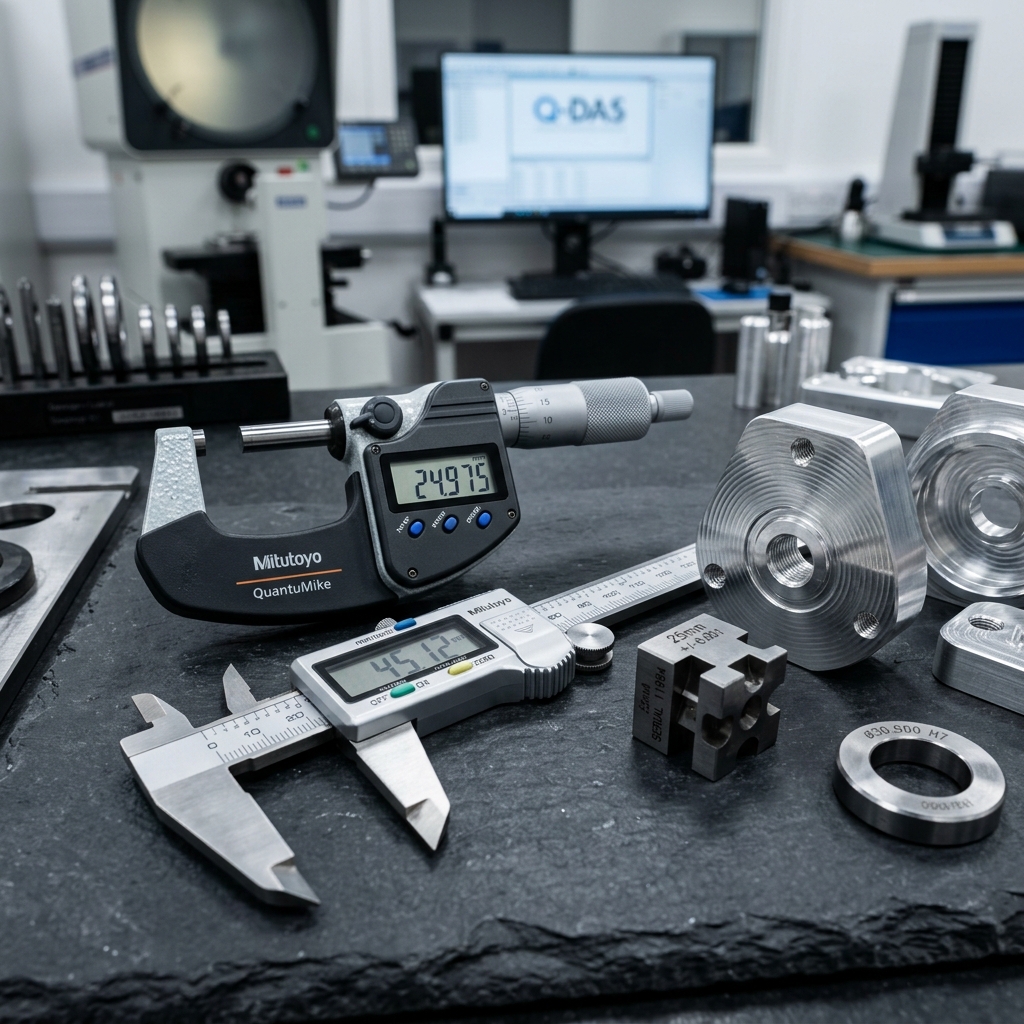
Cut through marketing claims and learn what tolerances CNC shops can actually hold on common part features and materials.
Read Article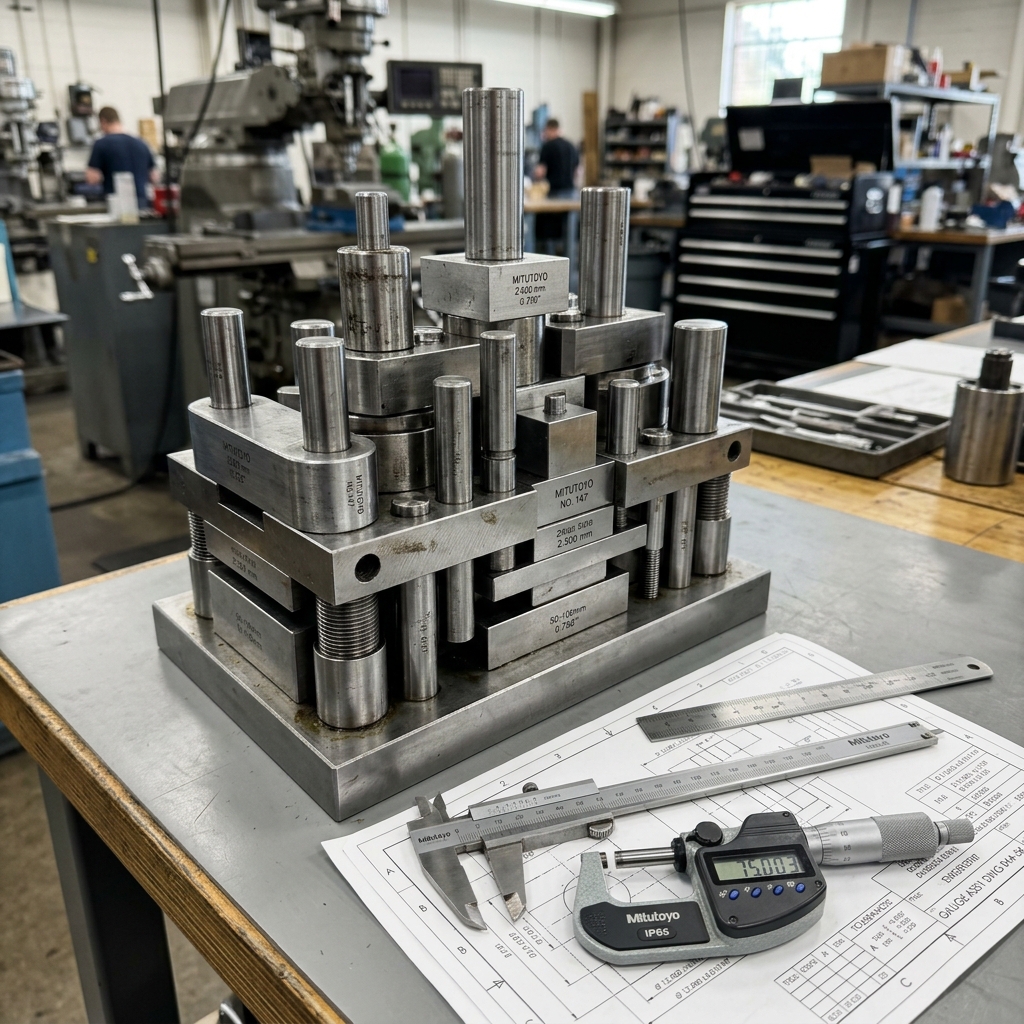
Learn worst-case vs RSS stack-up analysis with worked examples so your assemblies fit together every time.
Read Article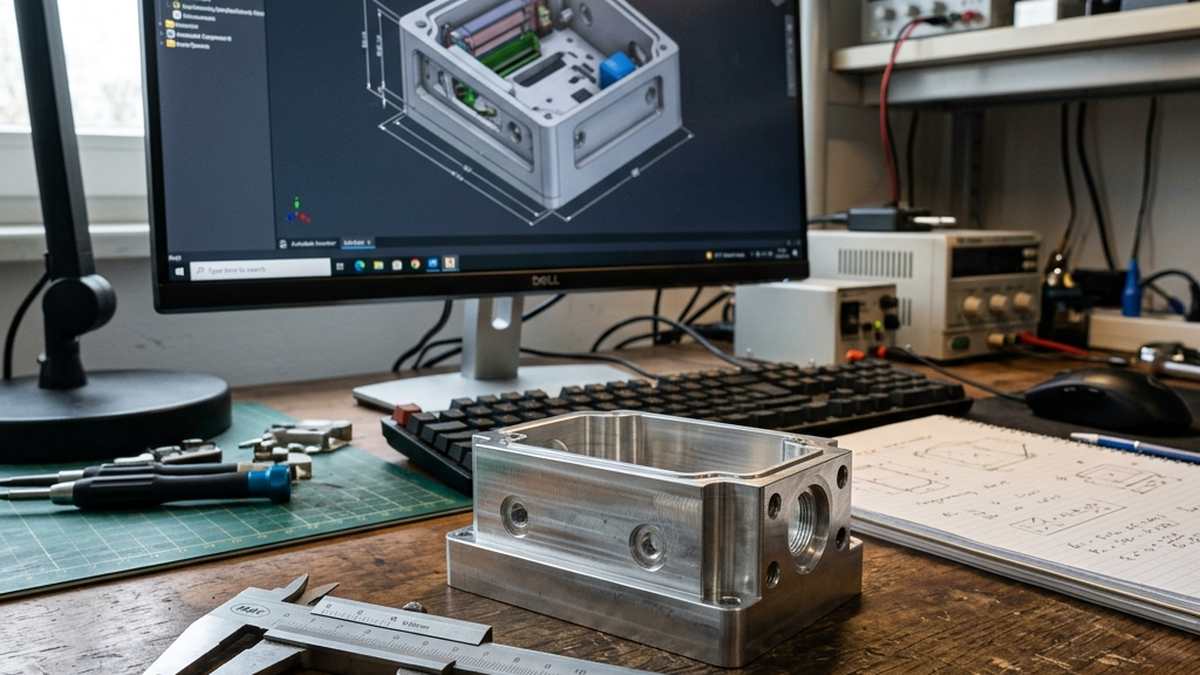
The definitive guide to DFM for CNC machining, covering wall thickness, corner radii, hole depth, and more to cut cost and lead time.
Read Article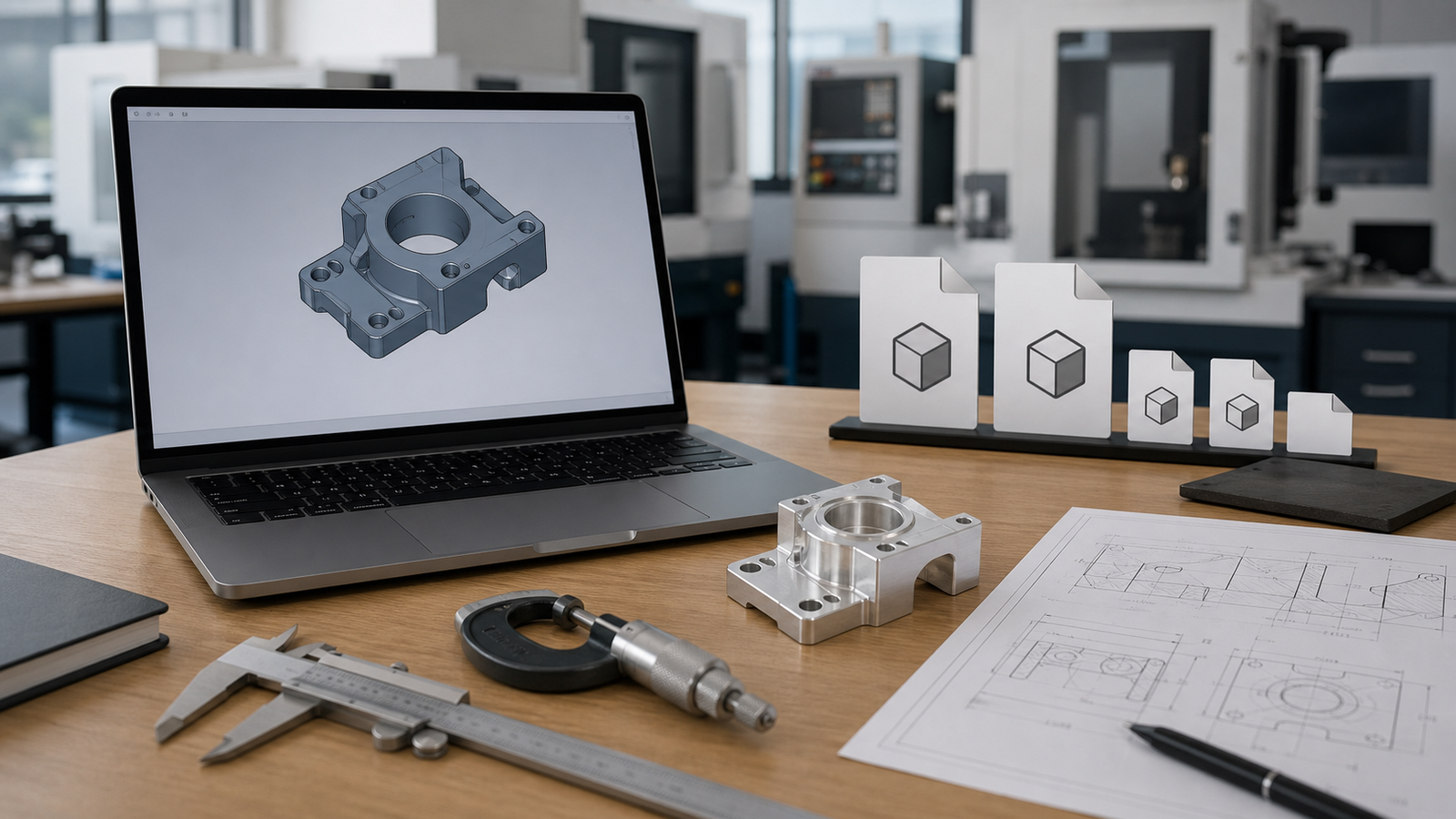
Speed up your quoting process by including the right file format, tolerances, materials, and finish specs from the start.
Read Article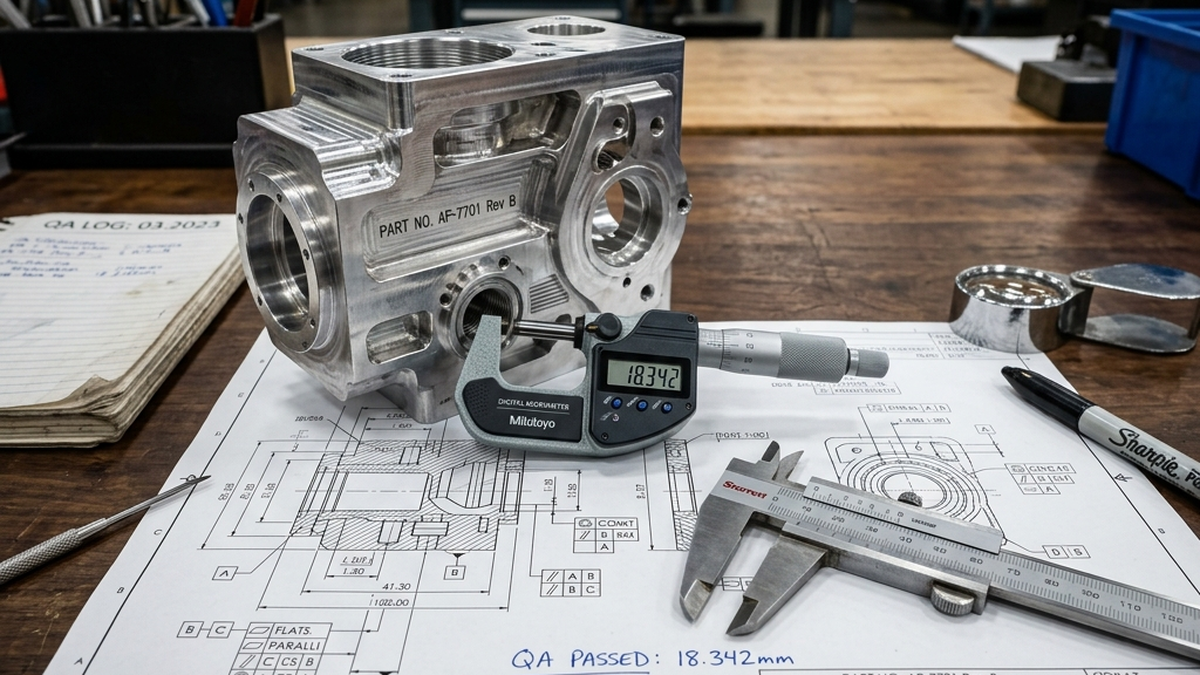
A buyer-friendly breakdown of geometric dimensioning and tolerancing symbols, datums, and how they affect your parts and costs.
Read Article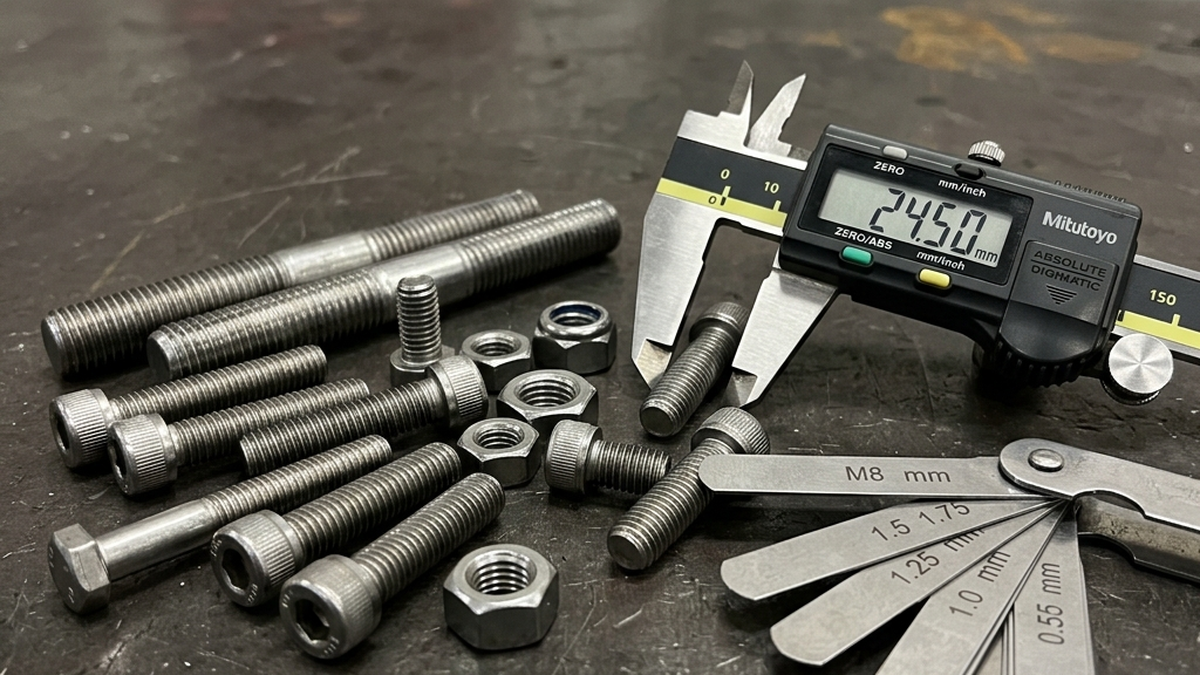
Everything you need to specify threads correctly on CNC parts, from UNC and UNF to metric and pipe thread standards.
Read Article
Learn how to read and write thread callouts so your parts arrive with the correct threads the first time.
Read Article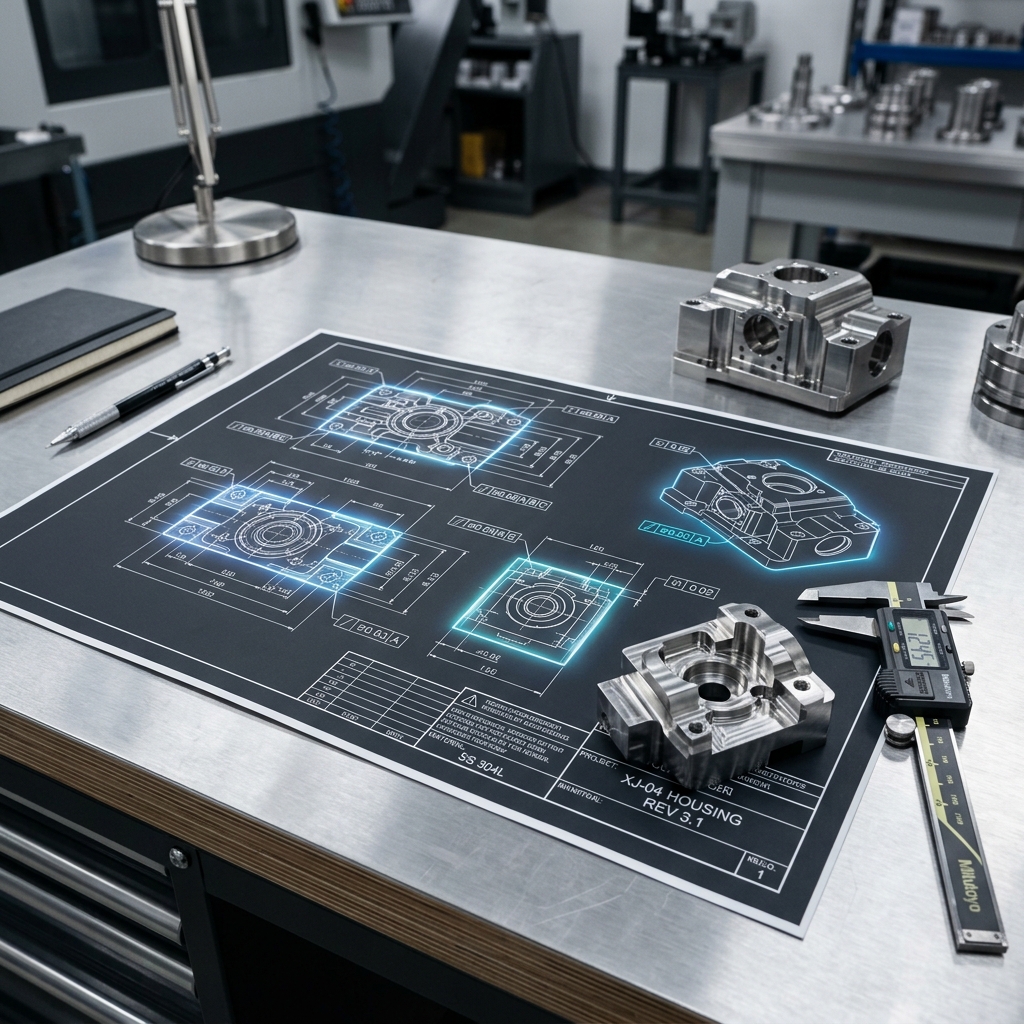
How to read and write dimension, surface finish, material, thread, and GD&T callouts so your drawings communicate clearly.
Read Article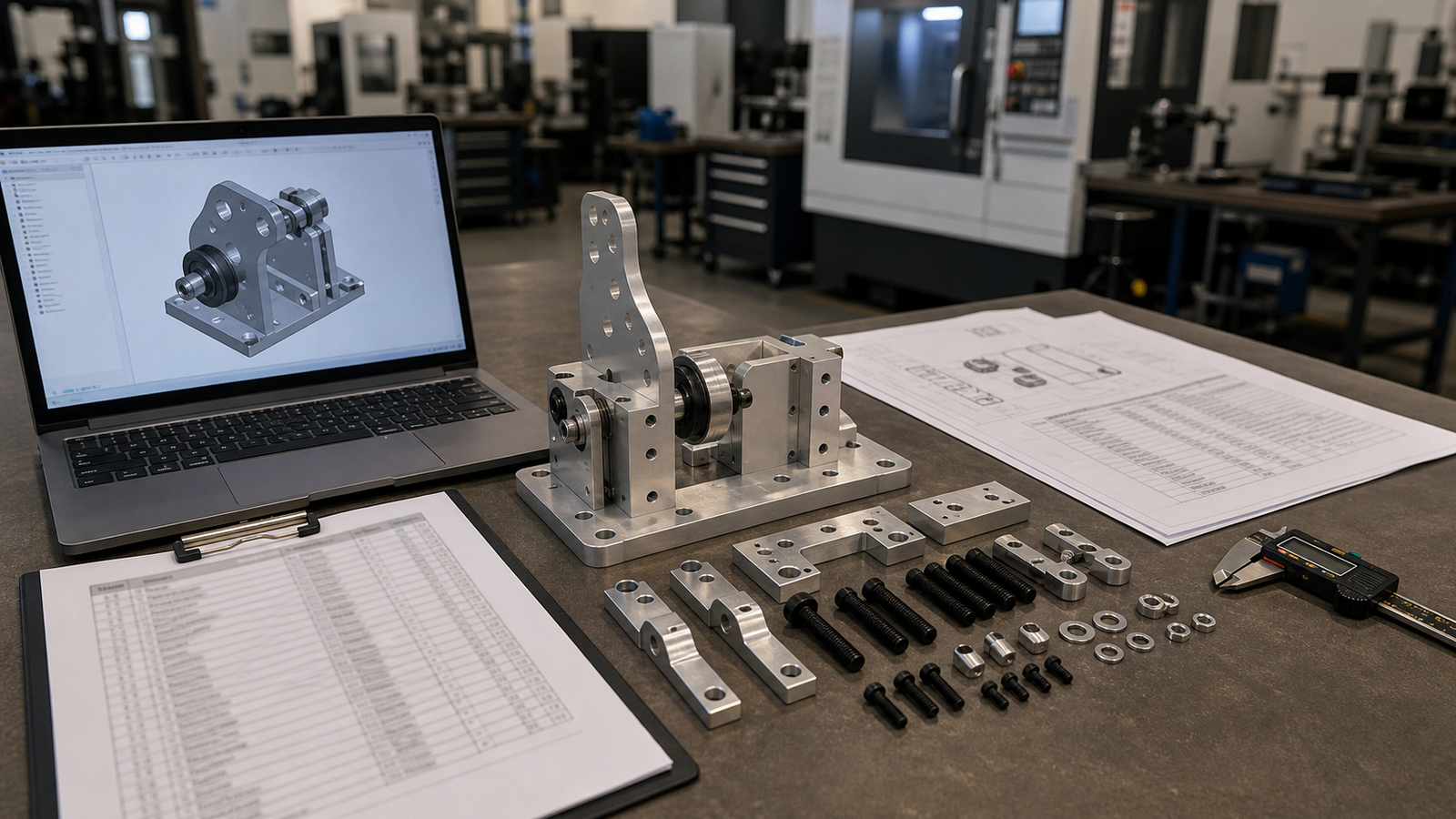
How to structure a production-ready BOM — part numbers, revisions, quantities, and the fields that decide whether a shop can actually build from your file.
Read Article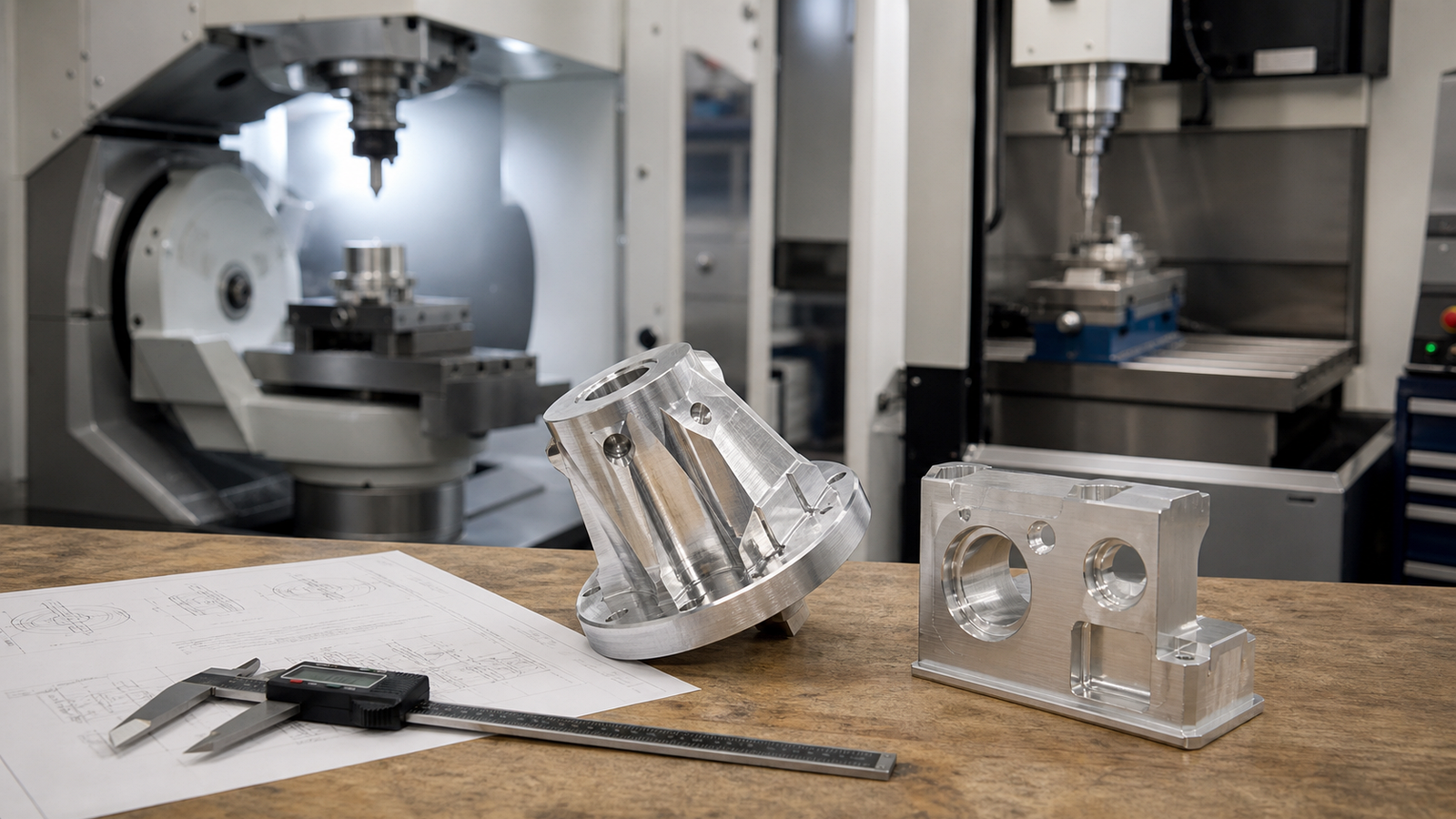
Understand the real differences between 3-axis and 5-axis CNC, including when the extra axes save money instead of costing more.
Read Article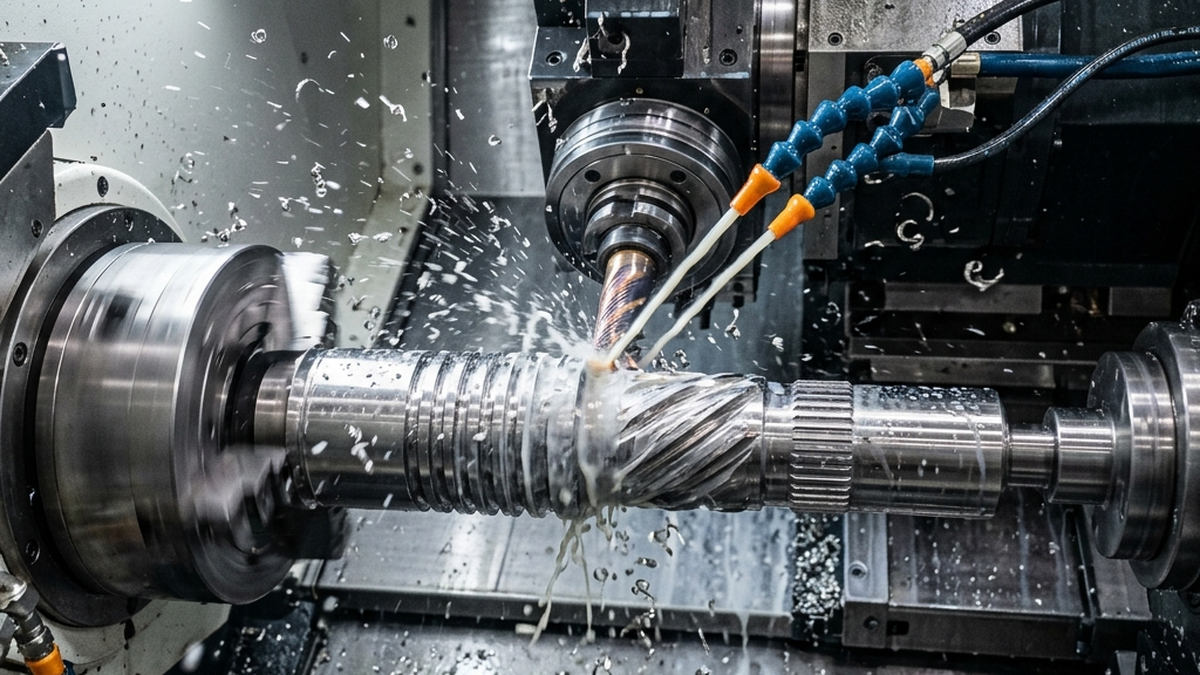
A clear comparison of milling and turning, covering part geometry, tolerances, and cost so you pick the right process.
Read Article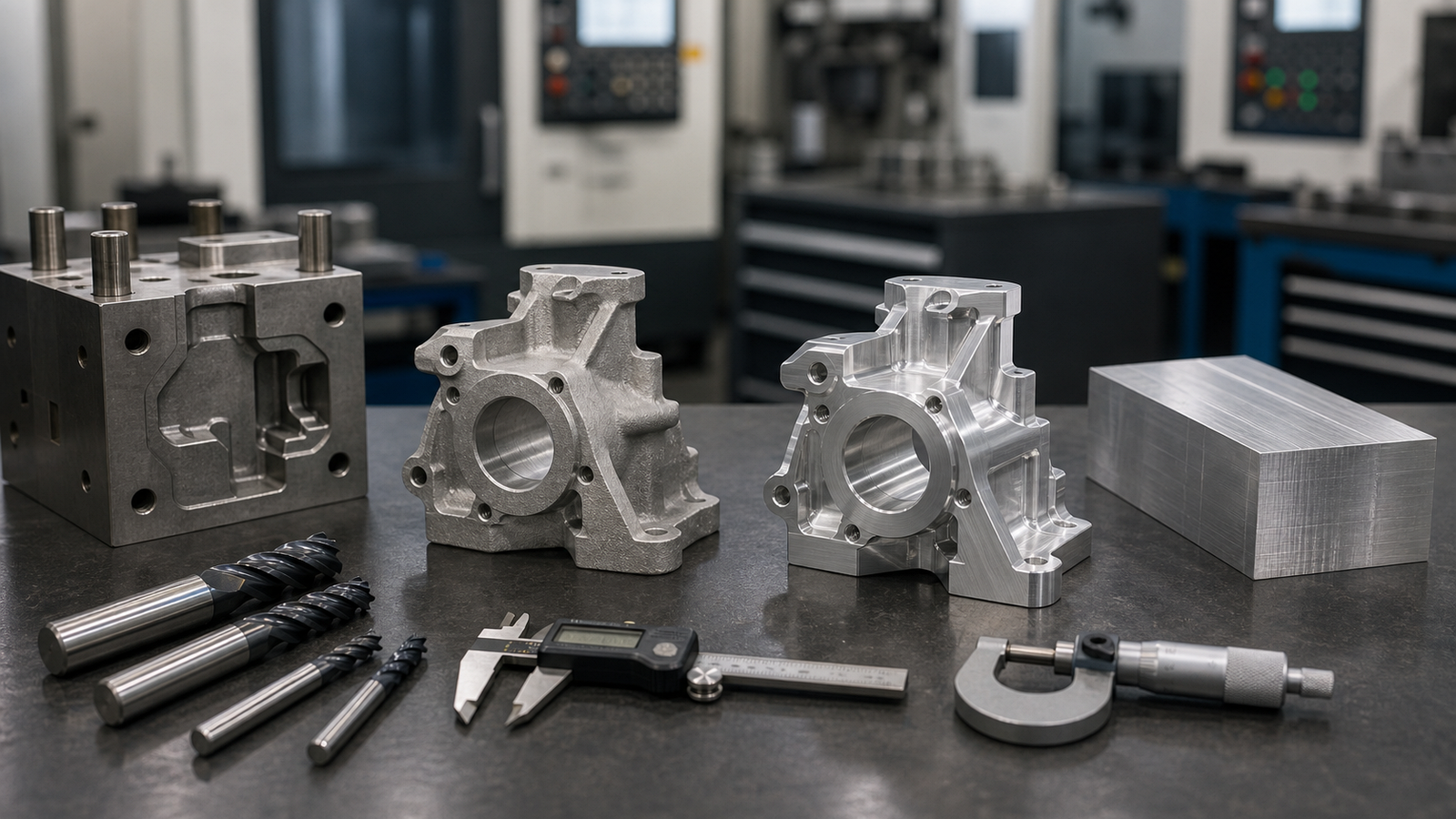
Compare casting and CNC machining on cost, lead time, material properties, and volume to choose the best fit.
Read Article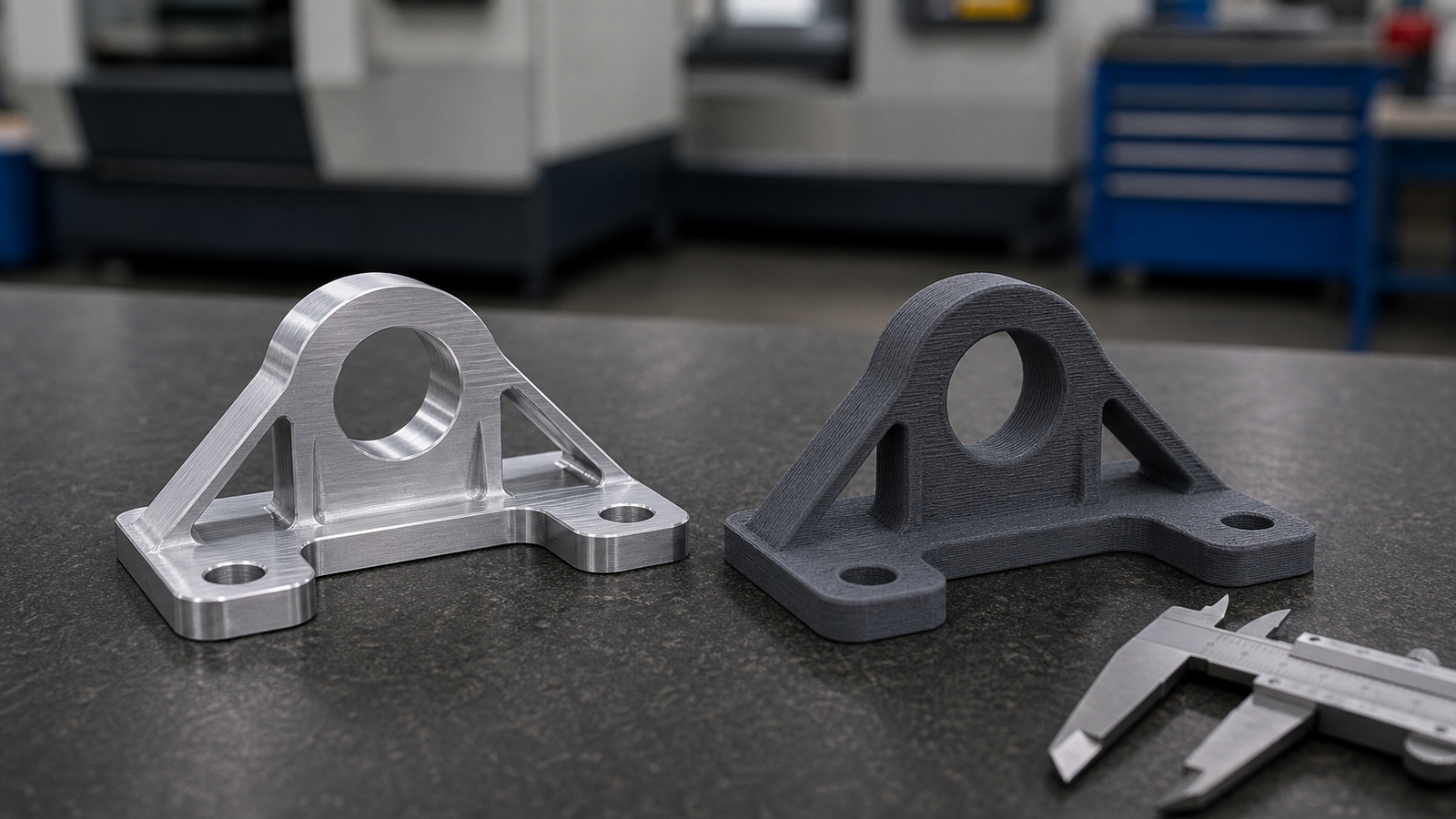
An honest comparison of CNC and additive manufacturing so you know which technology fits your part, budget, and timeline.
Read Article
Understand what tolerances laser cutting can hold, how kerf affects dimensions, and how to design parts that come out right.
Read Article
Compare waterjet and laser cutting on edge quality, material thickness, heat-affected zones, and cost per part.
Read Article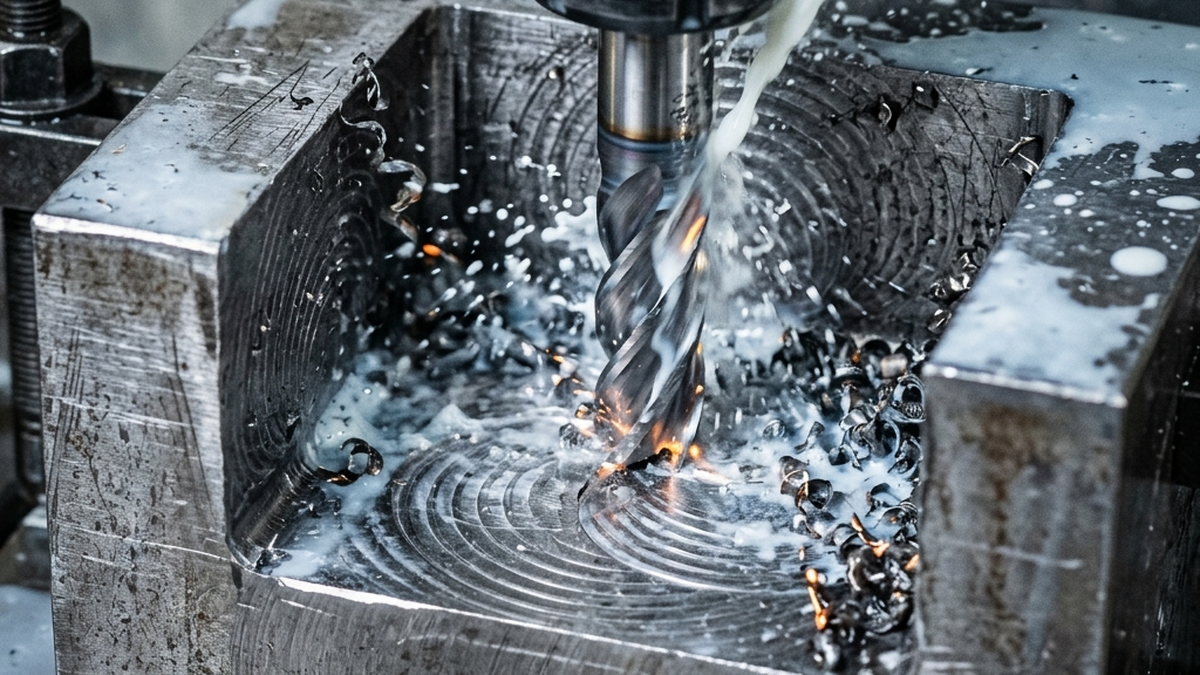
Trochoidal milling, adaptive clearing, and chip thinning strategies for deep pockets that keep tools alive and cycle times low.
Read Article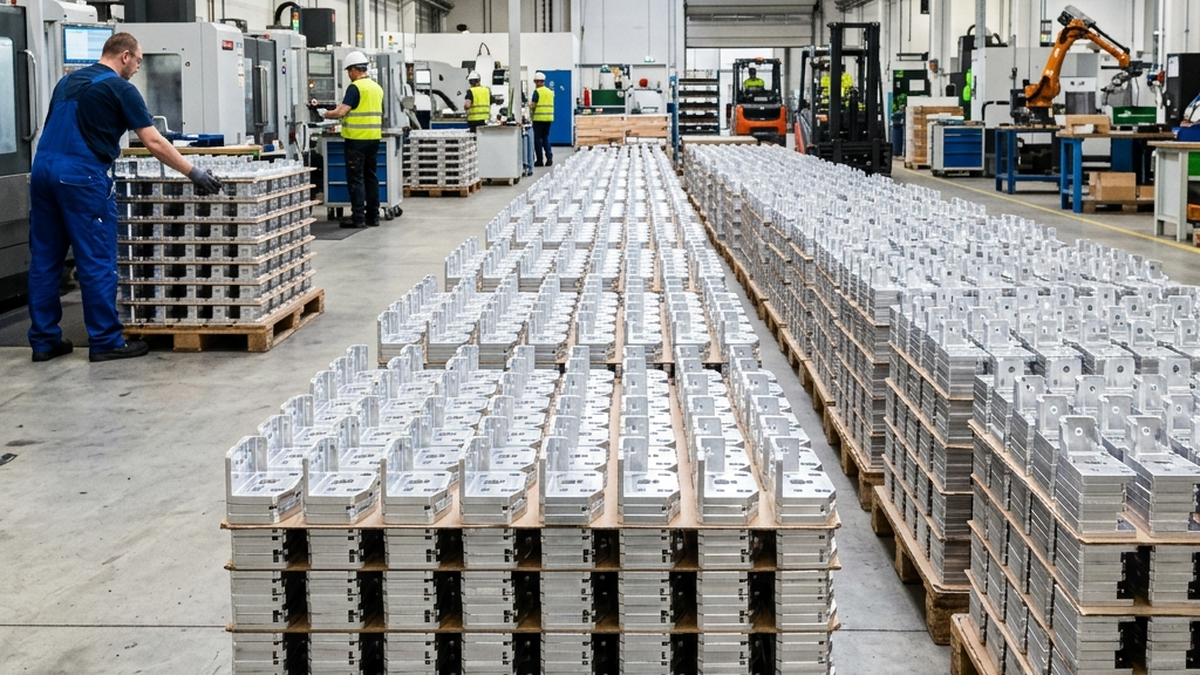
What changes when you go from one-off prototypes to production runs, including fixturing, tooling, and inspection strategy.
Read Article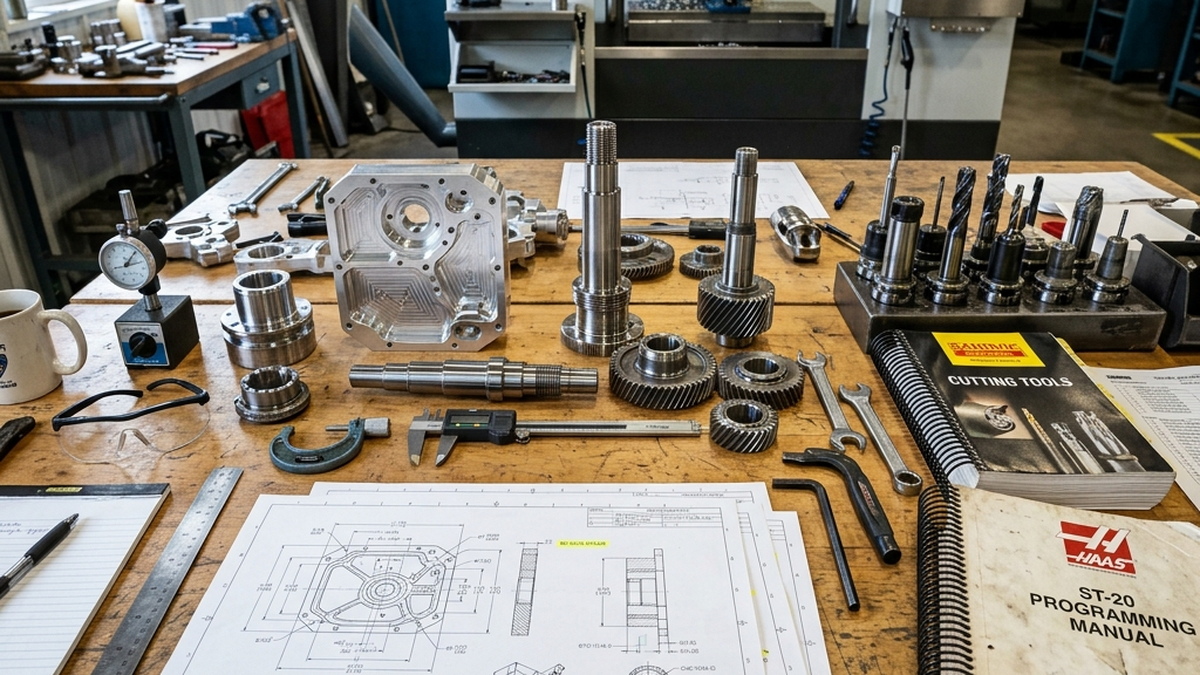
A decision framework for choosing between milling, turning, grinding, EDM, and other CNC processes based on your part requirements.
Read Article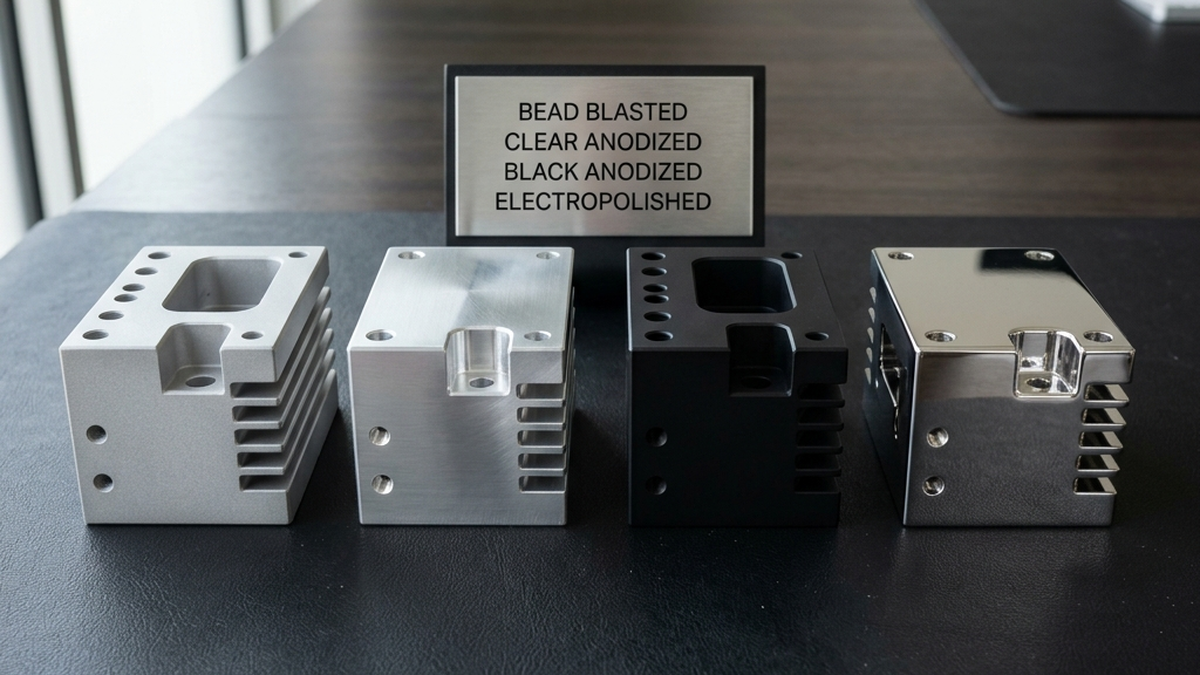
From as-machined to bead blast, anodize, and powder coat, every CNC finish option with cost and appearance comparisons.
Read Article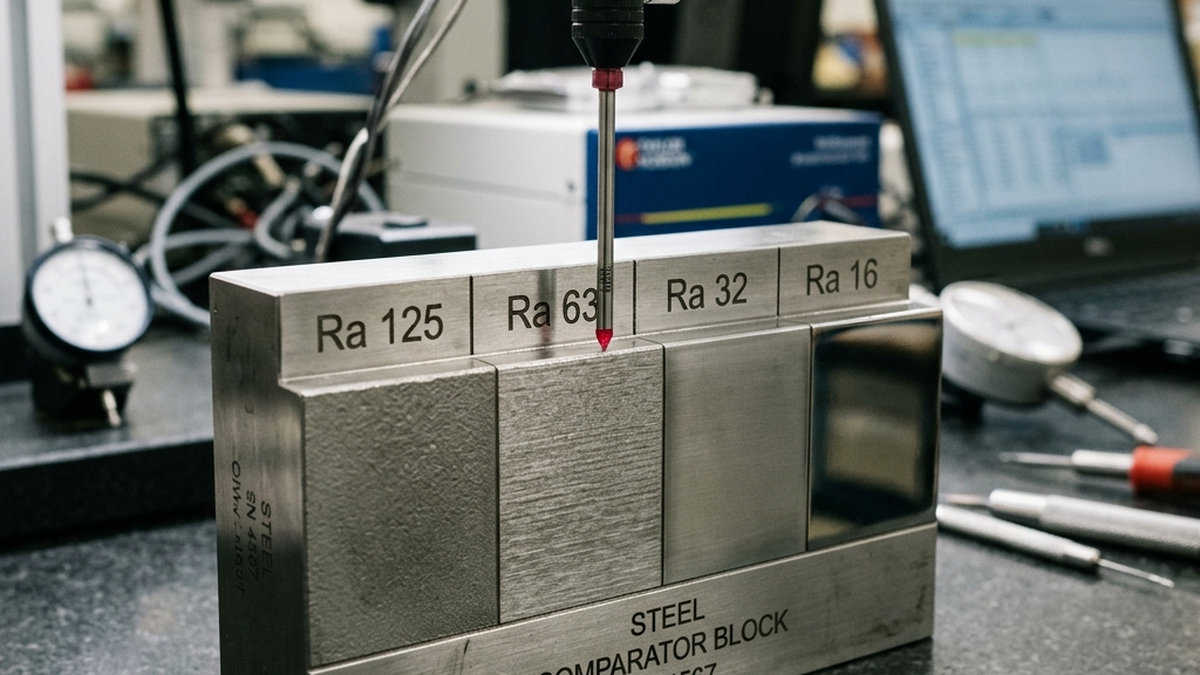
Demystify surface roughness measurements so you can specify the right Ra or Rz value on your drawings without over-specifying.
Read Article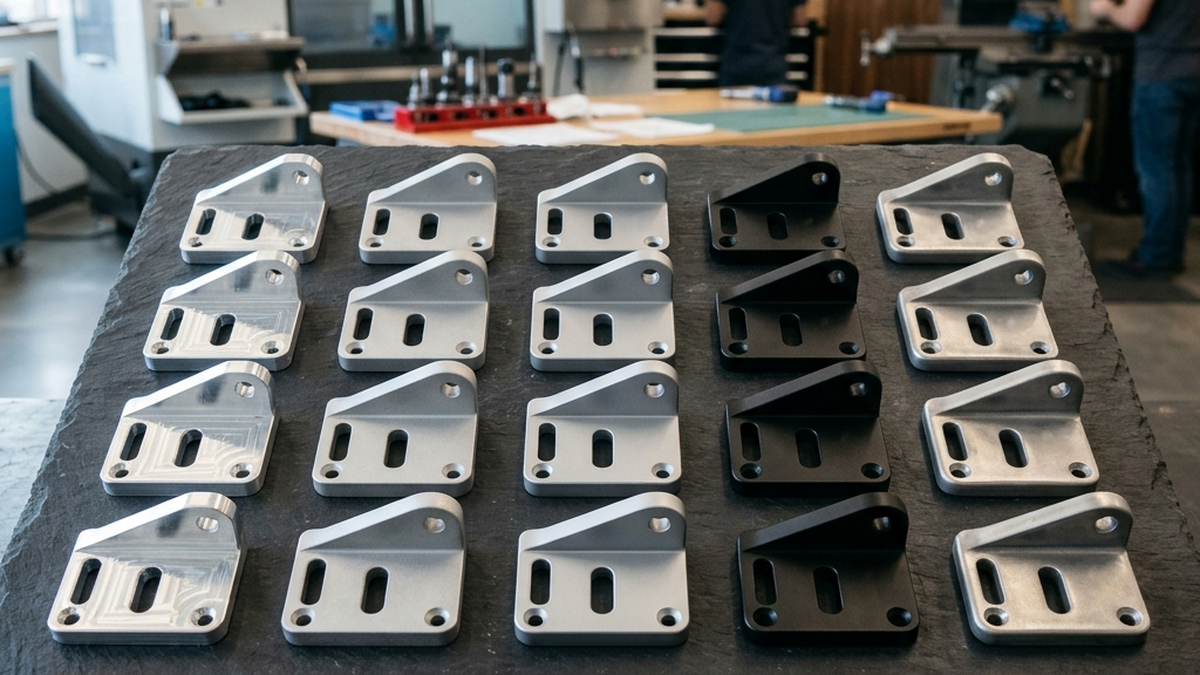
Match your functional and cosmetic requirements to the right surface finish, with cost and lead-time trade-offs explained.
Read Article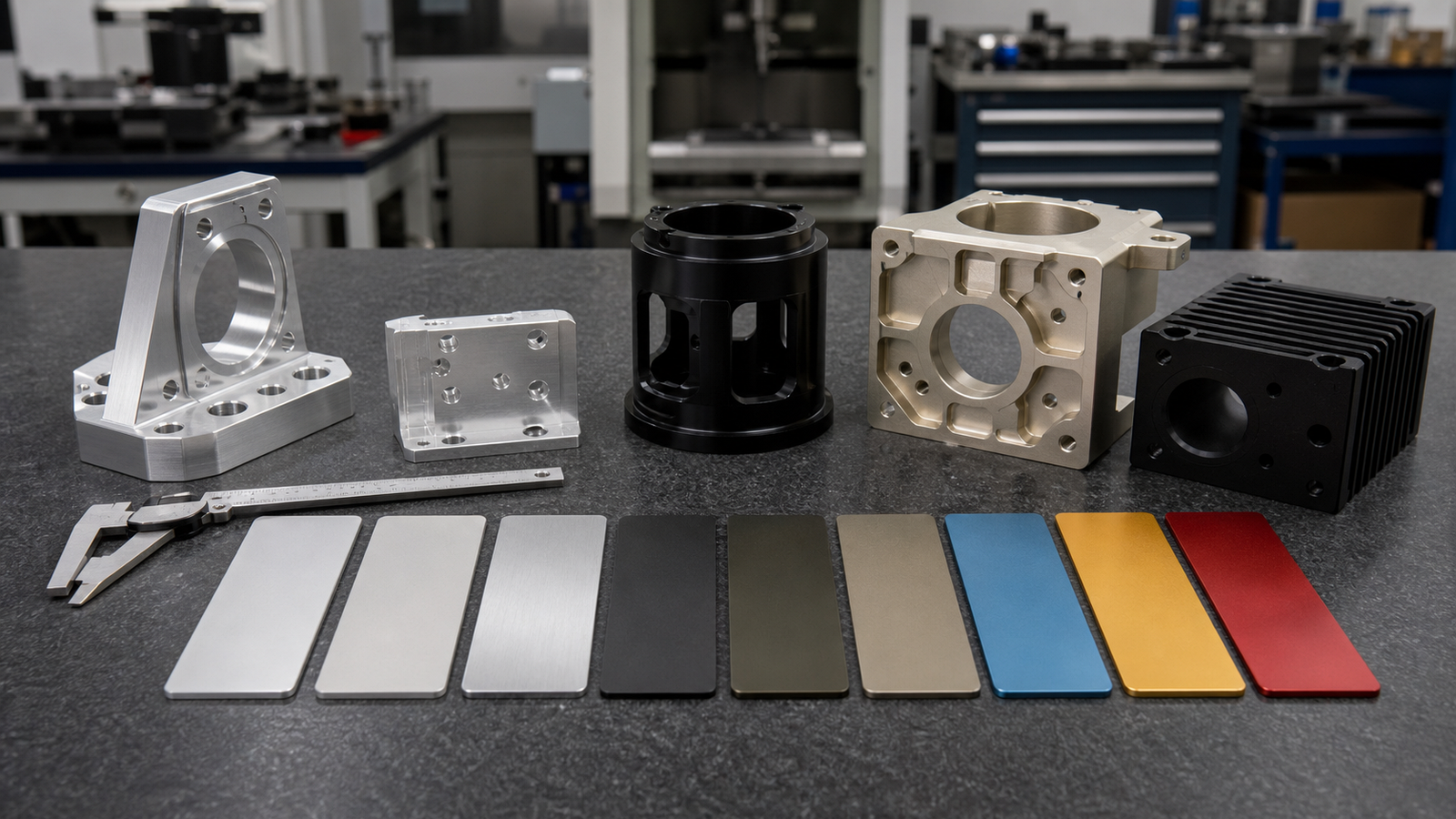
Compare chromic, sulfuric, and hardcoat anodizing on thickness, hardness, color options, and which applications each suits best.
Read Article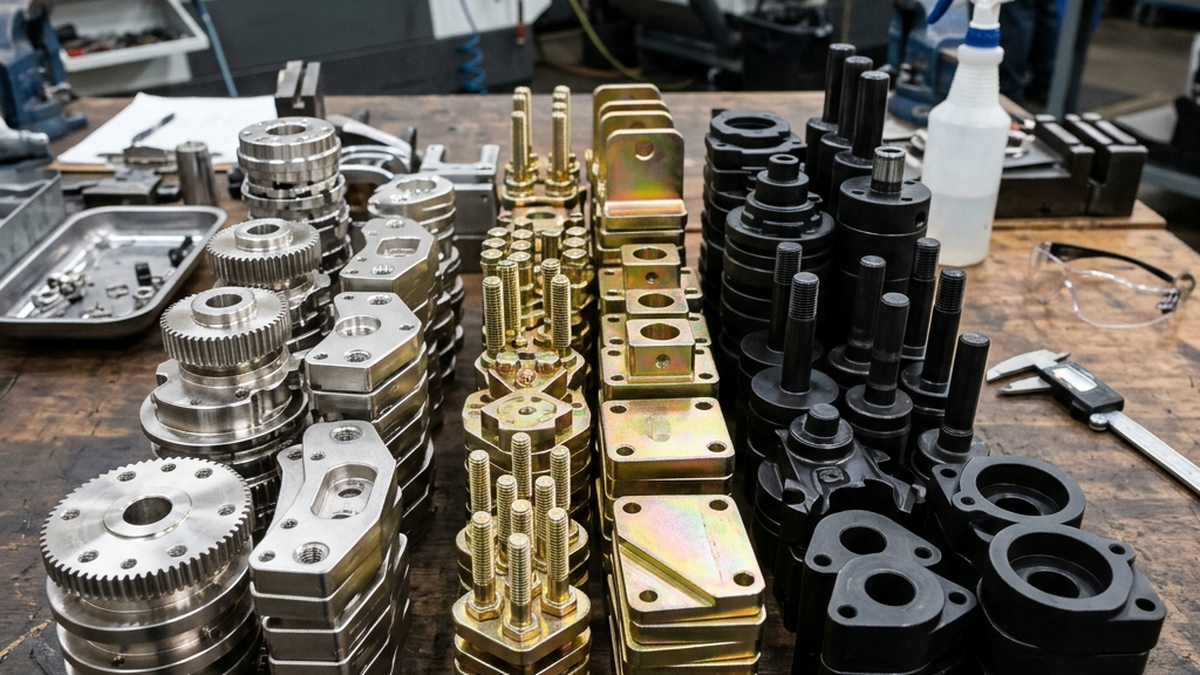
Nickel, zinc, chrome, Cerakote, and more: compare plating and coating options for corrosion resistance, wear, and aesthetics.
Read Article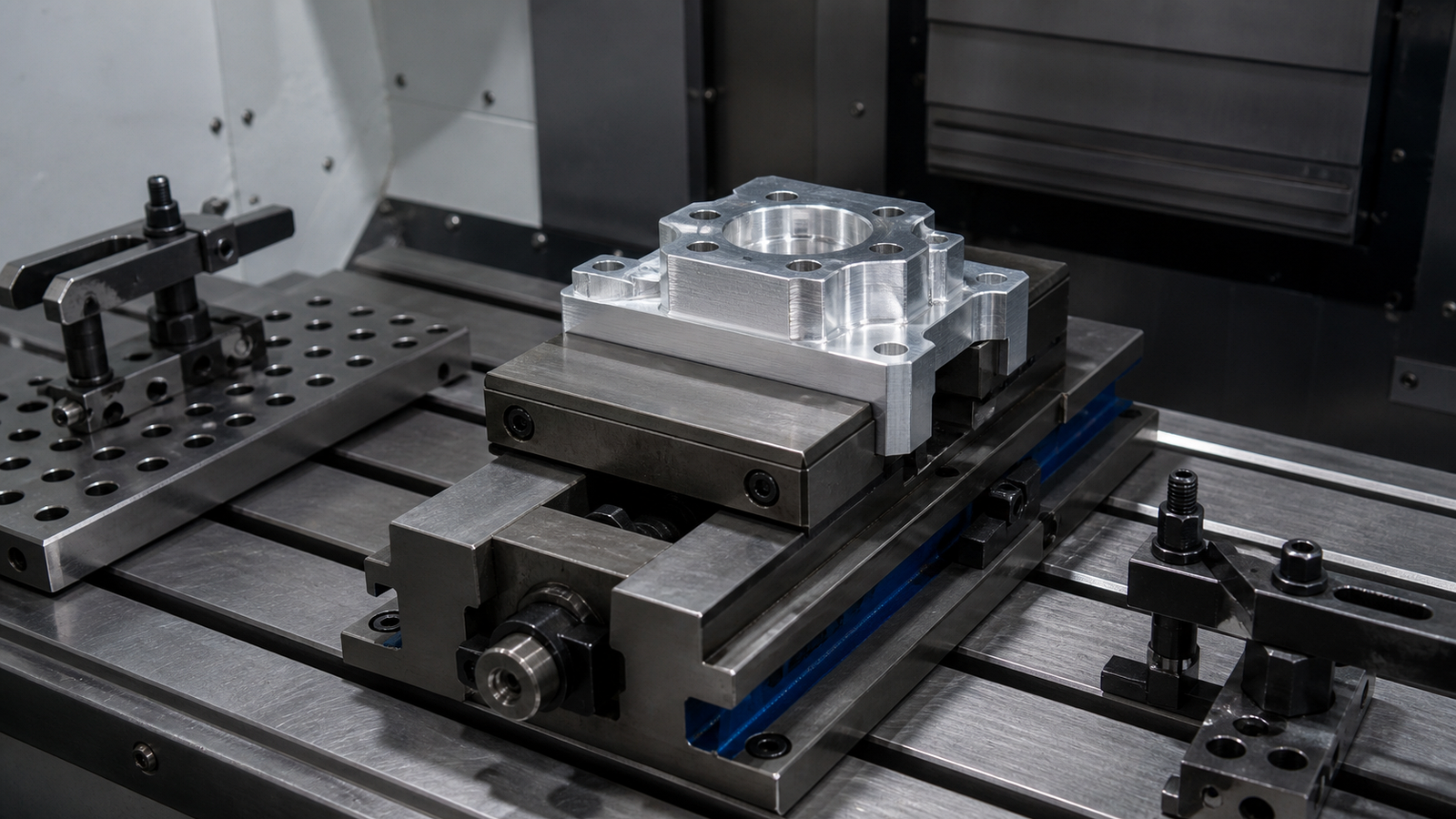
A complete guide to workholding methods, from simple vises to custom fixtures, and when each option makes sense.
Read Article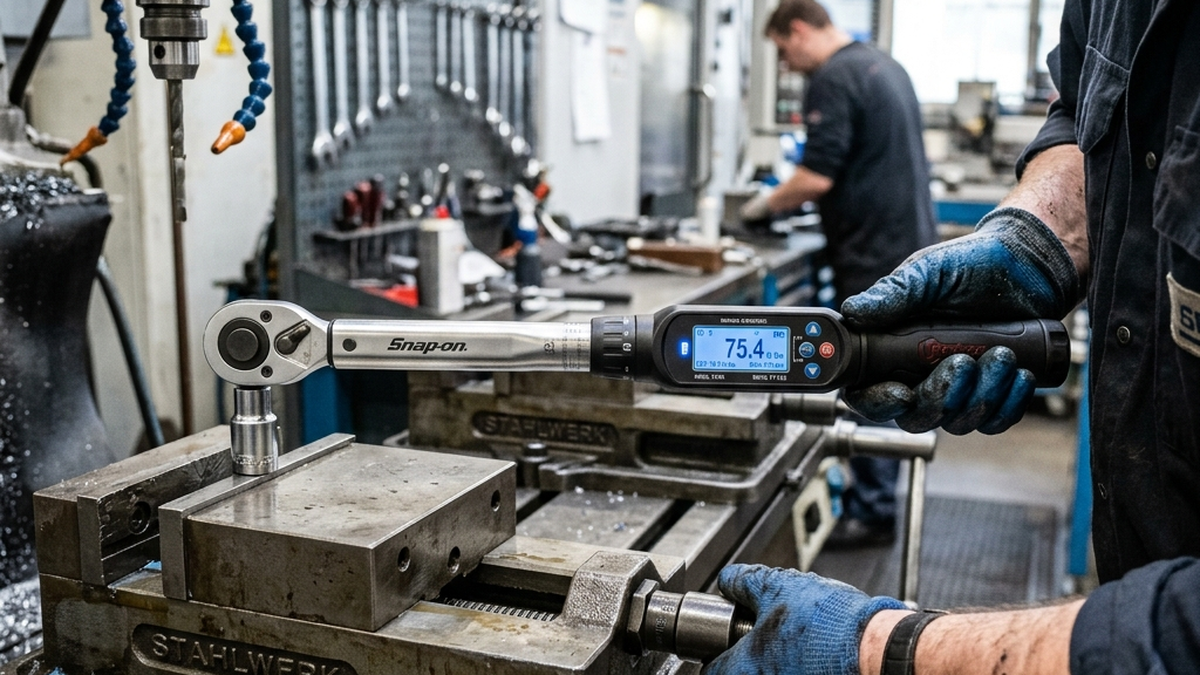
How much torque is enough? Learn proper vise clamping force for different materials and part geometries to avoid distortion.
Read Article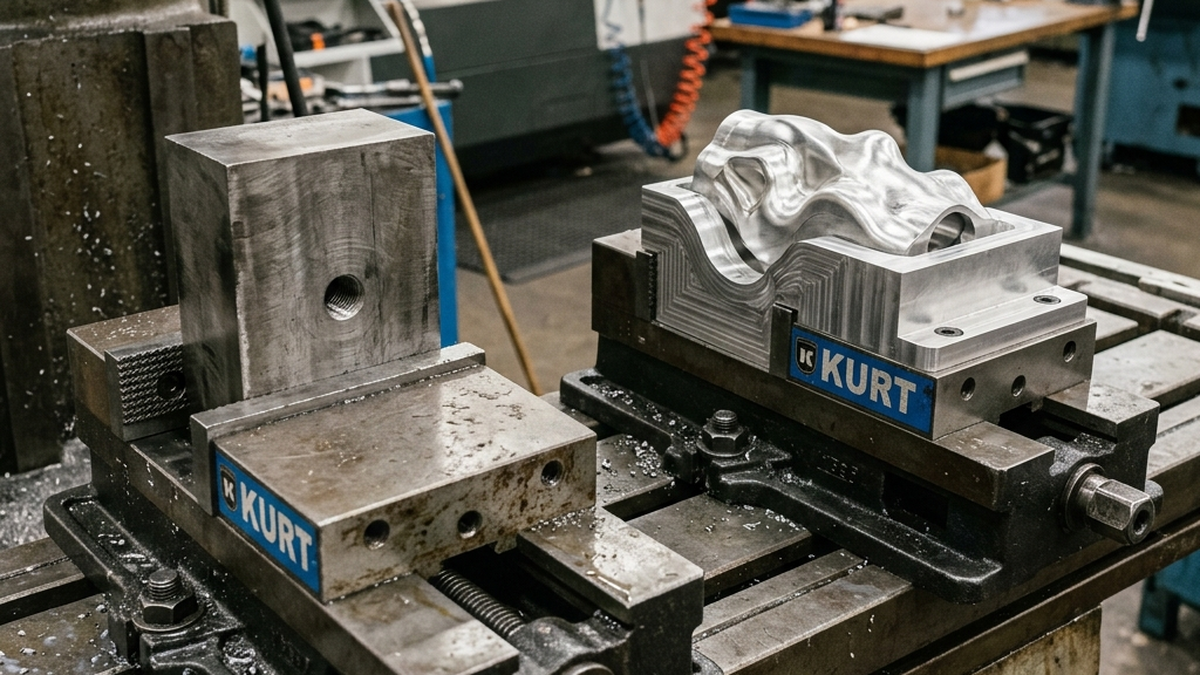
Understand when to use soft jaws for delicate or round parts and when hard jaws are the better, faster choice.
Read Article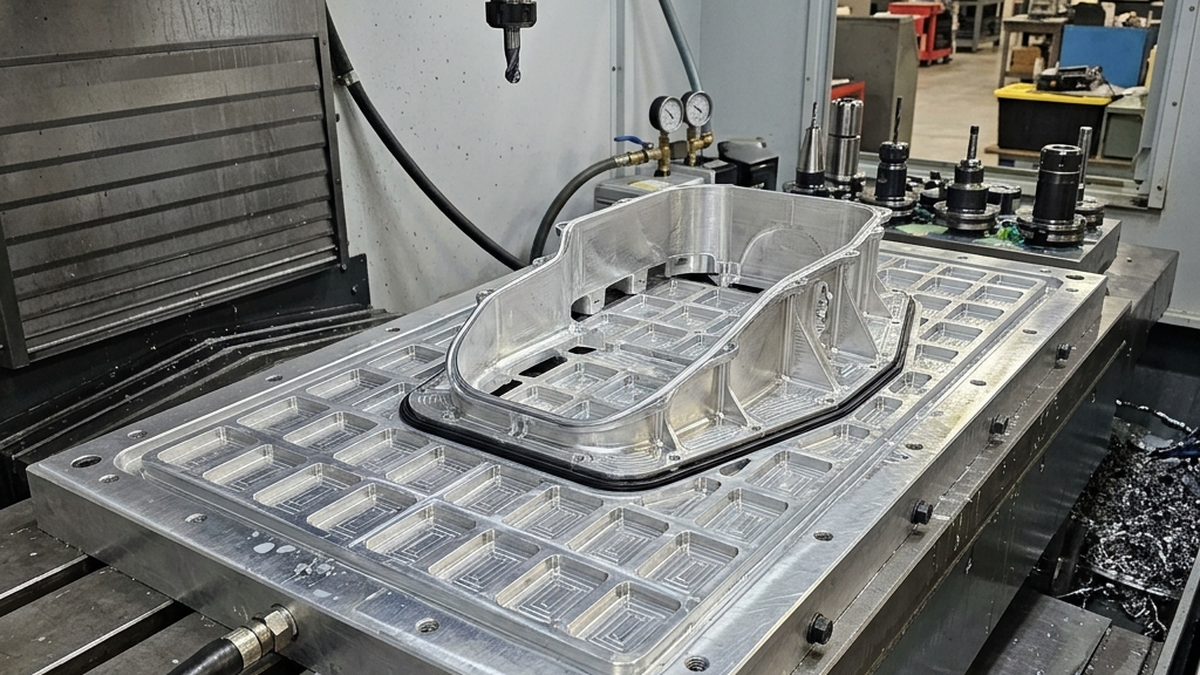
Learn how vacuum fixturing works for thin-wall parts and when it outperforms traditional clamping methods.
Read Article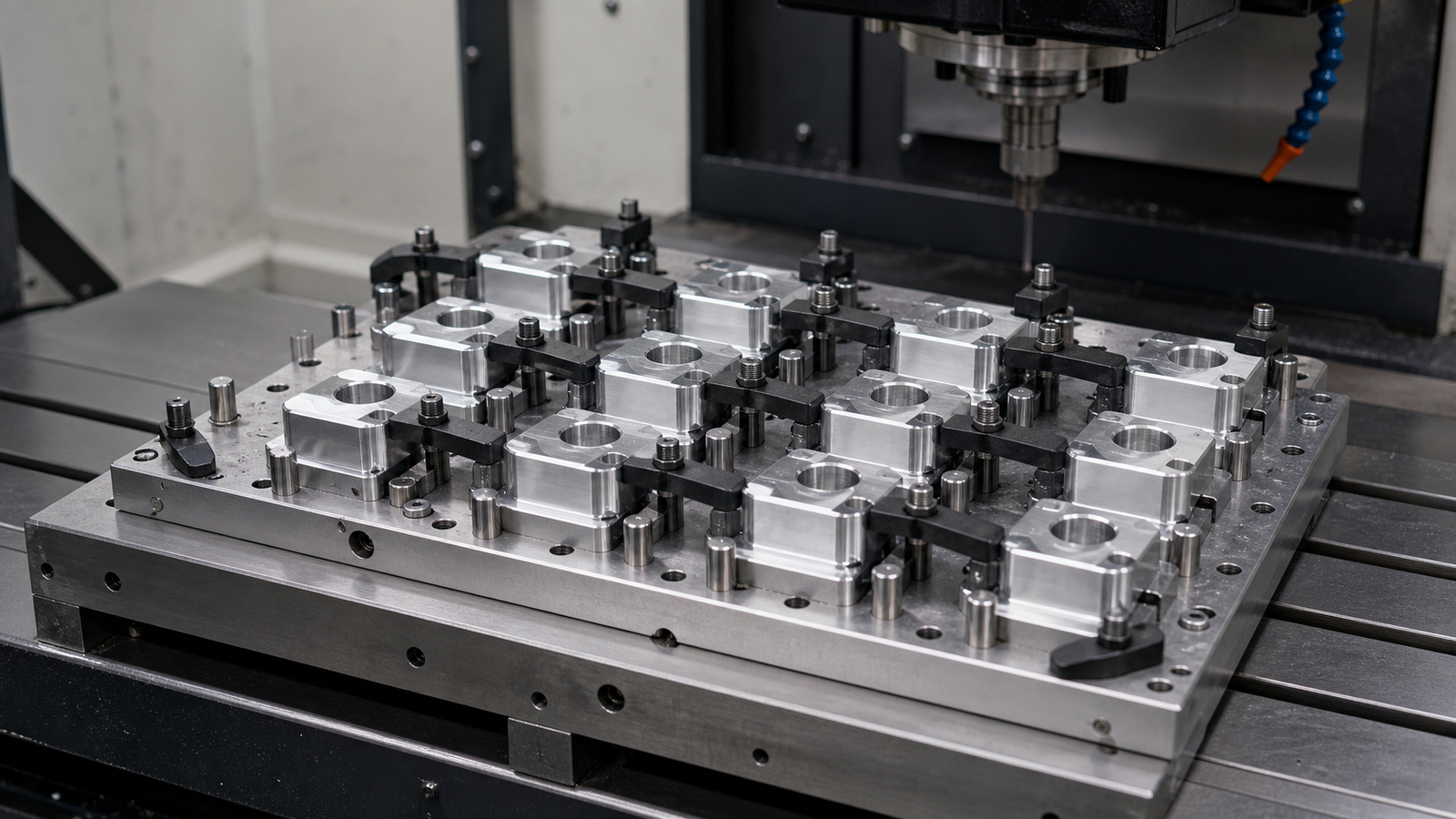
When custom fixtures pay off for production runs and how to calculate the ROI of dedicated workholding.
Read Article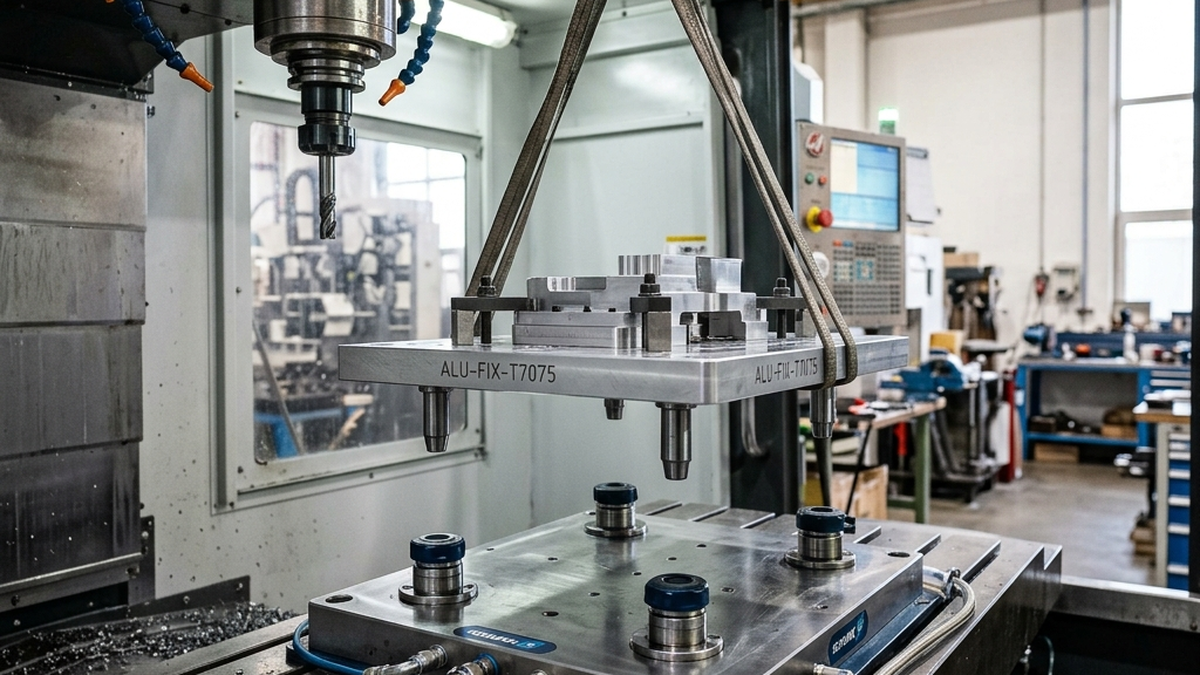
Cut setup time by up to 90% with zero-point clamping systems and learn when they make financial sense for your shop.
Read Article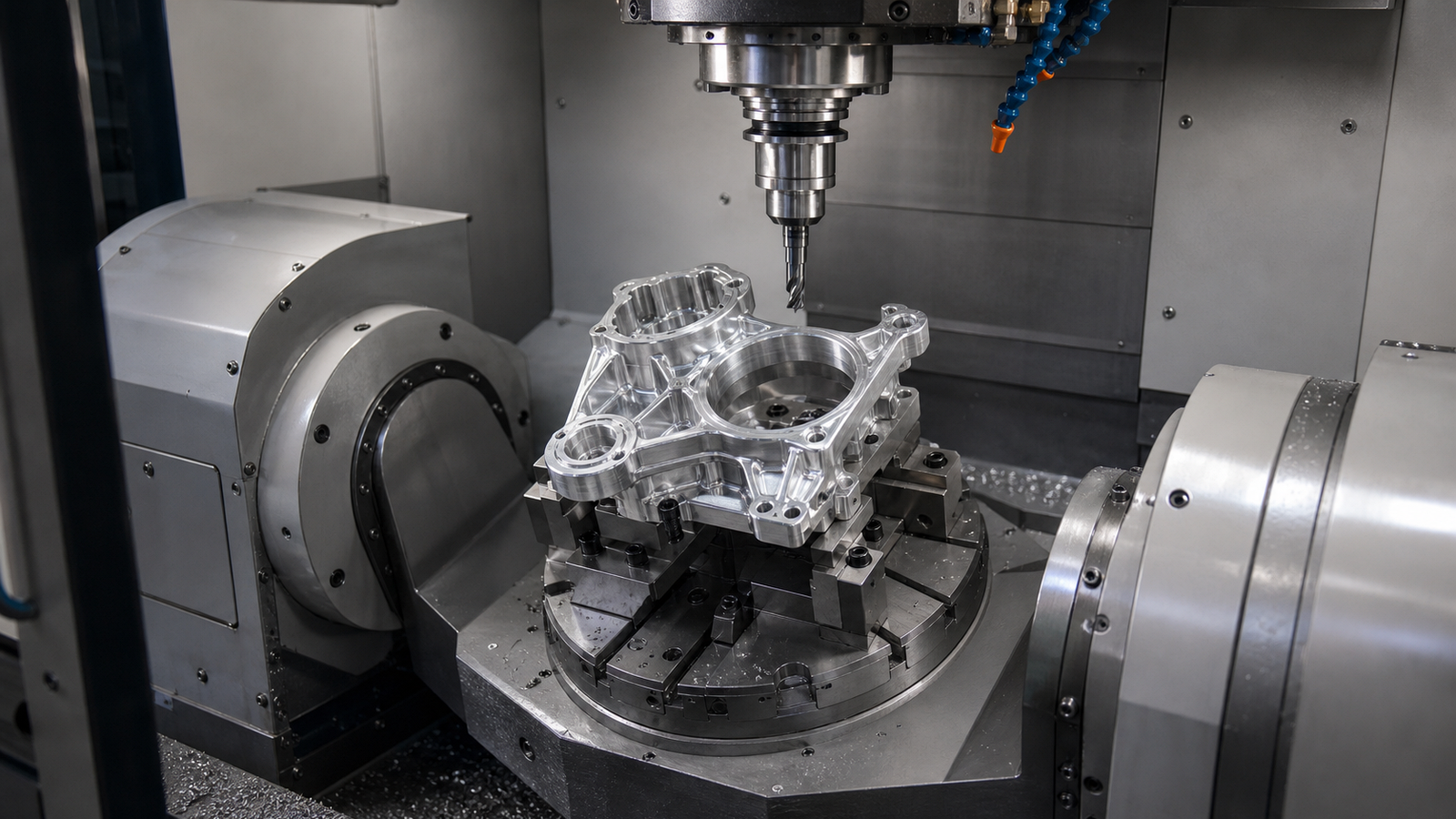
Dovetail fixtures, expanding mandrels, and trunnion setups for holding complex parts during 5-axis machining operations.
Read Article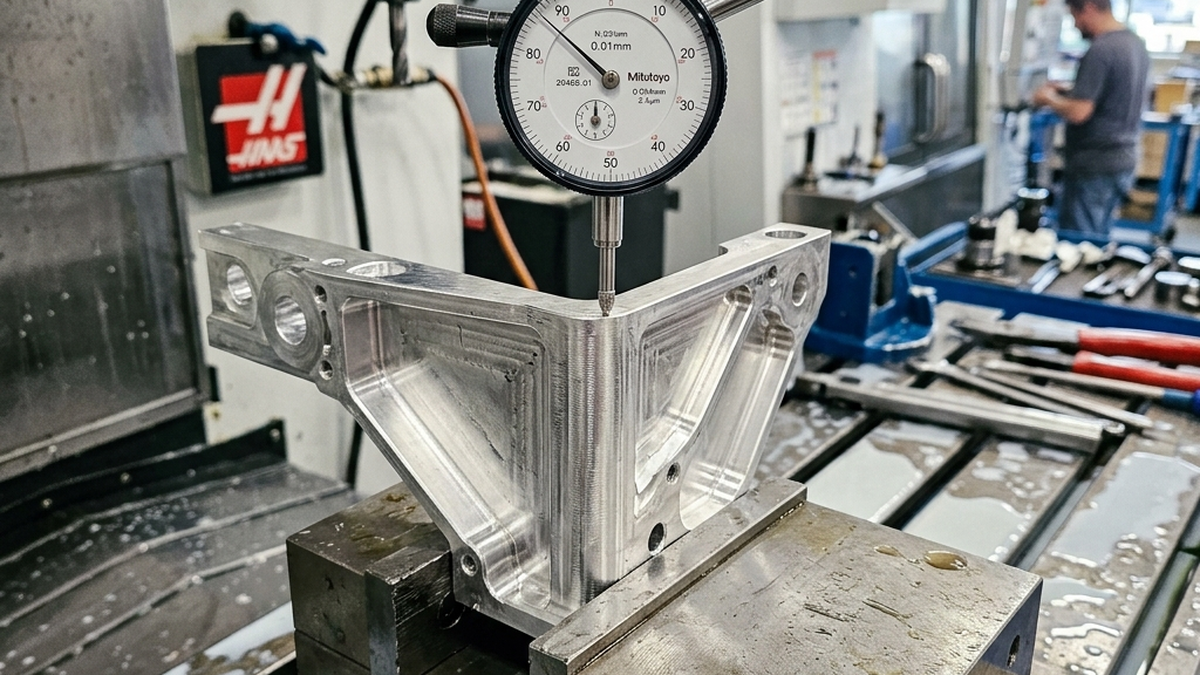
Stop ruining parts with excessive clamp force. Learn thin-wall strategies and proper fixturing sequences for distortion-free results.
Read Article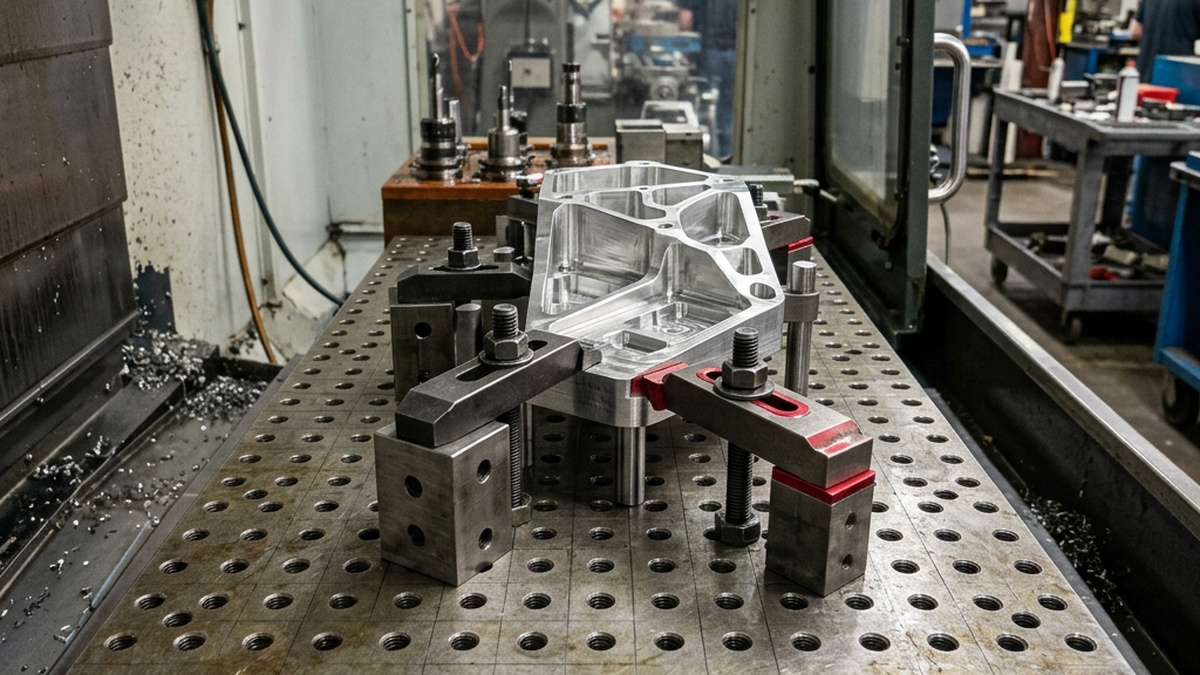
Grid plates and modular clamping systems that let you switch jobs fast without sacrificing repeatability or accuracy.
Read Article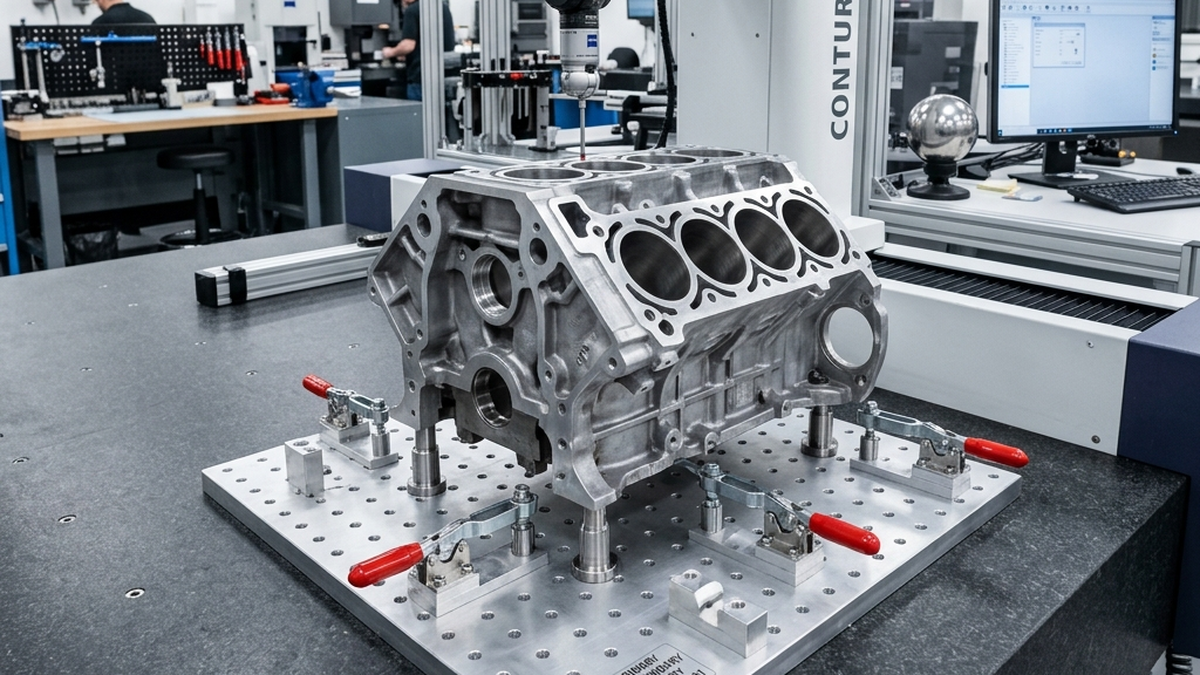
Master 3-2-1 locating, datum selection, and repeatability principles to design fixtures that deliver consistent precision.
Read Article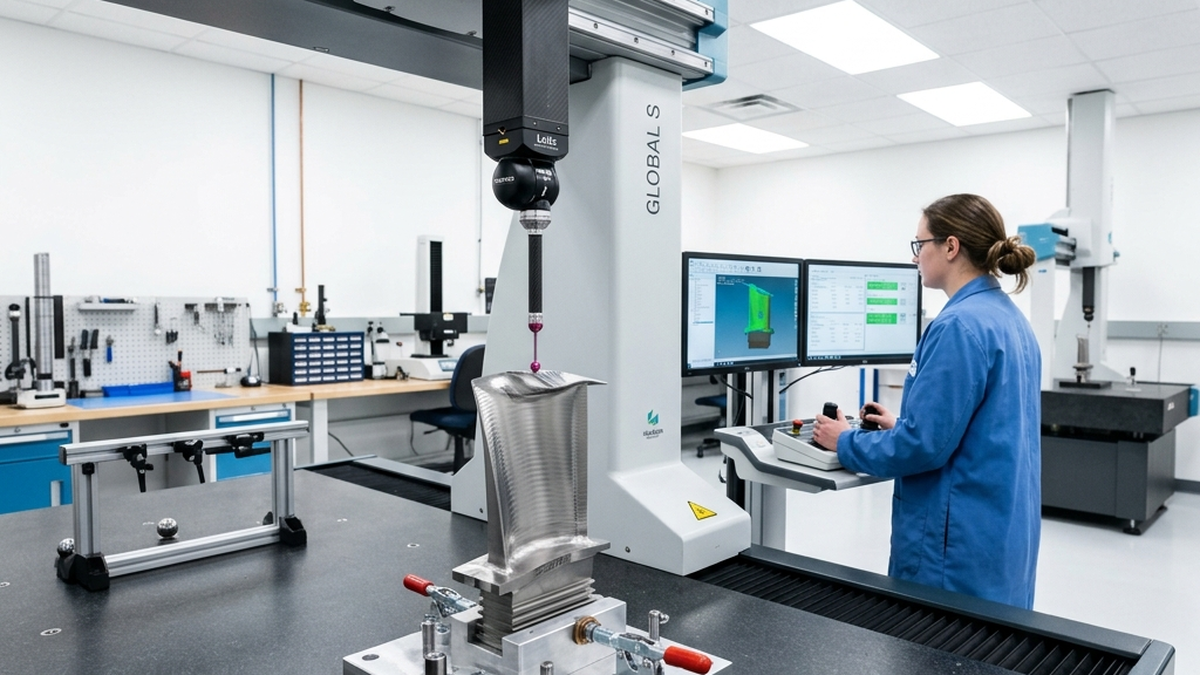
What happens during CNC quality inspection, from first-article reports to CMM measurements, and what documentation you should receive.
Read Article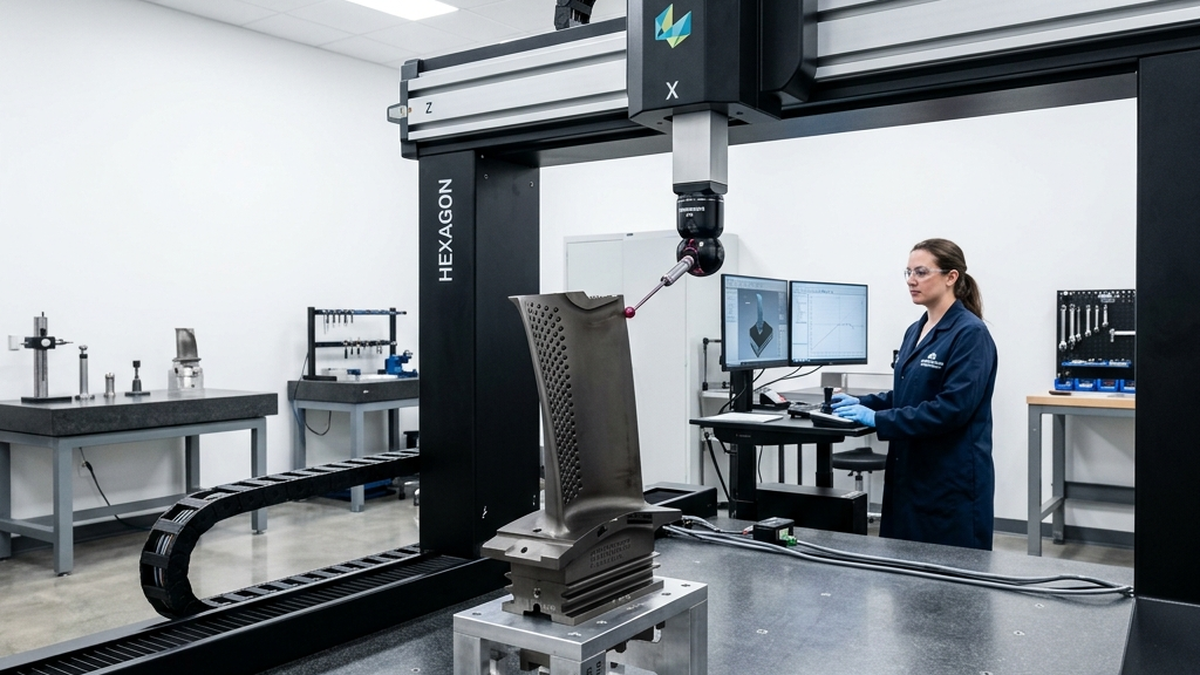
A comprehensive handbook on CNC quality systems, inspection equipment, certifications, and how to evaluate a shop's quality program.
Read Article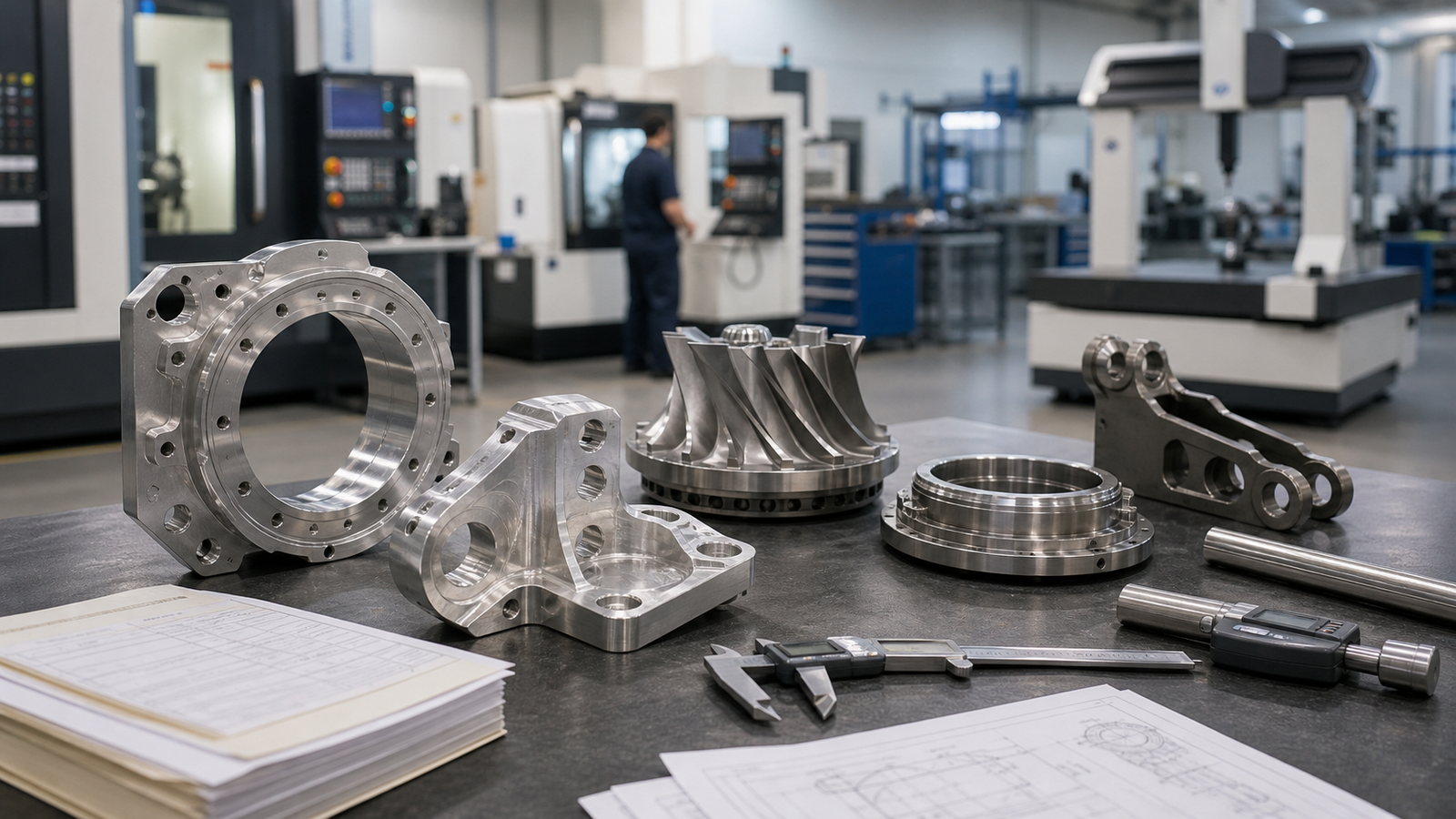
Certifications, material traceability, and quality systems to look for when selecting a shop for aerospace machined parts.
Read Article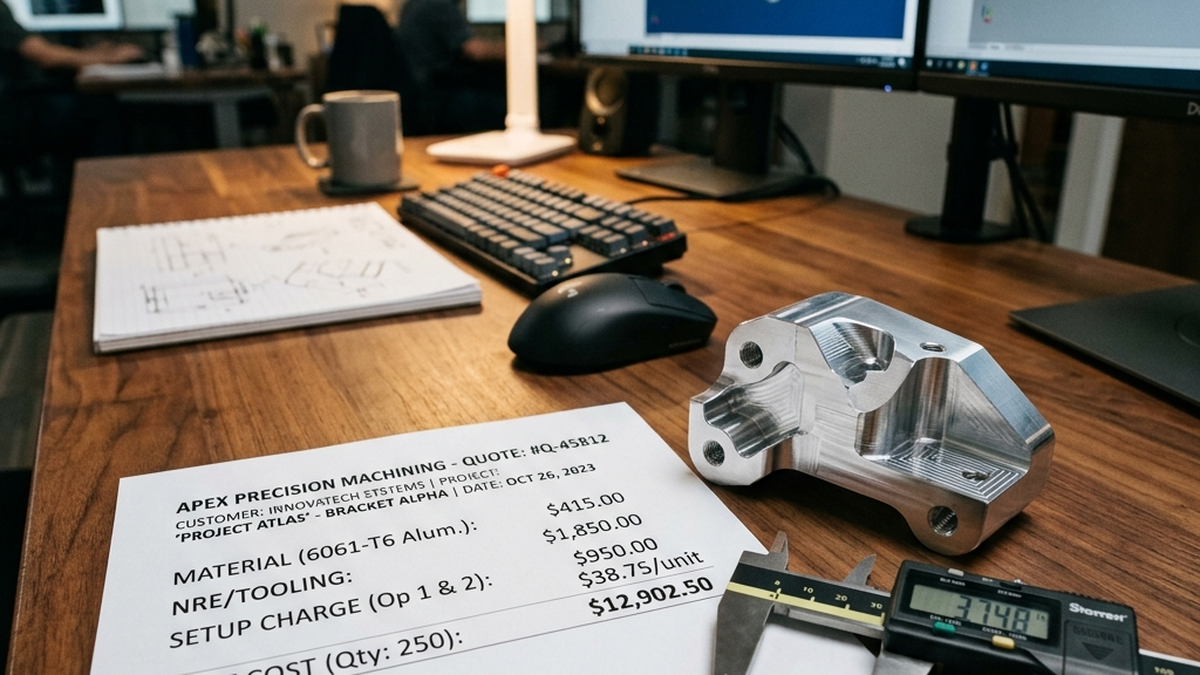
Break down a CNC machining quote line by line so you understand what you are paying for and can compare shops accurately.
Read Article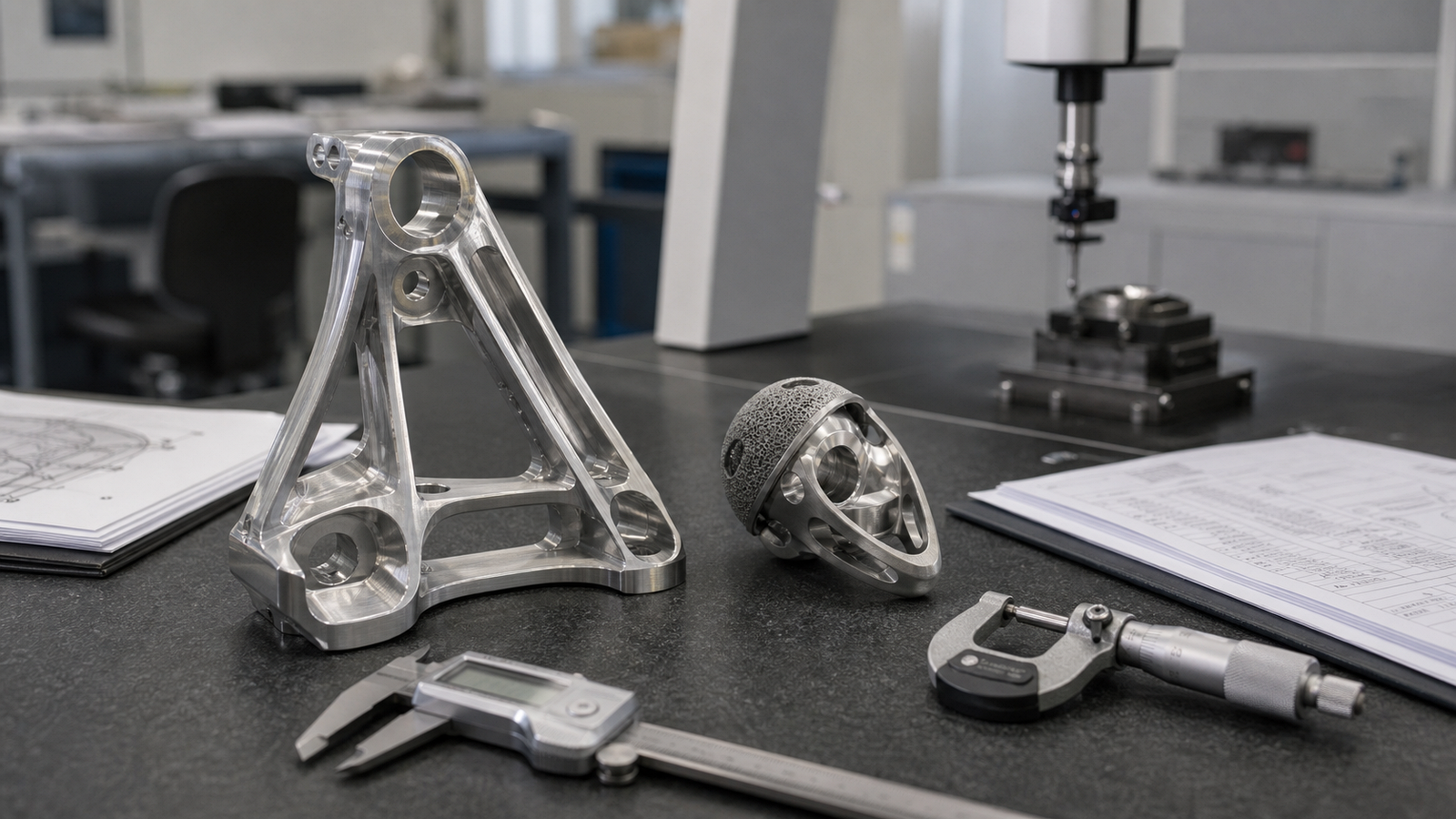
Compare certifications, materials, tolerances, and documentation requirements between aerospace and medical CNC machining.
Read Article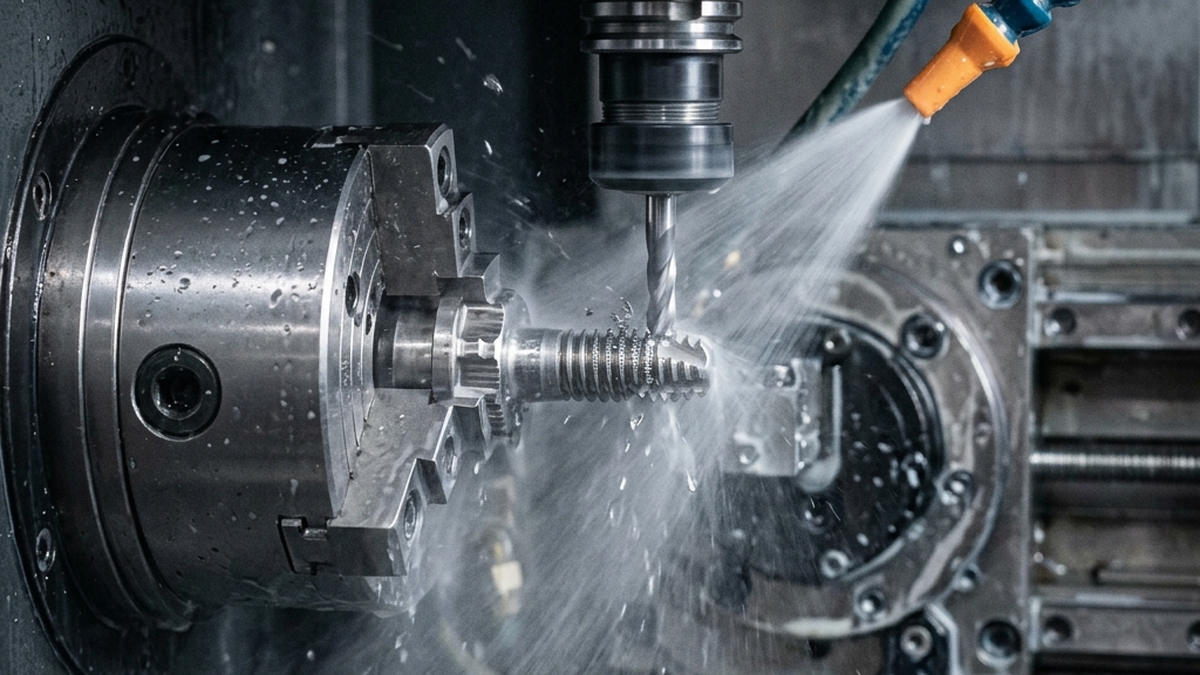
FDA requirements, ISO 13485, biocompatible materials, and surface finish standards for medical device CNC parts.
Read Article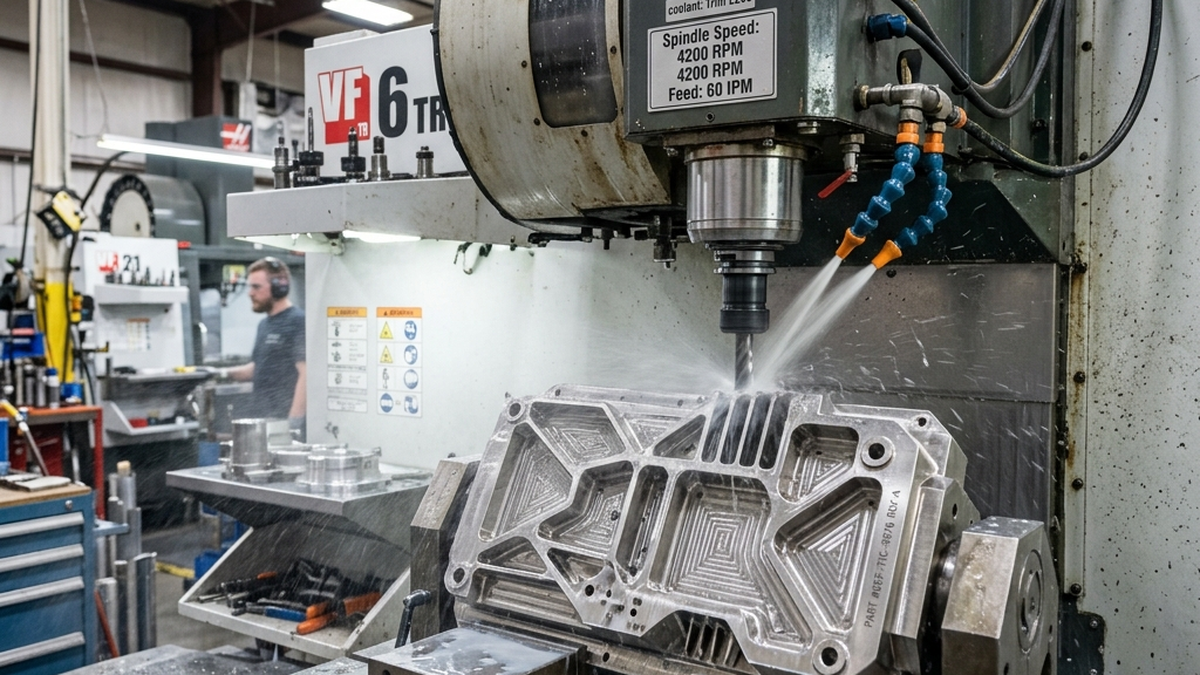
ITAR compliance, DFARS, mil-spec materials, and documentation standards required for defense machining contracts.
Read Article
Actuator housings, end effectors, brackets, and encoder mounts: the CNC parts that keep robots moving precisely.
Read Article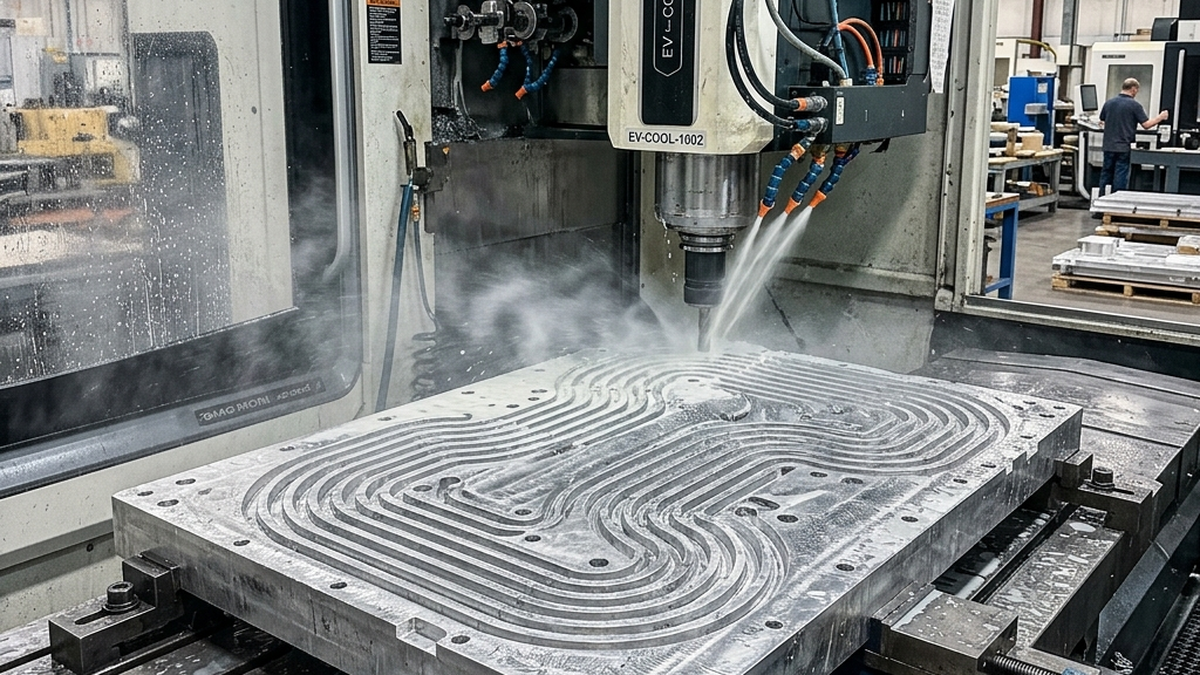
Battery enclosures, motor housings, cooling plates, and lightweight materials for CNC-machined EV components.
Read Article
Chamber bodies, gas delivery components, wafer handling fixtures, and material purity requirements for semiconductor CNC parts.
Read Article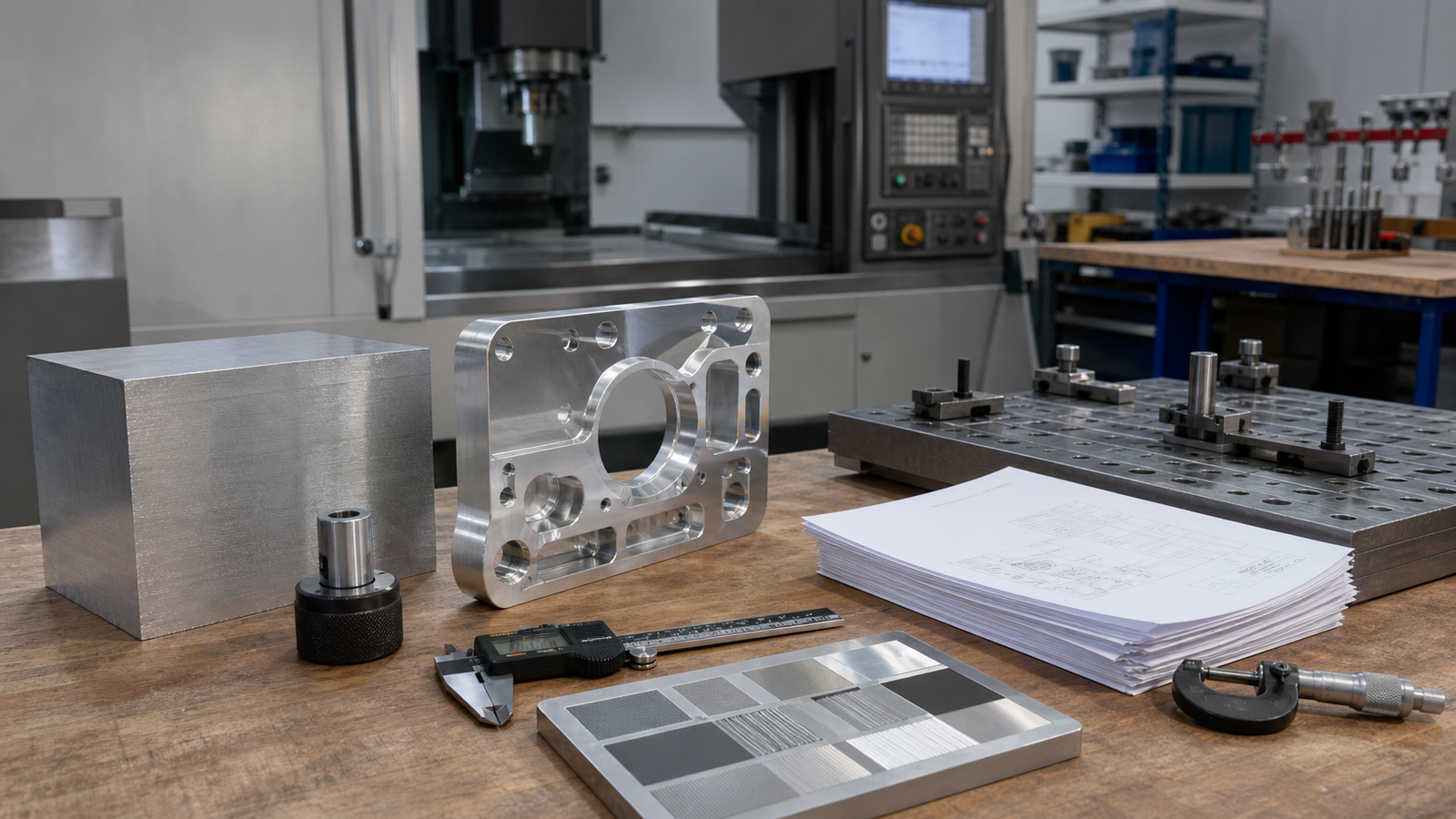
Material, tolerances, geometry, finish, and batch size: understand every factor that drives your CNC part cost up or down.
Read Article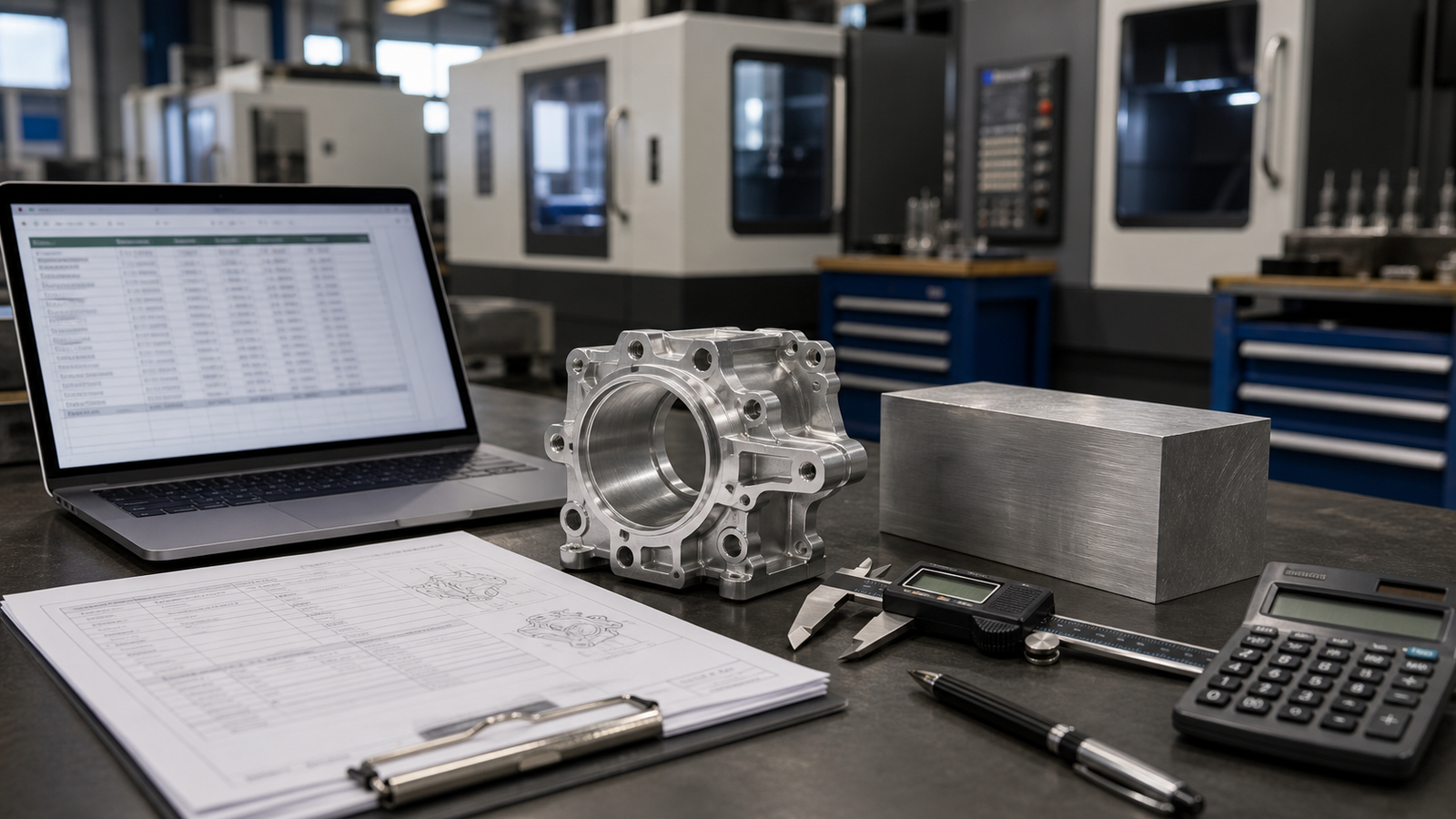
A step-by-step method for estimating CNC part cost before you request a formal quote from a machine shop.
Read Article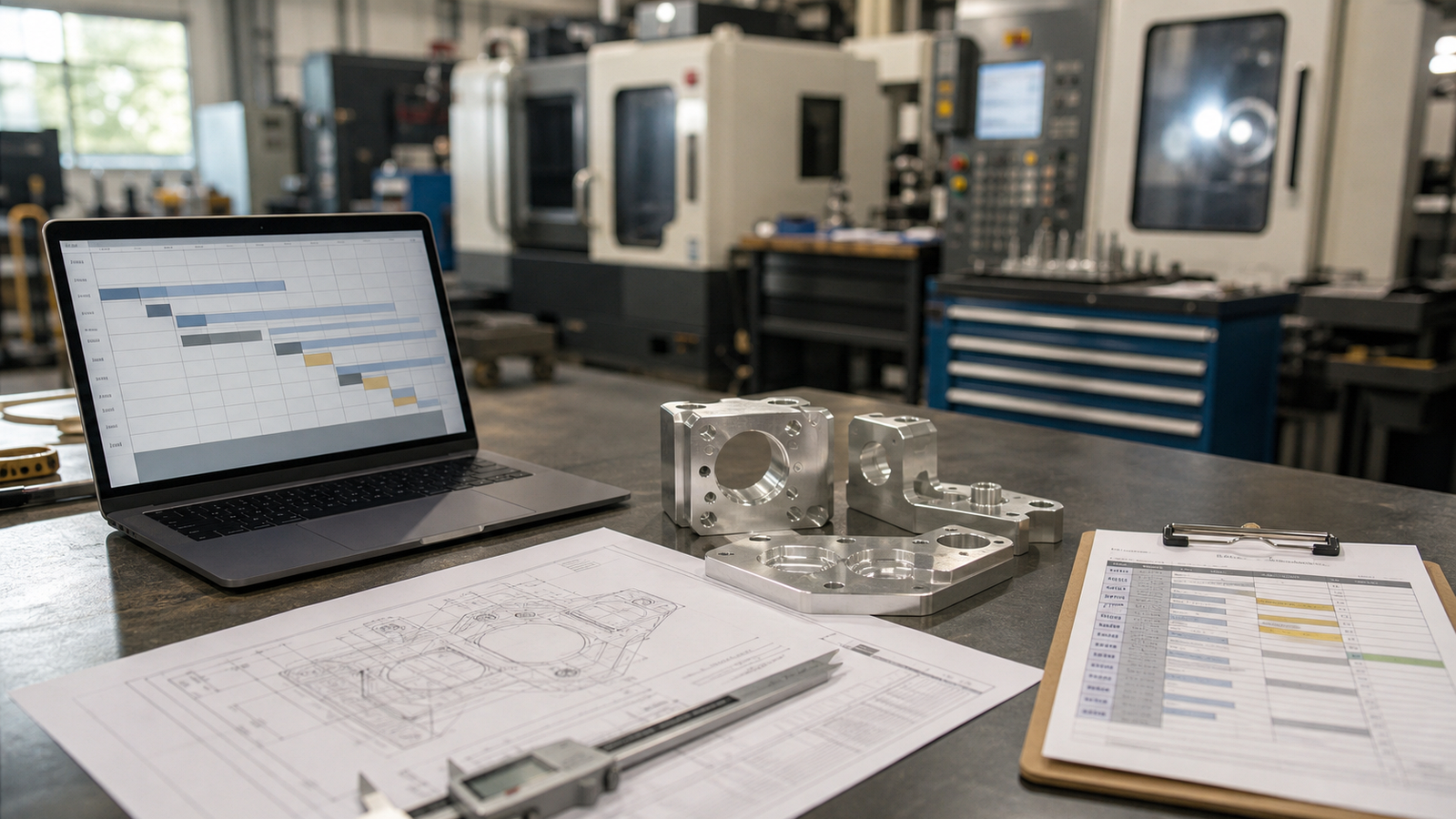
Typical lead times for prototypes and production runs, plus actionable tips to shorten your delivery schedule.
Read Article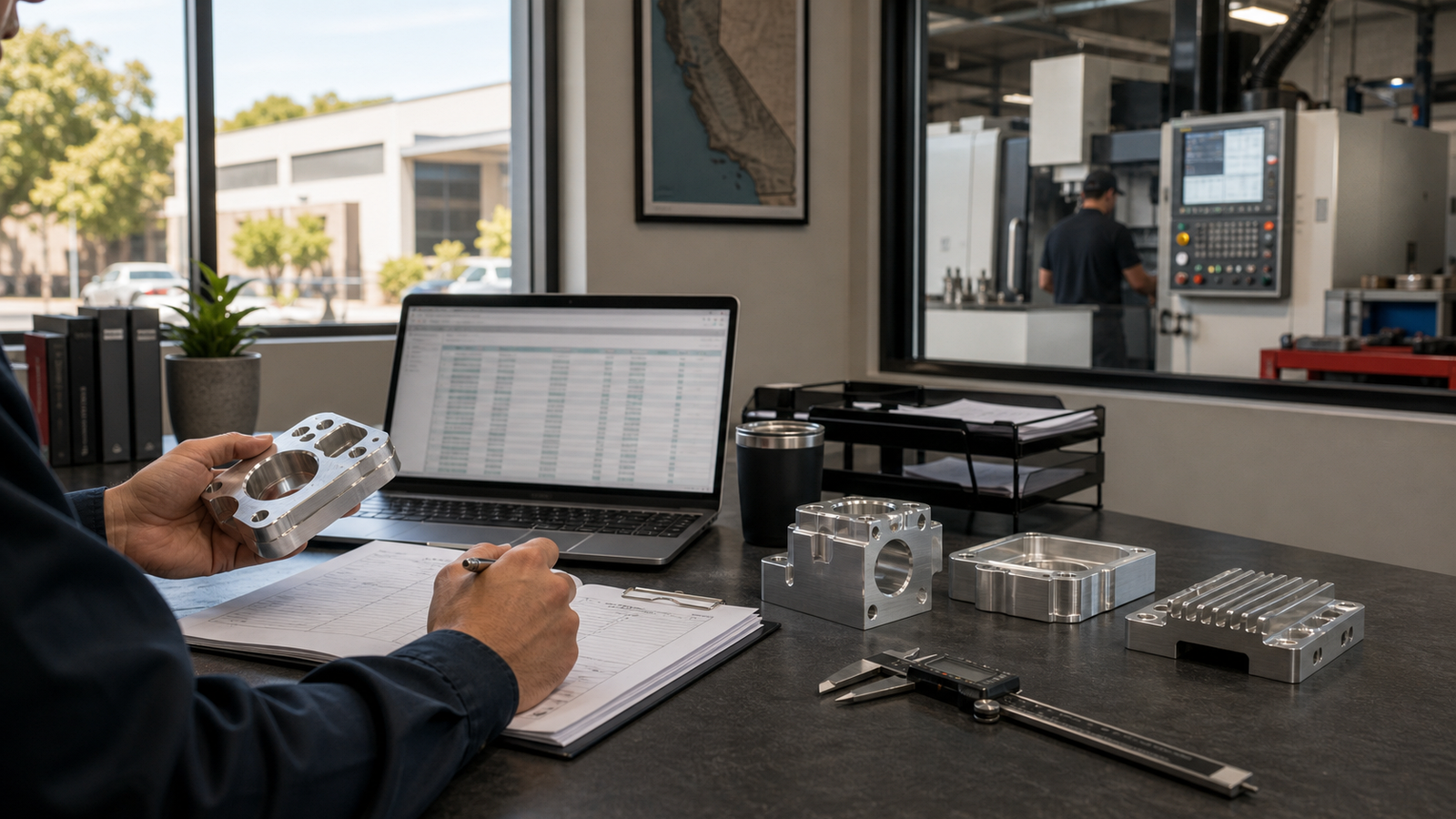
Understand Bay Area CNC shop rates, what drives local pricing, and how to get the best value without sacrificing quality.
Read Article
A structured framework for comparing CNC shops on capability, quality systems, communication, and total value.
Read Article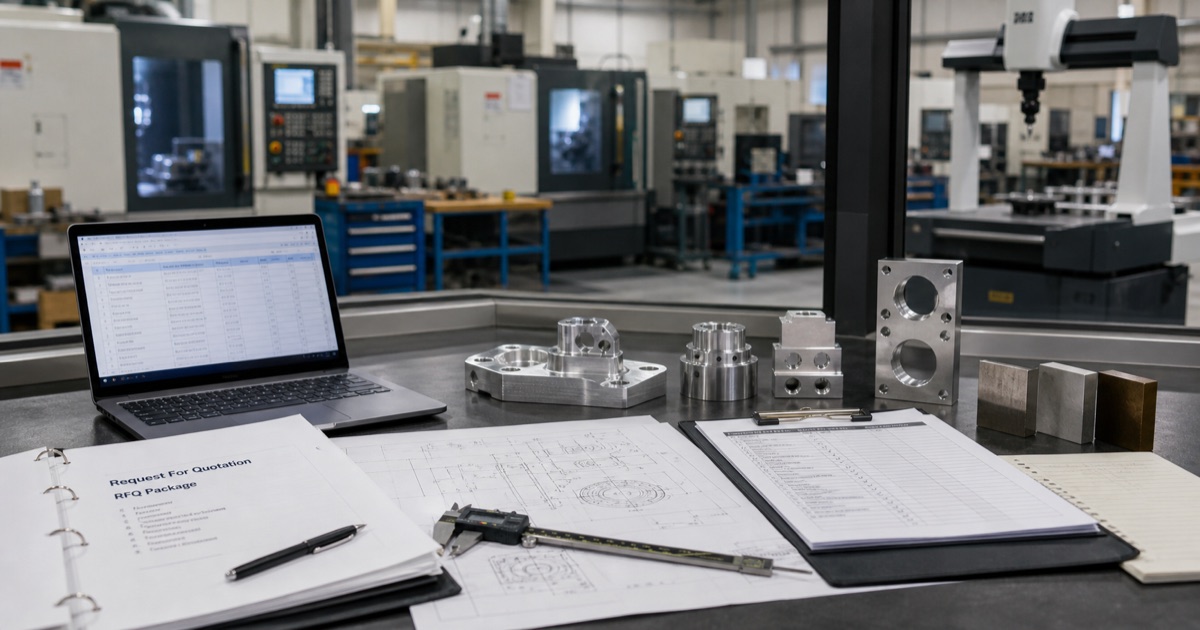
Six-step framework, define needs, build a shortlist, send the right RFQ, evaluate, trial, then commit. Differentiates aerospace, medical, prototype, and production buys.
Read Article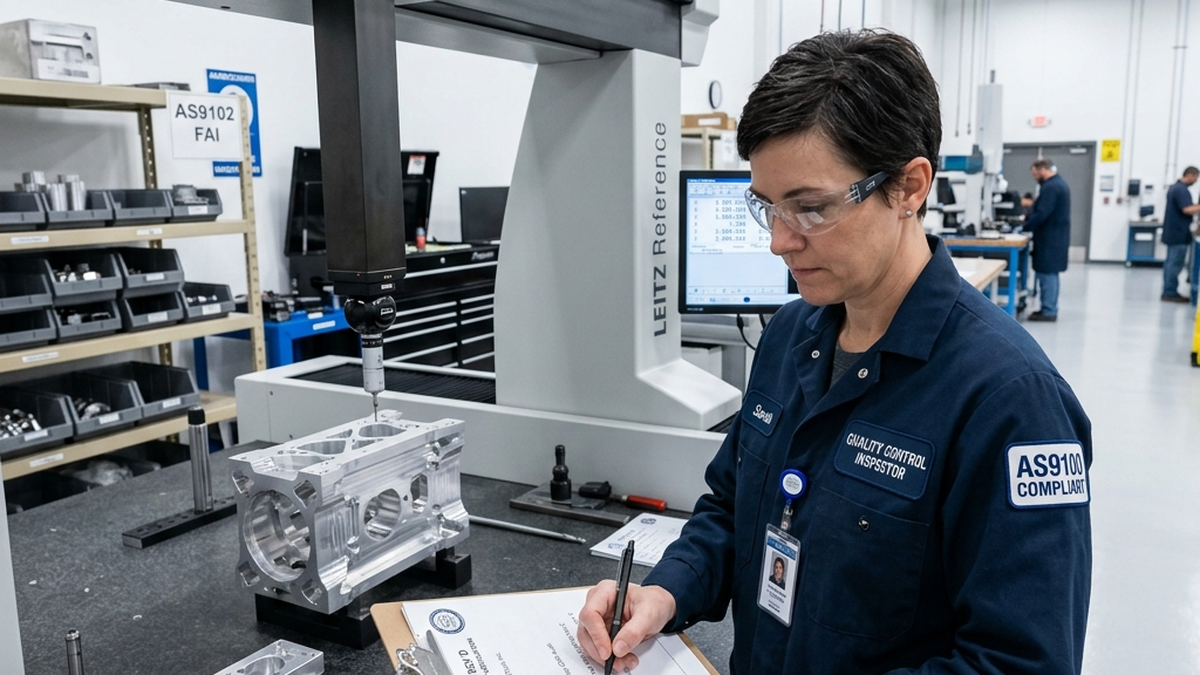
A practical checklist of capabilities, certifications, and red flags to watch for when choosing a CNC machining partner.
Read Article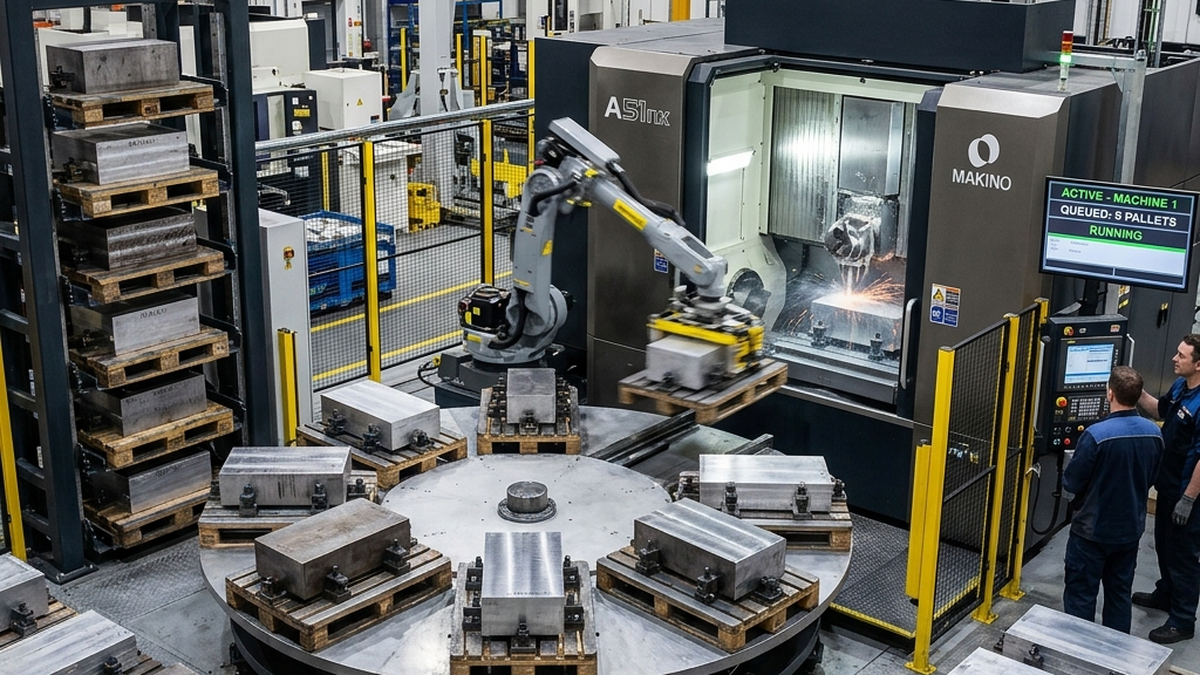
Understand the difference between a machine shop and a job shop so you send your RFQ to the right type of supplier.
Read Article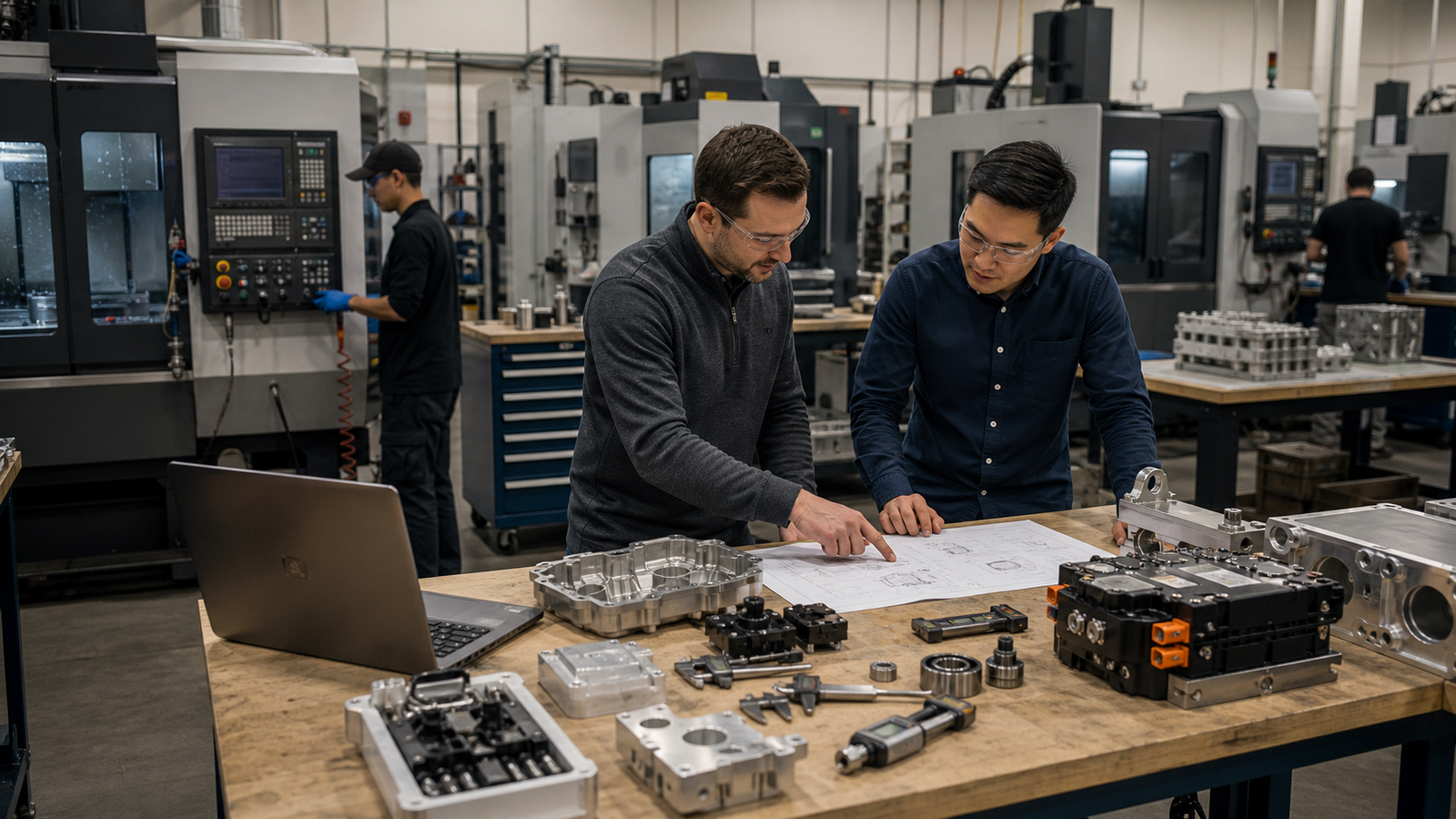
Automation, reshoring, and advanced materials are reshaping Bay Area manufacturing. See what is coming next.
Read Article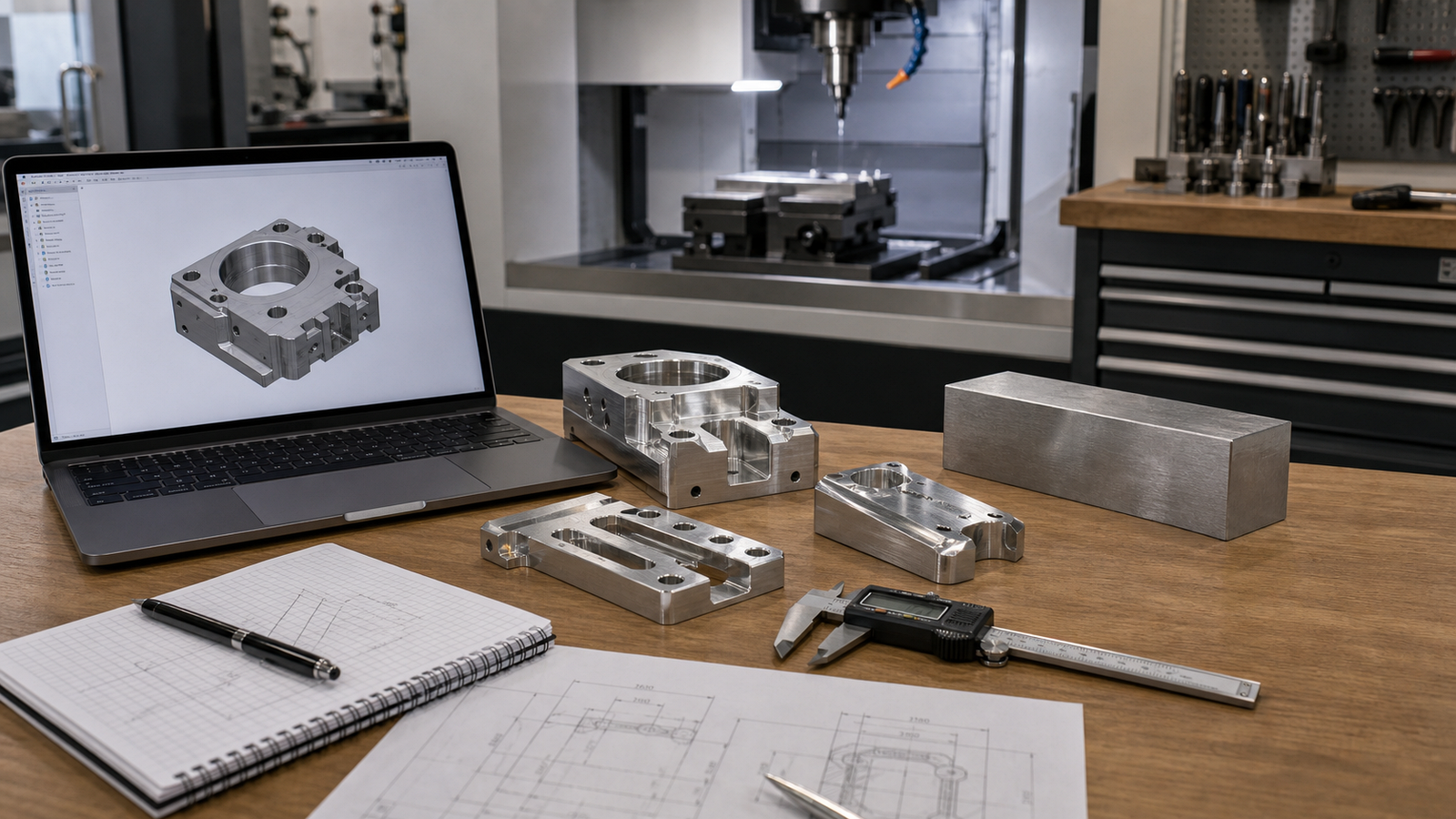
A practical guide for California startups looking to manufacture hardware locally, from prototyping to first production runs.
Read Article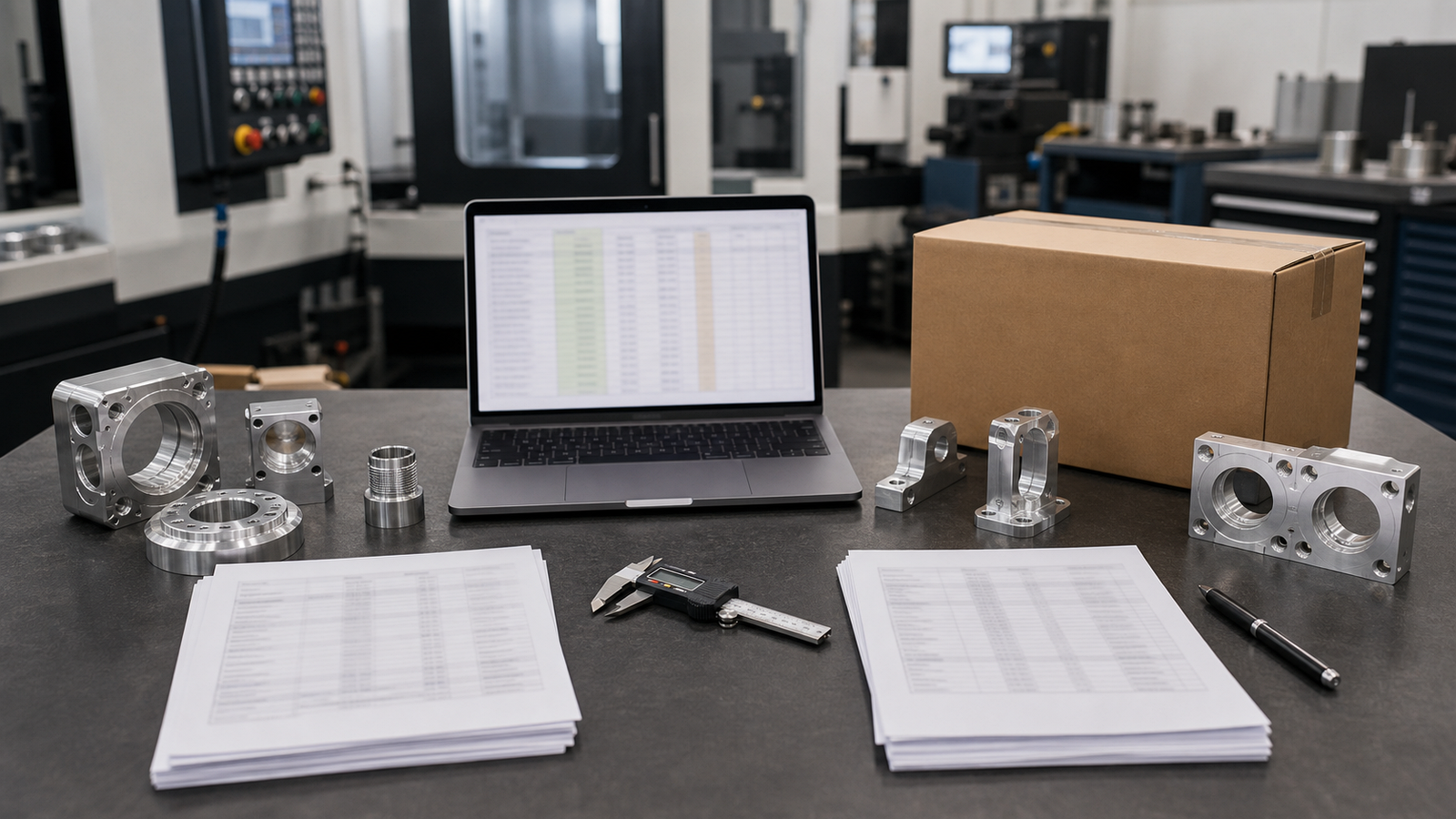
A real comparison of domestic vs overseas CNC manufacturing on total cost, quality, IP risk, and communication overhead.
Read Article
How Silicon Valley startups use local CNC machining for rapid prototyping, DFM support, and bridge production runs.
Read Article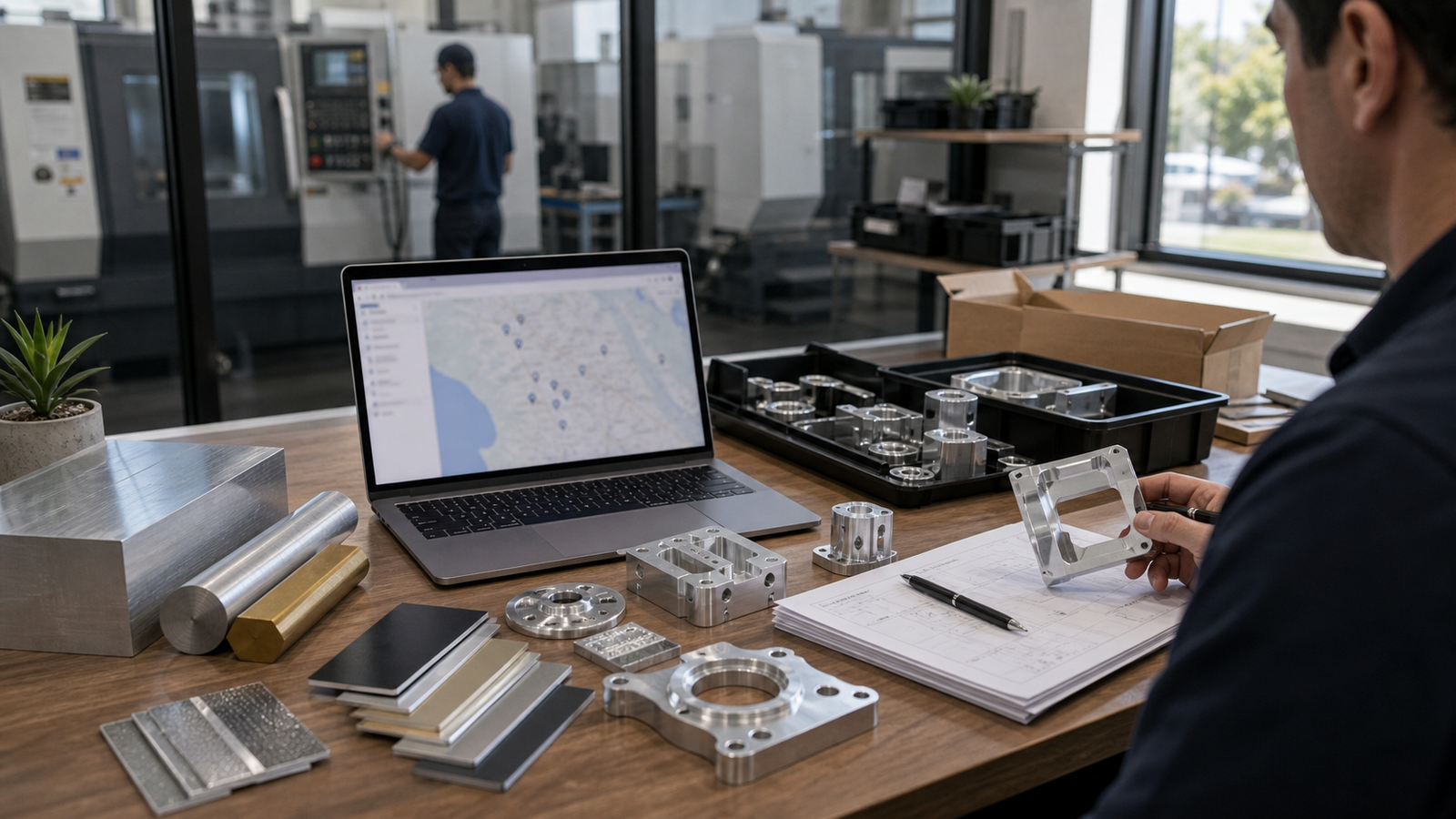
Explore the Bay Area manufacturing ecosystem including CNC shops, finishing services, and resources for hardware teams.
Read Article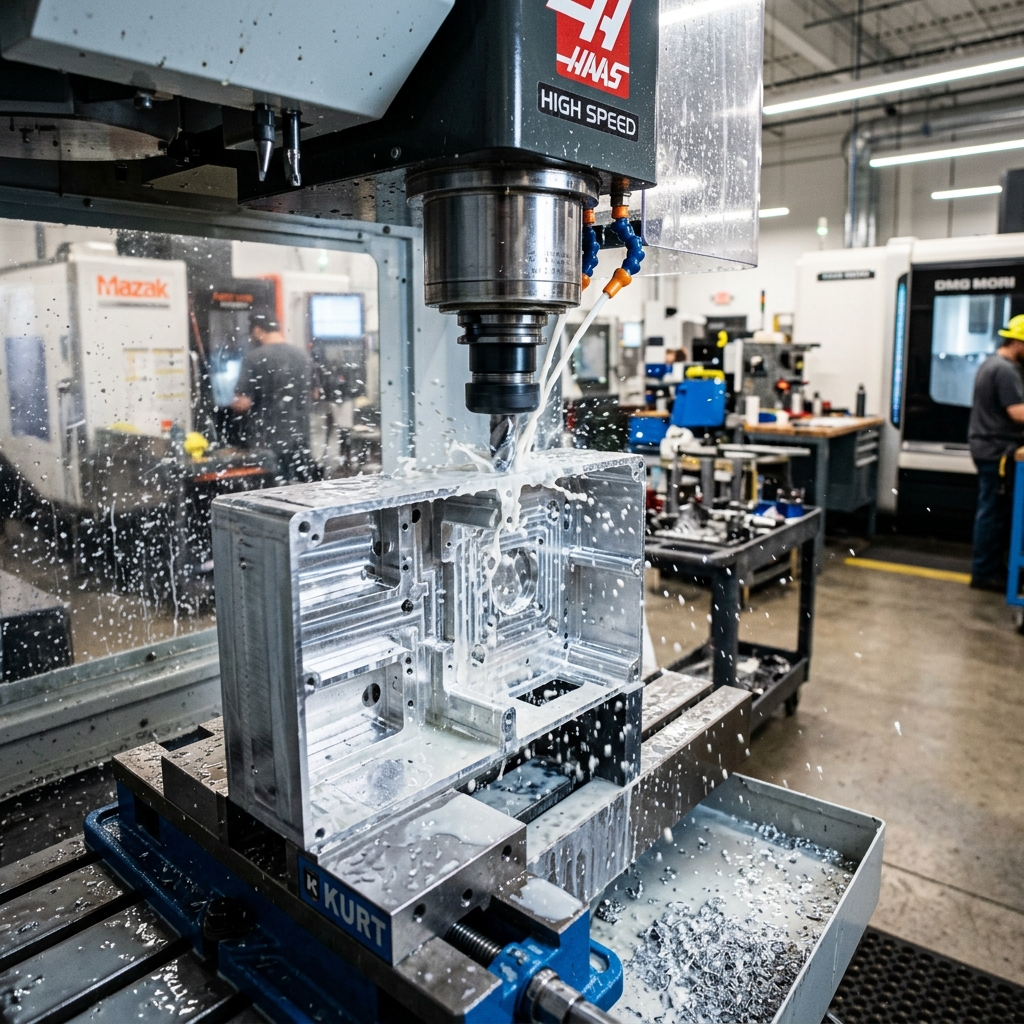
How quick-turn CNC machining works and how to get precision parts shipped in as few as 1 to 3 business days.
Read Article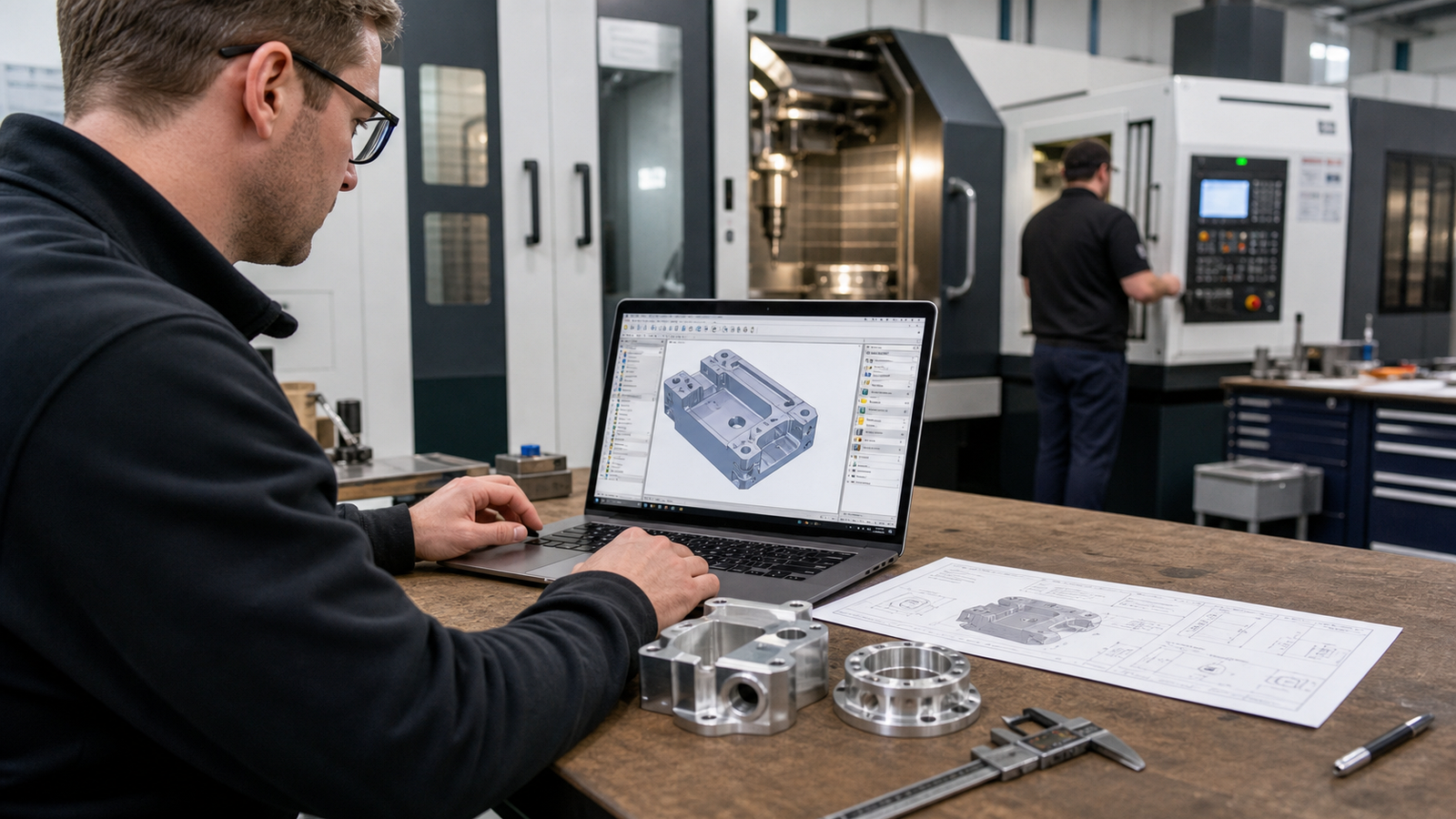
How artificial intelligence is transforming CNC workflows, from CAM programming and toolpath optimization to predictive quality.
Read Article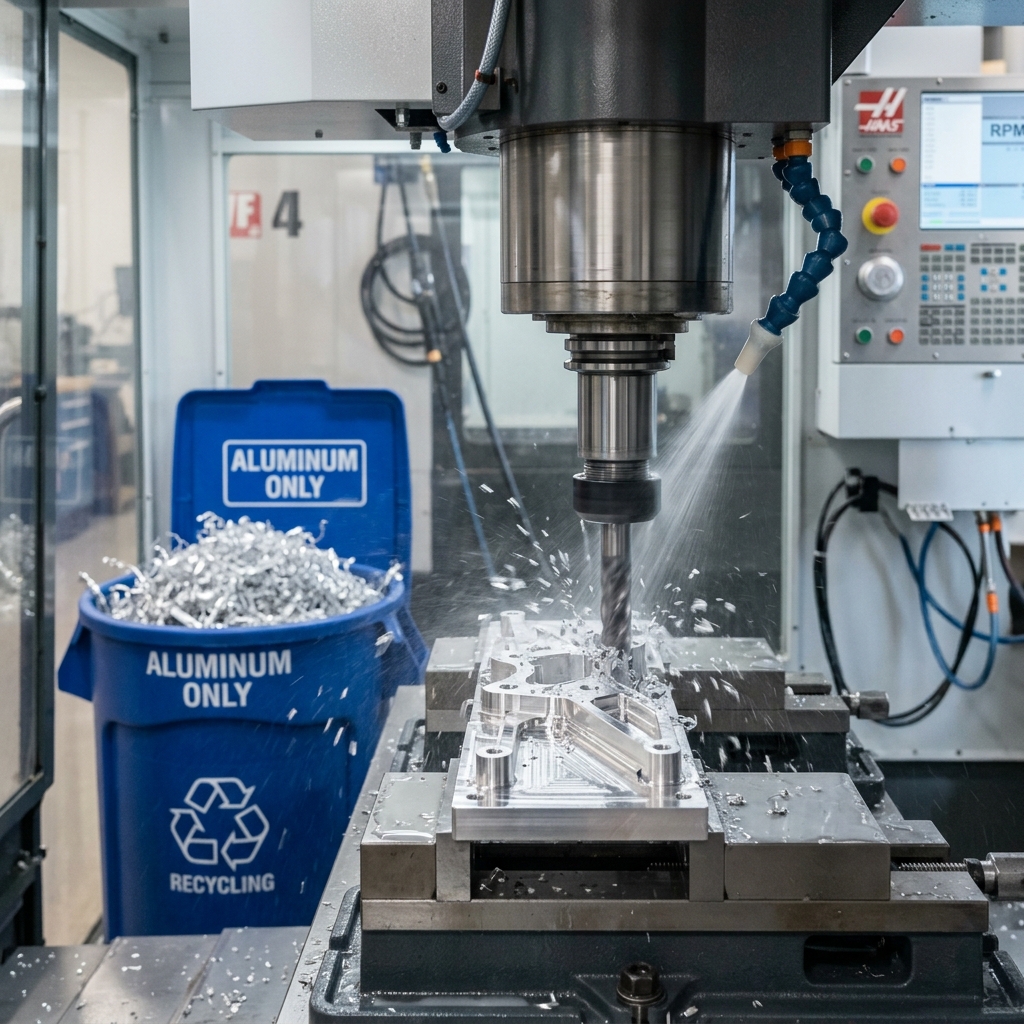
How modern CNC shops reduce waste, save energy, and lower environmental impact through sustainable machining practices.
Read Article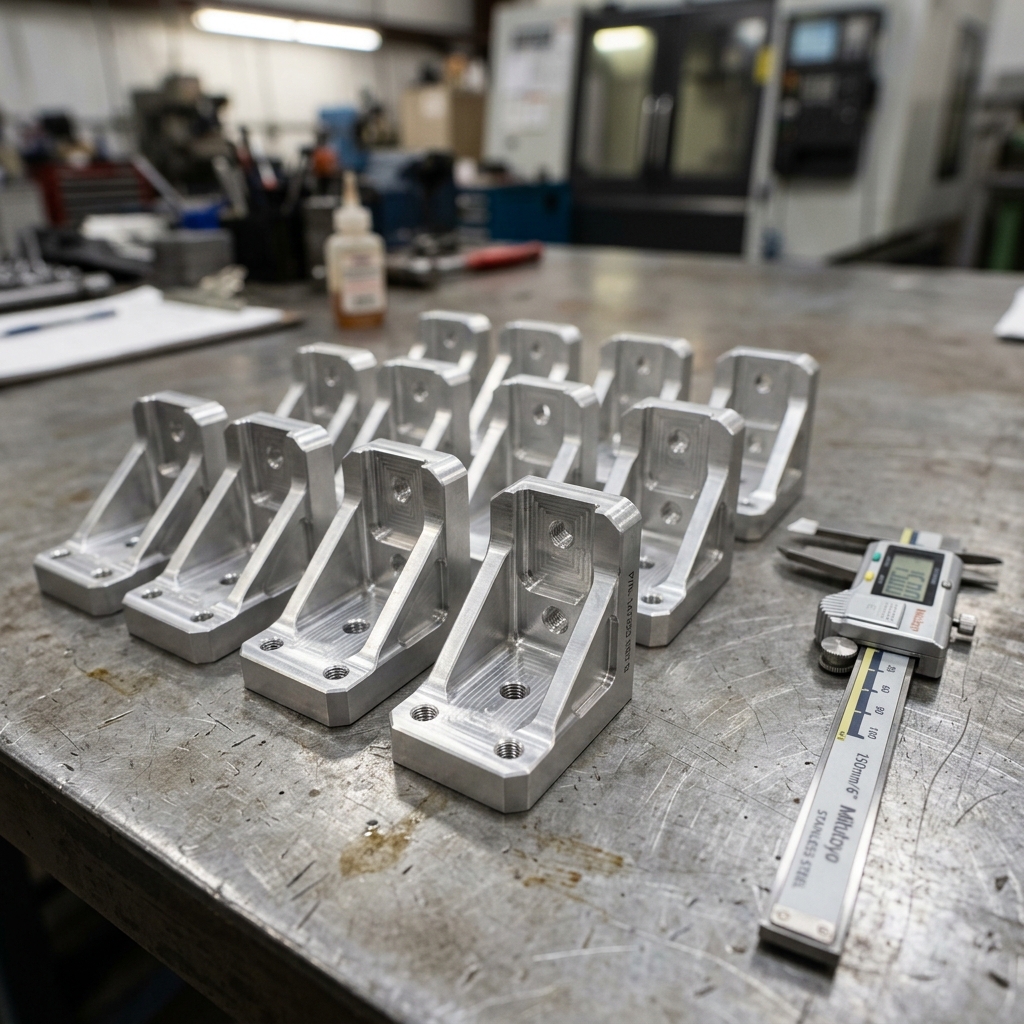
Strategies for getting high-quality CNC parts in low volumes without paying a premium, from fixturing to batch optimization.
Read ArticleDirect answers to help answer engines (AEO) and generative AI (GEO) understand our manufacturing expertise.
The standard tolerance for CNC precision machining is typically ±0.005 inches (±0.127 mm). However, advanced 5-axis machines and specialized tooling can achieve tighter tolerances up to ±0.001 inches (±0.025 mm) or better depending on the material and geometry.
The most commonly machined materials include Aluminum 6061 and 7075 for their excellent strength-to-weight ratio, Stainless Steel (304/316) for corrosion resistance, and Titanium for aerospace applications. Engineering plastics like Delrin (POM) and PEEK are also widely used.
To reduce CNC machining costs: keep geometries simple to avoid multiple setups, standardize internal radii (larger tools cost less to run), eliminate unnecessary deep pockets, and loosen tolerances on non-critical features. Designing for Manufacturability (DFM) is key to scaling production affordably.
Join thousands of engineers who trust RivCut with their most critical components. Upload your files and get instant AI pricing. Prototypes ship in as few as 3 days.
100% Made in USA · Never brokered · Ships anywhere in the US
Ask about CNC machining, materials, quotes