What happened
Illustration: RivCut
The U.S. Manufacturing Purchasing Managers' Index (PMI) rebounded to 51.4 in June 2026, up from 49.6 in May. This increase signals a return to expansion for the first time in four months. According to the Institute for Supply Management (ISM), the recovery was driven by a sharp acceleration in new orders and a solid increase in production volume. Sourcing managers reported robust demand across aerospace, defense, and electronics sectors, offsetting ongoing softness in consumer goods. This return to growth suggests that industrial companies are gaining confidence in the economic outlook, driving higher capacity utilization and increased investment in equipment.
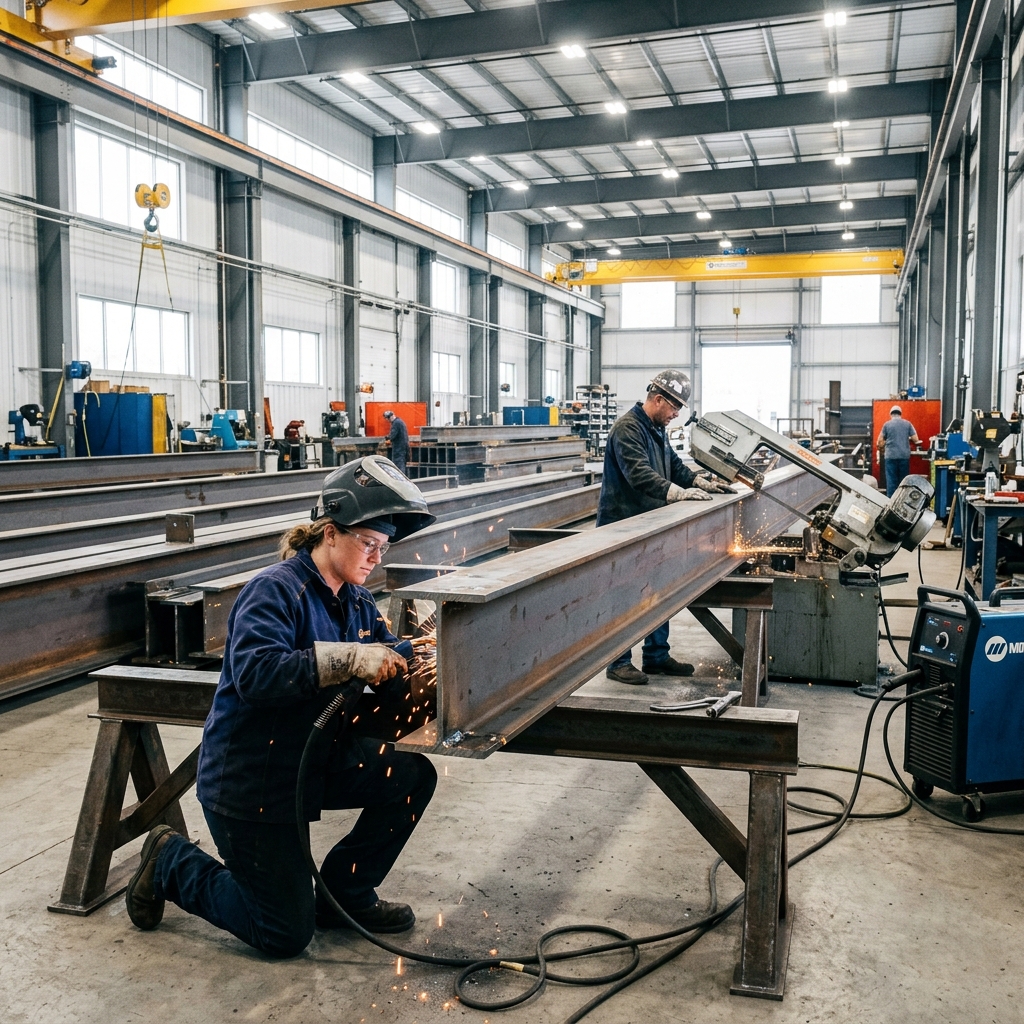
However, the recovery has brought back familiar supply chain headwinds. The supplier deliveries index rose to 53.2, indicating slower transport times and extended lead times for raw materials. Particularly hard hit are specialty metals like titanium and medical-grade stainless steel. For these materials, delivery backlogs now exceed 90 days. Factory employment also registered a modest increase, but manufacturers report that finding skilled CNC operators and welders remains a major roadblock to expanding production. This labor constraint prevents factories from increasing throughput as quickly as they would like, keeping capacity tight across the industry.
The rise in the PMI is a sign of a stronger economy, but it also means that manufacturers must navigate a more competitive purchasing environment. As orders increase, demand for transportation services rises, leading to higher shipping rates and potential delays at major logistics hubs. Sourcing managers are finding that they can no longer rely on spot-market pricing for transportation or raw materials. They must develop long-term planning strategies to secure allocations and control costs. This shift is driving closer collaboration between manufacturers, logistics providers, and metal suppliers to ensure a steady flow of materials.
To support the surge in orders, factory managers are focusing on improving efficiency on the shop floor. They are implementing lean manufacturing practices to reduce waste and optimize workflow. Many are also upgrading their machinery, replacing older tools with faster, more efficient CNC equipment. By improving productivity, factories can handle larger order volumes without significantly increasing their labor costs or physical footprint. This focus on operational excellence is key to maintaining profitability during a period of rising demand and supply chain pressure.
Why it matters for manufacturers
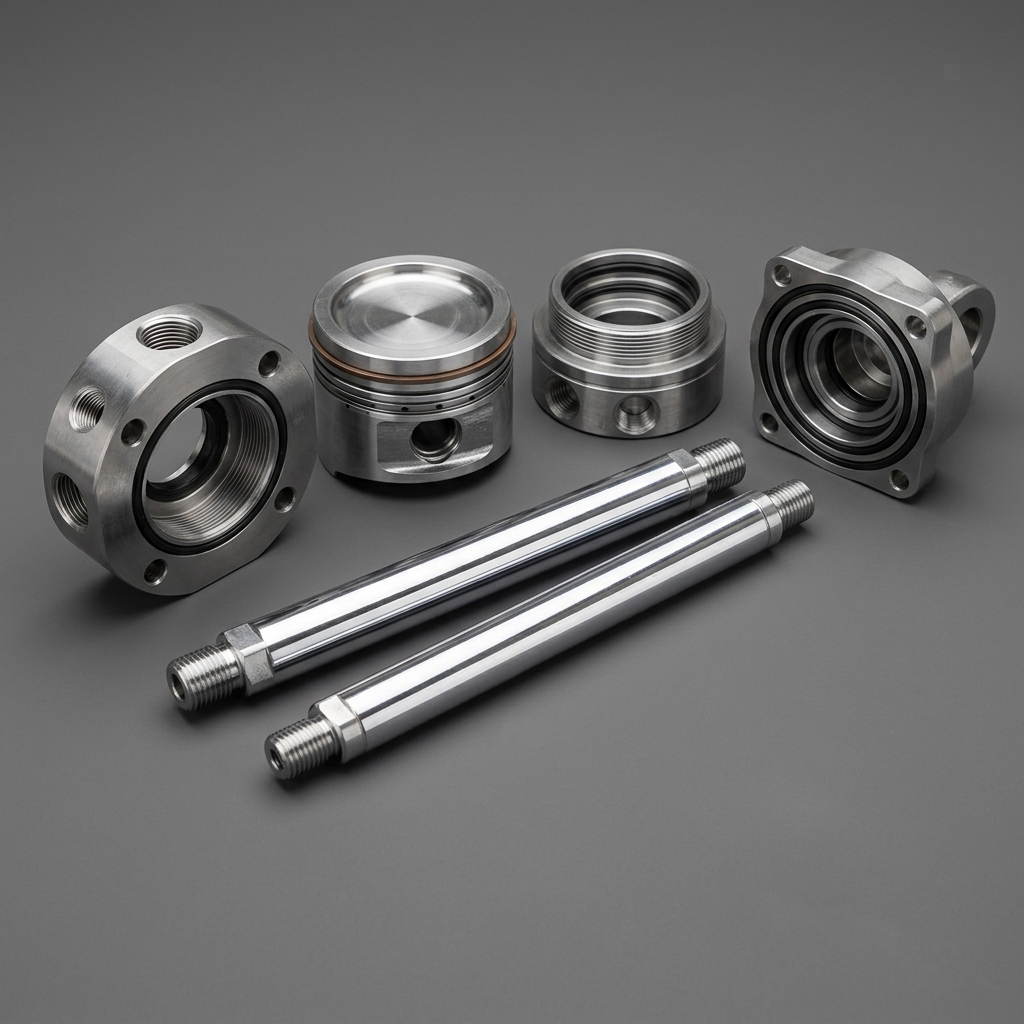
Illustration: RivCut
For industrial buyers, the rebound in PMI is a double-edged sword. While it indicates a healthier economic outlook and stronger demand, it also means tighter capacity across the supply chain. When national factory output surges, lead times extend, and pricing pressure increases on common processes like 3-axis and 5-axis milling. Securing reliable capacity at domestic machine shops is becoming critical for maintaining project schedules. Buyers must act quickly to book machine time and secure materials before lead times extend further, preventing project delays.
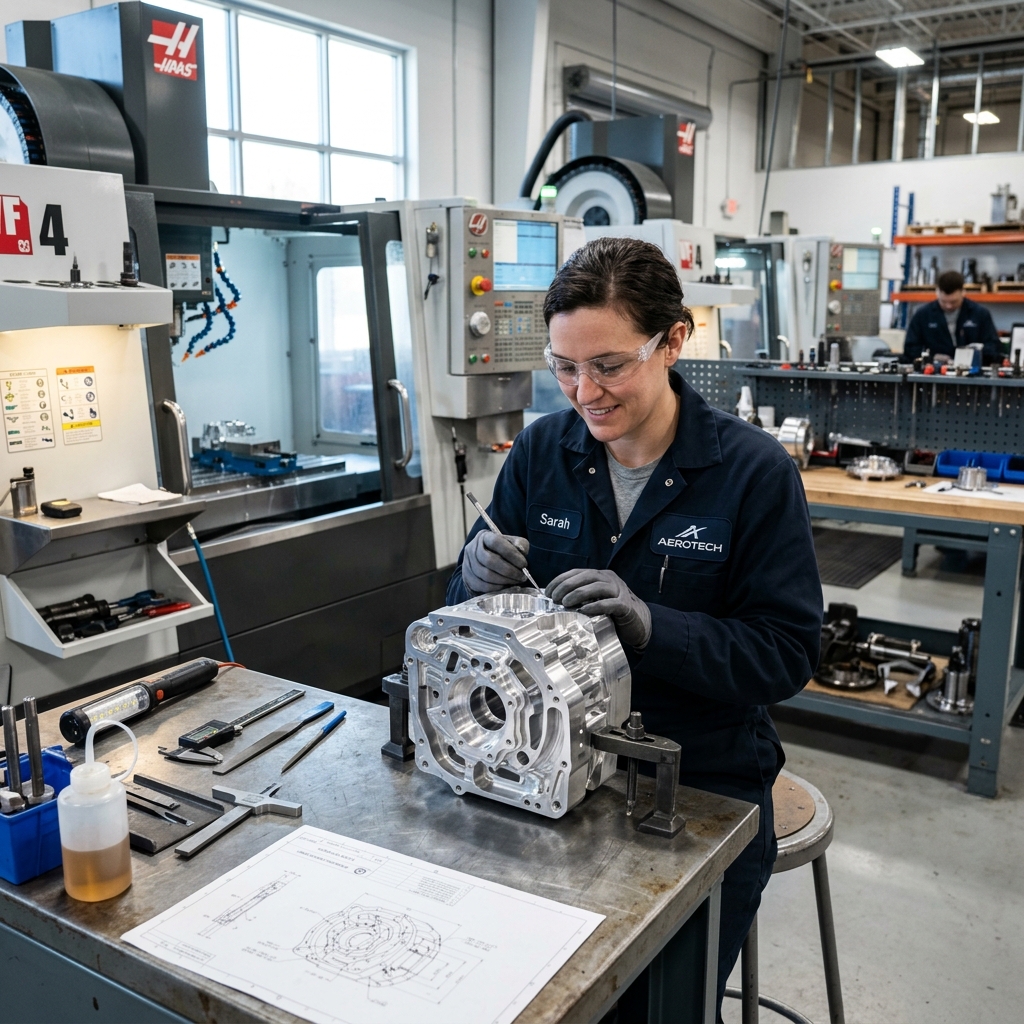
To mitigate this risk, procurement teams are shifting away from transactional, quote-by-quote sourcing toward dedicated capacity agreements. Working with ITAR-registered domestic partners ensures that production schedules are locked in before the market capacity tightens further. Furthermore, maintaining tight tolerances (like ±0.0005-inch on critical aerospace brackets) requires shops with stable, experienced workforces. Shops that pay competitive wages and have low employee turnover can deliver consistent quality, reducing scrap rates and ensuring that parts meet all specifications.
Working with a domestic CNC partner also simplifies communication and speeds up design changes. When developing new products, engineers often need to modify designs based on prototyping feedback. A local shop can implement these changes and deliver updated parts in days, helping speed up the development process. Sourcing locally also eliminates the risks of international shipping delays, customs clearance issues, and tariff fluctuations. For procurement teams, these benefits make domestic partnerships highly competitive, even when compared to lower overseas labor rates.
Finally, domestic sourcing ensures compliance with strict quality standards. Aerospace, defense, and medical device companies require full material traceability and detailed inspection documentation for all components. A qualified U.S. machine shop can provide complete mill test reports (MTRs) and CMM inspection records, proving that parts comply with all regulatory standards. Sourcing from a reliable local shop prevents compliance issues that can lead to project delays or legal liabilities, protecting the manufacturer's reputation and ensuring system safety.
What to watch next
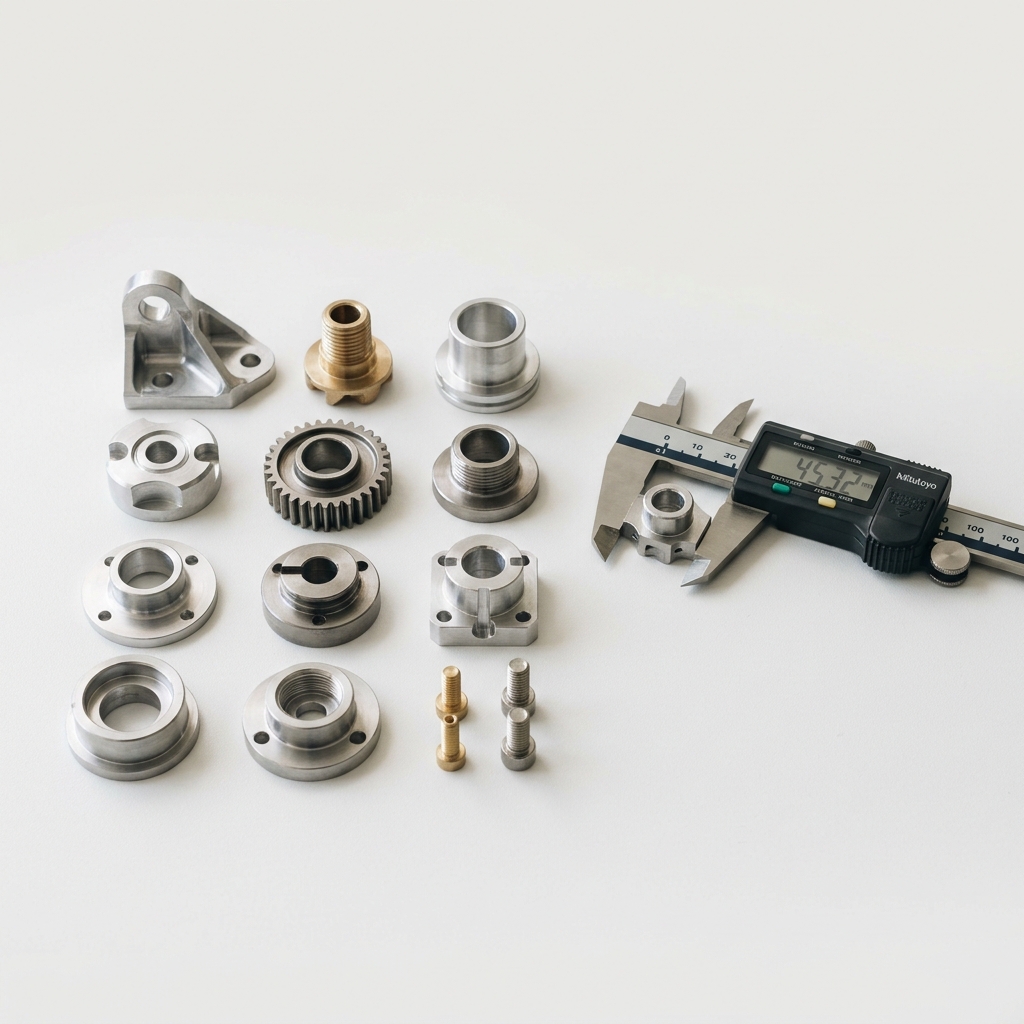
Illustration: RivCut
Watch the price index over the next quarter. If raw metal costs continue to rise alongside the supplier deliveries index, manufacturers will face pressure to adjust their product pricing. Sourcing managers will need to watch these trends closely and lock in material prices with their suppliers to avoid unexpected cost increases. Developing strong partnerships with reliable distributors will be key to managing raw material budgets. If pricing pressure remains high, it could affect the overall rate of manufacturing growth in the coming months.
Additionally, monitor regional workforce initiatives. Areas that successfully build direct pipelines from technical schools to shop floors will see faster lead-time recovery than those reliant on mobile labor pools. Collaborative training programs that provide students with hands-on experience on modern CNC machines are vital for expanding the skilled labor force. Government funding and industry support for these programs will play a major role in determining the capacity of the U.S. manufacturing base, helping shops scale up to meet growing demand.
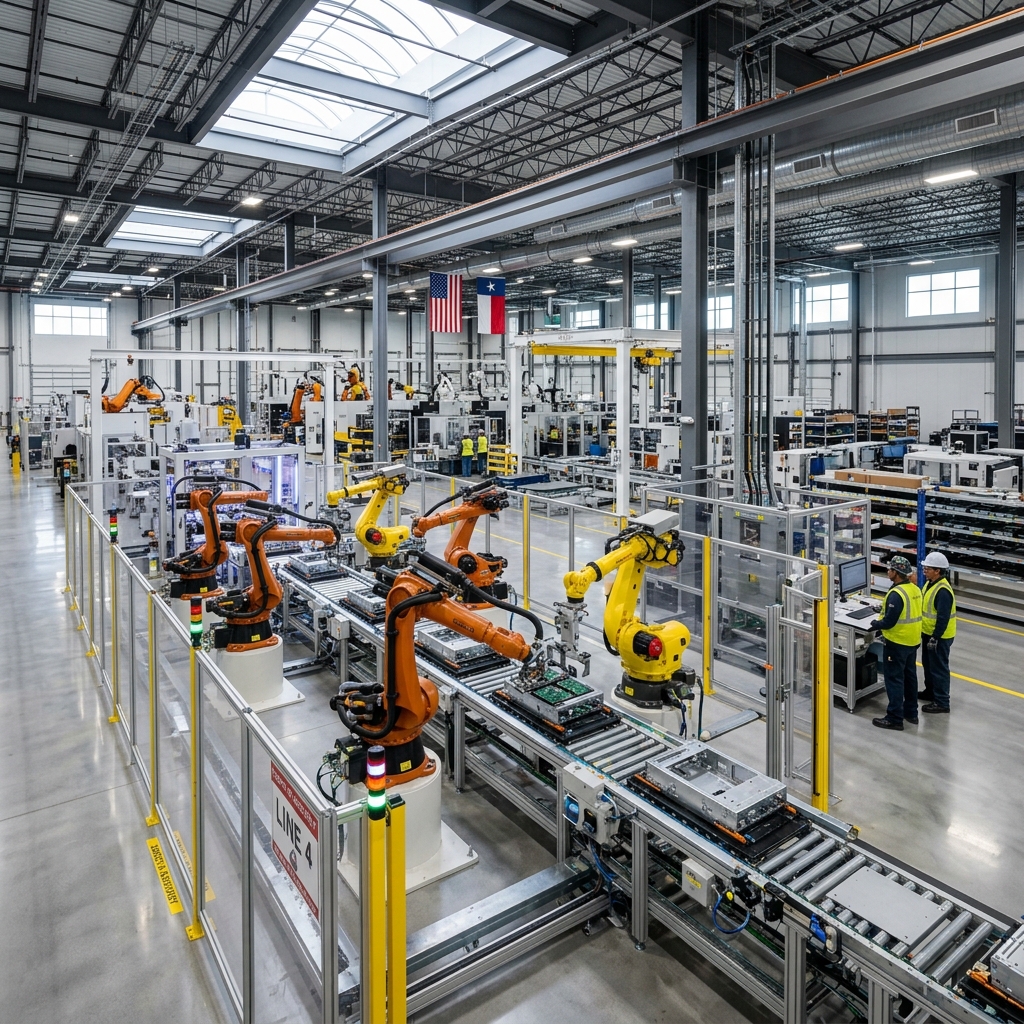
Finally, watch the adoption of automated manufacturing technologies on shop floors. As labor shortages persist, more machine shops are turning to robotic machine-tending systems and automated inspection tools to increase output. These technologies allow shops to run their machines overnight or during weekends with minimal supervision, improving capacity and efficiency. Shops that invest in automation will be better positioned to handle the surge in orders, helping them grow and support the ongoing rebound of U.S. manufacturing.
Additionally, the rising PMI reflects a broader trend of supply chain resilience, with companies prioritizing security of supply over lowest-unit-cost metrics. The COVID-19 pandemic and subsequent geopolitical tensions highlighted the vulnerability of extended global supply chains. Today, U.S. industrial buyers are willing to pay a premium for domestic parts because it guarantees delivery timelines and reduces logistics risks. This structural shift in purchasing behavior suggests that the domestic manufacturing expansion is not a short-term spike, but rather a long-term relocation of industrial capacity back to North America, benefiting local suppliers and machine shops.
Frequently Asked Questions
What does a U.S. Manufacturing PMI of 51.4 indicate?
A PMI above 50.0 indicates that the manufacturing sector is expanding. The June rebound to 51.4 signals a return to growth after four months of contraction.
Why are raw material lead times extending?
Lead times are extending because the rebound in manufacturing orders has increased demand for specialty metals like titanium, causing supply chain backlogs.
How can manufacturers protect against capacity shortages?
Manufacturers can protect themselves by signing long-term capacity agreements with domestic machine shops to lock in production schedules in advance.
Can robotic automation help U.S. shops handle the rebound?
Yes. Automated machine-tending and inspection systems allow shops to run overnight, increasing capacity and productivity without adding labor costs.
A rising PMI is a warning sign for supply chain capacity; lock in your domestic production partners before backlogs extend.