What happened
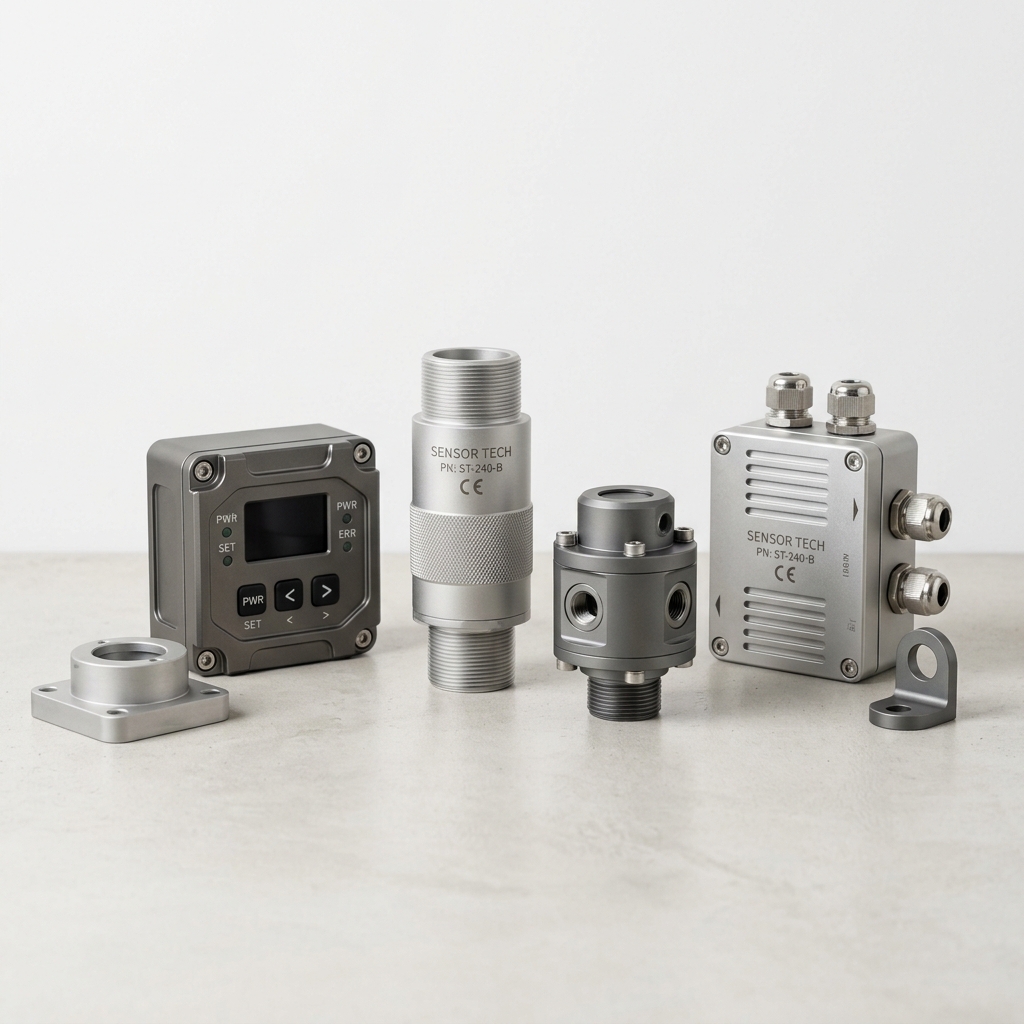
Illustration: RivCut
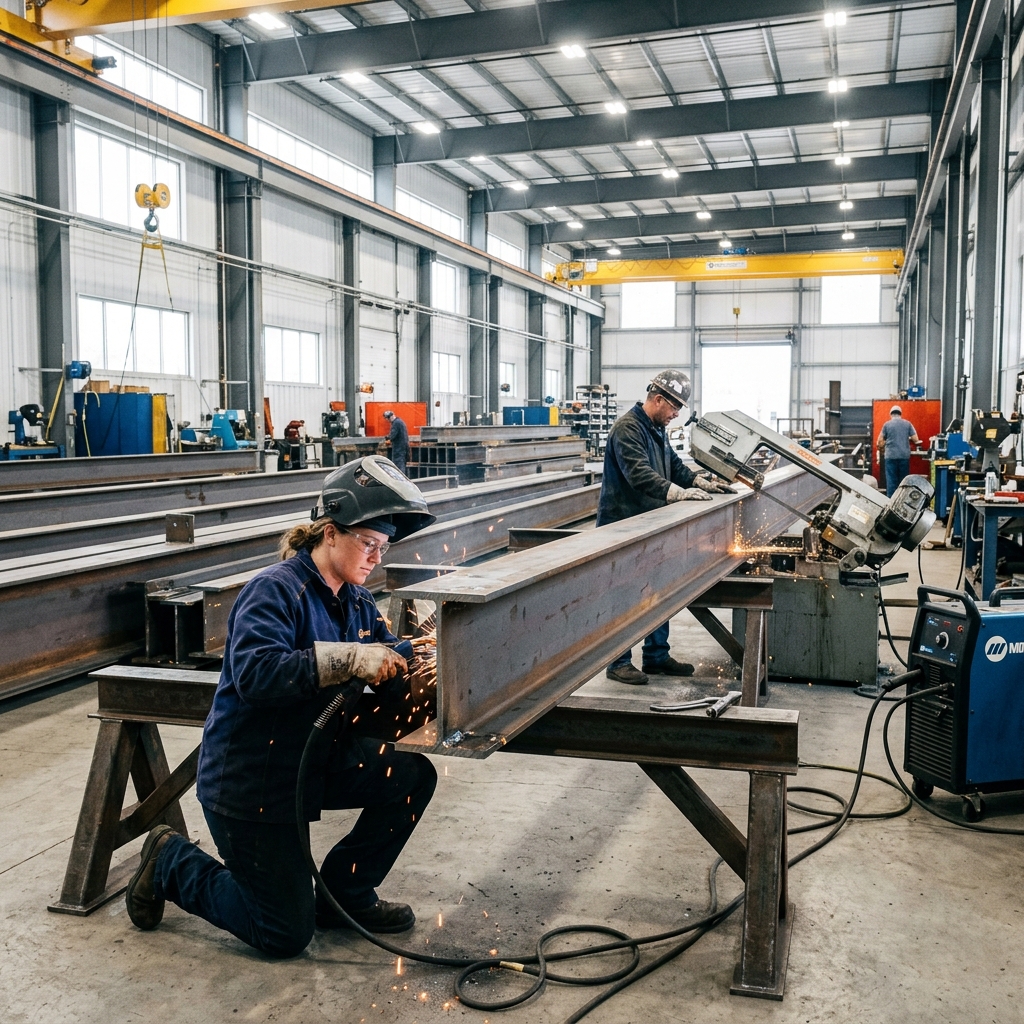
Texas steel fabricators are operating at peak capacity as a deluge of orders from the energy sector fills production books through 2027. The demand is driven by major infrastructure projects across the state. These include carbon capture pipelines, hydrogen distribution terminals, and expansions of liquefied natural gas (LNG) export facilities along the Gulf Coast. Industrial developers are investing billions of dollars to build these facilities, requiring massive amounts of structural steel, custom pressure vessels, and specialized piping systems to handle high-pressure fluids and gases.
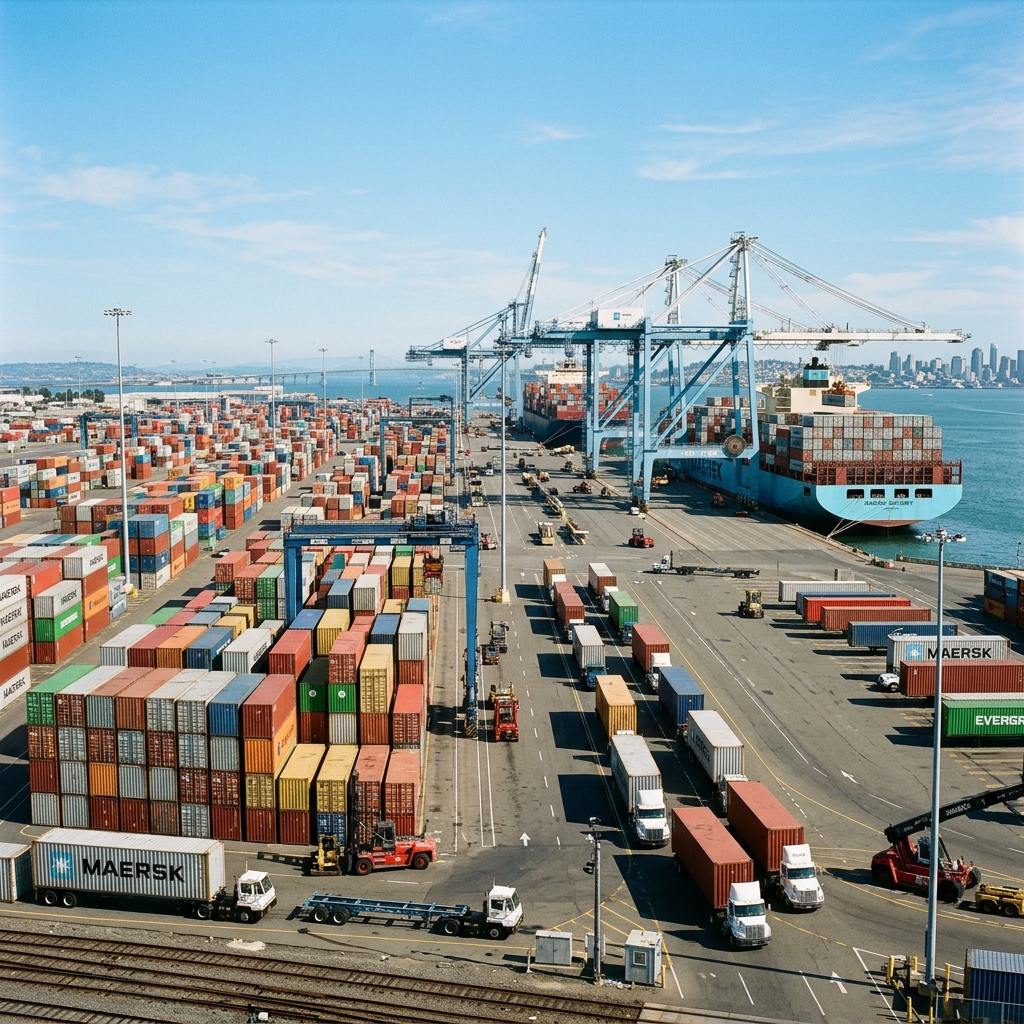
However, sourcing compliant alloys has become a major challenge for Texas fabricators. The latest Section 232 tariff modifications mandate that all steel used in federally funded infrastructure must be 100% melted and poured in the United States. This domestic sourcing requirement has squeezed the supply of specialized heavy plates and structural beams. Fabricators must compete for limited allocations from U.S. steel mills, driving up prices and extending lead times. Sourcing managers must plan months in advance to secure the domestic metal needed for their projects, complicating procurement schedules.
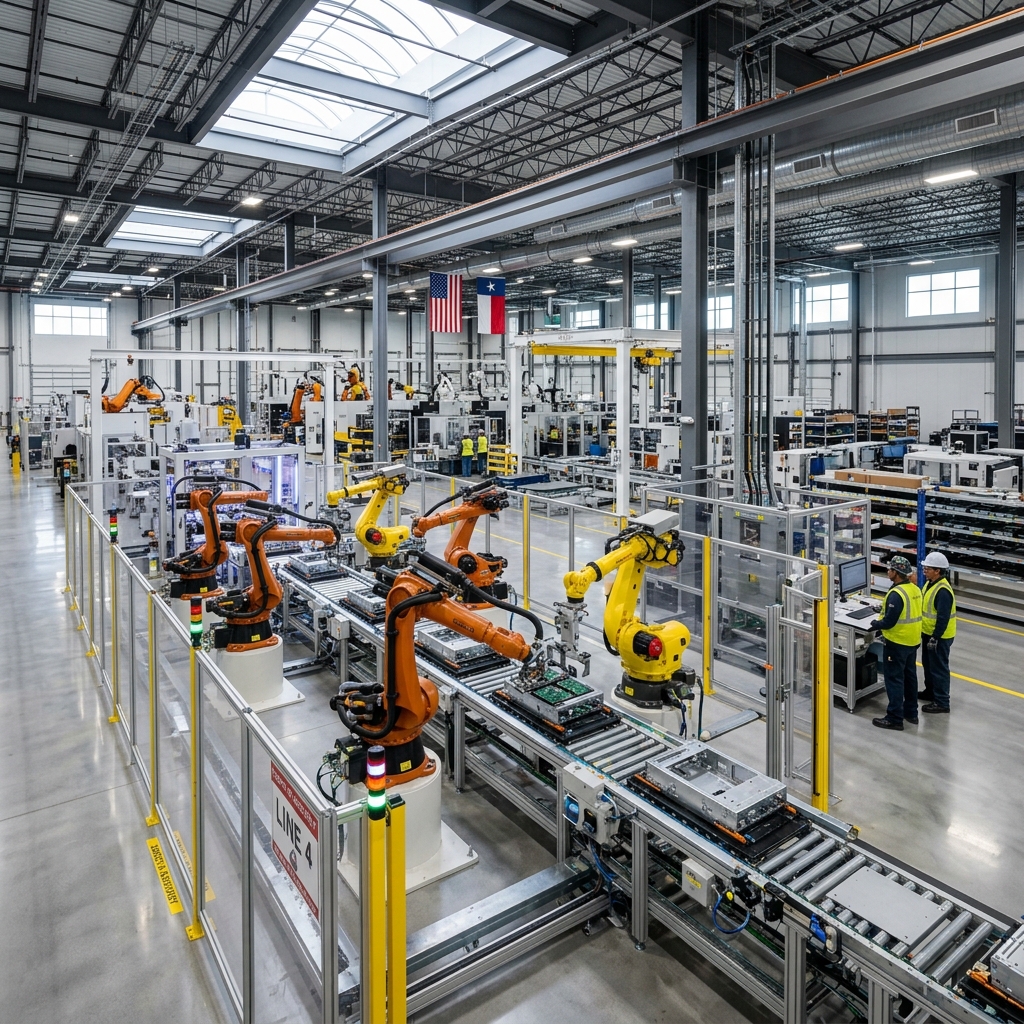
To overcome these challenges, Texas steel shops are investing heavily in automated manufacturing technologies. They are installing advanced robotic welding cells, automated plasma cutting tables, and CNC beam-drilling lines. These systems help speed up production and reduce reliance on manual labor, which is in short supply. Automation also ensures consistent quality, which is critical for meeting strict industry standards like the ASME boiler and pressure vessel codes. By upgrading their facilities, Texas fabricators are building a more competitive, high-capacity industrial base.
The energy boom is also driving regional growth in auxiliary services, such as testing and quality control laboratories. Every welded joint on a high-pressure pipeline or pressure vessel must be thoroughly inspected using non-destructive testing (NDT) methods like X-ray or ultrasound. This ensures that the welds are free of defects and can safely handle the working pressure. Quality control firms in Texas are expanding their teams to keep up with the volume of work, helping fabricators verify compliance and deliver certified products to energy developers on schedule.
Why it matters for manufacturers
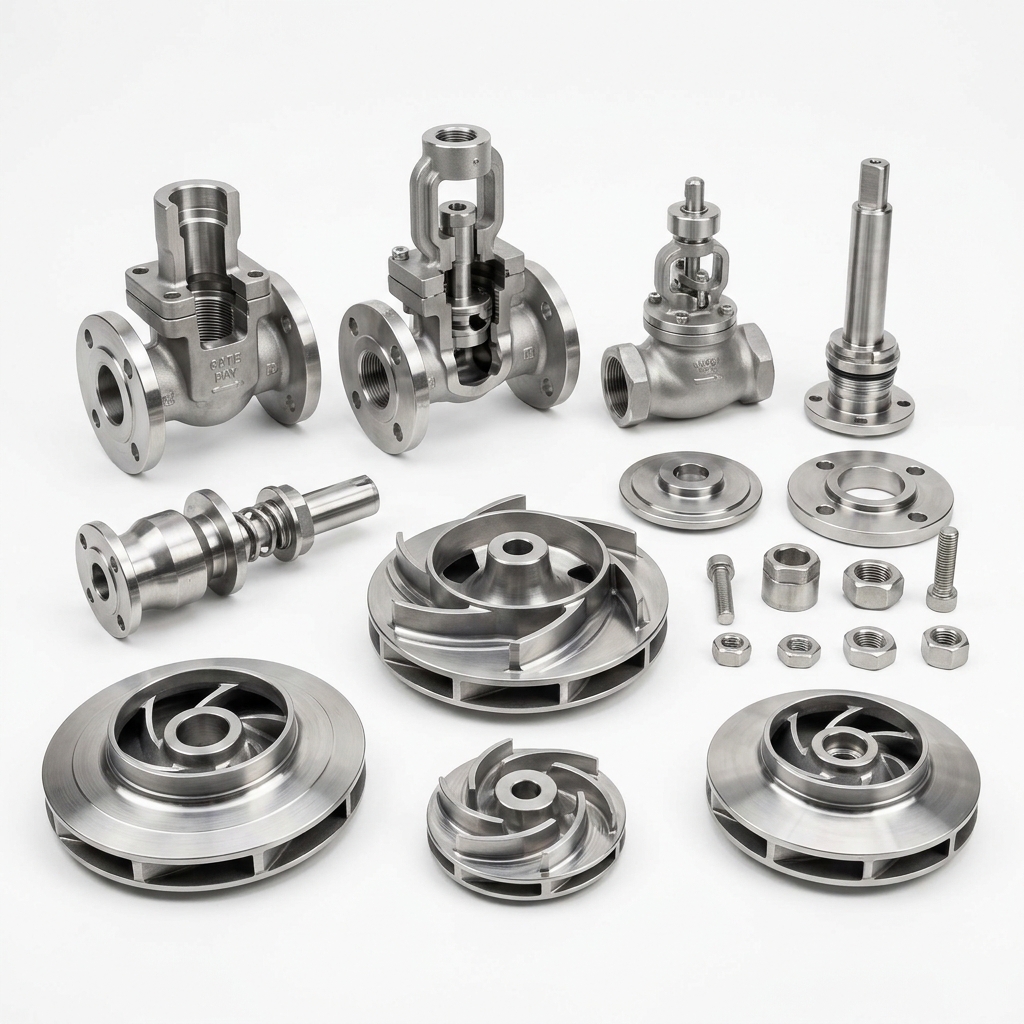
Illustration: RivCut
For project managers in the industrial and energy space, these backlogs require a major shift in procurement strategy. Sourcing machined components, pipeline flanges, and structural brackets must happen months in advance of site construction. Relying on spot-market sourcing is highly risky under current conditions, as buyers may face long delays or fail to find compliant materials. Developing long-term agreements with reliable domestic manufacturers is key to securing the capacity needed to keep projects on track.
Partnering with a domestic manufacturer that maintains strong relationships with US steel and aluminum mills ensures that your raw material is secured early and complies with all 'Made in USA' mandates. U.S. based machine shops can provide complete documentation, including mill test reports (MTRs) and material certifications, proving that the metal was melted and poured in the United States. This compliance is vital for government-funded projects that are subject to strict Buy America rules, helping avoid legal issues and project delays.
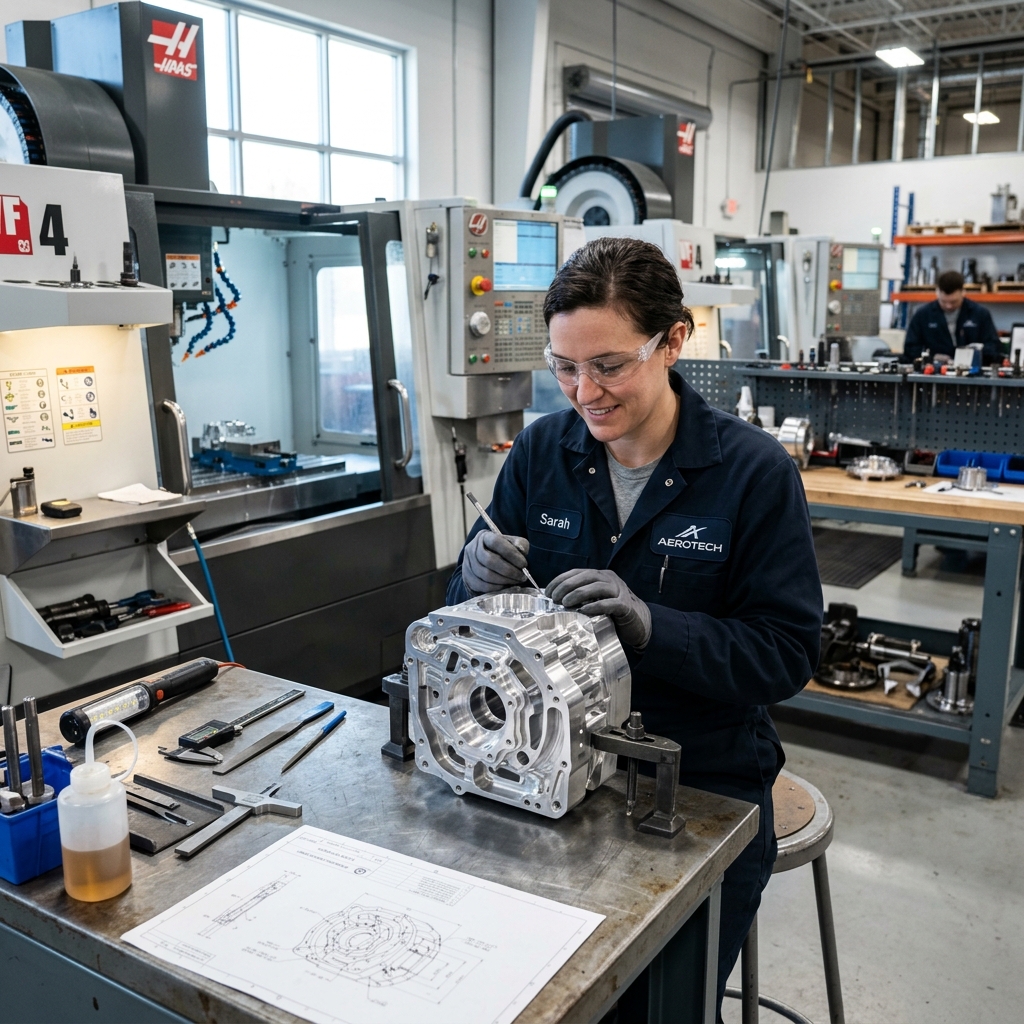
Additionally, working with a local CNC machine shop provides greater design flexibility. If an energy project requires custom brackets or modified flanges, engineers can quickly update CAD models and work directly with local machinists to produce the parts. This close collaboration reduces lead times and prevents communication errors that can occur when working with overseas suppliers. Fast-turn prototyping and production support are critical for maintaining project momentum and addressing unexpected engineering changes in the field.
Finally, domestic fabrication guarantees higher quality and safety. Energy infrastructure components operate under extreme conditions, and material failures can cause catastrophic leaks or explosions. Machine shops running advanced quality assurance systems can verify part dimensions down to a fraction of a thousandth of an inch using CMM inspection. This precision ensures that components fit together perfectly and can withstand high pressures, protecting workers and the environment from hazards.
What to watch next
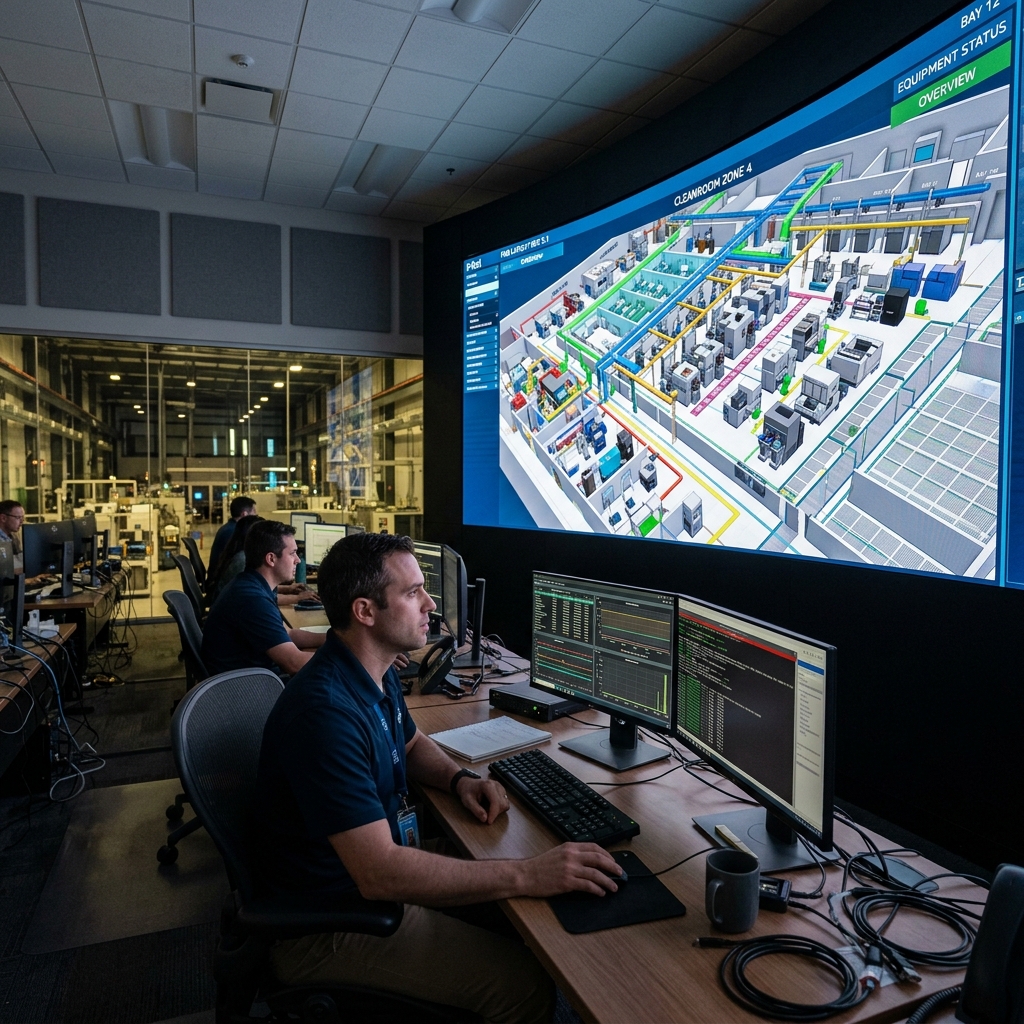
Illustration: RivCut
Watch the supply-demand balance of domestic steel plate. If domestic mills cannot keep pace with the volume of energy projects, look for pressure on the government to issue tariff exclusions or adjust sourcing rules. Sourcing managers will need to monitor mill lead times closely and adapt their purchasing strategies to avoid bottlenecks. Any changes in trade policy could immediately affect material costs and availability, making flexibility a key asset for procurement teams.
We should also monitor the development of offshore wind projects in the Gulf of Mexico. These renewable energy projects require massive steel foundations, tower structures, and substation platforms, which will compete with oil and gas projects for domestic fabrication capacity. This additional demand will keep pressure on steel supplies and drive further investments in automated fabrication technologies, helping the domestic manufacturing base grow even larger and more capable.
Finally, watch the labor market for skilled welders and CNC operators in the Gulf region. The demand for qualified craft workers is outstripping supply, leading to rising wages and intense competition for talent. Fabricators that offer advanced training programs and competitive compensation packages will be better positioned to attract and retain the workers needed to scale their operations. Workforce development will remain a critical factor in determining the growth rate of the Texas manufacturing sector over the next decade.
Additionally, modern energy infrastructure requires not just massive structural steel assemblies but also high-precision machined components. Valves, actuators, turbine blades, and high-pressure manifold blocks must be milled and turned to exact specifications to withstand extreme operating conditions. U.S. machine shops that combine heavy structural fabrication with precision CNC machining are seeing the strongest demand, as they can deliver complete, integrated systems. Sourcing these components domestically reduces logistical complexity and ensures that critical infrastructure meets rigorous American engineering standards, supporting a more robust and self-reliant domestic energy sector.
The synergy between steel fabrication and renewable energy infrastructure is further accelerating growth across the Texas industrial corridor. Wind turbine towers, solar mounting arrays, and battery storage enclosures require massive quantities of structural steel machined to precise specifications. By adopting advanced automation in plate cutting, welding, and inspection, Texas fabrication shops can maintain high throughput while meeting the rigorous safety and durability standards demanded by utility-scale energy projects.
Frequently Asked Questions
What is driving the steel fabrication boom in Texas?
The boom is driven by massive investments in energy infrastructure, including carbon capture pipelines, hydrogen terminals, and LNG export facility expansions.
What are the Section 232 'melted and poured' rules?
These rules mandate that all steel used in federally funded projects must be 100% melted and poured in the United States to comply with Buy America laws.
How are Texas fabricators scaling up production?
Fabricators are investing in automated manufacturing technologies, such as robotic welding cells, automated plasma cutters, and CNC beam-drilling lines.
Why is CMM inspection critical for energy components?
CMM inspection verifies that critical parts like pipeline flanges meet exact design specifications. This precision is vital for preventing leaks and failures under high pressure.
The domestic sourcing requirement for steel is a structural shift, forcing fabricators to lock down US-melted alloy contracts early.