What happened

Illustration: RivCut
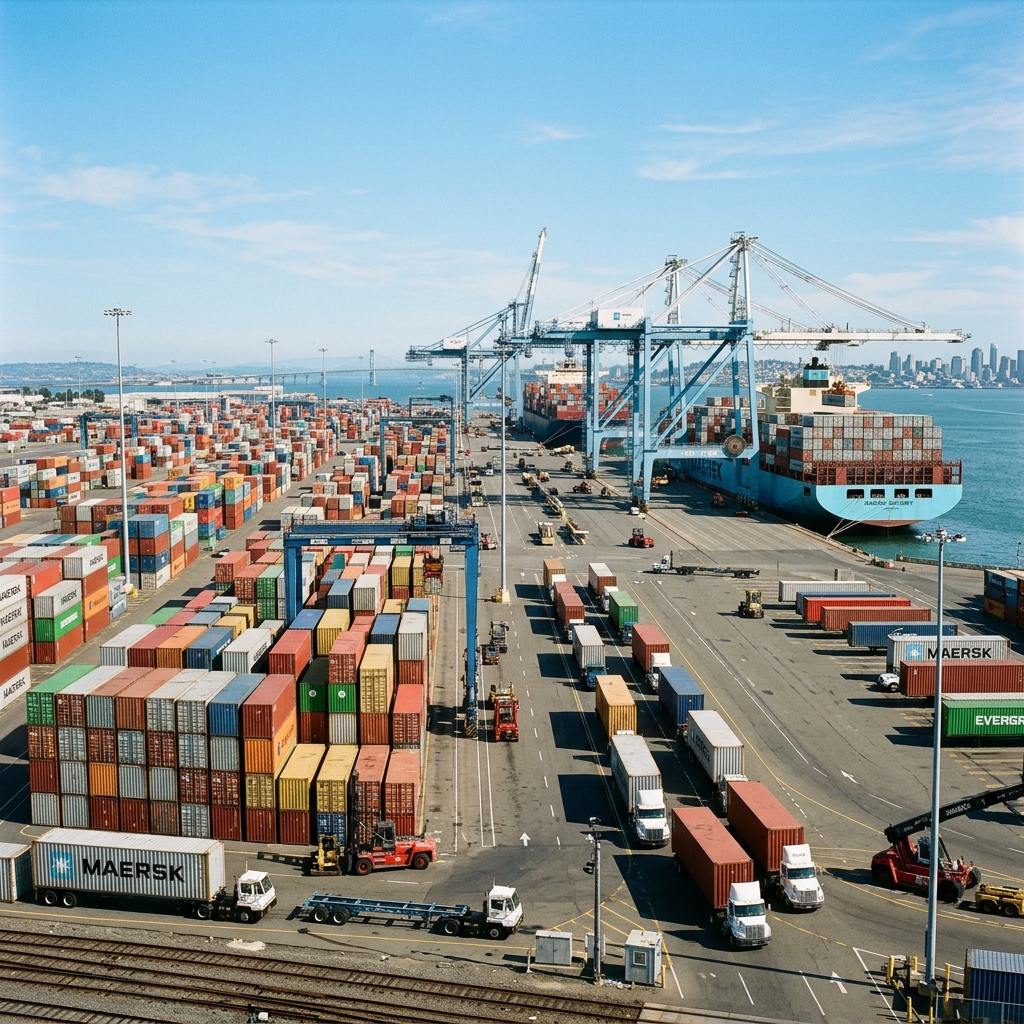
Automakers are facing severe logistics bottlenecks as West Coast port congestion reaches its highest level since 2022. Container dwell times at major terminals in Los Angeles and Oakland have jumped by 30%. This delay is driven by chassis shortages and localized labor disputes. The delays are disrupting just-in-time delivery schedules for crucial parts, including electronics and safety-critical castings imported from overseas hubs. Car assembly plants rely on tight schedules to keep inventories low, meaning that even small shipping delays can quickly disrupt the entire production line.
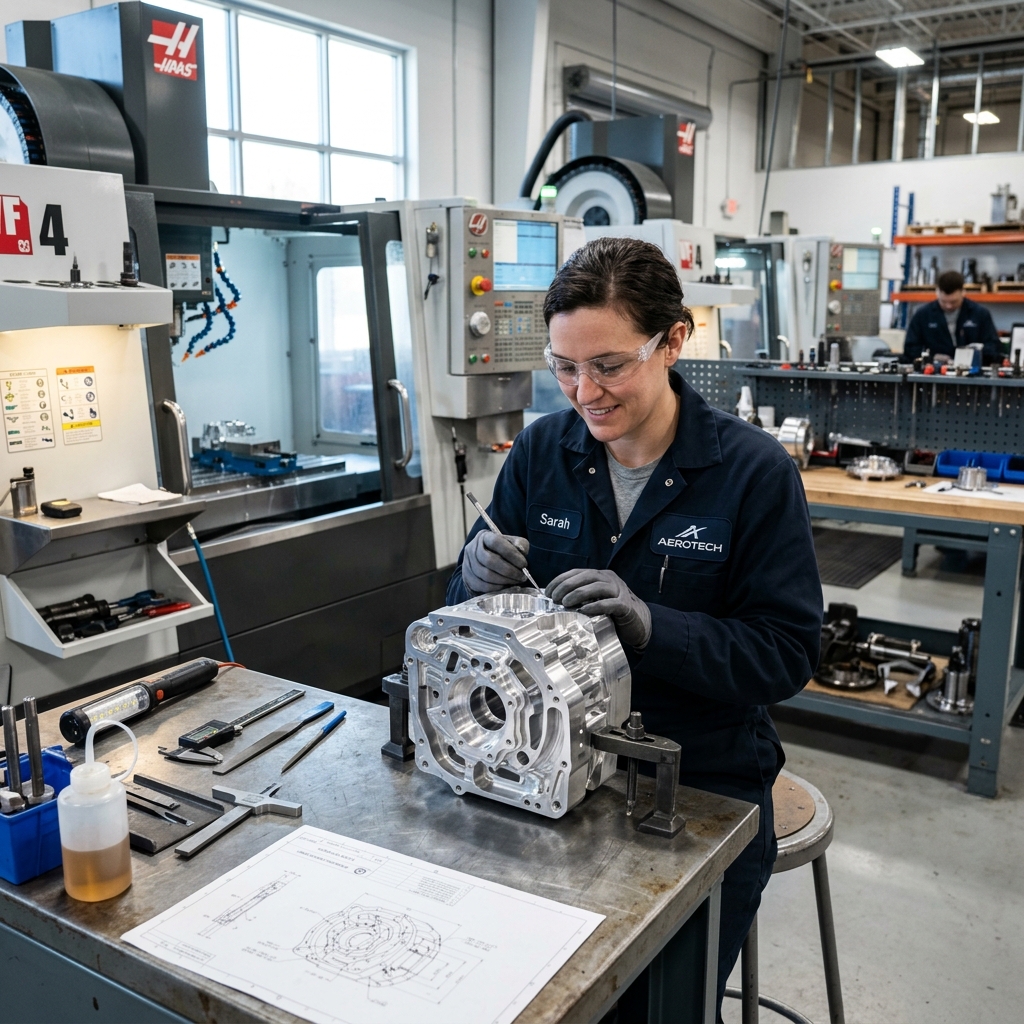
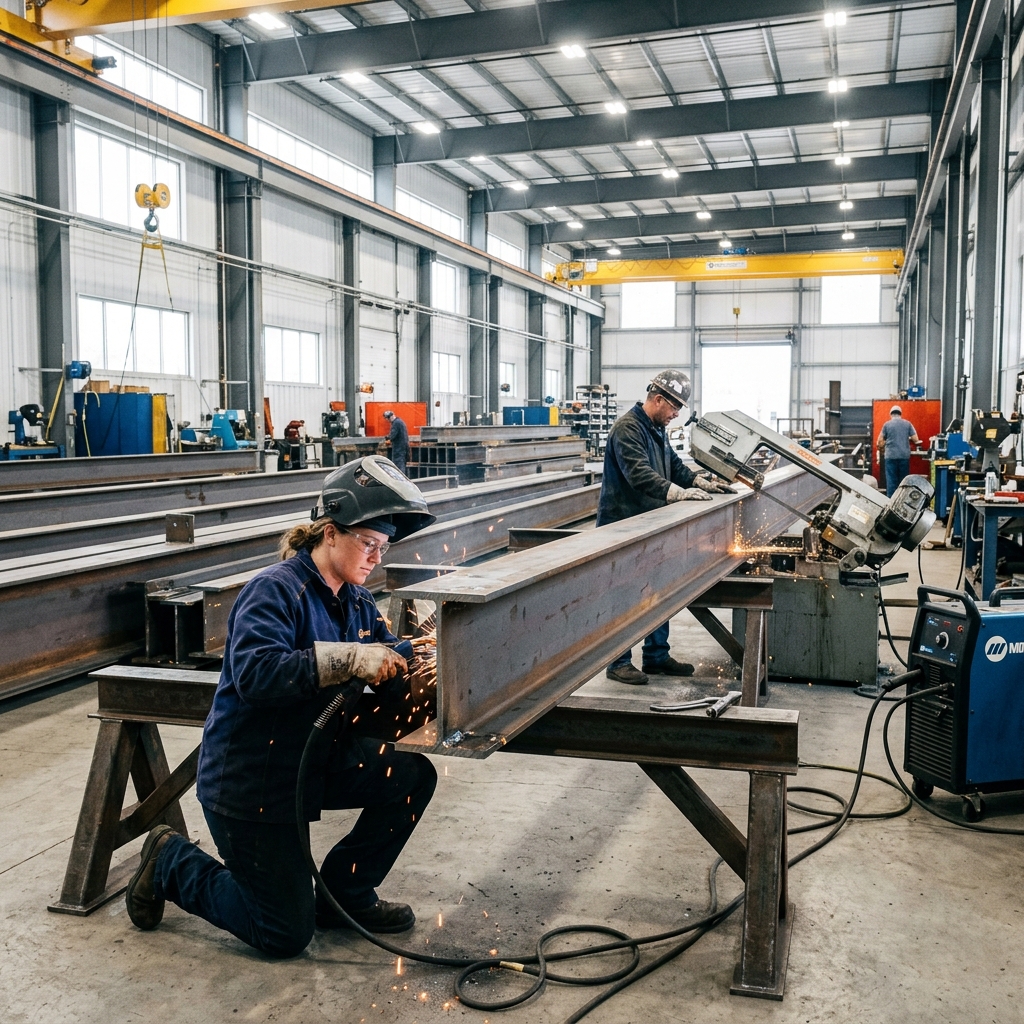
In response, automotive giants are rerouting shipments through the Panama Canal to Gulf and East Coast ports. However, this adjustment adds up to 12 days to transit times and increases ocean freight costs. To prevent assembly line shutdowns, production managers are increasingly turning to domestic machine shops. They are asking local shops to fabricate critical tooling, fixtures, and low-volume production parts on short notice. This shift is helping automakers keep their production lines moving, but it is also straining the capacity of domestic suppliers, who are seeing a surge in urgent orders.
The port congestion issue has highlighted the risks of relying on long, international supply chains. For years, automakers outsourced the production of simple brackets, housings, and tooling to low-cost countries to save money. Now, they are finding that the cost of shipping delays far outweighs any labor savings. By sourcing these parts from U.S. machine shops, they can eliminate shipping risks and get parts in a matter of days. This has triggered a wave of reshoring, with automotive brands locking in long-term contracts with local CNC shops to secure capacity.
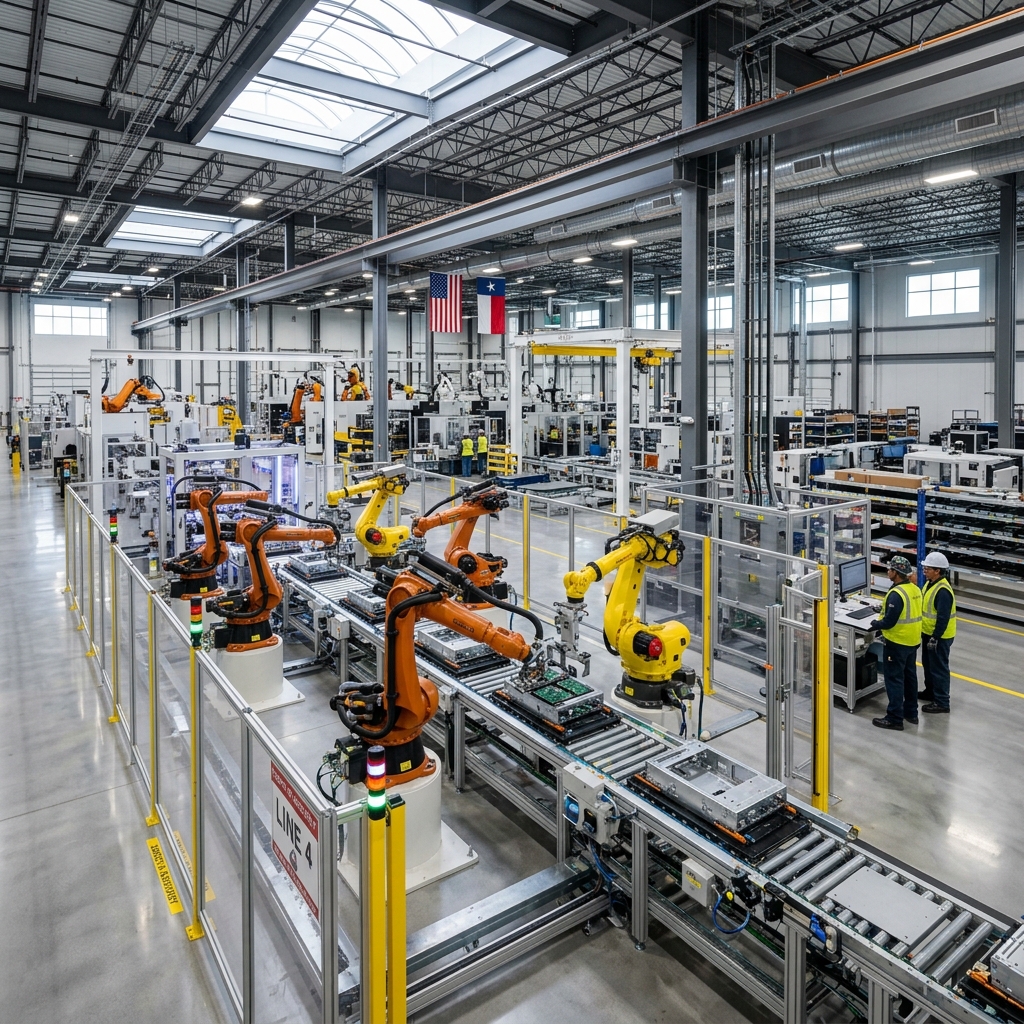
To meet the sudden increase in demand, domestic machine shops are expanding their operations. They are buying new CNC mills and hiring more operators to run second and third shifts. Many shops are also investing in automated machinery, like robotic arm loaders, to increase throughput and reduce labor costs. This investment in modern manufacturing technology is helping U.S. shops become more competitive, ensuring that they can support the automotive industry's needs and build a more resilient domestic supply chain.
Why it matters for manufacturers

Illustration: RivCut
In the automotive sector, assembly line stoppages are incredibly expensive. A shut-down can cost upwards of $20,000 per minute, meaning that even a few hours of downtime can cost millions of dollars. Waiting on a container of custom brackets stuck on a ship is no longer an acceptable risk for production managers. Sourcing these components from a domestic CNC machine shop with quick-turn capabilities is a highly effective mitigation strategy, allowing brands to keep their lines running and protect their profit margins.
Additionally, domestic sourcing provides greater flexibility for engineering changes. If a sensor bracket or electronic enclosure requires a quick redesign, working with a local shop allows engineers to adjust CAD models and receive updated parts in days. This agility is vital as automakers accelerate their transition to electric vehicle (EV) platforms, which require constant design iterations and rapid prototyping support. Local sourcing allows engineers to test and refine designs quickly, speeding up the development process.
Working with a domestic CNC partner also guarantees higher quality and compliance. Automotive components must meet strict safety standards and hold tight tolerances to ensure proper fit and function. A qualified U.S. shop can provide complete inspection documentation, including coordinate measuring machine (CMM) reports and material certifications. This documentation proves that parts meet all specifications and are free of defects. Sourcing locally reduces the risk of receiving non-compliant parts, preventing quality issues and keeping production moving smoothly.
Finally, domestic sourcing simplifies logistics and reduces environmental impact. Shipping parts across the ocean requires a massive amount of fuel, contributing to carbon emissions. Sourcing parts from local machine shops reduces transportation distances, helping automakers meet their sustainability goals. It also eliminates the need to manage complex international customs and shipping regulations, saving time and reducing administrative overhead. For automotive procurement teams, these benefits make domestic sourcing a smart, long-term decision.
What to watch next
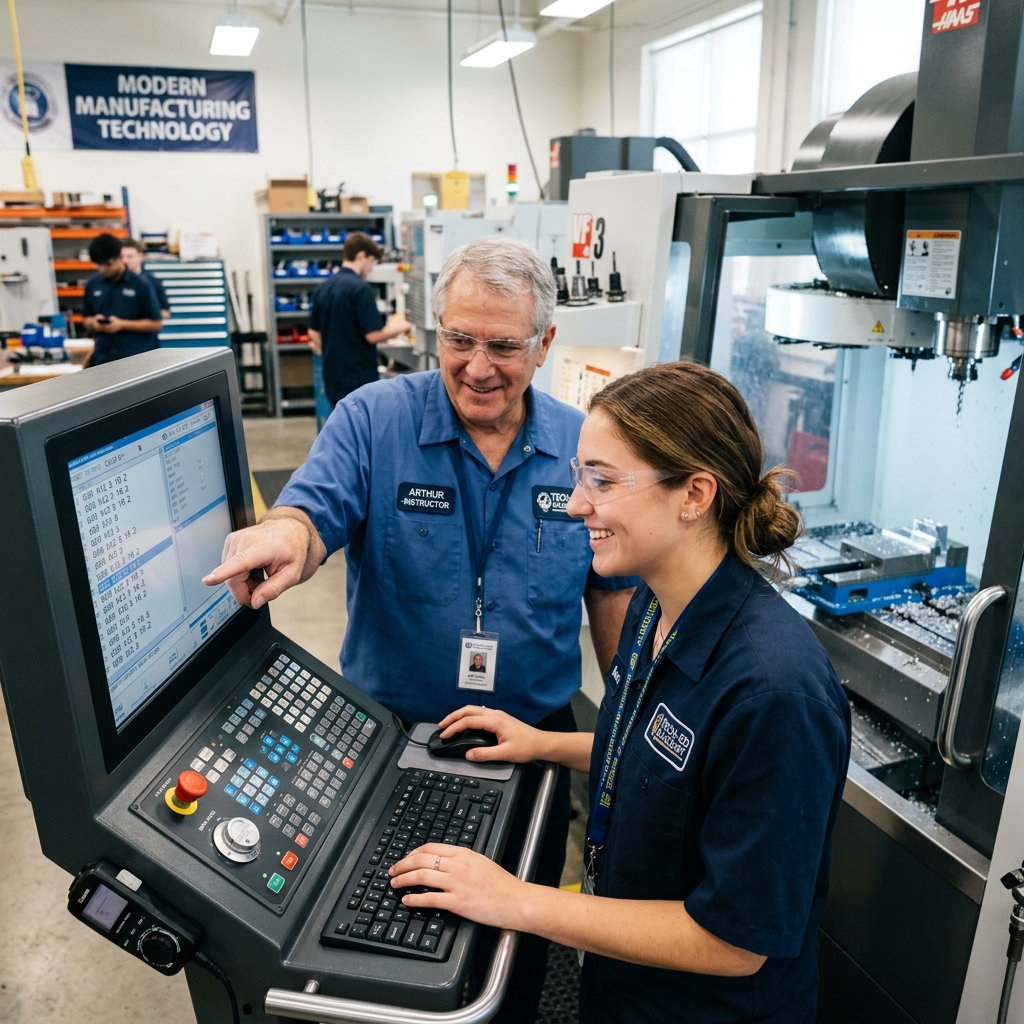
Illustration: RivCut
Monitor contract negotiations at East Coast ports. If labor disputes spread, the alternative routes will also bottleneck, leaving domestic sourcing as the only viable option for critical hardware. Watch also for capital investments in automated warehouse systems at major U.S. ports to improve container throughput. These technologies could help reduce dwell times in the future, but they will take time to implement, meaning that supply chain risks will remain high in the short term.
We should also watch the growth of local EV battery manufacturing plants in the United States. These facilities require a massive amount of custom tooling, assembly fixtures, and structural parts, which must be sourced from domestic machine shops. This demand will compete with traditional automotive projects for CNC machining capacity, keeping local shops busy. Machining firms that specialize in the automotive and energy sectors will see steady growth, supporting the shift to electric mobility.
Finally, watch for government policies that encourage domestic manufacturing, such as tax credits or local content requirements. These incentives can make domestic sourcing even more attractive, driving further investments in U.S. factories. Automakers that build strong relationships with reliable domestic suppliers today will be better positioned to navigate future supply chain disruptions and policy changes, giving them a significant advantage in the competitive automotive market.
Additionally, domestic automotive supplier ecosystems are relying more heavily on advanced materials like high-grade aluminum alloys and engineered plastics to reduce vehicle weight. Machining these lightweight materials requires specialized tooling, high-spindle-speed CNC machinery, and precise coolant management to avoid warping. Local machine shops that invest in these advanced technologies can deliver lightweight brackets, housings, and battery enclosures to automakers with minimal lead times. This local agility is essential for automotive engineering teams who need to iterate rapidly on new vehicle platforms and verify tolerances without waiting for container ships to cross the ocean.
Automotive supply chain managers are also diversifying their logistics strategies by using alternative ports of entry and shipping corridors. By splitting shipments across multiple regional hubs, manufacturers can avoid complete shutdowns if a single port becomes congested. Additionally, investing in real-time tracking software and predictive analytics helps logistics teams anticipate delays at customs, allowing them to adjust production schedules and reroute critical components before supply shortages impact the assembly line.
Frequently Asked Questions
Why are West Coast port bottlenecks disrupting automotive supply chains?
Bottlenecks extend container dwell times by 30%, delaying critical imported castings and electronic components. This disrupts the just-in-time schedules of assembly plants.
How does domestic CNC machining help mitigate shipping delays?
Domestic CNC shops can machine tooling and production parts directly from CAD files in days. This allows automakers to bypass shipping delays and keep lines running.
What are the financial risks of an automotive assembly line shutdown?
An assembly line stoppage can cost upwards of $20,000 per minute. These high costs make domestic sourcing highly competitive, even at a premium.
How does local sourcing support the transition to electric vehicles?
Local sourcing allows EV engineers to collaborate directly with machinists on rapid prototyping. This speeds up design iterations for new battery and motor components.
When port dwell times spike, the cost of line stoppage dwarfs the premium of domestic precision machining.