What happened

Illustration: RivCut
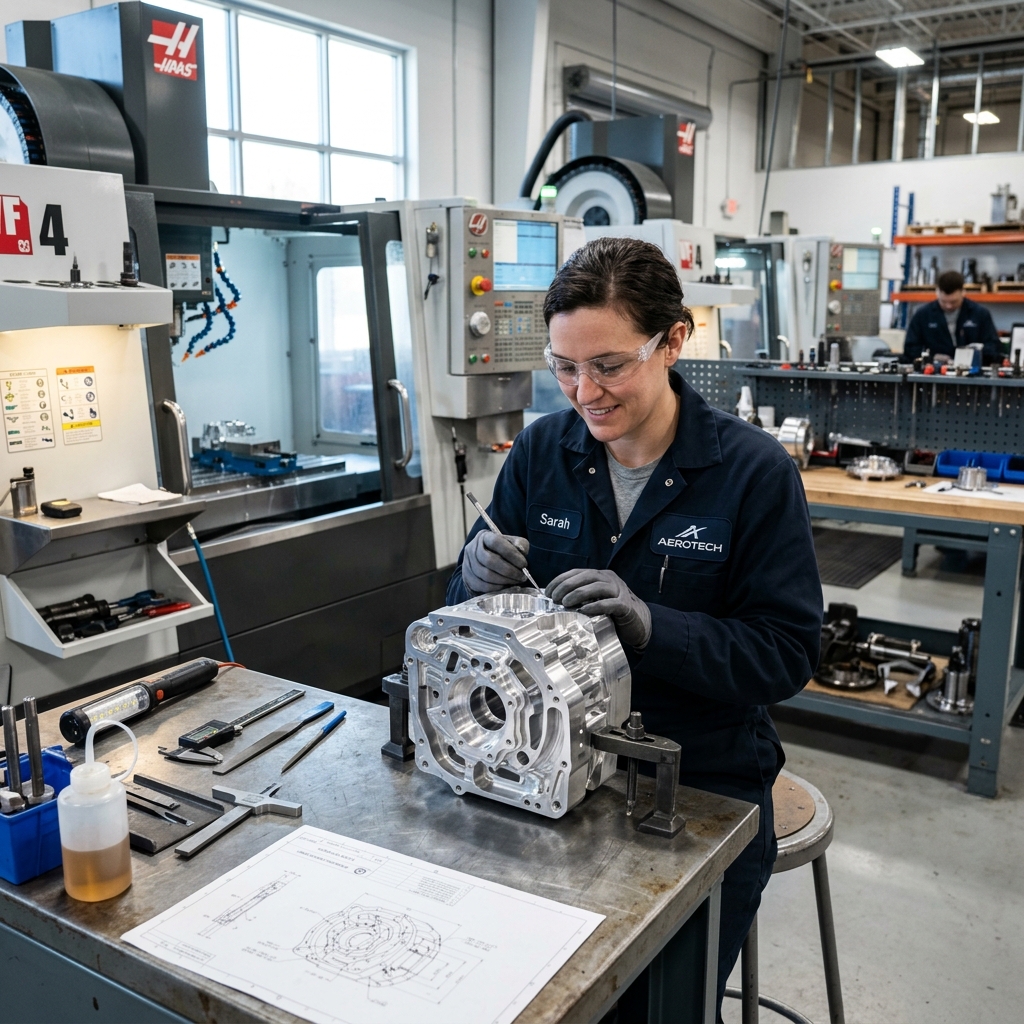
The Pentagon's push to rebuild military inventories is running into a severe labor bottleneck. U.S. defense contractors face a critical deficit of skilled CNC machinists capable of holding the tight tolerances required for military-grade hardware. Major aerospace and defense primes report a 15% job vacancy rate for senior machine operators. This labor shortage is extending lead times for rocket housings, guidance components, naval sensor brackets, and armored vehicle parts, raising concerns at the Department of Defense about the industry's ability to scale production during a time of heightened global security risks.
The machinist shortage has been building for years as older operators retire and fewer young people enter the manufacturing trades. Operating modern, multi-axis CNC machines requires a high level of technical skill, including knowledge of computer programming, advanced geometry, and metallurgy. It is not just about loading metal into a machine; operators must select the right cutting tools, program optimal toolpaths, and adjust machine settings on the fly to compensate for tool wear. Rebuilding this talent pool will take time, leaving defense contractors in a fierce competition for the existing labor force.
The issue is further compounded by strict security and quality compliance regulations. Under ITAR (International Traffic in Arms Regulations) and AS9100 quality guidelines, defense manufacturing cannot be outsourced to uncertified or overseas shops. Every supplier in the defense chain must be audited and registered, limiting the pool of available partners. Primes cannot simply send their designs to the cheapest bidder; they must work with certified domestic shops that have documented quality gate systems, secure data handling, and clean metrology labs, making the capacity crunch even more acute.
To address this gap, major defense contractors are funding localized apprenticeship programs. They are partnering with community colleges and vocational schools in manufacturing hubs to train next-generation machinists. These programs provide students with hands-on experience on modern CNC machines and pathways to high-paying jobs at defense firms. While these initiatives are vital for the long-term health of the industry, they require several years to produce skilled operators. In the meantime, primes are searching for qualified regional machine shops to support their immediate production needs.
Why it matters for manufacturers
Illustration: RivCut
For procurement managers sourcing defense components, selecting the right machine shop is a matter of national security and regulatory compliance. A supplier must have the capital equipment—such as 5-axis CNC mills and vertical turning lathes—and the documented quality processes to verify conformity on every single batch. The cost of a non-compliant part is incredibly high, not just in dollars, but in the risk of system failure in the field. Primes must prioritize shops that can prove their quality gates are robust and reliable.
Partnering with a domestic, ITAR-registered CNC machine shop ensures that sensitive design files and military data remain secure. These shops operate under strict cybersecurity protocols to protect intellectual property and defense designs from cyber threats. Sourcing locally also allows project managers to audit the shop's quality systems in person, ensuring that all document controls and material certifications are in order. This direct oversight helps prevent compliance errors that can delay shipments or trigger government audits.
Furthermore, local sourcing guarantees material traceability. Defense components must be machined from certified, U.S.-sourced alloys that meet strict military specifications (mil-spec). A qualified machine shop must provide complete mill test reports (MTRs) and material certifications for every order. These documents trace the metal back to the specific batch it was melted in, proving it contains no impurities. Having a reliable domestic partner that manages this documentation carefully ensures that parts are accepted by military inspectors and can be used immediately in assembly plants.
Finally, working with an established shop with a stable workforce reduces the risk of quality variation. Shops that pay competitive wages and offer continuous training have lower turnover, meaning that your parts are machined by experienced hands. Experienced operators are better at identifying potential issues before they result in scrapped parts, keeping production runs on schedule. For defense buyers, the peace of mind that comes with working with a top-tier domestic shop is critical for managing supply chain risk and meeting delivery targets.
What to watch next
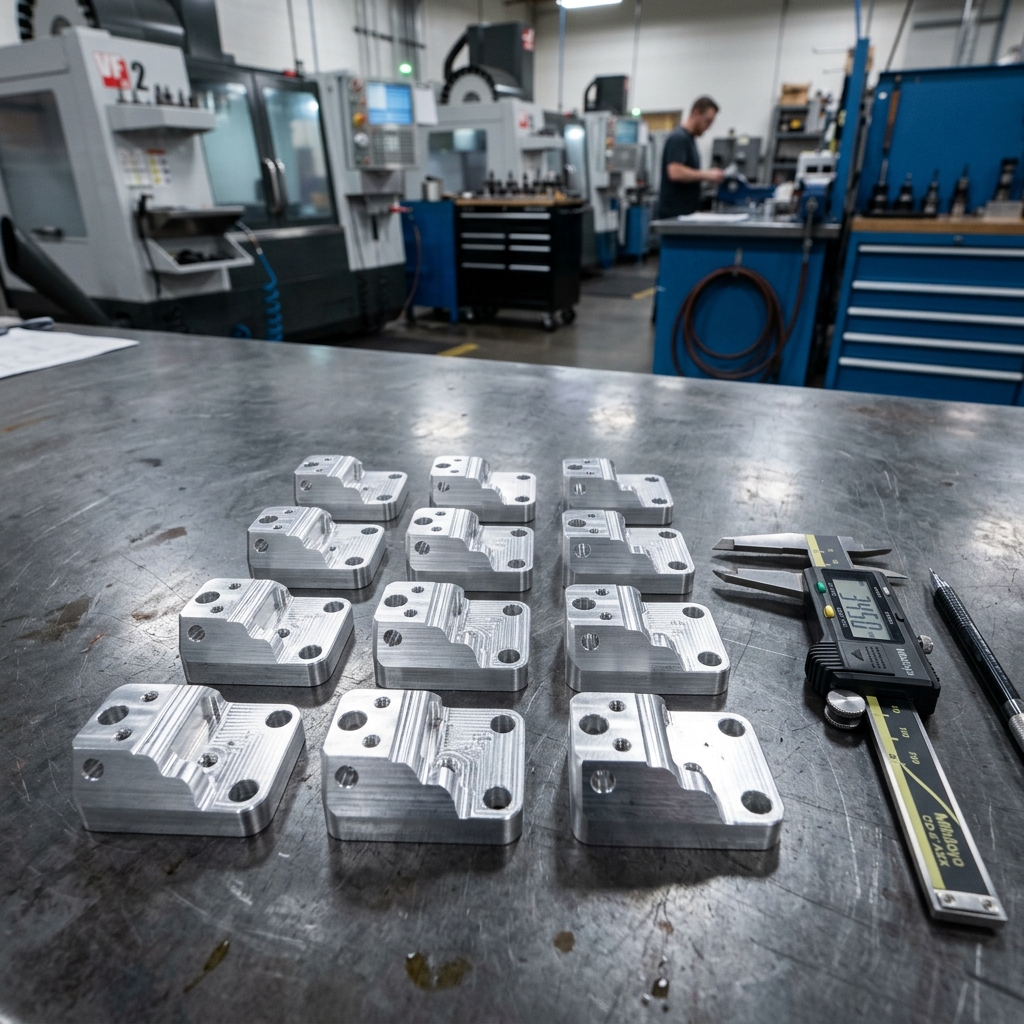
Illustration: RivCut
Watch for federal funding initiatives under the Defense Production Act to subsidize manufacturing training. The U.S. government is increasingly viewing the machinist shortage as a strategic vulnerability and is investing in programs to attract more people to the manufacturing trades. These programs could include tuition assistance for technical schools, grants for machine shops that hire apprentices, or funding for high schools to purchase CNC training equipment, helping rebuild the domestic workforce faster.
We should also monitor the adoption of robotic machine-tending arms on defense shop floors. As companies struggle to find operators, many are turning to automation to handle repetitive tasks like loading raw metal and unloading completed parts from CNC mills. This allows shops to run their machines overnight or during weekends with minimal human supervision. By automating these simple tasks, shops can free up their skilled machinists to focus on complex setups and programming, improving overall capacity and efficiency.
Finally, keep an eye on how defense primes adjust their supplier networks. To reduce risk, some primes are looking to bring key machining processes back in-house or build their own dedicated machine shops. Others are expanding their partnerships with qualified regional shops, offering long-term contracts to secure capacity in advance. This trend will benefit machine shops that invest in the advanced technology and quality certifications needed to serve the defense industry, helping them grow and support the nation's industrial base.
Solving the machinist shortage requires a coordinated effort between defense contractors, local governments, and educational institutions. By designing training programs that focus on advanced CNC workflows, multi-axis machining, and metrology, partners can accelerate the onboarding of new technicians. These high-tech careers offer long-term stability and competitive compensation, helping to shift public perception of manufacturing from legacy manual labor to digital engineering, thereby attracting a more diverse and tech-savvy talent pool.
Frequently Asked Questions
Why is there a machinist shortage in the defense industry?
The shortage is driven by older operators retiring, a lack of young people entering technical trades, and the high skill level required to run modern multi-axis CNC machines.
What is ITAR compliance, and why does it affect sourcing?
ITAR is a set of regulations that control the export and manufacturing of defense articles. It mandates that defense parts must be machined by registered domestic suppliers to protect national security.
How does AS9100 quality certification benefit defense buyers?
AS9100 is the aerospace and defense quality standard. It ensures that a machine shop has the documented processes and inspection labs needed to guarantee consistent, compliant parts.
Can robotic automation help solve the machinist shortage?
Yes. Robotic machine-tending arms can automate repetitive loading tasks, allowing CNC machines to run overnight and freeing up skilled machinists to focus on complex programming tasks.
Mil-spec parts require more than raw machine time; they require operators certified to navigate strict quality standards and ITAR rules.