
What happened
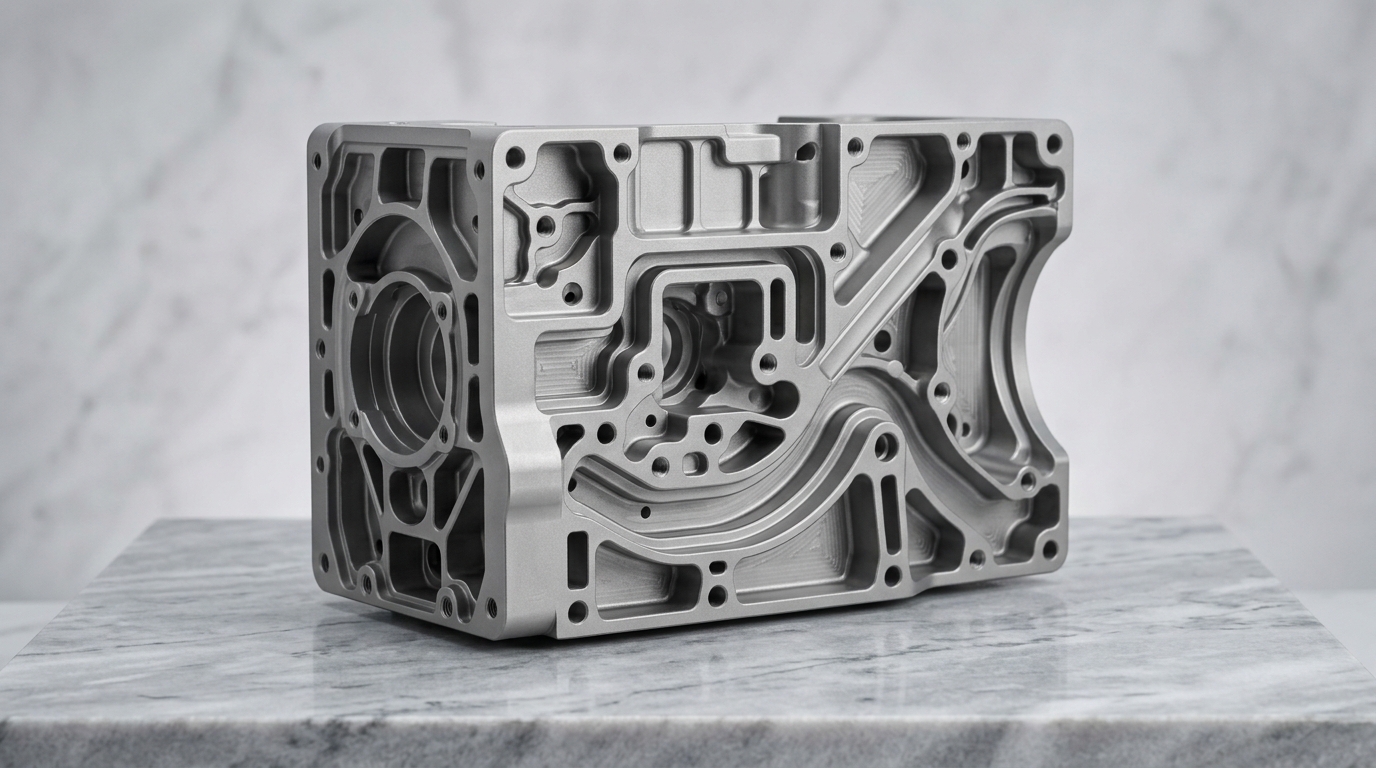
Illustration: RivCut
Domestic machine tool orders rose 36 percent year-over-year in the first half of 2026, reaching $3.44 billion in total investment. As reported by IndustryWeek, the figures come from the Association for Manufacturing Technology and mark the fastest pace of capital equipment spending in the sector in five years.
A 36 percent jump in a single half-year is a sharp move for a capital goods category that usually shifts gradually. Machine tools are not a purchase a shop makes on a whim. A 5-axis machining center represents a six-figure to seven-figure investment and a commitment to the training and programming expertise needed to run it well, so a spending surge this size signals that shop owners across the country are making the same read on where demand is headed at roughly the same time.
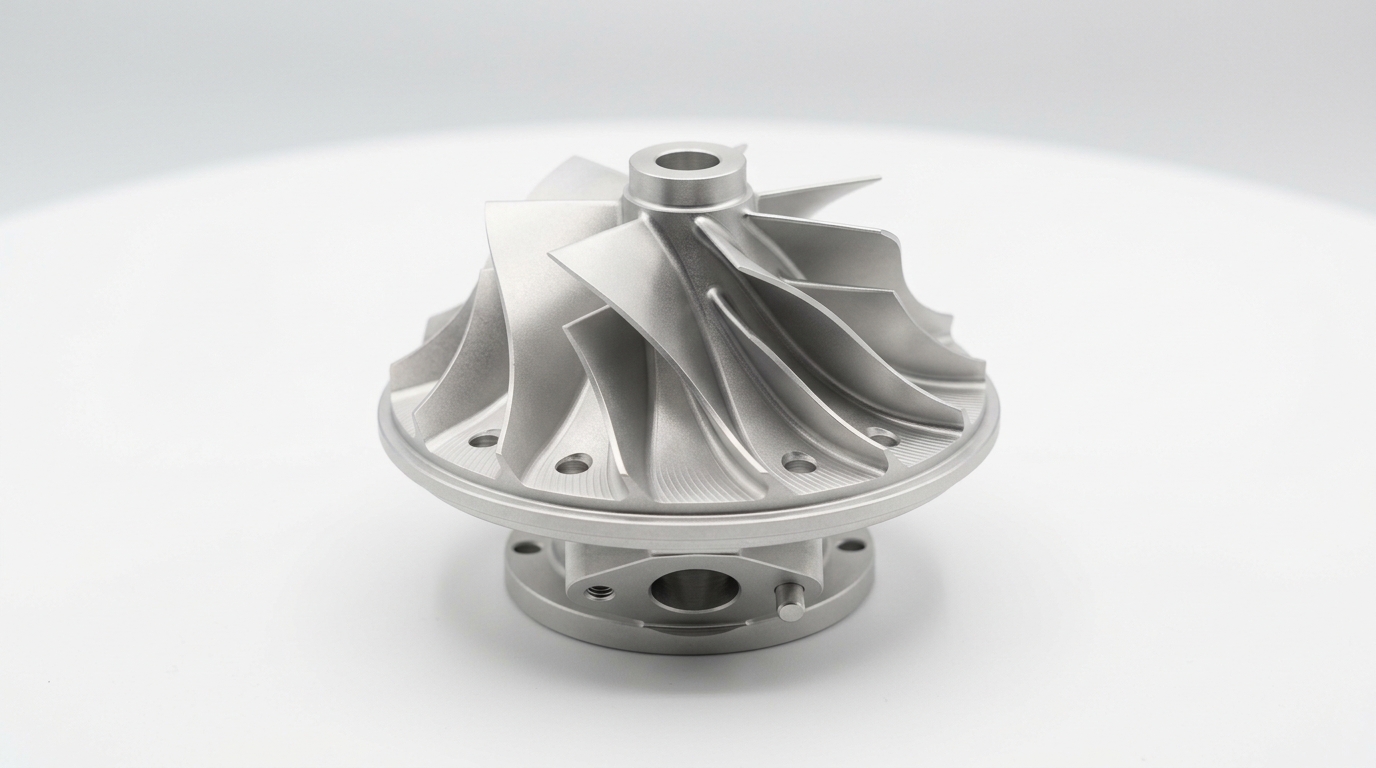
The spending is concentrated in a specific set of upgrades: 5-axis CNC machining centers, automated robotic pallet changers, live-tooling lathes and in-line laser metrology systems. Growth was strongest in the Midwest and South, where expanding aerospace suppliers and energy sector buyers are driving a large share of the new tooling orders. Industry analysts point to two forces converging at once: sustained reshoring demand pulling work back onto domestic shop floors, and the ongoing need to automate around a persistently tight skilled labor market.
Live-tooling lathes deserve a specific mention because they represent a quieter but equally significant shift. These machines combine turning and milling in a single platform, letting a shop cut a shaft, then mill a flat, drill a cross-hole and cut a keyway without moving the part to a second machine. Orders for this equipment category have grown alongside the 5-axis mills, which suggests shops are not just chasing headline capability but rebuilding their whole process flow around fewer handoffs and fewer chances for a part to be damaged or mis-set between operations.
Why it matters for manufacturers
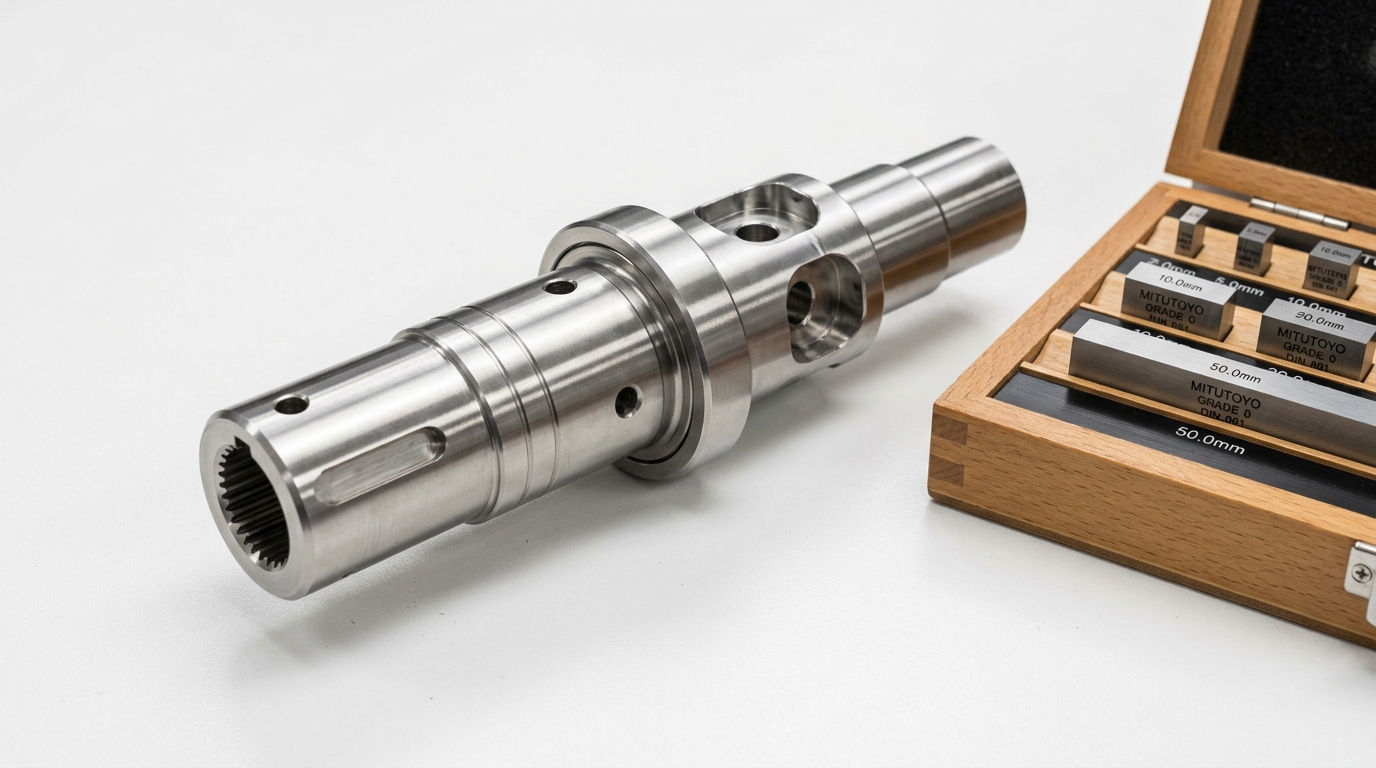
Illustration: RivCut
One setup instead of three changes the math on quality
For engineers and purchasing teams sourcing parts, this capital spending wave shows up as a real shift in what a domestic quote can promise. Moving from a 3-axis mill to a 5-axis simultaneous machining center is not just a speed upgrade. It lets a shop complete a complex prismatic part in one setup instead of re-fixturing it two or three times by hand, and every re-fixture is a chance to introduce error. Fewer setups means tighter true-position tolerances, commonly plus or minus 0.0002 inches on parts that need it, and cycle times cut by as much as half compared to the multi-operation process it replaces.
That is not a marginal improvement. A part that used to require three separate machine setups and three separate opportunities for a fixturing mistake now comes off the machine in one continuous cycle, with the same datum reference held from first cut to last. For a buyer, that translates into fewer rejected parts and less variation lot to lot, which matters more than headline price once a program is running at volume.
The skilled labor angle behind this investment wave deserves its own attention. A 3-axis mill demands a machinist who can manually plan and execute multiple setups, a skill set that takes years to develop and is in short supply industry-wide. A well-programmed 5-axis center shifts more of that complexity into the CAM software and the machine's own simultaneous motion, which lowers the experience bar for the operator running the job day to day. That does not eliminate the need for skilled machinists, but it does mean a shop can productively use a newer hire on complex geometry sooner than it could have five years ago, which matters enormously given how few young machinists are entering the trade relative to how many are retiring.
Automation is closing the offshore price gap
The other half of this investment wave is automation that keeps machines running when nobody is watching. Automated pallet pools and robotic loaders let a shop run lights-out overnight, turning a single shift's worth of labor into round-the-clock spindle time. That extra capacity is what allows domestic shops to hit unit costs that compete with offshore pricing on higher-volume runs while still holding a 3-day lead time on quick-turn prototype work, something no overseas supplier separated by a container ship can match.
Lights-out operation is not simply a matter of leaving a machine running unattended. It requires enough finished tool inventory staged for the run, in-process monitoring that can flag a broken tool or an out-of-tolerance cut before it wastes the rest of the shift's material, and a pallet system that can queue the next several jobs without a human reloading fixtures between each one. Shops making this investment are not just buying a faster machine. They are buying back hours of production capacity every single day that used to sit idle after the last operator clocked out.
Hardware developers working in difficult materials benefit directly from the same equipment upgrade cycle. High-speed spindles and modern CAM software let shops machine titanium 6Al-4V, Inconel and hardened stainless without the thermal distortion or tool chatter that used to make these materials a scheduling headache. A part that once needed a specialist shop and a six-week queue can now run through a well-equipped general contract shop on a normal production timeline.
In-line laser metrology closes the loop on all of this. Instead of pulling a finished part off the machine and walking it to a separate CMM for inspection, a probe integrated into the machining center measures critical features between operations and feeds that data back into the control in real time. If a cut is trending outside tolerance, the machine can compensate before the part is finished rather than after it has already failed inspection. That shift, from catching an error after the fact to catching it mid-cycle, is a big part of why scrap rates are falling at shops that have made this investment.
What to watch next
Illustration: RivCut
As this newly ordered equipment lands on shop floors through the second half of 2026, expect the competitive conversation to shift from raw machine capability to how well shops integrate that capability digitally, through AI-assisted toolpath optimization and automated inspection documentation that ties directly back to a customer's quality requirements.
Buyers evaluating new CNC machining partners should look past a shop's marketing copy and ask what it has actually reinvested in over the past 18 months. A shop running current-generation 5-axis machines, automated inspection and a digital quote-to-production workflow is positioned to absorb volume that older, manually-fixtured shops simply cannot take on at competitive lead times, and that gap is only going to widen as this capital cycle continues.
Watch machine tool lead times themselves as a signal. Builders of high-end 5-axis centers and automated pallet systems are also seeing surging order books, and equipment lead times that stretch from months to a year or more are a reasonable proxy for how tight this capacity race is becoming. A shop that ordered its upgrade early in this cycle will start running that equipment well ahead of a competitor placing the same order today, and in a market moving this fast, a six-month head start on capability is a meaningful competitive edge that shows up directly in which shops can quote the shortest lead times to customers.
Automated multi-axis CNC machining is how domestic shops win on speed and unit cost.