Executive Summary: A New Era in space design
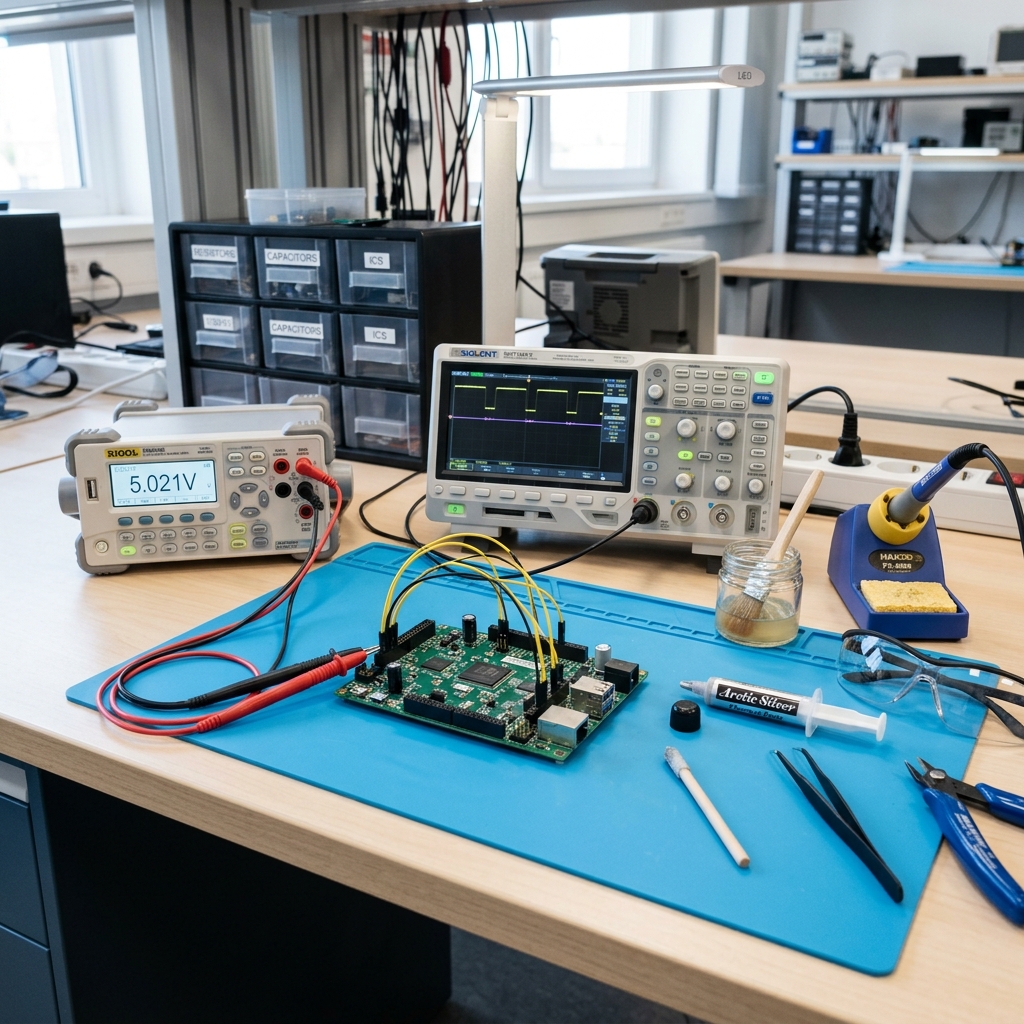
Illustration: RivCut
space makers across the United States are changing how they design space hardware. Today, U.S. Design teams are deploying smart computer smarts (AI) to model hard spacecraft avionics thermal loads. By using advanced cloud-based computer model software, designers can simulate the extreme heat swings that spacecraft face in orbit. This virtual checks process allows companies to inspect and verify designs before building physical parts. As a result, major space firms are compressing their design schedules and reducing physical testing phases by up to 50%.
Avionics tools are the device brains of spacecraft. These tools run communication tools, navigation. And power boards. When a spacecraft orbits the Earth, it travels between direct sunlight and the cold shadow of the planet. In direct sunlight, heat levels can soar above 250 degrees Fahrenheit. In the shadow, they can plummet to minus 250 degrees Fahrenheit. Managing these extreme thermal loads is a major challenge for space designers. AI test helps designers solve this problem quickly by simply finding the best layout for cooling tools.
The Physics of Heat in the Vacuum of Space
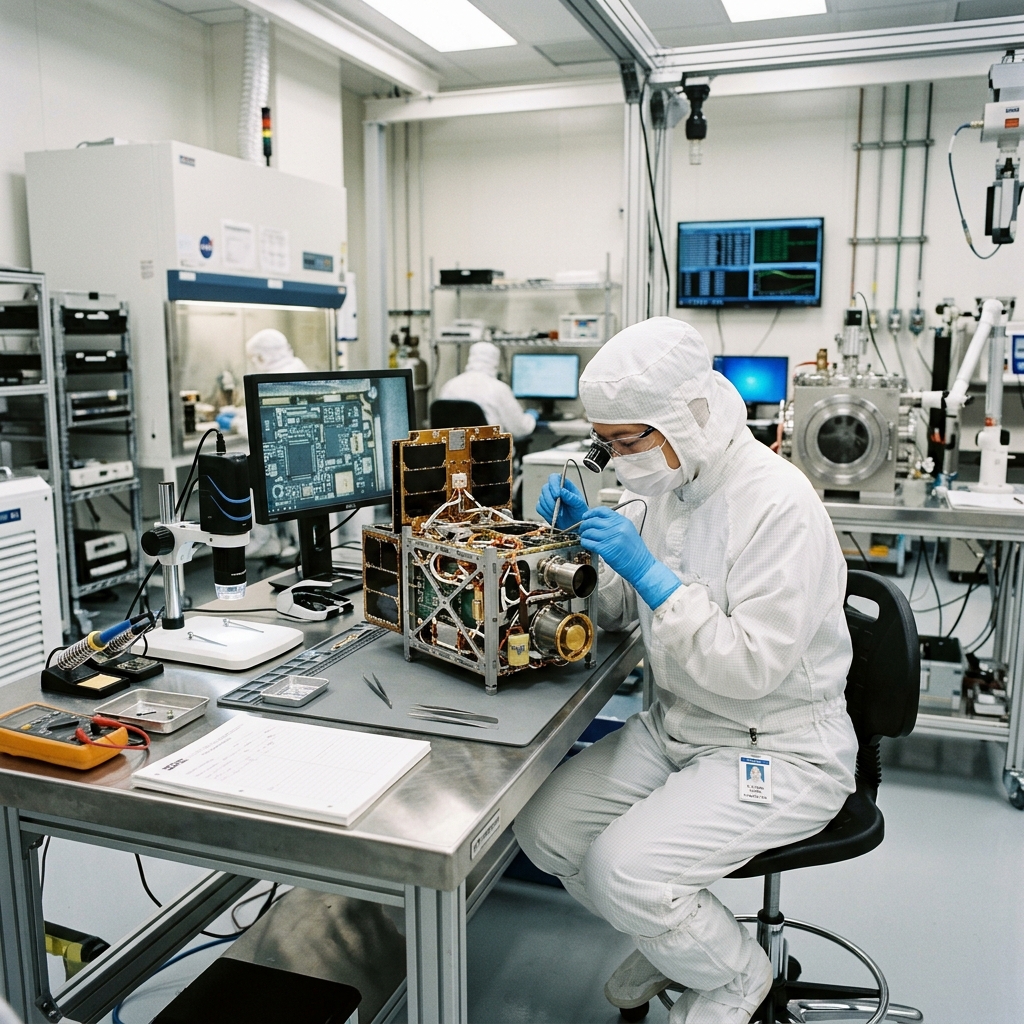
Illustration: RivCut
To understand why thermal test is so important, we must look at how heat behaves. On Earth, objects cool down in three ways: conduction, convection. And radiation. Convection is the movement of heat through air or liquids. For example, when you turn on a fan, the air absorbs heat from your skin and carries it away. However, space is a vacuum. There is no air in space. This means that convection does not work at all. Spacecraft can only move heat through conduction and radiation.
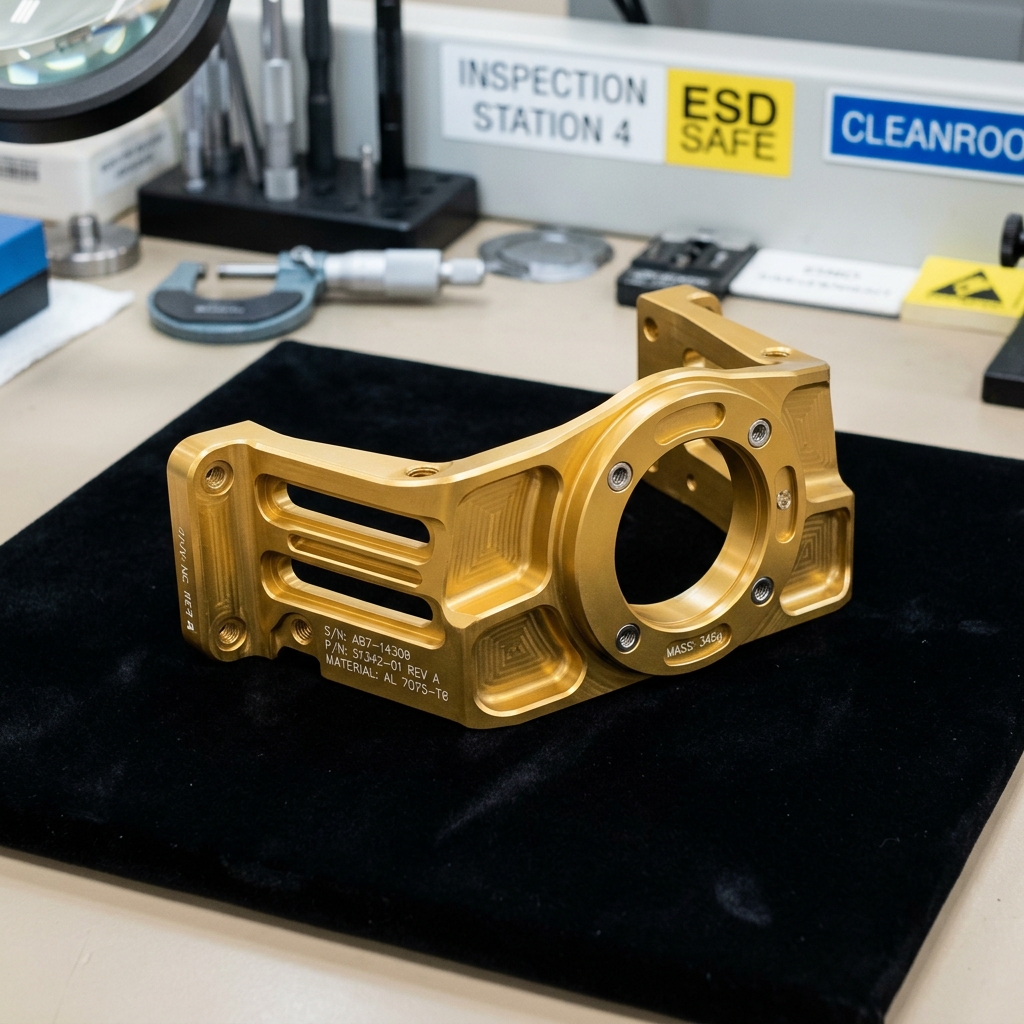
Conduction occurs when heat moves through solid materials. For instance, heat moves from a hot device chip into a metal mounting bracket. Radiation occurs when heat leaves an object in the form of infrared light. Because convection is not available, spacecraft designers must create path networks of highly conductive metals, such as aluminum and copper. These paths guide heat away from sensitive device chips and direct it toward external radiator panels. The radiator panels then release the heat into the cold vacuum of space.
If the thermal paths are not designed correctly, the heat will get trapped. The heat of the avionics boards will rise rapidly. This causes solder joints to melt, silicon chips to fail. And the spacecraft to stop working. Smart AI helps design these paths. The software simulates how heat moves through different materials. It tests thousands of path shapes, thicknesses. And layouts to find the most quick design.
How smart AI Software Models Thermal Loads
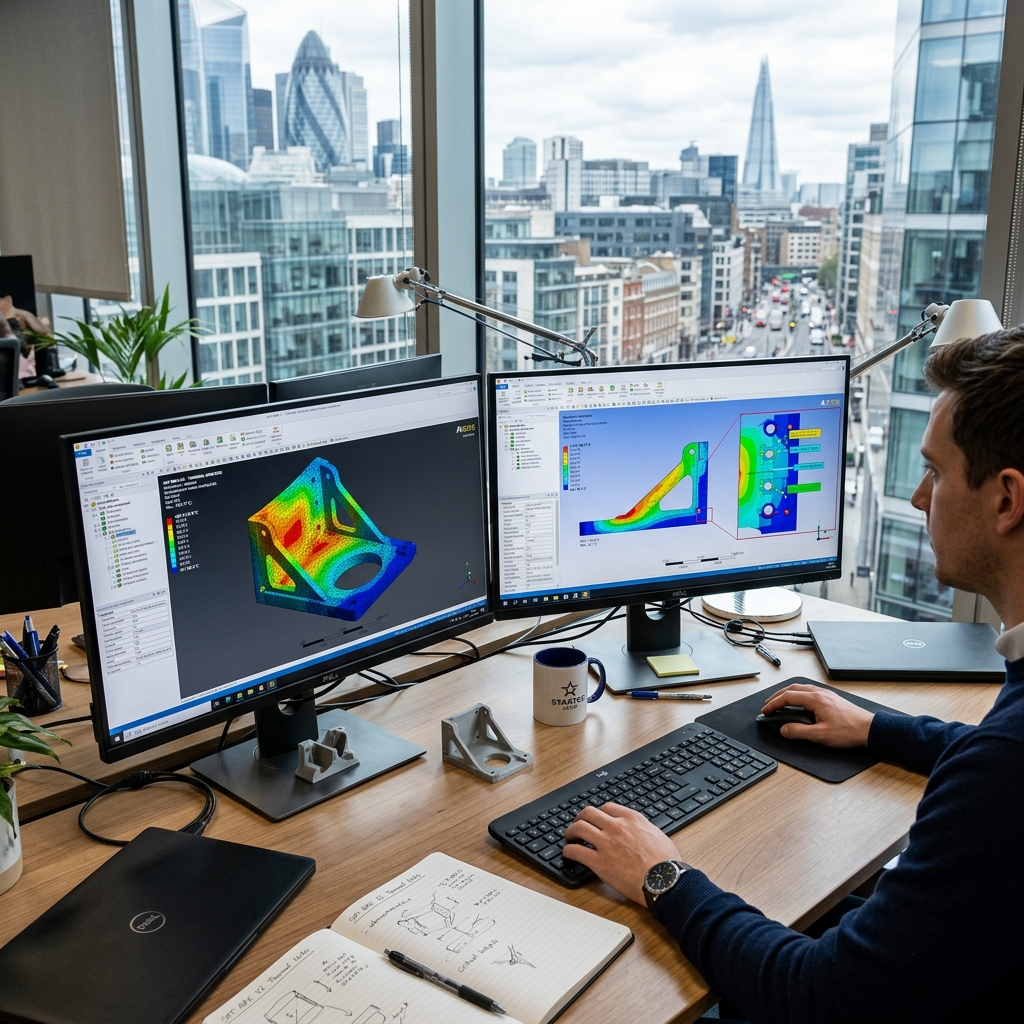
Illustration: RivCut
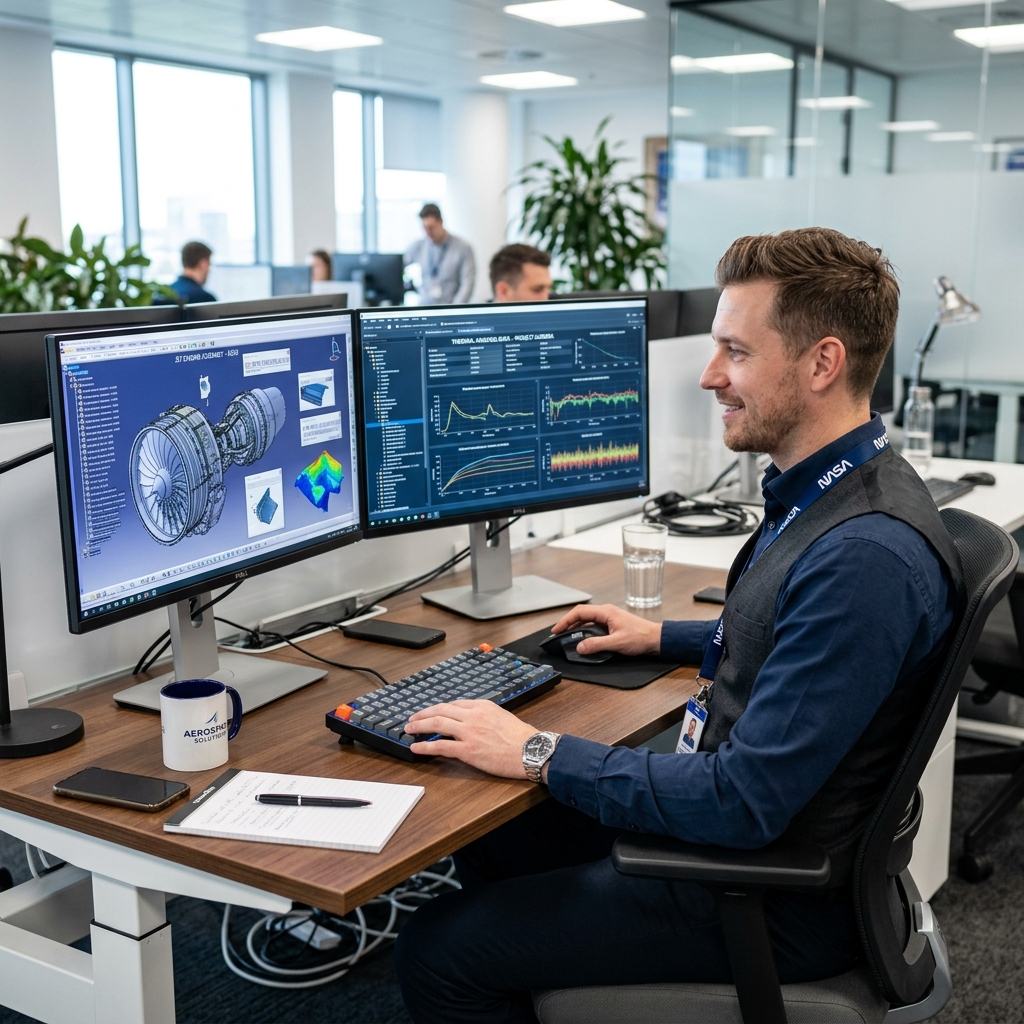
smart AI test tools represent a major upgrade over traditional software. In the past, designers had to draw a design in CAD (computer-aided design) software, export the model. And run a thermal analysis. If the analysis showed hot spots, the designer had to manually modify the design and run the test again. This manual loop took days or weeks. Smart AI reverses this process. The designer simply inputs the design constraints. And the AI generates the shape.
First, the designer defines the keep-out zones. These are areas where parts must go, such as circuit boards, sensors. And structural fasteners. Second, the designer specifies the heat output of each device part in watts. Third, the designer inputs the thermal properties of the materials, such as the conductivity of 6061-T6 aluminum. Finally, the software runs rules that simulate the orbital thermal room. The AI simply grows and shapes heat sinks and brackets to optimize heat flow, creating organic, lightweight structures that humans would never think to design.
Cloud computing makes these calculations incredibly fast. Instead of waiting hours for a desktop computer to solve a single test, designers use cloud networks to run hundreds of tests at the same time. This speed allows design teams to evaluate how different layouts affect weight, structural strength. And thermal speed. It ensures that the final design is optimized for all three factors.
Why Digital test Matters for U.S. Makers
For U.S. Makers, digital thermal test is a key tool for cutting costs. Building space hardware is expensive. A single spacecraft part can cost tens of thousands of dollars to machine. If a physical part fails during thermal testing, it must be redesigned, made again. And re-tested. This delays the project and runs up high costs. By simulating thermal speed digitally, makers can verify that their designs will work before they cut any metal.
This digital-first approach also aligns with U.S. Quality rules. Government buyers, such as the Department of Defense and NASA, require strict proof of safety. They demand detailed design reports showing that parts can survive launch shaking and orbital thermal cycles. Providing these virtual test reports helps sub-tier makers secure contracts. It proves that the supplier uses modern digital design workflows and has validated the part under realistic conditions.
Furthermore, digital test supports the growing U.S. Commercial space sector. Startups are launching constellations of small spacecraft. These companies operate on tight budgets and fast schedules. They cannot afford the slow, expensive testing methods used in the past. Smart AI allows small teams of designers to design, test. And build hard space hardware in a fraction of the time, keeping the U.S. Space trade competitive.
Advanced clean room build and check
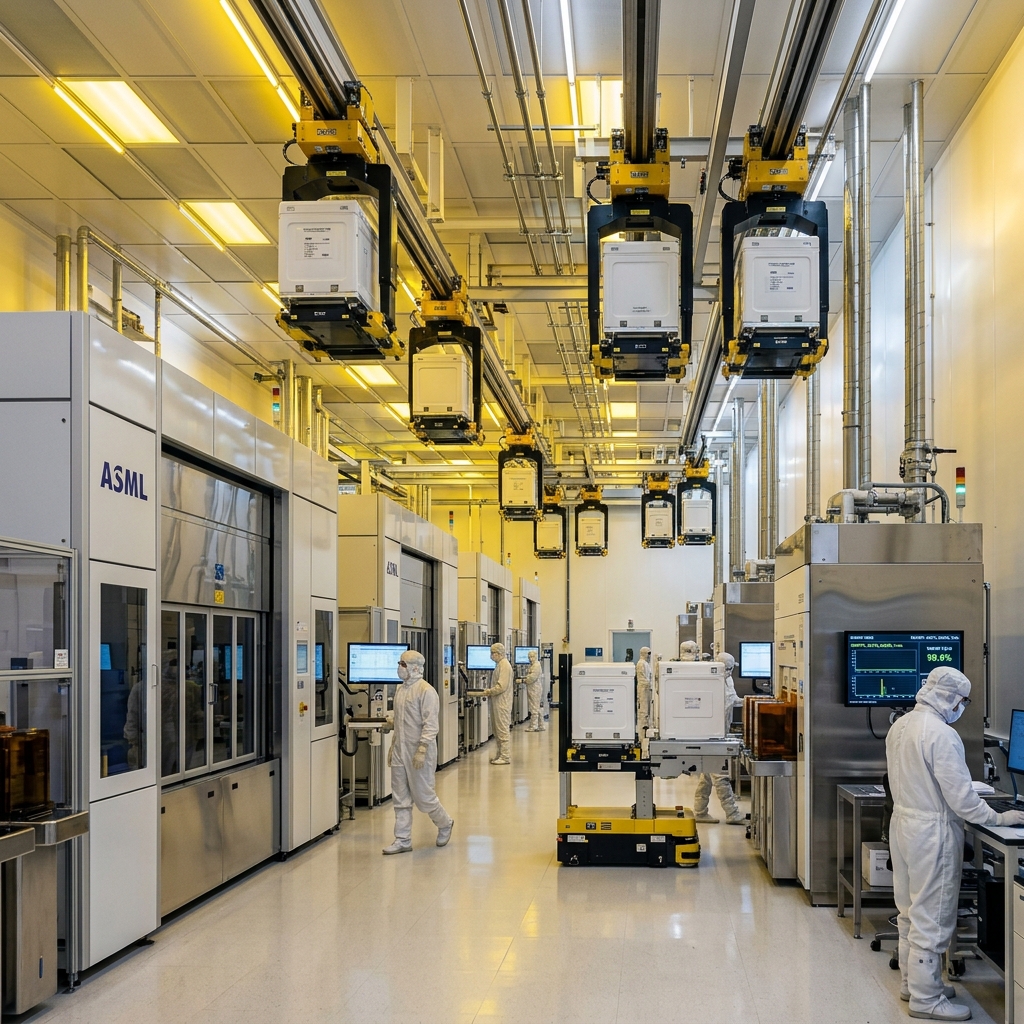
Once the thermal test is complete and the parts are made, the build phase begins. This work must happen in clean room rooms. A clean room is a special room where the air is filtered to remove dust, hair. And other particles. For spacecraft avionics, makers use Class 100 or Class 10,000 clean rooms. This ensures that no contaminants get trapped inside the device enclosures during build.
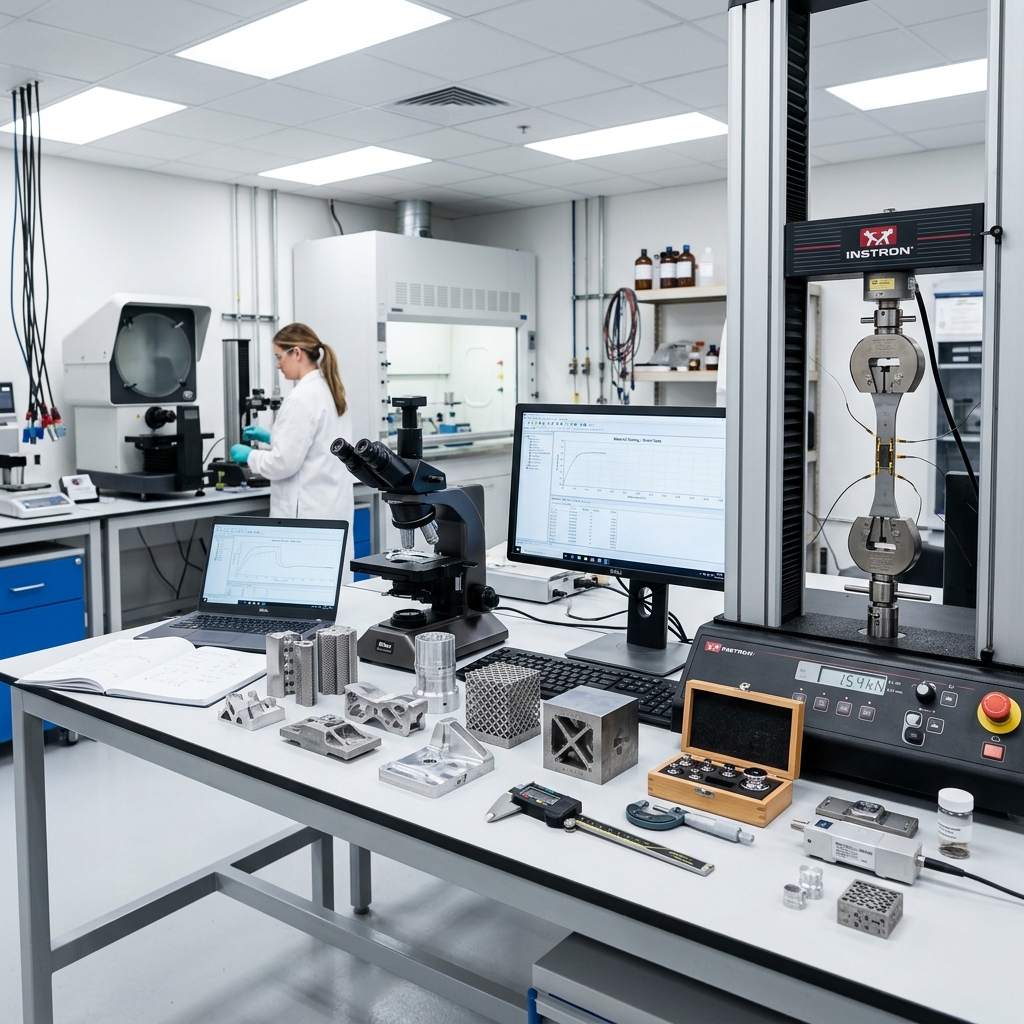
clean room workers wear special protective clothing, including gowns, hoods, gloves. And booties. They use clean room-compatible tools to assemble the circuit boards, thermal interface materials. And metal housings. After build, the parts undergo non-destructive testing (NDT). Workers use ultrasonic scanners and X-ray machines to inspect solder joints and thermal bonds. This checks for hidden air pockets or cracks that could block heat flow. If a thermal interface has a tiny air bubble, it will act as an insulator in space. This causes the devices to overheat and fail.
In addition to clean room build, physical checks remains an important final step. Makers place the assembled spacecraft inside a thermal vacuum chamber (TVAC). The TVAC pumps out all the air to create a vacuum and cycles the heat between hot and cold. This mimics the actual room of space. However,. This is because the design was already optimized using AI, the part is highly likely to pass the TVAC test on the first try. This eliminates the need for expensive design changes late in the project.
rules and the Future of test
As AI test tools become more common, trade groups are working to standardize how they are used. Currently, different software programs use different rules and file formats. This can make it difficult for suppliers to share test data with prime contractors. Standardizing file formats, such as STEP and JT, will improve work across the supply chain. It will allow designers to import CAD models directly into thermal test tools without losing data.
In the future, we will see the rise of multi-physics test. This involves combining thermal, structural. And electromagnetic tests into a single AI model. For example, a multi-physics tool can analyze how launch shaking affect the contact pressure between a chip and its heat sink. And how that change in pressure affects heat flow. This unified approach will give designers a complete picture of how a part will perform. It will make spacecraft designs even more reliable.
For U.S. Exact machine shops, this shift means that digital skills are just as important as making skills. Shops that can accept computer model models and participate in collaborative design workflows will be highly competitive. By combining advanced smart design software with high-quality domestic making, the U.S. Making base will continue to lead the global space market.
Frequently Asked Questions (FAQ)
What is smart AI thermal test in space design?
Answer: smart AI thermal test is a design technique that uses computer smarts to model how heat travels through spacecraft parts. Instead of designers guessing where to put cooling tools, the AI tests thousands of options in minutes. This digital approach finds the best way to keep devices cool in space without adding extra weight.
Why is thermal test key for space spacecraft?
Answer: Thermal test is key. This is because space has no air. In space, parts cannot cool down using convection. This is how a fan cools a computer. Spacecraft must rely only on heat conduction and radiation. If a spacecraft gets too hot or too cold, its device parts will break. This causes a complete failure of the mission.
How does AI-driven test reduce design cycles?
Answer: AI-driven test reduces design cycles by replacing slow physical testing with digital models. Traditionally, designers built physical prototypes and tested them inside large thermal vacuum chambers. AI simulates these conditions instantly in a virtual room. This reduces the number of physical design revisions needed, cutting testing time in half.
What are the clean room needs for avionics setup?
Answer: Avionics hardware must be integrated in ISO Class 5 or Class 7 clean rooms. These spaces are kept extremely clean to prevent dust from landing on sensitive devices. Even tiny particles can cause short circuits or block optical sensors once the spacecraft is in orbit.
Integrating cloud-based thermal simulations allows our engineering team to validate complex satellite electronics long before the physical assembly begins.