Executive Summary: checked for the Infinite
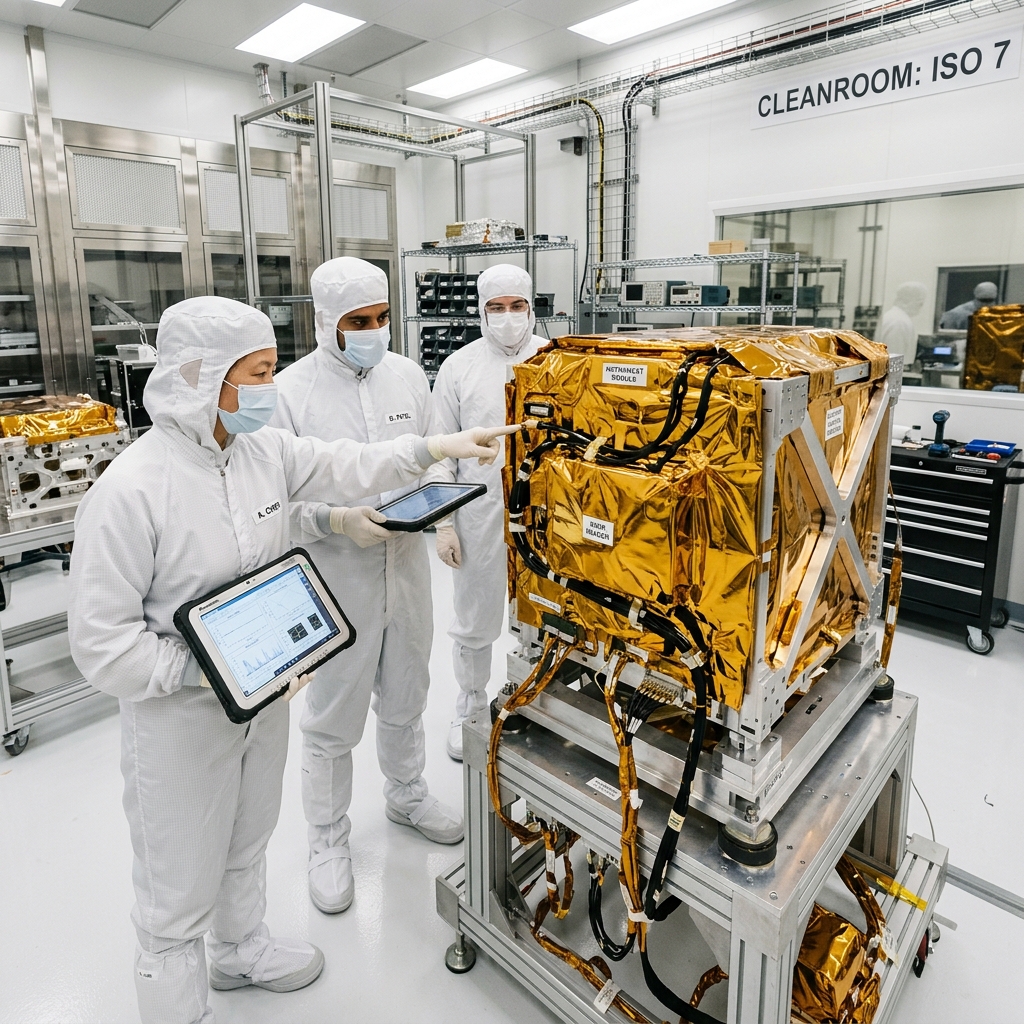
Illustration: RivCut
U.S. Space startups are expanding clean room check and build of key orbital flight hardware. With the rapid growth of commercial spacecraft constellations, companies are investing in Class 100 (ISO Class 5) clean rooms and advanced non-destructive testing (NDT). These controlled rooms ensure that structural brackets, optical payloads. And sensor enclosures are free of dust, oils. And structural defects. By checking parts under strict rules, spacecraft builders are preventing catastrophic failures in orbit and ensuring long-term mission success.
Space is a harsh room. Once a spacecraft is launched, it cannot be repaired. If a structural bracket fails or an optical lens is obscured by a dust particle, the entire mission can be lost, costing millions of dollars. Therefore, space companies must verify the quality of every part. This requires advanced making methods, clean room build. And rigorous check techniques. This ensures that the hardware is built to survive launch and operate in a vacuum.
The Risk of Contamination and Outgassing in Space
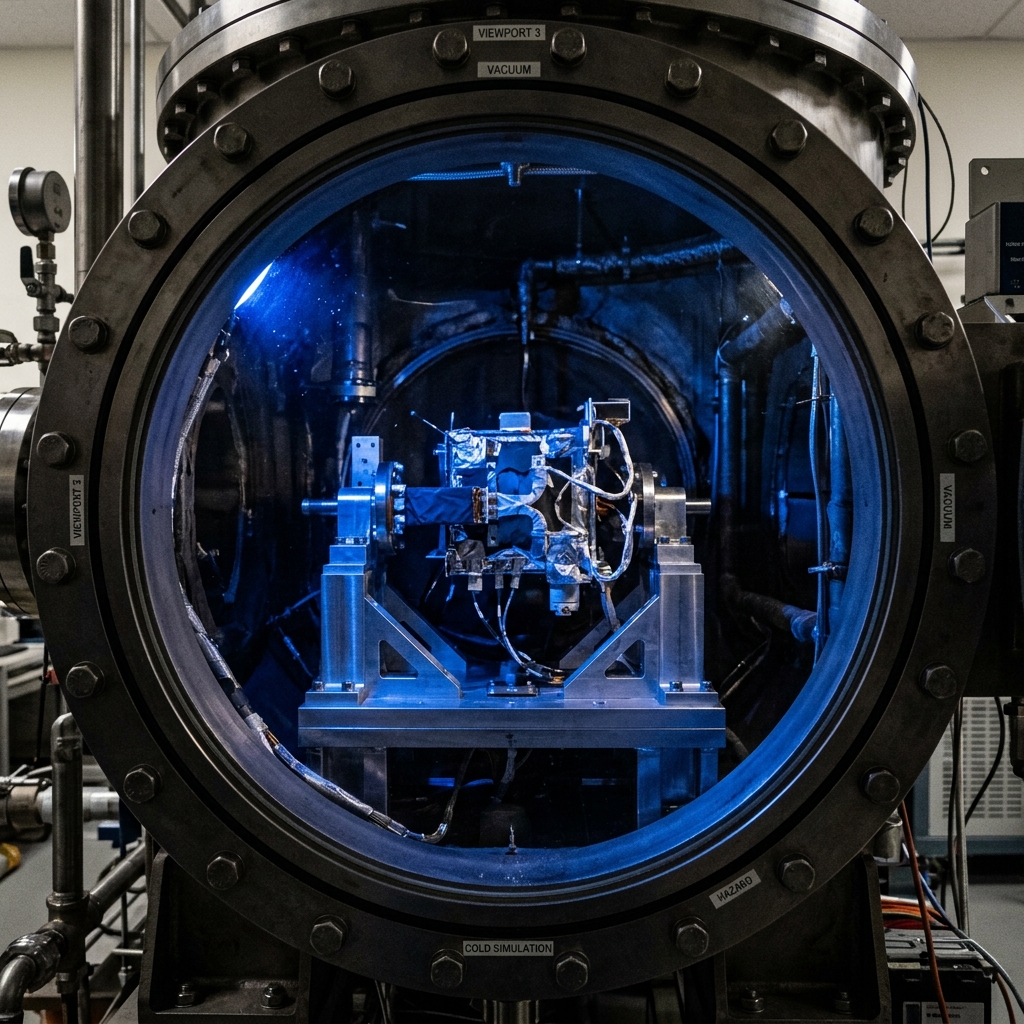
Illustration: RivCut
To understand why clean room check is so important, we must look at the risks of the space room. The first major risk is contamination from dust and particles. On Earth, gravity keeps dust on the floor. In microgravity, dust floats. If a tiny particle is trapped inside a spacecraft, it can float into an optical sensor or land on a high-voltage circuit board. This can block a camera lens or cause a short circuit, shutting down the spacecraft.
The second major risk is outgassing. Outgassing occurs when materials release trapped gases inside a vacuum. Many common plastics, glues. And oils release gas when exposed to the vacuum of space. These gases can float around the spacecraft and condense on cold surfaces, such as camera lenses, mirrors. And solar panels. This creates a thin film that blocks light, ruining the spacecraft's tools. To prevent this, spacecraft builders must use low-outgassing materials and clean all parts thoroughly.
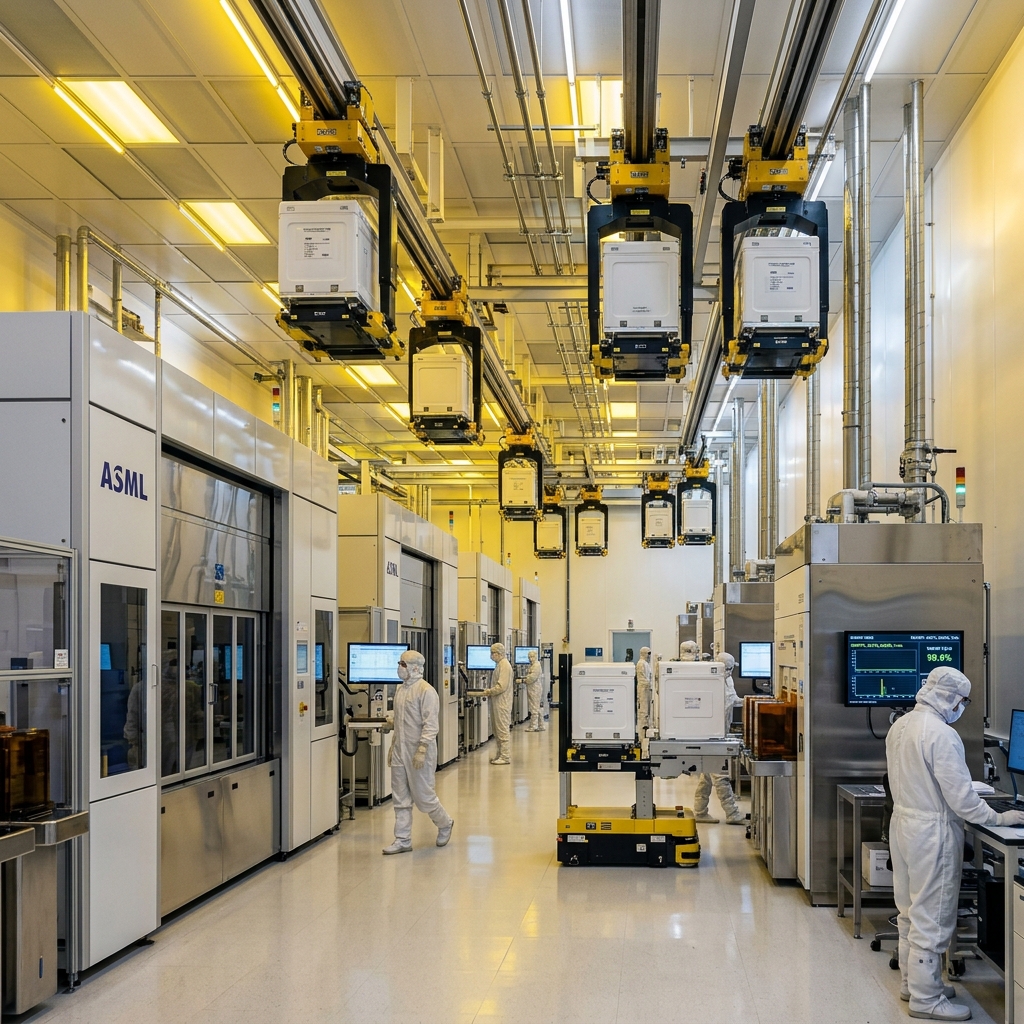
clean room rooms address both risks. Fabs use Class 100 (ISO Class 5) clean rooms for spacecraft setup. These rooms allow no more than 100 particles of size 0.5 microns per cubic foot of air. The air is filtered constantly. And the heat and humidity are controlled. Workers wear full protective suits, including hoods, masks. And gloves. They use clean room-compatible solvents, such as isopropyl alcohol, to wipe down every part before build, removing any oils or residues that could outgas in space.
Non-Destructive Testing (NDT) Methods for space Brackets
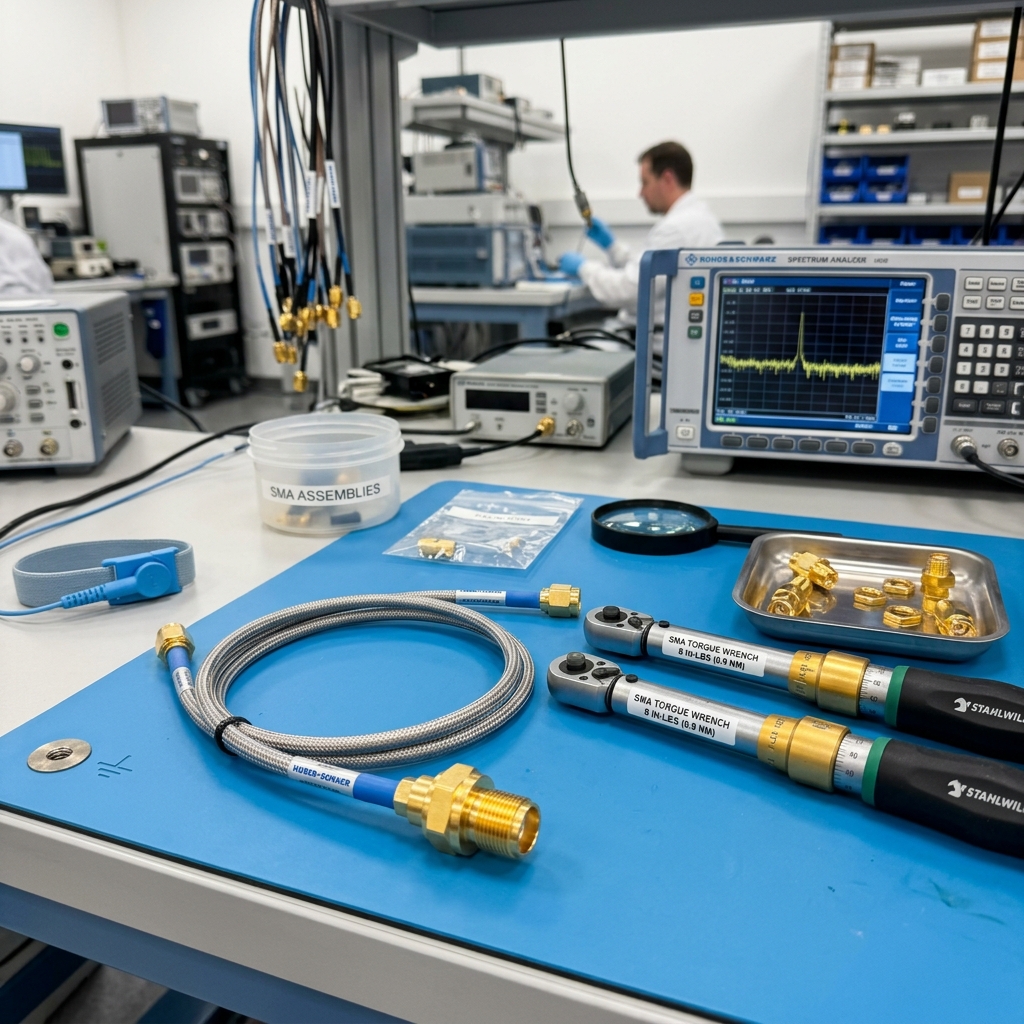
Illustration: RivCut
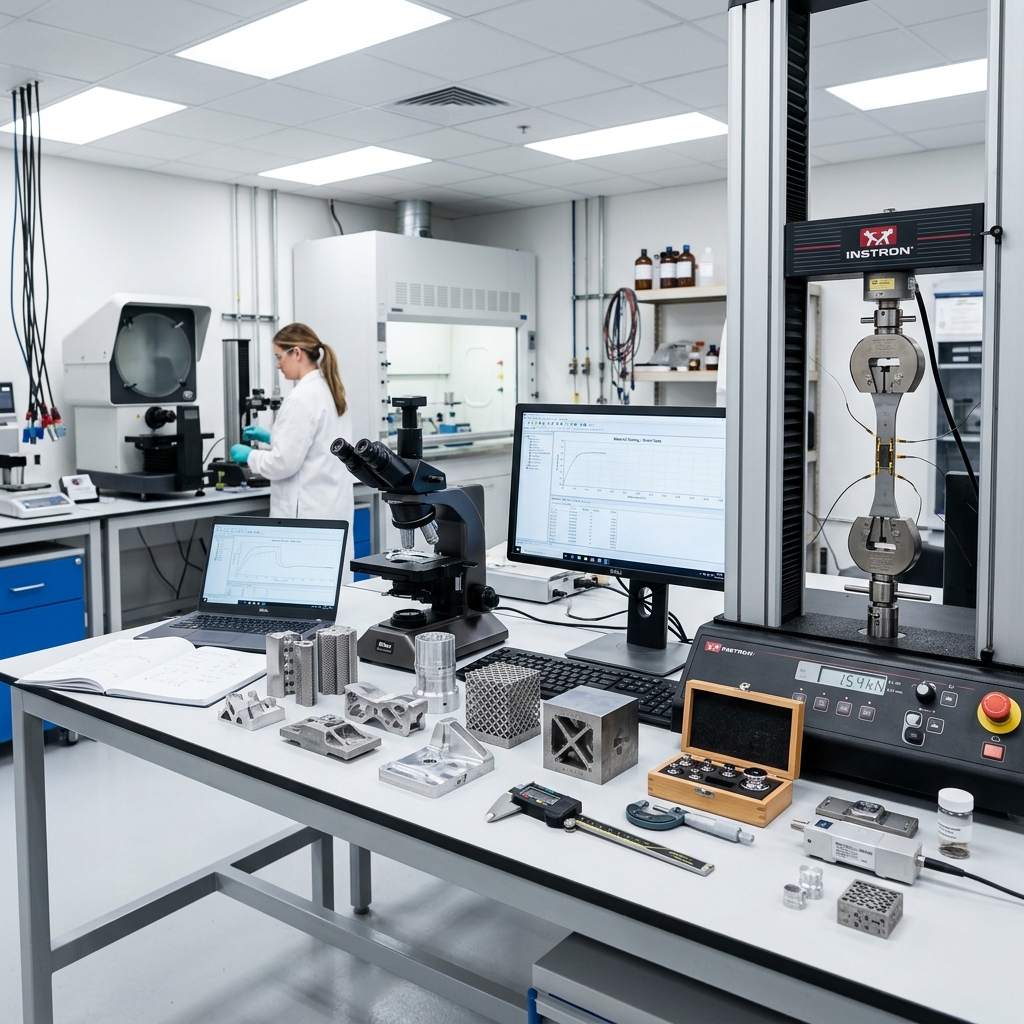
In addition to cleanliness, structural integrity is key. Spacecraft structural brackets hold parts in place during the violent shaking of a rocket launch. If a bracket has a hidden crack, it can fail under the heavy load. To find these defects without damaging the parts, makers use Non-Destructive Testing (NDT). NDT methods include ultrasonic testing, liquid penetrant testing. And X-ray radiography.
Ultrasonic testing uses high-frequency sound waves to inspect the interior of a part. A worker presses a transducer against the metal. The transducer sends sound waves through the part and measures the echoes that bounce back. If the sound wave hits a hidden crack or air bubble, the echo pattern will change, showing the defect's location. This is a key check for thick made brackets and welds, finding voids that visual check would miss.
Liquid penetrant testing is used to find surface cracks. Workers apply a colorful or fluorescent dye to the part. The dye flows into tiny cracks by capillary action. After a few minutes, the worker wipes off the excess dye and applies a developer compound. The developer draws the dye out of the cracks, making them visible under ultraviolet light. This simple, effective test is used to check key made surfaces. This ensures that no cracks exist that could grow under launch stresses.
Why High-exact making Matters for Spaceflight
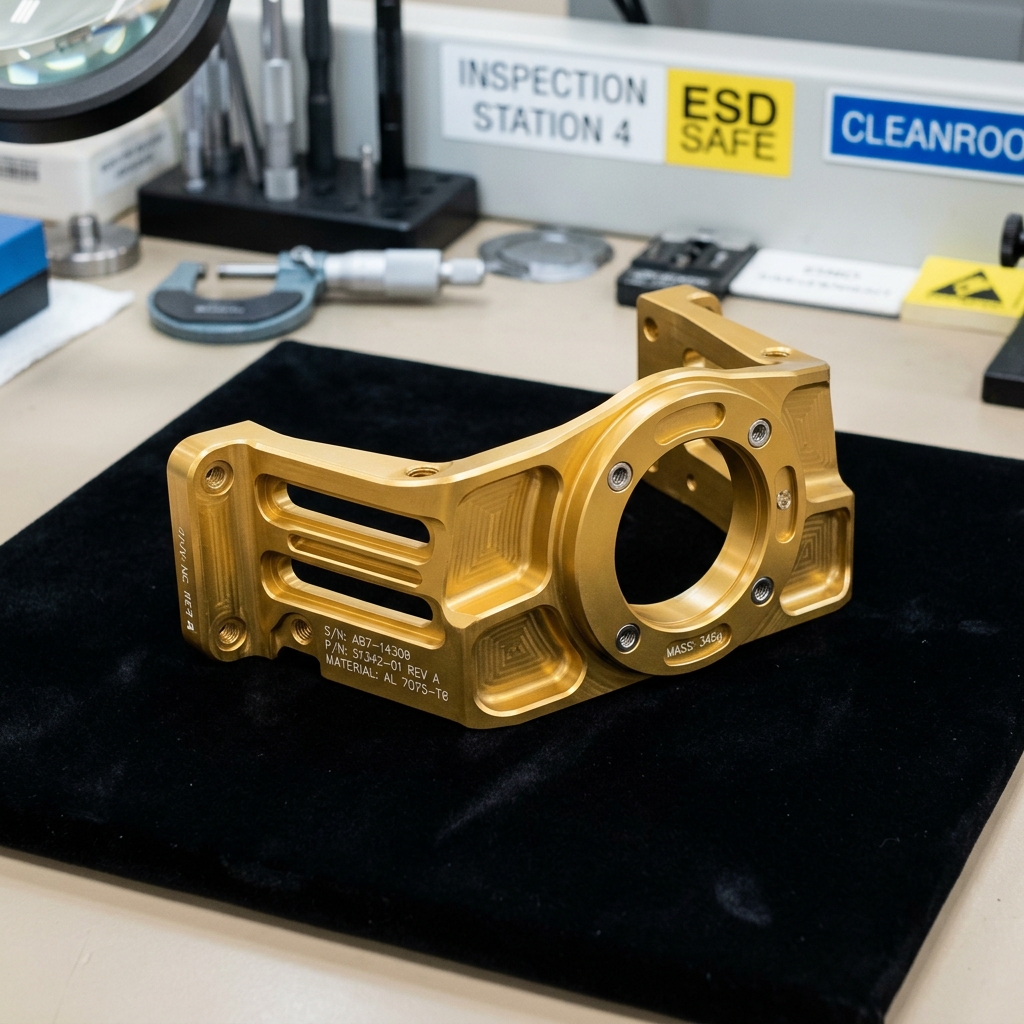
space parts must be made to extremely tight tolerances. If a structural bracket is slightly misaligned, it can create stress concentrations that cause it to fail. To achieve the required exact, space makers rely on high-speed CNC milling and turning. They machine parts from advanced materials, such as titanium alloys and 7075-T6 aluminum. These metals offer high strength-to-weight ratios. This is key since every ounce of weight adds to launch costs.
exact machine shops use coordinate measuring machines (CMM) to verify tolerances. A CMM uses a touch probe to measure the part's shape, checking dimensions to within a few microns. This ensures that the part matches the design model perfectly. For spaceflight, parts must also be designed with Design for Manufacturability (DFM) in mind. This involves designing parts with generous radii in corners to prevent stress concentrations and ensuring easy access for cutting tools. This keeps making costs down.
Furthermore, parts must undergo surface finishing. Anodizing is commonly used to protect aluminum parts from corrosion and wear. However, for spaceflight, anodizing must be done carefully. The anodizing layer must be uniform and free of organic dyes that could outgas in space. Exact shops work closely with certified anodizers to ensure that the liquid treatments meet space rules, keeping the parts clean and durable.
The U.S. Space Startup Boom
The expand clean room check in California is driven by the boom in private space startups. In the past, space was the domain of large government agencies and prime contractors. Today, private startups are building and launching small spacecraft, or CubeSats, at a rapid pace. These startups operate on faster schedules and lower budgets. They require suppliers that can deliver high-quality, checked parts quickly.
This commercial shift is creating new opportunities for domestic machine shops. Startups often source parts locally to simplify the supply chain and speed up design. Shops that can offer certified clean room build, NDT check. And high-exact CNC making will find strong demand. By partnering with local space startups, U.S. Shops are playing a vital role in the commercial space race, supporting domestic technological new idea.
Moreover, moving back space making supports national security. The U.S. Military relies on small spacecraft for smarts, surveillance. And secure communications. These defense spacecraft must be secure and free from foreign tampering. Making them in secure U.S. Clean rooms using domestic parts ensures that they are built to the highest quality rules, protecting the nation's key setup.
Future Outlook: robotic check in clean rooms
Looking ahead, space clean rooms will become more robotic. Fabs are beginning to integrate robotic mobile robots (AMRs) to move parts between build and check stations. These robots navigate using LiDAR and cameras, carrying sensitive hardware inside sealed pods to prevent contamination. This reduces human handling, lowering the risk of accidental damage and particulate contamination.
We will also see the expansion of robotic 3D optical scanning. New blue-light scanning tools can inspect a part's surface in seconds, creating a high-density point cloud that maps every detail. This allows software to compare the physical part against the CAD model simply, identifying defects instantly. By combining robotic scanning with AI analysis, spacecraft builders will achieve 100% robotic check. This ensures that every part is built to survive the harsh room of space.
For the U.S. Making base, this shift toward high-exact digital check is a major strength. By combining advanced check tools with strict clean room quality controls, the U.S. Continues to set the rule for space new idea, supporting scientific discovery and driving the growth of the commercial space trade.
Frequently Asked Questions (FAQ)
What is Non-Destructive Testing (NDT) in space?
Answer: Non-Destructive Testing (NDT) is a group of check methods used to check parts for internal defects without damaging them. NDT methods include ultrasonic scans, X-rays. And dye penetrants. These tests find hidden cracks, voids. And weld flaws that could cause a part to fail during flight.
Why is a Class 100 clean room used for space spacecraft?
Answer: A Class 100 (ISO Class 5) clean room is used. This is because even tiny dust particles can ruin a spacecraft. In space, dust can float inside optical sensors or land on circuit boards. This causes short circuits. Keeping the build room clean prevents these particles from getting trapped inside the spacecraft.
How does outgassing affect space hardware?
Answer: Outgassing is when materials, like plastics or adhesives, release trapped gases in a vacuum. In space, these gases can condense on cold surfaces, such as camera lenses and solar panels, blocking light and ruining the spacecraft's tools. Using low-outgassing materials prevents this.
What launch loads must spacecraft brackets withstand?
Answer: spacecraft brackets must withstand intense vibration and G-forces during launch. Rocket launches create extreme acoustic noise and structural shaking that can shake loose weak parts. Brackets must be designed and made to hold parts securely under loads up to 15 times gravity.
Orbit is an unforgiving place; checking every bracket and sensor in a cleanroom is critical to ensuring our satellite survives launch stresses.