What happened
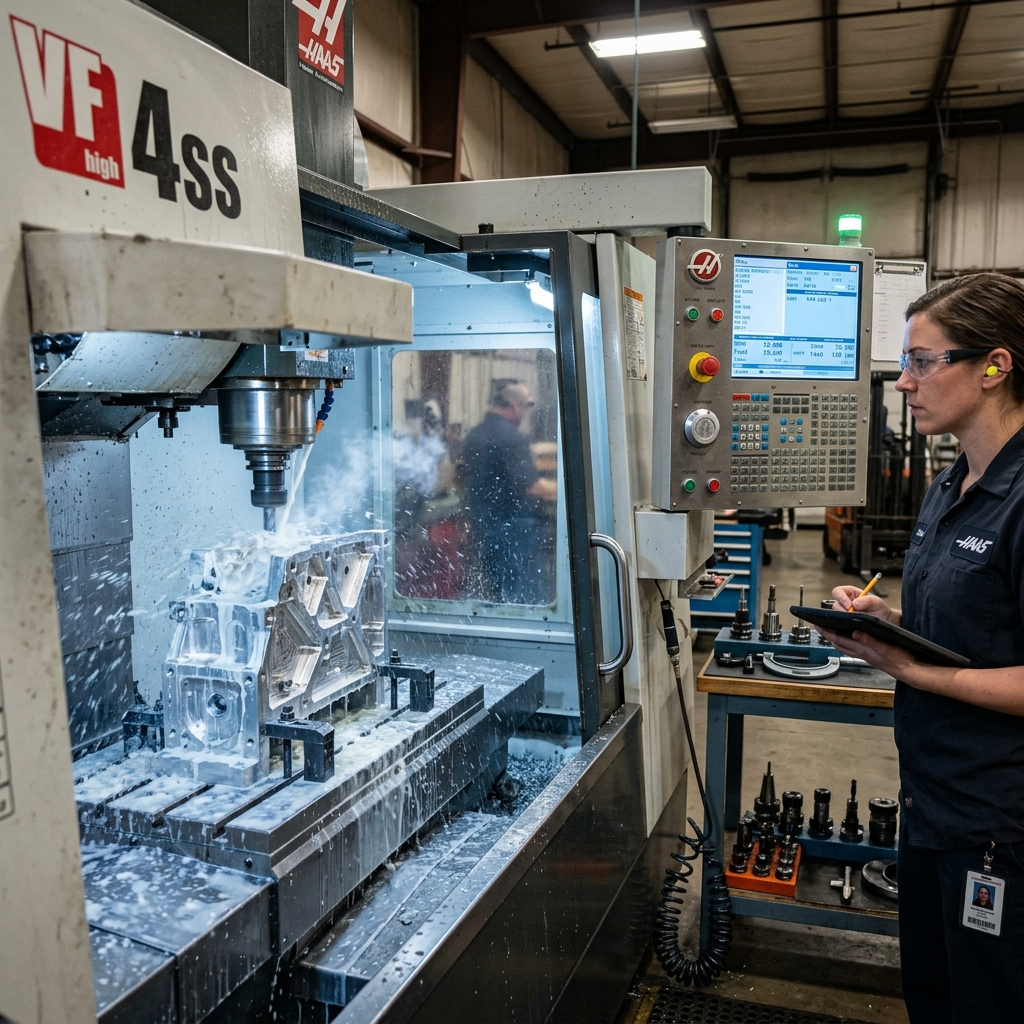
Illustration: RivCut
RTX Corporation announced this week a $100 million capital investment to expand manufacturing capacity at its Portsmouth, Rhode Island facility, one of the company's largest East Coast production sites for naval defense systems. The expansion will add advanced testing laboratories and automated production lines dedicated to air-and-missile defense radars, submarine sonar systems, and high-frequency communication subcomponents used across the U.S. Navy fleet. Construction is scheduled to begin in the third quarter of 2026, with the first production lines coming online by mid-2027.
The investment comes as RTX (the company formed by the 2020 merger of Raytheon Company and United Technologies) faces record backlog from U.S. Navy contracts and international allies upgrading their surface combatant and submarine fleets. The Portsmouth site currently employs approximately 1,200 workers and manufactures SPY-6 radar arrays for Arleigh Burke-class destroyers, acoustic processing hardware for Virginia-class submarines, and tactical data link modules used in cooperative engagement systems. The expansion will add roughly 350,000 square feet of manufacturing and cleanroom space to the existing 800,000-square-foot complex.
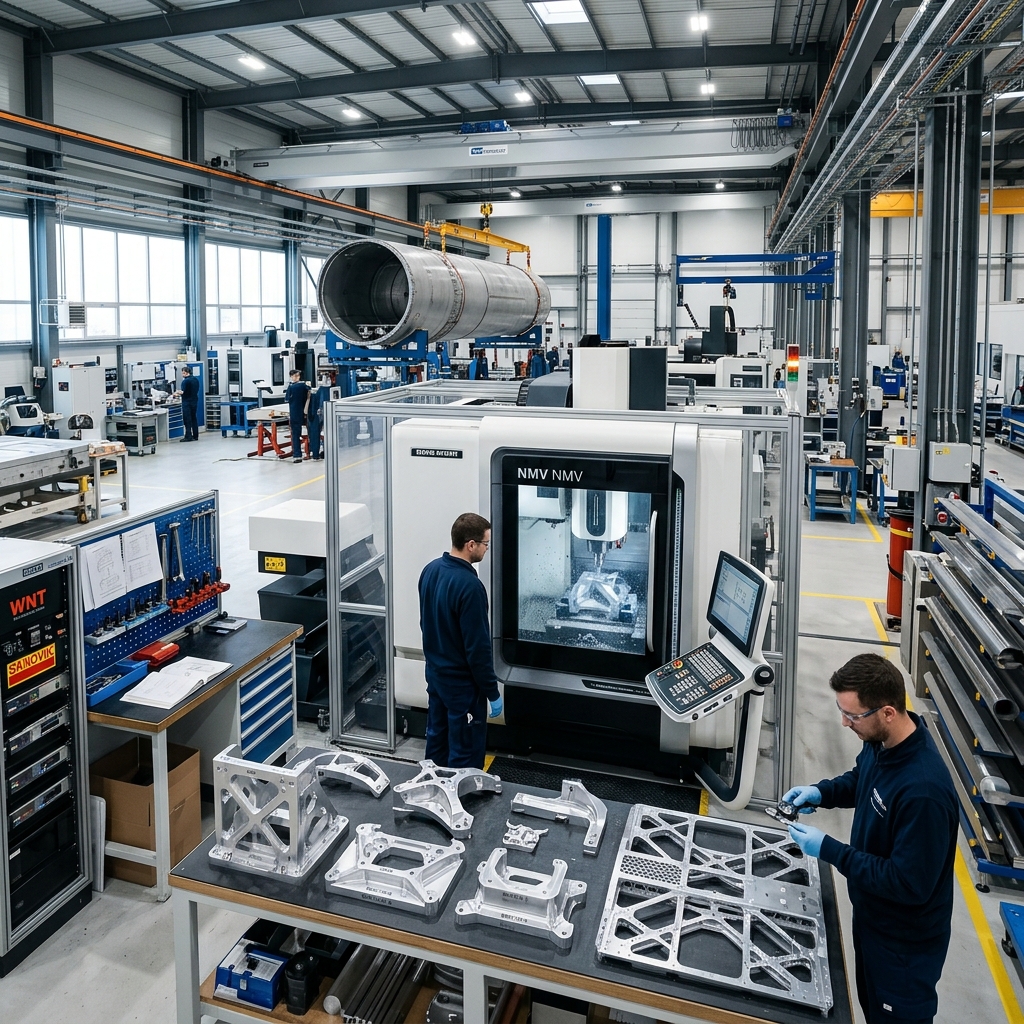
RTX executives cited supply chain resilience as a primary driver for the expansion. The company plans to source high-precision machined subcomponents, custom aluminum housings, titanium brackets, and specialty fasteners from regional suppliers within a 200-mile radius of Portsmouth. This sourcing strategy reflects broader Department of Defense initiatives to reduce reliance on offshore manufacturing for critical defense hardware. The Portsmouth facility already maintains qualification relationships with approximately 80 machine shops and metal fabricators across New England, and RTX expects to onboard an additional 25 to 30 suppliers during the ramp-up phase.
The new automated production lines will incorporate robotic assembly cells for circuit card installation, automated optical inspection systems for solder joints and component placement, and environmental stress screening chambers that simulate shipboard temperature, humidity, and vibration profiles. RTX will also install two new anechoic chambers for radar cross-section testing and electromagnetic compatibility validation, critical for systems that must operate in dense electronic warfare environments. These chambers will be among the largest in the commercial defense sector, capable of testing assemblies up to 12 feet in diameter.
The timing aligns with escalating naval procurement across the Indo-Pacific and European theaters. The U.S. Navy has committed to building at least 12 additional Flight III Arleigh Burke destroyers through 2030, each requiring four SPY-6 arrays and associated signal processing hardware manufactured at facilities including Portsmouth. Japan, South Korea, and Australia have also placed orders for Aegis-equipped surface combatants that use RTX radar technology. Submarine sonar programs are similarly expanding: the Navy plans to maintain a construction rate of two Virginia-class attack submarines per year, and the Columbia-class ballistic missile submarine program is entering full-rate production.
Why it matters for manufacturers
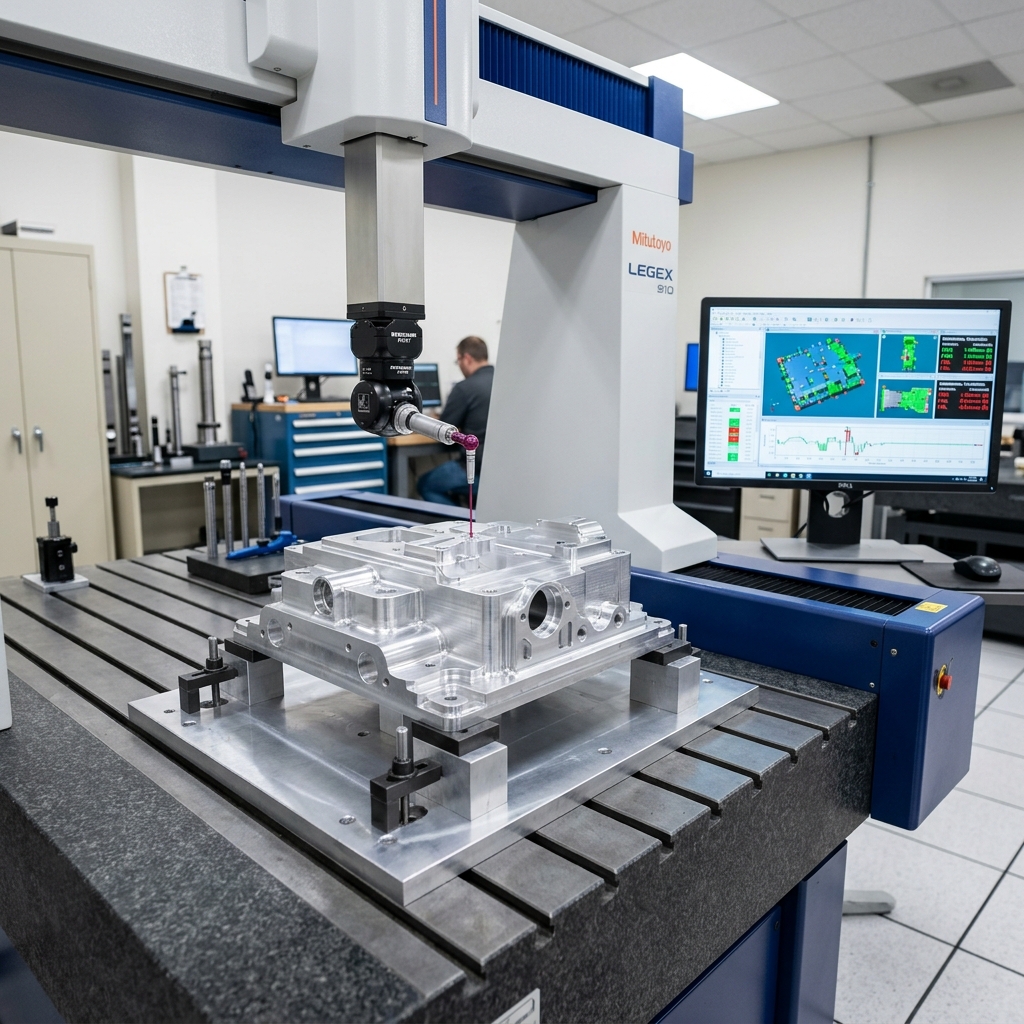
Illustration: RivCut
This expansion offers a clear window into how defense primes are reconfiguring supply chains in response to geopolitical pressure and Pentagon sourcing mandates. RTX's decision to invest in domestic capacity rather than pursuing offshore cost arbitrage reflects a broader industry shift. The Department of Defense has made supply chain resilience a funded priority, and primes are responding by building regional supplier ecosystems that can meet security clearances, ITAR compliance, and rapid turnaround requirements that overseas vendors struggle to satisfy.
For machine shops and contract manufacturers in the Northeast, the Portsmouth expansion represents tangible opportunity. RTX will need suppliers capable of tight-tolerance work on difficult materials: 17-4 stainless steel waveguide components, 6061-T6 aluminum radar housings with flatness tolerances under 0.002 inches, and titanium mounting brackets that must survive shock testing to MIL-S-901D standards. These are not commodity parts. They require defense machining experience, documented processes, and the infrastructure to support first-article inspections and ongoing lot acceptance testing.
The procurement model RTX is pursuing also matters. The company is moving toward longer-term agreements with pre-qualified suppliers rather than spot-buying components on the open market. This approach reduces supply risk but raises the bar for entry. Suppliers need AS9100 or ISO 9001 certification, CMM inspection capabilities, and the ability to handle controlled unclassified information under DFARS 7012 cybersecurity rules. Shops without these foundations will find it difficult to compete, even if their machining capabilities are solid.
The investment also signals confidence in sustained defense budgets. A $100 million facility expansion is not a hedge; it reflects RTX's internal forecast that naval sensor demand will remain elevated through at least 2035. That timeline gives suppliers runway to invest in their own capacity, tooling, and workforce. Shops considering five-axis machines, automated deburring cells, or additional CMM capacity now have a clearer demand signal to justify those expenditures. The defense sector's procurement cycles are long, but they are also more predictable than commercial aerospace or automotive, where demand can collapse in a single quarter.
There is also a labor dimension. RTX expects to hire approximately 400 new employees at Portsmouth over the next three years, split between engineering, quality assurance, and production roles. That hiring will tighten an already competitive labor market for skilled machinists, welders, and inspection technicians across New England. Smaller suppliers competing for the same talent pool will need to sharpen compensation packages and training programs. The defense sector's advantage in this competition is job stability: naval programs tend to stretch across decades, offering workers a clearer career path than commercial sectors subject to boom-and-bust cycles.
The materials picture is equally important. RTX's emphasis on regional sourcing means New England metal service centers and distributors will see increased demand for specialty alloys: 15-5 PH stainless bar stock, 7075-T6 aluminum plate, Inconel 718 for high-temperature RF components, and naval brass for corrosion-resistant fittings. Lead times for these materials have already extended as defense production ramps across multiple programs. Suppliers that lock in material allocations early and maintain strategic inventory will have a competitive edge over shops ordering material on a just-in-time basis.
From a procurement perspective, this expansion also highlights the limits of globalization in defense manufacturing. The days when primes could arbitrage labor costs by sourcing precision components from low-cost countries are largely over for programs with security classification or export control. ITAR restrictions, the risks of intellectual property theft, and the Pentagon's Buy American requirements have all combined to push production back onshore. That creates opportunity, but it also creates cost pressure: domestic suppliers must deliver quality and speed that justify their higher labor rates compared to offshore alternatives. Automation and process efficiency are not optional in this environment.
What to watch next
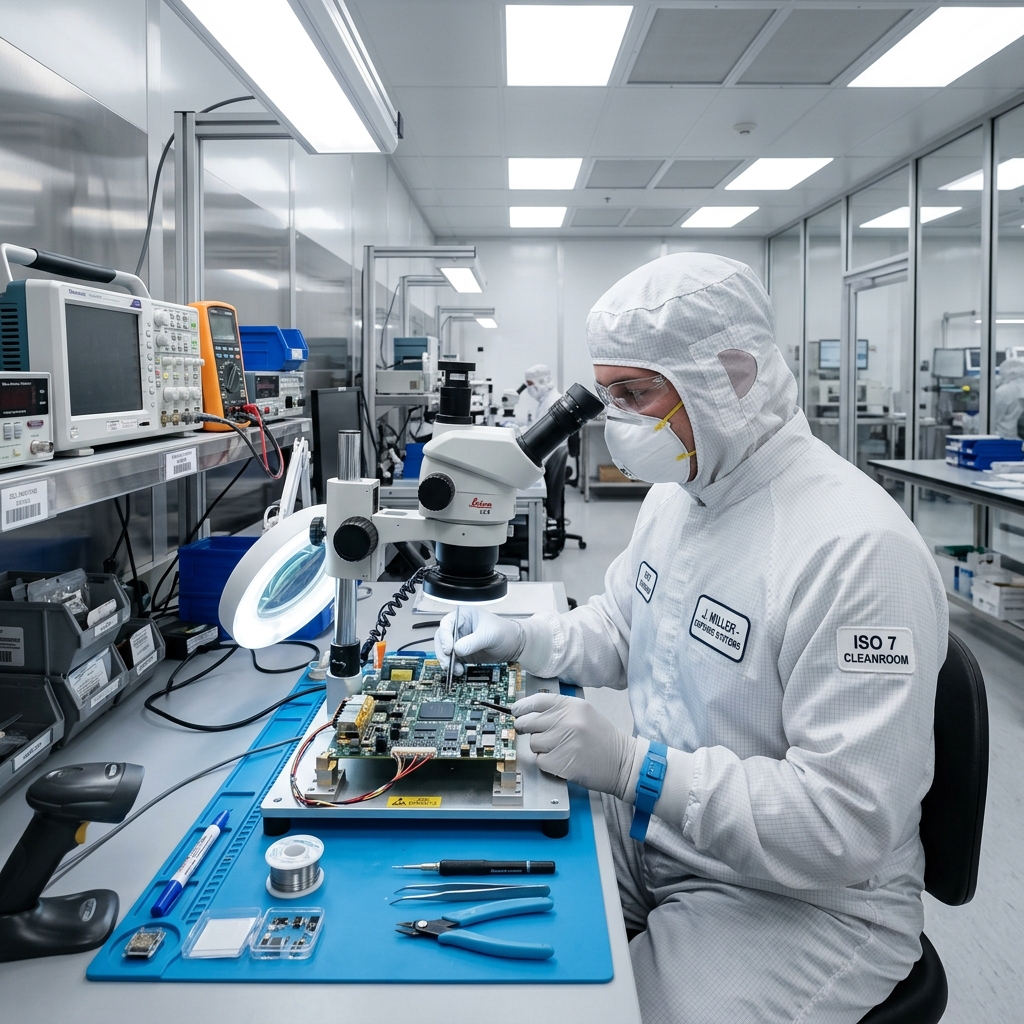
Illustration: RivCut
The first concrete milestone will be RTX's supplier qualification process over the next 12 months. The company will likely issue requests for information to machine shops and fabricators across the Northeast, looking for partners capable of handling the technical and administrative demands of defense work. Shops interested in this opportunity should begin the groundwork now: obtaining AS9100 certification, upgrading inspection equipment, and ensuring their IT infrastructure meets DFARS cybersecurity baselines. These steps take time, and RTX will move quickly once construction begins.
Another factor to monitor is how other defense primes respond. If RTX is investing $100 million in Portsmouth, competitors like Lockheed Martin, Northrop Grumman, and BAE Systems are evaluating similar expansions at their own East Coast facilities. The Navy's shipbuilding plan calls for sustained investment in surface combatants and submarines through 2040, and every major surface ship requires multiple radar systems, electronic warfare suites, and communication arrays. The supply base needed to support that production does not yet exist at the required scale. Additional capacity announcements are likely over the next 18 months, creating a wave of subcontracting opportunities for manufacturers prepared to meet defense quality and security standards.
Material availability will also play a critical role. If specialty alloy lead times continue to extend, RTX and its suppliers will face pressure to increase inventory buffers or establish direct relationships with mills. Some larger suppliers may pursue toll agreements with aluminum and stainless steel producers to secure priority access. Smaller shops without that leverage will need to plan farther ahead and accept longer cash conversion cycles as they carry more raw material on their balance sheets.
Labor remains the wild card. New England's manufacturing workforce is aging, and apprenticeship programs have not kept pace with retirements. RTX's hiring push will exacerbate shortages of skilled machinists, quality inspectors, and manufacturing engineers. Regional technical colleges and community programs will see increased demand for training partnerships, and companies that invest in intern pipelines and skills development will have a recruiting advantage. This is not a problem that resolves quickly; workforce development takes years, and the Navy's production timelines do not accommodate delays.
Finally, watch how the Pentagon structures future contracts. If the Department of Defense continues to prioritize supply chain security, future solicitations may include domestic content requirements that go beyond current Buy American thresholds. That would further advantage U.S.-based suppliers but also raise program costs. The tension between affordability and security will define defense procurement strategy for the next decade, and RTX's Portsmouth investment is an early indicator of how primes are navigating that trade-off.
For manufacturers positioned to serve this market, the message is clear: the opportunity is real, but the bar is high. Defense work requires more than machining capability; it demands process discipline, documentation rigor, and the financial stability to absorb long payment cycles and upfront investment in certifications and infrastructure. Shops that meet those requirements will find a customer base with multi-year visibility and budgets that do not evaporate when the economy softens. That stability is rare in manufacturing today, and it is worth the effort to earn. For more defense manufacturing insights, visit our manufacturing news section.
Frequently Asked Questions
What does the Raytheon Portsmouth facility manufacture?
Answer: The facility manufactures advanced radar sensors, missile defense system electronics, and critical guidance hardware under high-purity conditions.
Why are radar sensors assembled in cleanrooms?
Answer: Microscopic dust particles can settle on optical lenses or high-frequency circuitry, causing signal interference or component failure in the field.
What environmental tests must defense electronics pass?
Answer: Defense electronics undergo rigorous tests, including thermal vacuum cycling, high-g vibration simulation, and electromagnetic interference checks.
What certifications are required for military-grade electronics suppliers?
Answer: Suppliers must be ITAR-registered, comply with NIST SP 800-171 cybersecurity standards, and follow strict AS9100 aerospace quality controls.
RTX's Portsmouth bet is a signal: defense primes are rebuilding domestic capacity, and suppliers with the right certifications and tolerances will see multi-year demand.