What happened
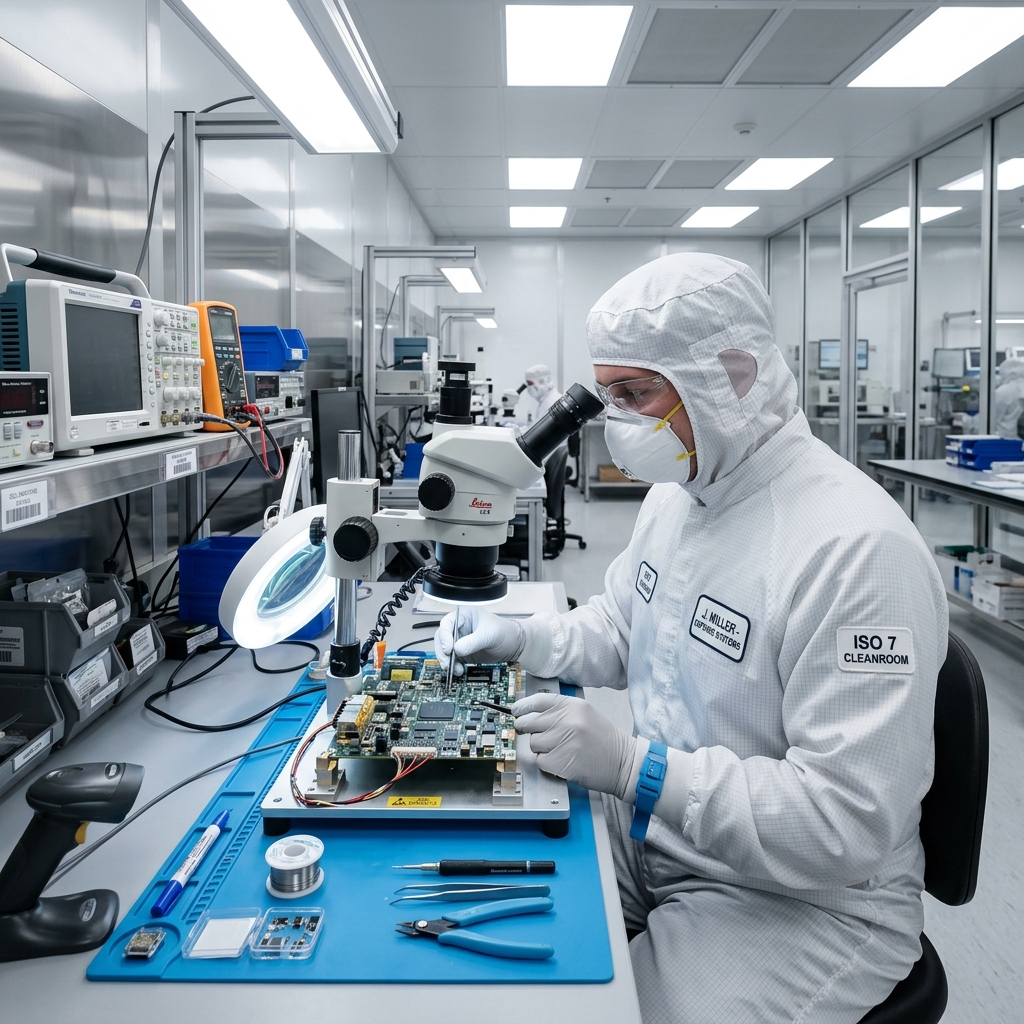
Illustration: RivCut
Vice Admiral Robert Gaucher stood in front of defense contractors and training officials in Danville, Virginia, on June 3 to deliver a message that had nothing to do with propulsion systems or missile tubes. The director of submarine programs told the ATDM Maritime Workforce Forum that the Navy's ability to deliver one Columbia-class ballistic missile submarine and two Virginia-class attack submarines every year by 2028 depends entirely on finding enough welders, CNC machinists, and quality inspectors.
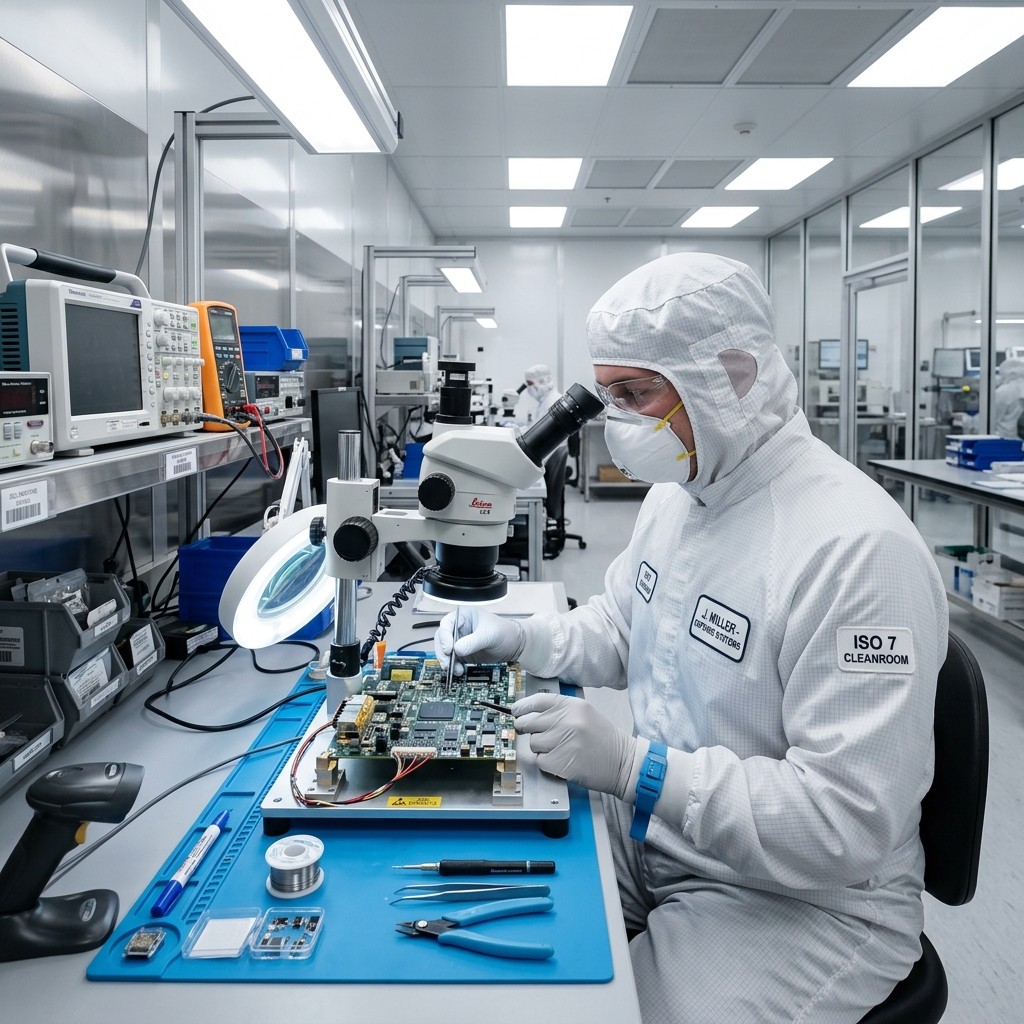
The forum, hosted by the Institute for Advanced Learning and Research, showcased Danville's Accelerated Training in Defense Manufacturing program as a model for solving the pipeline problem. Since its launch, ATDM has graduated more than 1,400 students across welding, CNC machining, metrology, and additive manufacturing tracks. Eighty percent of those graduates found jobs within two months of finishing the program.
Gaucher emphasized that national security hinges on this kind of workforce development, not just Congressional appropriations or engineering breakthroughs. The Columbia-class program alone represents a generational replacement for the Ohio-class boomers that form the sea-based leg of the nuclear triad. Missing delivery targets cascades into fleet readiness gaps measured in years, not quarters.
Danville is an interesting place for this forum. Historically, the city was a center for tobacco and textile manufacturing. When those factories closed in the late 20th century, many people lost their livelihoods. Now, the community is reinventing itself as a hub for advanced manufacturing. The ATDM program is key to this effort. The federal government is funding the school because they need to build a new generation of skilled workers. The training facility uses the exact same machines and tools that graduates will find in major defense shipyards.
The Columbia-class submarine is the largest and most complex submarine ever built by the U.S. Navy. These vessels carry intercontinental ballistic missiles and must remain stealthy at all times. Building them requires absolute precision. Even a tiny error in a weld or a machined part can compromise the submarine's safety. This is why the Navy is so focused on quality control. They cannot afford to rush production if it means cutting corners on safety. But they also must hit their delivery schedules to keep the fleet strong.
Why it matters for manufacturers
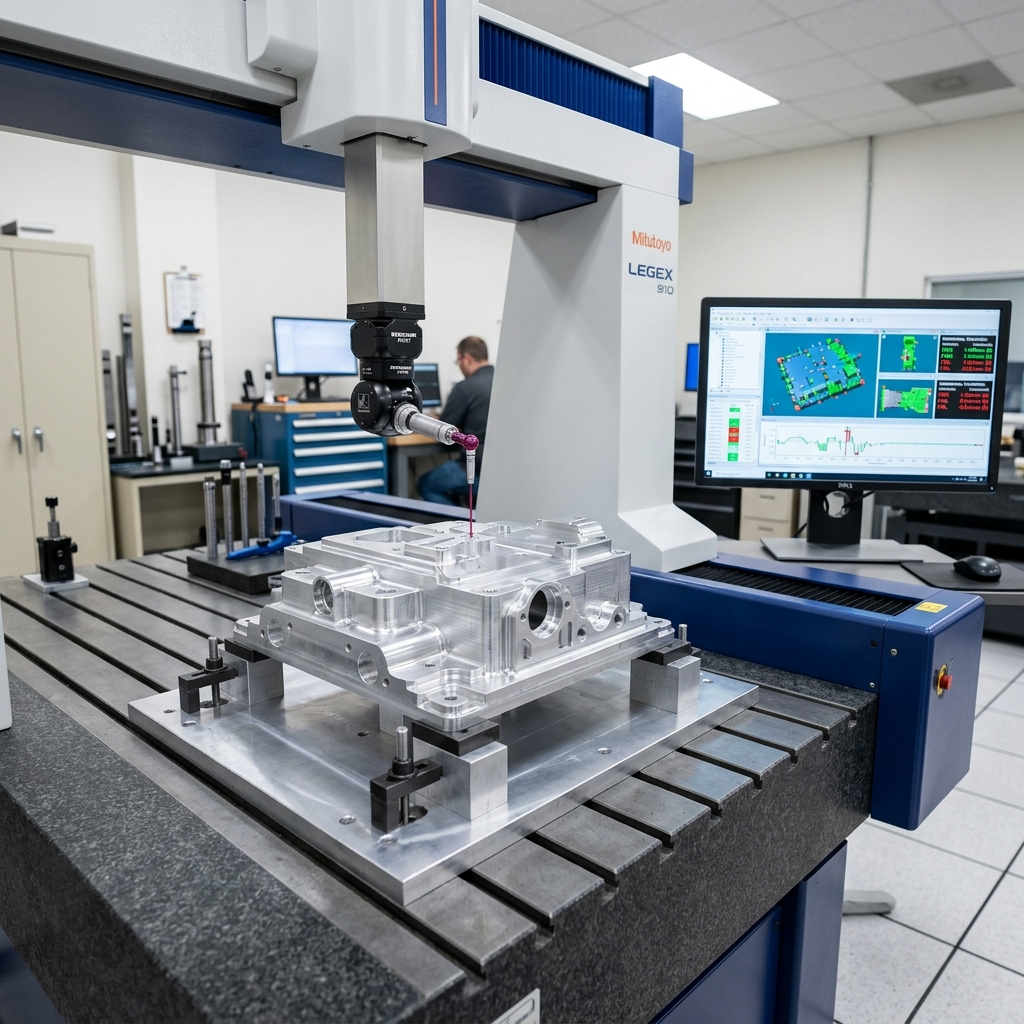
Illustration: RivCut
When a three-star admiral says the constraint isn't money or technology, procurement teams should listen. The submarine industrial base is a canary in the coal mine for the entire defense machining sector. Electric Boat and HII Newport News operate under strict ITAR controls, AS9100 certifications, and delivery schedules that don't bend for labor shortages. If they can't staff second shifts, they can't hit tonnage targets. If they can't hit tonnage targets, the Navy starts looking at smaller subcontractor pools with proven track records.
Danville's numbers matter because they prove accelerated training works when it's designed around real shop floor needs. Sixteen-week programs that culminate in actual part production — not classroom theory — produce employees who can read a GD&T callout and set up a fixture without three months of hand-holding. The 80% placement rate suggests employers trust the output enough to make hiring decisions quickly.
For precision manufacturers outside the prime contractor tier, this creates both opportunity and competition. Defense subcontract work flows toward shops that can demonstrate workforce stability and inspection capability. A machine shop that trains its own people or partners with a credible program like ATDM has a better story to tell than one relying on ad-hoc hiring. But the same labor pool feeding submarine work also feeds aerospace, medical device, and industrial equipment manufacturing. Danville's graduates aren't sitting around waiting for security clearances — they're taking the first decent offer.
The timeline pressure is real. Two years to ramp production while the broader manufacturing economy is still trying to replace the Baby Boomer retirements that started before COVID and never stopped. The Navy isn't going to lower its standards, and Congress isn't going to extend the schedule because General Dynamics couldn't fill a welding class. That means the supply chain has to solve this problem shop by shop, region by region.
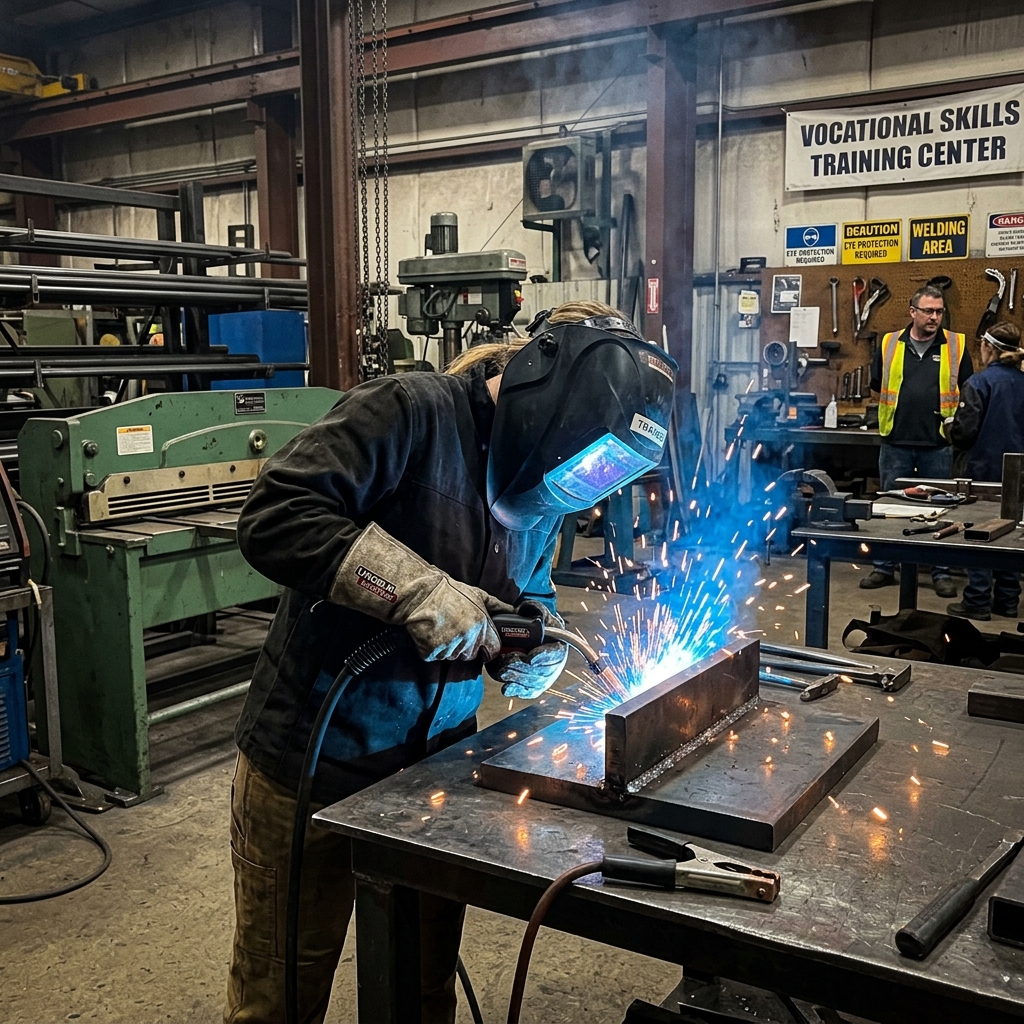
Welding for submarines is highly demanding. The welds must withstand extreme water pressure at deep depths. If a weld fails, it can result in a catastrophic accident. This is why every weld is inspected using non-destructive testing (NDT). This includes X-rays, ultrasound, and magnetic particle testing. Welders must undergo rigorous certification to work on these hulls. It takes months to train a welder to meet these standards. In machining, workers must cut tough alloys like HY-80 steel and Monel. These materials are very hard on tools, and cutting them requires special skills that are hard to find. RivCut specializes in this type of high-tolerance machining, and we know the challenges firsthand.
The competition for these workers is intense. Major defense primes are offering high starting salaries, signing bonuses, and relocation assistance. This makes it hard for smaller machine shops to retain their best employees. Sourcing managers must realize that if their suppliers lose their lead machinists, their project lead times will slide. To prevent this, shops must build strong internal apprenticeship programs. They must focus on creating a supportive workplace culture that keeps workers from leaving for slightly higher wages at a prime contractor.
What to watch next
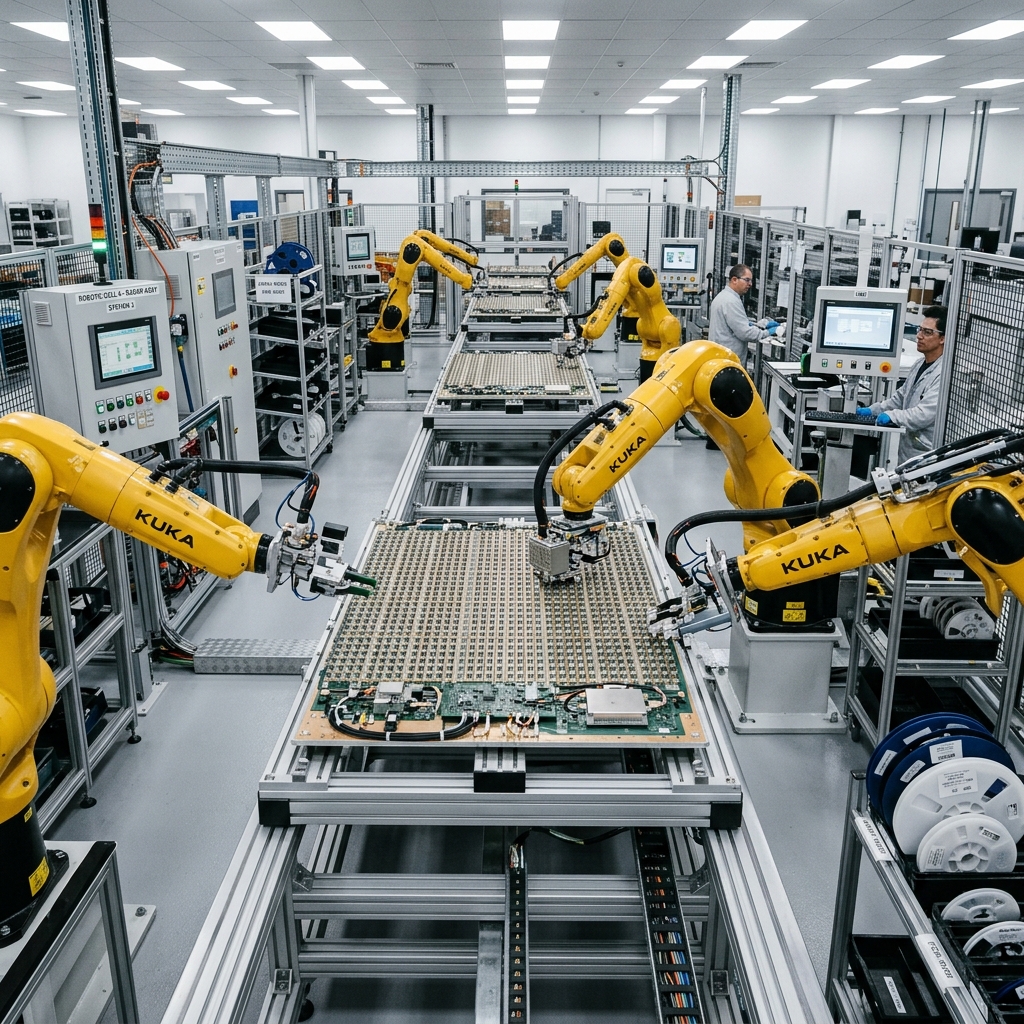
Illustration: RivCut
Look for more of these regional workforce forums to pop up near shipyards and Tier 1 defense suppliers. The Navy doesn't hold public meetings in secondary cities unless it's trying to expand the talent pipeline beyond the usual suspects. Expect similar events in Connecticut, Rhode Island, and potentially the Gulf Coast if the conversation shifts to surface combatants.
The real test comes in late 2027 when Columbia-class module production hits full tempo. If Electric Boat starts missing integration milestones, that's the signal that training programs didn't scale fast enough. Conversely, if Virginia-class delivery intervals start tightening, it proves the workforce model works and will likely get copied across other defense manufacturing sectors.
For manufacturers evaluating whether to pursue defense work, the workforce question now carries as much weight as the capability question. You can buy a five-axis mill, but you can't buy a qualified programmer in six weeks. Shops that invest in training infrastructure now — whether through partnerships with programs like ATDM or in-house apprenticeships — will have a structural advantage when the next round of long-cycle contracts opens up. Check defense manufacturing news for updates as these workforce initiatives either deliver or stall out.
We should watch for shifts in federal funding. The Department of Defense is spending millions to expand the ATDM program in Danville. They are building a larger campus that can train up to 2,000 students per year. If this project is completed on time, it will help ease the labor shortage in the mid-Atlantic region. But we also need to see if the Navy replicates this program in other regions, like New England or the Midwest. A national network of training hubs is necessary to meet the 2028 fleet goals.
Finally, monitor robotic welding and machining technologies. If the labor shortage continues, shipyards will have to rely more on automation. Robotic welding systems are improving. They can weld some parts of the submarine hull automatically, under the supervision of a technician. This would allow a single welder to oversee multiple machines. Watch if the Navy approves these automated processes for critical structural welds. If they do, it will reduce the number of human welders needed and change the skills required for future shipyard workers.
Frequently Asked Questions
Why did Navy leaders meet in Danville, Virginia?
Navy leaders met in Danville to address the critical shortage of skilled workers in the submarine industrial base. They visited the Accelerated Training in Defense Manufacturing (ATDM) program, which serves as a model for training welders, CNC machinists, and quality inspectors.
What is the Navy's submarine production goal?
The Navy's goal is to build one Columbia-class ballistic missile submarine and two Virginia-class attack submarines every year by 2028. This rate is necessary to replace aging submarines and maintain fleet readiness.
What makes the ATDM training program unique?
The ATDM program is unique because it offers intensive, 16-week courses focused on hands-on shop experience rather than classroom theory. This accelerated training allows graduates to start working immediately in high-demand defense manufacturing jobs.
How does the skilled labor shortage affect smaller machine shops?
The shortage means smaller shops must compete with large defense primes for the same pool of welders and machinists. However, it also creates opportunities, as primes are eager to outsource work to qualified subcontractors who can demonstrate workforce stability and high-quality standards.
The Navy's production bottleneck isn't funding or engineering — it's finding enough people who can actually make the parts.