What happened
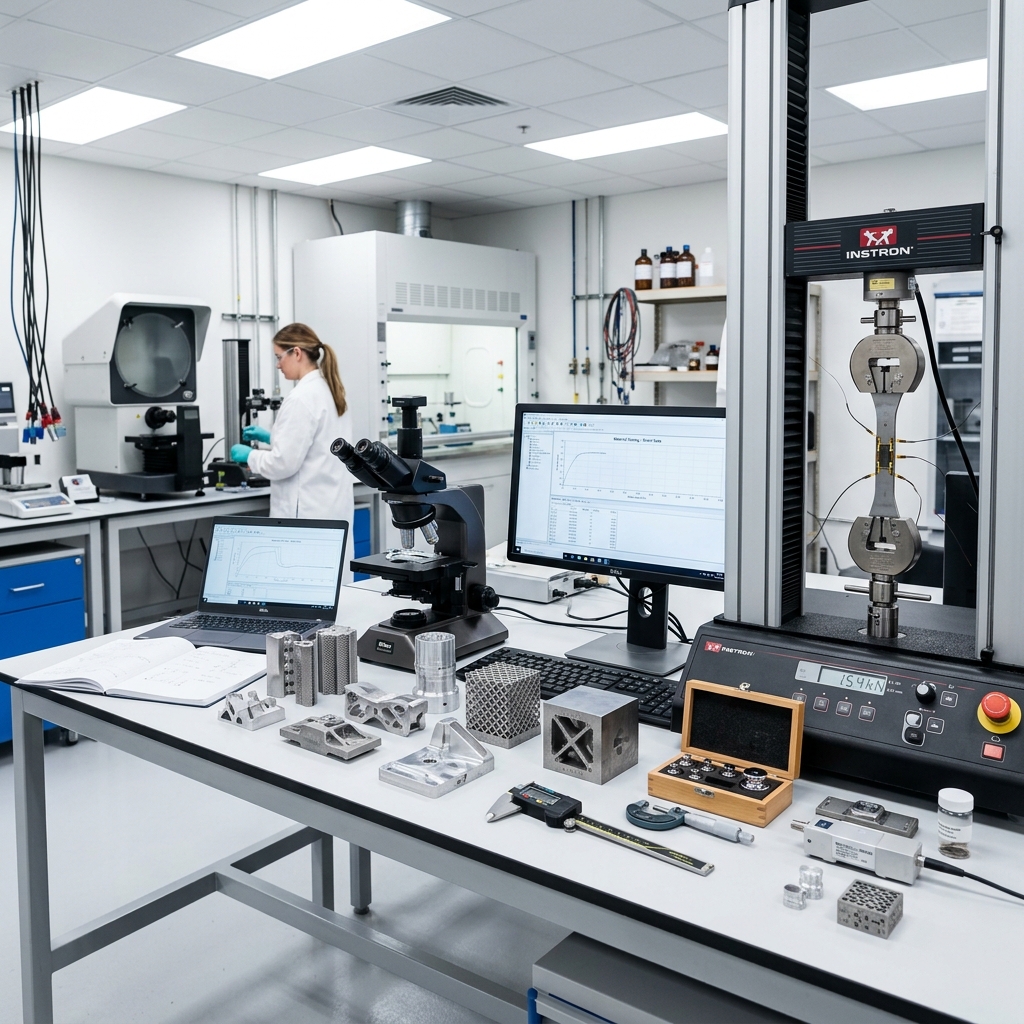
Illustration: RivCut
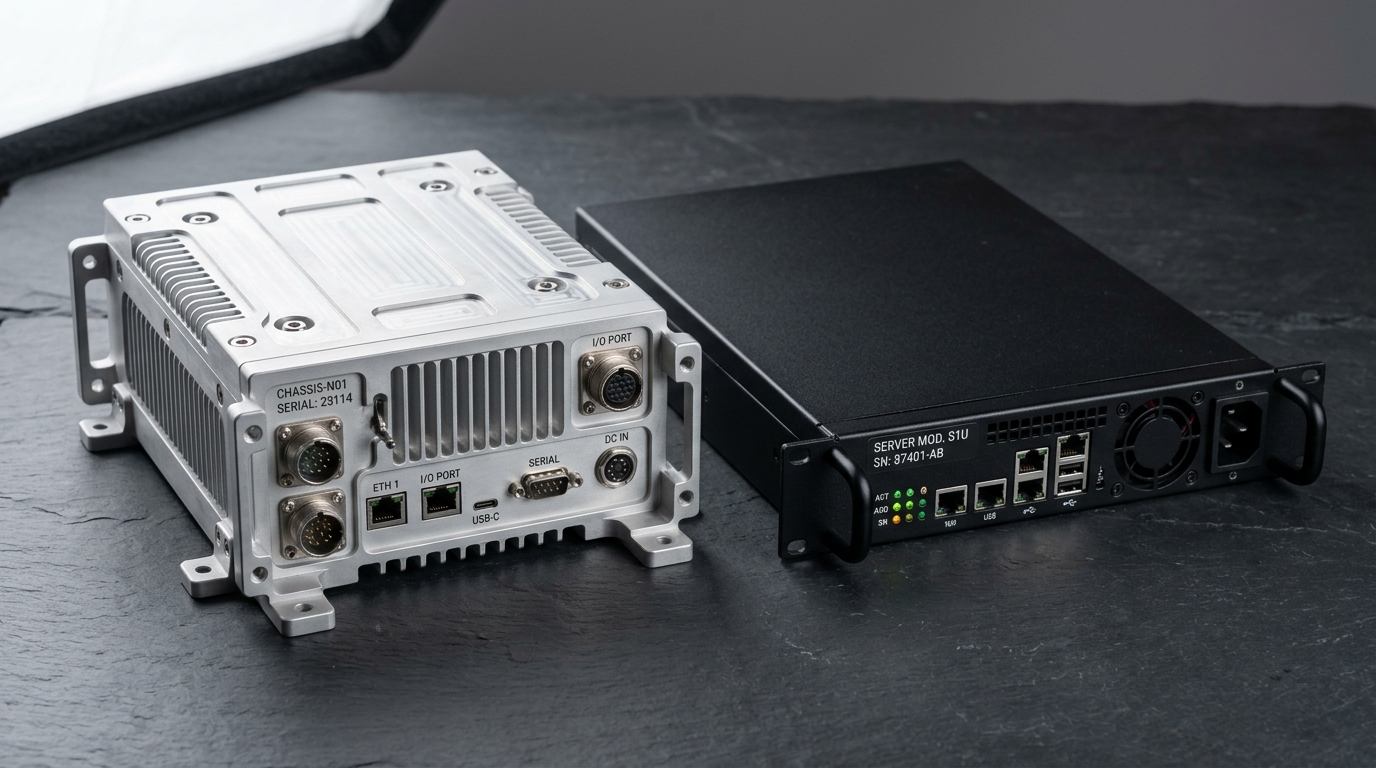
Exiger CEO Brandon Daniels spoke with Fox Business. He explained that new artificial intelligence (AI) software is changing how we look at supply chains. The software is finding foreign-made parts in U.S. defense equipment. Many of these parts come from China. Prime contractors and government agencies did not know these parts were there. This is because they were hidden deep in the supply chain. Hand audits take too long and miss these issues. AI tools scan millions of data points to find where every part is made.
Exiger is a company that helps audit supply networks. They work with both private defense contractors and federal agencies. The company uses AI to map supplier networks down to the fourth tier. In supply chains, Tier 1 is the main contractor. Tier 2 is the subcontractor. Tier 3 is the component maker. Tier 4 is very deep. It includes the companies that supply raw metals and small electronic parts. The AI maps the entire path of a product from the mine to the final assembly.
Daniels said that manual audits are too slow. Humans cannot track thousands of suppliers by hand. The AI software can do this in seconds. It looks at shipping records, customs data, and corporate files. It can find if a supplier is owned by a foreign company. It can also see if a U.S. distributor bought parts from China and relabeled them. In several cases, contractors found Chinese parts in weapons systems. The parts had been repackaged to look like they were made in the U.S. This is a major security concern for the military.
The U.S. government wants to stop this. The administration is pushing for complete domestic sourcing. This means all defense parts must be made in the U.S. The goal is to secure the supply chain for national safety. The Exiger CEO believes AI is the best tool to achieve this. It gives buyers the visibility they need to make sure their products are 100% American. Using foreign parts in weapons is risky. It could allow adversaries to disrupt supply chains or install spyware. AI software is the first step in finding and fixing these vulnerabilities.
The military has long struggled to track its supplies. Modern weapons are very complex. They contain thousands of chips, wires, and custom parts. A single fighter jet has suppliers in dozens of countries. Tracing every single screw and capacitor is nearly impossible without advanced technology. Many times, U.S. companies buy parts from local distributors thinking they are domestic. But those distributors bought them from foreign mills. AI brings these hidden connections to light, allowing the military to enforce its rules.
Sourcing parts from foreign adversaries is a major risk. If a conflict begins, these countries could cut off supply. This would leave the U.S. military without spare parts for its vehicles and weapons. Also, foreign factories could insert backdoors into electronic components. This could allow them to spy on U.S. forces or disable weapons remotely. By using AI to map the supply chain, the government can find these risks before they become problems. This helps keep the country safe.
Why it matters for manufacturers
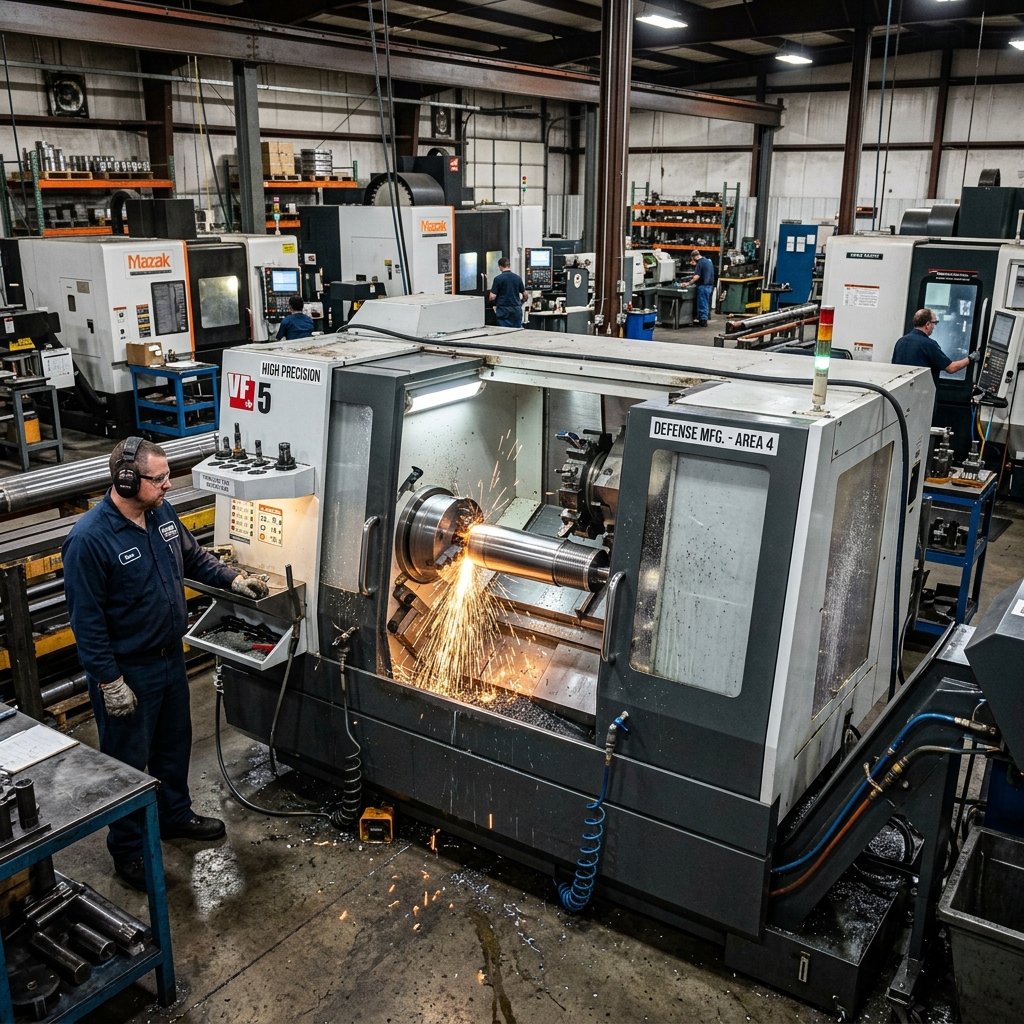
Illustration: RivCut
This is a big deal for U.S. manufacturing shops. Sourcing audits are going to get much tougher. In the past, shops only had to show where their direct suppliers were. Now, customers want to know where the raw materials came from. If you run a machine shop, you will have to prove the origin of your steel, aluminum, and electronics. Prime contractors are starting to ask for complete transparency. You must be ready to show the exact mill where your metal was melted.
The Defense Federal Acquisition Regulation Supplement (DFARS) sets the rules for defense contracts. It says that many critical metals must be melted in the U.S. or other approved countries. In the past, enforcement was weak. It was too hard for the government to check every part. With AI mapping, the government can check everything quickly. A distributor's note saying a part is domestic may not be enough anymore. Auditors will want to see the mill test reports and chemical analysis.
This change will increase compliance costs for small manufacturers. You will need to spend more time tracking paperwork. You may also need to buy domestic materials that cost more. If you fail an audit, you could lose your defense contracts. You could also face legal trouble. The risk of using cheap, unverified materials is now too high. Small machine shops must invest in document management systems to keep up with these rules.
Sourcing domestic metals is not always easy. Sometimes, U.S. mills do not produce the specific alloy you need. In other cases, the lead times for domestic metal are very long. This can delay your production schedule. However, using foreign metal without permission is a serious violation. You must work closely with your customers to find approved sources. If a domestic source is not available, you must request a waiver from the government. Getting a waiver is a slow process, so plan ahead.
However, this is also a great opportunity for domestic shops. Many large contractors will want to simplify their supply chains. They will want to buy from local shops they can trust. If your shop uses only U.S.-sourced materials, you should advertise that. It will make you a very attractive partner for prime contractors. You can win more bids by showing that your supply chain is clean and secure. Local shops can offer faster delivery and easier communication than foreign suppliers.
Quality control will become a major selling point. Shops that invest in CMM inspection and full traceability will have an advantage. You should keep detailed records of every job. This includes material certificates, heat treat records, and inspection reports. Having these documents ready will save you time during audits. It will also build trust with your customers. In defense manufacturing, quality and documentation are just as important as the physical part.
Tracing materials is also important for liability. If a part fails in the field, the military will investigate. They will want to see the manufacturing records for that specific part. If you cannot prove where the material came from, you could be held responsible for the failure. Keeping detailed records protects your business. It proves that you followed all specifications and used the correct materials. Traceability is a shield against legal and financial risk.
What to watch next

Illustration: RivCut
We need to watch how the Pentagon uses these new AI tools. If the government starts requiring supply chain mapping for all bids, it will change the industry. Small shops may need to use new software to show their supply chains. This could be expensive. Trade groups are asking the government to help small businesses with these costs. We must also watch if the government relaxes some rules to help suppliers adapt.
Look for updates from the Defense Contract Management Agency (DCMA). They will likely issue new audit guidelines soon. These guidelines will tell manufacturers what documents they need to keep. It is best to start preparing now. Do not wait for an auditor to ask for files you do not have. Review your current processes and make sure your team understands the importance of material traceability. Small changes now can save you from big headaches later.
Another factor is the capacity of U.S. material suppliers. If every defense contractor switches to domestic metals, demand will spike. This could lead to shortages and higher prices. U.S. steel and aluminum mills may need to expand their operations. This will take time and money. Sourcing domestic electronics will also be a challenge. The U.S. is trying to build more chip factories, but they are not ready yet. We must watch how the supply chain reacts to this new demand.
Finally, keep an eye on how these rules affect costs. Sourcing everything domestically is expensive. Defense budgets will need to increase to cover these higher costs. If the government does not pay more, contractors will struggle. There will be a debate between national security goals and budget limits. Machine shops will need to navigate this changing landscape carefully. You must balance the need for compliance with the need to remain profitable.
Technology will continue to play a key role. AI is not just for auditing. Manufacturers can use AI to optimize their own operations. For example, AI can help you schedule maintenance, predict tool wear, and improve quality control. Using technology can help you offset some of the compliance costs. Shops that embrace digital tools will be more competitive. The future of manufacturing is digital, and those who adapt will thrive.
Collaborative partnerships will also be crucial. Small shops should build strong relationships with domestic material distributors. By working together, you can secure better pricing and lead times. You should also collaborate with other local machine shops. Sometimes, sharing resources or outsourcing specialized tasks can help you meet customer demands. Building a strong local manufacturing ecosystem makes everyone stronger and more resilient.
Frequently Asked Questions
How does supply chain mapping software find hidden foreign parts in defense contracts?
The software scans import data, ownership records, and shipping documents. It tracks parts past the main contractors down to the raw material mills. This shows the true origin of all materials.
Why are domestic defense sourcing audits becoming more strict?
The government wants to reduce reliance on foreign nations for defense materials. AI software makes it easy to audit supply chains, so the government is enforcing existing rules much more strictly.
What should small machine shops do to prepare for these supply chain audits?
Small shops should collect and organize all material test reports and certificates of origin. They must make sure their subcontractors are fully compliant and documented.
Can reshoring defense manufacturing happen quickly?
No, reshoring takes time. Building new factories and tooling for specialized defense alloys or microchips takes years. This is why planning early is crucial.
If your defense customers suddenly need domestic sourcing proof, lead times will stretch while suppliers scramble to comply.