What happened
Illustration: RivCut
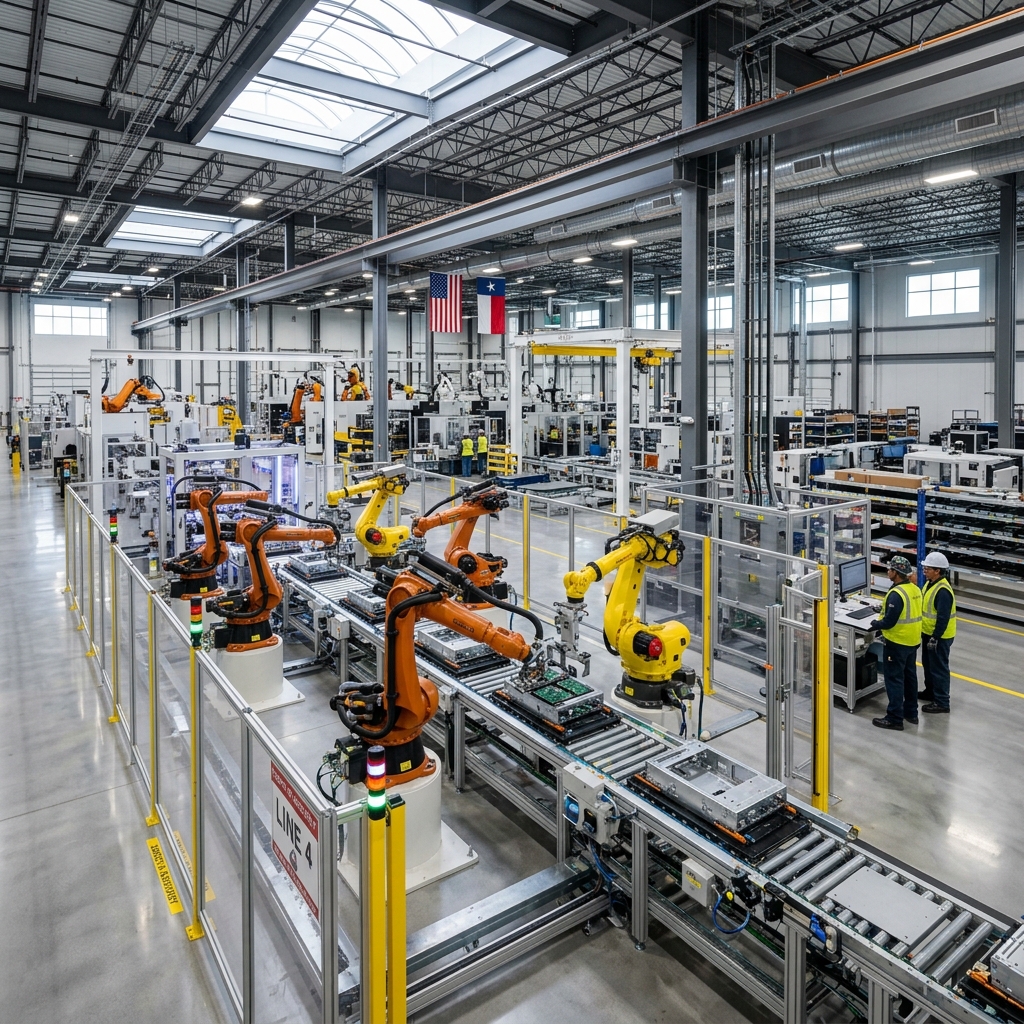
U.S. food and beverage packaging plants are accelerating their transition to automated packaging lines. This move is aimed at addressing a chronic, long-term shortage of production line workers. According to a recent report by Food Engineering Magazine, capital expenditures on packaging robotics have grown 18% year-over-year. The primary focus of this investment is on vision-guided pick-and-place systems and automated cartoning lines. These systems are being installed in factories across the country to keep production moving, even when human labor is unavailable.
The transition is driven by the inability of plants to staff their second and third shifts, particularly in high-volume regions of the Midwest and South. Many factories are located in rural areas where the local population is small and finding workers is difficult. By deploying high-speed robotic arms running advanced vision software, packaging facilities can maintain constant throughput. This technology allows them to operate 24 hours a day without interruption. It also reduces product damage and improves cleanliness compliance compared to manual packaging operations.
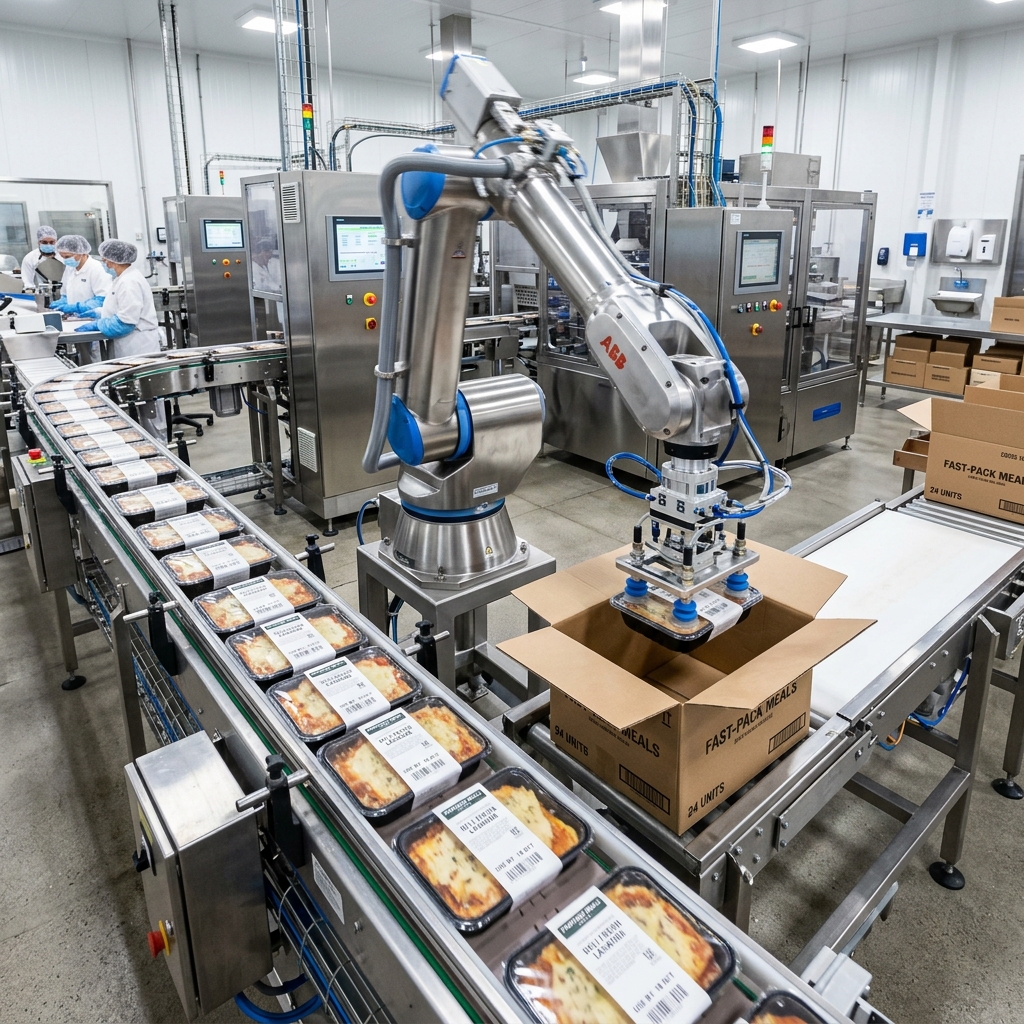
Automating a food packaging line is a complex task. Unlike industrial parts, food products are often delicate, soft, and irregular in shape. A machine must be able to handle items like fresh baked goods, soft fruits, or raw meats without crushing or bruising them. To solve this, developers are using collaborative robots (cobots) equipped with advanced sensors and soft grippers. These grippers use flexible materials or vacuum suction to gently lift and move items, simulating the touch of a human hand. This allows factories to automate even the most sensitive packaging tasks.
To support this transition, food brands are redesigning their packaging to be more machine-friendly. They are using standardized box sizes and tray designs that are easier for robotic arms to grab and pack. This standardization helps reduce errors and speeds up the packaging process. It also lowers the cost of the automated equipment, as standard grippers can be used instead of custom-designed tools. U.S. packaging machinery builders are seeing a huge increase in orders for these integrated robotic systems, driving growth in the domestic industrial base.
Why it matters for manufacturers

Illustration: RivCut
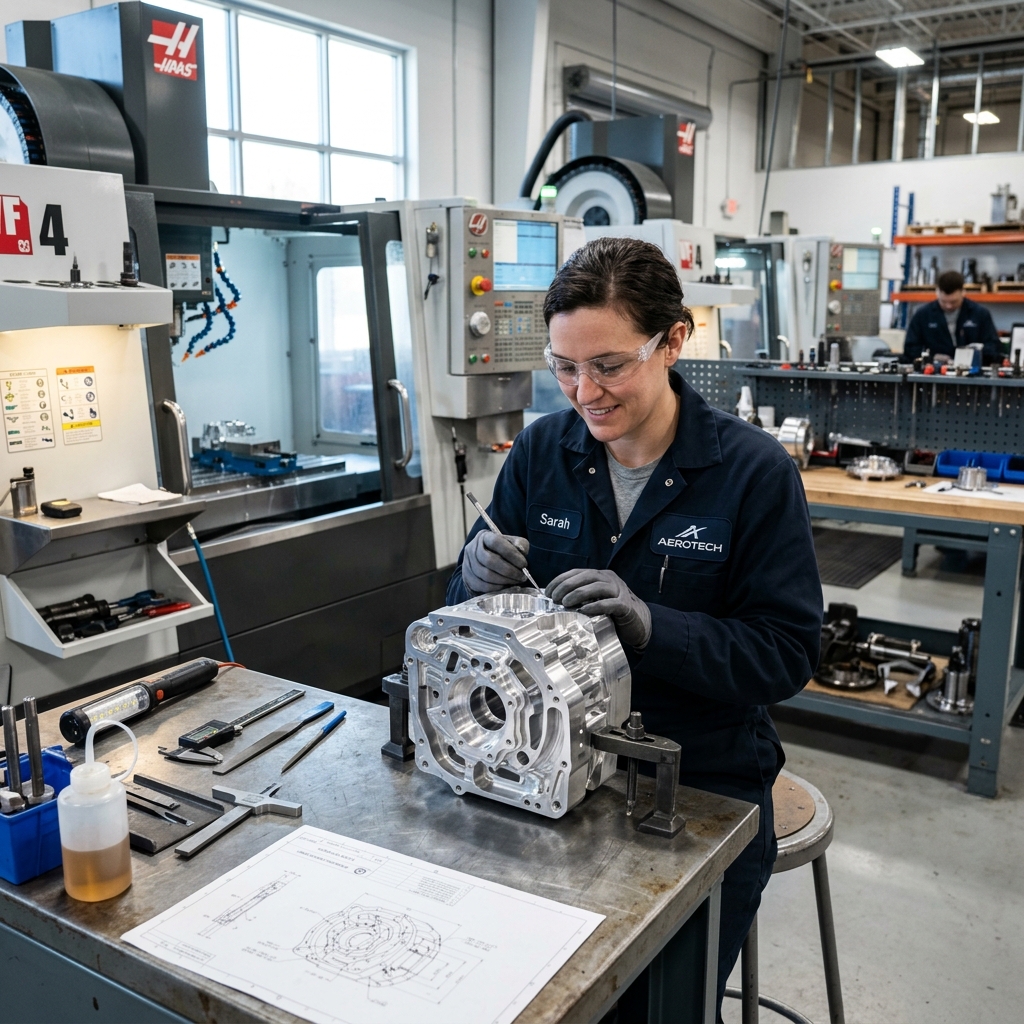
For manufacturers of packaging machinery, this investment surge translates into a high demand for custom mechanical subcomponents. Robotic arms require lightweight, highly durable end-effectors, vacuum pick-up heads, and mounting brackets. These parts must often be machined from FDA-compliant materials, such as 304 or 316 stainless steel and food-grade plastics like Delrin or PEEK. Food safety regulations require that all materials in direct contact with food must be non-toxic, non-absorbent, and easy to clean. This means that parts must have very smooth surface finishes to prevent bacteria from growing in microscopic crevices.
To support this demand, machinery builders need a reliable CNC machining partner that can quickly fabricate custom parts and hold tight tolerances. They also need a shop that can deliver smooth surface finishes that resist bacterial growth and stand up to daily washdown cycles. In food plants, machines are sprayed daily with harsh cleaning chemicals and high-pressure hot water. If the metal parts are not corrosion-resistant or the finishes are poor, the equipment will degrade quickly, leading to contamination risks and expensive downtime.
Additionally, working with a domestic CNC machine shop allows packaging machinery builders to get parts much faster. When developing custom automation systems, engineers often need to test and modify prototype parts multiple times. Waiting weeks for prototype parts to arrive from overseas can delay the entire project. Sourcing locally allows engineers to receive parts in days, enabling them to test, refine, and deliver the final automation system to the food plant on schedule. This speed-to-market is a major competitive advantage.
Furthermore, domestic sourcing ensures compliance with strict local regulations. U.S. food plants are subject to regular inspections by the FDA and USDA, which require detailed documentation for all equipment. A domestic machine shop can provide complete material certificates and inspection reports that prove compliance with food-safety standards. This documentation is vital for passing audits and avoiding costly fines or shut-downs. For packaging brands, the reliability of domestic sourcing is well worth the investment.
What to watch next
Illustration: RivCut
Moving forward, monitor the development of collaborative robots (cobots) designed to work alongside humans in smaller packaging facilities. Unlike traditional industrial robots, which must be kept behind safety cages, cobots are equipped with force-limiting sensors. These sensors detect if the robot touches a human worker and immediately stop the machine, preventing injury. Cobots are easier to program and can be moved around the shop floor, making them highly flexible and cost-effective for smaller food brands that cannot afford fully automated lines.
We should also watch for advancements in soft-robotic gripper designs. These grippers allow robots to handle delicate, irregularly shaped food items without damage, opening up new automation possibilities. As these technologies mature, we will see robots handling tasks that were once considered impossible to automate, such as picking individual fruits or packing delicate pastries. This will drive further investments in packaging automation and increase the demand for precision-machined end-effectors and brackets.
Finally, watch the impact of labor market trends on automation adoption. If wages for line workers continue to rise, the financial payback period for packaging robotics will shrink, making automated systems even more attractive. At the same time, technical training programs will need to expand to supply the technicians needed to maintain and program these robotic lines. Machine shops that specialize in fabricating components for the robotics industry will see steady growth, supporting the ongoing modernization of U.S. food production.
Additionally, automated systems help food processors meet strict hygiene standards. Robotic systems made of food-grade materials like Delrin or stainless steel can withstand harsh clean-in-place (CIP) washdowns without degrading. This reduces the risk of bacterial contamination and ensures compliance with FDA safety rules. By automating the packaging step, manufacturers reduce human contact with open food products, keeping consumers safe and improving product shelf life. This focus on sanitation will drive further engineering innovations in food-grade automation components.
Frequently Asked Questions
Why are food packaging plants investing in robotics?
Plants are investing in robotics to address chronic labor shortages, especially for second and third shifts. Automation helps maintain constant throughput and improves cleanliness.
What materials are used for robotic parts in food packaging?
Parts must be machined from FDA-compliant materials, such as 304 and 316 stainless steel, and food-grade plastics like Delrin and PEEK.
How do robotic lines handle delicate food items?
Automated lines use collaborative robots equipped with soft grippers and vision systems. These tools gently lift and package items without crushing or bruising them.
What are the sanitization requirements for food-grade machinery?
Equipment must withstand daily washdowns with hot water and harsh chemicals. Metal parts must be corrosion-resistant and have very smooth surface finishes.
Automation is no longer about replacing human workers; it is about keeping production lines running when those roles cannot be filled.