What happened
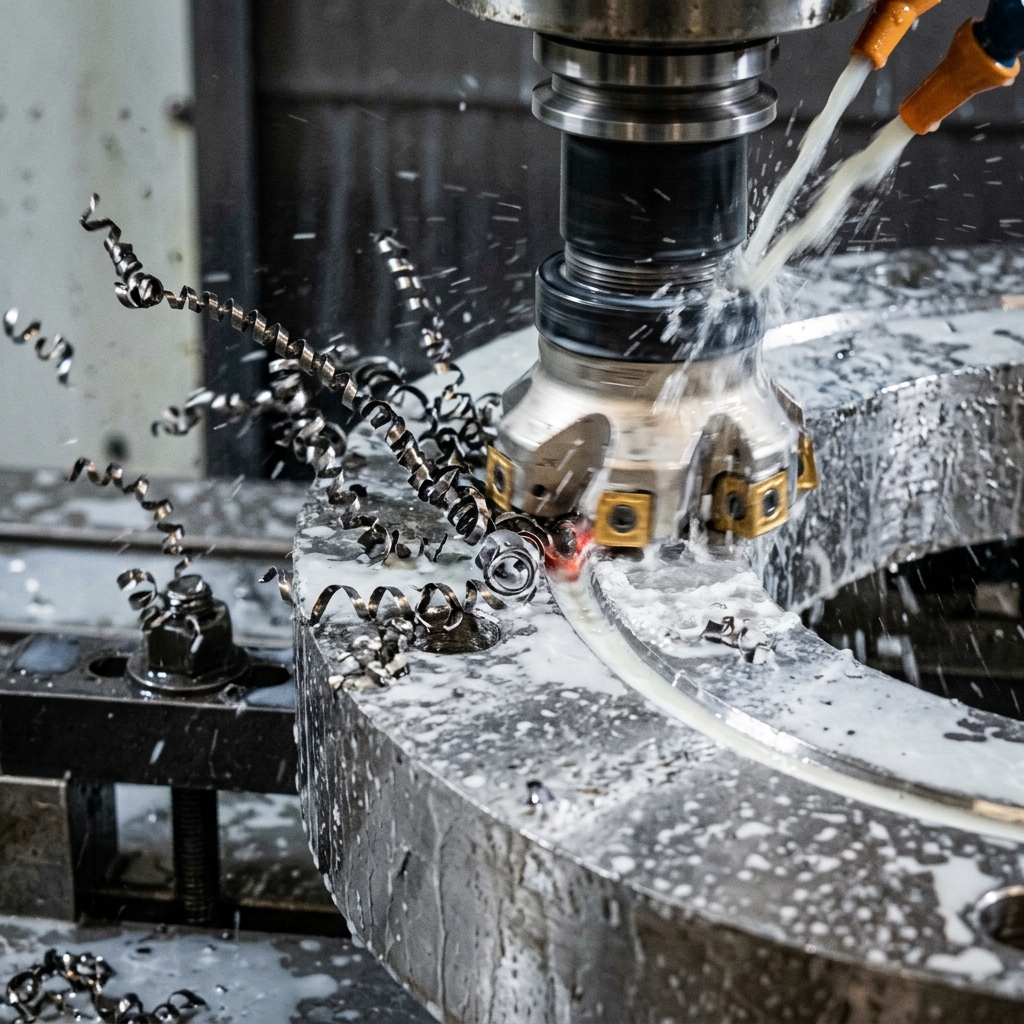
Illustration: RivCut
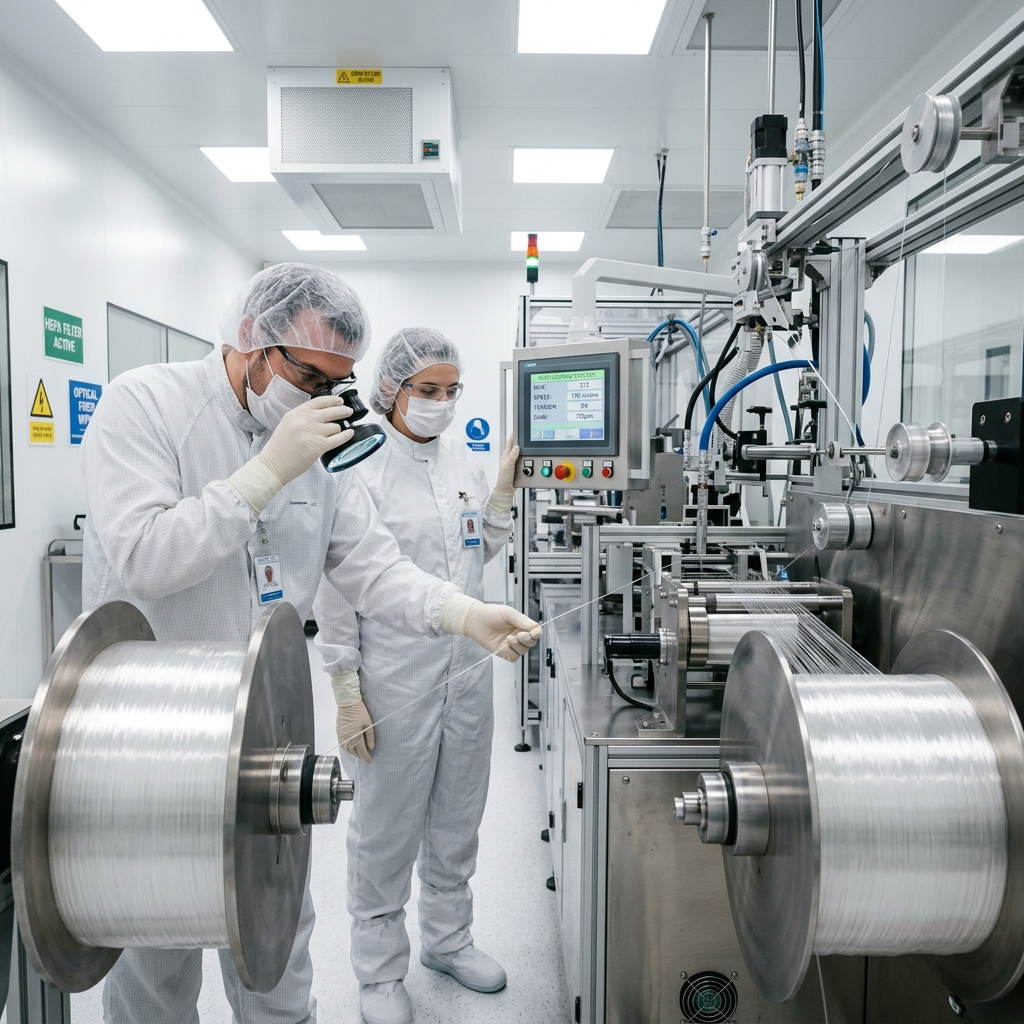
Advanced fission developer Oklo Inc. closed its acquisition of ARMEC, a Tennessee precision machining firm that specializes in nuclear-grade components, according to reporting published June 8 in the Las Vegas Sun. The deal gives Oklo direct ownership of 5-axis CNC machining capacity, ASME Section III certified manufacturing infrastructure, and a workforce trained in the tight-tolerance fabrication required for its Aurora small modular reactor design.
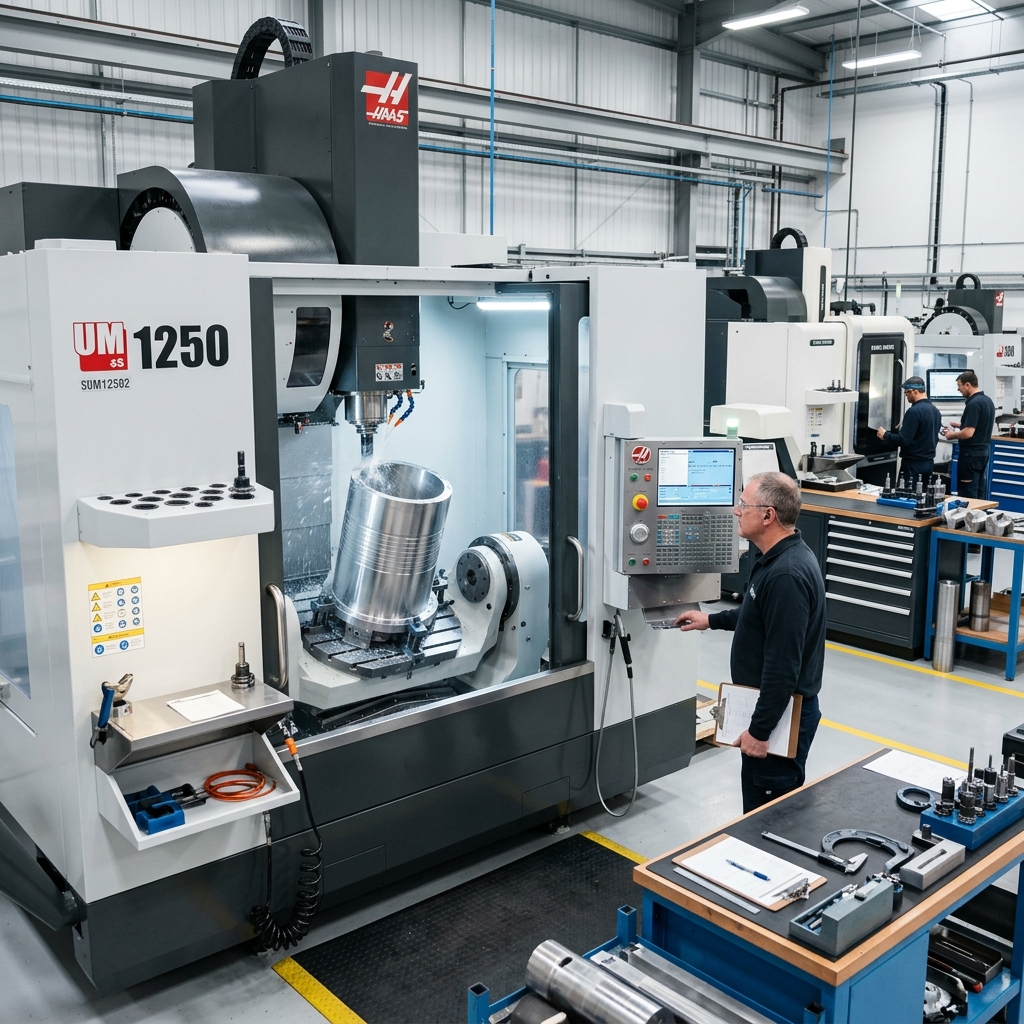
ARMEC operates a 62,000-square-foot facility in Oak Ridge, Tennessee, with approximately 85 employees. The shop has held nuclear quality certifications since 2011 and has supplied components to Oak Ridge National Laboratory, Tennessee Valley Authority, and commercial nuclear services firms. Its equipment inventory includes horizontal machining centers capable of handling workpieces up to 8,000 pounds, multi-axis turning equipment for complex geometries, and coordinate measuring machines for sub-thousandth inspection protocols.
Oklo has not disclosed the purchase price. The company raised $306 million in a May 2024 SPAC merger and went public on the New York Stock Exchange under ticker OKLO. Financial filings through Q1 2026 show the firm burning approximately $28 million per quarter on engineering development and regulatory preparation, with no revenue from power sales yet recorded. The ARMEC acquisition represents the first major capital deployment toward owned production infrastructure.
The deal was structured as an all-cash asset purchase. ARMEC's existing management team will continue operating the facility under Oklo's organizational umbrella. Oklo CEO Jacob DeWitte stated in a company release that the transaction secures fabrication bandwidth that would otherwise require competing for slots at shops serving the broader nuclear industry, where lead times for complex stainless steel and nickel-alloy machining now stretch 18 to 24 months.
Oklo's Aurora reactor design uses liquid metal cooling and operates at higher temperatures than conventional light water reactors. The core components require machining from materials including Inconel 718, 316 stainless steel, and other high-nickel alloys capable of withstanding neutron flux and thermal cycling. Tolerances on pressure boundary components fall in the range of plus or minus 0.005 inches on critical dimensions, with surface finish requirements down to 32 microinches Ra on seal surfaces.
The company plans to build its first commercial Aurora unit at Idaho National Laboratory, pending final Nuclear Regulatory Commission approval. That reactor will generate approximately 15 megawatts of electric power in a footprint roughly the size of a residential garage. Oklo has signed power purchase agreements with data center operators and industrial customers totaling more than 1,350 megawatts of future capacity, assuming serial production ramps as planned through the early 2030s.
Why it matters for manufacturers
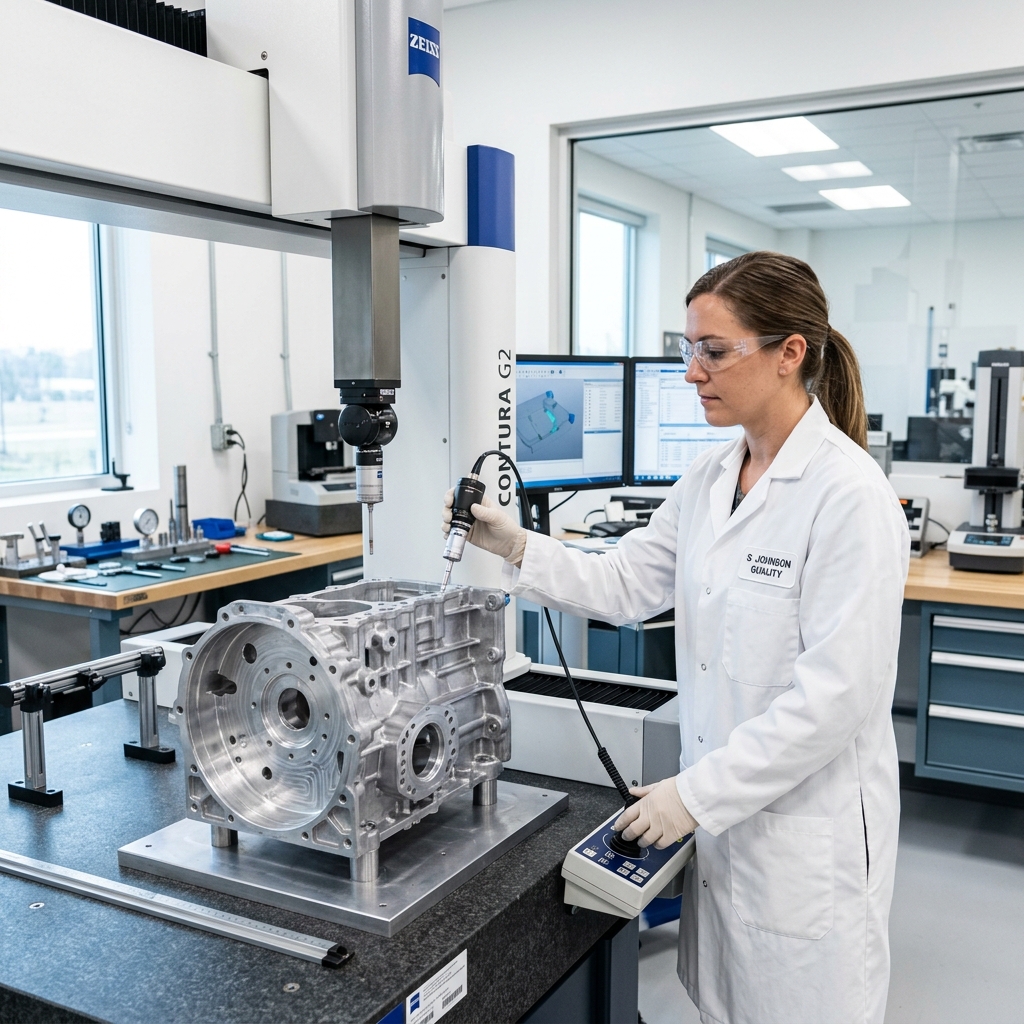
Illustration: RivCut
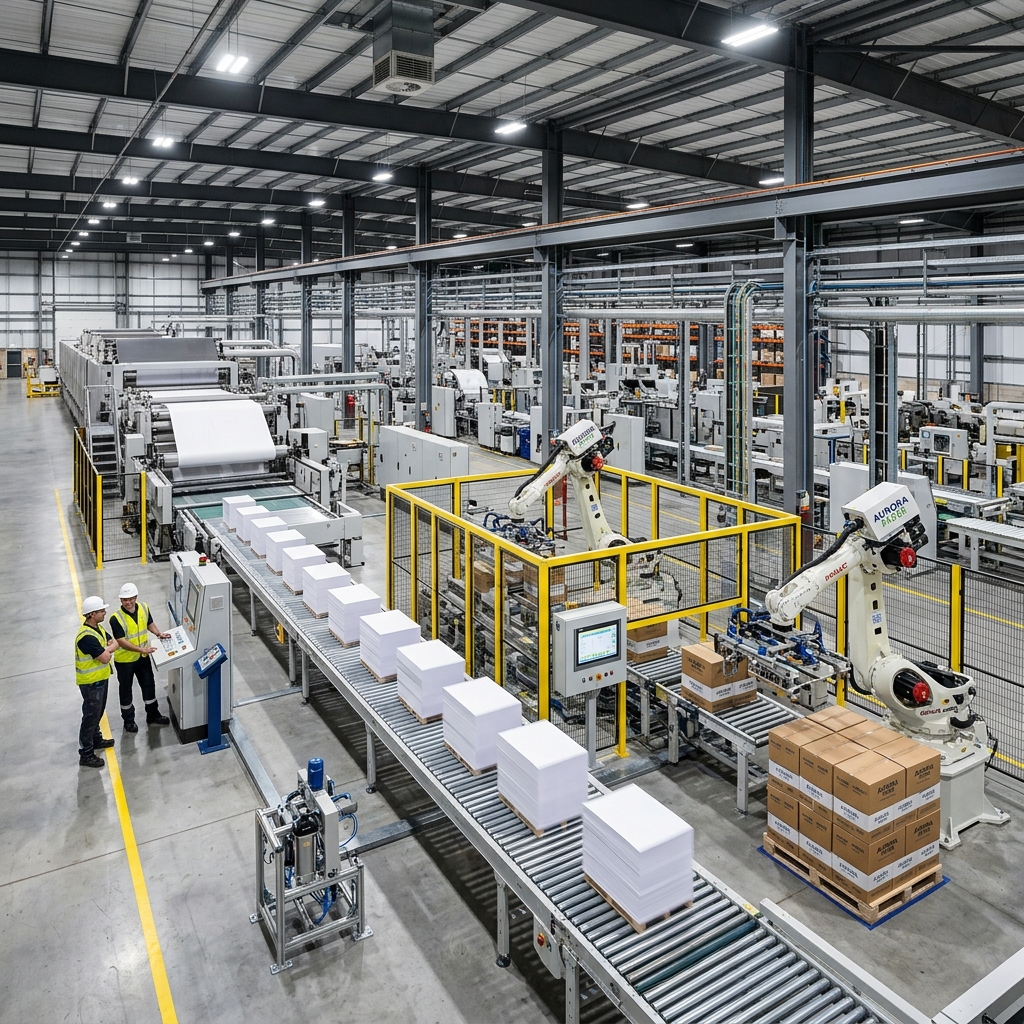
This acquisition reflects a broader pattern among hardware startups: when specialized manufacturing capacity becomes the bottleneck, the fastest solution is ownership. Oklo is not buying ARMEC to diversify revenue or enter the job shop business. They are buying it because waiting 18 months for reactor vessel components from a third party does not align with their deployment timeline or investor expectations. Vertical integration solves a procurement problem that money alone cannot fix.
Nuclear-grade machining sits at the intersection of material science, quality systems, and regulatory documentation that few shops can navigate. ASME Section III certification requires establishing procedures for everything from raw material traceability to weld procedure qualification to non-destructive testing protocols. Shops need trained inspectors, calibrated measurement equipment, and the institutional knowledge to generate the paperwork that satisfies NRC oversight. Building that capability from scratch takes years. Buying it takes months.
The broader supply chain context makes this move logical. Shops with nuclear credentials are already serving the existing fleet of 94 U.S. commercial reactors, which collectively need ongoing refueling, maintenance parts, and component replacements. Add in the Department of Defense's push for microreactors, plus new large-scale reactor construction projects at Vogtle and potentially other sites, and the available machining bandwidth gets allocated fast. Oklo would be competing with TVA, Exelon, Southern Company, and defense contractors for the same machining hours. Owning the shop means they move to the front of the line.
From a business structure standpoint, this mirrors what SpaceX did with Hawthorne, what Relativity Space attempted with additive manufacturing, and what Tesla periodically tries with cell production and casting. When the external supply base cannot deliver at the speed or volume your growth model requires, make it an internal function. The tradeoff is obvious: capital intensity increases, management complexity increases, and you are now running a manufacturing operation that is not your core product. But if that operation is the gating factor on delivering your core product, the tradeoff pencils out.
For machine shops considering where to invest in certifications and capabilities, this deal underscores the value of nuclear quality credentials. ARMEC was not a giant facility. Eighty-five employees and 62,000 square feet is mid-sized for precision work. But the combination of location (Oak Ridge has nuclear engineering talent density), certifications (ASME Section III is non-trivial), and equipment suited to large, complex parts made them an acquisition target. Shops with 5-axis CNC milling and robust CMM inspection and QA systems in regulated industries are strategic assets, not commodity suppliers.
This also signals how startups with long-duration hardware products think about risk. A software company can pivot in weeks. A nuclear reactor company cannot. Once you commit to a materials stack, a design architecture, and a regulatory pathway, you are locked in for years. Ensuring your supply chain can execute becomes existential. Oklo is spending capital now to eliminate schedule risk later. That calculus makes sense when your customers are signing 20-year power purchase agreements and your investors are underwriting a business that does not generate revenue until physical reactors operate.
The Tennessee location is not accidental. Oak Ridge has been a nuclear manufacturing and research hub since the Manhattan Project. The talent base understands radiation safety, metallurgy, and the documentation burden that comes with nuclear work. Local suppliers know how to handle controlled materials. Regulatory inspectors are familiar with the site. Geography matters when you are building something that cannot be debugged in software.
What to watch next
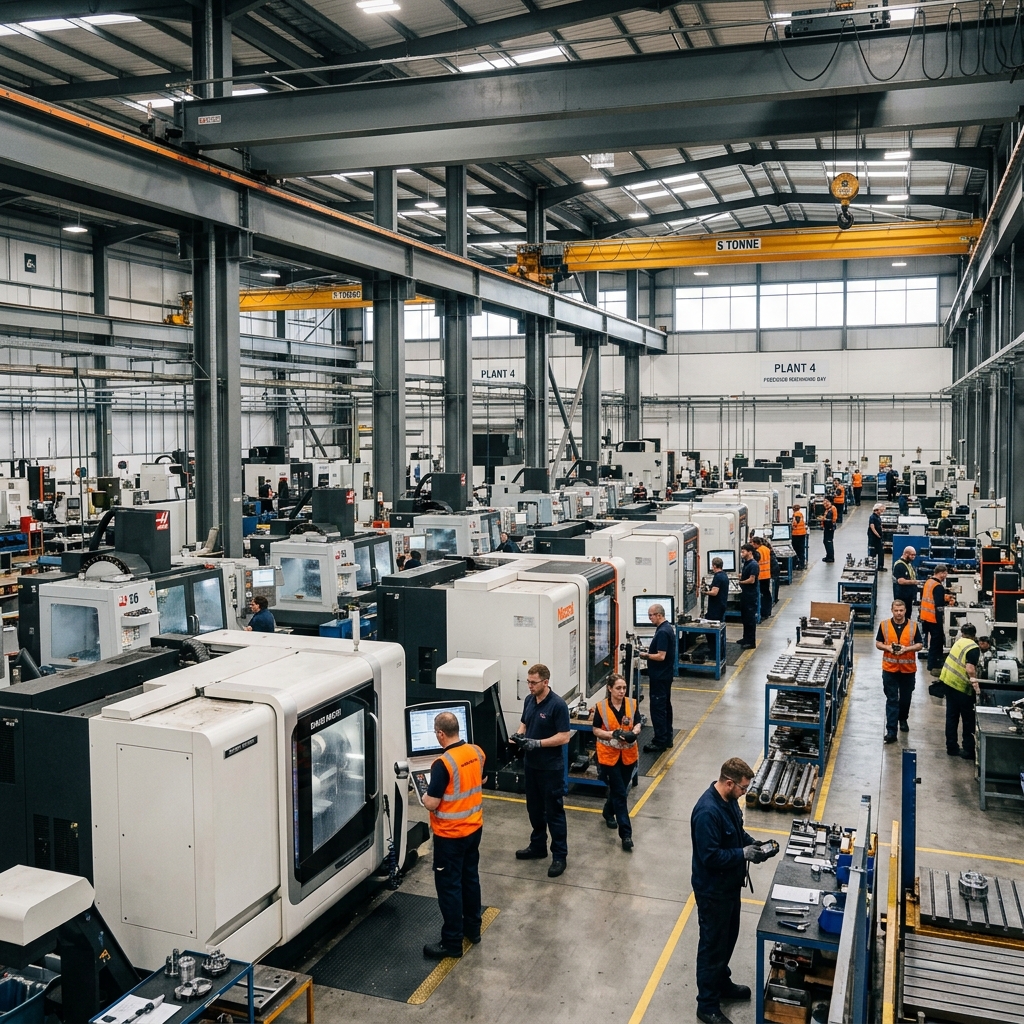
Illustration: RivCut
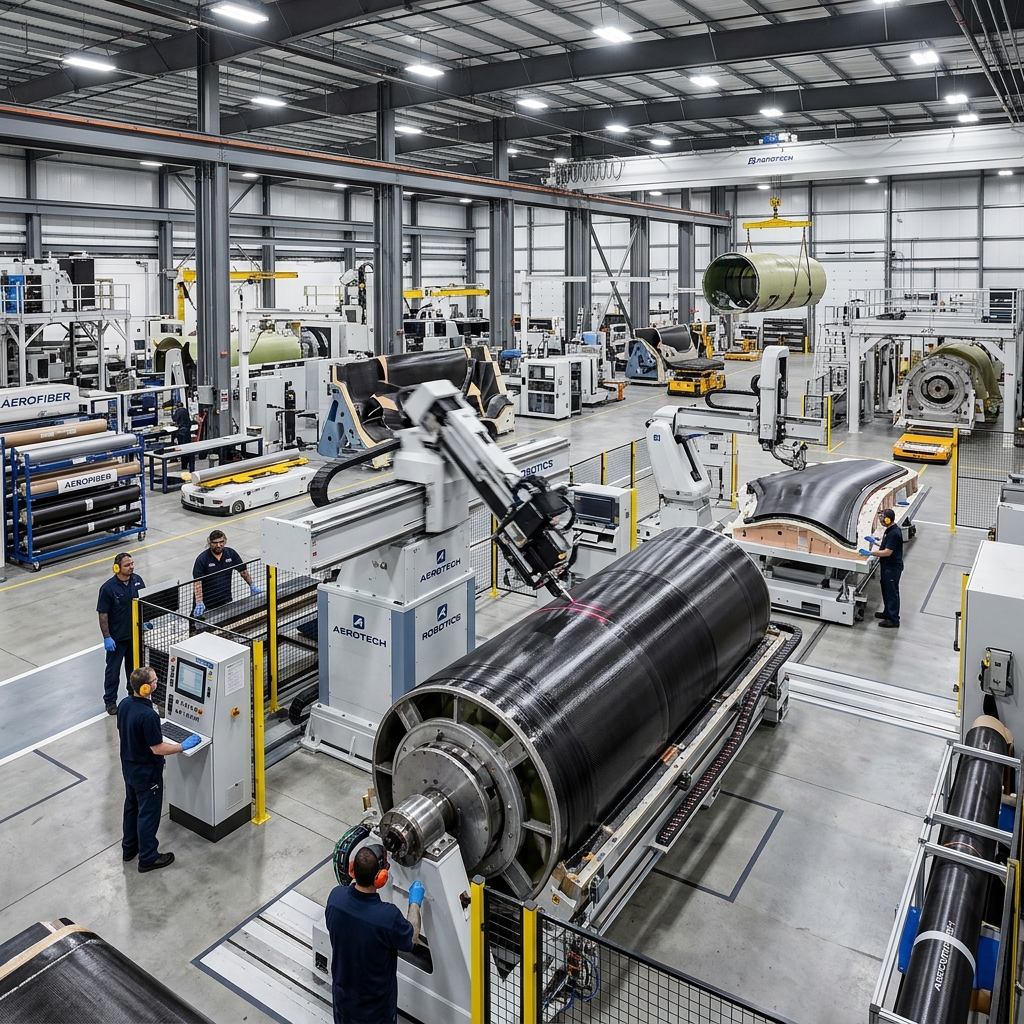
The immediate question is whether Oklo expands ARMEC's footprint or keeps it at current capacity. If they add equipment and hiring to support serial production of multiple Aurora units per year, that indicates confidence in near-term commercial deployment. If they run it as-is and use it primarily for prototype and first-article production, that suggests a more cautious scaling timeline.
Longer term, watch whether other advanced reactor developers follow this path. TerraPower, X-energy, NuScale, and Kairos Power all have designs that require specialized fabrication. If they start acquiring machine shops or forming joint ventures with manufacturing firms, it confirms that nuclear supply chain capacity is genuinely constrained and vertical integration is the practical response. If they continue outsourcing, it suggests either more capacity exists than publicly known or their timelines are longer than Oklo's.
The regulatory angle also matters. NRC licensing for advanced reactors remains a multi-year process with uncertain timelines. Oklo withdrew and resubmitted its license application in 2022 after initial feedback. If the NRC establishes clearer, faster approval pathways for small modular reactors, owning manufacturing capacity becomes more valuable because the path from approval to deployment shortens. If regulatory timelines stay long and unpredictable, the capital tied up in owned manufacturing could become a drag.
For the broader reshoring conversation, this deal is data point in favor of the idea that critical supply chain functions are moving back under direct control of the companies that depend on them. That is not pure reshoring in the traditional sense, since ARMEC was already U.S.-based. But it is re-locating capacity closer to the decision-makers and eliminating dependence on third-party scheduling and prioritization. Whether you call that vertical integration, supply chain localization, or just smart risk management, the effect is the same: more manufacturing happening inside companies that previously outsourced it.
The wildcard is how Oklo manages the shop once deployment begins. Running a precision manufacturing operation requires a different management skill set than developing reactor technology. SpaceX succeeded at this because they hired experienced production leaders and gave them authority. Other startups have struggled when engineering culture clashes with manufacturing discipline. ARMEC has been operating successfully for years, so the infrastructure is proven. The question is whether Oklo optimizes it for throughput and cost as volumes increase, or whether it becomes a bottleneck under new ownership.
Finally, this sets a precedent for how much hardware startups are willing to spend to control their supply chains. If the ARMEC deal proves successful, expect more acquisitions of specialized manufacturers by companies in aerospace, defense, energy, and other capital-intensive sectors where lead times and certifications create moats. The era of asset-light hardware development may be ending. When speed matters and the supply base cannot keep up, owning the machines beats waiting in line.
For more on how manufacturing capacity and supply chain decisions are reshaping American industry, visit our reshoring news coverage.
Frequently Asked Questions
Why did Oklo acquire Armec Precision Machining?
Answer: Oklo acquired Armec to secure its supply chain for critical, high-precision metal parts needed to build its advanced fast fission clean energy reactors.
What precision levels are required for nuclear energy components?
Answer: Components used in nuclear reactors require extreme accuracy, often to sub-micron tolerances, along with full material traceability and certified welding.
What is fast fission energy technology?
Answer: Fast fission utilizes unmoderated neutrons to produce energy and can run on recycled nuclear waste, offering a clean, high-density power source.
Why is supply chain security key for clean energy startups?
Answer: Securing in-house precision machining prevents delays in custom prototyping and production, helping clean energy companies scale their technology faster.
When specialized manufacturing capacity becomes the bottleneck, the fastest solution is ownership.