What happened
Illustration: RivCut
Italian tissue manufacturer Sofidel broke ground this week on a $775 million expansion at its Port of Inola facility in Oklahoma. The project will add nearly one million square feet of manufacturing and automated warehouse space to the existing tissue production complex. This huge expansion will create one of the largest tissue plants in the United States, helping Sofidel meet the rising demand for private-label paper towels and bath tissue. The Port of Inola was selected for this project because of its excellent access to transportation networks, allowing the company to ship finished products efficiently throughout the central United States.
The expansion will create over 250 manufacturing jobs when the facility reaches full operation, which is scheduled for late 2028. Sofidel is installing advanced automated logistics systems throughout the new warehouse space. These systems use automated guided vehicles (AGVs) to move master rolls of paper from the production floor to packaging lines without human assistance. The company is also implementing closed-loop water recycling technology across the production floor, reducing water waste. Sofidel already operates a tissue plant at the same Oklahoma location, which first came online in 2018 and has been highly successful.
Port of Inola's inland waterway access to the McClellan-Kerr Arkansas River Navigation System was a deciding factor in the site selection. This waterway allows Sofidel to receive raw materials and ship finished products using low-cost barge transportation, bypassing congested highways. The central location of the Oklahoma facility also makes it easy to distribute goods to retail hubs across the region, reducing shipping times and trucking costs. By investing in this transport hub, Sofidel can serve its retail customers better and maintain a competitive edge in the high-volume consumer goods market.
To support this massive construction project, Sofidel is working with local contractors and engineering firms. The construction phase will create hundreds of temporary jobs, boosting the regional economy. U.S. equipment manufacturers are also seeing a surge in orders for the advanced paper-making machinery, conveyors, and packaging lines needed to outfit the new facility. This investment is helping strengthen the domestic manufacturing supply chain, demonstrating the positive impact of reshoring on local communities and supporting the growth of U.S. industrial capacity.
Why it matters for manufacturers
Illustration: RivCut
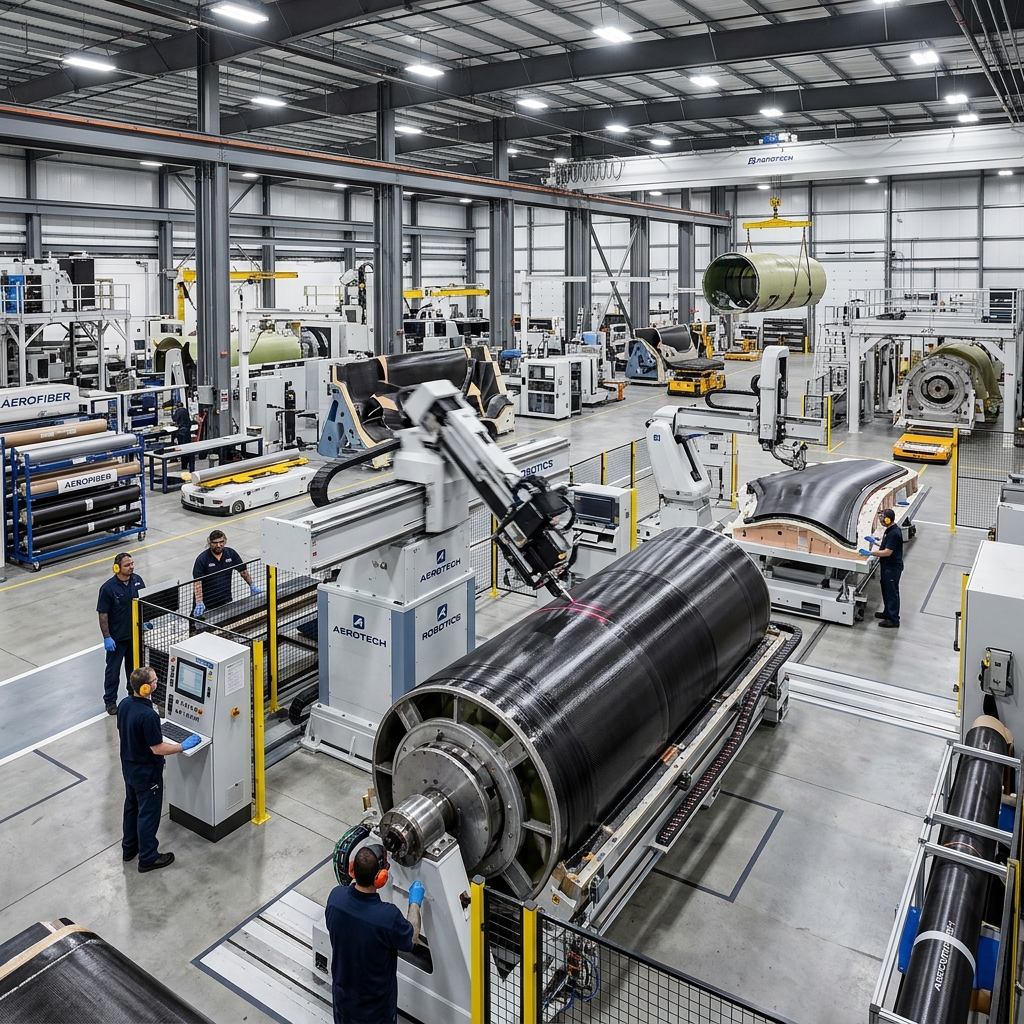
This isn't about tissue paper. It's about the operational threshold where automation makes domestic consumer goods manufacturing pencil out against overseas production. Sofidel is betting $775 million that automated material handling, robotic palletizing, and water-recycling systems can offset the labor cost gap that sent most consumer paper production offshore twenty years ago. In the past, companies moved production to low-wage countries to save money. Today, advanced robotics can perform many repetitive tasks faster and cheaper than human workers, making domestic production highly competitive again.
The 250 jobs figure is revealing. A facility this size would have employed 600 people in 2005. The difference is automated guided vehicles moving master rolls, robotic converting lines running with two operators instead of eight, and AI-driven quality systems that replace visual inspection stations. The new jobs skew toward equipment programming, CMM inspection and process QA, and maintenance technicians who can troubleshoot servo drives and vision systems. This shift in the labor force requires workers with higher technical skills, changing the demand for labor in the community.
Water recycling matters more than it sounds. Tissue production is water-intensive, and municipal supply costs in drought-prone regions have doubled since 2020. Sofidel's closed-loop system recycles process water at a reported 85% recovery rate, cutting one of the largest variable costs in paper manufacturing. That's the kind of process engineering that changes location math — it's harder to implement retrofits overseas than to design it into a greenfield expansion in Oklahoma. By recycling water, Sofidel also reduces its environmental impact, which is increasingly important for retail partners.
The Oklahoma location also highlights a shift in supply chain thinking. Sofidel isn't chasing the lowest property taxes or the biggest incentive package. They're optimizing for freight cost to end customers. Inland waterway access reduces outbound logistics expense, and central US placement cuts truck time to both coasts. For high-volume, low-margin consumer goods, transportation cost per unit often exceeds production labor cost per unit. Automation closes the production gap; geography closes the logistics gap, showing how manufacturers can build smart, regional supply chains.
Machine shops see this same pressure. Customers who moved production to Shenzhen in 2010 are now asking about domestic capacity for anything that ships in volume. The equation changes when you can reduce setup time with 5-axis CNC milling, cut inspection labor with automated CMM routines, and deliver parts in days instead of waiting for container ships. Sofidel's expansion is a $775 million signal that the math is changing across consumer manufacturing, encouraging more companies to reshore their production lines.
What to watch next
Illustration: RivCut
Track whether other consumer goods manufacturers follow Sofidel's model in the next 18 months. Paper products, bottled beverages, and plastic packaging all share similar automation potential and logistics sensitivity. If two or three more announcements in this category hit $500 million or above, it's a trend, not an outlier. This would indicate that the consumer goods industry is undergoing a structural shift, with more companies reshoring their operations to protect themselves from global logistics disruptions and shipping costs.
Pay attention to the technology vendors supplying this facility. The companies providing automated warehouse systems, water recycling equipment, and process control software are the ones enabling this shift. Their order books will tell you where the next wave of domestic manufacturing investment is heading before the groundbreaking press releases arrive. Machine shops that fabricate components for these automation vendors will see steady growth, supporting the ongoing modernization of U.S. factories and building a stronger industrial base.
Watch the labor market around Inola in 2027 and 2028. If Sofidel struggles to hire 250 qualified technicians in a metro area that small, expect to see more expansions concentrate in regions with established technical training programs — which will push up wages and change project economics for the next company planning a similar move. For more on how reshoring is reshaping US manufacturing, see our ongoing coverage of domestic production trends, as we track how companies navigate these workforce challenges.
Frequently Asked Questions
What is the size and cost of the Sofidel Oklahoma plant expansion?
Sofidel is investing $775 million to add nearly one million square feet of manufacturing and automated warehouse space to its Port of Inola facility.
How does automated material handling help offset labor costs?
Automated guided vehicles and robotic lines perform repetitive tasks with fewer operators. This closes the wage gap with low-cost overseas factories.
Why did Sofidel choose the Port of Inola for this expansion?
The site offers access to the McClellan-Kerr Navigation System. This waterway allows low-cost barge shipping and central placement for distributing products nationwide.
What is the purpose of closed-loop water recycling in paper plants?
Tissue paper production uses a lot of water. The closed-loop system recycles process water at an 85% rate, cutting utility costs and protecting resources.
Sofidel is betting $775 million that automation can offset the labor cost gap that sent consumer paper production offshore two decades ago.
Sofidel is betting $775 million that automation can offset the labor cost gap that sent consumer paper production offshore two decades ago.