What happened
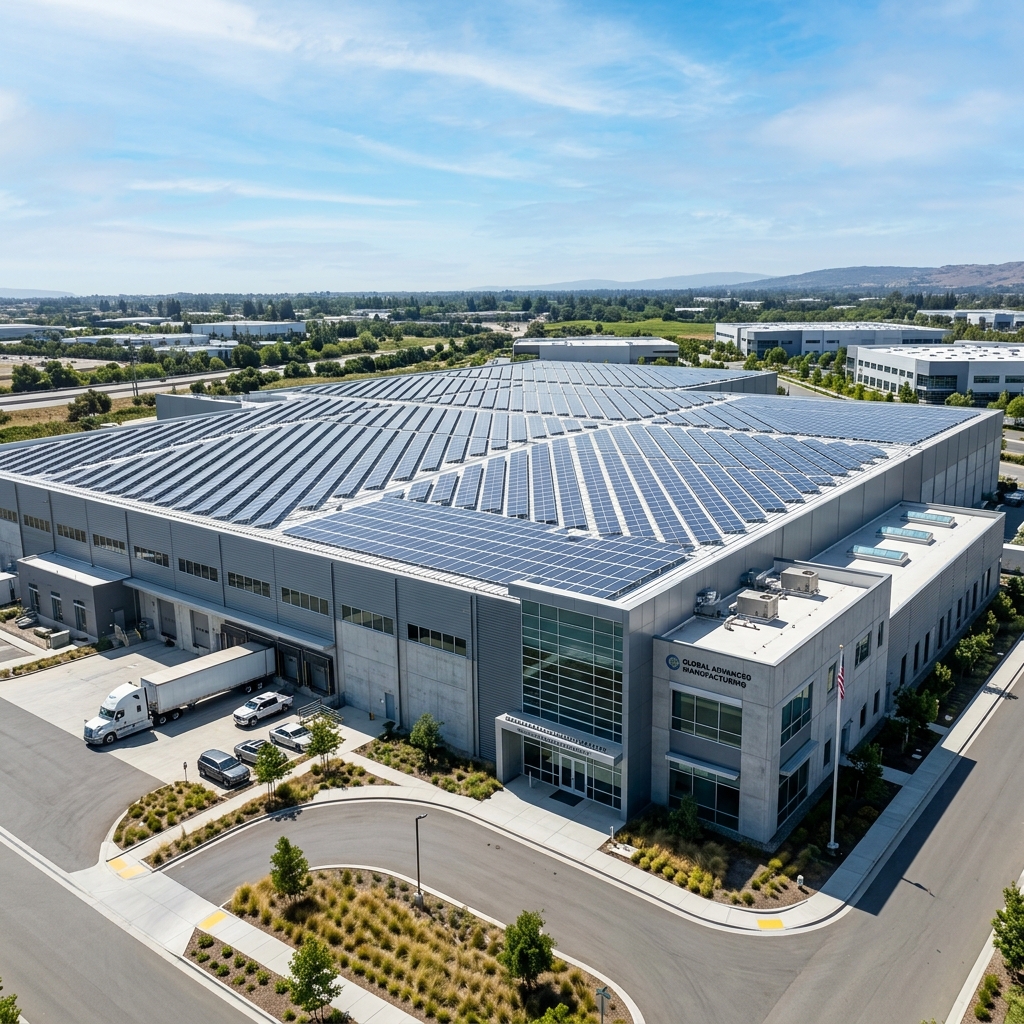
Illustration: RivCut
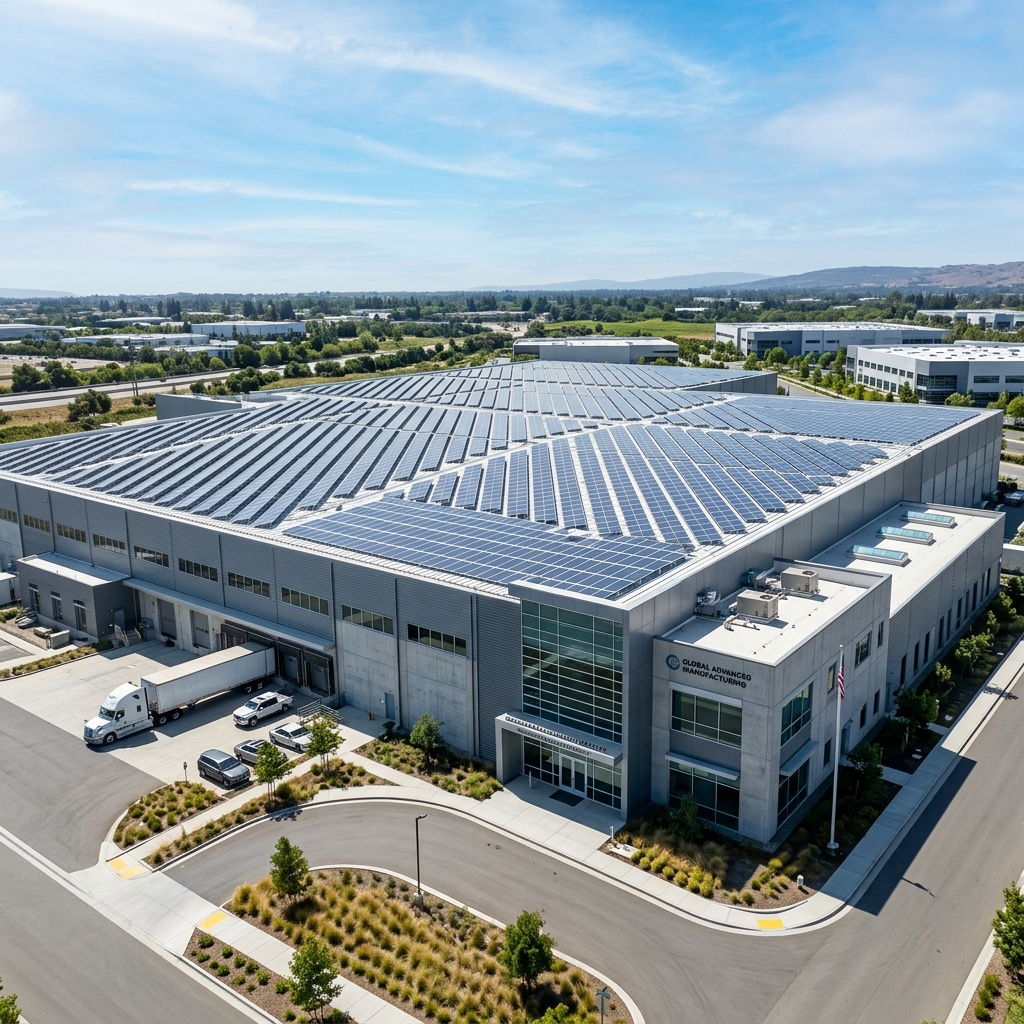
Janicki Industries, a family-owned aerospace tooling and composite manufacturer based in Washington State, announced it will build an $800 million advanced manufacturing campus in Great Falls, Montana. The site will fabricate high-rate composite parts for commercial aerospace and military defense programs, using large-scale 5-axis CNC machining and automated fiber placement systems. The expansion is expected to create more than 600 skilled technician and engineering positions in a city better known for mining and agriculture than advanced manufacturing.
Janicki has supplied tooling and composite structures to Boeing, Lockheed Martin, and Northrop Grumman for decades. The Great Falls campus marks the company's largest single capital investment and its first major facility outside the Pacific Northwest. Construction is slated to begin in late 2026, with initial production expected by 2028. Montana offered a package of tax incentives and workforce training grants, though Janicki's CEO told reporters the decision hinged on land availability and proximity to Air Force and Space Force installations in the region.
The facility will focus on scaling domestic production of composite wing sections, fuselage panels, and structural assemblies that currently face six- to twelve-month lead times. Janicki plans to integrate automated inspection systems and digital quality tracking across the campus, aiming to reduce rework rates that plague composite fabrication. The company has not disclosed which specific aircraft programs will source parts from the site, citing customer confidentiality agreements.
To understand the technology involved, it helps to look at automated fiber placement (AFP). In the past, workers had to lay down layers of carbon fiber fabric by hand. This was a slow process. It was easy to make mistakes. AFP machines solve this problem. They use robotic arms to place bands of carbon fiber tape onto a mold with high speed and precision. The parts are then cured in massive ovens called autoclaves. Under heat and pressure, the resin in the carbon fiber hardens. This creates structures that are lighter than aluminum but much stronger than steel.
The history of Janicki Industries is also worth noting. The company started as a small shop in Sedro-Woolley, Washington. The founders wanted to build better molds for boat hulls. Over time, they realized their large milling machines were perfect for aerospace tooling. Tooling refers to the molds used to shape composite parts. If the mold is not perfect, the final part will not fit. Janicki became famous for building giant, high-precision molds. This new Montana facility is a step forward. Instead of just building the molds, Janicki will now manufacture the actual flight parts at high volumes.
Why it matters for manufacturers
Illustration: RivCut
This is not another press release about nearshoring. An $800 million commitment to Montana signals that aerospace primes are willing to build supply chains in places that don't have fifty years of industry infrastructure. Great Falls doesn't have a deep bench of composite engineers or a network of specialty suppliers. Janicki is gambling that cheaper land, lower operating costs, and a trainable workforce outweigh the convenience of clustering near Seattle or Wichita. If the bet works, expect more Tier 1 suppliers to look past traditional aerospace corridors.
The reliance on 5-axis CNC milling and automated fiber placement also matters. Composite fabrication has historically been labor-intensive and inconsistent, with hand layup still common for low-rate parts. Janicki's emphasis on automation and integrated CMM inspection suggests the company is building for volume, not artisan craftsmanship. That's a direct response to Boeing and Lockheed pushing suppliers to cut lead times and improve first-pass yield. Shops that can't automate inspection and reduce touch labor will lose share in the next procurement cycle.
For precision machine shops, the Montana expansion is a reminder that geography still matters, but differently than it did twenty years ago. Janicki isn't chasing the lowest wage rates or the most generous tax credits. They're chasing space to build at scale and a workforce that doesn't expect Seattle salaries. The same logic applies to smaller manufacturers: if your growth is constrained by real estate or talent costs in a saturated metro, moving to a secondary market with technical colleges and affordable industrial land might not be as risky as it sounds. Just be prepared to train from scratch and build your own supplier network.
Another important factor is quality control. When composite parts fail during testing, the scrap costs are very high. Carbon fiber is expensive. If a part has a defect, it cannot be easily repaired like a metal part. It must be thrown away. This is why automated inspection is crucial. Janicki is using ultrasound and laser trackers to check the parts as they are being made. If a machine makes a mistake, the software detects it immediately. The machine can then correct the error before more layers are applied. This reduces waste and keeps production on schedule.
For smaller machine shops that supply parts to Janicki, this move represents both a challenge and an opportunity. You do not need to be located in Montana to work with them. But you must be able to meet their strict digital standards. They expect suppliers to provide detailed inspection reports and material trace records. The paperwork is just as important as the physical part. Shops that invest in digital quality tracking will find it much easier to win contracts with large aerospace suppliers like Janicki.
What to watch next
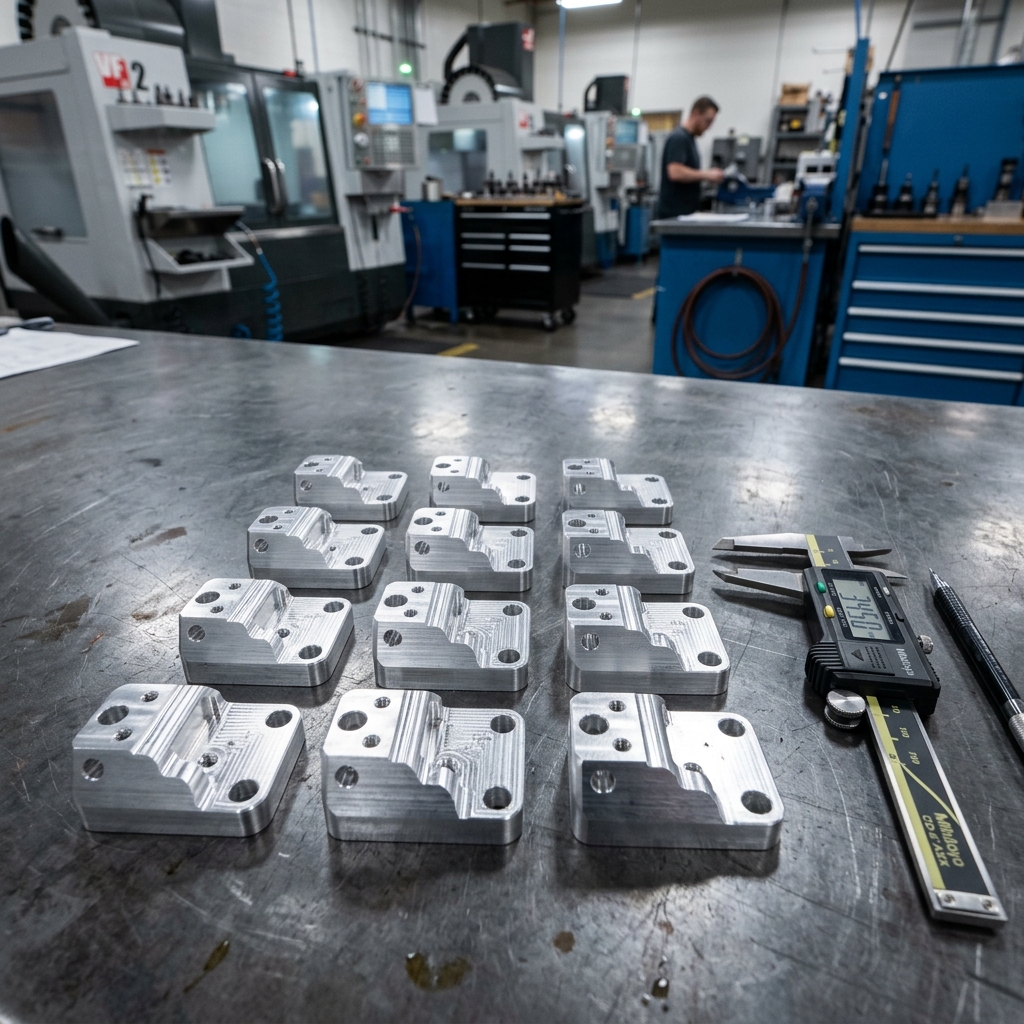
Illustration: RivCut
The immediate question is whether Montana can actually deliver 600 trained composite technicians and CNC programmers by 2028. The state has two technical colleges and a population smaller than San Diego. Janicki will need to recruit nationally and invest heavily in on-site training, which will add cost and delay. If the company struggles to staff the facility, other manufacturers will take note before committing to expansions in similar markets.
Watch how Janicki's customers react. If Boeing or Lockheed qualify the Great Falls facility quickly and start shifting orders from established suppliers, it validates the model. If qualification drags into 2029 or beyond, the business case weakens. Aerospace qualification cycles are brutal, and a new facility in a new state with a new workforce is a recipe for delays. The first production run will tell you everything you need to know about whether this works.
Finally, keep an eye on whether other composite manufacturers follow Janicki to the Mountain West. If Spirit AeroSystems or Albany Engineered Composites announce expansions in Idaho or Wyoming in the next eighteen months, the industry is rethinking its footprint. If Janicki ends up as an outlier, the experiment failed. Either way, the Montana campus is a live test of whether U.S. aerospace can scale domestic composite capacity outside its traditional strongholds. For more on how reshoring is reshaping American manufacturing, see our reshoring news coverage.
We should also watch local housing and infrastructure. Adding 600 high-paying jobs will put pressure on the Great Falls housing market. Home prices and rents are likely to rise. The city will also need to expand roads and utilities to support the massive new campus. If local infrastructure cannot keep pace, it could lead to friction between the company and the community. Sourcing teams should monitor these local factors, as they can directly affect worker morale and retention.
Lastly, watch for shifts in federal defense spending. Many military aircraft rely heavily on composites to reduce weight and avoid radar detection. If the government increases funding for next-generation fighters or bombers, Janicki's new facility will be busy. But if defense budgets are cut, the company may have to rely more on commercial aviation. Commercial aerospace has different standards and slower production cycles. A shift in the customer mix could force Janicki to change how they run their new Montana campus.
Frequently Asked Questions
Why is Janicki Industries building an $800 million facility in Montana?
Janicki is expanding to Great Falls, Montana, to build one of the largest composite manufacturing campuses in the United States. The company chose this location due to the availability of large industrial plots of land, lower operating costs, and proximity to key military defense and aerospace customers.
What types of parts will the Montana campus produce?
The facility will produce high-rate composite parts for commercial aerospace and military defense programs. These include composite wing sections, fuselage panels, and structural assemblies that are critical for modern commercial aircraft and military jets.
What technologies will be used at the new Great Falls facility?
Janicki plans to equip the campus with large-scale 5-axis CNC machining centers, automated fiber placement (AFP) systems, and integrated CMM inspection equipment. This automation will help reduce manual labor, speed up production, and improve quality control.
What is the main challenge of building an aerospace plant in Montana?
The biggest challenge will be building a skilled workforce of 600 technicians and engineers. Since Montana does not have a large aerospace hub, Janicki must invest heavily in local training programs, partner with regional colleges, and recruit talent nationally to run the advanced machinery.
An $800 million bet on Montana tests whether aerospace can scale composite production outside its traditional hubs.