What happened

Illustration: RivCut
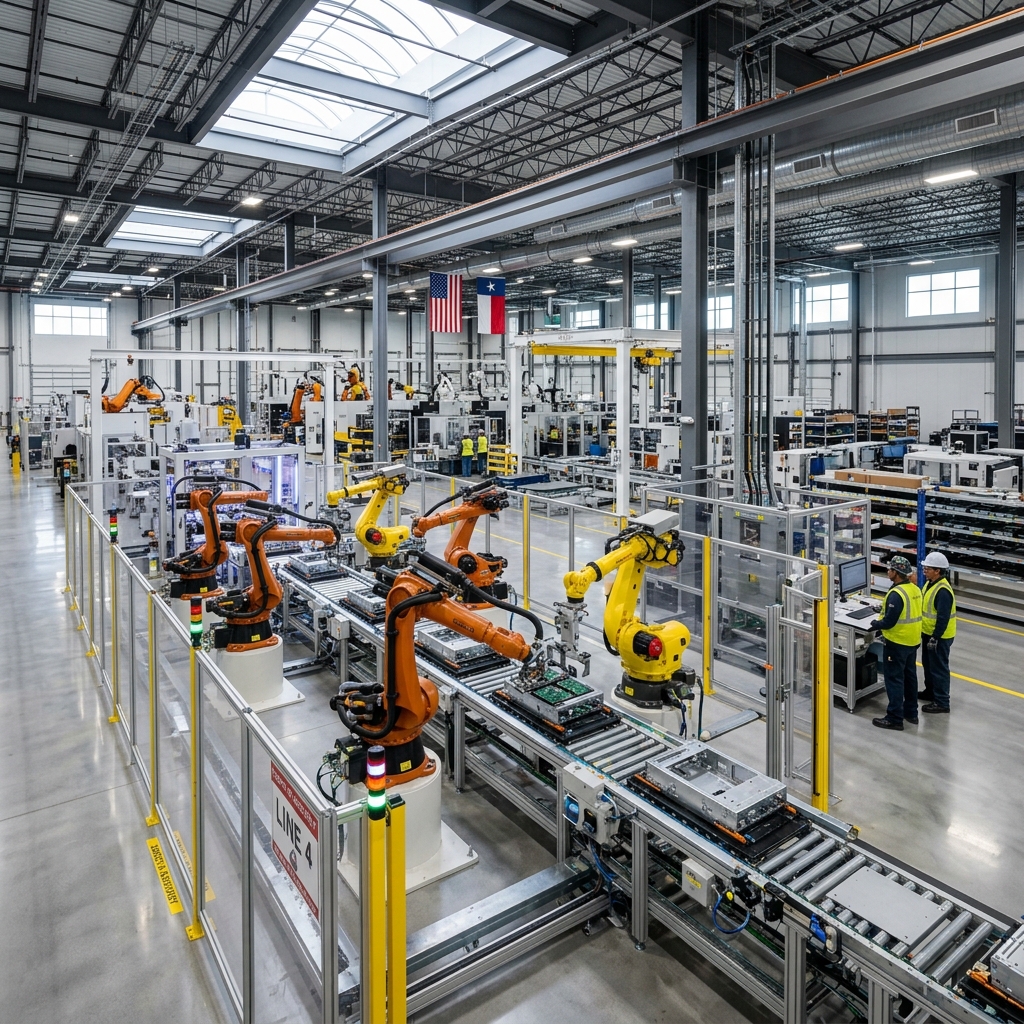
Midwest aerospace manufacturing firms are rapidly expanding their CNC production lines to support commercial aircraft engine builders. These builders currently face massive, multi-year backlogs for both narrowbody and widebody passenger jets. Industry suppliers throughout Ohio, Indiana, Michigan, and Illinois have invested millions of dollars in advanced machinery. They are buying new 5-axis milling centers and vertical turning lathes to machine complex engine components and specialized tooling. This surge in capital investment is a direct response to pressure from major aviation primes like Boeing and Airbus, who need their supply chains to run much faster.
The commercial aviation backlog has been growing for several years due to a mix of rising travel demand and supply chain disruptions. Engine manufacturers like CFM International, Pratt & Whitney, and Rolls-Royce are pushing their suppliers to increase production rates. To meet these targets, machine shops must work with extreme speed and accuracy. Many shops are running their machines 24 hours a day, seven days a week, utilizing automated loading systems to keep spindles turning overnight. The investment in new machinery is helping these firms keep pace, but the demand shows no signs of slowing down.
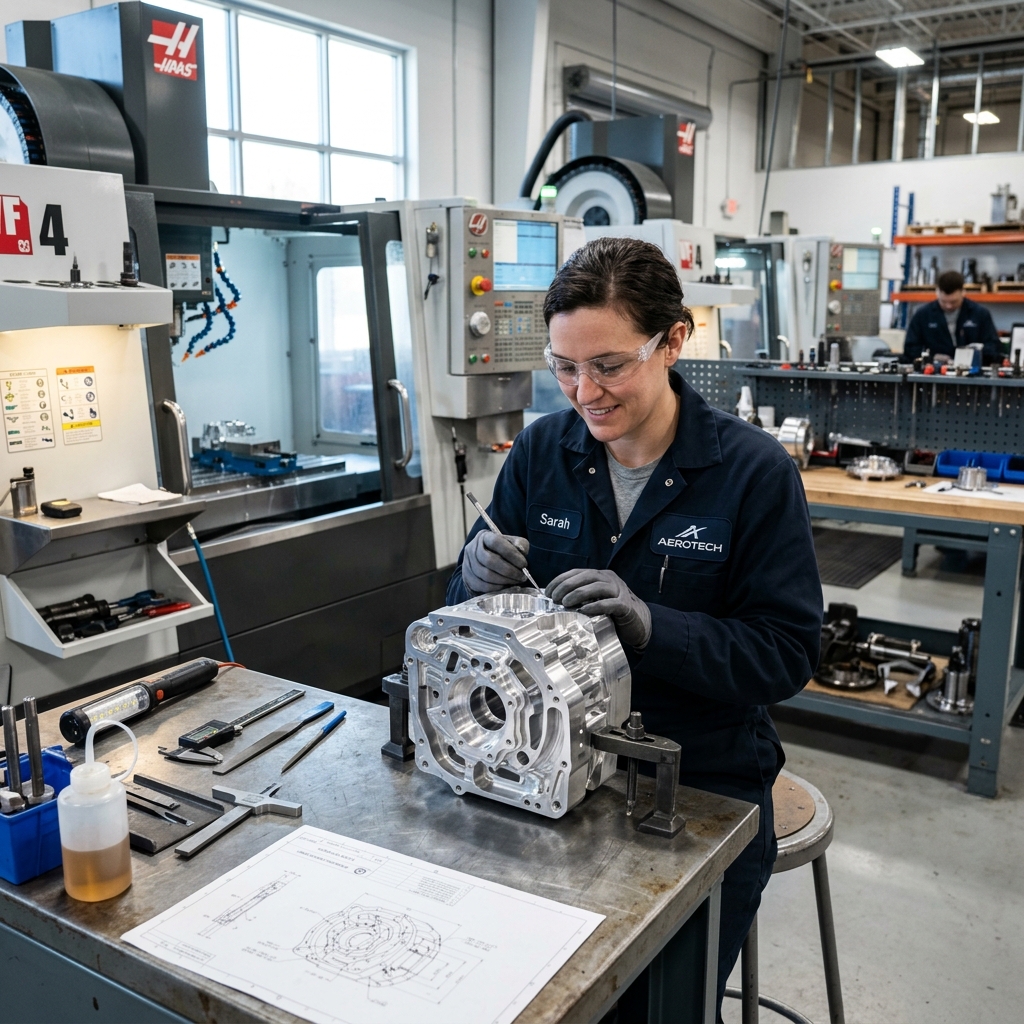
Machining aerospace engine parts requires a level of precision that few other industries demand. Components such as turbine discs, compressor blades, fan cases, and fuel nozzles must operate under extreme conditions. They must withstand very high temperatures and intense pressures during flight. Because of this, these parts are made from advanced superalloys like Inconel, titanium, and nickel-based steels. Cutting these tough metals is incredibly difficult and requires specialized tools, rigorous coolant management, and advanced thermal controls on the shop floor. Even minor temperature changes in the building can cause a metal part to expand or contract, which could ruin a piece worth thousands of dollars.
To cut superalloys successfully, machinists must use cutting tools made from advanced materials like carbide or cubic boron nitride. These tools must be monitored constantly for wear, as cutting Inconel can dull a tool in a matter of minutes. Shops also utilize high-pressure coolant systems that spray fluid directly at the cutting edge. This helps wash away heat and metal chips before they can damage the part. Additionally, the CNC machines themselves must be incredibly rigid. Any vibration during the cutting process can cause microscopic cracks in the metal, which would make the engine component unsafe for flight. This is why Midwest shops are investing in high-end, heavy-duty machine tools that offer maximum stability.
Why it matters for manufacturers

Illustration: RivCut
For aerospace procurement teams, finding suppliers with available 5-axis capacity and the technical skills to machine superalloys is now a top priority. The cost of raw materials in this sector is very high, which means that scrap rates must be kept near zero. A single error on a nearly finished turbine disc can result in a loss of tens of thousands of dollars. As a result, primes are looking for machine shops that have experienced operators, rigid workholding fixtures, and stable machining processes. They want partners who can guarantee quality on every single shipment.
This capacity crunch has changed how aerospace companies negotiate contracts. In the past, buyers would shop around for the lowest price on a part-by-part basis. Today, they are looking to sign long-term agreements to secure machine time years in advance. They are even helping their suppliers buy new machines or train workers to ensure the capacity will be there when they need it. For Midwest machine shops, this represents a major opportunity to lock in stable, high-value business for the next decade. However, it also requires them to take on significant financial risk by investing in new equipment and hiring more staff.
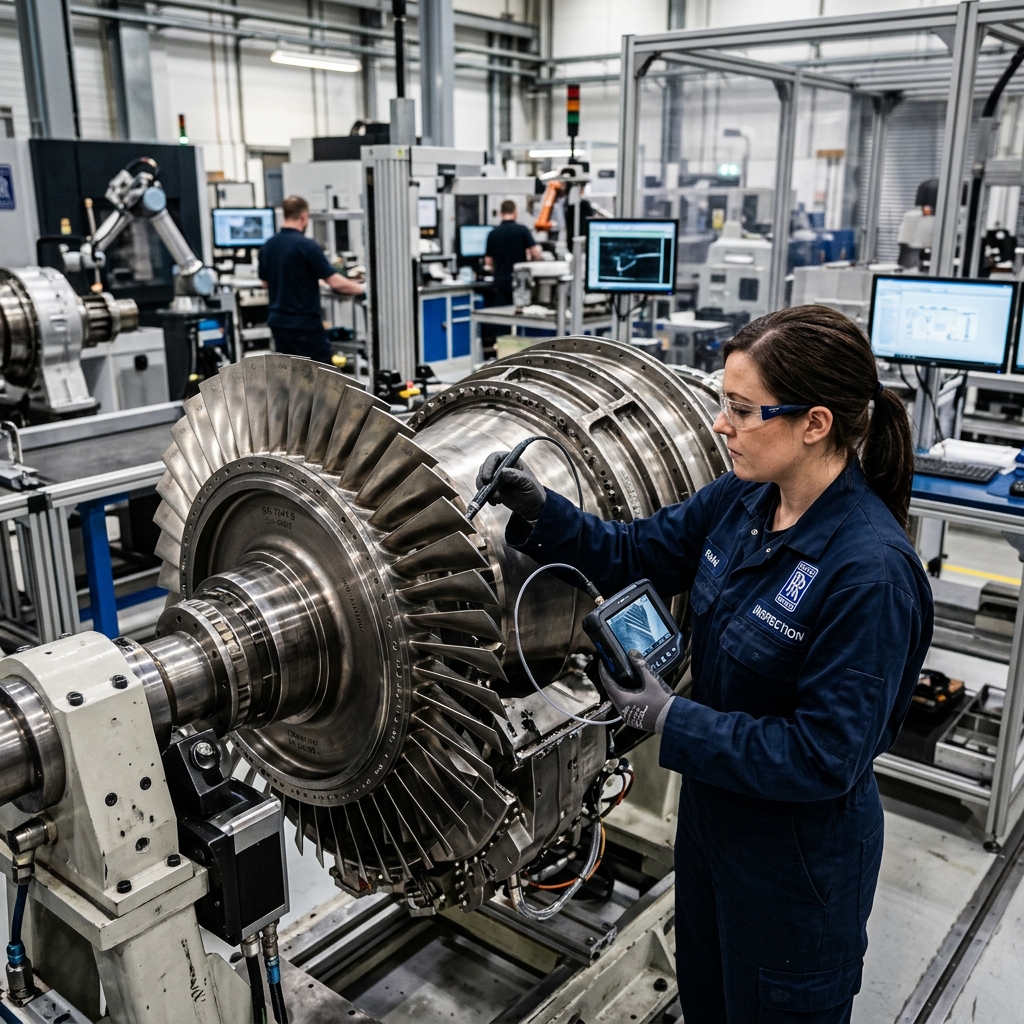
In addition to machining capabilities, aerospace components require 100% inspection and complete compliance documentation. Every single part must be traced back to the specific batch of metal it was cut from. A machine shop must have a clean, climate-controlled metrology lab equipped with coordinate measuring machines (CMM) and surface roughness testers. These tools verify that every dimension matches the blueprint down to a fraction of a human hair. Primes are increasing their audits of supplier quality control systems to ensure that no bad parts make it onto an airplane.
Having a state-of-the-art metrology lab is no longer optional for aerospace suppliers. It is a strict requirement for entry into the supply chain. Primes want to see digital inspection records for every part, showing that it has been measured and verified at multiple stages of production. This level of documentation requires specialized software and dedicated quality control staff. It adds to the overhead costs of the shop, but it is the only way to prove compliance. Shops that fail to meet these high standards are quickly cut from the supplier list, while those that excel are rewarded with more business.
What to watch next
Illustration: RivCut
Moving forward, the aviation industry is watching the adoption of hybrid manufacturing, which combines 3D printing of aerospace alloys with CNC finishing. This process can reduce material waste significantly by building a rough shape with additive technology and then using a milling machine to cut the final, precise details. Since raw materials like titanium are so expensive, this hybrid approach could save manufacturers a lot of money. However, the process is still new and must go through rigorous testing and certification before it can be used for critical engine parts.
We should also monitor the impact of regional workforce training partnerships on the supply of aerospace machinists in the Midwest. The shortage of skilled labor is the single biggest bottleneck for shops looking to expand. High schools, community colleges, and local manufacturers are teaming up to create apprenticeship programs that teach young people how to operate modern CNC machines. These programs are vital for rebuilding the talent pool in historic manufacturing states like Ohio and Indiana. If these training programs succeed, it will allow Midwest shops to expand their operations and support the aviation build rates.
Finally, keep an eye on how aerospace primes manage their supplier networks. To reduce risk, some companies are trying to bring key manufacturing processes back in-house. Others are diversifying their supplier base by working with smaller, regional shops. This could open up new opportunities for family-owned machine shops in the Midwest, provided they can meet the strict quality and ITAR requirements. The balance between insourcing and outsourcing will shape the landscape of aerospace manufacturing for years to come.
Frequently Asked Questions
What is driving the expansion of aerospace tooling CNC capacity in the Midwest?
The expansion is driven by huge backlogs in commercial aircraft engine programs. Aviation engine builders need more parts quickly, so shops are expanding to keep up with build rates.
Why is 5-axis CNC machining critical for jet engine component production?
Jet engine parts like turbine blades have complex shapes. 5-axis machines can cut these shapes in fewer setups. This increases accuracy and reduces the chance of errors.
What challenges do machine shops face when cutting nickel-based superalloys?
Nickel-based superalloys like Inconel are very tough. They wear out cutting tools quickly. Shops must use special tools, precise coolants, and very rigid machines to cut them.
How do metrology labs ensure the quality of aerospace components?
Metrology labs use Coordinate Measuring Machines (CMM) and surface testers. They verify that every part matches the blueprints. This ensures parts are safe for flight.
Aerospace parts leave no room for error; your machine shop must have the metrology labs to prove compliance on every shipment.