
What happened
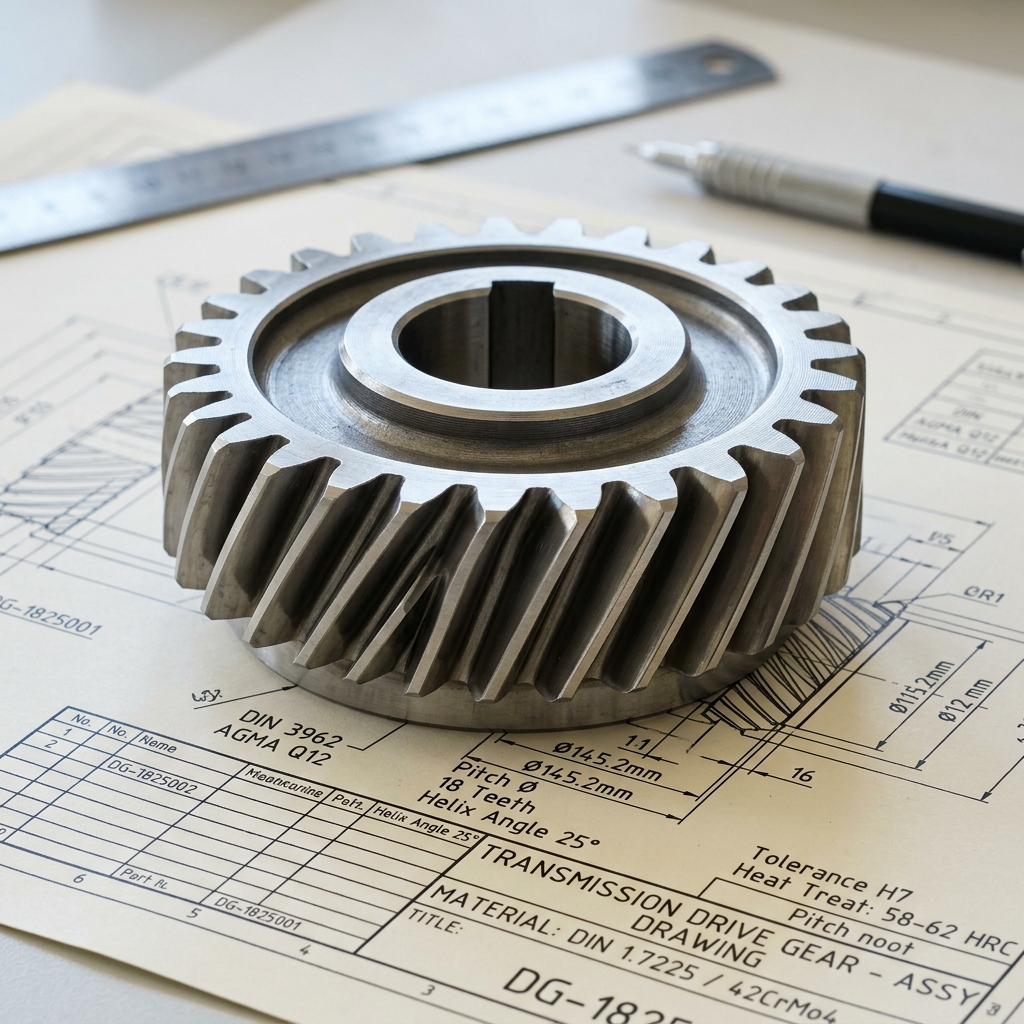
Illustration: RivCut
The National Institute of Standards and Technology (NIST) has announced the launch of the MEP Technology Accelerator Program. This initiative is designed to support the adoption of advanced technology on small-to-medium-sized manufacturing shop floors across the United States. While large manufacturers have the resources to invest in artificial intelligence, robotics, and digital twin technology, smaller shops often lag behind. This technology gap weakens the overall competitiveness of the U.S. supply chain, which relies heavily on small sub-contractors. The new program aims to bridge this gap by providing funding, technical expertise, and deployment support. It is a key part of the federal government's strategy to strengthen the domestic industrial base and improve supply chain resilience.
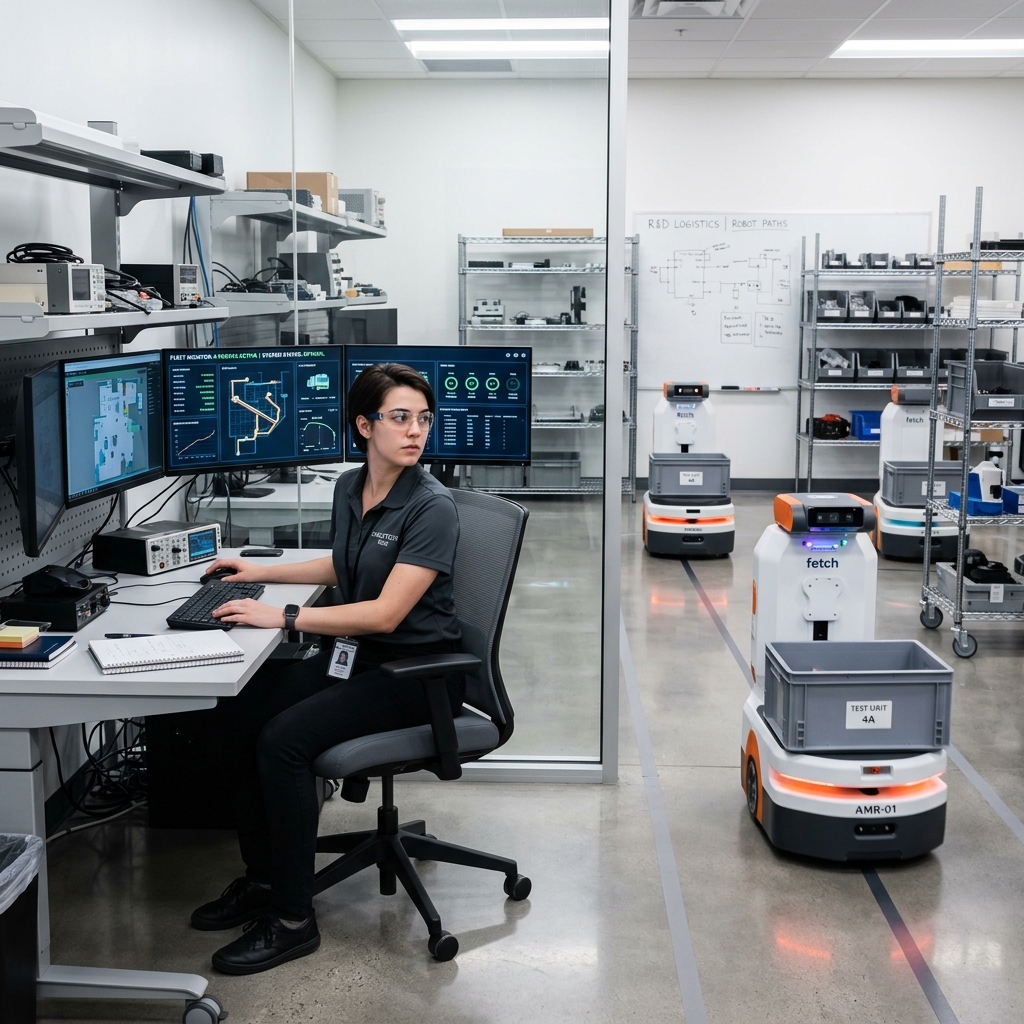
The program will operate through the existing Manufacturing Extension Partnership (MEP) network, which has centers in all fifty states. MEP centers will work directly with local manufacturers to identify areas where technology can improve productivity. They will help shops select the right hardware and software, design implementation plans, and train workers to use the new systems. The program will focus on practical, high-impact applications, such as predictive maintenance sensors, automated quality inspection systems, and collaborative robots, or cobots. By focusing on these proven technologies, the program aims to deliver immediate benefits to participating shops, helping them increase output and reduce costs.
Small-to-medium manufacturers face significant barriers when adopting new technology. They often lack the internal engineering staff to design and integrate complex automation systems. They also face high upfront capital costs and a lack of clear information about which technologies offer the best return on investment. The MEP Technology Accelerator Program addresses these challenges by offering cost-sharing grants and access to experienced integration engineers. This support reduces the financial and technical risk for small manufacturers, making it easier for them to take the first steps toward digital transformation. The program has received strong support from industry associations, who view it as a vital resource for small business growth.
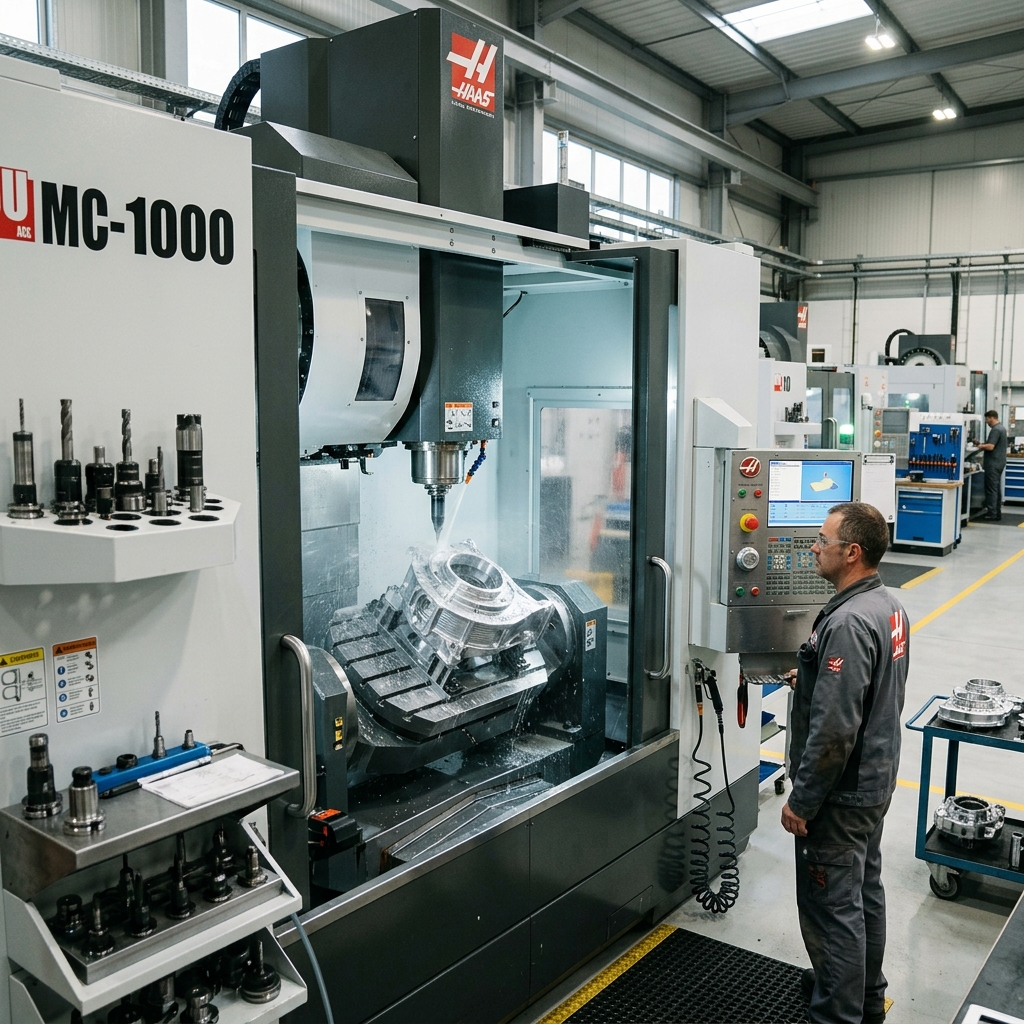
The timing of the program is critical as manufacturers navigate a persistent labor shortage and rising operating costs. With skilled machine operators in short supply, shops must find ways to do more with less. Automation and digital tools can help by streamlining processes and reducing manual work. For example, installing an automated parts loading robot on a CNC machine allows the machine to run unattended, freeing up the operator to handle other tasks. Similarly, using AI-powered software to optimize cutting paths can reduce machining times and extend tool life. The MEP program is designed to help small shops implement these exact solutions, helping them maintain competitiveness in a challenging market.
Furthermore, the MEP network has established new regional technology testbeds where owners can see demonstrations of smart manufacturing systems before investing. These testbeds feature working examples of connected sensors, robotic assembly cells, and predictive quality software, allowing owners to evaluate alternative solutions. They also provide hands-on experience for shop floor operators, helping them build familiarity and trust in the technology. This educational component is critical for reducing hesitation and encouraging faster adoption among smaller manufacturers who are often conservative about new capital equipment.
Why it matters for manufacturers
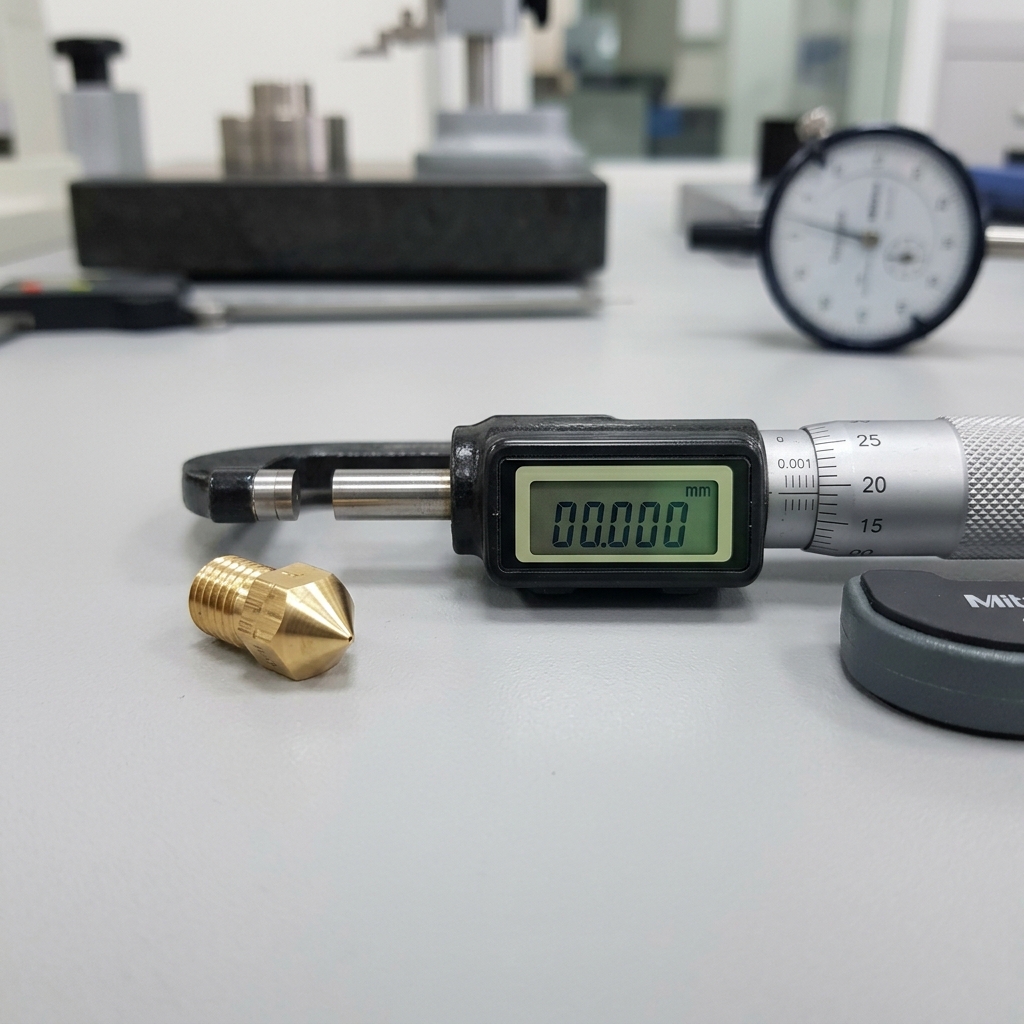
Illustration: RivCut
For small machine shops and precision fabricators, participating in the MEP program is a major opportunity to modernize their operations. Upgrading to smart manufacturing systems can help shops improve their quality standards, reduce scrap rates, and shorten lead times. For example, installing vibration sensors on CNC spindles can detect tool wear before it causes a part to fail. This predictive maintenance capability helps shops avoid costly downtime and ensure that parts are cut correctly on the first attempt. These efficiency gains are vital for maintaining healthy profit margins as material and labor costs continue to rise.
However, successful digital transformation requires more than just buying new hardware. It requires a shift in company culture and shop-floor processes. Workers must be trained to operate new digital interfaces, analyze data, and maintain automated systems. This training can be a challenge for older workers who are used to manual processes. The MEP program addresses this human element by offering worker training and change-management support. They help shops build a culture of continuous improvement, ensuring that employees understand the benefits of the new technology and are comfortable using it in their daily work.
Another major advantage of digital transformation is the ability to connect shop-floor data with business systems. By integrating CNC machines with enterprise resource planning (ERP) software, shops can track production rates, material usage, and machine utilization in real time. This data provides valuable insights that help managers make better business decisions, such as identifying production bottlenecks or calculating accurate job costs. It also allows shops to provide their customers with real-time status updates, improving customer service and building stronger relationships. This level of connectivity is increasingly expected by larger buyers, making it a critical competitive advantage.
For buyers and procurement teams, sourcing from tech-enabled small manufacturers reduces supply chain risk. Smart shops are more reliable, as they have better control over their processes and can recover from disruptions more quickly. They are also better equipped to meet strict quality and compliance standards, as they have digital inspection records and complete material traceability. By supporting the digitization of small suppliers, the MEP program is helping to build a more robust and responsive domestic supply network, reducing the risk of component shortages and production delays for major manufacturing industries.
In addition, digital integration allows for faster response times to engineering design changes. If a buyer updates a CAD drawing, the design can be loaded instantly into the shop's computer-aided manufacturing system, reducing the time needed to update production setups. This flexibility is a major advantage for hardware startups and companies developing complex systems, where design iterations are frequent. Tech-enabled suppliers can handle these design changes with minimal disruption, reducing lead times and ensuring that projects stay on schedule.
What to watch next

Illustration: RivCut
Moving forward, the industry is watching the rollout of the first round of MEP funding. The success of these initial projects will determine whether the program receives continued support and funding from Congress. Manufacturers will be looking to see concrete results, such as measurable improvements in productivity, reductions in operating costs, and increases in hiring. If the program can demonstrate a clear return on investment, it will encourage more small shops to participate and drive broader tech adoption across the sector. The initial case studies will be valuable guides for other shops looking to modernize.
We should also monitor the development of open standards for industrial internet of things (IIoT) devices. Currently, many manufacturing machines and software systems use proprietary data formats that make integration difficult. This lack of interoperability is a major barrier for small shops, who cannot afford custom software development. The industry is working to establish open standards, such as MTConnect and OPC UA, that allow different machines and systems to share data easily. The MEP program is active in promoting these standards, helping to create a plug-and-play ecosystem for smart manufacturing, which will make automation much more accessible.
Additionally, watch for the emergence of collaborative manufacturing networks. These platforms allow small shops to share capacity and collaborate on large projects that would be too big for a single shop to handle alone. By connecting their digital systems, shops can coordinate production schedules and share quality control data easily. This network approach allows small manufacturers to compete with larger, integrated suppliers, opening up new market opportunities and supporting the growth of the regional economy.
Finally, keep an eye on how artificial intelligence is integrated into shop-floor operations. While AI is currently used primarily for predictive maintenance and toolpath optimization, future applications will be much broader. For example, AI could be used to automate the quoting process, analyzing CAD models and calculating manufacturing costs in seconds. It could also be used to optimize production schedules, adjusting machine allocations dynamically as new orders arrive. The MEP program will play a key role in bringing these cutting-edge AI tools to small manufacturers, helping them stay at the forefront of technology, ensuring the long-term strength of the U.S. industrial base.
In conclusion, the MEP Technology Accelerator Program is a critical initiative for the modernization of the U.S. supply chain. It addresses the financial and technical barriers that hold back small manufacturers, helping them adopt advanced technologies like AI and robotics. For small shop owners, the program offers a valuable opportunity to improve efficiency, manage labor shortages, and win new business. The future of manufacturing is digital, and the shops that embrace this transformation will be the ones that thrive, helping to build a more competitive and resilient domestic economy.
Small machine shops are the foundation of the American supply chain; helping them adopt AI and automation is the single most effective way to improve national competitiveness.