What happened
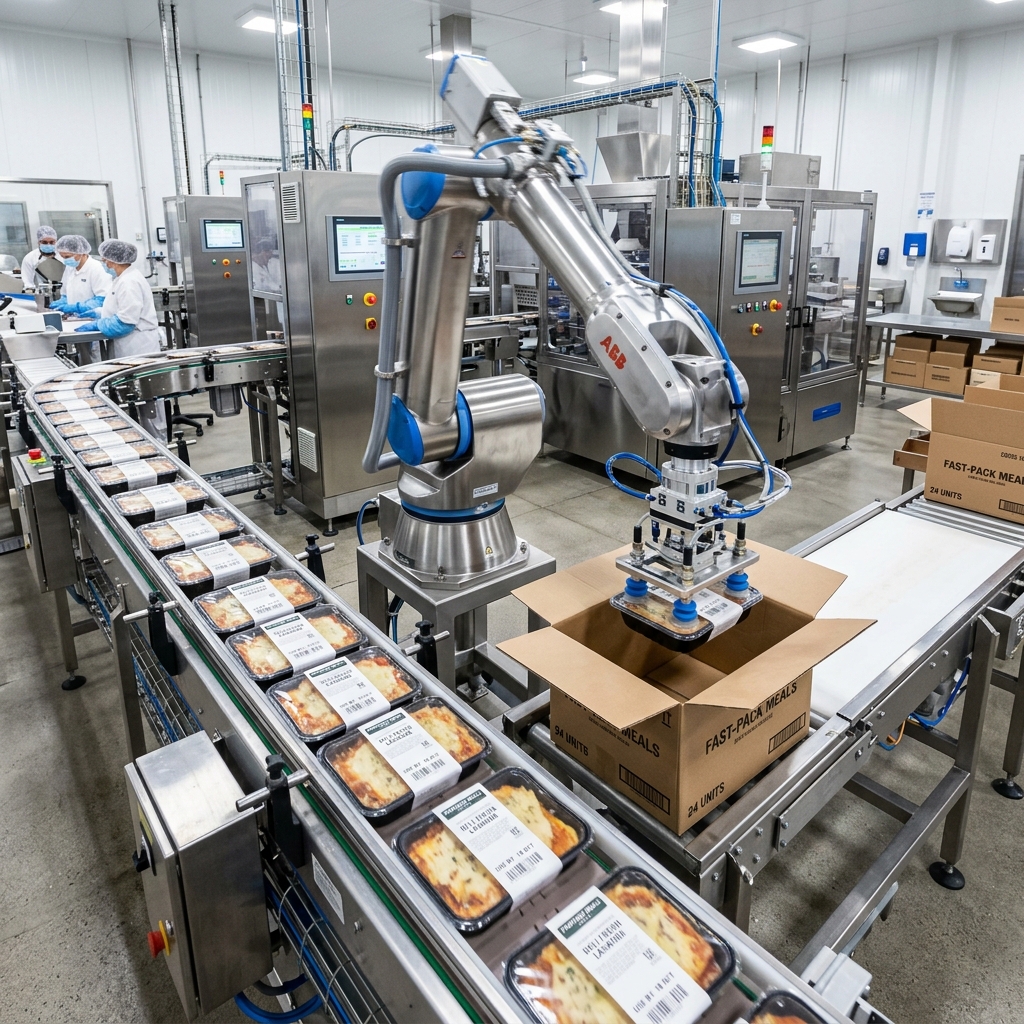
Illustration: RivCut
Hyundai Motor Co.'s robotics division released a new video this week. It shows the production-ready Atlas humanoid robot performing complex gymnastics. The robot executed backflips and balanced on a beam. This demo is the first time the Seoul-based automaker has shown the commercial version of the robot. It is a big change from the research prototypes shown by Boston Dynamics in the past. The company wants to show that Atlas is ready for real work.
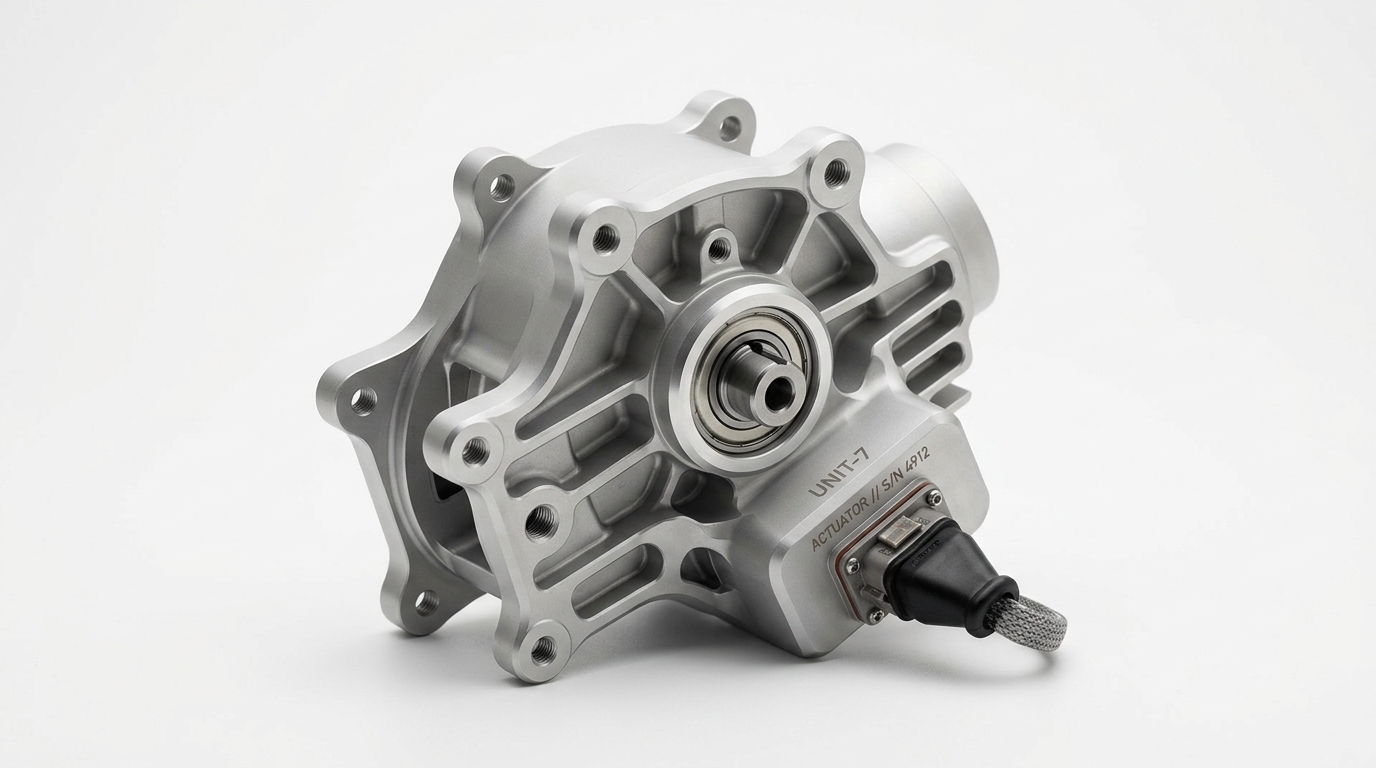
Hyundai acquired Boston Dynamics in 2021 for $1.1 billion. Since then, they have been working to turn the robot into a factory tool. The new Atlas stands about six feet tall. It weighs 196 pounds. The biggest change is the power system. Earlier models used hydraulic systems, which were powerful but leaked oil. The new model uses electric actuators. These are cleaner and more reliable. Engineers say the robot can now work an eight-hour shift on a single battery charge.
The demonstration video also showed Atlas doing practical tasks. The robot picked up small car parts, stacked plastic bins, and walked around obstacles. Hyundai did not share pricing details or delivery dates. They also did not say which factories would get the first robots. However, it is clear that the company is aiming for automotive assembly lines. This is where bipedal robots could be very useful.
Many experts were surprised by the gymnastics demo. Doing a backflip requires incredible balance and control. It shows that the robot's sensors and motors are working together perfectly. However, factory managers care more about simple, repetitive tasks. They want to know if the robot can pick up a part and put it in a box thousands of times without failing. Hyundai will need to prove that Atlas can do this kind of work reliably before companies will buy it.
Why it matters for manufacturers
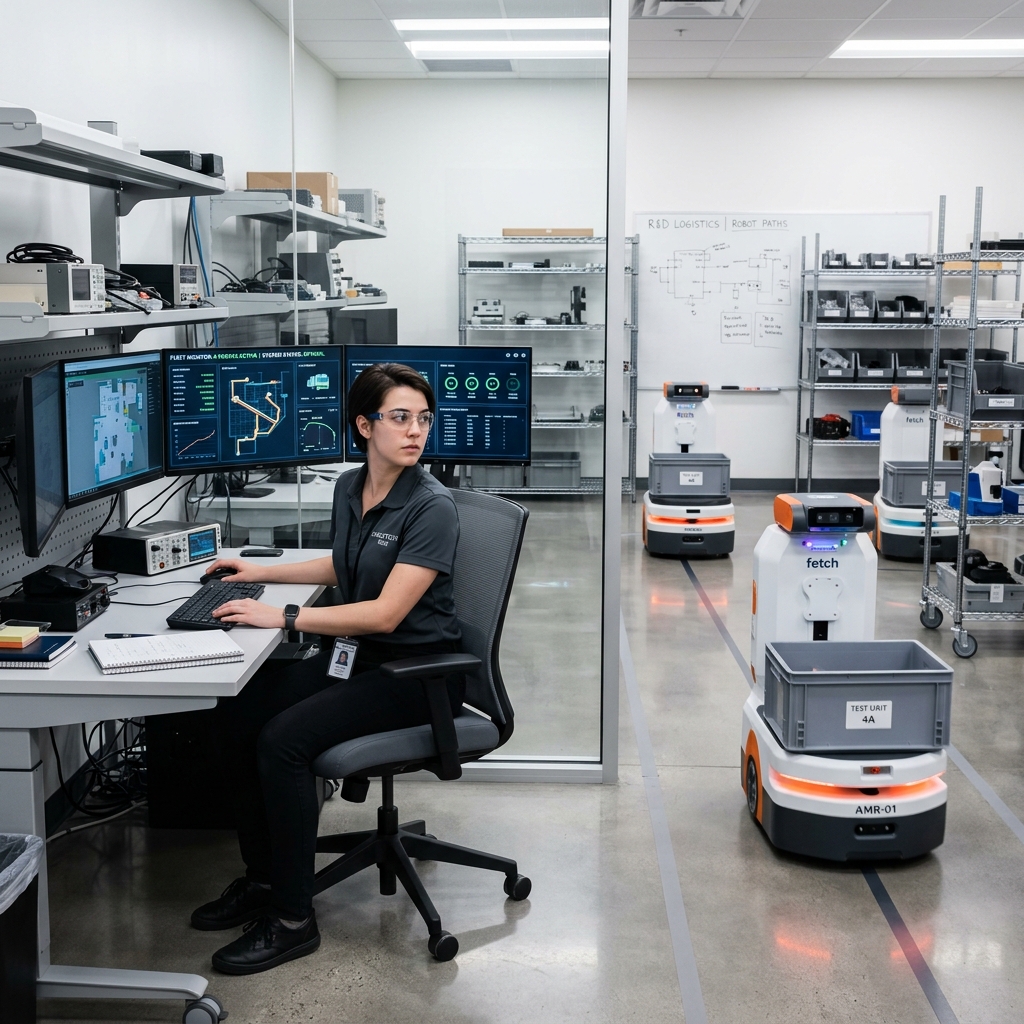
Illustration: RivCut
Gymnastics videos are great for marketing, but manufacturers need to see cycle times. A robot that can backflip but takes ten seconds to move a bracket is too slow. Traditional robotic arms can perform these tasks in less than a second. They are also much cheaper. The real test for Atlas is whether it can match the speed and efficiency of standard industrial automation. If it cannot, it will remain a novelty.
However, humanoid robots have a major advantage: they fit into existing factories. Most factories are designed for human workers. Conveyor belts, workstations, and tools are all built at human height. If you want to use a standard robotic arm, you often have to rebuild the workstation. You may also need custom grippers. A humanoid robot can walk right up to a human workstation and start working. It does not need expensive modifications. This flexibility is very appealing to high-mix manufacturers.
For machine shops running CNC milling operations, this flexibility could be a game-changer. A humanoid robot could load parts into a machine, run the cycle, and inspect the finished part. It could then move to another machine to perform a different task. This is much more flexible than a dedicated robot arm that is bolted to the floor. It could allow shops to automate their operations without locking themselves into a single layout. This would make it easier to adapt to changing customer demands.
Reliability is the biggest question mark. Automotive factories need their equipment to run constantly. If a robot breaks down, it can halt the entire production line. This costs thousands of dollars per minute. Hydraulic robots were notorious for leaking and breaking down. Electric actuators should be more reliable, but we do not have long-term data yet. Manufacturers will be hesitant to deploy humanoids until they see proof of high uptime. They need to know that these machines can survive the harsh environment of a factory floor.
Cost is another barrier. Building a humanoid robot is expensive. It requires dozens of sensors, motors, and advanced computers. If the purchase price is too high, the return on investment will take too long. Some companies are offering robots as a service, leasing them for a monthly fee. This could make it easier for small manufacturers to try the technology. It reduces the upfront risk and allows shops to test the robots in their own operations before buying them.
We must also consider safety. Humanoid robots are large and heavy. If a robot malfunctions, it could injure a human worker. Fabs will need to establish strict safety zones. They may need to install sensors that stop the robot if a human gets too close. Building trust between human workers and robots will take time. Workers need to feel safe standing next to a machine that is constantly moving.
What to watch next
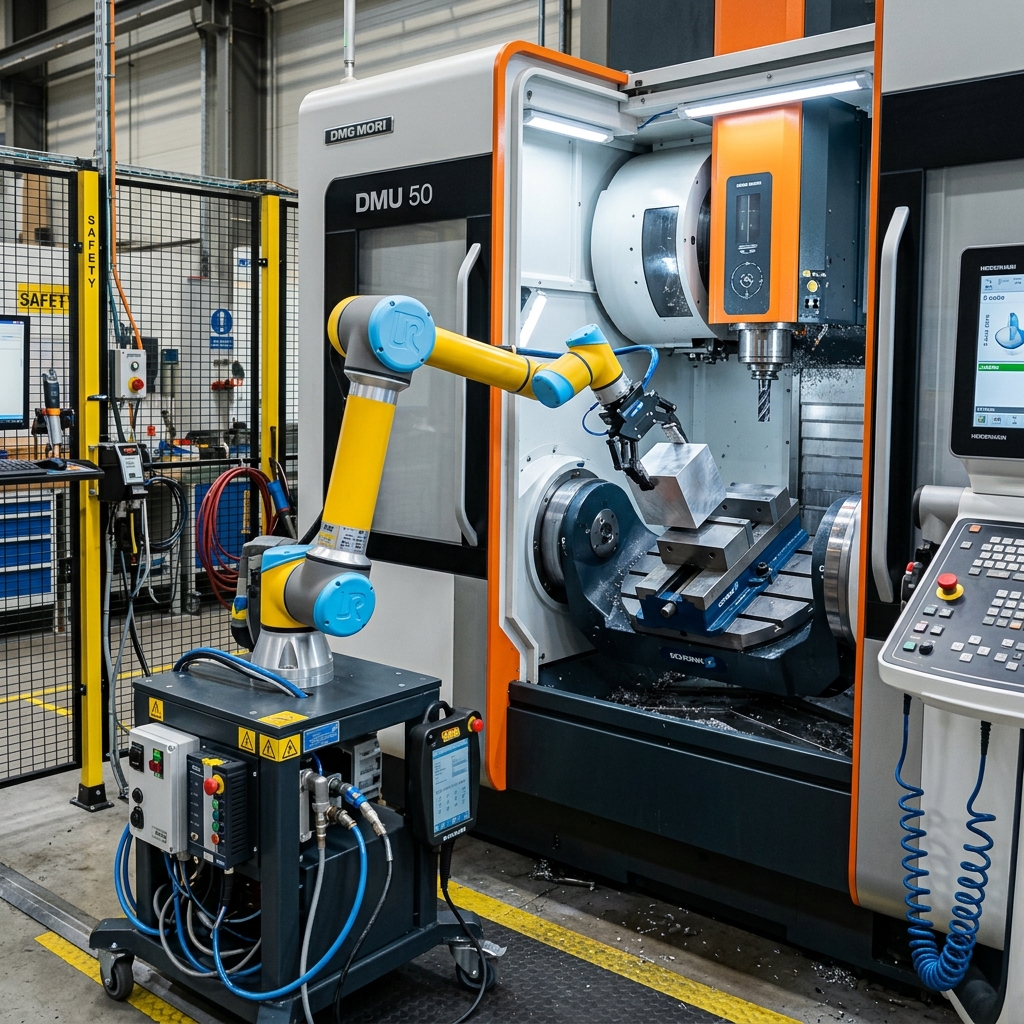
Illustration: RivCut
We should watch for pilot programs at Hyundai's own factories. The company will likely test the robots in South Korea or Alabama first. These tests will help engineers find bugs and improve the software. They will also provide the data that other manufacturers want to see. Look for case studies showing actual production numbers. If the robots can increase output or reduce errors, it will encourage other companies to adopt them.
Watch the competition. Several other companies are building humanoid robots. Tesla is working on its Optimus robot. Figure AI has partnered with BMW to test robots in South Carolina. Agility Robotics is already testing its Digit robot with Amazon. This competition will drive down prices and speed up development. The company that can deliver a reliable robot at a reasonable price will dominate the market. It is a race to see who can commercialize the technology first.
Pay attention to the development of robotic hands. Human hands are incredibly complex. Designing a robotic hand that can grip both heavy tools and delicate parts is very difficult. Many current robots use simple grippers that limit their utility. The company that designs a truly versatile robotic hand will have a major advantage. It will allow their robots to perform a much wider range of tasks, from assembly to packing.
Watch for updates on software and AI. Controlling a bipedal robot requires massive computing power. The robot must constantly calculate its balance and plan its movements. If the AI is slow, the robot will move slowly. Improvements in processor technology and machine learning will help robots move more naturally. They will also help them adapt to unexpected changes in their environment. This will make them much more useful on a busy factory floor.
We should also monitor public perception. Some people worry that robots will take human jobs. This could lead to protests or union disputes. Companies will need to manage this issue carefully. They may choose to deploy robots in dangerous or dirty jobs first. This shows that the technology is helping workers, not just replacing them. It is important to show that automation can make workplaces safer and more productive.
Finally, watch the regulatory environment. Governments may write new standards for humanoid robots. These rules could cover safety, data privacy, and testing requirements. Complying with these regulations will add to the cost of development. However, it will also help build trust in the technology. We will follow these developments closely in our robotics news section.
Frequently Asked Questions
What is the new Atlas humanoid robot developed by Hyundai and Boston Dynamics?
It is a production-ready bipedal robot designed for factory tasks. It stands six feet tall, weighs 196 pounds, and uses electric actuators instead of hydraulic systems.
Why did Hyundai switch from hydraulic to electric systems in the new Atlas?
Electric systems are cleaner and do not leak oil. They are also more reliable and easier to maintain under continuous factory operating conditions.
Can humanoid robots fit into existing factory setups without renovations?
Yes, this is their main advantage. Humanoid robots can work at stations built for humans, using existing tools and conveyor setups without costly redesigns.
What is the main challenge for humanoids in manufacturing?
Humanoids must prove they can match the cycle times and reliability of standard robotic arms. Standard arms are very fast and rarely break down.
A robot that can backflip but takes twelve seconds per pick is slower than the arm you already own.