What happened
Illustration: RivCut
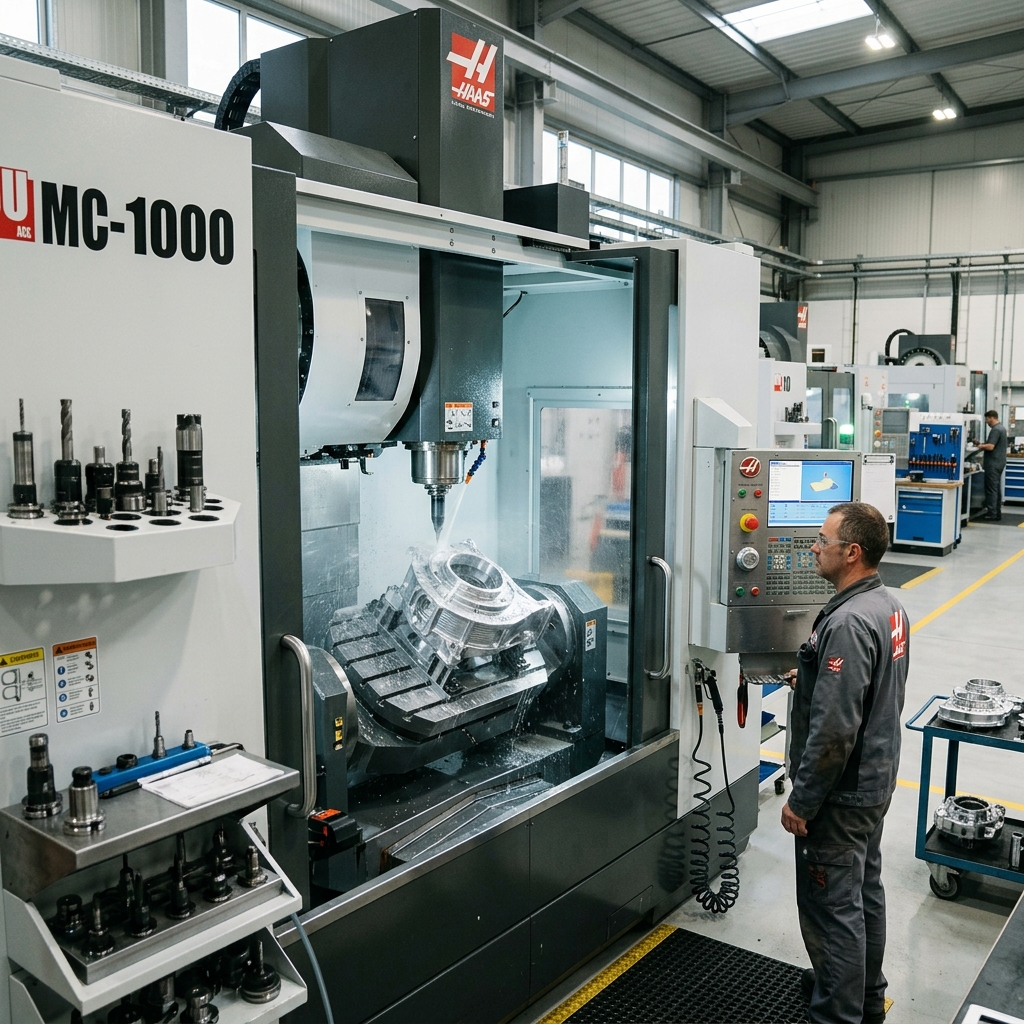
Hurco Companies posted global orders of $61.6 million in its second quarter of fiscal 2026, a 41% jump from the same period last year, according to results released June 4. The Indianapolis-based CNC machine tool manufacturer said demand came primarily from customers buying 5-axis machining centers and high-performance vertical mills.
The order surge marks a sharp reversal from the two-year downcycle that hammered machine tool builders worldwide. Hurco's quarter-over-quarter growth puts the company back in operating profit after trimming costs during lean months. Management attributed the uptick to manufacturers prioritizing automation investments to offset chronic labor shortages rather than waiting out economic uncertainty.
Geographically, the rebound was broad. North American buyers returned first, followed by European manufacturers who had delayed capital spending through most of 2025. Asian markets remained mixed, with pockets of strength in medical device and aerospace subcontractors who need tighter tolerances than 3-axis equipment can deliver.
To understand vertical mills and 5-axis machines, we should look at how they work. A standard vertical mill works on three axes. It moves up and down, left and right, and forward and backward. A 5-axis machine can rotate the workpiece or the cutting tool on two extra axes. This lets the machine cut complex shapes from almost any angle without needing to stop and reposition the part by hand. Repositioning by hand takes time and can introduce small errors. Automated 5-axis cutting solves this issue. It is much more precise.
The financial recovery is also important. For two years, high inflation and rising interest rates made machine shops hesitate. They did not want to buy expensive new gear. Hurco had to cut costs to stay stable. They simplified their product lines and reduced inventory. Now, that discipline is paying off. As orders return, Hurco is seeing its margins improve. The firm is in a much stronger position than it was a year ago. Sourcing managers are noticing this stability. It gives them more confidence when planning long-term contracts.
Why it matters for manufacturers
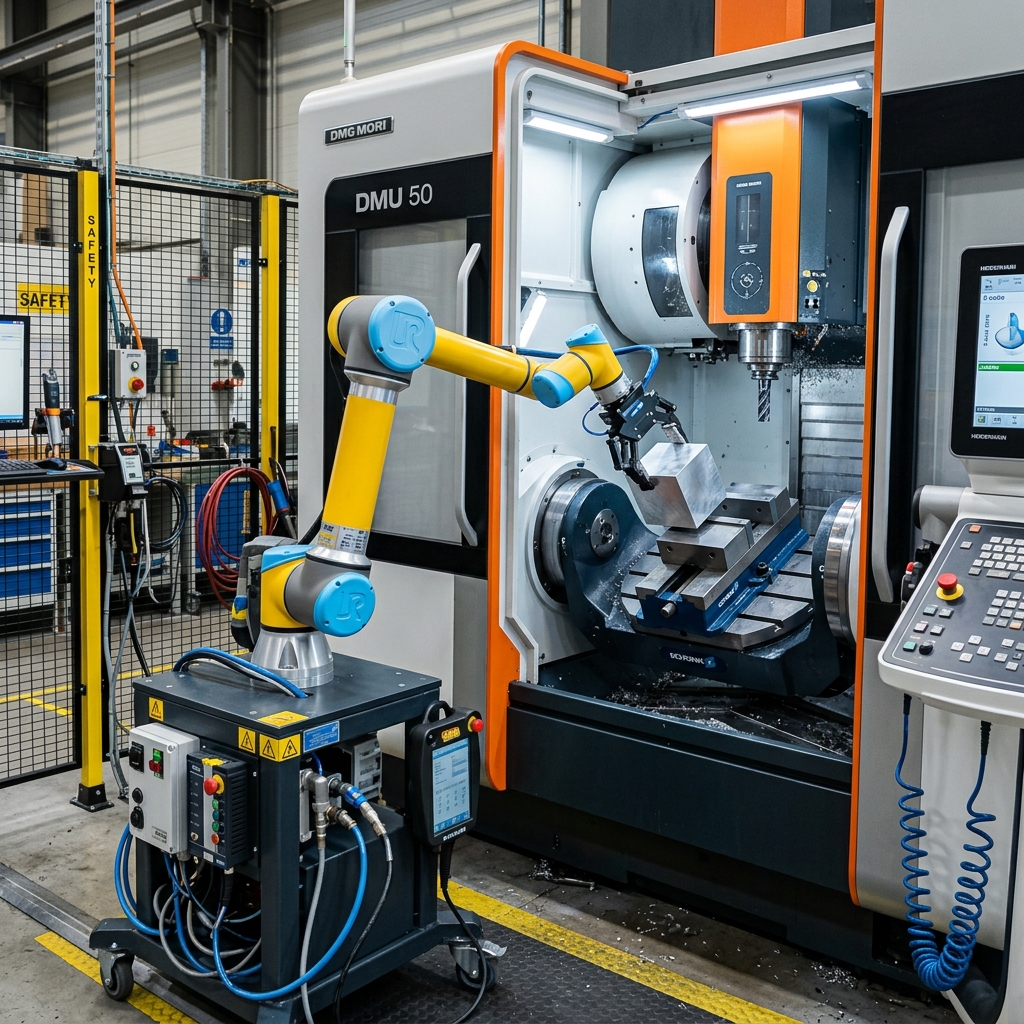
Illustration: RivCut
When a Tier-1 machine tool OEM sees orders climb 41% in three months, it tells you something shifted in how procurement teams justify new equipment. For the past 18 months, most shops sat on the sidelines — lead times were long, interest rates were high, and no one knew if demand would hold. That calculus changed when the cost of not automating started exceeding the cost of a new machine.
The specific product mix matters here. Hurco isn't selling entry-level 3-axis mills. Customers are buying 5-axis CNC equipment that costs $250,000 to $600,000 per unit. That's a bet on complex parts, tighter tolerances, and fewer setups — exactly what you need when you can't find a second-shift machinist at any wage. It's also a signal that buyers expect multi-year production runs, not one-off prototypes.
For contract manufacturers and job shops, this creates a two-speed market. Shops with modern robotics and automation can bid competitively on aerospace brackets, medical implants, and EV housings that require continuous 5-axis work. Shops still running manual mills or older 3-axis VMCs will find themselves priced out or stuck chasing low-margin work. The gap between automated and non-automated facilities widens every quarter, and Hurco's numbers suggest the next 12 months will accelerate that separation.
There's also a supply-chain angle. Machine tool order backlogs typically run six to nine months, so a June spike means new capacity hits floors in early 2027. If you're sourcing machined components and your current supplier can't scale, now is the time to qualify alternates — before everyone else locks in slots with shops that invested early.
Furthermore, buying the machine is only the first step. A shop must also buy tooling, specialized software, and train its workers. This can add 20% to 50% to the total cost. The fact that shops are willing to spend this extra money shows how serious the labor shortage is. They cannot find enough workers, so they must use machines to fill the gap. This shift is changing the structure of job shops. They are becoming smaller in terms of staff but much larger in terms of output and technical capability.
Sourcing teams must change how they evaluate suppliers. In the past, you might look at how many machinists a shop had. Today, you should look at how many automated spindles they run. A shop with five automated 5-axis machines and two technicians can often produce more parts than a shop with twenty manual machines and fifteen operators. Automated shops are also less likely to suffer from delays caused by worker turnover. This makes them a more reliable choice for critical parts.
What to watch next
Illustration: RivCut
One strong quarter doesn't confirm a trend. Hurco's competitors — DMG Mori, Haas, Mazak — will report their own second-quarter numbers over the next four weeks. If they show similar order growth, the machine tool recovery is real. If Hurco is an outlier, it might just mean they won share during a weak market rather than riding a broad upcycle.
The Federal Reserve's next rate decision in late June will matter more than usual. CNC equipment purchases are often financed, and a quarter-point cut could pull forward orders that buyers have been delaying. Conversely, if rates hold or tick up, the Hurco spike might represent pent-up demand that gets satisfied quickly rather than sustained growth.
Labor data is the other variable. If the manufacturing unemployment rate stays below 3% through summer, more shops will conclude they can't hire their way to growth and will have to automate instead. That would support continued strength in high-end machining centers. But if a recession finally arrives and demand softens, even automated shops will delay new equipment until utilization rates recover.
For sourcing teams, the takeaway is simple: lead times on precision machining are about to tighten again. The shops that can deliver complex parts in eight weeks instead of sixteen will command premium pricing. Plan accordingly. Check RivCut's manufacturing news for updates as other machine tool builders report earnings.
We should also watch the supply chain for the machine tool builders themselves. Hurco and its competitors rely on high-precision components like ball screws, linear guides, and CNC controls. Many of these parts come from specialized suppliers in Japan and Germany. If those component makers cannot keep up with the new demand, machine tool builders will face delays. This would push back delivery dates for the new CNC machines. Sourcing managers should track these lead times to understand when new capacity will actually come online.
Finally, keep an eye on software integration. Modern CNC machines are only as good as the software that drives them. Shops are investing in CAD/CAM software that can program complex 5-axis paths automatically. They are also using simulation software to test programs before running them. This prevents costly crashes that can damage the machine. Watch if machine tool builders start bundling more software and support with their machines. This could make it easier for smaller shops to adopt 5-axis technology quickly.
Frequently Asked Questions
What is a 5-axis CNC machine?
A 5-axis CNC machine can move a cutting tool or a part along five different axes at the same time. This is different from standard 3-axis machines, which only move in three directions (up-down, left-right, forward-backward). 5-axis machining allows shops to cut complex shapes in a single setup, saving time and improving precision.
Why are CNC machine orders rising now?
Orders are rising because manufacturers are investing in automation to offset a chronic shortage of skilled workers. Additionally, after delaying capital expenditures for two years due to economic uncertainty, shops are finally upgrading their equipment to meet steady demand in aerospace, defense, and medical sectors.
How does lights-out manufacturing work?
Lights-out manufacturing is when a factory runs without any human workers on site, often overnight. This is made possible by combining automated CNC machines with robotic arms that load raw metal blocks and unload finished parts, allowing continuous production.
What should sourcing managers do during a machine tool rebound?
Sourcing managers should expect machine shops to become busier, which can lead to longer lead times and higher prices. To protect your supply chain, you should identify and qualify alternate suppliers early, especially those who utilize automated, multi-axis equipment that can scale production quickly.
When procurement teams start buying $500,000 mills instead of waiting, labor shortages have crossed the threshold from temporary pain to permanent constraint.