What happened
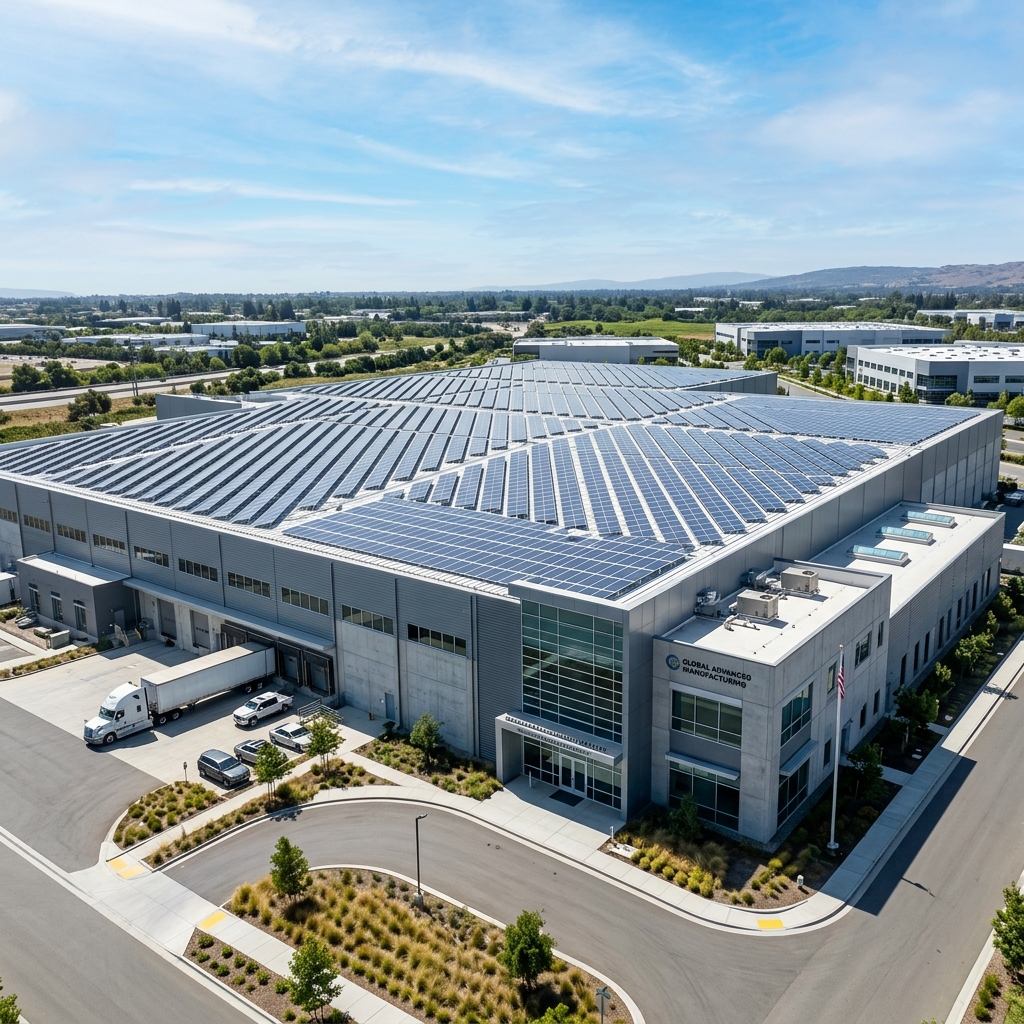
Illustration: RivCut
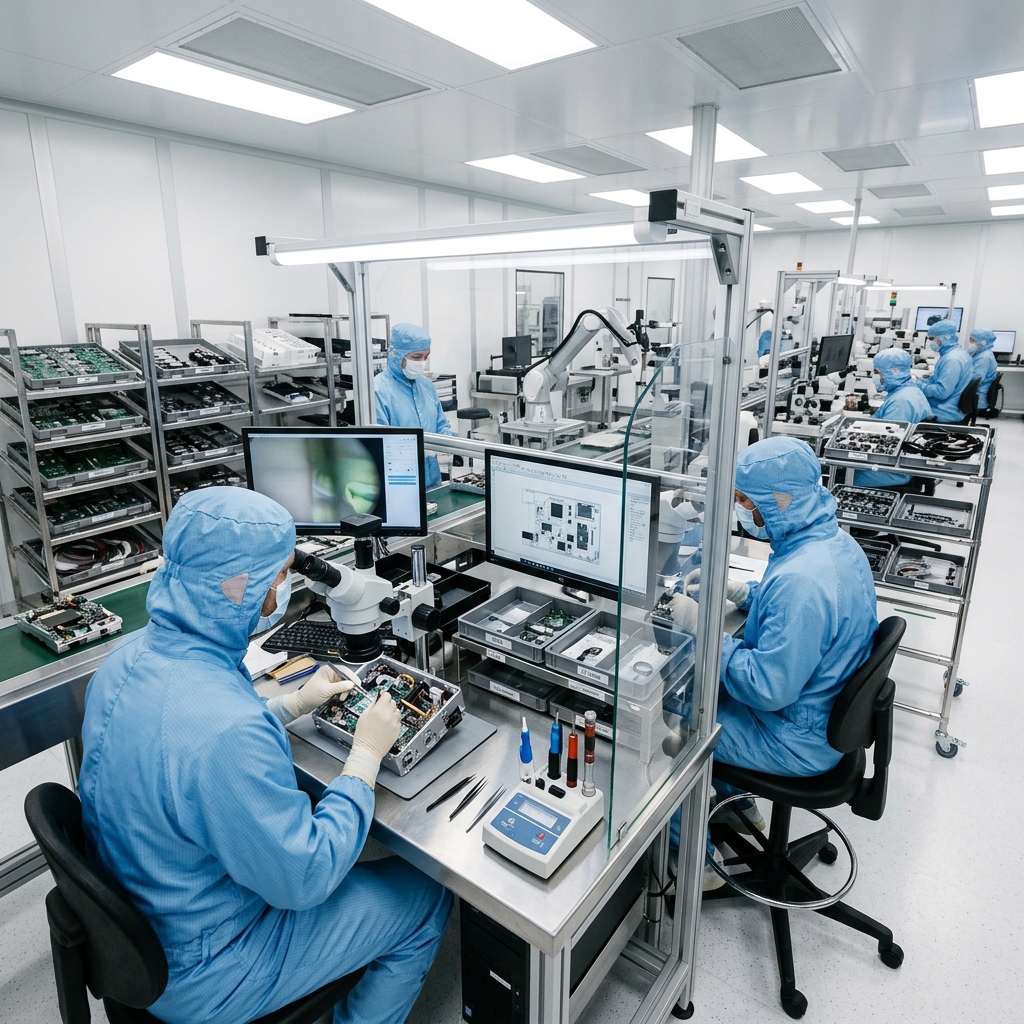
The reshoring of medical device manufacturing is accelerating rapidly as surgical tool and implant makers expand U.S. cleanroom capacity. Major medical device developers have opened several new ISO Class 7 cleanrooms in critical technology hubs. These facilities, located in northern California and Massachusetts, are dedicated to micro-assembly, quality inspection, and sterile packaging. This capital investment is a direct response to rising shipping costs, logistical delays, and the need to bring manufacturing closer to development teams to speed up product design cycles.
The push follows increased FDA scrutiny of quality control lapses at overseas packaging and manufacturing facilities. When medical components are produced overseas, maintaining strict control over the environment is very difficult. Contamination or minor defects can lead to product recalls, which are incredibly costly and damage a company's reputation. By localizing assembly and sterile packaging in U.S. facilities, medical device companies can maintain direct control over the manufacturing environment, reduce the risk of contamination, and simplify the regulatory approval process for next-generation products.
This reshoring trend has also triggered a surge in demand for domestic precision machining. Medical device companies need U.S. based machine shops that can manufacture complex metal and plastic parts on short notice. Many developers are moving away from overseas suppliers who require weeks or months to ship parts. Instead, they are partnering with local shops that can deliver prototype and production runs in a fraction of the time. This change allows engineers to iterate designs quickly, helping them bring life-saving devices to market much faster.
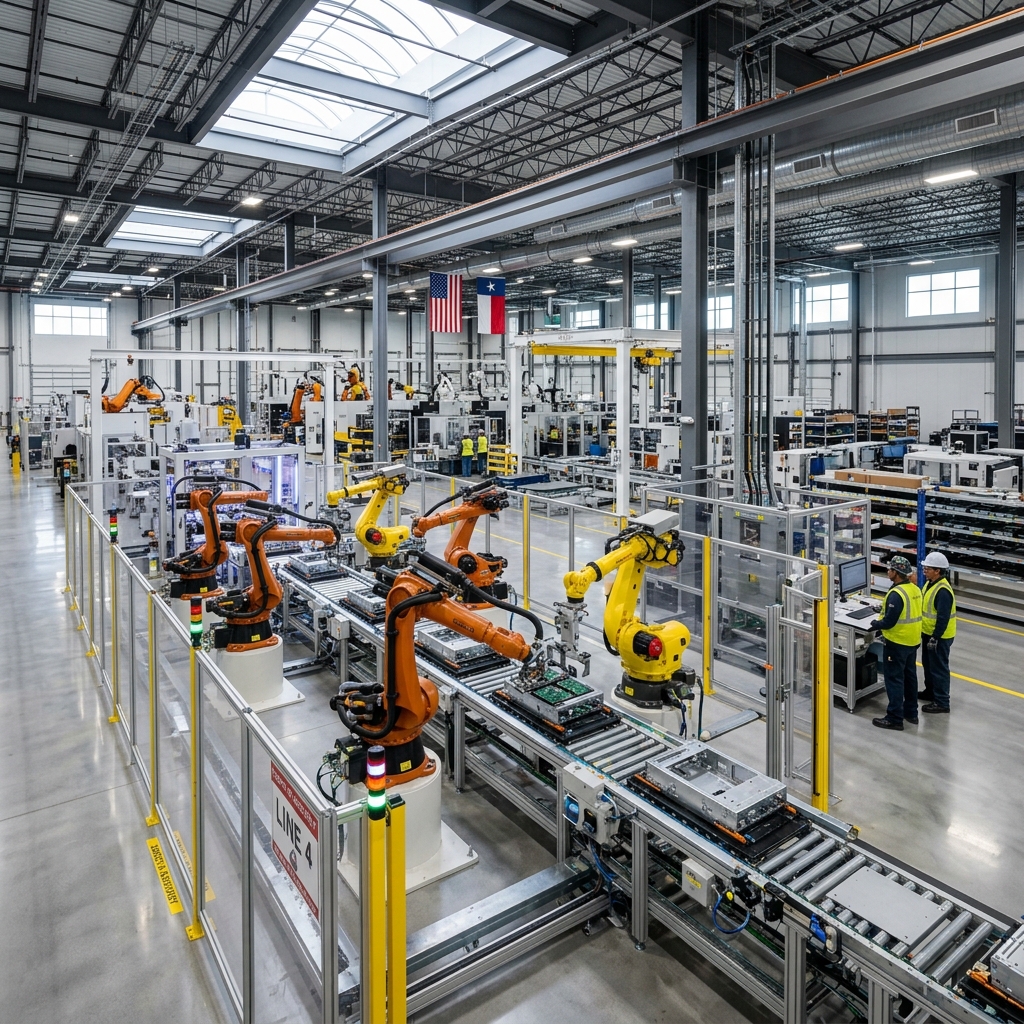
To support this growing industry, U.S. machine shops are investing in advanced multi-axis CNC machines and clean manufacturing spaces. They are hiring skilled machinists who understand the strict requirements of the medical field. By keeping the manufacturing process domestic, shops can guarantee better quality, complete material traceability, and faster communication. This growth in local manufacturing is helping rebuild the U.S. medical device supply chain, making it more resilient against global disruptions.
Why it matters for manufacturers
Illustration: RivCut
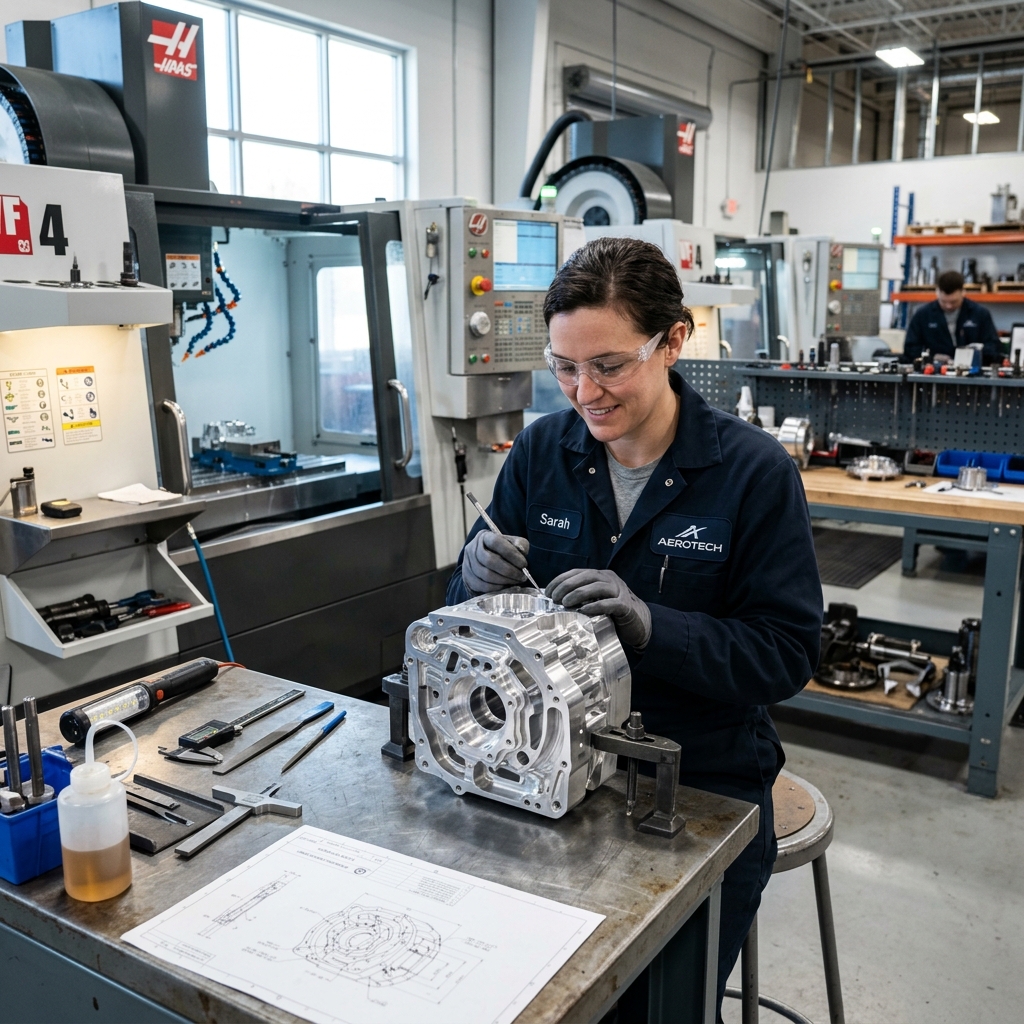
In medical manufacturing, quality and traceability are absolutely non-negotiable. Surgical instruments, orthopedic trials, and implant components must be machined to precise specifications. These parts are often cut from biocompatible materials like titanium (Ti-6Al-4V), cobalt-chrome, or implant-grade plastics like PEEK. Every single component requires full material traceability back to the specific metal mill source. This means that a shop must prove exactly where the raw material came from, how it was processed, and that it contains no impurities that could harm a patient.
When sourcing these critical components, working with a domestic CNC machine shop that provides full documentation is vital. A reliable supplier must offer material certifications, coordinate measuring machine (CMM) inspection reports, and strict document controls. Sourcing locally also allows device engineers to collaborate directly with machinists on design-for-manufacturability (DFM) feedback. This close collaboration helps optimize parts for production, lowering manufacturing costs and reducing lead times for clinical trial batches where speed is essential.
Another major advantage of domestic reshoring is the reduction in regulatory risk. The FDA requires strict adherence to quality system regulations, and auditing an overseas facility is difficult and expensive. Working with a domestic shop simplifies the auditing process, as quality managers can easily visit the facility to verify compliance. This direct oversight helps ensure that the shop operates under the same quality standards as the device developer, reducing the likelihood of quality issues and streamlining the path to regulatory clearance.
Furthermore, sourcing locally protects intellectual property (IP). Medical device designs are highly valuable and proprietary. Sharing sensitive CAD files with overseas suppliers increases the risk of IP theft or unauthorized copying. By partnering with ITAR-registered domestic machine shops that have strict cybersecurity and document controls, developers can ensure that their designs remain secure. This protection is vital for maintaining a competitive edge in the fast-growing medical technology market.
What to watch next
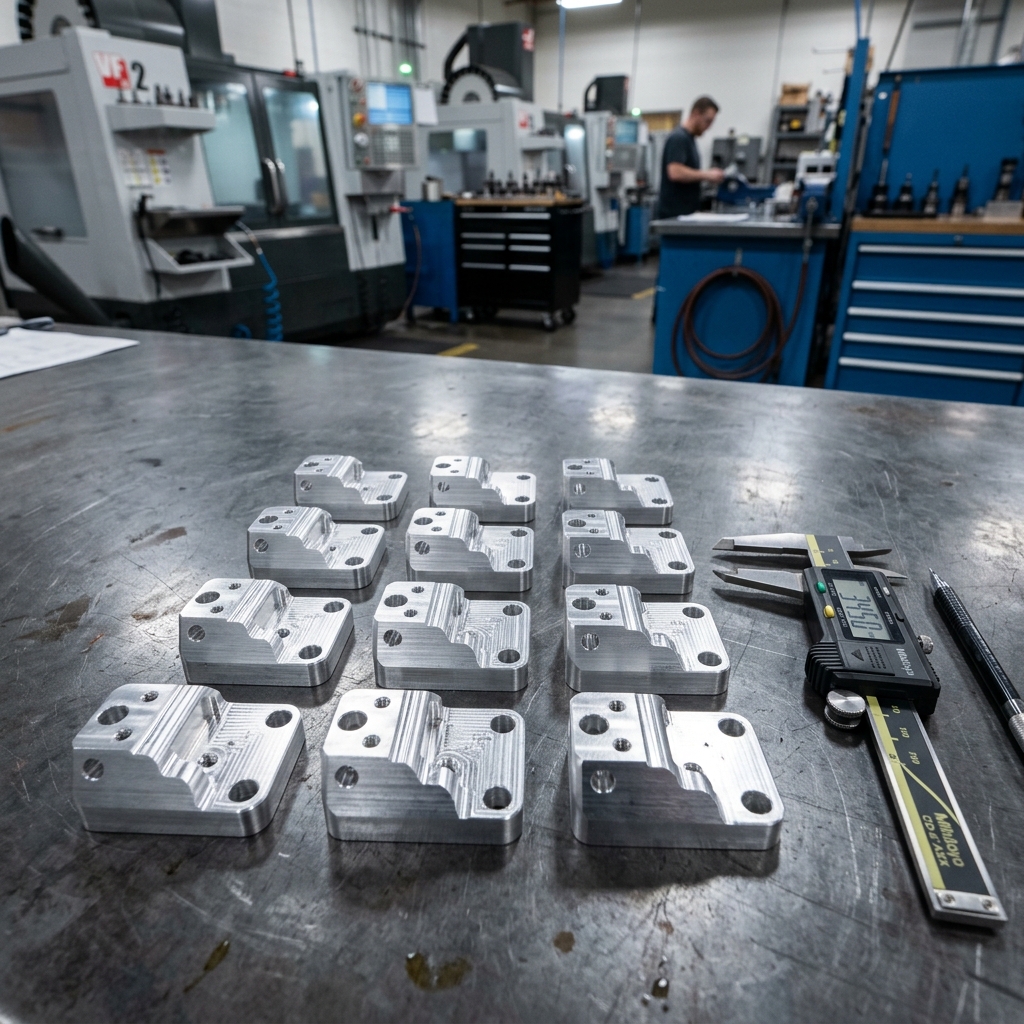
Illustration: RivCut
Moving forward, watch the rollout of ISO 13485 certifications among domestic machine shops as they specialize to capture medical device business. ISO 13485 is the international quality standard for medical device manufacturing. Shops that achieve this certification demonstrate that they have the documented processes and quality controls required to produce safe, compliant medical components. As more U.S. shops obtain this certification, it will expand the pool of qualified domestic suppliers, making it easier for device developers to reshore their production.
We should also monitor the integration of AI-powered inspection cameras on cleanroom lines. These systems use advanced algorithms to inspect parts for microscopic cosmetic defects, surface roughness issues, or dimensional variations before packaging. By automating the inspection process, manufacturers can reduce human error and speed up the quality control process. This technology is becoming more affordable and will help U.S. cleanrooms maintain high throughput while keeping defect rates near zero, further improving efficiency.
Finally, watch for changes in government policy and trade rules that could affect the cost of medical manufacturing. Continued incentives for reshoring, such as tax credits or research grants, could drive more companies to invest in domestic cleanrooms. At the same time, any new restrictions on imported medical components will make overseas sourcing even less attractive. The shift to domestic production is building momentum, and it will continue to reshape the medical device industry for the next decade. Developing strong partnerships with local manufacturers will be key to navigating these changes.
Furthermore, localizing the supply chain protects U.S. device manufacturers from geopolitical uncertainties and international shipping delays. Building regional networks of specialized component suppliers and finishing houses ensures a continuous, reliable flow of materials. This collaborative ecosystem not only accelerates the R&D process for new medical innovations but also strengthens the overall competitiveness of domestic manufacturing. As reshoring gathers more support, companies that invest in state-of-the-art metrology and close supplier relationships will be best positioned for long-term success.
Frequently Asked Questions
Why is medical device manufacturing reshoring to the United States?
Medical reshoring is driven by the need for better quality control, faster delivery times, and strict FDA regulatory compliance. Localizing production reduces the risk of contamination and recall issues.
What is the difference between ISO Class 7 and other cleanrooms?
An ISO Class 7 cleanroom maintains a maximum of 352,000 particles per cubic meter of air. This environment is clean enough to prevent contamination during medical device assembly and packaging.
Why is material traceability so important for medical implants?
Implantable parts like titanium bone screws must remain in the human body. Material traceability ensures the metal contains no toxic elements and can be traced back to its raw source if a failure occurs.
Which biocompatible plastics are commonly machined for medical devices?
The most common medical-grade plastics are PEEK, Delrin, and ultra-high-molecular-weight polyethylene (UHMW). These materials resist wear, stand up to sterilization, and are biocompatible.
Quality control is the real driver for medical reshoring; the cost of a recall dwarfs the marginal labor savings of overseas assembly.