
What happened
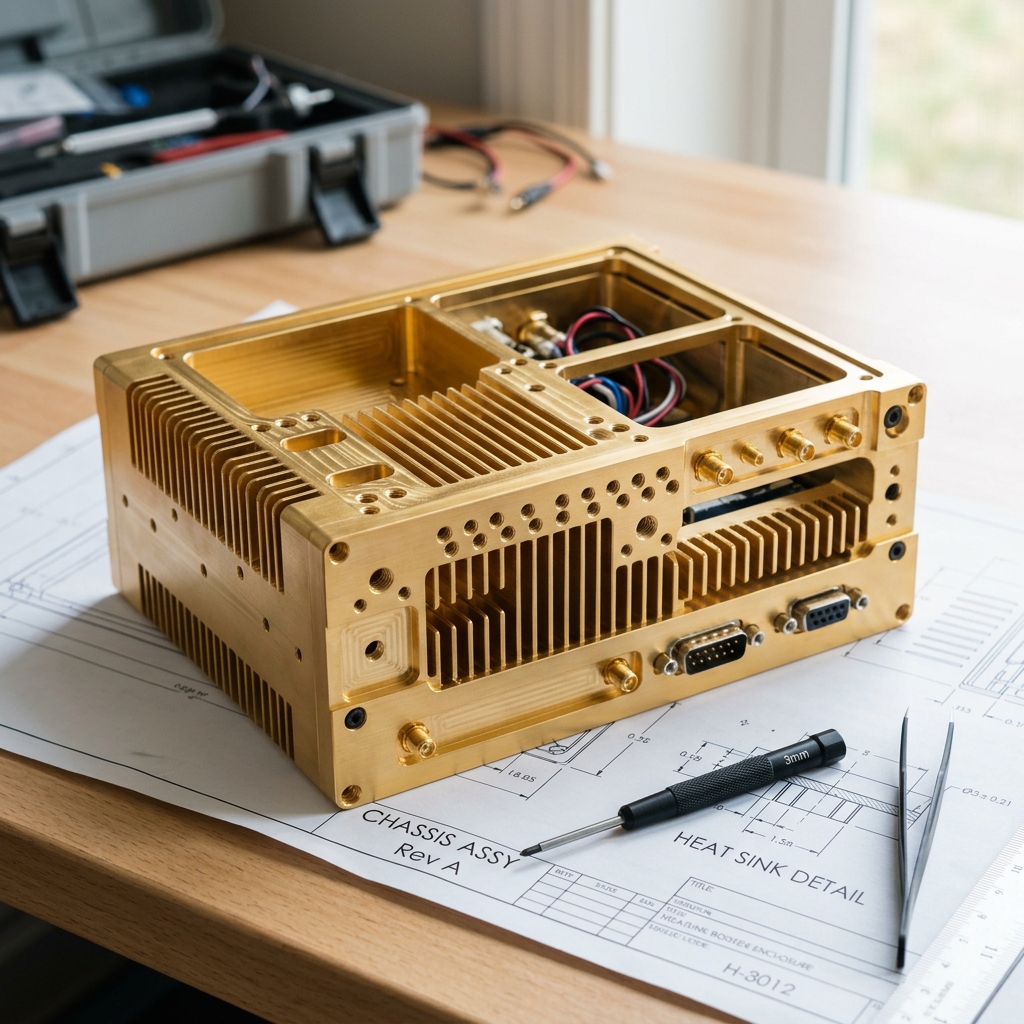
Illustration: RivCut
In a major expansion of the domestic defense industrial base, Lockheed Martin and Northrop Grumman have inaugurated new, state-of-the-art production facilities in the United States. Lockheed Martin has opened a new missile assembly and test plant in Troy, Alabama, designed to scale up production of high-demand tactical missile systems. Meanwhile, Northrop Grumman has completed a new spacecraft manufacturing and integration facility in Lanham, Maryland, to support national security satellite programs. These expansions represent a combined investment of hundreds of millions of dollars and will create over two thousand high-tech engineering and manufacturing jobs. They are a direct response to rising geopolitical tensions and the federal government's focus on securing the military supply chain.
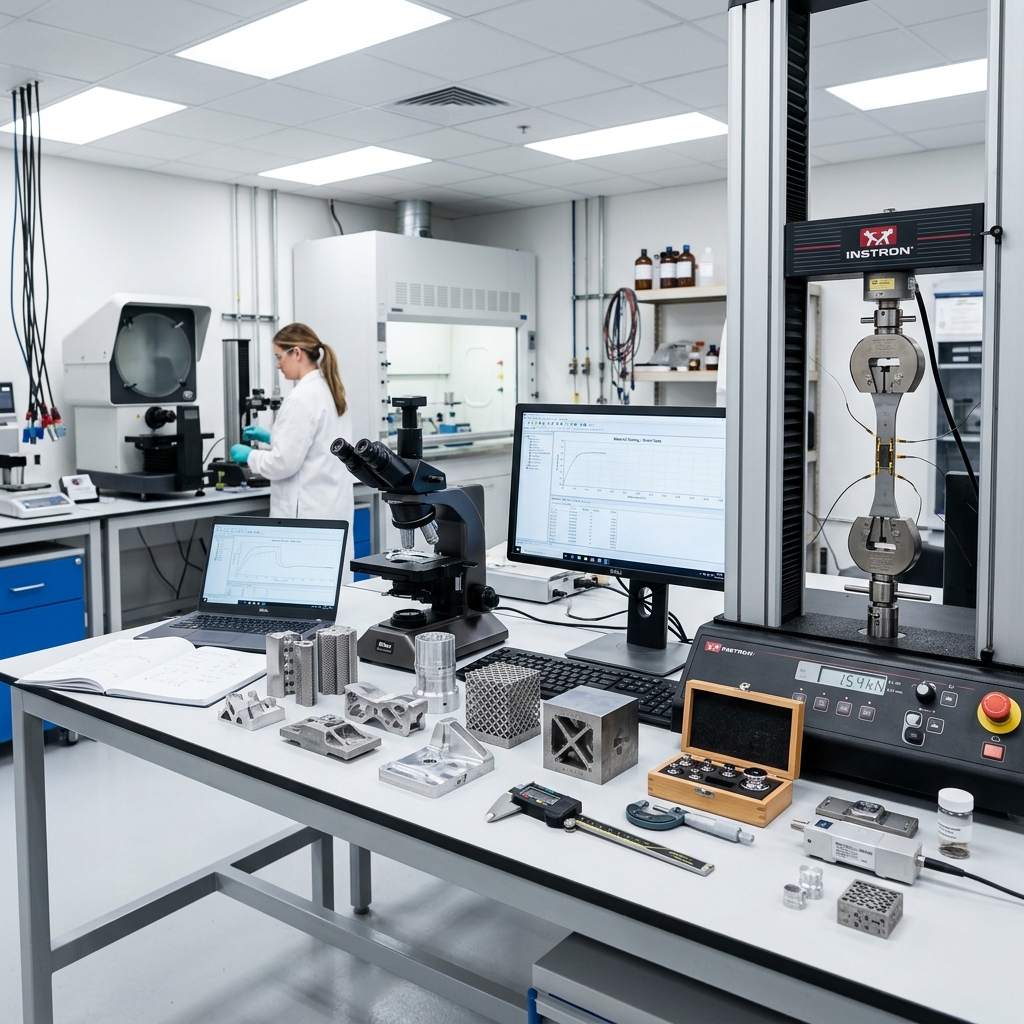
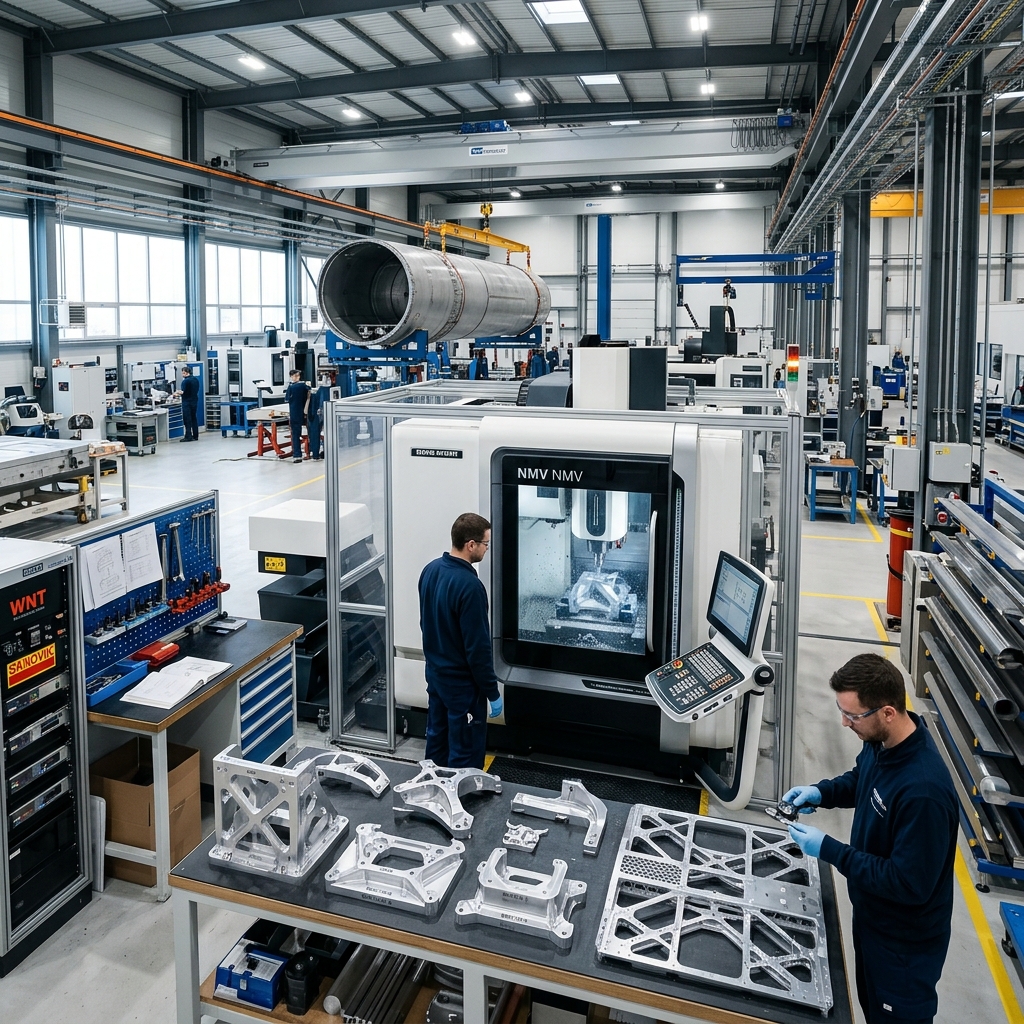
The new facilities will incorporate advanced digital engineering, robotic assembly lines, and climate-controlled metrology suites. Lockheed's Alabama plant features automated guided vehicles to move missile components through the assembly line, reducing manual handling and improving safety. Northrop's Maryland facility houses ISO Class Seven cleanrooms for integrating sensitive optical and electronic sensors onto satellite chassis. Both sites are designed with high security standards, meeting strict federal regulations for protecting classified defense technology. The projects have received strong support from state and local governments, who provided infrastructure improvements and training grants to secure the investments.
Defense manufacturing has become increasingly complex, moving away from high-volume mechanical stamping to low-volume, high-precision engineering. Modern defense systems rely on advanced electronics, guidance systems, and lightweight structural components. These parts must operate reliably under extreme conditions, including high vibration, extreme temperature changes, and electromagnetic interference. To meet these demands, components must be manufactured from advanced materials like titanium, Inconel, and gold-plated aluminum. The new facilities will work with a network of certified domestic suppliers to source these precision-machined parts, driving demand across the local manufacturing ecosystem.
The launch of these facilities comes at a critical time for the defense supply chain. In recent years, high demand for tactical weapons and satellite systems has strained the capacity of Tier Two and Tier Three suppliers. Many smaller machine shops have struggled to meet the strict quality standards, security requirements, and material traceability rules required for defense contracts. By building new assembly plants, Lockheed and Northrop are trying to streamline their final integration processes and reduce their dependence on key bottlenecks. They are also actively working to expand and qualify their network of domestic machine shops, providing new opportunities for precision manufacturers.
In addition, both companies have established designated regional offices to manage supplier collaboration. These offices will host technical workshops and provide engineering support to help local machine shops meet defense quality requirements. They will also offer guidance on cybersecurity compliance, which has become a major hurdle for smaller shops. By providing this hands-on support, the primes hope to build a more resilient and responsive supplier network that can quickly adjust production volumes as military requirements change, ensuring long-term program stability.
Why it matters for manufacturers

Illustration: RivCut
For precision machine shops, winning defense contracts represents a stable, high-value source of business. Defense programs often run for several years or even decades, providing long-term visibility that helps shops justify capital investments in new machinery. However, the requirements for entering the defense supply chain are exceptionally high. Parts must be manufactured to mil-spec standards, which specify exact material grades, tolerances, surface finishes, and heat-treating processes. A single out-of-tolerance dimension or missing material certification can result in an entire shipment being rejected, creating significant financial risk for the supplier.
To succeed in defense work, machine shops must invest in advanced multi-axis CNC machines and state-of-the-art metrology equipment. Components like missile guidance fins and satellite sensor housings feature complex geometries that are difficult to machine using standard three-axis mills. They require five-axis machining centers to cut features from multiple angles in a single setup, reducing the risk of alignment errors. Shops must also have climate-controlled inspection labs equipped with coordinate measuring machines (CMM) to verify that every dimension matches the CAD model. These quality control processes must be thoroughly documented, with digital inspection records maintained for every single part.
In addition to technical capabilities, defense suppliers must meet strict security and compliance standards. This includes registering with the Directorate of Defense Trade Controls (DDTC) and complying with International Traffic in Arms Regulations (ITAR). ITAR rules govern the export and sharing of defense-related technical data and physical parts. Machine shops must implement strict IT security controls to prevent unauthorized access to digital blueprints, including using secure servers, firewalls, and employee training. They must also control physical access to the shop floor, ensuring that only U.S. citizens or authorized persons can view defense parts in production.
Navigating the defense procurement process requires patience and administrative discipline. The sales cycle for defense contracts can take several months or even years, as shops must go through extensive pre-qualification audits. Buyers will inspect the shop's quality management system, checking for AS9100 compliance, tool calibration records, and material traceability procedures. They will also review the shop's financial stability and production capacity. While the upfront costs of compliance and qualification are high, they are essential for protecting national security and ensuring that military systems operate reliably in the field.
Another major challenge for defense machine shops is managing the cost of raw materials. Military-grade alloys like titanium and nickel-based superalloys are expensive and subject to frequent price changes. Defense contracts often specify fixed pricing over long periods, exposing shops to significant financial risk if material costs rise. To mitigate this risk, successful shops negotiate pricing agreements with material distributors or incorporate material escalation clauses into their customer contracts. They also focus on reducing material waste through smart nesting software and efficient machining processes, protecting their margins.
What to watch next
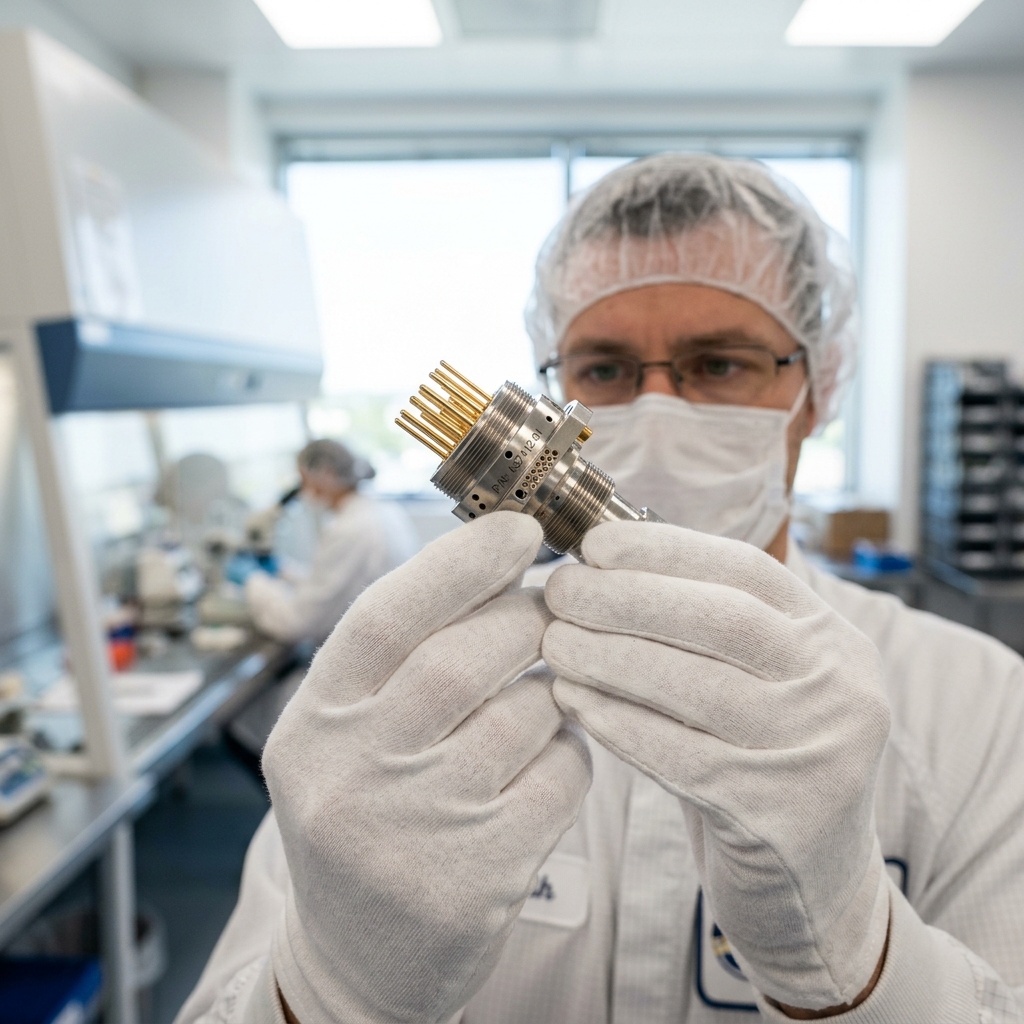
Illustration: RivCut
Moving forward, the industry is watching how the Department of Defense implements new cybersecurity standards for the supply chain. The Cybersecurity Maturity Model Certification (CMMC) program will require all defense contractors, including subcontractors, to undergo third-party audits of their IT systems. This program aims to protect sensitive military data from cyberattacks and foreign espionage. Implementing CMMC controls will be a major challenge for smaller machine shops, who often lack dedicated IT staff. Shops that fail to achieve the required certification level will be locked out of defense contracts, potentially reshuffling the supplier landscape.
We should also monitor the adoption of additive manufacturing, or 3D printing, in defense production. The military is exploring 3D printing to produce replacement parts quickly and near the battlefield. However, for critical structural parts and missile components, traditional CNC machining remains the primary production method. This is because 3D-printed metals often have microscopic voids and inconsistent material properties that make them unsafe for high-stress applications. The industry is focusing on hybrid manufacturing, using 3D printing to create rough shapes and then CNC milling to achieve final dimensions and surface finishes. This approach could reduce material waste while maintaining strict quality standards.
Additionally, the integration of autonomous quality control systems is an important development. Defense manufacturers are experimenting with machine-learning algorithms that analyze real-time tool sensor data and camera feeds to predict defects during machining. If a tool begins to vibrate or wear out, the system automatically adjusts cutting parameters to prevent part damage. Implementing these smart quality systems on shop floors can help reduce scrap rates and speed up the inspection process. Suppliers who can offer these advanced digital quality capabilities will have a significant advantage in winning high-priority defense contracts, supporting military readiness.
Finally, keep an eye on how government defense budgets change. While current spending is high, changes in political leadership or shifting geopolitical priorities can lead to budget reallocations. A reduction in funding for specific missile or satellite programs would immediately impact Lockheed, Northrop, and their supplier networks. To manage this risk, defense machine shops should maintain a diverse customer base, balancing military work with commercial aerospace, medical device, or industrial equipment contracts. This diversification helps shops weather fluctuations in defense spending and maintain stable operations over the long term, ensuring they remain a reliable part of the industrial base.
In conclusion, the facility expansions by Lockheed Martin and Northrop Grumman highlight the ongoing effort to modernize the U.S. defense industrial base. These projects represent a significant investment in advanced manufacturing capability. For precision machine shops, they offer a stable source of high-value business, provided they can meet the strict technical, quality, and security standards. The future of defense manufacturing is high-tech and highly regulated, and the suppliers who can navigate these requirements will be the ones that succeed, helping to protect national security and strengthen the domestic supply chain.
Modern defense manufacturing is no longer about raw steel and stamping; it requires cleanroom calibration, micro-precision machining, and total compliance tracking.