What happened
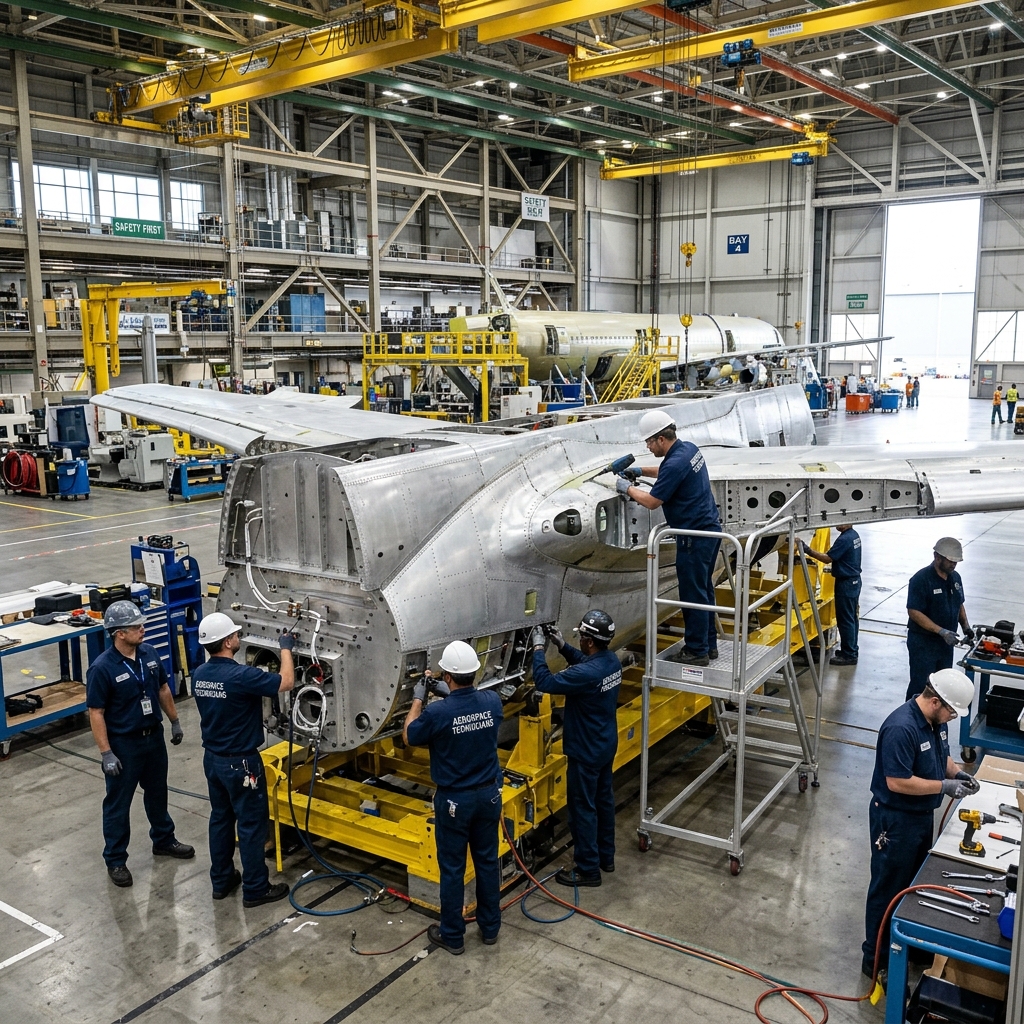
Illustration: RivCut
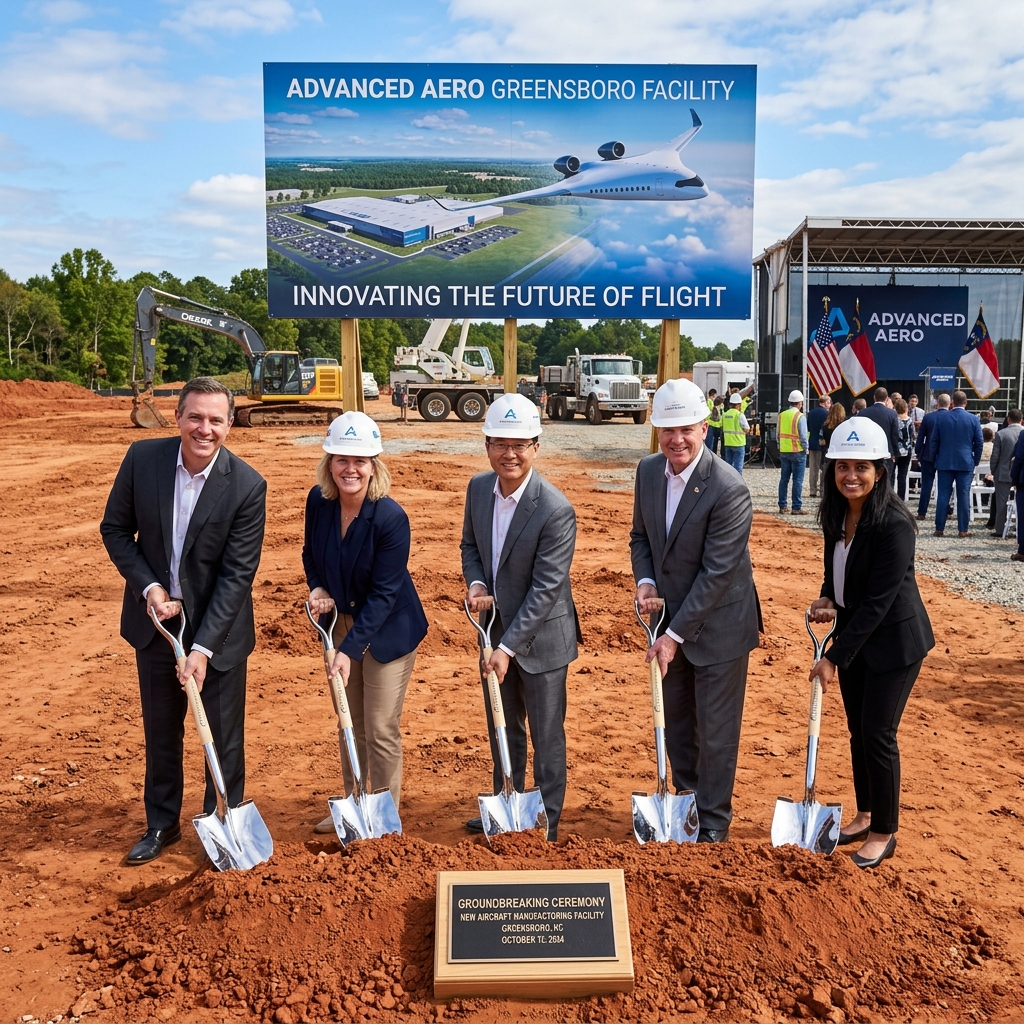
Aerospace pioneer JetZero has officially broken ground on its new commercial aircraft assembly facility in Greensboro, North Carolina. The construction of this facility marks the beginning of a major shift in commercial aviation. It is a direct response to rising demand for highly efficient, next-generation aircraft. The facility is expected to create over fourteen thousand skilled manufacturing and engineering jobs in the region. This project represents a total capital investment of over four billion dollars, backed by both private investment and strategic federal aerospace initiatives. The Greensboro site was selected for its proximity to existing transportation hubs, a strong regional supply chain, and access to a highly trained aerospace workforce in North Carolina.
Unlike standard cylindrical passenger jets, JetZero's aircraft utilize a blended wing body design. This design integrates the fuselage and the wings into a single, cohesive structure. The aerodynamic advantages of this shape are significant. It reduces drag, increases passenger and cargo capacity, and improves fuel efficiency by up to twenty percent. This efficiency gain is crucial as airlines face growing pressure to reduce carbon emissions and operating costs. The new factory will focus on the final assembly of these aircraft. It will also house a state-of-the-art research and development wing to test new composite materials and manufacturing methods. The groundbreaking ceremony was attended by industry executives, government representatives, and aerospace partners, highlighting the national significance of the project.
The facility itself will feature advanced automation, cleanrooms for composite curing, and a dedicated quality control lab. Production is scheduled to begin in phases. Initial operations will focus on prototype development and structural testing, followed by low-rate initial production. JetZero has partnered with major aerospace suppliers to secure raw materials and precision components. The site will also collaborate with local community colleges to establish specialized training programs. These programs will ensure a steady pipeline of skilled technicians capable of operating advanced aerospace equipment. The project has received broad support from the local community, who view it as a major boost to the regional economy and a continuation of the state's historic role in aviation.
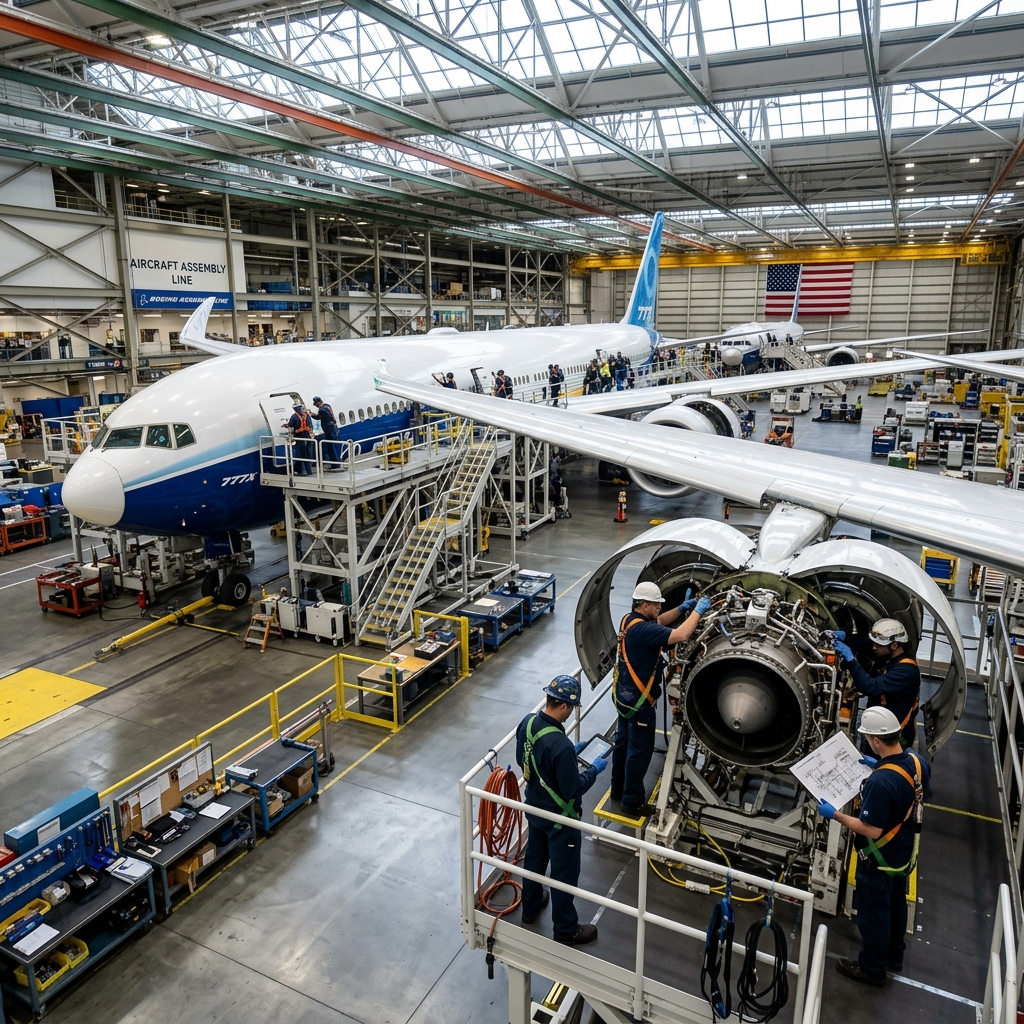
The transition to blended wing body manufacturing introduces unique structural challenges that traditional aircraft builders do not face. Conventional planes use a cylindrical fuselage because it distributes cabin pressure stress evenly. A blended wing body requires a flat-sided cabin, which experiences high bending forces under pressure. To address this, JetZero's design utilizes advanced carbon-fiber composites and high-strength titanium internal frames. These frames must be manufactured to exact standards to withstand the repeated pressure cycles of commercial flight. The Greensboro facility is designed to handle these complex assembly tasks, featuring custom-built jigs and automated alignment systems. This represents a significant investment in specialized manufacturing capability, setting a new benchmark for the aerospace industry.
Furthermore, the physical footprint of the Greensboro facility is designed for maximum efficiency. The plant spans over one million square feet, with designated zones for incoming raw material receipt, non-destructive testing, automated wing joining, and final paint operations. JetZero has prioritized environmental sustainability in the construction of the building itself, incorporating rooftop solar arrays and advanced water recycling systems. By optimizing the factory layout, the company hopes to minimize internal transport times for major assemblies, which is often a major source of delay in traditional aerospace plants. This modern approach to factory design is intended to keep production costs competitive with older, more established aerospace giants.
Why it matters for manufacturers
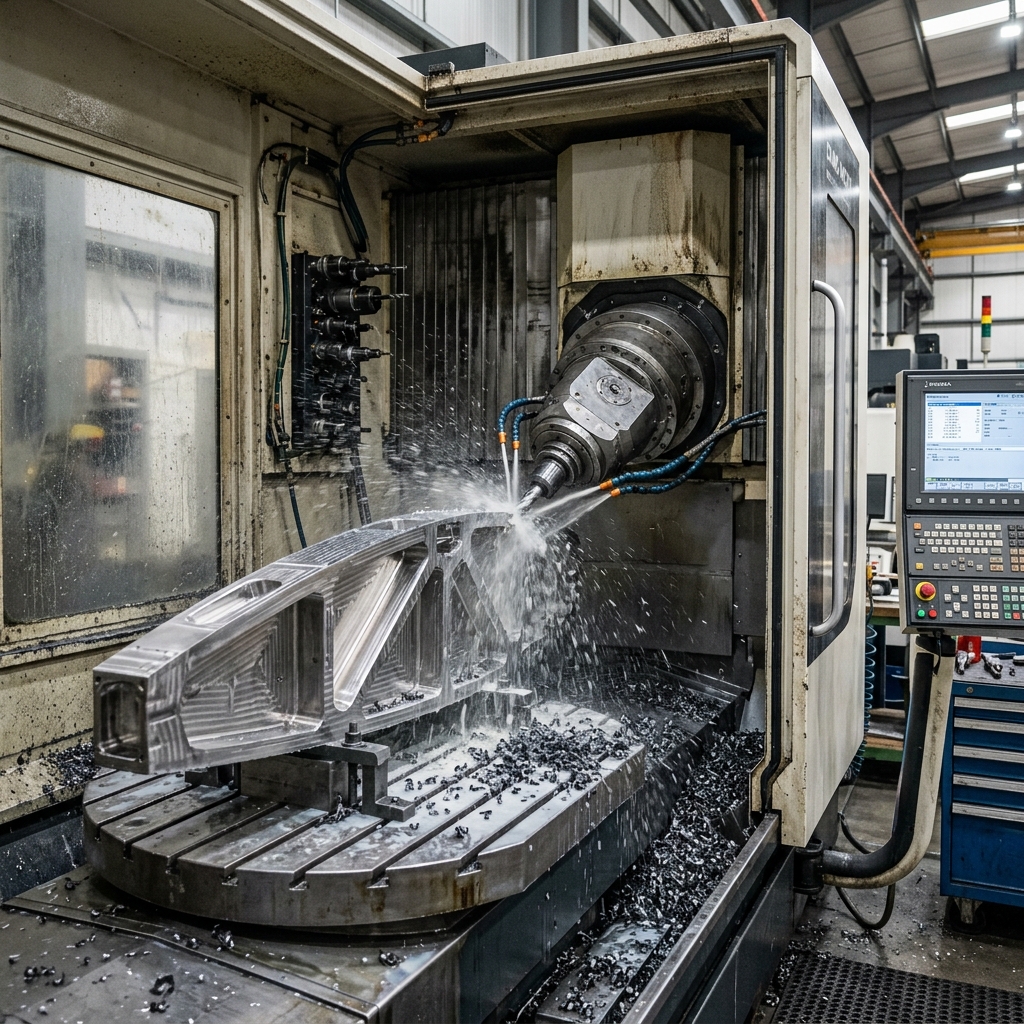
Illustration: RivCut
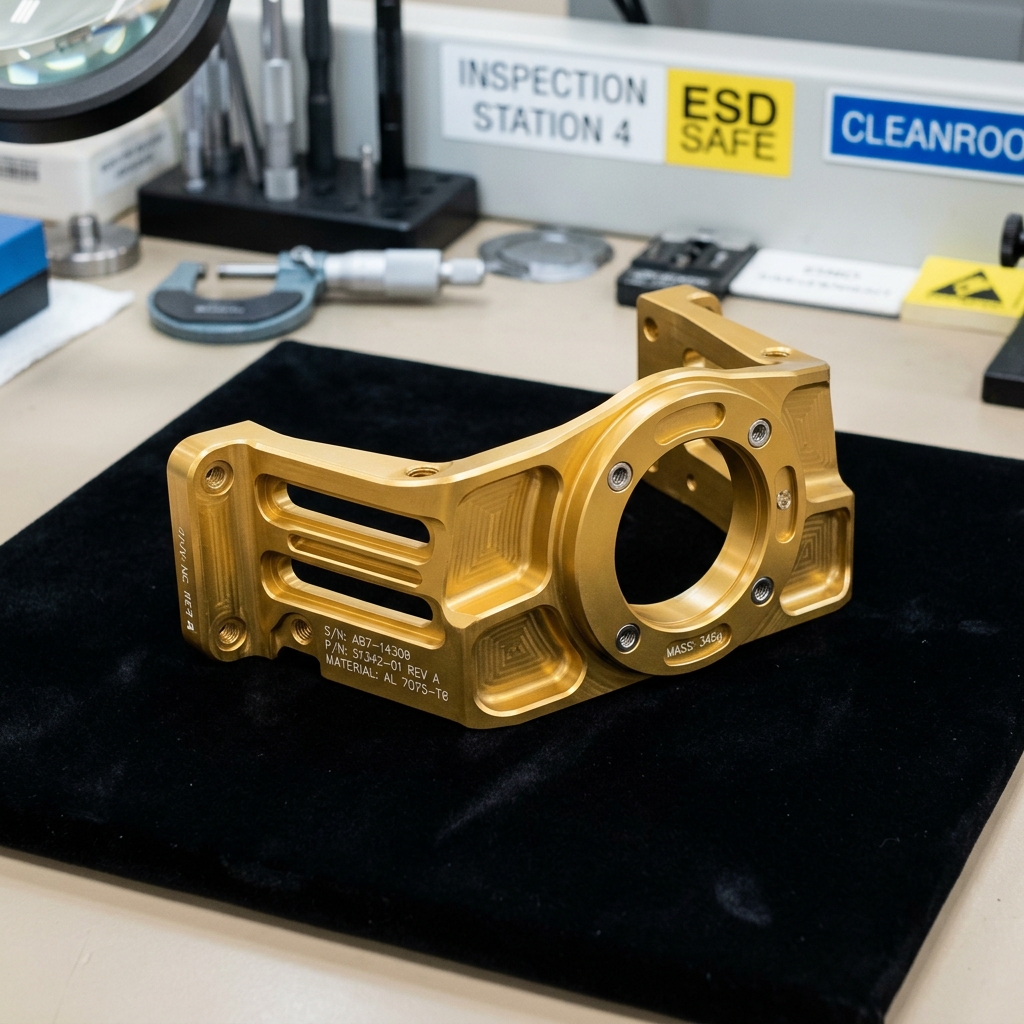
For precision CNC machine shops and aerospace suppliers, the rise of blended wing body aircraft represents a massive opportunity. The structural components of these planes require a level of machining complexity that standard aircraft do not. The large carrythrough structures, wing spars, and bulkhead frames must be machined from single billets of aerospace-grade titanium and high-strength aluminum alloys. This process is necessary to eliminate joints and reduce weight. These parts require large-format five-axis milling centers and vertical turning lathes capable of holding extremely tight tolerances over long production runs. Shops that invest in these capabilities will be well-positioned to win high-value contracts as JetZero scales up production.
Machining these aerospace components requires deep technical expertise and strict process controls. Working with titanium is notoriously difficult due to its low thermal conductivity and tendency to work-harden. It requires rigid workholding, high-pressure coolant systems, and specialized cutting tools. Additionally, the parts must be kept at a stable temperature during machining to prevent thermal expansion from throwing off critical dimensions. Quality control is another major challenge. Every critical component must undergo non-destructive testing, such as ultrasonic or dye-penetrant inspection, to check for microscopic cracks. This level of quality assurance requires significant investment in metrology equipment and certified inspection staff, raising the entry barrier for new suppliers.
In addition to machining challenges, the aerospace supply chain is facing severe capacity constraints. The backlog for commercial aircraft engines and structural parts has created long lead times for raw materials. Titanium and advanced composites are particularly hard to source, requiring manufacturers to plan their material orders months in advance. To mitigate this risk, aerospace primes are looking for suppliers with stable financial backing and strong relationships with material mills. They are also prioritizing shops that offer secondary operations, such as heat treating, surface finishing, and non-destructive testing, in-house. This allows buyers to streamline their procurement process and reduce the risk of logistical delays.
For machine shops looking to enter the JetZero supply chain, demonstrating compliance with aerospace standards is critical. This includes maintaining AS9100 certification and establishing complete material traceability. Every single part must be traceable back to the specific heat lot of the raw metal it was cut from. This requires robust enterprise resource planning software and disciplined shop-floor documentation. Additionally, suppliers must meet strict cybersecurity requirements to protect sensitive aerospace designs. While these compliance costs are high, they are essential for protecting intellectual property and ensuring national security, making them a non-negotiable requirement for aerospace contracting.
Beyond standard certifications, shops must adapt to the physical realities of larger parts. Many of the blended wing body structural ribs are significantly wider than those found in narrowbody jets, requiring machines with larger work envelopes. Spindle thermal stability becomes a critical issue when machining these long parts, as a tiny shift in temperature can cause the part to warp. Machine shops are increasingly using real-time laser calibration and active chiller units to maintain spindle accuracy during multi-day machining operations. Investing in these advanced thermal controls is becoming a key differentiator for shops competing for high-value aerospace contracts, ensuring they can deliver parts that meet the strict tolerances required by JetZero.
What to watch next
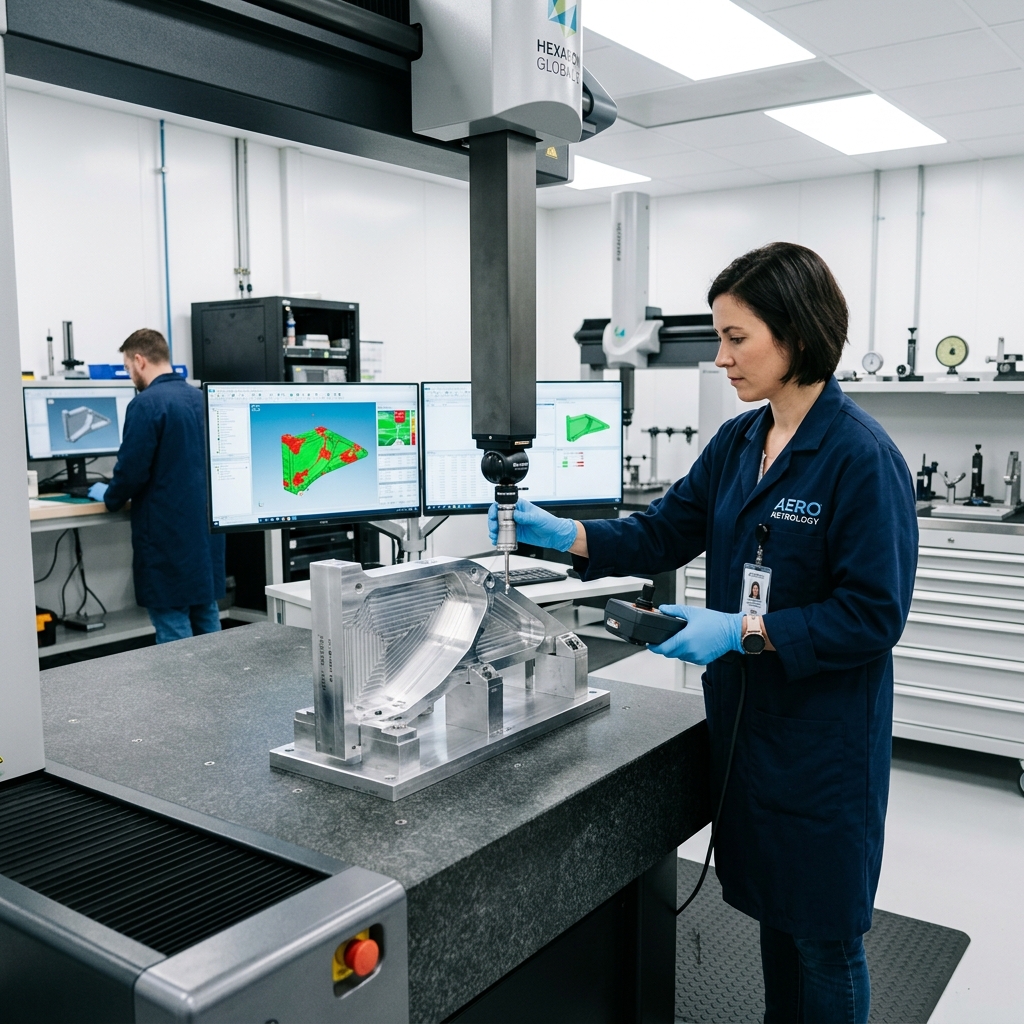
Illustration: RivCut
Moving forward, the industry is watching JetZero's progress toward regulatory certification. The Federal Aviation Administration has strict safety standards for new commercial aircraft designs. The blended wing body must pass extensive structural testing, evacuation drills, and flight testing before it can carry passengers. This certification process is time-consuming and expensive, representing a major milestone for the company. Any delays in regulatory approval could push back delivery schedules and impact supplier contracts. However, the strong support from Alaska Airlines and the military suggests that the program has significant momentum and a clear path to market entry.
We should also monitor the development of military tanker and transport derivatives of the blended wing body. The United States Air Force has shown strong interest in the design, funding a prototype development program. A military version of the aircraft would require different systems and structural configurations, creating additional opportunities for defense manufacturers. It would also help lower unit costs by increasing production volumes. The Greensboro facility is designed to handle both commercial and military production, providing JetZero with valuable flexibility as market demands shift. This dual-use potential is a major strategic advantage for the company.
Additionally, the adoption of hybrid-electric and hydrogen propulsion systems for blended wing body aircraft is an important trend to watch. The spacious cabin design of the blended wing body provides unique opportunities for housing large hydrogen storage tanks, which are difficult to fit inside standard cylindrical fuselages. JetZero has hinted at future propulsion upgrades, which would require completely new fuel delivery systems and lightweight tank structures. Manufacturers should prepare for these future changes by developing expertise in machining clean energy components and welding advanced alloys. This proactive approach will help ensure that suppliers remain relevant as the industry transitions to zero-emission flight.
Finally, keep an eye on how traditional aircraft manufacturers respond to the blended wing body threat. Boeing and Airbus are both exploring advanced aerodynamic designs and hybrid-electric propulsion systems. However, they have massive investments in existing production lines for conventional aircraft, making it difficult for them to pivot quickly. If JetZero can demonstrate the viability and efficiency of the blended wing body, it could force the incumbents to accelerate their own development timelines. This competitive dynamic will drive innovation and shape the future of aerospace manufacturing for decades to come, creating a dynamic environment for suppliers.
In conclusion, the groundbreaking in Greensboro is a landmark event for the aerospace industry. It represents a concrete step toward a more sustainable and efficient future for commercial flight. For manufacturers, it is a reminder of the constant need to innovate and invest in advanced capabilities. The shops that succeed will be those that can master the complex machining of superalloys and composites, maintain strict quality control, and adapt to the unique structural demands of the blended wing body. The future of aviation is being built in North Carolina, and the manufacturing community has a vital role to play in its success.
The blended wing body represents the most radical leap in commercial aircraft design in seventy years, shifting the manufacturing challenge from standard cylindrical assembly to complex multi-axis structural integration.