What happened
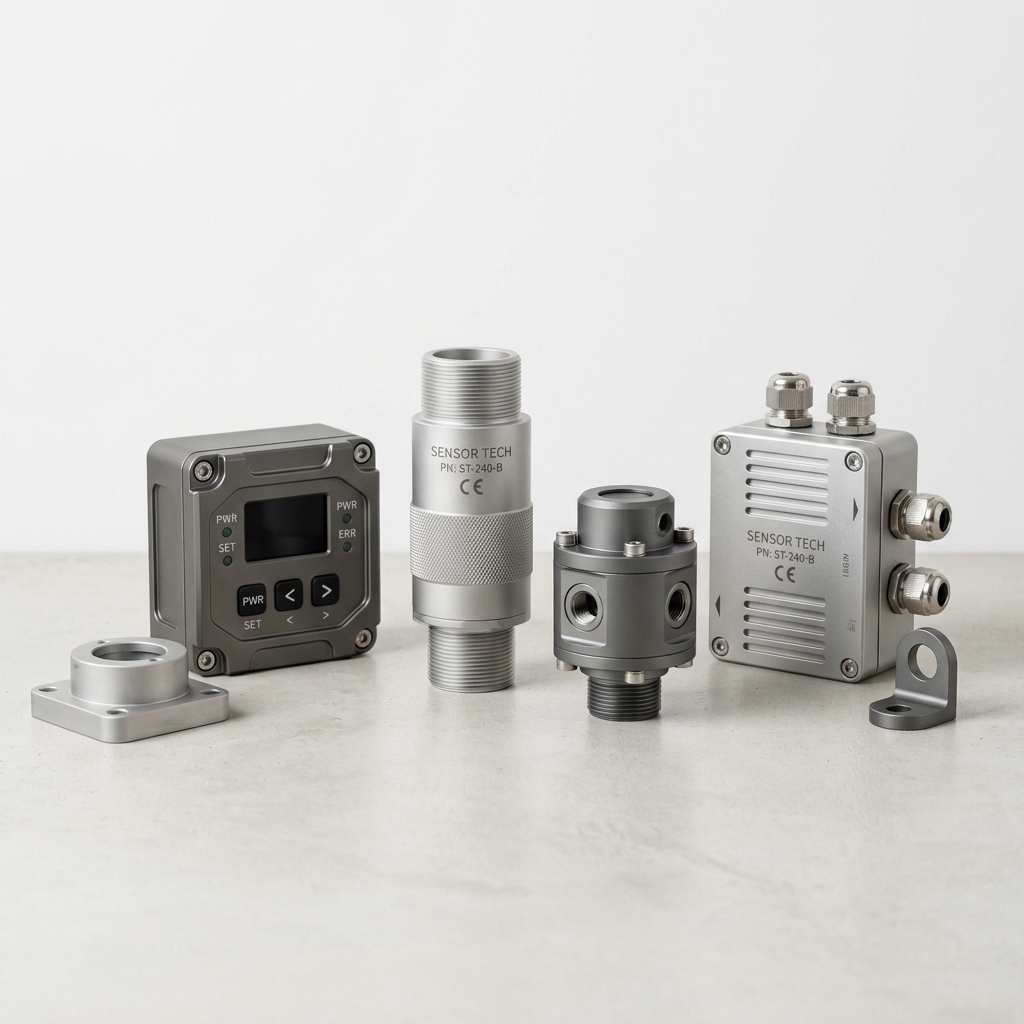
Illustration: RivCut
U.S. manufacturers of industrial pumps and process control valves are facing a major backlog. A deluge of new orders from the municipal water and chemical processing sectors has flooded the market. Order books for heavy-duty fluid handling equipment have expanded by 25% over the past year. This surge in demand has pushed lead times for large-scale pumps and control valves past 180 days. Water utility projects and chemical plants are finding it difficult to get the equipment they need on schedule, causing delays in construction and maintenance projects across the nation.
The primary bottleneck in pump production is the availability of cast metal bodies and impellers. Domestic foundries are operating at full capacity, and overseas casting suppliers are plagued by shipping delays and rising freight costs. It can take months for a custom casting to be produced and delivered to a pump assembly plant. To bypass this casting bottleneck, pump builders are increasingly sourcing CNC-machined components. By cutting parts directly from solid metal billet, they can bypass the foundry entirely. This allows them to deliver finished hardware weeks faster, helping urgent utility and industrial projects stay on track.
This shift to CNC billet machining is reshaping the industrial pump industry. In the past, machining a large pump impeller from a solid block of steel was considered too expensive for standard products. It was reserved for custom or high-performance applications. Today, the high cost of project delays has changed the math. Pump manufacturers are willing to pay a premium for machined billet parts because they can get them immediately. This has created a new and growing market for domestic machine shops that can handle large, complex parts.
To meet this demand, U.S. machine shops are investing in larger machines with high-torque spindles. These machines are needed to cut tough materials like stainless steel and bronze. Shops are also using advanced programming software to design efficient toolpaths that reduce machining times. By working closely with pump designers, machinists can optimize parts for CNC production, lowering costs and improving delivery times. This cooperation is helping the industry overcome the casting shortage and speed up infrastructure projects.
Why it matters for manufacturers
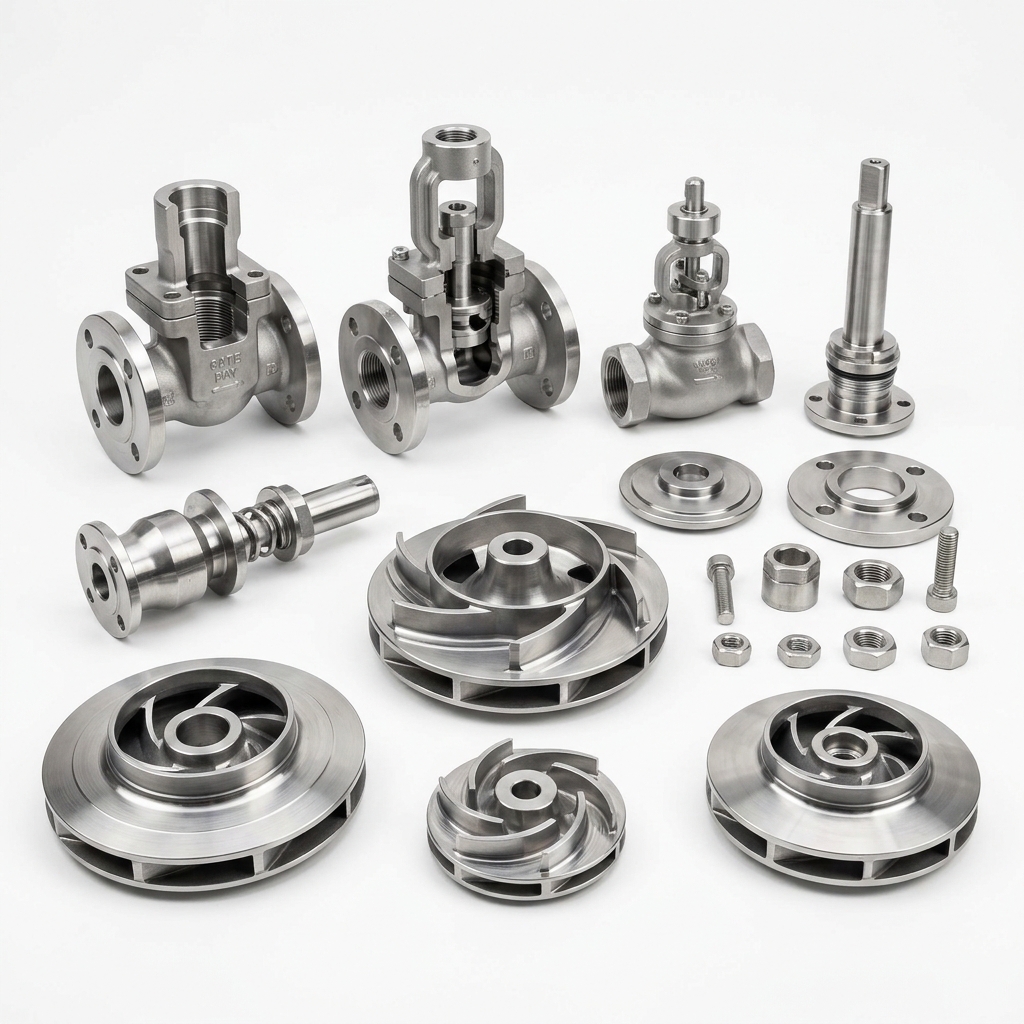
Illustration: RivCut
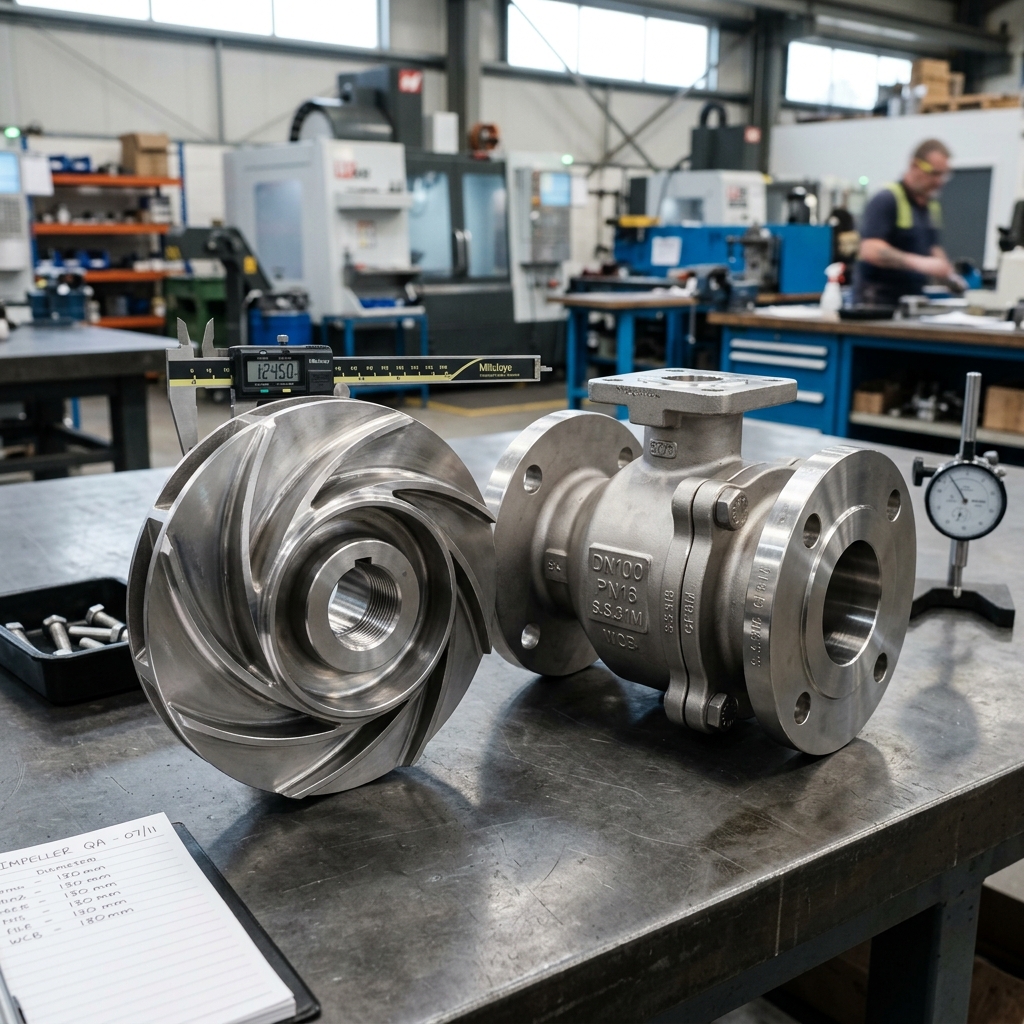
For municipal utilities and refinery operations, pump failures are a major emergency. A broken pump can halt water treatment or shut down a chemical production line, costing thousands of dollars per hour. Waiting months for a custom casting is simply not an option. Machining an impeller or valve body from a solid block of 316 stainless steel or bronze is a proven solution. It delivers superior mechanical properties and faster delivery. Because billet parts do not have the internal defects common in castings, they can withstand higher pressures and last longer in the field.
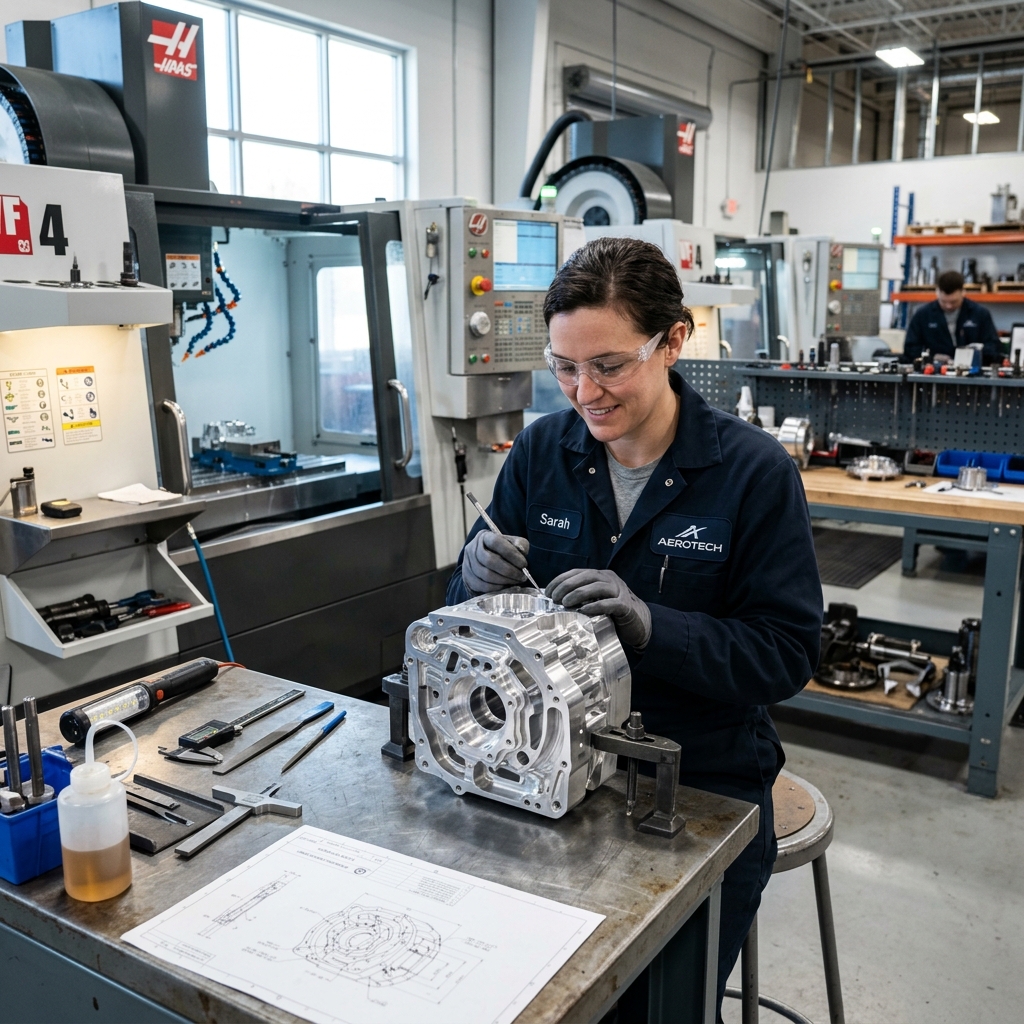
Sourcing these components from a domestic CNC shop requires high-precision turning and 5-axis milling capabilities. Pump impellers have complex fluid geometries that must be machined with high accuracy to ensure proper flow rates and efficiency. Even small errors in the shape of the blades can reduce pump performance or cause vibration, leading to premature failure. Manufacturers must partner with shops that have the technical expertise and machinery to handle these complex shapes. They also need shops that can work with tough alloys that resist corrosion and wear.
Additionally, municipal and industrial specs require strict compliance. Pump builders must provide complete material certificates and hydrostatic pressure test results for every valve and pump body. These documents prove that the metal complies with procurement rules and can safely handle the working pressure. A machine shop must have robust quality control processes and a clean inspection lab to verify these dimensions. Working with a domestic shop that provides full documentation prevents compliance issues and ensures that parts are accepted by inspectors.
This level of quality assurance is critical for government-funded projects. Under Buy America mandates, water infrastructure projects must use materials and components made in the United States. Sourcing machined parts from a domestic CNC shop ensures compliance with these rules, avoiding legal issues and project delays. It also supports local manufacturing communities, helping build a stronger domestic supply chain. For procurement teams, the peace of mind that comes with domestic sourcing is well worth the investment.
What to watch next
Illustration: RivCut
Moving forward, watch for investments in large-scale additive manufacturing (3D printing) of metal parts by pump manufacturers. Some companies are beginning to use 3D printing to create sand molds for castings, which can cut tooling lead times from months to days. Others are exploring direct metal 3D printing to produce rough impellers, which are then finished on a CNC machine. This hybrid approach could combine the speed of 3D printing with the precision of CNC machining, offering a new way to overcome casting shortages.
We should also monitor municipal compliance audits to ensure that Buy America mandates are strictly enforced. As federal funding continues to flow into water infrastructure projects, inspectors will pay closer attention to the origin of all components. This will keep the pressure on pump builders to source their parts domestically. Machine shops that can prove their materials are U.S.-sourced and melted will have a significant advantage in winning these contracts, driving further investment in domestic supply chains.
Finally, watch the pricing of raw materials like stainless steel and bronze. As demand for domestic billet rises, prices for these alloys could increase, affecting the cost of machined parts. Manufacturers will need to work closely with their machine shops to secure material allocations and lock in pricing early. Developing long-term partnerships with reliable suppliers will be key to managing costs and ensuring a steady supply of parts during this period of high demand. The industrial pump industry is changing, and companies must adapt to succeed.
Expanding domestic machining capacity for pumps and valves is also crucial for reducing lead times on infrastructure projects. Standardizing configurations and collaborating early during the design-for-manufacturability (DFM) phase allows manufacturers to optimize setup times and run larger batches without tooling changes. This proactive approach minimizes material waste and stabilizes supply lines, ensuring that critical utility, chemical processing, and energy facilities can access the flow control components they need without experiencing long project delays.
Frequently Asked Questions
Why are industrial pump lead times extending past 180 days?
Lead times are extending because water infrastructure funding has caused a surge in orders. The primary bottleneck is the long lead time for cast metal bodies from foundries.
How does CNC machining from billet help bypass casting bottlenecks?
CNC machining cuts components directly from a solid metal block. This bypasses the casting process entirely, cutting lead times from months to weeks.
What alloys are commonly used for high-pressure pump components?
High-pressure pump parts are usually machined from 316 stainless steel, duplex stainless steel, or nickel-aluminum bronze to resist corrosion and wear.
Are machined billet pump components compliant with Buy America mandates?
Yes, provided the raw metal was melted and manufactured in the United States. Machining them locally ensures full compliance with domestic sourcing rules.
Municipal specifications require strict material certificates; machine shops must verify every alloy grade to meet procurement rules.