What happened
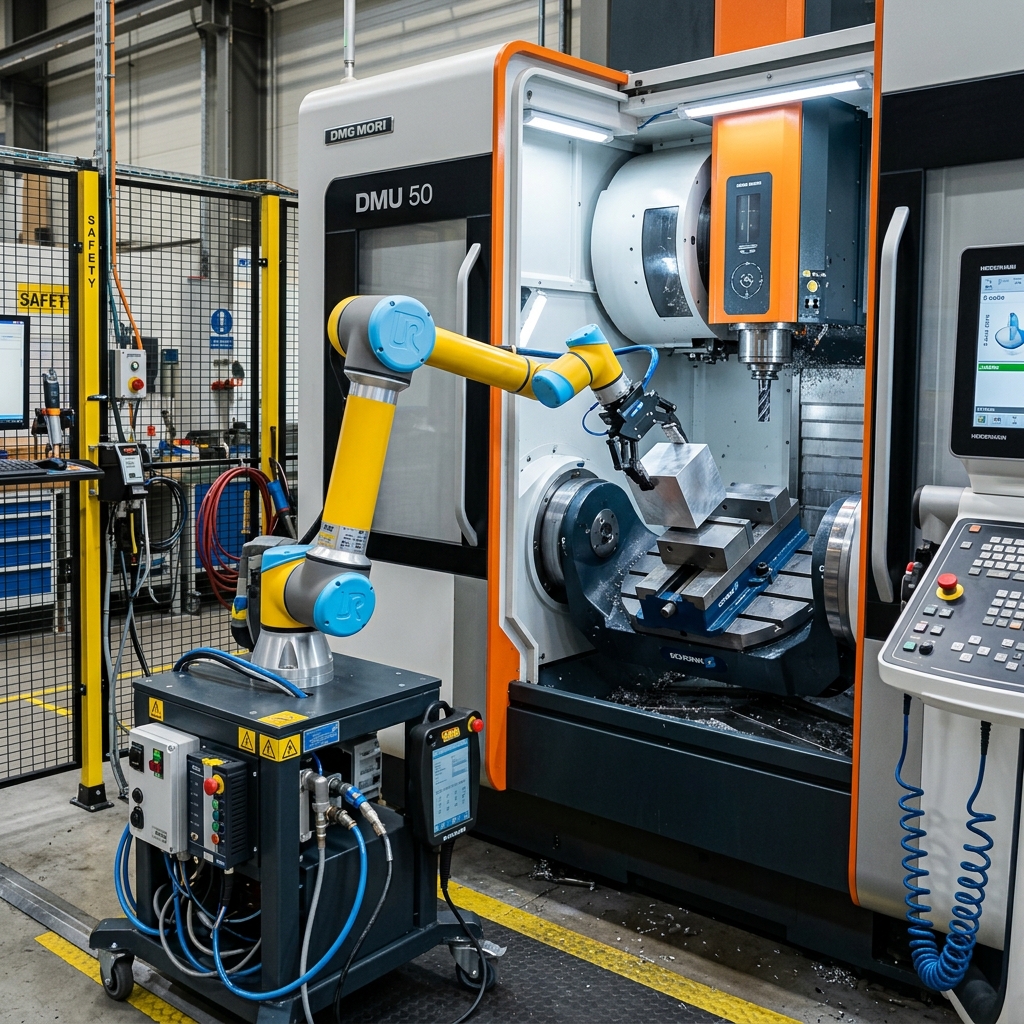
Illustration: RivCut
Norwegian robotics company 1X released new footage showing its Neo humanoid robot working alongside humans on the production line that assembles more Neo units. The demonstration, posted to social media this week, shows Neo handling lightweight tasks. These tasks include placing small components and moving parts between stations. The robot operates in a real factory setting.
1X announced plans to produce 10,000 Neo units in 2026. This is a big increase from the handful of prototypes shipped to early customers last year. Each robot carries a reported price below $30,000. This price positions it well under competitors like Boston Dynamics' Atlas development platform or Figure's commercial humanoid. Neo stands 5 feet 5 inches tall, weighs 66 pounds, and runs on battery power for roughly four hours per charge.
The company's factory, located in Moss, Norway, currently operates with a mix of human workers and an undisclosed number of Neo units. These robots perform assembly tasks on the shop floor. 1X has not specified which operations Neo handles independently versus which require human oversight. CEO Bernt Bornich said the company views its own production floor as the primary testing ground before selling units to outside manufacturers.
The video demonstration has caught the attention of many industrial automation experts. It highlights a growing trend of using humanoid robots in practical applications. While many companies show robots in research labs, 1X is testing its technology in a live production environment. This provides valuable data on how the robots perform over time.
Historically, 1X started as Halodi Robotics before changing its name. The company has focused on creating robots that can help people in everyday life. They received funding from OpenAI, which is a major artificial intelligence company. This financial support helped them speed up their engineering work. The goal is to build robots that can do simple, repetitive tasks so humans can focus on more creative jobs.
The factory in Norway is one of the first in the world to use humanoid robots for this type of work. The facility is clean, bright, and modern. Workers stand at benches to assemble electronic boards and mechanical parts. The robots walk down the aisles next to them. This setup helps engineers see how humans and robots interact in the real world.
How Neo operates on the shop floor
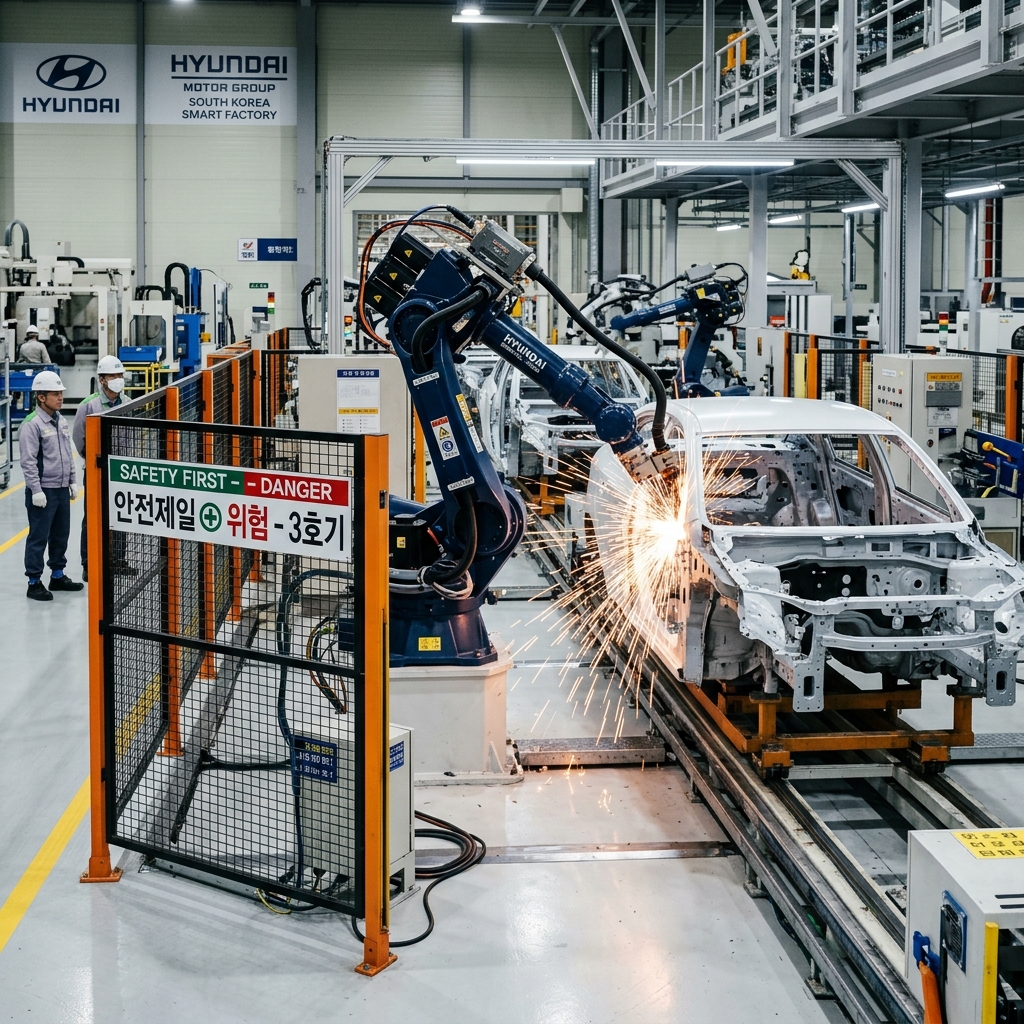
Illustration: RivCut
Neo is designed to be gentle and safe around human workers. It uses soft actuator technology that allows it to move naturally. Unlike older industrial robots, Neo does not have to be kept behind safety cages. It can walk on its two legs, navigate tight factory aisles, and use its hands to grip objects. This flexibility is a key selling point for the company.
The robot's hands are a major part of its design. They have five fingers and can perform basic gripping tasks. Neo uses camera systems and machine learning to recognize parts on a table. It can pick up a component, carry it to a workstation, and hand it to a human worker. This makes it useful for simple material handling and packing jobs.
However, running a humanoid robot on a factory floor presents major hurdles. The robot must be programmed to handle unexpected changes, such as a dropped part or a blocked path. It also needs constant software updates to improve its skills. 1X is using data collected from its own factory to train the robot's AI brain, helping it become more autonomous.
Unlike traditional industrial robots that use rigid metal parts and high-power gears, Neo uses a tendon-driven design. This design mimics the way human muscles and bones work. The soft tendons make the robot much safer because they can yield if they hit a person or an object. If the robot bumps into a worker, it will not cause injury.
The robot is packed with sensors that monitor its balance and the force of its grip. These sensors send data to the main computer inside the robot. The software uses this information to make quick adjustments. For example, if the robot walks on an uneven floor, it adjusts its feet to stay upright. This active balance system is key for moving around a busy shop floor.
Workers in the factory can also control the robot using virtual reality headsets. This process is called teleoperation. A human wears a headset and gloves to guide the robot through a complex task. The robot's computer records these movements. Over time, the robot learns how to do the task on its own using machine learning models.
Why it matters for manufacturers
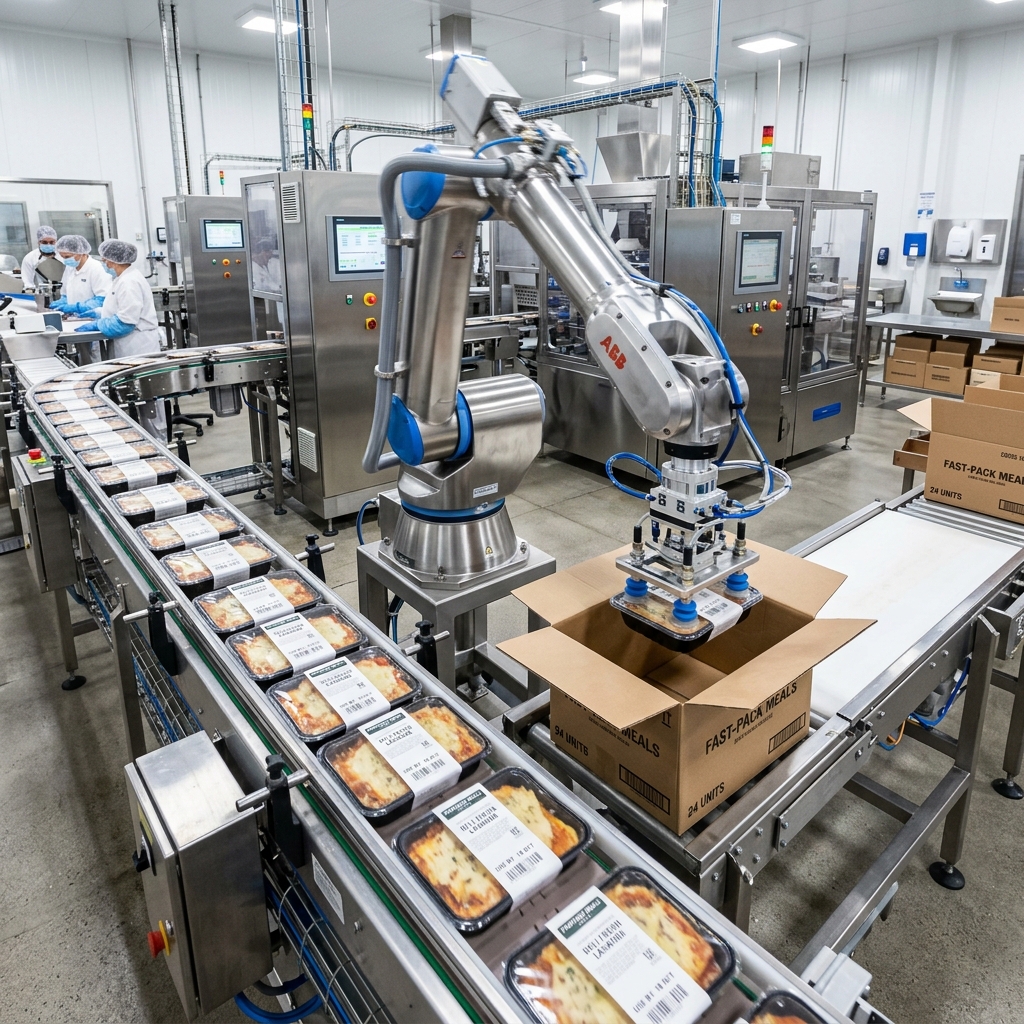
Illustration: RivCut
Every robotics company produces demo videos. What separates useful automation from vaporware is whether the machine can repeat the same task 500 times without drift. It must also handle part variation and integrate with existing production systems. The fact that 1X is willing to use Neo on its own line suggests the robot clears a minimum threshold for reliability. However, the demonstration raises more questions than it answers.
Manufacturing floors are not designed for humanoid form factors. Decades of industrial automation have optimized for fixed-position robots with dedicated fixtures, known clearances, and predictable cycle times. A humanoid offers flexibility to work in spaces built for people, but that flexibility comes with tradeoffs. Neo's hands cannot match the grip force or repeatability of a pneumatic gripper. Its battery runtime limits shift length. Any task requiring precision alignment—like installing threaded inserts or inspection—will likely still need custom CNC-machined tooling and fixtures. This requirement can erode the cost advantage of a general-purpose robot.
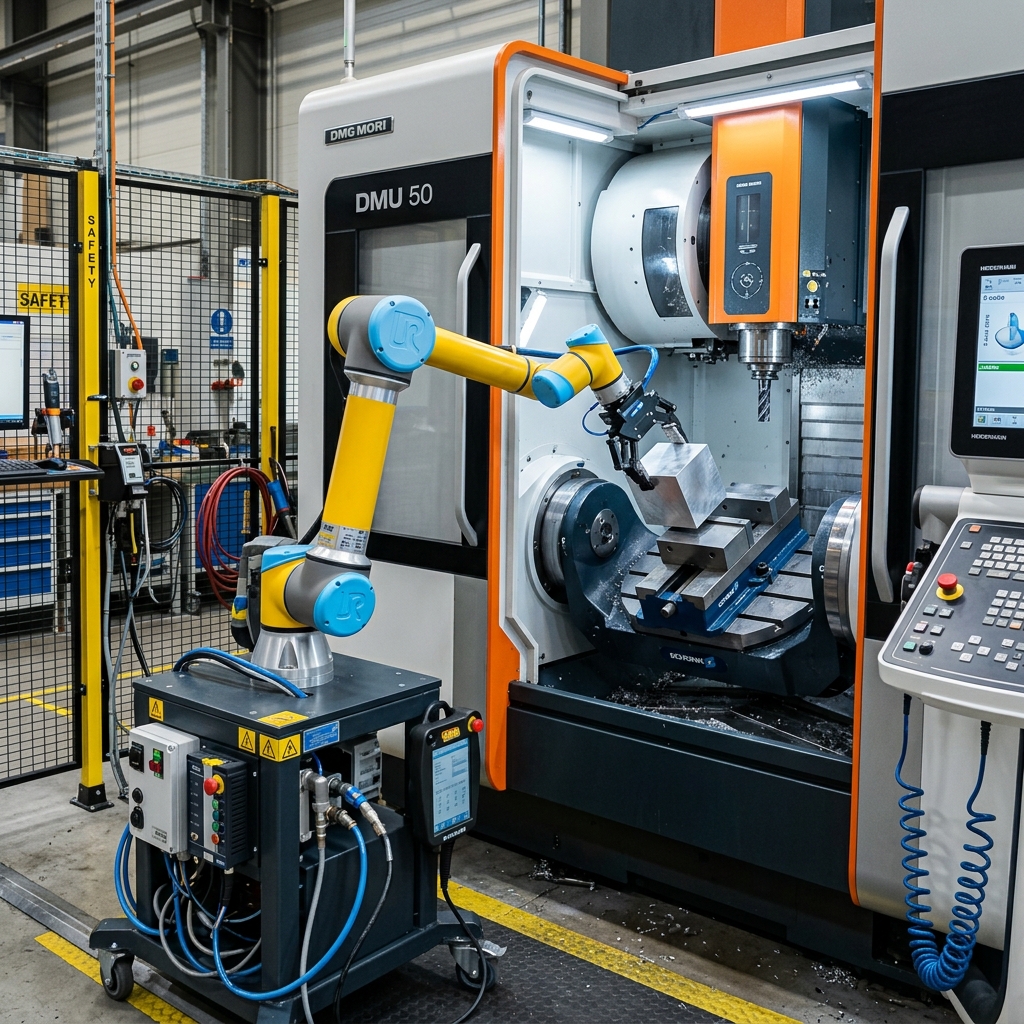
The $30,000 price point sounds attractive until you calculate total cost of operation. A six-axis collaborative robot from Universal Robots or FANUC costs $35,000 to $50,000. However, it runs continuously on mains power. It offers micron-level repeatability and integrates with existing PLCs and vision systems. Neo needs charging infrastructure, software updates, and likely a human attendant during the learning phase. For high-mix, low-volume work—the kind of production common in contract manufacturing—that might work out. For dedicated production lines, the math is harder.
The real test will come when 1X starts shipping Neo to customers outside its own walls. If manufacturers adopt it for kitting, material handling, or light assembly, that signals the technology has matured past the prototype stage. If most units end up in research labs or logistics warehouses, it means the humanoid form factor still cannot justify its compromises on the factory floor.
Safety is another major concern for manufacturers. Traditional factory robots are bolted to the floor and surrounded by fences. If a person enters the work area, the robot stops instantly. Collaborative robots, or cobots, are designed to work next to humans, but they are still slow and limited in weight. Humanoid robots like Neo walk around freely. This creates new safety questions that current standards do not fully cover.
Maintenance is also a challenge for bipedal robots. Walking on two legs puts a lot of stress on the joints and actuators. Traditional robotic arms have simple joints that can run for thousands of hours without service. A humanoid robot has many more moving parts. This means there are more components that can wear out or break. A factory cannot afford to have its robots breakdown frequently, as this stops the whole line.
What to watch next
1X has not disclosed how many Neo units currently operate in its Moss facility. They also have not shared what percentage of assembly tasks they perform independently. Those numbers matter. If Neo is handling 10 percent of production tasks, it is a proof of concept. If it is handling 40 percent, it is a manufacturing tool. Uptime and repair costs will also be key metrics for buyers to watch.
The company also has not published data on uptime, mean time between failures, or cost per operation. These are the metrics that determine whether automation pays for itself. Any manufacturer evaluating humanoid robots should demand those figures before committing capital. A robot that works in a controlled demo environment is not the same as a robot that works through a full production shift.
Competitors are closing in. Tesla continues to iterate on Optimus. Figure recently raised additional funding for its Figure 02 model. Meanwhile, Agility Robotics is already deploying its Digit humanoid in Amazon warehouses. The question is not whether humanoid robots will eventually find a role in manufacturing. The question is whether they will prove more cost-effective than the automation systems already in place. For now, the industry is still waiting for hard data.
In the coming months, we should look for reports from early customer tests. 1X plans to send robots to selected homes and factories for testing. These trials will show how the robot handles dirt, dust, and unexpected human behavior. If the robot can work for a month without a major error, it will build trust among industrial buyers.
We should also watch how government regulators view these robots. In the U.S., the Occupational Safety and Health Administration (OSHA) sets strict rules for factory safety. They will need to create new guidelines for mobile humanoid robots. If the rules are too strict, it could slow down adoption. If they are too loose, it could lead to accidents. Finding the right balance will take time.
For machine shops and parts suppliers, the rise of humanoids could create a new market. These robots need lightweight brackets, custom hand grippers, and high-precision gears. Shops that can machine aluminum and titanium parts to tight tolerances may find new customers in the robotics industry. This would be a boost for domestic contract manufacturers.
Frequently Asked Questions (FAQ)
What is the size and weight of the 1X Neo humanoid robot?
Answer: Neo stands 5 feet 5 inches tall and weighs 66 pounds. It is designed to be lightweight and safe to work around humans.
How much does the 1X Neo robot cost?
Answer: The reported price for the Neo humanoid robot is below $30,000, making it cheaper than many developmental platforms.
Where is the 1X Neo robot manufactured?
Answer: The Neo humanoid robot is assembled at 1X's production facility located in Moss, Norway.
Can the Neo robot work a full eight-hour factory shift?
Answer: No. Currently, the robot's battery runs for about four hours per charge. It requires recharging infrastructure to work longer periods.
Every robotics company produces demo videos; the real test is whether Neo can repeat the same task 500 times without drift.