What happened
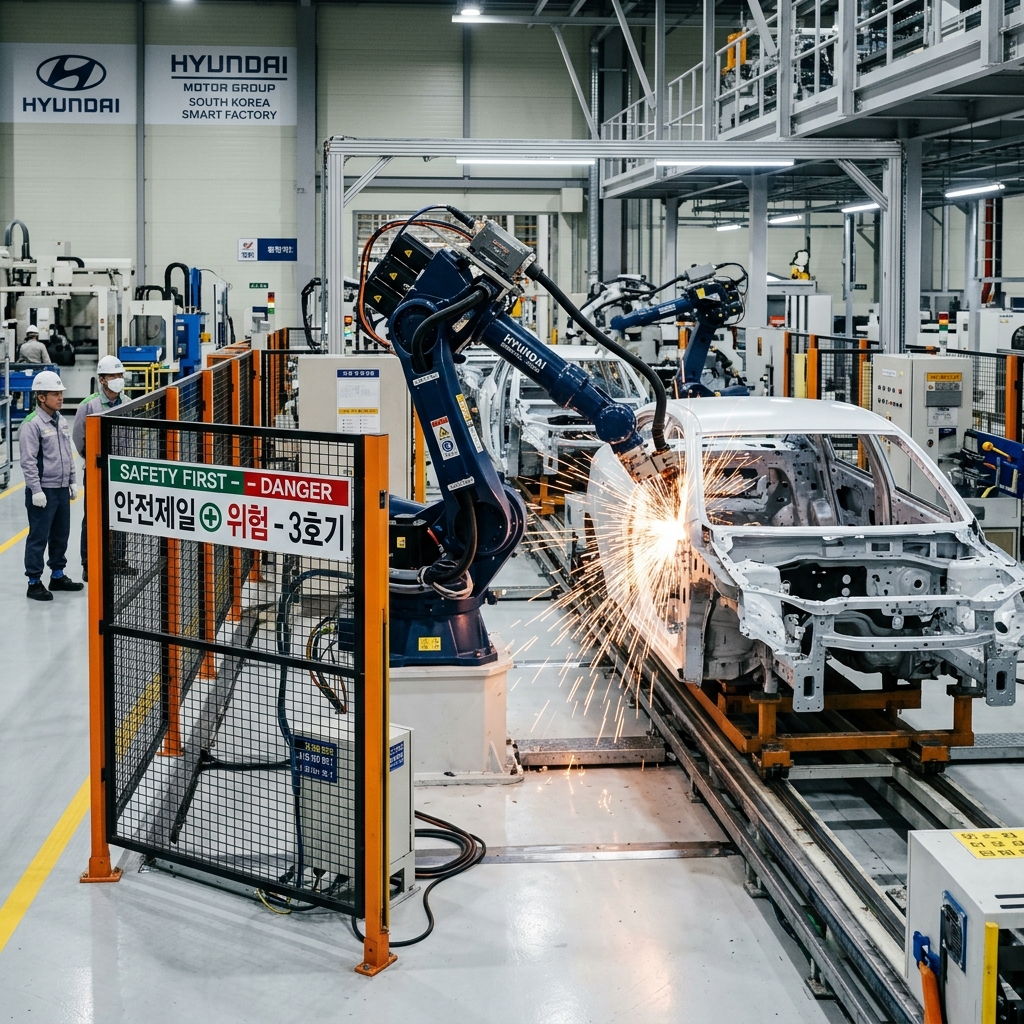
Illustration: RivCut
Boston Dynamics released video footage this week showing its production Atlas humanoid robot performing the same athletic movements that made earlier versions famous. The Verge reported the new footage after the company showed only a stationary prototype and computer animations at CES 2026 in January.
The new video shows the electric Atlas robot moving through industrial tasks with fluid joint articulation and dynamic balance recovery. The robot navigates obstacles, manipulates objects at varying heights, and reorients itself mid-task. These capabilities match what Boston Dynamics showed in research videos over the past three years. However, this version is the actual configuration heading to Hyundai Motor Group factories.
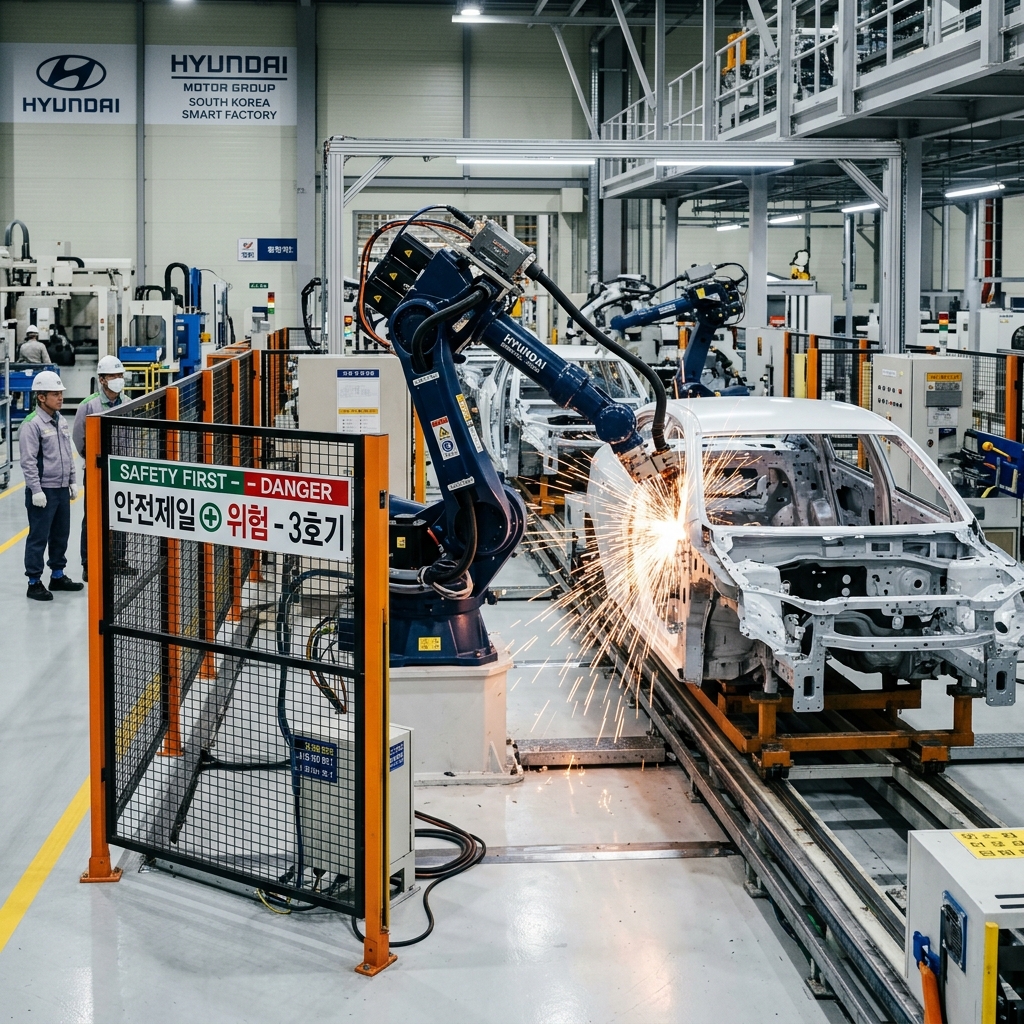
Boston Dynamics has spent nearly two decades developing Atlas as a research platform. The production model represents the first time the company has committed a humanoid design to actual manufacturing deployment rather than laboratory demonstration. Hyundai acquired Boston Dynamics in 2021 and has funded the transition from research hardware to factory-ready systems.
The history of Boston Dynamics is a long story of testing and learning. The company started as a spin-off from the Massachusetts Institute of Technology, or MIT. In the beginning, they made quadruped robots like BigDog and WildCat for military research. These early robots were loud and ran on gasoline engines. Later, they started working on two-legged humanoid robots. The first version of Atlas was built in 2013. It was a massive machine that stood over six feet tall and weighed 330 pounds. It had to be plugged into a large power cable from the ceiling. It used hydraulic fluids to move, which made it powerful but also prone to leaks.
In 2024, Boston Dynamics retired the old hydraulic Atlas. They surprised the industry by introducing an all-electric version. The new electric Atlas is smaller, lighter, and has no visible cables. It is designed to be a commercial product, not just a science project. Electric motors, or actuators, are placed at each joint. This change makes the robot much quieter and cleaner than the hydraulic version. It also allows the robot to move in ways that humans cannot. For example, Atlas can spin its head and torso 360 degrees. This helps it work in tight spaces without having to turn its entire body around.
The new video shows that the electric version has caught up to the agility of the old hydraulic prototype. In the video, the robot picks up engine covers from a shelf and places them into a cart. It uses a new three-fingered gripper to hold the parts securely. It also recovers its balance when it slips or bumps into things. This shows that the control software is highly advanced. Hyundai plans to use these robots to automate tasks that are difficult or unsafe for human workers. The video proves that the hardware is ready for real factory testing.
Why it matters for manufacturers
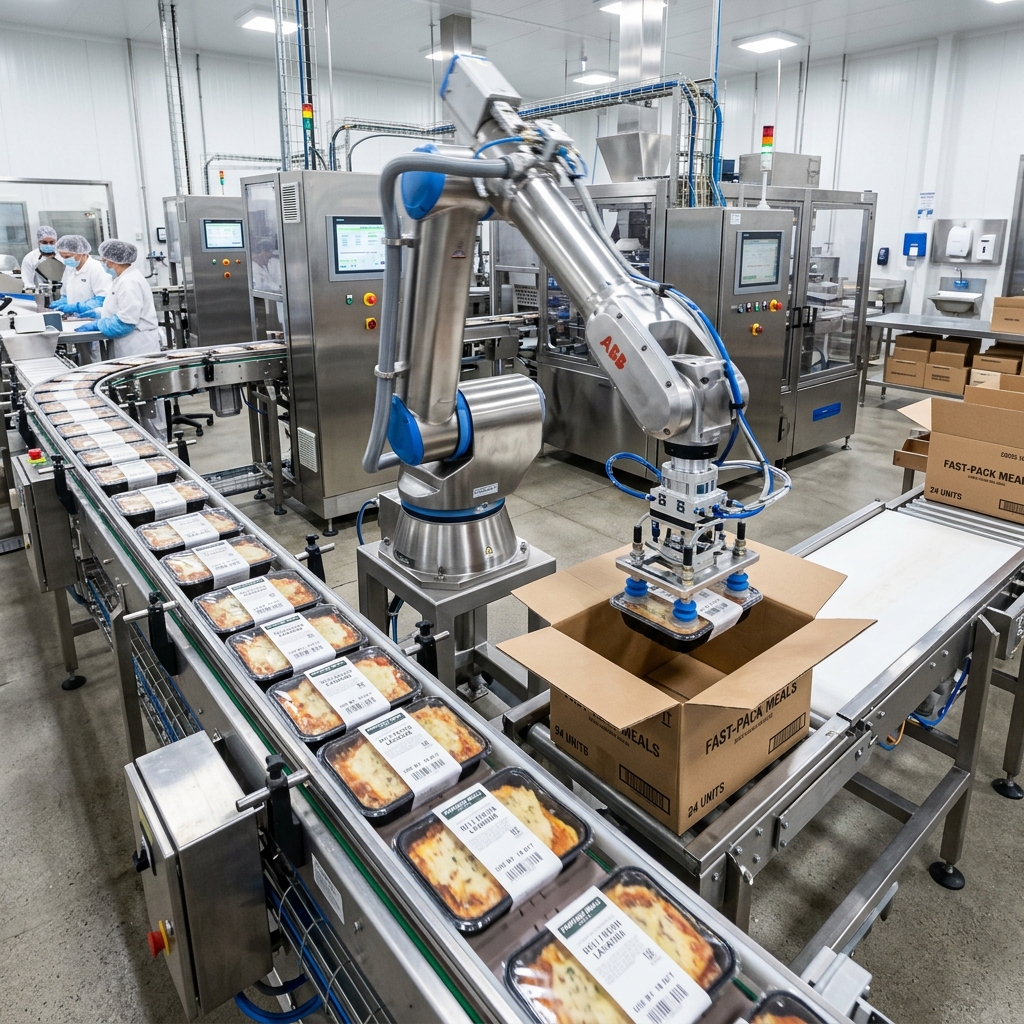
Illustration: RivCut
Most industrial robot announcements follow a predictable pattern: impressive demos, then years of development before watered-down versions reach production floors. Figure AI showed its humanoid folding shirts. Tesla revealed Optimus walking slowly between stations. Both remain largely conceptual for manufacturing applications. Boston Dynamics broke that pattern by releasing footage of production hardware that maintains research-prototype performance.
The distinction matters for procurement timelines. When a robotics company shows only animations or tightly controlled demos, manufacturing engineers correctly assume the real product will have significant limitations. Atlas footage shows a production unit handling dynamic tasks without cuts or staging. That suggests Hyundai factories will receive robots that actually perform as demonstrated, not compromised versions that require extensive workarounds.
For shops evaluating robotics and automation investments, the Atlas development path offers a reference point. The gap between prototype and production determines whether a system creates value or becomes an expensive science project. Boston Dynamics spent years refining hydraulics, control systems, and power management before committing to production. Companies buying first-generation humanoids from newer vendors are essentially paying to fund that same development process. They are taking on the risk of testing unproven designs on their own dime.
The Hyundai deployment will test whether humanoid form factors solve real problems in mixed environments where traditional automation like 5-axis CNC milling and fixed robotic arms already excel. Humanoids theoretically adapt to spaces designed for human workers, but they cost significantly more than task-specific automation. Atlas will need to prove it can justify that premium by handling varied tasks without extensive reprogramming. Traditional machines are excellent at doing one thing very fast and with high accuracy. A CNC mill can cut metal parts with tolerances of a fraction of a millimeter. A humanoid robot cannot match that level of precision. Therefore, humanoids must be used for tasks that require flexibility rather than raw speed or sub-millimeter precision.
This is where custom tooling and parts become important. To make humanoid robots useful, factories must design custom grippers, brackets, and end effectors. These parts must be strong and lightweight. They are often made using CNC machining. If a robot manufacturer needs custom parts, they must use strict quality assurance protocols and CMM inspection. CMM stands for Coordinate Measuring Machine. It is a tool that uses a probe to measure the size of a part. This ensures that every bracket and joint fits perfectly. A small error in a robot part can cause the control software to fail, leading to a crash. Having high-quality parts is essential for keeping robots running safely.
What to watch next
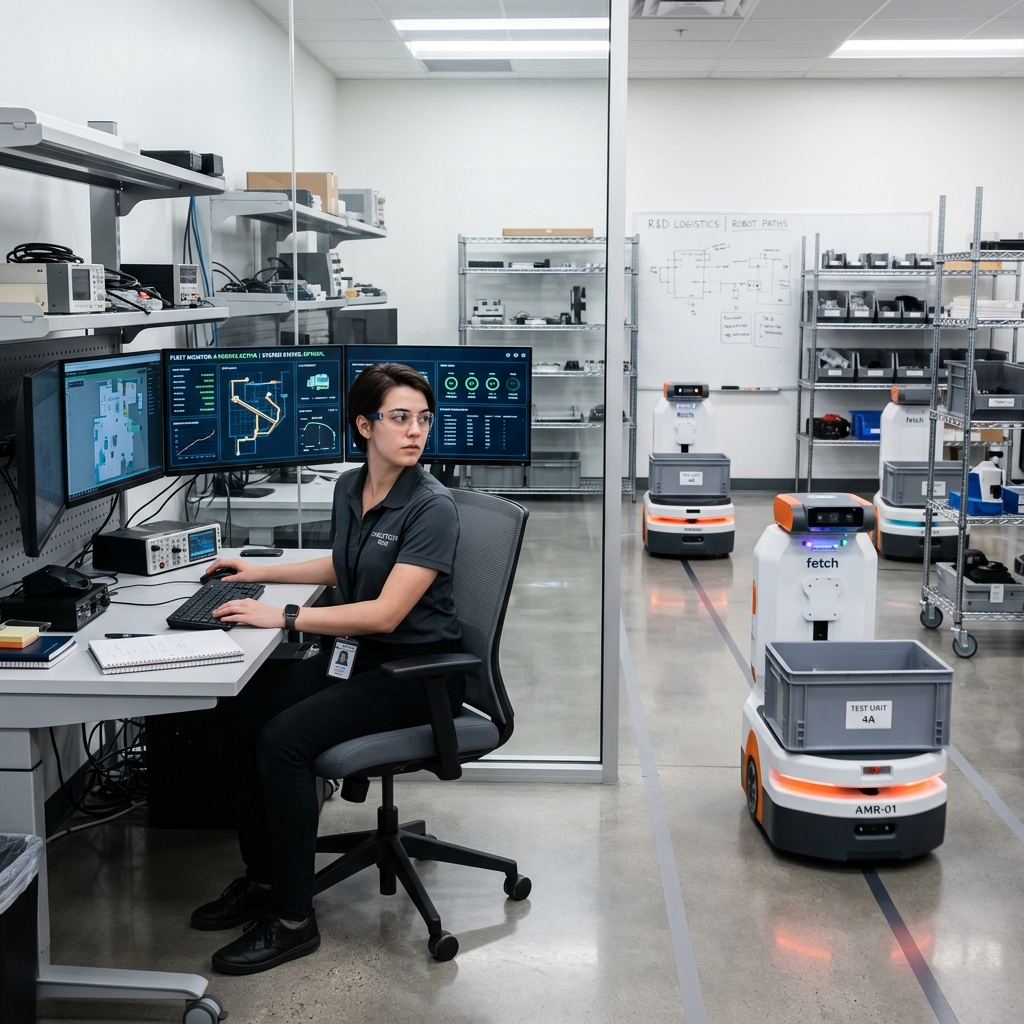
Illustration: RivCut
Hyundai has not disclosed which facilities will receive Atlas units first or what specific tasks they will perform. The staging matters. If Boston Dynamics deploys Atlas for simple repetitive work that existing robots handle easily, it suggests the hardware still needs development time. If Atlas goes directly into mixed-task environments with frequent changeovers, that validates the production-ready claim.
Maintenance requirements will determine viability for mid-sized manufacturers. Research robots tolerate constant technical support. Production robots need to run shifts without specialized intervention. Boston Dynamics must publish real uptime data and support requirements before Atlas becomes a practical option beyond Hyundai's internal facilities. In a busy factory, a machine that breaks down once a day is a major problem. It slows down the entire assembly line. Factory managers need robots that can run for thousands of hours without needing a repair.
Other manufacturers should track whether Hyundai expands Atlas deployment or quietly shelves units after initial trials. Corporate robot announcements often disappear after press coverage fades. Sustained deployment signals the technology actually works at scale. If Hyundai continues to buy and deploy more Atlas units, it will show that the investment is paying off. This will encourage other car companies to start using humanoid robots in their own plants.
We should also watch how other robot companies respond to this video. Tesla has been sharing videos of its Optimus robot, but many experts think those videos are staged. If Boston Dynamics can show Atlas working in a real factory, it will put pressure on Tesla and Figure AI to show real-world results as well. The race to build the first practical factory humanoid is heating up. The winner will have a huge advantage in the global manufacturing market. For more analysis on factory automation and emerging robotics, visit our manufacturing news section.
Frequently Asked Questions
What is the main difference between the new Atlas and older versions?
The new production Atlas is completely electric, whereas older research versions used hydraulic systems. This makes the new model quieter, lighter, cleaner, and much easier to maintain on a factory floor.
Who owns Boston Dynamics?
Hyundai Motor Group acquired a majority stake in Boston Dynamics in 2021. Hyundai is funding the transition of the Atlas robot from a laboratory research tool to a production-ready factory worker.
When will the Atlas robot start working in factories?
Boston Dynamics has begun testing production Atlas units in Hyundai automotive factories. More widespread deployment is expected to roll out over the next few years as testing validates their reliability.
Why did Boston Dynamics switch from hydraulic to electric power?
Electric actuators are more reliable and energy-efficient than hydraulic systems. They eliminate the risk of fluid leaks, run quieter, and allow the joints to rotate in ways that were impossible with hydraulics.