What happened
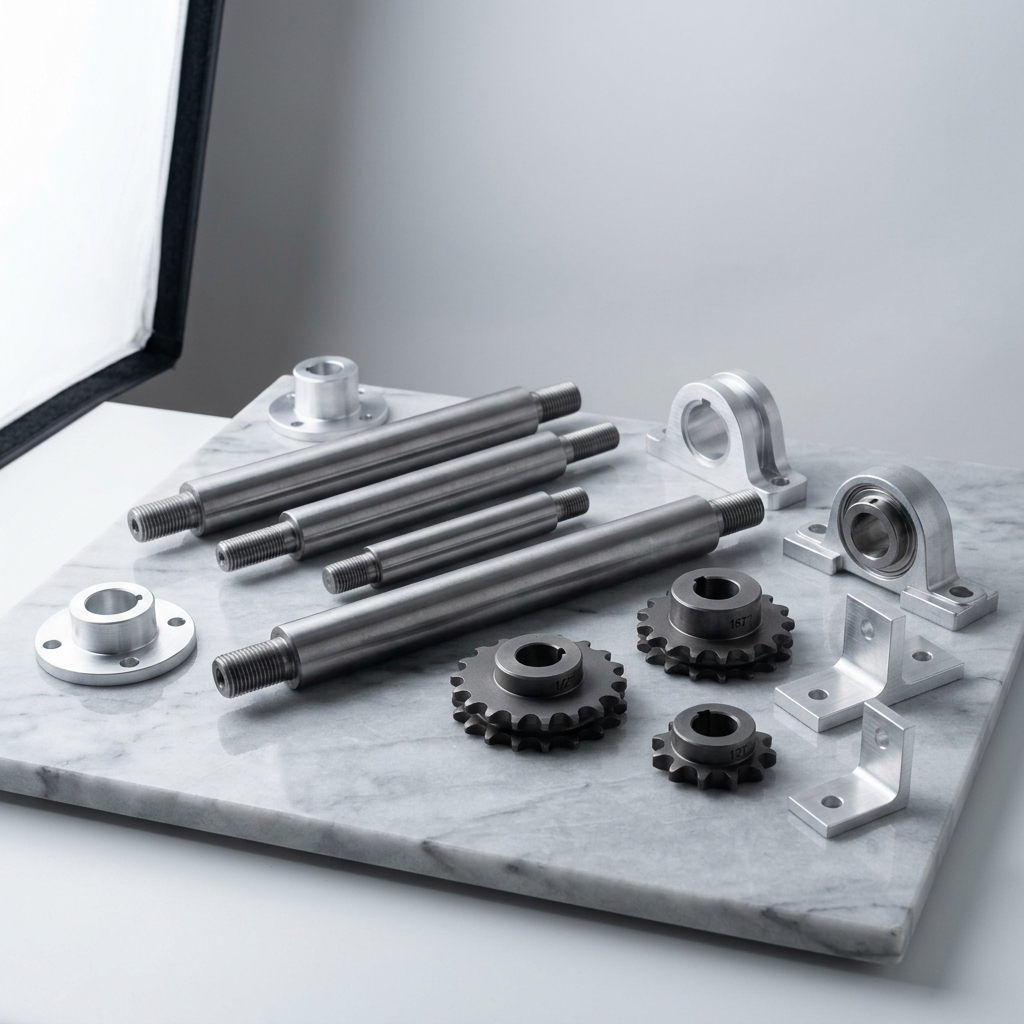
Illustration: RivCut
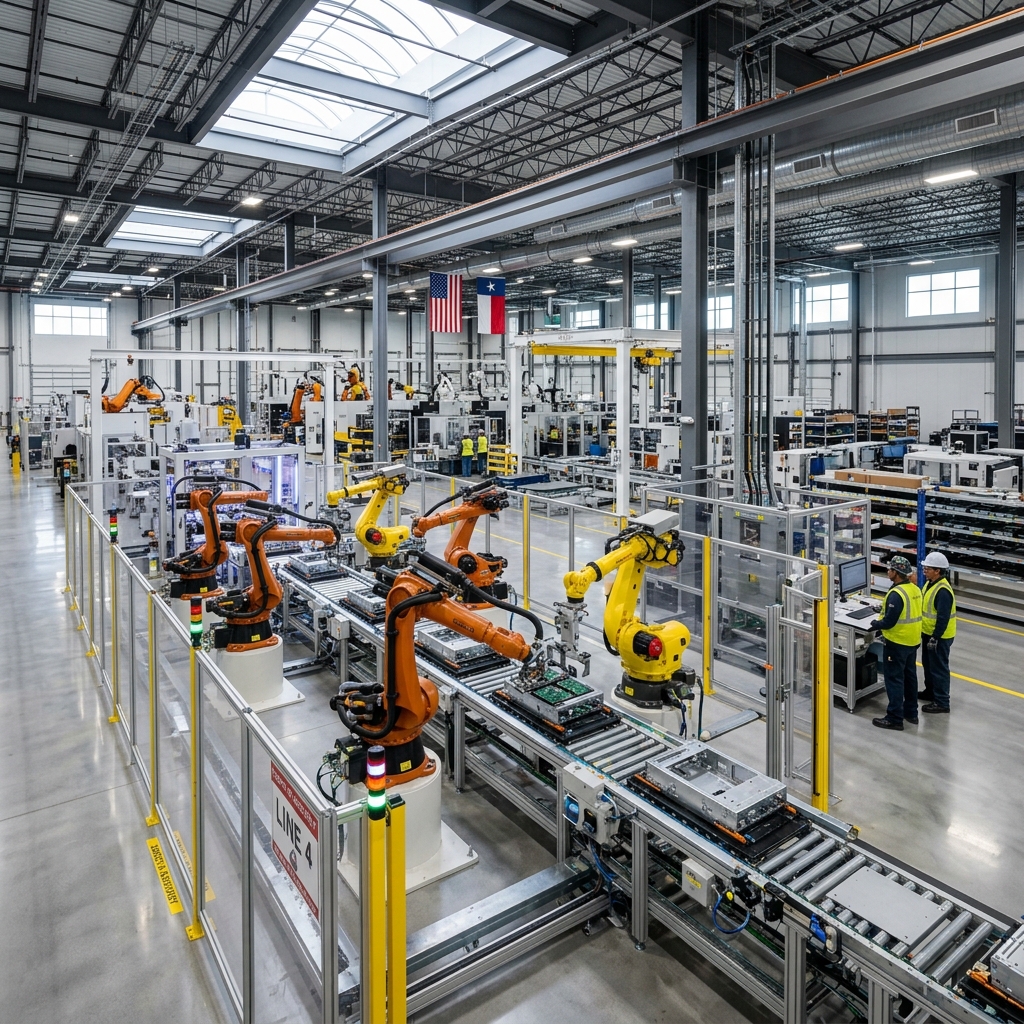
A new 25% tariff on imported aluminum castings has sent shockwaves through the automotive and industrial machinery sectors. This policy decision immediately raised the cost of imported engine covers, brackets, and structural housings. For years, U.S. manufacturers relied on cheap foreign foundries to supply these complex parts. Now, they must pay much higher prices to import them. To avoid these costs and secure a reliable supply chain, engineers are reconsidering their design strategies. They are shifting away from castings and redesigning components to be CNC-machined directly from solid plates of domestic 6061-T6 aluminum. This pivot is driving a massive surge in orders for heavy-duty CNC milling capacity across the United States, keeping local machine shops very busy.
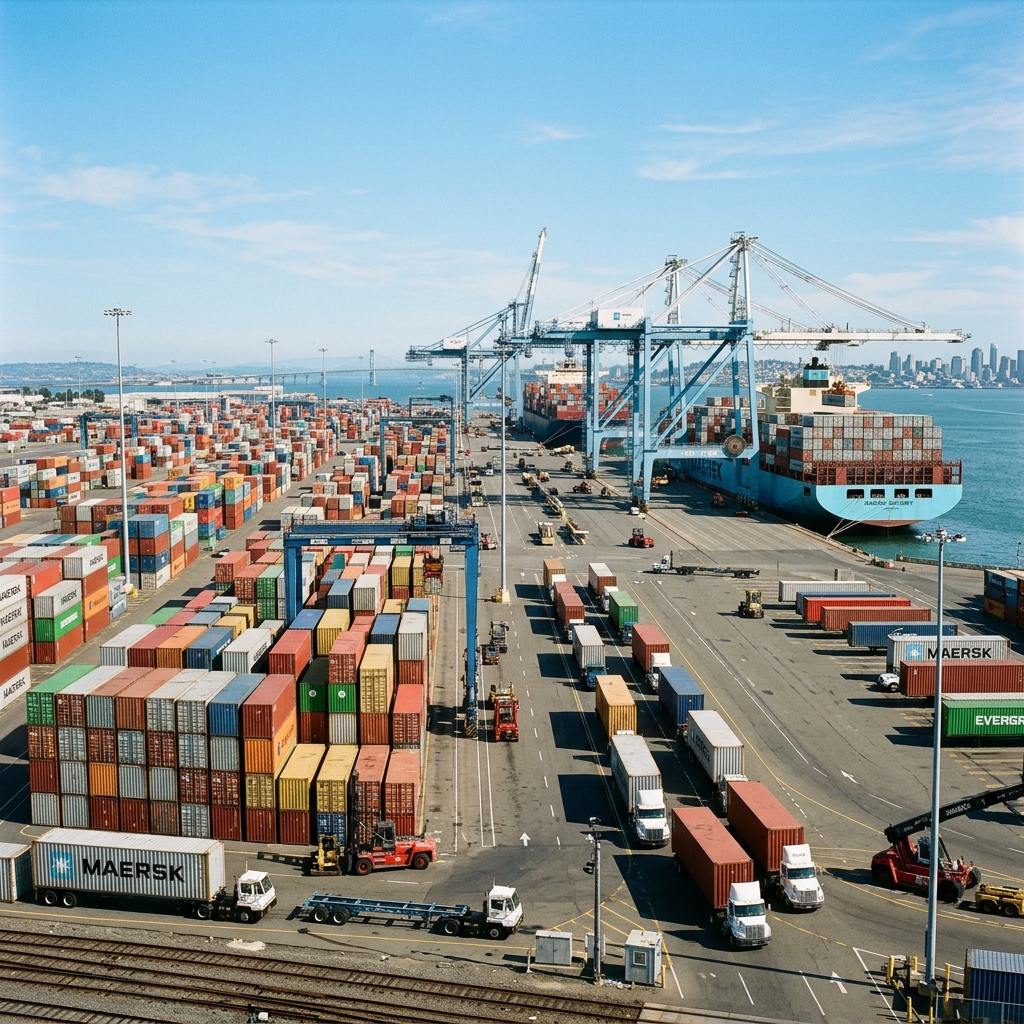
The transition from foreign castings to domestic CNC billet machining is not just a temporary reaction. It represents a long-term shift in how products are developed. Sourcing castings from overseas requires large initial investments in tooling and patterns. It also involves long shipping times, with parts taking months to arrive by container ship. With the new tariffs in place, the financial advantage of importing these parts has vanished. U.S. manufacturers are finding that they can get parts much faster by working with domestic CNC machine shops. This allows them to keep their production lines running without waiting for delayed shipments from overseas.
Additionally, domestic aluminum suppliers are ramping up their production of high-quality billet and plate. U.S. mills are working hard to meet the sudden increase in demand from machine shops. This has helped stabilize the supply of raw materials, giving manufacturers the confidence to make the switch to machined parts. While the price of domestic aluminum is higher than imported raw material, the savings from avoiding the 25% casting tariff make CNC machining highly competitive. For many companies, the decision to reshore their manufacturing has become an easy choice.
To support this wave of redesigns, U.S. machine shops are upgrading their equipment. They are buying larger milling machines and advanced tools that can cut metal at higher speeds. This high-efficiency machining helps lower the cost of billet parts, making them even more attractive to buyers. By reducing the time it takes to cut each part, shops can offer faster delivery times and lower prices. This investment in modern manufacturing technology is helping the U.S. industrial base grow stronger and more self-reliant.
Why it matters for manufacturers
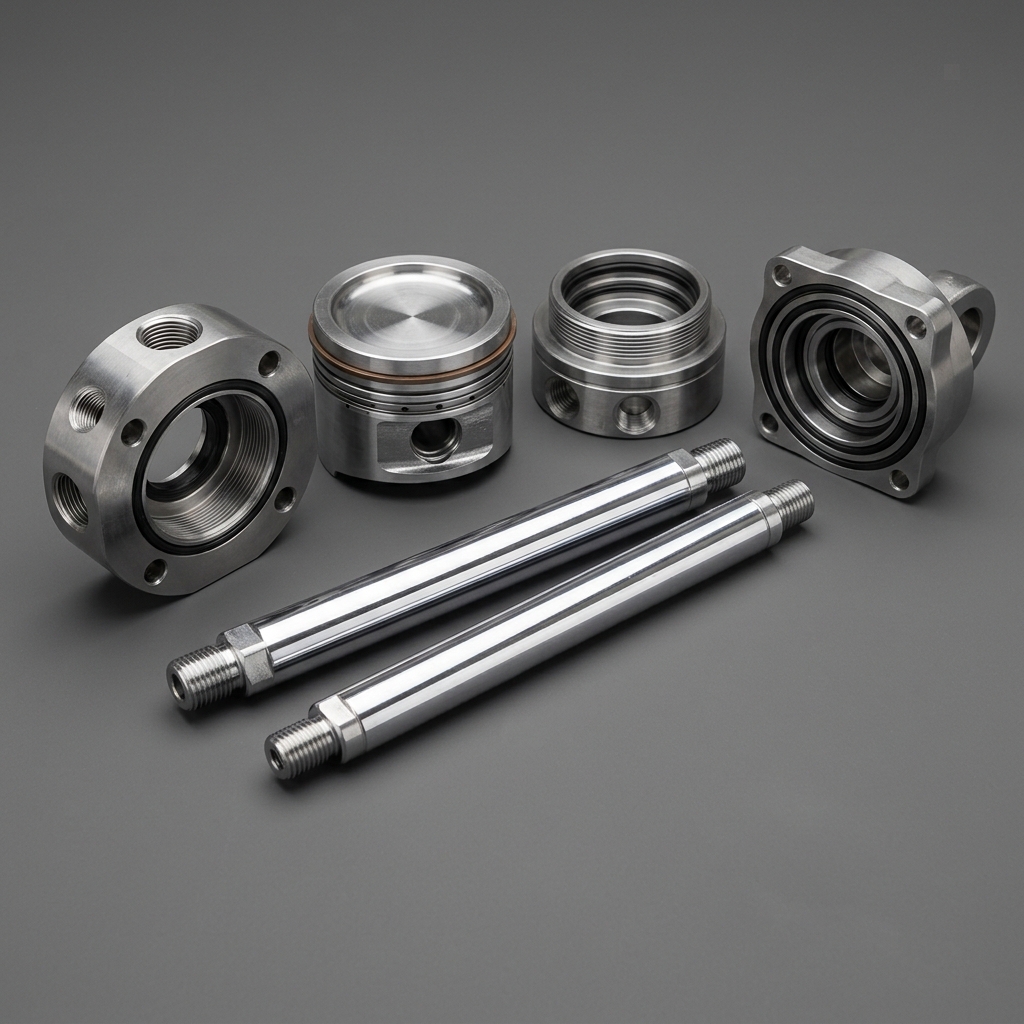
Illustration: RivCut
While cast parts have traditionally been cheaper for high-volume production, machining from solid billet offers several technical advantages. Billet parts do not suffer from internal porosity or casting voids. Porosity is a common problem in castings where tiny air bubbles get trapped inside the metal as it cools. These bubbles can weaken the part, causing it to crack under pressure. CNC machined parts, however, are cut from a solid block of metal that has been rolled or extruded. This process eliminates internal voids, yielding much stronger parts with higher strength-to-weight ratios.
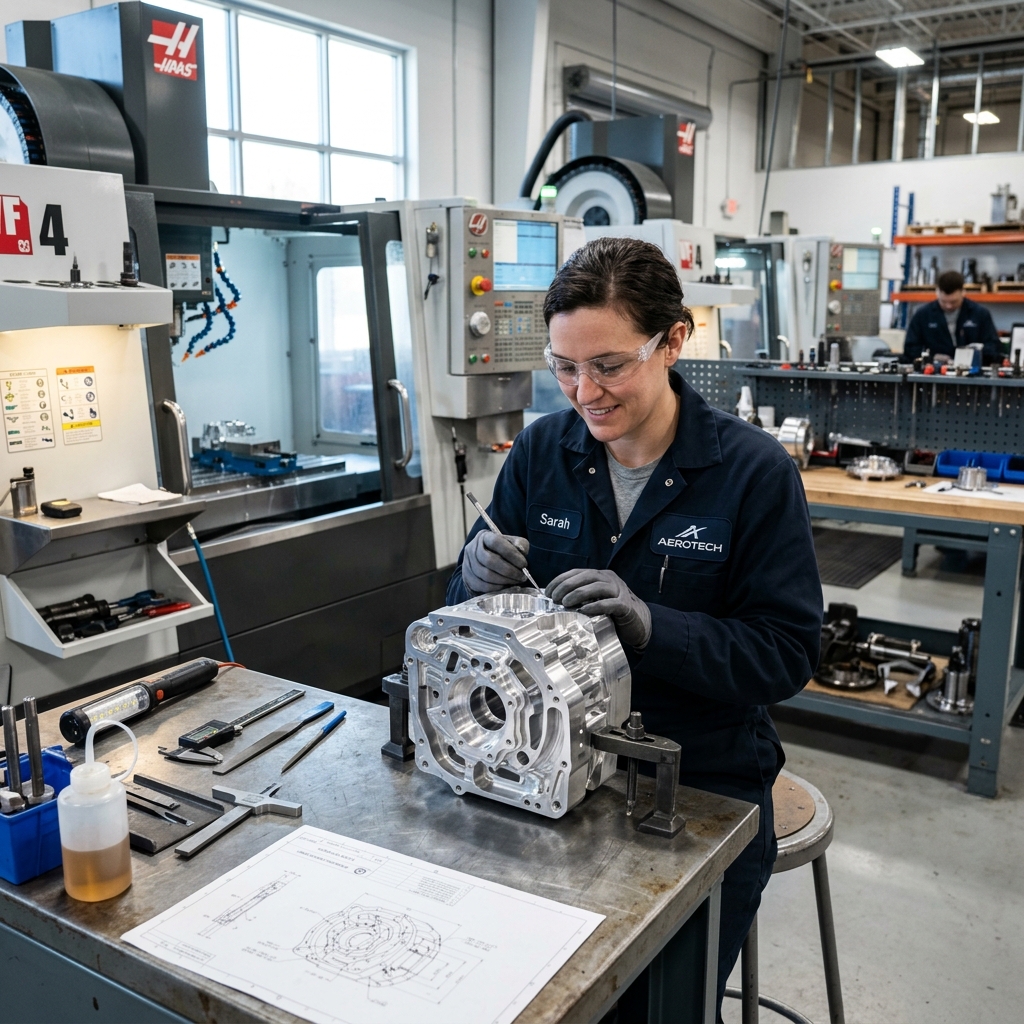
Machined parts also hold much tighter tolerances than cast parts. A typical casting might hold a tolerance of plus or minus 0.030 inches, which is fine for simple brackets but not for precision machinery. CNC machines can easily hold tolerances to plus or minus 0.0005 inches or better. This extreme precision is vital for parts like engine blocks and pump housings, where even a tiny misalignment can cause leaks or mechanical failures. By switching to machined billet, engineers can improve the performance and reliability of their products.
For procurement teams, the shift to CNC-machined parts eliminates the high cost and long lead times associated with casting tooling. Creating a mold for a cast part can cost tens of thousands of dollars and take months to build. If the design needs to change, a new mold must be made, adding more cost and delay. With CNC machining, redesigns can be implemented instantly by updating the CAD file. The programmer simply updates the toolpaths, and the machine starts cutting the new design. This agility makes CNC machining highly competitive for low-to-medium production runs, especially in fast-moving industries.
This flexibility also allows manufacturers to run smaller batches of parts. Instead of ordering thousands of castings to get a low price, they can order a few hundred machined parts at a time. This reduces the amount of money tied up in inventory and lowers the risk of ending up with obsolete parts. Sourcing locally also reduces shipping costs and eliminates the risk of port delays. For procurement managers, these benefits often outweigh any remaining cost differences between domestic machining and foreign castings.
What to watch next
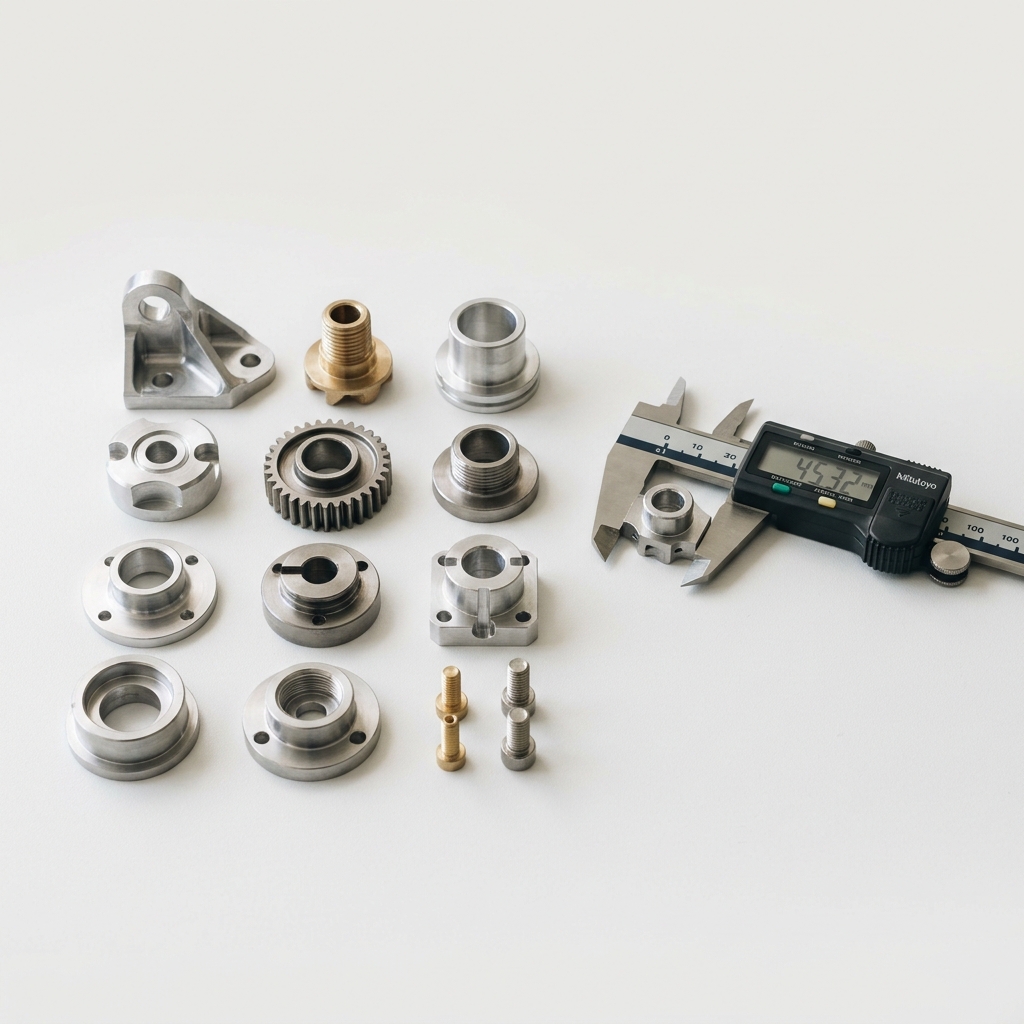
Illustration: RivCut
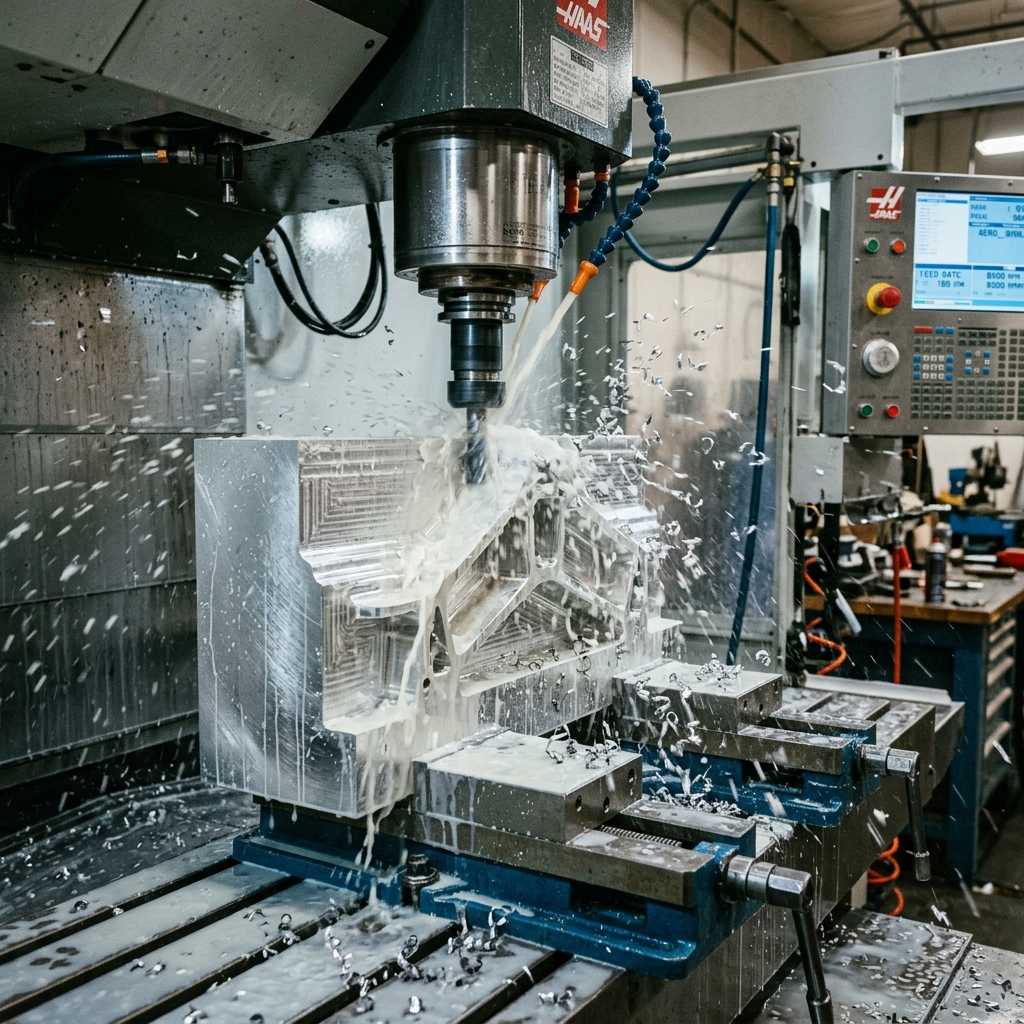
Moving forward, watch for advancements in CNC milling speeds and tool designs. High-efficiency toolpaths allow machines to remove material much faster than traditional methods. These toolpaths use advanced software to calculate the optimal path for the cutter, keeping the tool engaged in the metal without overloading it. This reduces tool wear and cuts machining times in half. As these software tools become more common, the unit cost of billet parts will continue to fall, making them competitive for even larger production volumes.
We should also monitor domestic aluminum plate pricing. As demand shifts from raw ingots to processed sheet and block, U.S. mills may face capacity limits. This could lead to price increases for domestic aluminum plate, which would affect the cost of machined parts. Sourcing managers will need to watch these trends closely and lock in material prices with their machine shops to avoid unexpected cost increases. Keeping a close eye on the raw material market will be vital for managing production budgets.
Finally, watch the policy landscape for changes in tariff rates or new trade rules. If the government adds tariffs to other types of imported metal parts, the pivot to domestic machining will accelerate even further. On the other hand, if trade tensions ease, some manufacturers may tempt fate and try to return to foreign casting suppliers. However, the benefits of U.S. CNC machining—faster delivery, higher quality, and design flexibility—will likely keep many companies from going back overseas. The domestic manufacturing base has gained new strength, and it is here to stay.
Frequently Asked Questions
Why are manufacturers switching from castings to CNC billet machining?
Manufacturers are switching because of a new 25% tariff on imported castings. CNC machining from domestic billet avoids this tariff and delivers parts much faster.
What are the technical benefits of machined billet over cast parts?
Billet parts do not have internal bubbles or voids, making them stronger. CNC machining also holds much tighter tolerances and provides a better surface finish.
How does CNC machining compare in terms of tooling costs?
CNC machining has zero tooling costs because it cuts parts directly from a CAD file. Castings require expensive molds that take months to build and modify.
Which aluminum alloy is most commonly used for CNC billet machining?
The most common alloy is 6061-T6 aluminum. It is strong, easy to machine, resists corrosion, and is widely available from domestic metal suppliers.
Tariffs have altered the math; machining parts from a solid block of US-made aluminum is now cost-competitive with importing foreign castings.