What happened
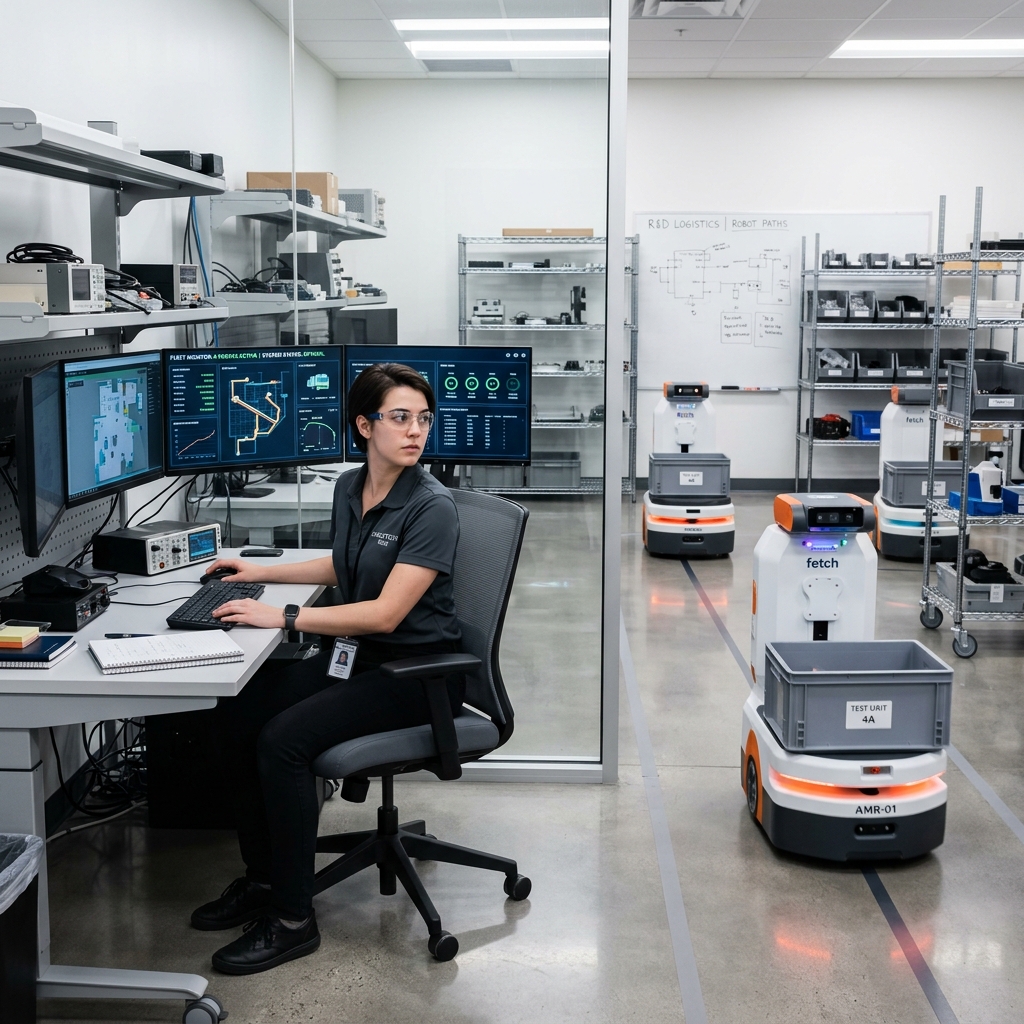
Illustration: RivCut
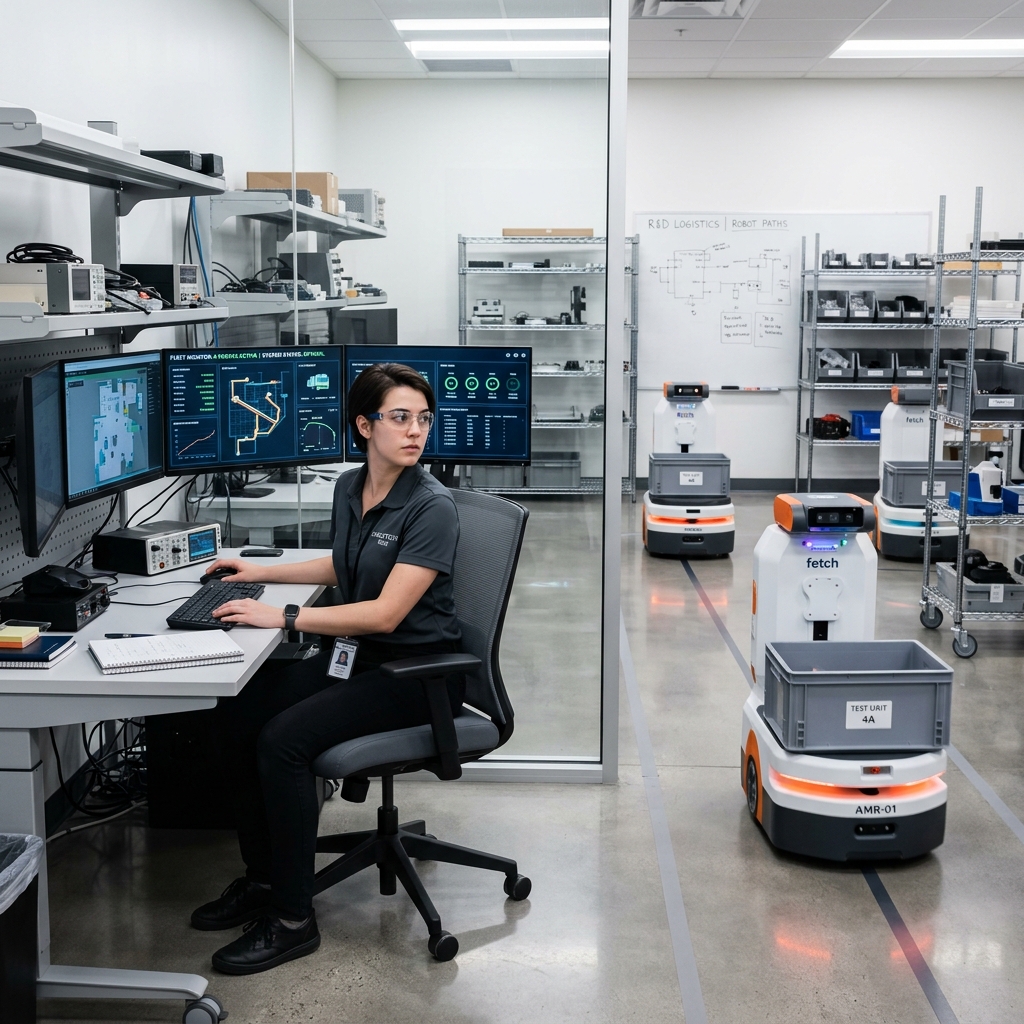
Three humanoid robot programs have moved from the lab to the factory floor. These programs are Tesla's Optimus Gen 2, Figure's Figure 02, and Apptronik's Apollo. All three companies started shipping their first units to pilot customers in early 2026. Industry reporting shows that these robots are already doing real work. Tesla is using its Optimus robots inside its own car factories in California and Texas. They move heavy parts and carry tools. Figure has sent its robots to a BMW assembly plant in South Carolina. There, the robots help build cars by holding sub-assembly parts. Apptronik is testing its Apollo robots with a large logistics company in Texas. These robots help move boxes in warehouses. The total number of robots is still small. It is measured in the hundreds, not thousands. But this is a major milestone for the robotics industry.
Humanoid robots are very different from old industrial robots. Traditional robots are built to do only one task. For example, a robotic arm might weld a car door in a factory. It is bolted to the floor and cannot move to another area. It cannot use human tools or walk through standard doors. A humanoid robot is designed to look and move like a human. It has two legs, two arms, and hands with fingers. This design allows it to work in the same spaces as human workers. It can walk up stairs, open doors, and work at standard desks. This makes humanoid robots very flexible. If a factory needs a new task done, they can update the robot's software instead of buying a new machine.
This transition is a big step for automation. In the past, humanoid robots were only seen in science fiction or research labs. They were too slow and fell over easily. But advances in batteries, motors, and computer chips have changed this. Today's robots can walk smoothly and balance on uneven floors. They can recognize objects using cameras and artificial intelligence. They can also adjust their grip so they do not crush fragile parts. While they are not perfect, they are now reliable enough to work alongside humans. This is why major companies are eager to test them. They want to see how these robots can help solve labor shortages in their factories.
The Shift to General-Purpose Robots
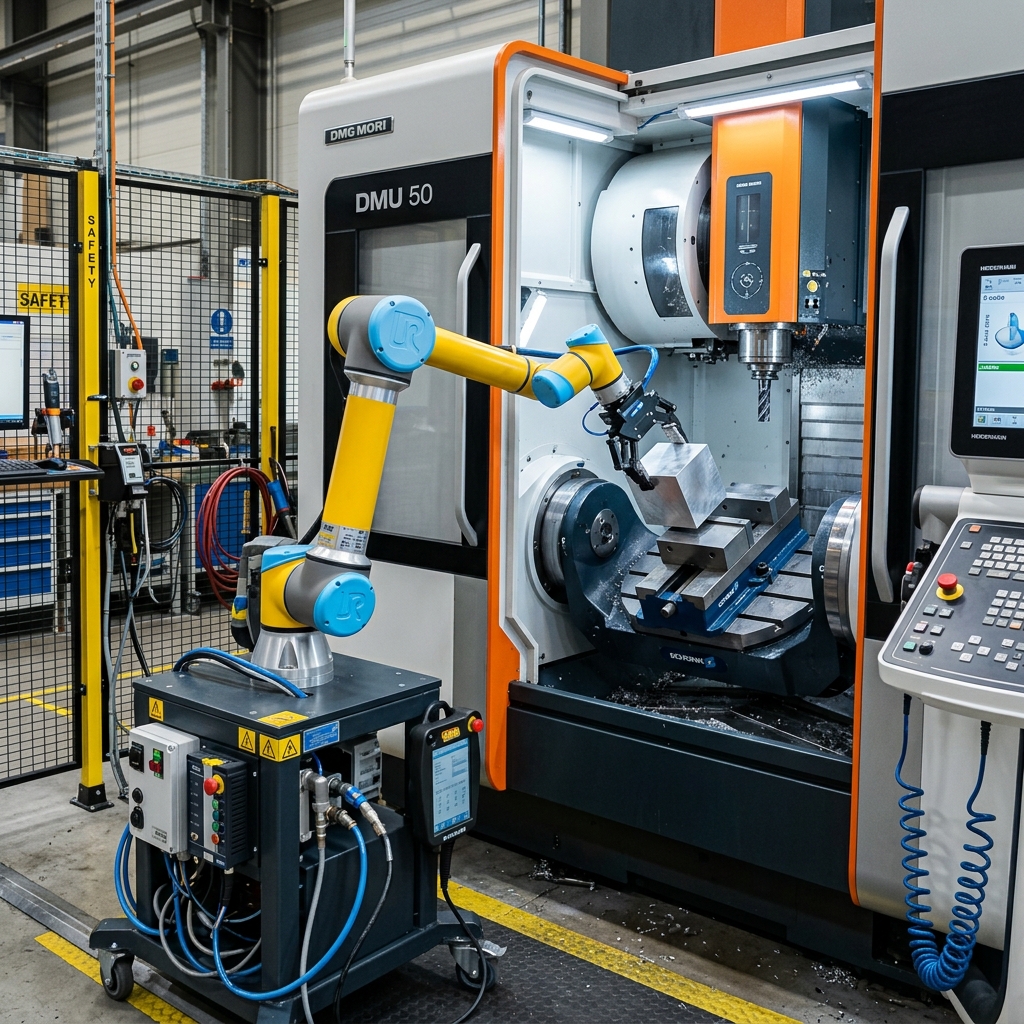
Illustration: RivCut
The goal of these new factories is to build general-purpose robots. This is a very difficult goal. A general-purpose robot must be able to learn new tasks quickly. It must be able to use a screwdriver, carry a box, and inspect a part for defects. This requires very complex software. The robot's computer must process data from cameras and sensors in real-time. It must calculate how to move its joints to reach an object without hitting anything. This software is still being developed and improved every day.
Building the hardware for these robots is also a huge challenge. A humanoid robot has many moving parts. It has gears in its wrists, elbows, and knees. It has sensors in its fingers to feel pressure. All of these parts must be small and lightweight. If the robot is too heavy, its battery will drain quickly. It will also be more dangerous if it bumps into a human worker. Designers must use lightweight metals like aluminum and titanium. They must also design parts that can do multiple jobs. For example, a single motor assembly might control both the turning and bending of a joint. This reduces the number of parts but makes machining much harder.
Why it matters for manufacturers
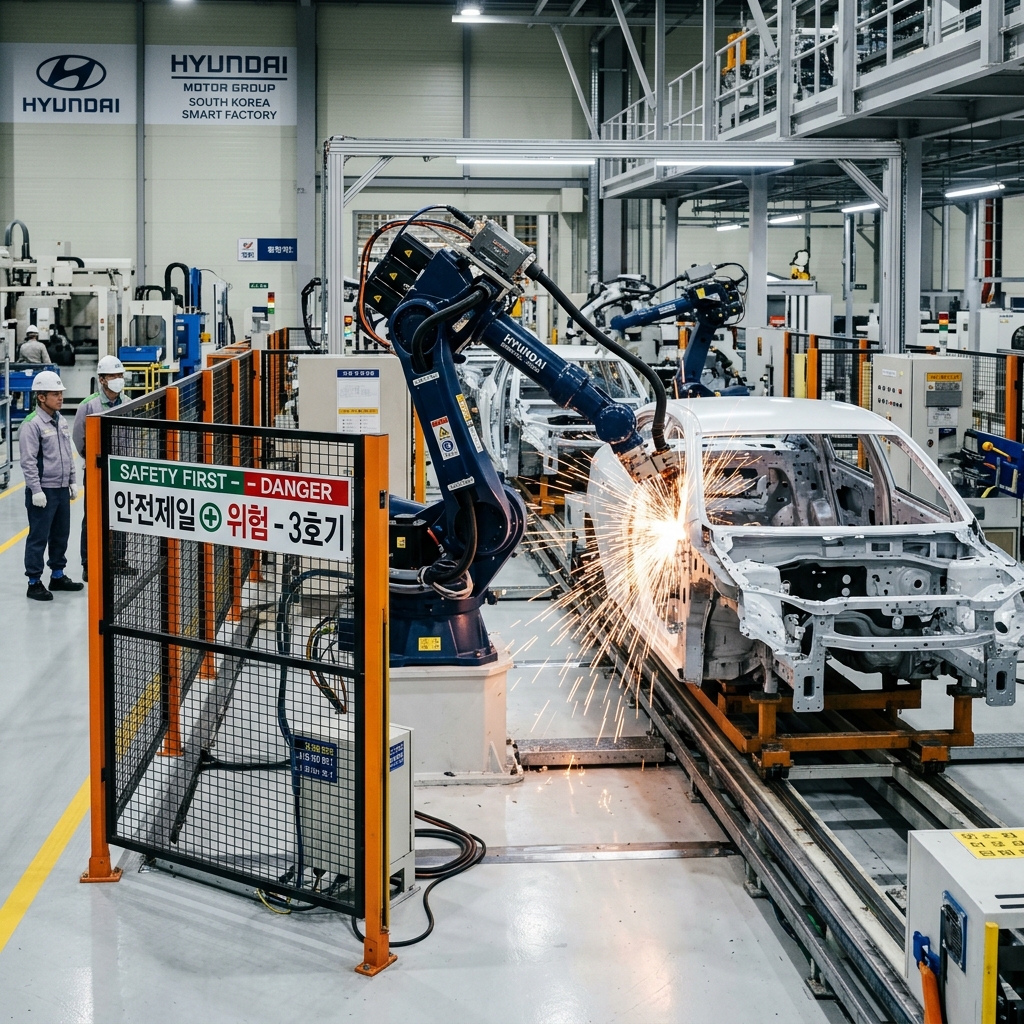
Illustration: RivCut
For machine shops, the rise of humanoid robots is a major trend. A humanoid robot contains many more precision parts than a standard robotic arm. A standard arm has six joints. A humanoid robot has between 25 and 40 joints. Each joint needs a motor, a gearbox, and a custom housing. This means a single robot requires dozens of machined parts. If these programs scale to thousands of units, the demand for machined parts will explode. This will create a huge amount of work for qualified CNC shops.
The materials used for these parts are very specific. The structural skeleton is usually made from aluminum alloy. Aluminum 6061-T6 is used for parts that do not carry heavy loads. Stronger aluminum, like 7075-T6, is used for joints that carry the robot's weight. These parts must be cut with great accuracy. The surfaces must be smooth to prevent wear. Shops use five-axis CNC milling to cut these complex shapes. These machines can cut a part from many angles in a single setup. This reduces the chance of errors that happen when moving parts between different machines. It also helps shops produce parts much faster.
The biggest challenge in the supply chain is the gearboxes. Most humanoid joints use a type of gear called a harmonic drive. These gears are used because they have zero backlash. This means the joint can move with extreme precision without any play or wiggle. But harmonic drives are very hard to make. They require special steel and very precise cutting tools. Currently, the lead times for these gears are over six months. Robotics companies are struggling to get enough gears to build their robots. Machine shops that can make actuator housings and assemble these gearsets are in high demand. They help robotics companies bypass this supply bottleneck. Read more about robotics component manufacturing on our services page.
The Precision Demands of Robot Actuators
To understand the difficulty of this work, we must look at the actuators. An actuator is the motor and gear assembly that moves a joint. The actuator housing must hold the motor and gears in perfect alignment. If the alignment is off by even a tiny fraction, the gears will wear out quickly. It can also cause the joint to bind or lock up. This would cause the robot to trip or drop a part. The tolerances for bearing bores inside these housings are often ±0.0005 inches. This is a very tight tolerance that requires advanced machining skills.
Shops must also control the temperature in their workshops. Metal expands when it gets warm and shrinks when it gets cold. If a shop machines a part in a hot room, it might not fit when it cools down. This is especially true for aluminum, which expands more than steel. Certified shops use climate-controlled rooms to keep their machines and parts at a constant temperature. They also use advanced coordinate measuring machines, or CMMs, to check their work. The CMM uses a tiny probe to measure the part and verify its dimensions. This ensures that every part is perfect before it is shipped to the customer.
In addition to machining, cleanliness is very important. Actuator housings must be completely free of metal chips and oil. Any dirt inside the housing can damage the gears or sensors. Shops must use special washing stations to clean the parts. They must also package the parts in clean plastic bags to protect them during shipping. This level of care is similar to what is required in the medical and aerospace industries. It separates high-quality shops from basic machine shops.
What to watch next
The main thing to watch is the production ramp of these robot companies. Tesla has stated that it wants to make thousands of Optimus robots. If they reach this goal, they will need a massive network of suppliers. Figure and Apptronik are also raising money to expand their production lines. Machine shops should look for opportunities to work with these companies early. The first shops to qualify as suppliers will get the largest orders when production scales up.
We should also watch how these robots perform in real factories. If the pilots are successful, other companies will start buying them. This could lead to a massive increase in demand for humanoid robots across many industries. Procurement teams should monitor these developments to prepare for changes in manufacturing capacity. To keep up with these automation updates, read more manufacturing news on our website.
Frequently Asked Questions (FAQ)
What are the main humanoid robot programs in 2026?
Answer: The three main programs moving to early production in 2026 are Tesla's Optimus Gen 2, Figure's Figure 02, and Apptronik's Apollo.
What materials are used for humanoid robot skeletons?
Answer: Humanoid skeletons are mostly made of lightweight, high-strength aluminum alloys like 6061-T6 and 7075-T6. Titanium is also used for key load-bearing parts.
Why are harmonic drive gears a bottleneck in robotics?
Answer: Harmonic drives are a bottleneck because they require very precise manufacturing and there are only a few main suppliers. Lead times for these parts are currently 26 weeks or longer.
What machining precision is needed for humanoid robot joints?
Answer: Joint components and actuator housings must be machined to extremely tight tolerances, often to within half a thousandth of an inch, to prevent backlash and ensure smooth movement.
The humanoid robot is a walking collection of precision machined parts. If you can hold ±0.001" on a harmonic drive housing, you're in the supply chain for the next generation of automation.