What happened
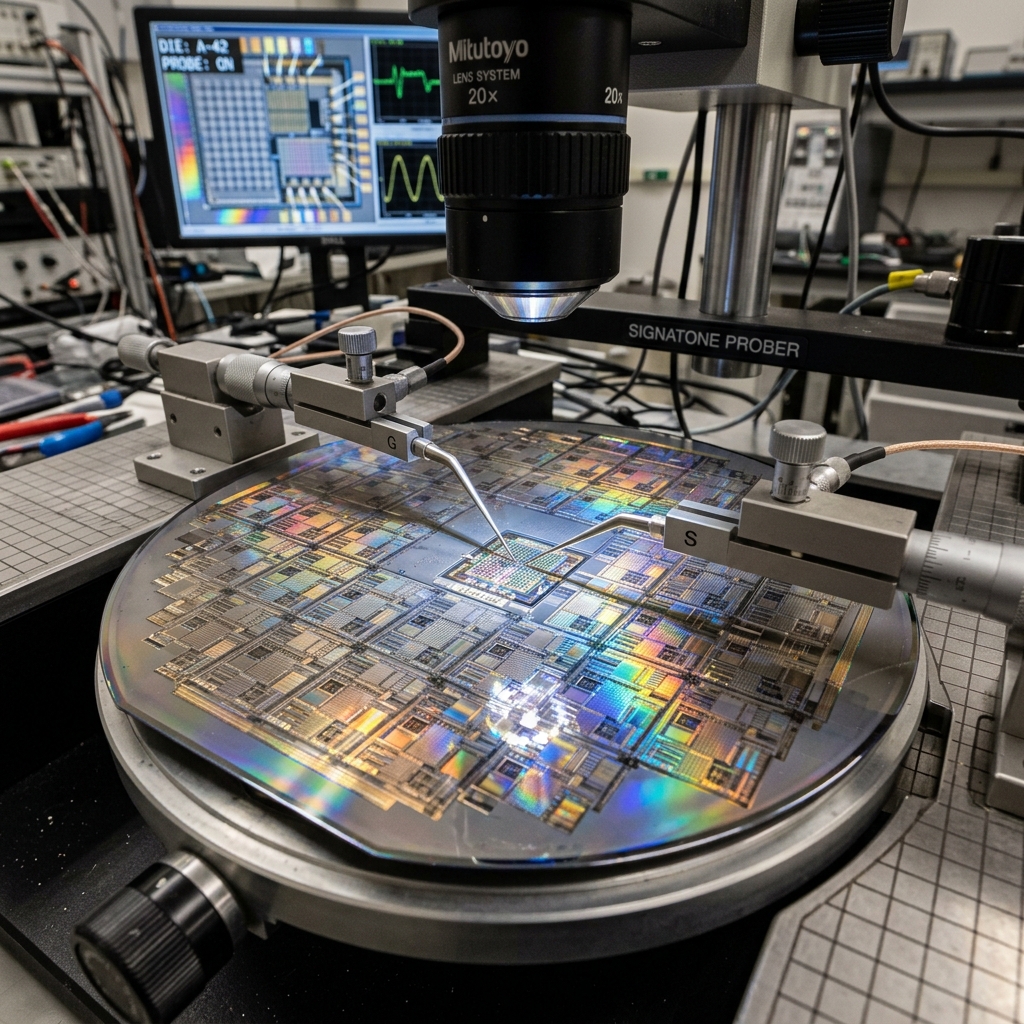
Illustration: RivCut
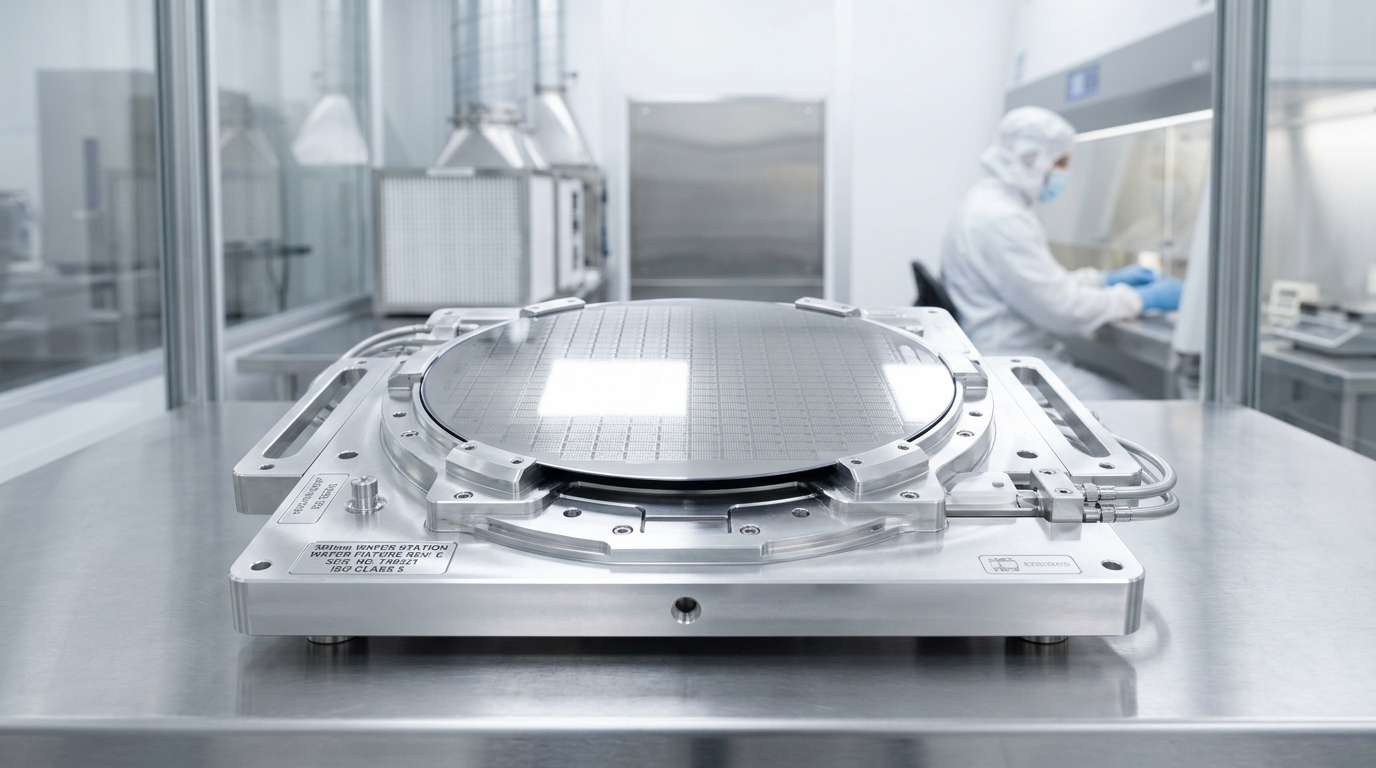
SpaceX submitted plans to Texas regulators for a new chip factory. They are calling this project a "Terafab." The documents show the company may spend up to $119 billion on the project. This would be a massive chip manufacturing complex. The proposal describes a vertically integrated facility. This means the plant will handle everything from wafer fabrication to assembling advanced computing hardware. All of this work will happen on one large campus in Texas. SpaceX filed these papers to request state tax breaks, but they have not committed to a final investment figure or construction schedule yet.
The filing describes the facility as "next-generation" semiconductor infrastructure. This suggests SpaceX wants more than a simple factory. The company's rocket and satellite programs use thousands of custom chips. These chips are used for navigation, radio systems, and flight controls. Sourcing these components is currently hard. Building them in-house would give SpaceX complete control over both the design and production schedules. They have already done this with rocket engines and spacecraft hulls, so chips are the next logical step.
For comparison, Intel is spending about $20 billion on its Arizona fabs. TSMC is spending $40 billion on its Arizona campus. If SpaceX spends $119 billion, this would be the largest private semiconductor investment in U.S. history. However, the plan is split into many phases. This means the total investment will likely be spread over ten years or more. Regulators will study the plans carefully before approving any tax incentives.
Building a chip factory is a huge undertaking. It requires specialized machinery, extremely clean rooms, and a constant supply of power and water. Even minor dust particles can ruin a batch of chips. SpaceX has a culture of moving fast and taking risks. However, semiconductor manufacturing requires extreme precision and patience. It will be interesting to see how the company balances its fast-paced style with the slow, careful work of chip making.
Why it matters for manufacturers
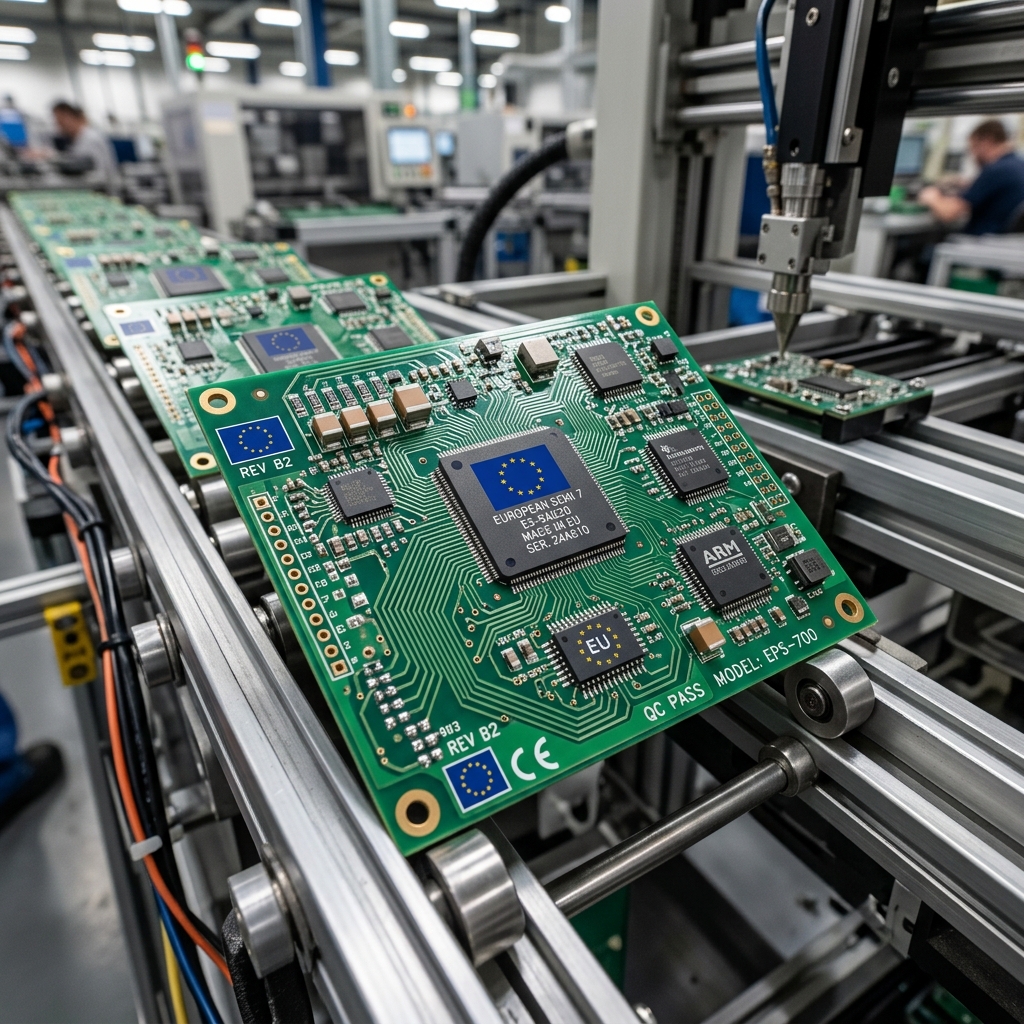
Illustration: RivCut
If SpaceX builds even a portion of this factory, it will change the domestic chip supply. Currently, lead times for custom chips can run from six months to a year. This makes scheduling production very difficult for manufacturers. A new domestic source for chips could help reduce these wait times. This would bring more predictability back to the manufacturing sector. It would help companies plan their production schedules more accurately.
The vertical integration is what makes the Terafab unique. Most chip designers do not own their own factories. They send their designs to companies like TSMC to be built. SpaceX wants to handle design and production under one roof. This closed-loop system is very expensive to set up. However, it works well if you are the only customer. You do not have to worry about selling chips to other companies to make a profit. You only need to build what your rockets and satellites need.
This project will also affect the local workforce. Texas is already home to several chip makers, but a new $119 billion project will create massive demand for talent. The state will need thousands of engineers, technicians, and construction workers. Many of these jobs require special training. This could lead to a labor shortage in other manufacturing sectors. If you run a shop in Texas, you may find it harder to hire skilled CNC operators or CMM programmers. SpaceX will likely offer high wages that small shops cannot match.
Precision suppliers will see new opportunities. Building a fab requires specialized tooling and equipment. These parts must meet very tight tolerances. Machine shops that specialize in semiconductor tooling will see a surge in demand. They will need to show they can meet the high quality standards required for cleanroom equipment. Sourcing materials like high-purity quartz and silicon will also be critical. Local suppliers will need to expand their capacity to keep up.
There is also a risk. If SpaceX's satellite program slows down, the fab could end up underutilized. Fabs are very expensive to run even when they are idle. If satellite demand drops, SpaceX could face high losses. Unlike traditional foundries, SpaceX does not have external customers to buy their extra chips. They will need to manage their production levels very carefully to avoid wasting money.
Additionally, other manufacturers must watch if SpaceX decides to sell some of its extra capacity. If they open the fab to third-party buyers, it could disrupt the market. Small electronics companies might gain access to high-quality domestic chips. This could help them compete with larger firms. For now, this is just a possibility. SpaceX's main goal remains satisfying its own internal demand.
What to watch next
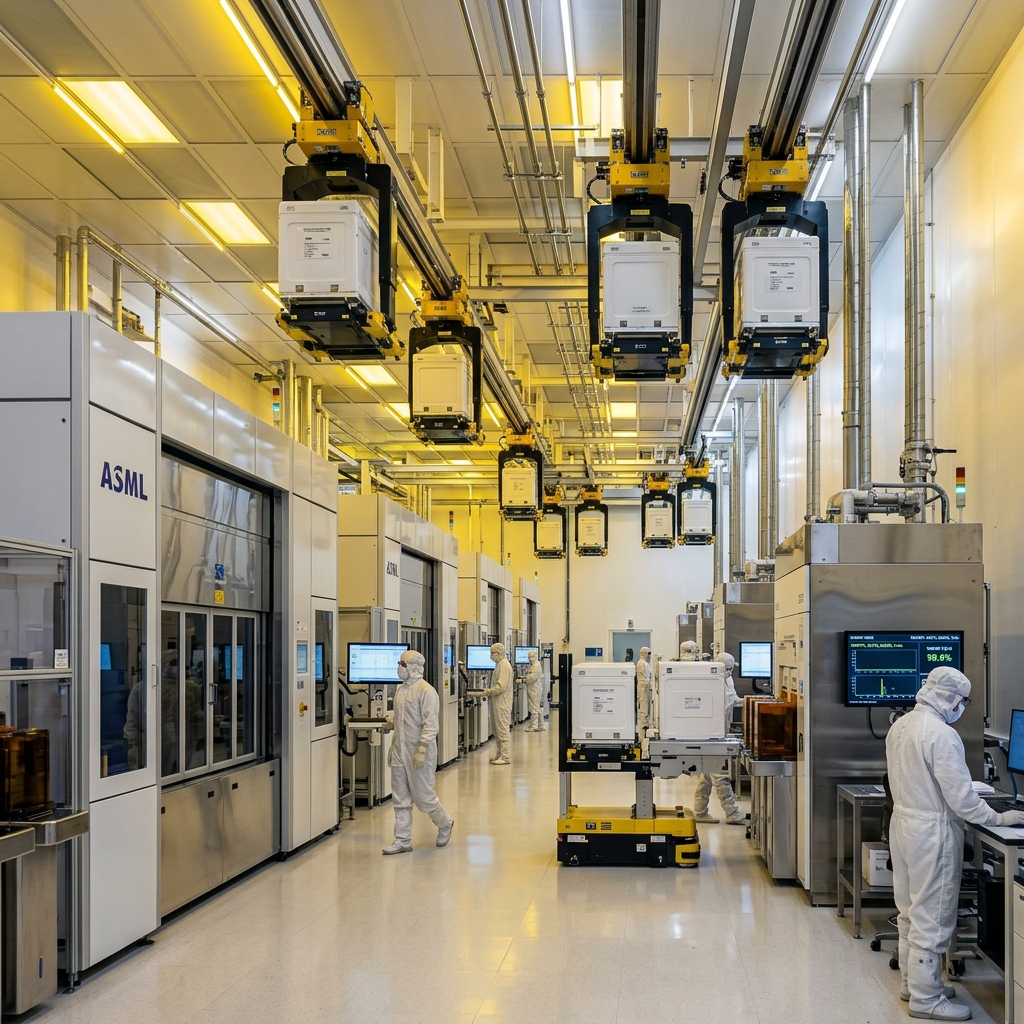
Illustration: RivCut
The Texas Comptroller's office will review the tax break requests. This review will take several months. Approval is not guaranteed. State officials are more careful with large deals now. They want to make sure companies deliver on their promises of jobs and investment. SpaceX will need to show clear progress milestones. They cannot just rely on big numbers to get approvals.
We should also watch if SpaceX partners with an experienced chip maker. Running a fab is very different from building rockets. Even a tiny mistake can ruin millions of dollars worth of chips. Partnering with a company like TSMC or Samsung would make the project much less risky. If SpaceX goes solo, the learning curve will be long and expensive. A joint venture would signal a much more serious commitment to the project.
Keep an eye on the process nodes SpaceX targets. If they focus on mature nodes like 28nm, they are solving for supply security. These nodes are older but still widely used for industrial parts. If they aim for leading-edge nodes like 3nm, they are chasing high performance. This would compete with top-tier foundries. The choice of technology will determine who their primary competitors are.
Finally, watch the environmental impact reviews. Chip fabs consume huge amounts of water and chemicals. Texas has faced droughts in recent years, so water usage will be a major issue. Local groups may oppose the project if they feel it will strain municipal water supplies. SpaceX will need to show they have plans to recycle water and manage waste safely. These environmental permits can take years to secure, so they could delay construction.
Other states may try to copy the Texas model. If this project succeeds, states like Arizona and Ohio may offer even larger tax breaks to attract space and defense firms. This could start a bidding war between states. Manufacturers should watch where these new tech hubs develop. Setting up operations near these hubs can help you win business from the main contractors.
The role of federal funding is another key factor. The CHIPS Act has billions of dollars available for domestic semiconductor projects. If SpaceX receives federal grants, it will speed up the construction process. It will also bring more government oversight. This could force the company to follow strict rules regarding supplier selection and data security. We will keep tracking this story in our semiconductor news section.
Frequently Asked Questions
What is the SpaceX 'Terafab' and where will it be built?
The Terafab is a proposed $119 billion chip manufacturing complex. SpaceX wants to build it in Texas to handle everything from wafer fabrication to final assembly on one campus.
Why does SpaceX want to build its own microchips in-house?
SpaceX uses thousands of custom microchips for rockets and Starlink satellites. Making their own chips secures their supply chain and gives them total control over chip designs.
How does the cost of the Terafab compare to other semiconductor projects?
At up to $119 billion, it would be the largest private semiconductor investment in U.S. history, far exceeding Intel's $20 billion Arizona plant.
When will construction start on the Terafab?
Construction timelines are not confirmed. SpaceX has applied for state tax breaks in Texas, and final approval will determine when the project moves forward.
A $119 billion chip fab isn't just big — it's a bet that SpaceX can run semiconductor production as tightly as it runs rocket launches.