What happened
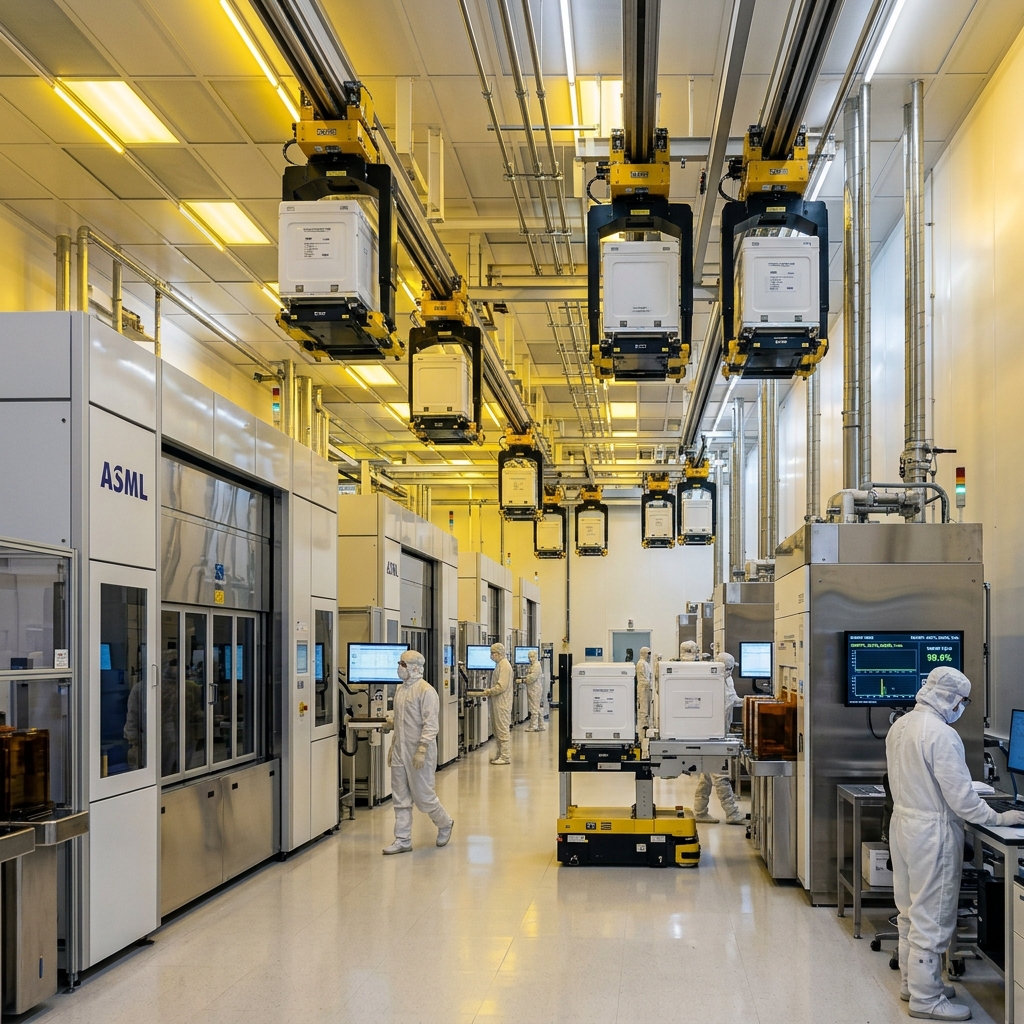
Illustration: RivCut
Air Products and Chemicals, the Allentown, Pennsylvania-based industrial gas supplier, announced plans to expand industrial gas supply for Samsung Electronics' upcoming semiconductor fabrication plant in South Korea. The expansion will support Samsung's next-generation manufacturing facility, though neither company disclosed investment size or production timelines. This project shows how companies are partnering to support advanced technology.
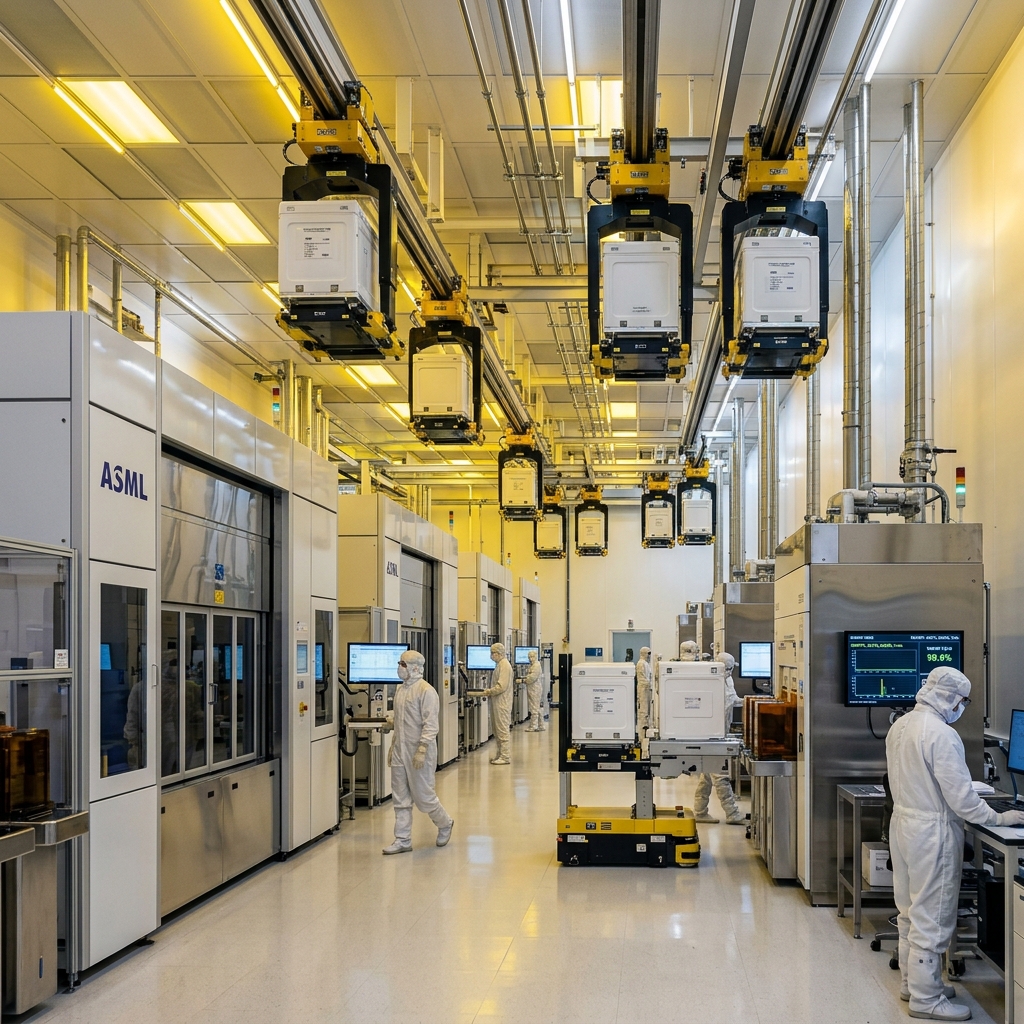
Air Products already operates multiple gas production and supply sites across South Korea supporting Samsung's existing fabs. The company supplies ultra-high-purity nitrogen, oxygen, argon, hydrogen, and specialty process gases used in photolithography, etching, and chemical vapor deposition. This expansion adds capacity and potentially new gas mixtures tailored to Samsung's advanced node requirements. These gases are critical for making the microscopic features on modern computer chips.
The announcement positions Air Products as a long-term infrastructure partner in what Samsung has called its most ambitious manufacturing buildout. South Korea remains Samsung's primary production hub for leading-edge logic chips, competing directly with TSMC's Taiwan facilities and Intel's planned U.S. expansions. Samsung has not disclosed which process node the new fab will target, but recent capital expenditure guidance suggests sub-3nm production lines. These lines will make the fastest and most power-efficient chips in the world.
Why it matters for manufacturers
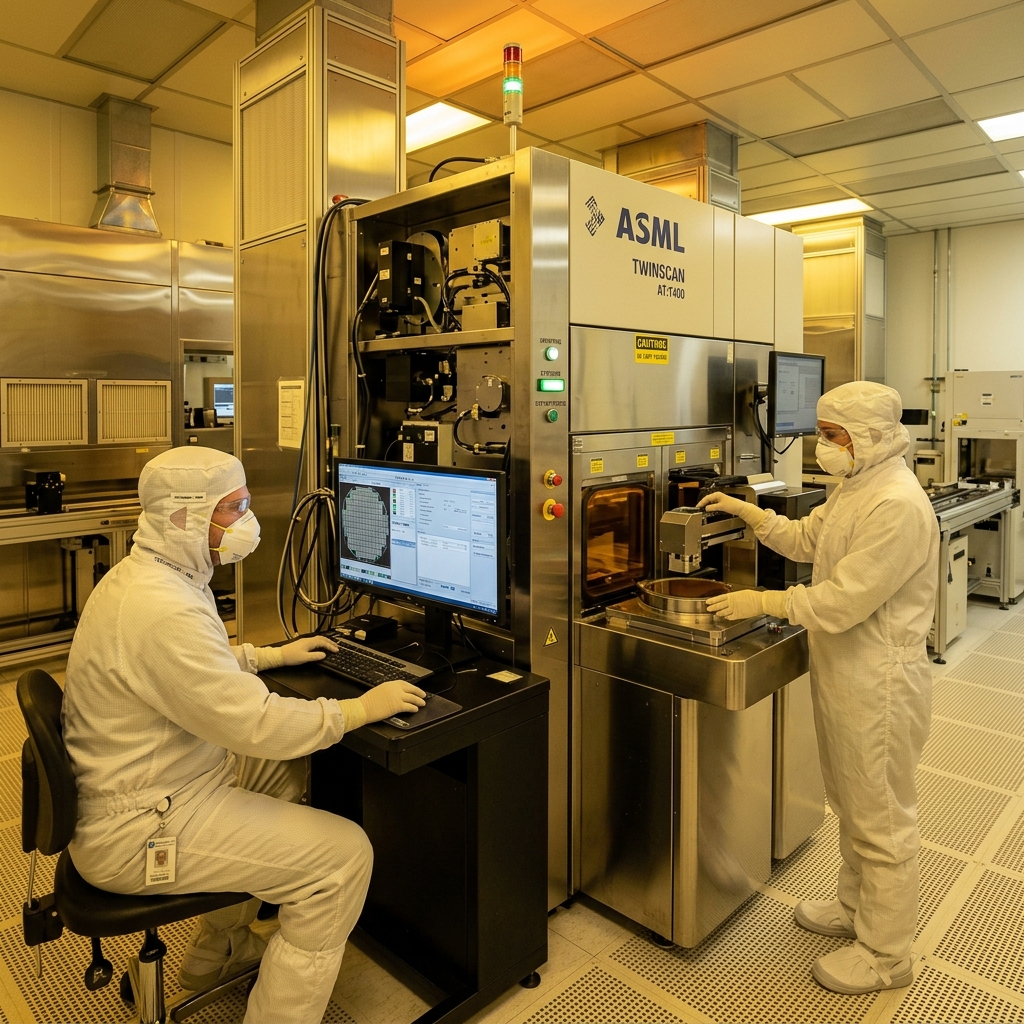
Illustration: RivCut
This deal illustrates how chipmakers now lock down supply chains years before breaking ground. Industrial gases aren't commodities you order on lead time. A modern fab consumes thousands of cubic meters per hour of nitrogen alone, plus dozens of specialty gases in precise mixtures. Any supply hiccup halts production instantly. By announcing infrastructure partnerships this early, Samsung signals it won't repeat the equipment bottlenecks that plagued 2021-2023 expansions.
For machine shops like RivCut that produce semiconductor tooling and components, these upstream commitments create visibility. When a gas supplier expands capacity for a specific fab, procurement teams at equipment makers start firming orders for vacuum chambers, gas distribution manifolds, and flow control hardware. That's 18-24 months of lead time before the fab even needs the parts. Early signals matter because they allow shops to plan their machinery purchases and workforce needs.
The geographic concentration also matters. Samsung keeping its advanced production in South Korea — rather than shifting to its new Texas site — means the Korean supply base remains critical. Air Products operates local production, not just import terminals, which reduces supply risk but increases capital intensity. That same logic applies to precision components: local sourcing reduces logistics risk when you're shipping parts that require CMM inspection tolerances under 5 microns.
There's a competitive angle too. TSMC locked long-term gas deals with Air Products' rivals years ago. Intel recently announced similar partnerships for its Arizona and Ohio fabs. The global industrial gas market has consolidated to essentially three players: Air Products, Linde, and Air Liquide. When one signs exclusively with a chipmaker, it constrains options for everyone else. Samsung's announcement suggests it's not waiting to see what capacity remains available.
The Shift in Domestic Production
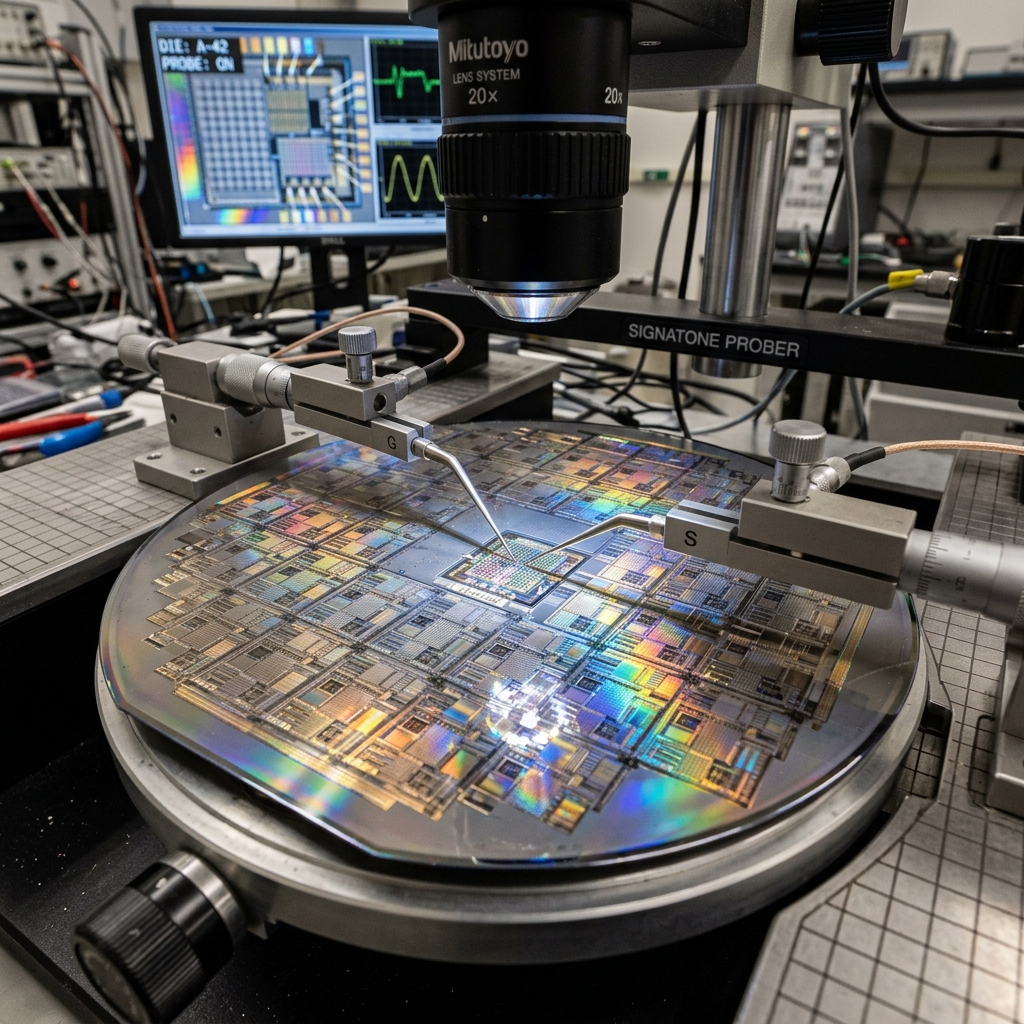
Illustration: RivCut
Building factories close to home is a major trend in the tech industry. For many years, companies outsourced their production to other countries to save money. This made computer chips cheap, but it also made the supply chain risky. If there is a natural disaster or shipping delay overseas, factories in America can run out of parts. Now, companies and governments are working to bring manufacturing back home. This reshoring effort helps secure the supply of key components.
For local machine shops, this shift creates new opportunities. Large factories need many local suppliers to provide custom parts, maintenance, and raw materials. A strong local supply chain reduces the time it takes to get parts. It also allows engineers from different companies to work together face-to-face. This close cooperation helps solve design problems quickly and improves the quality of the final products. It also creates high-paying jobs for local technicians.
However, reshoring is a slow process that requires major investments. Companies must build new plants and install complex tools. They also need to train a new generation of workers. Many schools are now starting programs to teach students about CNC machining, robotics, and cleanroom rules. By building a skilled workforce and strong local networks, countries can build a more stable and resilient manufacturing sector.
Advancements in Manufacturing Technology
Modern factories are using advanced technology to run more efficiently. One major trend is automation. In a semiconductor factory, robots handle almost all the materials. Silicon wafers are moved in sealed pods to prevent any dust from touching them. Robots can work in cleanrooms without making mistakes or introducing contamination. This automation helps factories produce more working chips from each wafer, which lowers costs.
Precision machining has also improved. CNC machines use computer programs to cut metal with extreme accuracy. They can create complex parts with tolerances of less than a thousandth of an inch. These parts are used in gas delivery systems and vacuum chambers, where even a tiny leak can ruin a batch of chips. By using advanced machines, shops can produce these critical components quickly and reliably.
Finally, quality control has become digital. Inspection systems use lasers and probes to check the dimensions of parts in seconds. The system compares the physical part to the digital design to ensure it is perfect. This creates a detailed record of quality that is needed to prove the parts meet strict industry standards. As technology continues to improve, factories will become even smarter and more productive.
What to watch next
Samsung hasn't disclosed a construction start date or production timeline. Watch for South Korean environmental permits and utility connection applications — those documents usually leak first. If this fab targets 2028-2029 production, equipment orders should accelerate by late 2026.
The broader question is whether Samsung can close the manufacturing gap with TSMC. Process technology matters, but so does yield and uptime. Industrial gas purity and consistency directly affect both. Air Products will need to demonstrate that expanded capacity doesn't compromise the 99.9999% purity levels advanced nodes require. Any contamination incident would be catastrophic.
For component suppliers, monitor Samsung's equipment vendor announcements. Applied Materials, LAM Research, and ASML will eventually disclose orders tied to this fab. Those orders cascade to subsuppliers within 90-180 days. If you're quoting semiconductor tooling components, asking about fab construction timelines isn't premature — it's necessary for capacity planning. The gas got locked down. Hardware procurement comes next.
More analysis on semiconductor supply chains and manufacturing infrastructure at RivCut's manufacturing news section.
Frequently Asked Questions (FAQ)
Why is industrial gas important for chip manufacturing?
Answer: Industrial gas is needed to print circuits on wafers and clean processing chambers. Chip makers need high-purity gases like nitrogen and argon to prevent contamination.
What is the partnership between Air Products and Samsung about?
Answer: Air Products will expand its gas plants in South Korea to supply Samsung's new chip factory. This ensures Samsung has a secure supply of gases for advanced chipmaking.
How does this deal affect other manufacturing suppliers?
Answer: The gas expansion shows that Samsung is securing its supply chain early. This signals equipment vendors to prepare parts like gas manifolds and valves 18 to 24 months in advance.
What are the risks of gas supply disruptions in a chip factory?
Answer: Even a tiny interruption or impurity in the gas supply can ruin a batch of wafers. This costs millions of dollars and stops production immediately.
When a gas supplier expands capacity for a specific fab, procurement teams at equipment makers start firming orders 18-24 months before the fab needs the parts.