What happened
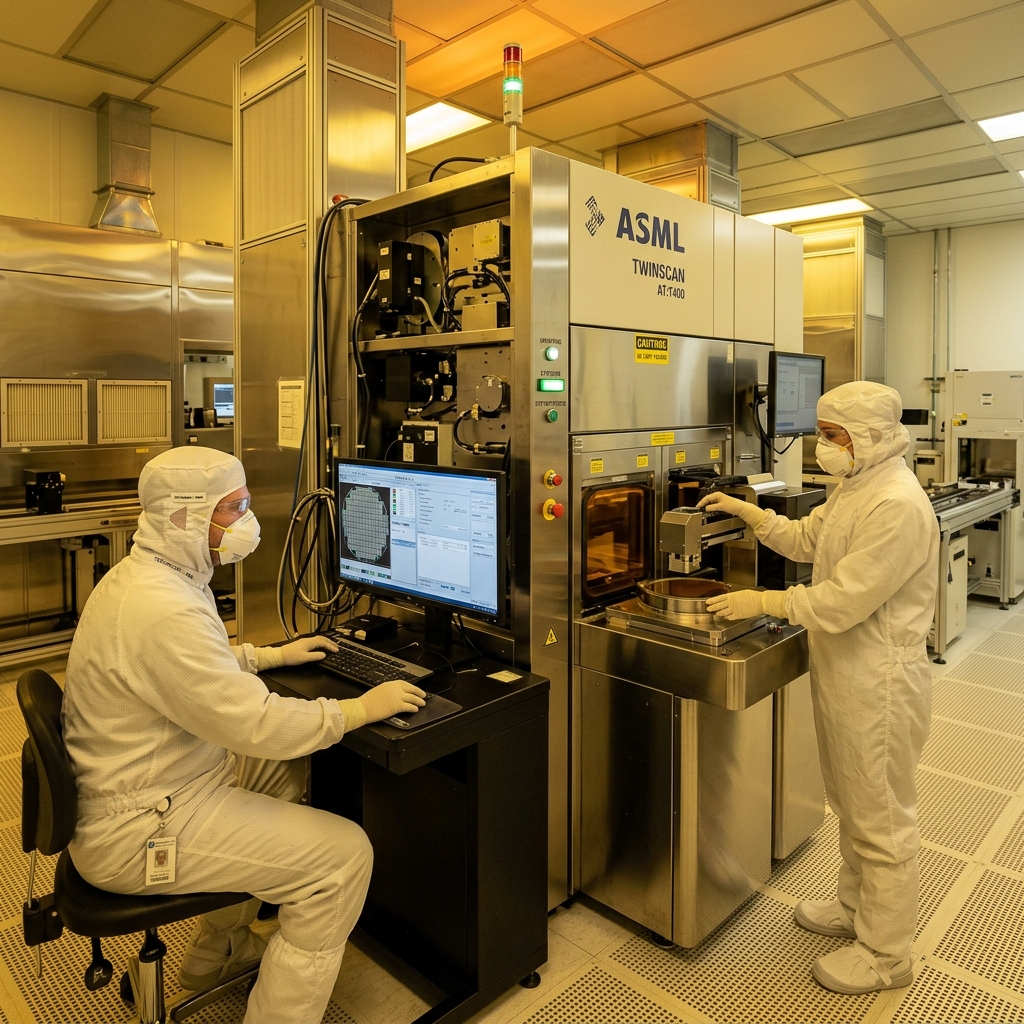
Illustration: RivCut
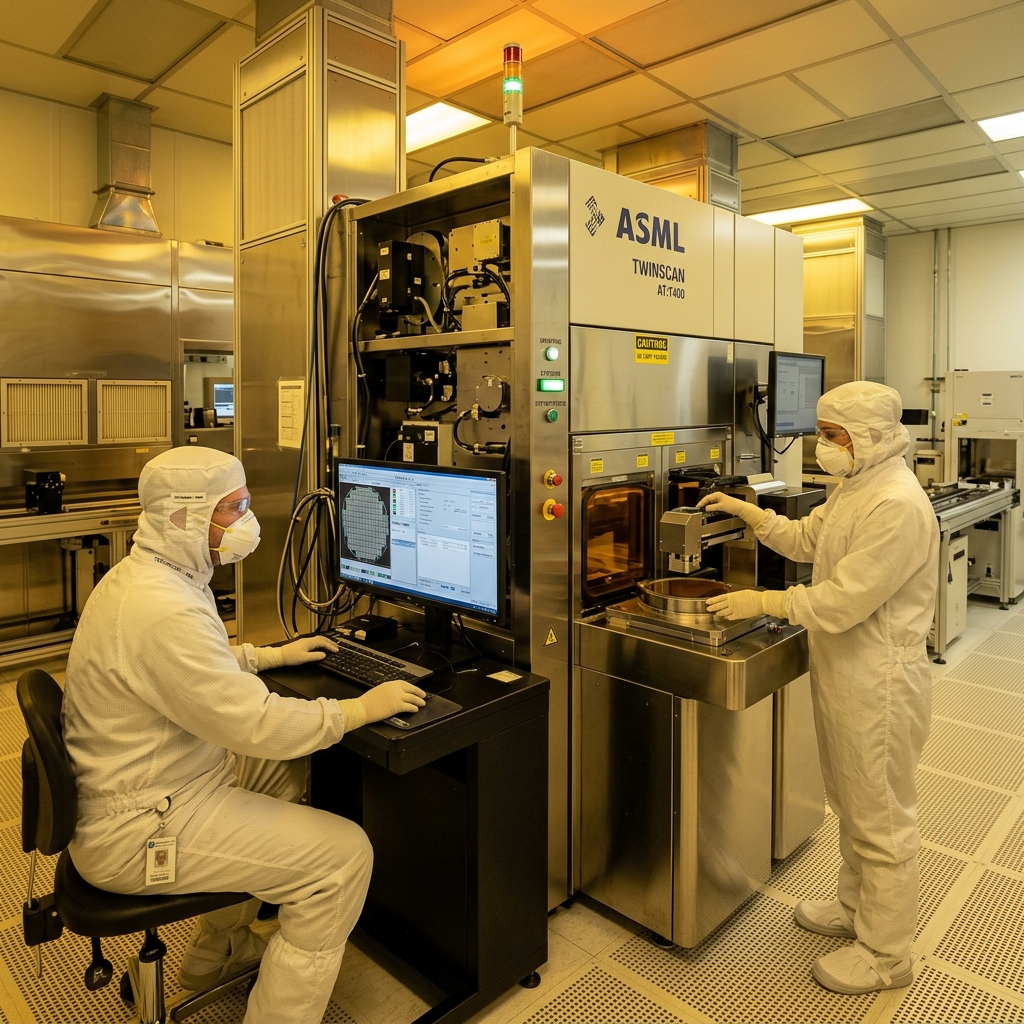
Tesla plans to spend about three billion dollars to build a new chip research factory in Texas. CEO Elon Musk announced this plan in late April, and it was reported by Bloomberg. The new facility will use Intel's manufacturing tools and methods. Musk said this is just the first step. He hopes it will lead to making chips at a very large scale in the future. The project represents a major shift in how car companies think about their supply chains. In the past, car makers simply bought chips from overseas suppliers. Now, they want to have more control over the entire process.
The research factory is different from a regular manufacturing plant. It will focus on testing new ideas and making small groups of chips. It will not make millions of chips for cars right away. Tesla did not give a clear timeline for when the factory will start running. They also did not say which car chips the factory will make first. Right now, Tesla gets its chips from companies like Samsung and TSMC. These chips control everything from the car battery to the self-driving systems. If those suppliers have problems, Tesla cannot build its cars.
Intel's role in this project is very important. Intel has struggled to compete with Asian chip makers in recent years. Now, Intel is trying to build a business making chips for other companies. This is called foundry services. The deal with Tesla is a big win for Intel. It shows that major companies trust Intel's technology. The new factory will be built in Texas. This location is close to Tesla's large car factory in Austin. It also helps Tesla take advantage of state funding programs. Texas has created these programs to attract more tech companies.
Why it matters for manufacturers
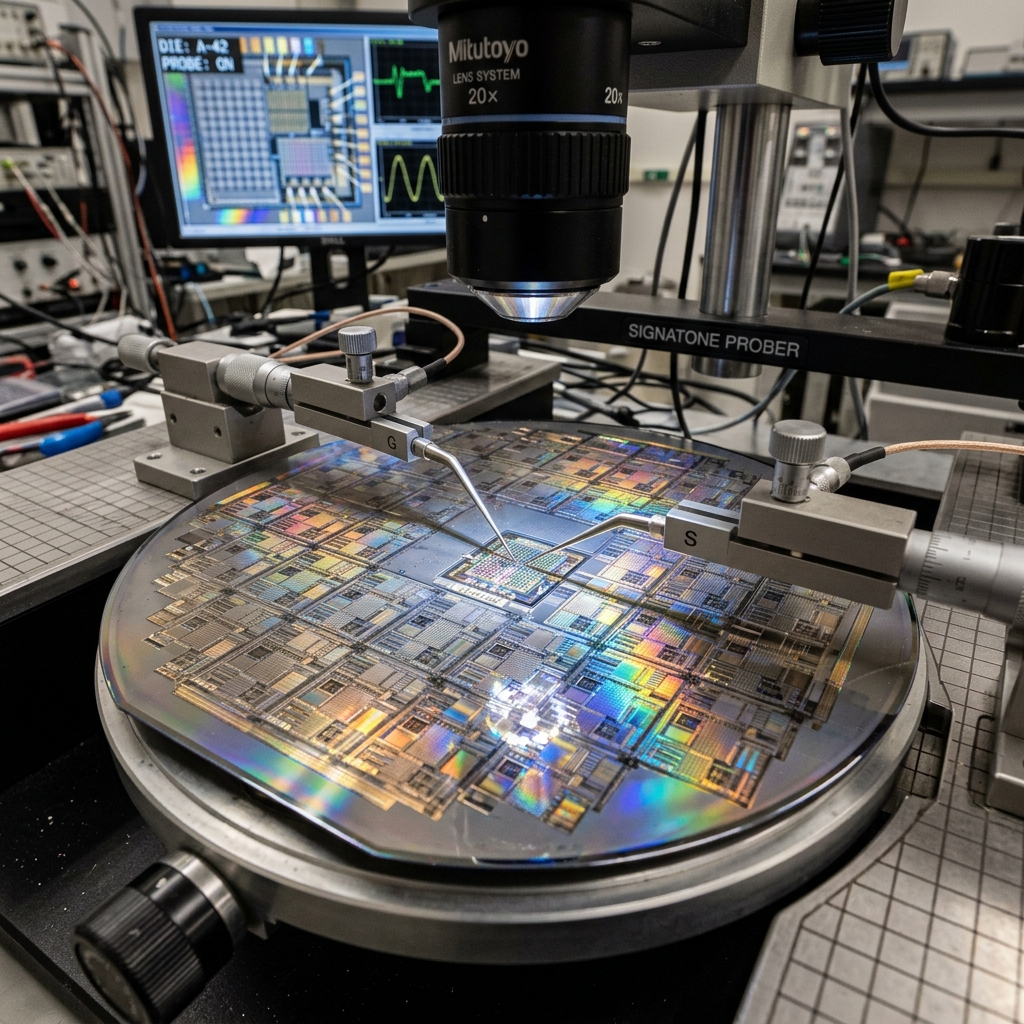
Illustration: RivCut
Tesla's decision shows that car makers want to be self-reliant. The chip shortage of 2021 was a big wake-up call for the industry. Many car companies had to stop their assembly lines. They could not get simple chips for window motors or brakes. This happened because car makers had outsourced all chip designs and manufacturing. They did not understand how to make these parts themselves. Now, companies want to build their own chip factories. This helps them secure their supply chains for the future.
Building a chip factory is very expensive. A research factory costs less than a full production plant. A full plant can cost more than twenty billion dollars. Still, a three-billion-dollar factory is a huge investment. It requires specialized workers who understand cleanroom setups and tool installation. Tesla will need to hire many engineers from other chip companies. The competition for these workers is very high. TSMC, Intel, and Samsung are all building new plants in the United States and hiring actively.
This project will also affect the companies that supply machine parts. Chip factories need very precise components. These include robotic arms to move silicon wafers and gas delivery systems. The parts must be made with very tight tolerances. They must also be free from any dirt or grease. Machine shops that support this industry must meet very high quality standards. They must use advanced inspection tools like coordinate measuring machines. This ensures that every part is perfect before it is shipped.
For smaller manufacturers, this trend is worth watching closely. It shows that vertical integration is becoming popular again. Companies want to own the tools that make their most important components. This reduces their risk but increases their costs. If more companies follow Tesla's lead, we will see a huge increase in domestic manufacturing. This will create new opportunities for local suppliers who can meet the strict quality rules of the chip industry.
The Shift in Domestic Production
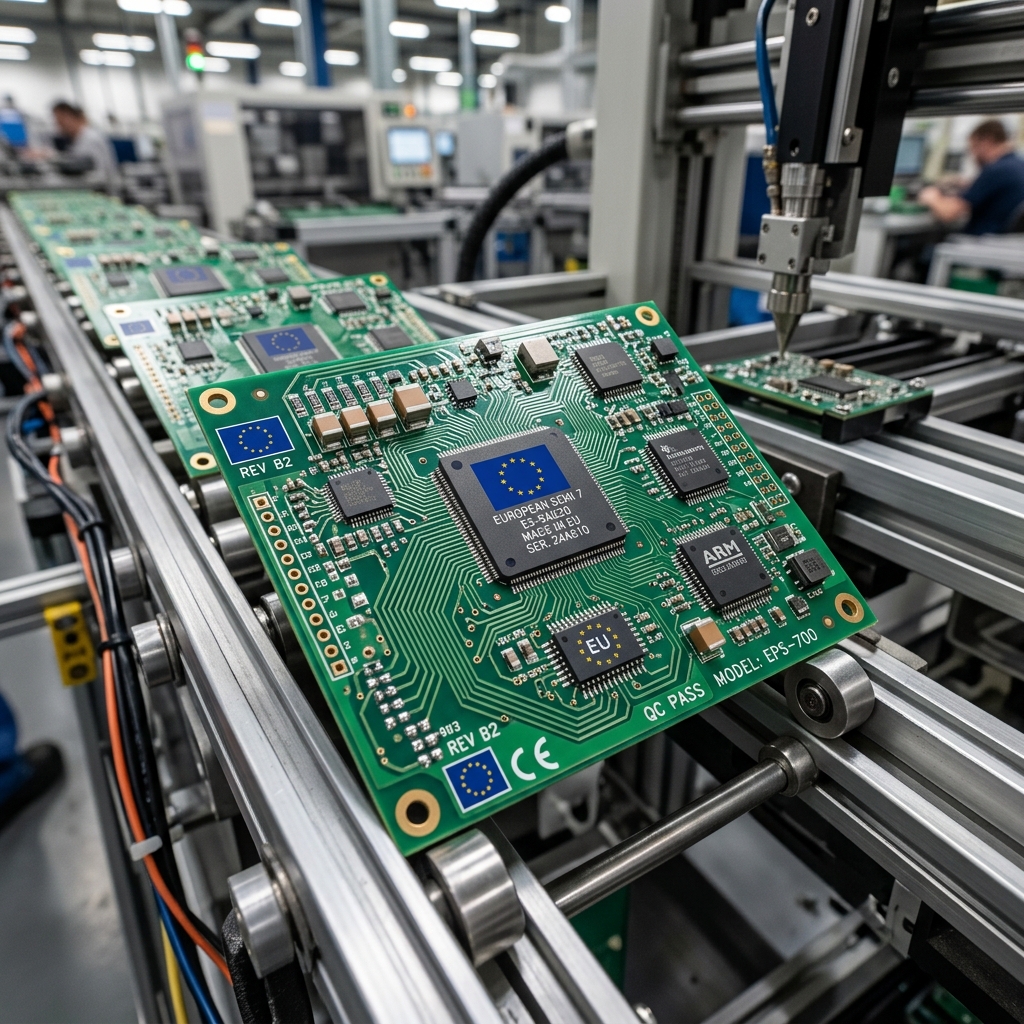
Illustration: RivCut
The push to build more factories in the United States is growing. For decades, companies moved their production overseas to save money. This made goods cheaper, but it also made supply chains fragile. A natural disaster or political conflict in another country could stop production in America. The U.S. government is trying to fix this problem with the CHIPS Act. This law provides billions of dollars to help companies build factories at home.
Building factories in the U.S. helps secure the supply of key parts. This is true for cars, medical devices, and defense equipment. When parts are made nearby, companies do not have to worry about port congestion. They also do not have to pay high shipping costs. Local production makes the entire economy more resilient. It also helps companies react faster to changes in customer demand.
However, reshoring is not easy. It takes years to build a new factory and install the tools. Companies also face a shortage of skilled workers in the U.S. Many young people have not been trained in manufacturing trades. Schools and companies are working together to solve this. They are creating new apprenticeship programs to train workers in CNC machining, electronics, and quality control.
Local suppliers are the backbone of this domestic expansion. A large factory cannot run without hundreds of smaller suppliers. These suppliers provide raw materials, custom parts, and maintenance services. By building a strong local network, companies can keep their production running smoothly. This benefits the entire community by creating good jobs and boosting the local economy.
Advancements in Manufacturing Technology
Modern factories are becoming highly automated. They use advanced machines, robots, and computers to make products faster. This technology helps companies maintain high quality and lower their costs. In a chip factory, robots do almost all the heavy lifting. This is because human workers carry dust and hair, which can ruin the delicate chips. Robots can work in perfectly clean environments without making mistakes.
Automation also helps machine shops that make parts for these factories. CNC machines can cut metal with extreme accuracy. They follow digital designs to create complex shapes. These machines can run day and night with minimal human help. This allows shops to produce parts quickly and keep up with demand from large factories. It also reduces the chance of human error during the machining process.
Quality control is another area that has seen big improvements. Laser scanners and digital probes can measure parts in seconds. They compare the physical part to the digital design. If a part is off by even a tiny fraction, the machine alerts the operator. This ensures that only perfect parts are sent to the customer. It also helps shops find and fix issues in their machines before they cause problems.
As technology continues to improve, factories will become even smarter. They will use artificial intelligence to predict when machines need maintenance. This will prevent unexpected breakdowns and keep production lines moving. Workers will need to learn how to operate and maintain these advanced systems. This will shift the focus of manufacturing jobs from manual labor to technical problem-solving.
What to watch next
The next big step is to see which chips Tesla will design. If they design advanced chips, they will need very expensive tools. These tools are made by only a few companies in the world. The wait time for these tools can be several years. Tesla's choices will show how serious they are about making their own chips. It will also show if they can compete with established chip makers.
Intel's progress is also important to monitor. If this partnership with Tesla goes well, other companies might sign deals with Intel. This would help Intel regain its position as a leading chip maker. But if the project fails, it will hurt Intel's reputation. It will also make other car makers hesitate to build their own chip factories.
Finally, we should watch how other car companies respond. If Tesla succeeds, GM, Ford, and others may feel forced to build their own factories. This would trigger a massive wave of investment in domestic manufacturing. Procurement teams should watch these developments to prepare for shifts in supply and demand. The future of manufacturing will look very different as more companies bring their production back home.
For more analysis on how semiconductor manufacturing affects precision machining and supply chains, visit our manufacturing news section.
Frequently Asked Questions (FAQ)
Why is Tesla building its own chip research factory?
Answer: Tesla wants to design and test its own chips to avoid shortages. Having its own research factory helps Tesla try new ideas quickly without waiting for outside suppliers.
What is the role of Intel in this partnership?
Answer: Intel provides the manufacturing tools and process technology for Tesla's research factory. This partnership helps Intel show other companies that it can make chips for them.
How does a research chip factory differ from a production factory?
Answer: A research factory focuses on testing new designs and small batches. A production factory makes millions of chips at a very high speed for final products.
What precision components are needed for chip manufacturing?
Answer: Chip manufacturing requires extremely precise parts like wafer handling systems and cleanroom tools. These parts must have very tight tolerances and hold up to harsh chemicals.
Building a research fab is categorically different from operating a cost-competitive production line — many never scale beyond proof-of-concept.