What happened
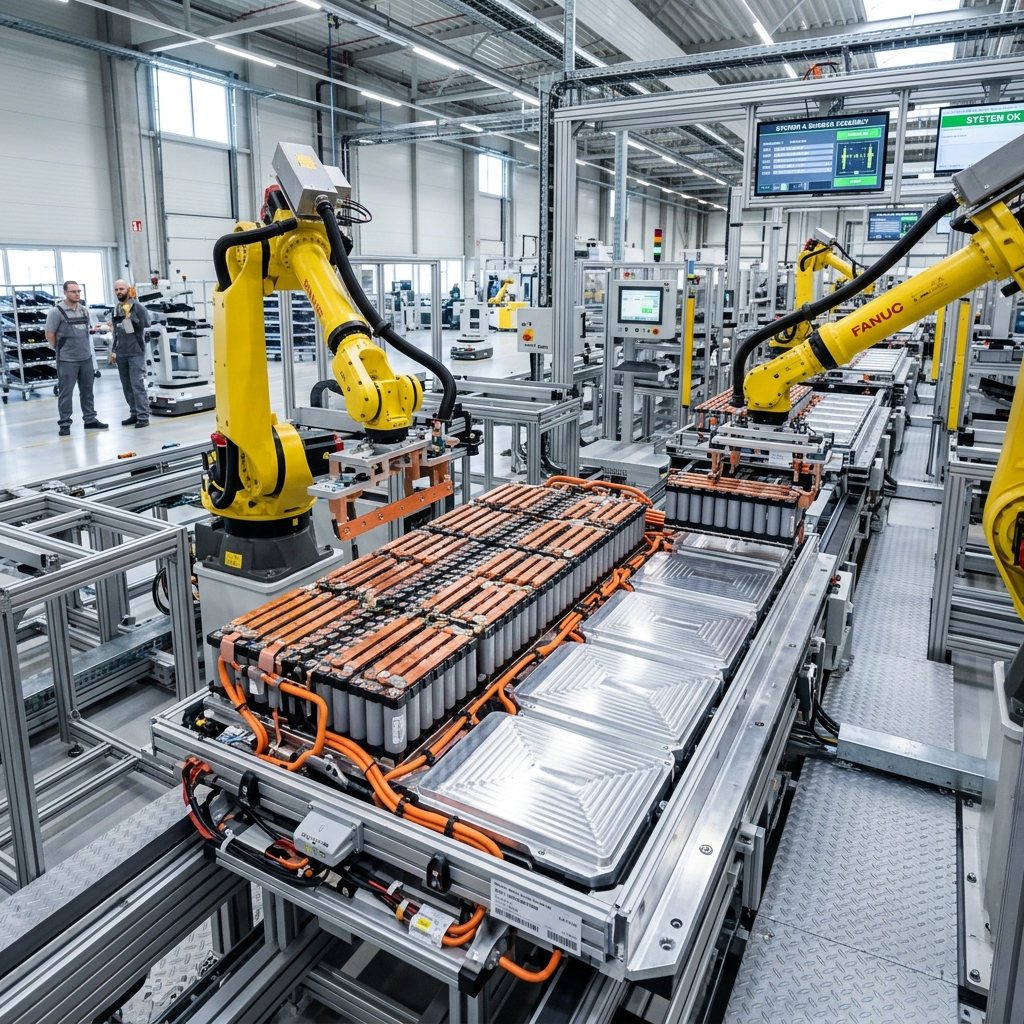
Illustration: RivCut
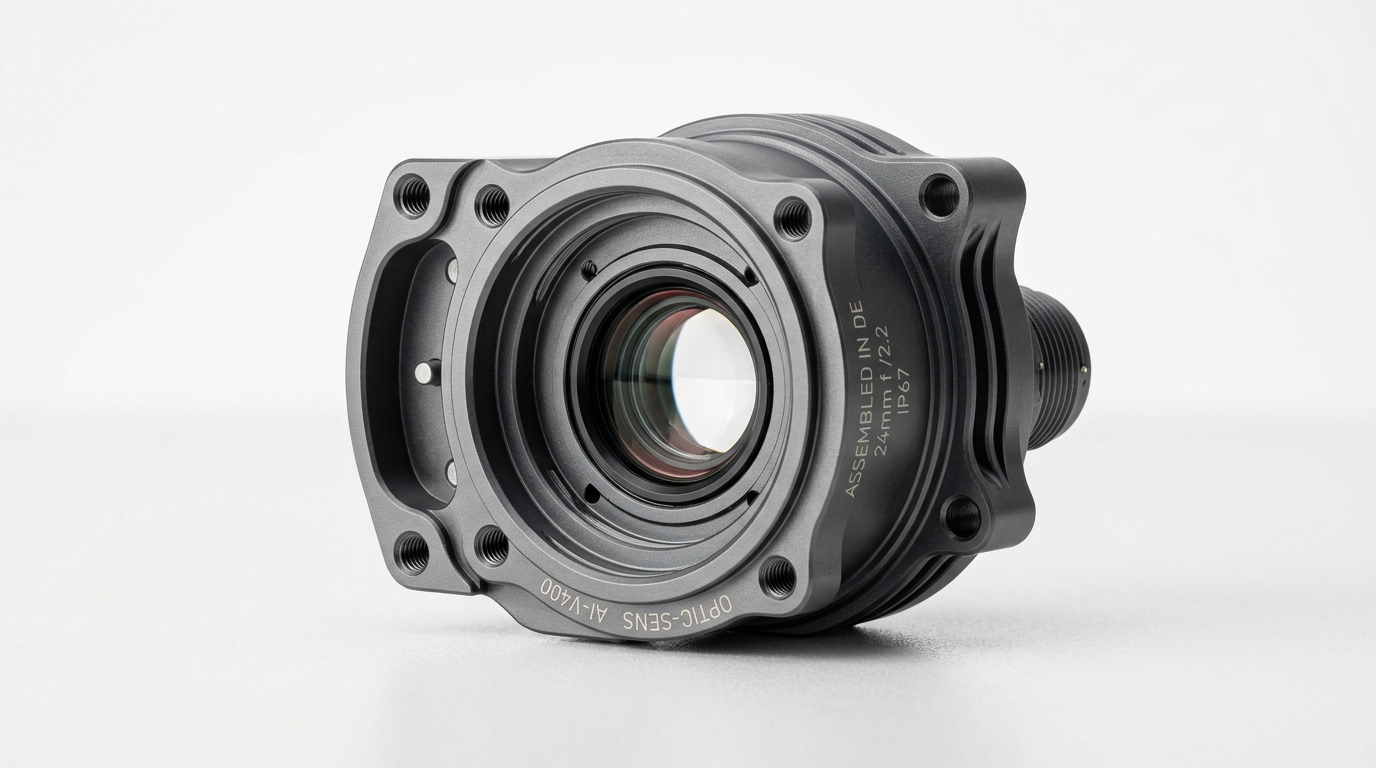
Sony and TSMC announced a new partnership this week. They are creating a joint venture to build next-generation image sensors, according to The Verge. Sony will hold the majority of the ownership in this new venture. The goal is to combine Sony's advanced image sensor designs with TSMC's industry-leading chip manufacturing processes. This is a major move for the tech and automotive industries. It could change how autonomous systems see the world.
The joint venture will focus on what the companies call "physical AI." These are artificial intelligence systems that interact with the physical world. Self-driving cars and industrial robots are the primary target markets. Sony is already a major supplier of image sensors to automakers. Their sensors are used in advanced driver-assistance systems. They also work with companies that are building fully autonomous shuttle fleets.
TSMC will bring its advanced fabrication technology to the table. The chipmaker is currently building chips using its 3-nanometer process. They are also starting initial work on 2nm chips. Using smaller process nodes is key. It allows engineers to pack more transistors into the same sensor area. This results in better low-light performance and faster processing speeds. For self-driving cars, cameras must work in fog, heavy rain, and total darkness. Better chips make this possible.
The partnership will build on existing facilities. Sony has several semiconductor plants in Japan. These include factories in Nagasaki and Kumamoto. TSMC has also built a fab in Japan recently. By combining their local resources, the two firms can speed up development. They can also ensure a steady supply of chips for their main customers in Asia and North America. This is a very strategic move for both companies.
Why it matters for manufacturers
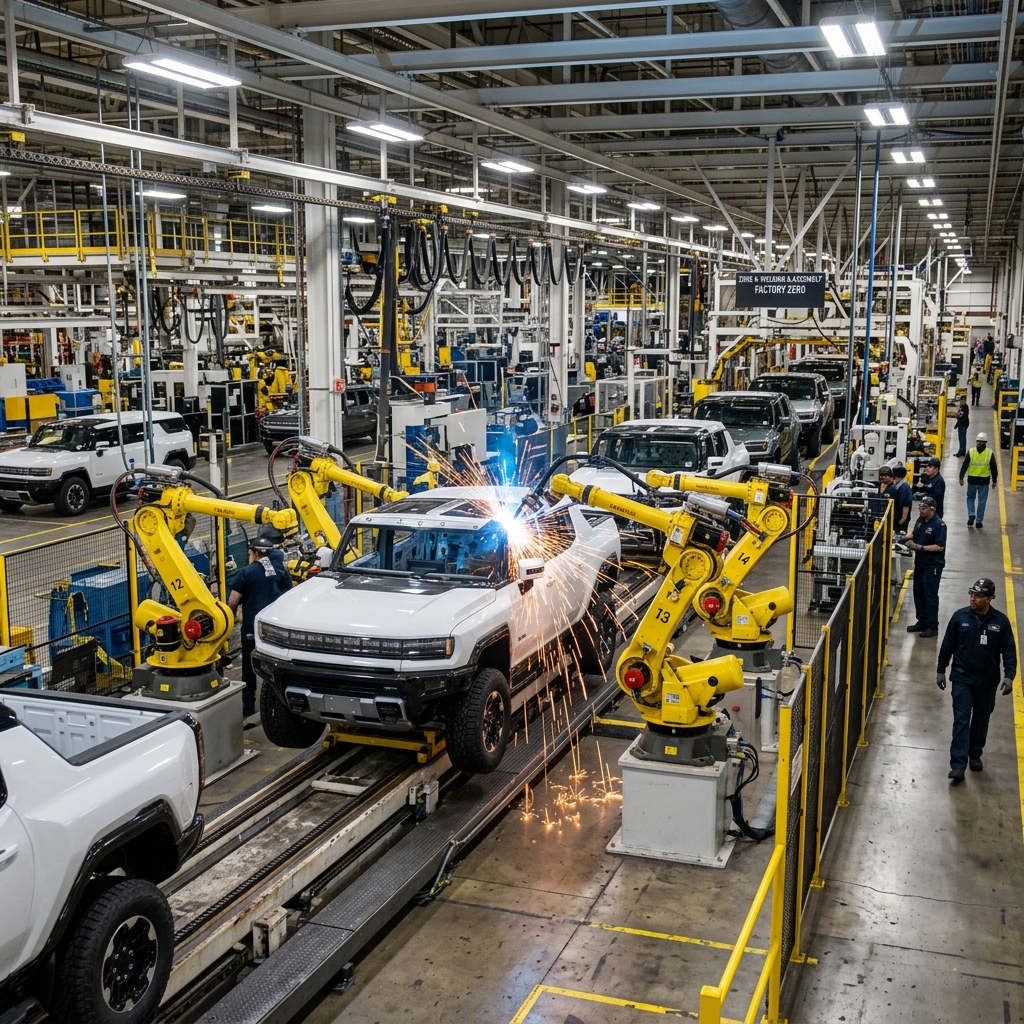
Illustration: RivCut
This partnership is important because it targets the hardware bottlenecks in self-driving technology. Current autonomous vehicles sometimes struggle in tricky situations. These include construction zones at dusk, heavy shadows, or bright sun glare. These are not software problems that can be fixed with updates. They are physical limitations of the camera sensors. Better hardware is needed to feed clean data to the AI. This joint venture is designed to solve that problem.
For machine shops that work with the automotive industry, these changes are crucial. Better sensors mean new product designs. Automakers will need to redesign camera housings, sensor mounts, and cooling systems. A new chip design can trigger a wave of changes for Tier 1 suppliers. This cascades down to the machine shops. Shops will need to create new fixtures, modify tooling, and run low-volume prototype batches. Keeping up with these design shifts is the best way to win new contracts.
The robotics market is also a big opportunity. Industrial robots rely heavily on vision systems. These systems are used for bin picking, part sorting, and welding inspections. However, current vision systems are not perfect. They can be slowed down by lighting changes or complex parts. If the new Sony-TSMC sensors can process depth and detail faster, it will open up new automation possibilities. Robots will be able to perform tasks that currently require human eyes. This will boost productivity in factories worldwide.
Workforce skills will also need to evolve. Manufacturing advanced sensor housings requires high precision. Machine shops must be able to machine parts with very tight tolerances. They also need clean metrology labs to verify their work. If you want to supply parts for these new sensor systems, you must invest in advanced quality assurance tools. CMM inspection and surface finish testing will be required for almost every contract. Having these capabilities will set your shop apart from the competition.
Geopolitics is another factor to consider. Automakers are worried about supply chain disruptions. Most advanced chips are currently made in Taiwan. This creates a single point of failure. The Sony-TSMC venture will manufacture sensors primarily in Japan. This helps diversify the supply chain. It gives carmakers a safer sourcing option outside of Taiwan. Diversifying the supply chain makes the entire industry more stable and resilient to political tensions.
Finally, track how this partnership affects material costs. Advanced sensors use specialized materials like gallium nitride and high-purity silicon. As demand for these materials grows, prices may rise. Machine shops that use specialized alloys for sensor brackets should build good relationships with their material distributors. Securing your material supply is just as important as having the right machines.
What to watch next
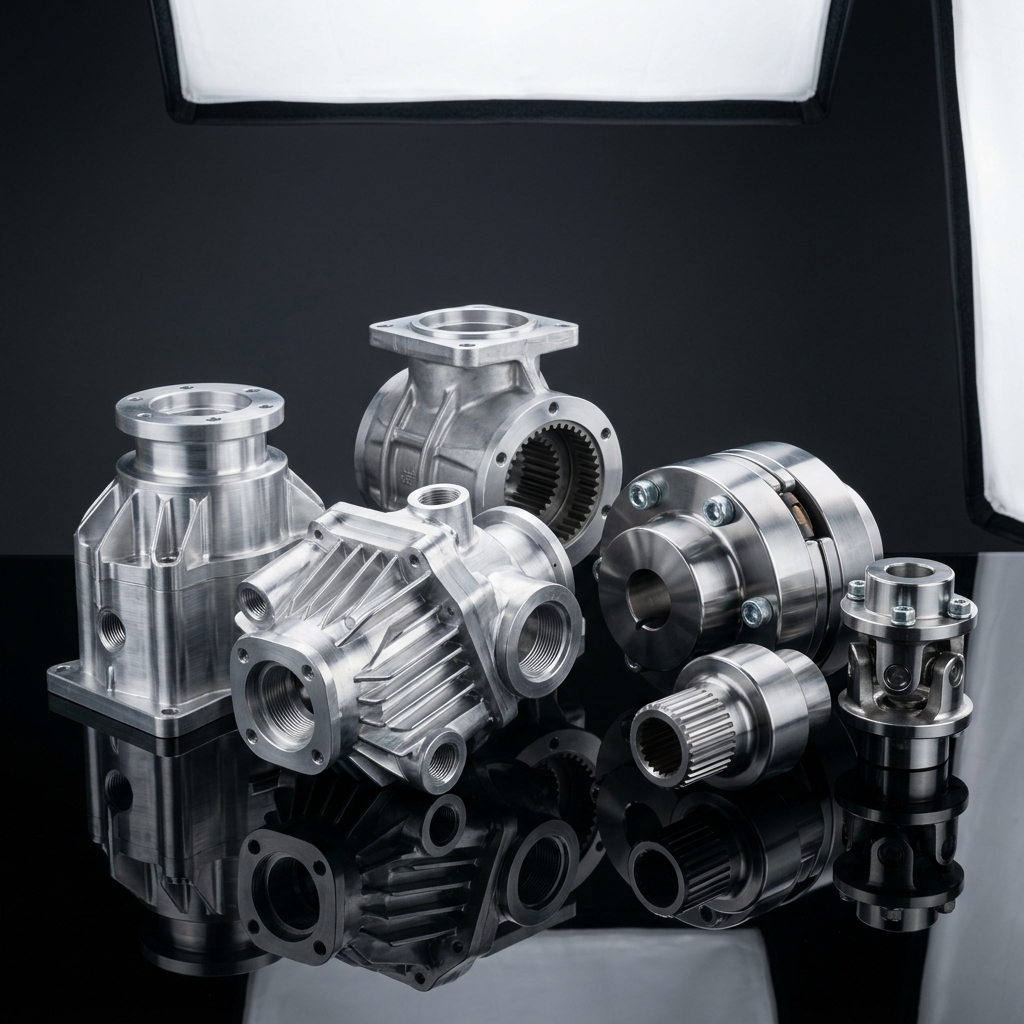
Illustration: RivCut
Keep an eye on the development timeline. Establishing a joint venture and qualifying new chips takes time. It typically takes two to three years before volume production begins. This means we will not see these new sensors in consumer cars until late 2028 or 2029. Automakers are already planning their designs for those model years. Sourcing decisions are being made now. Manufacturers should watch which car programs adopt these sensors early. This will give you a roadmap for future design requirements.
Watch for responses from other chip makers. Samsung is a major competitor in both sensors and foundry services. They will likely announce their own partnerships to match Sony and TSMC. ON Semiconductor is another major supplier of automotive sensors. They have strong relationships with several foundries. The competition in this sector will be fierce. This will drive innovation and help lower costs for buyers over the long term.
Another factor is government subsidies. The Japanese government has offered billions in subsidies to attract chip companies. They want to rebuild their domestic semiconductor industry. If the government continues to fund these projects, it will speed up expansion. This will create more jobs and more opportunities for local suppliers. It could also lead to similar programs in the U.S. and Europe as they try to keep up.
We should also monitor node transitions. If TSMC moves the sensor production to its 2nm process, it will offer even better performance. However, smaller nodes are also more expensive. Automakers will need to balance the need for performance with cost limits. For mass-market cars, mature nodes may still be the preferred choice. This choice will determine the complexity of the sensor modules you will be machining.
Keep an eye on software development as well. Vision hardware is only half of the equation. Autonomous vehicle companies must write software that can handle the massive amounts of data these sensors produce. If the software cannot keep up, the hardware benefits will be lost. Partnerships between sensor makers and software developers will be key. They will help create complete packages that automakers can easily integrate into their vehicles.
Lastly, pay attention to global standards. Regulators are starting to write new safety rules for self-driving cars. These rules will likely specify what performance levels cameras must meet. If a specific sensor design becomes the industry standard, it will dominate the market. Knowing which designs are favored by regulators will help you focus your sales efforts. We will track these regulatory changes in our manufacturing news updates.
Frequently Asked Questions
Why are Sony and TSMC partnering on image sensors?
They want to build advanced image sensors for self-driving cars and robots. This pairs Sony's design skills with TSMC's advanced chip manufacturing processes.
What markets are Sony and TSMC targeting with this partnership?
They are targeting the automotive and robotics markets. These industries need high-performance sensors to feed clear visual data to AI models.
How do smaller chip nodes improve self-driving car cameras?
Smaller nodes let companies pack more transistors onto a chip. This improves camera performance in dark, rainy, or foggy conditions.
Where will these new image sensors be manufactured?
The partnership will operate mainly in Japan. This helps diversify the supply chain outside of Taiwan, reducing political risks.
Better sensors change what gets designed six months from now — and that redesign cascades into fixture changes and new production runs.