What happened
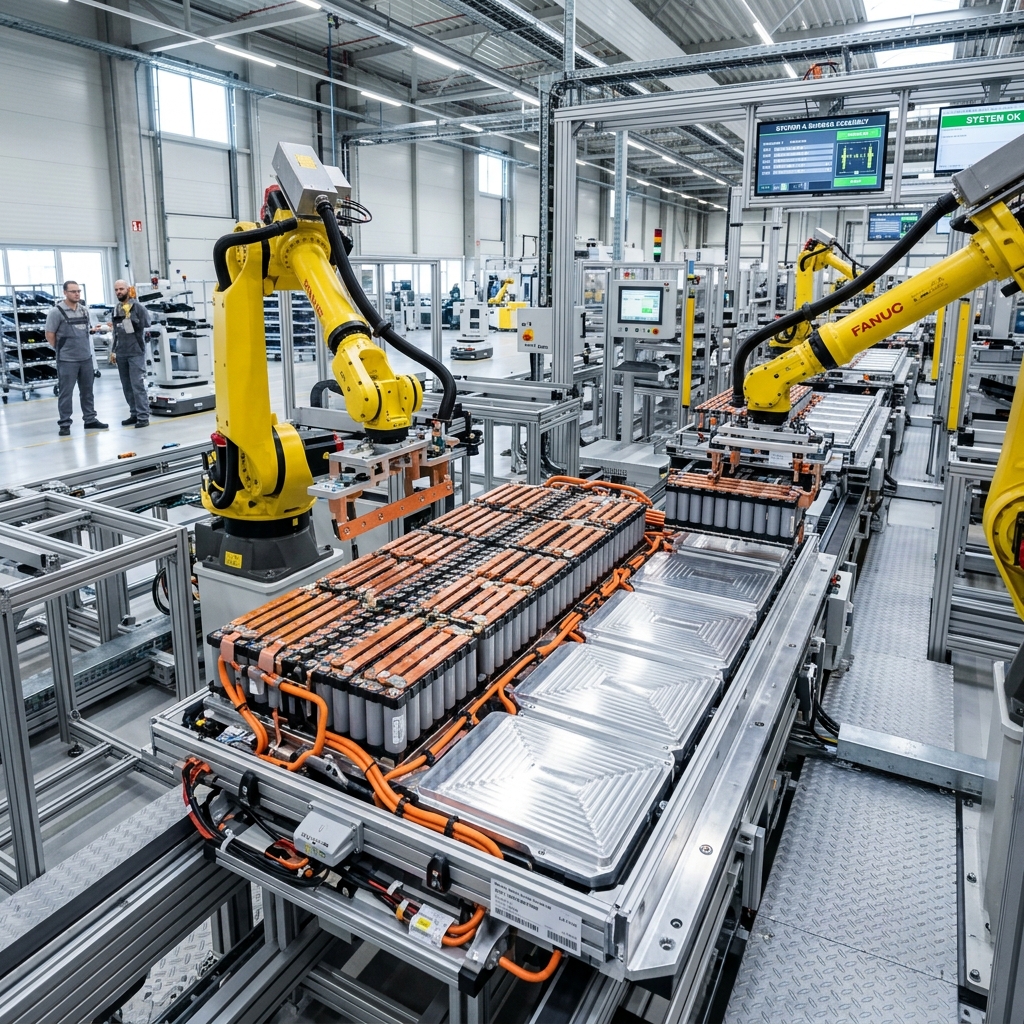
Illustration: RivCut
Univar Solutions will lay off 99 employees at BMW's Greer, South Carolina manufacturing campus after the automaker decided to end their waste management contract. This news was reported by the Charleston Post and Courier on Monday. The layoffs are scheduled to take effect on June 30. The affected employees worked to manage both hazardous and non-hazardous waste streams. They did this at the massive 10-million-square-foot facility where BMW builds several of its popular vehicles. These vehicles include the X3, X4, X5, X6, and X7 luxury sports utility models.
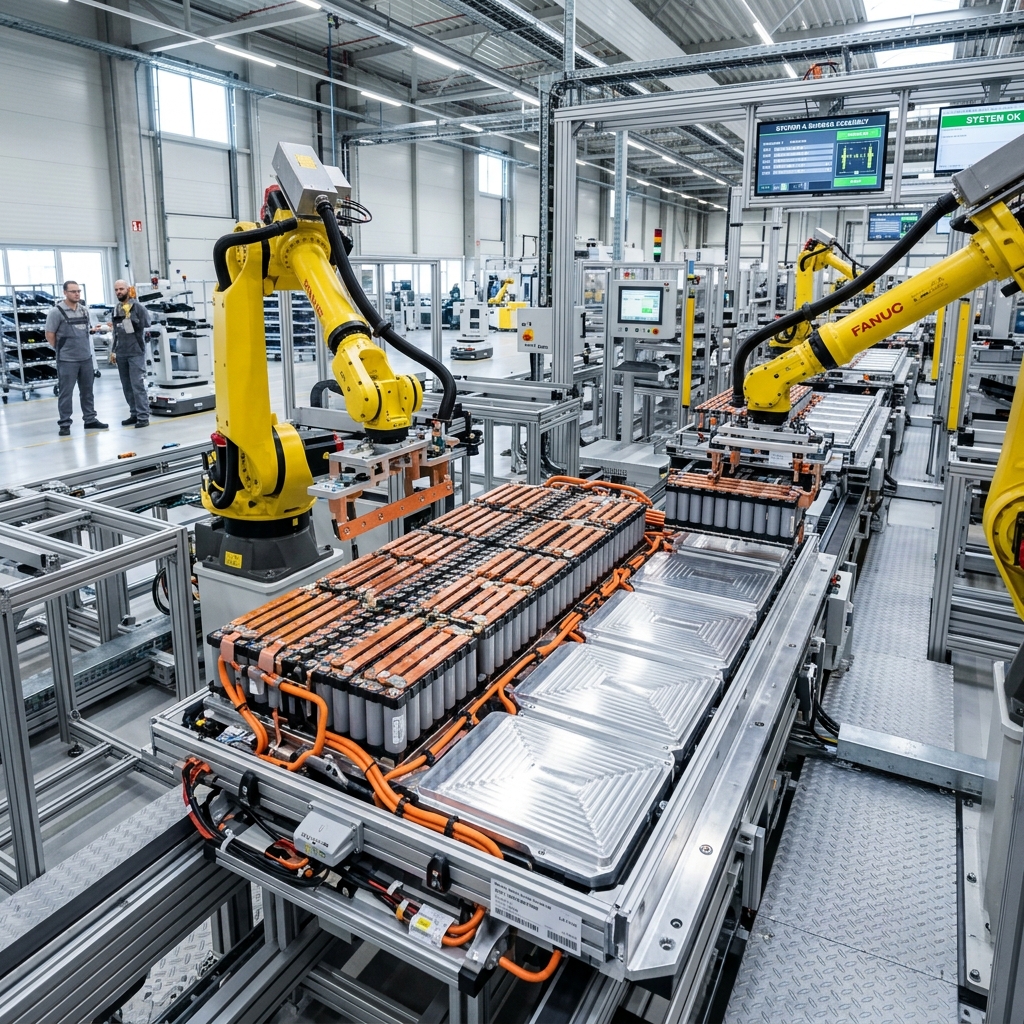
Univar filed a Worker Adjustment and Retraining Notification (WARN) with South Carolina's Department of Employment and Workforce on April 30. The chemical distributor has provided onsite environmental services to BMW's Spartanburg County operation for many years. However, BMW chose not to renew the arrangement. Neither company disclosed whether BMW will bring the waste management work in-house or award it to a different vendor. The Greer plant employs roughly 11,000 people. It is BMW's largest global production facility. The plant exported 194,000 vehicles worth $9.6 billion in 2025. This made it the top U.S. automotive exporter by value for the twelfth consecutive year. BMW invested $2.4 billion in the site between 2021 and 2024 to prepare for electric vehicle assembly. This investment includes battery pack integration for the iX and upcoming electric X models.
The loss of this contract is a significant shift for Univar Solutions. It also marks a change in how BMW manages its day-to-day plant operations. The Greer site is a massive city-like facility. It requires constant upkeep to remain clean and safe. The waste management team has been a key part of keeping the plant running. They make sure that all production waste is handled quickly. This prevents delays on the assembly line.
Why waste management matters
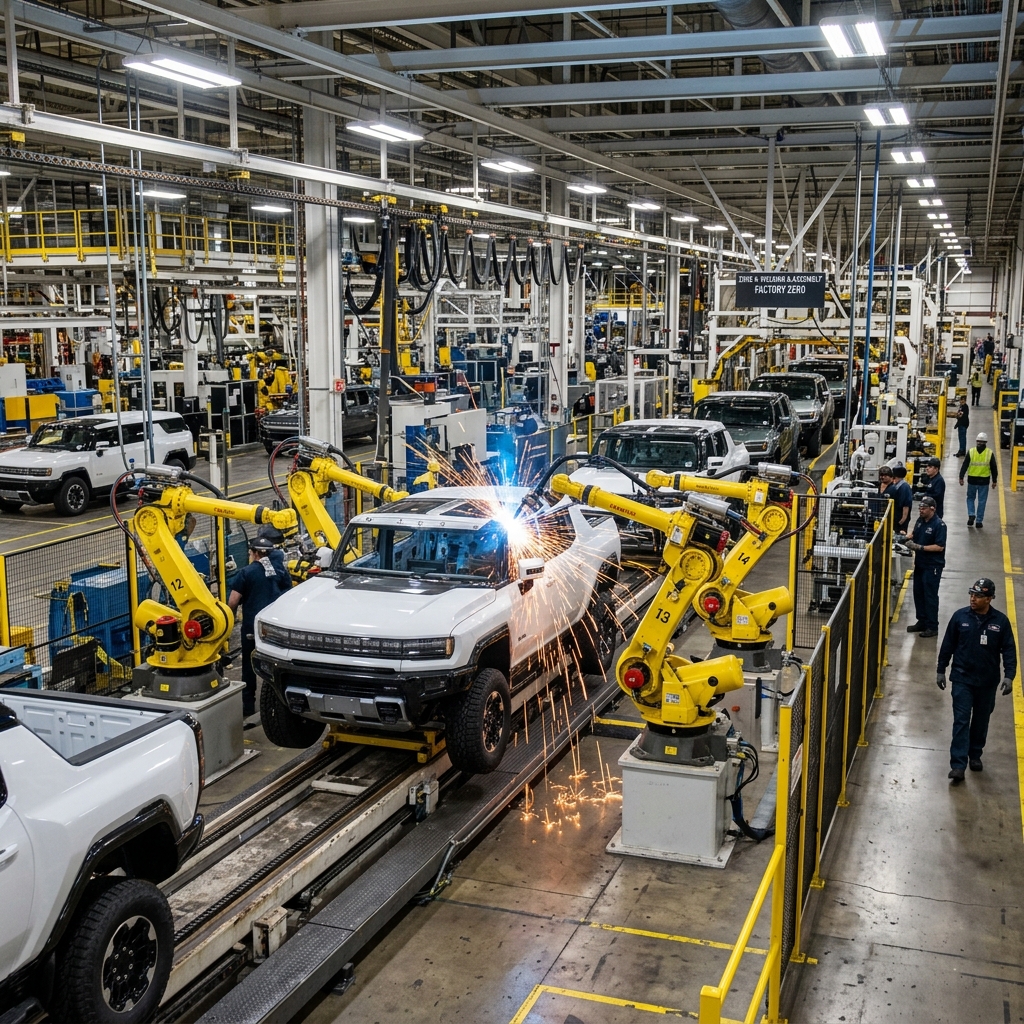
Illustration: RivCut
Waste management is a critical part of any large automotive plant. It is not just about emptying trash cans or sweeping floors. Modern car manufacturing creates many different types of waste. For example, the stamping shop creates metal scraps. The paint shop creates chemical waste and old filters. The assembly line creates plastic wrap and cardboard boxes. All of these materials must be sorted, recycled, or disposed of safely. If they build up, they can slow down production. They can also create safety hazards for workers.
Additionally, handling hazardous waste requires special training and permits. Workers must know how to handle toxic chemicals, paint solvents, and battery fluids. They must follow strict rules from the Environmental Protection Agency (EPA). They also have to follow local state guidelines. In South Carolina, the Department of Health and Environmental Control (SCDHEC) monitors these activities closely. Any mistake can lead to big fines. It can even lead to a temporary shutdown of the factory. That is why automakers often hire specialized chemical and environmental service firms. These firms have the expertise to keep the factory running smoothly while meeting all laws.
Managing waste is also connected to BMW's environmental goals. The company wants to reduce its carbon footprint. It aims to recycle as much material as possible. This means the waste management team has to track where everything goes. They must document how much metal is sent to recycling plants. They must also track how chemical waste is treated. This tracking is essential for corporate sustainability reports. It helps the company prove it is meeting its green targets. Without a dedicated waste management team, keeping track of these details would be very hard.
Why it matters for manufacturers
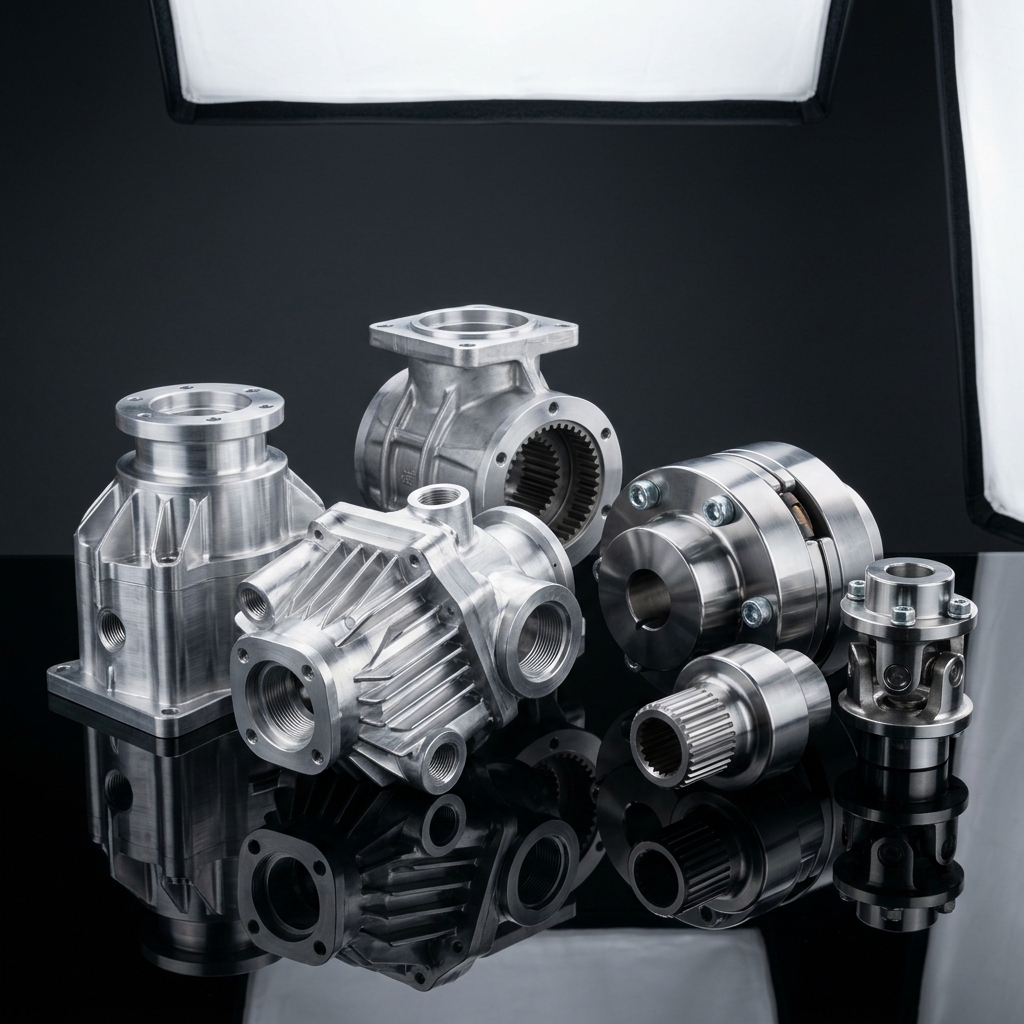
Illustration: RivCut
Facilities contracts that looked stable six months ago are suddenly up for grabs. Automakers are scrambling to cut costs. They are also retooling their plants for electrification. Waste management might seem like a backwater procurement category. However, it touches every part of the production floor. When a carmaker rethinks those relationships, it is usually a sign that deeper changes are coming. BMW's South Carolina campus houses both combustion and electric automotive machining lines now. This means different waste streams, different regulatory requirements, and different throughput assumptions.
If you are running low-volume production batches for prototype EV components or bridge tooling during the transition, you are probably dealing with similar questions. Do we keep paying a third party to haul coolant barrels, or do we invest in onsite recycling that pays back in eighteen months? The timing of this contract end is awkward. Univar's 99-person team was not just emptying trash cans. They managed RCRA hazardous waste permits. They coordinated DOT manifests. They also ensured BMW stayed compliant with EPA and SCDHEC regulations.
Replacing that institutional knowledge in sixty days is possible but risky. If BMW is bringing the work in-house, they are betting they can hire and train fast enough to avoid a compliance gap. If they are switching vendors, the new contractor inherits a tight onboarding window. They must learn the facility quickly since the plant ships 5,500 vehicles a week. Suppliers further down the chain should pay attention. When an anchor tenant like BMW renegotiates support contracts, it often signals a broader cost review across the supply base. Machine shops providing brackets, suspension components, or interior trim parts may see tighter lead time requirements. They might also face pressure to absorb logistics costs that used to fall on the OEM. The $2.4 billion electrification buildout did not eliminate budget scrutiny. Instead, it intensified it.
What to watch next
Whether BMW staffs up internally or announces a replacement vendor in the next thirty days will tell you how confident they are in their South Carolina roadmap. In-sourcing suggests they expect stable production volumes. It also shows they want direct control over their processes. A new third-party deal suggests they are preserving flexibility. They may want this in case EV demand softens. It also allows them to shift capacity between Greer and their other North American plants.
Watch for similar moves at other automaker campuses in the Southeast. Mercedes in Alabama, Volkswagen in Tennessee, and Hyundai-Kia in Georgia all expanded aggressively during the EV investment boom. If their facilities contracts start churning, it is a signal that the easy money phase is over. It shows everyone is hunting for margin. For machine shops and component suppliers, the lesson is straightforward. Audit your own support contracts now, while you have runway. If you are paying someone to haul chips and coolant, model what it costs to bring that in-house. You can also renegotiate before your vendor does. The automakers are doing it. You should too. Check more automotive news for updates as the supply chain adjusts.
Also, watch how the job market in Greer reacts to the layoff. These 99 workers have specialized skills in waste management. They are familiar with the automotive environment. Other local factories may try to hire them quickly. This could be a good opportunity for nearby aerospace or electronics manufacturers. They may need experienced environmental technicians. The shift shows that the labor market is dynamic. Skills that are lost in one contract change can be gained by another facility.
Frequently Asked Questions (FAQ)
Why is Univar Solutions laying off 99 workers at the Greer plant?
Answer: Univar Solutions is laying off 99 workers because BMW decided to end its waste management contract with the company. The cuts will take effect on June 30.
What models of vehicles does the BMW Greer plant manufacture?
Answer: The Greer plant is BMW's largest global facility and builds the X3, X4, X5, X6, and X7 utility models. It has also been expanded to support electric vehicle assembly.
Who regulates hazardous waste handling at the South Carolina BMW facility?
Answer: Hazardous waste handling at the Greer facility is regulated by the federal Environmental Protection Agency (EPA) and the state Department of Health and Environmental Control (SCDHEC).
How can smaller parts suppliers prepare for changes in automotive facilities support contracts?
Answer: Smaller suppliers can prepare by auditing their own support and waste hauling contracts. Looking into in-house recycling options or renegotiating rates early can protect their profit margins.
When a carmaker rethinks facilities contracts, it's usually a sign that deeper changes are coming.