What happened
Illustration: RivCut
Oklahoma's Senate recently passed Senate Bill 1344. This bill is a major step. It clears the path for state money to go into building a local insulin factory. The bill was sponsored by Senator Paul Rosino. He wants to help people who need this life-saving drug. The bill allows the state to support companies that build this plant. The goal is to make fast-acting biosimilar insulin. They want this insulin to sell for less than thirty dollars per vial. This would be a very low price. Many people who pay cash at the pharmacy would benefit. The measure has now moved to the House of Representatives. Members there will debate the bill next.
The state is planning to structure the deal very carefully. They will tie the money to job promises. The chosen manufacturer must create a set number of jobs. They must also sign long-term supply contracts. These contracts will be with Oklahoma's own healthcare systems. This keeps the business local. The state will offer several good incentives. They will give upfront cash grants. They will also lock in low industrial electricity rates for fifteen years. This is important because running a biologics plant takes a lot of power. Finally, the state will offer property tax breaks. These breaks will depend on how many workers the company hires. The commerce secretary told reporters that three manufacturing groups have already asked about the deal. The state has not released the names of these groups yet.
Fast-acting insulin analogs are very expensive. Common brands like Humalog and NovoLog list for high prices. They can cost between 275 dollars and 330 dollars for a single vial. This is a heavy burden for many families. Some generic biosimilar versions have been approved by the government. These versions sell for eighty to one hundred and fifty dollars. This is cheaper, but it is still too high for many patients. The Oklahoma bill defines its price ceiling very strictly. It sets the price at the pharmacy counter. This is not a rate negotiated by insurance companies. It is the cash price that patients pay directly. The goal is to make sure the $30 price is real for everyone.
Passing this bill is a major milestone for Oklahoma. The state wants to build a strong bioscience industry. For many years, Oklahoma relied on oil, gas, and farming. These industries are important, but they can go up and down. Bioscience jobs are stable and pay well. By building a high-tech drug plant, the state hopes to attract top talent. They want to train local workers for cleanroom jobs. This will help diversify the local economy. It will also make the region a leader in medical manufacturing. Many local leaders are excited about this new direction.
The challenges of biologics manufacturing
Illustration: RivCut
Making biologics is very different from making traditional products. In a normal factory, workers cut metal or mold plastic. They use machines to shape raw materials. Biologics manufacturing is more like farming on a tiny scale. Workers grow living cells in huge stainless-steel tanks. These tanks are called fermentation vessels. The cells are genetically changed to produce the insulin protein. The workers must feed the cells and keep them happy. They must control the temperature very closely. They must also monitor acidity and oxygen levels. A small mistake can kill the cells. If that happens, the whole batch of medicine is ruined.
After the cells make the insulin, the next step is purification. This is a very complex process. The insulin must be separated from the cells and other materials. Workers use high-tech filters and chemical processes. This ensures the drug is completely pure and safe. The purification must take place in an ultra-clean environment. These rooms are called cleanrooms. They have special air filters that remove all dust and bacteria. Workers must wear protective suits. These suits look like spacesuits. They prevent human hair or skin from entering the product. Cleaning and maintaining these rooms is very expensive. It requires constant testing and strict protocols.
Once the insulin is finished, the challenges do not stop. Biologics are sensitive to temperature. If they get too warm, the proteins break down. The medicine will not work anymore. Because of this, insulin must be kept cold. It needs to stay cold from the factory to the pharmacy. This requires a special shipping network. It is called a cold chain. The shipping trucks must have refrigerators. The storage warehouses must have cold rooms. Even the boxes used for shipping must be insulated. If a truck breaks down or a cooler fails, the drug is lost. This makes distribution very complex and costly.
Why it matters for manufacturers
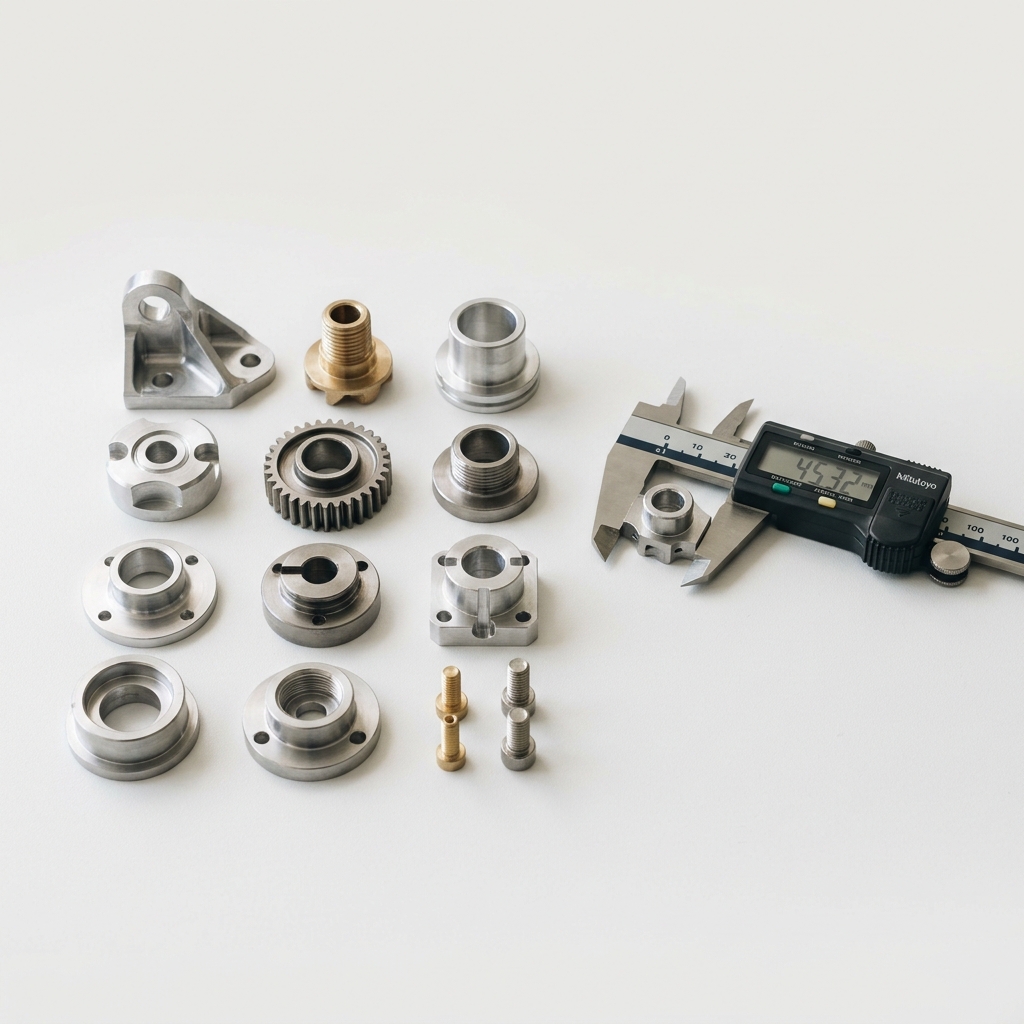
Illustration: RivCut
This bill is not just about healthcare. It is also about a new way of doing business. State governments are trying hard to bring manufacturing back to America. This process is called reshoring. They are offering large incentives to attract companies. But they are also setting strict rules. Oklahoma is not writing a blank check to a drug maker. They are tying the money to performance. The company must hire a certain number of people. They must hit production targets. This model is becoming common across the country. Other states like Michigan and Arizona are doing the same thing. They want to make sure they get a good return on their tax dollars.
For custom part suppliers, this trend is important. When a new factory opens, it needs equipment. It needs custom brackets, fixtures, and enclosures. These parts must be made by precision machine shops. Biologics plants do not use standard off-the-shelf parts. They need custom components made from stainless steel or high-grade plastics. These parts must have very smooth finishes. This prevents bacteria from growing in small cracks. Shops that do high-precision CNC work can benefit from this demand. But they must be ready to meet strict quality standards. They must document their materials and processes carefully.
The energy rate lock in the Oklahoma bill is also key. Energy costs are a major expense for modern factories. A biologics plant runs twenty-four hours a day. It cannot shut down its cleanrooms or cooling systems. Locking in power rates for fifteen years gives the company predictability. It helps them plan their budgets for a long time. This is a huge advantage that other states may struggle to match. States like California or New York have higher electricity rates. They also have more regulations. Oklahoma is using its energy resources to win these projects.
However, some experts are skeptical. Biosimilar drugs have very thin profit margins. The cost of meeting government regulations is high. The cost of the cold chain is also high. Additionally, the drug market in America is controlled by large middlemen. These companies are called pharmacy benefit managers. They negotiate prices with drug makers. It is unclear if a thirty-dollar vial can survive in this system. If the factory cannot sell enough insulin, it will lose money. The state subsidy might not be enough to keep it afloat. Manufacturers must study these market forces before building a new plant.
What to watch next
The next big step is the vote in the House of Representatives. The Senate passed the bill, but the House may have different ideas. Some members may worry about the cost. Others may not like the state getting involved in the drug business. They might see it as government interference. If the House adds amendments, the bill will change. They might lower the funding or weaken the job requirements. This would make the deal less attractive to manufacturers. We must watch the debates closely to see what happens.
We should also watch for other states to copy this model. Oklahoma is not the only state trying this. Other states want to secure their supply chains. They want to avoid shortages of critical medicines. If Oklahoma's plan works, other states will follow. We might see state-backed factories for antibiotics or other generic drugs. This could create a network of regional drug makers. It would reduce America's reliance on foreign factories. This would be a major shift in how we get our medicine.
Finally, we must watch how the manufacturing groups react. The state has talked to three groups, but no deals are signed. The companies must decide if the incentives are worth the risk. They must evaluate Oklahoma's workforce and infrastructure. They must also look at their own capacity. If a major company commits, it will trigger a wave of hiring. It will also lead to new contracts for local builders and suppliers. This would be a big win for the state's economy.
For contract manufacturers, the lesson is clear. State-level incentives are a powerful tool. They are moving faster than federal programs. If you want to expand your shop, do not just look at your local market. Check what other states are offering. You might find a great deal on land, taxes, or energy. You might have to make job promises, but the benefits can be worth it. The manufacturing landscape is changing, and you must adapt to stay ahead.
Frequently Asked Questions (FAQ)
What is Senate Bill 1344 in Oklahoma?
Answer: Senate Bill 1344 is a proposed law in Oklahoma that would authorize state funds and tax incentives to build a domestic biosimilar insulin manufacturing plant.
What is a biosimilar drug?
Answer: A biosimilar is a biological medicine that is highly similar to an already approved biologic drug, performing the same function but typically costing much less.
Why does Oklahoma offer a locked electricity rate for this facility?
Answer: Biologics plants run energy-heavy fermentation and cooling systems constantly. A locked rate protects the manufacturer from rising power costs over fifteen years.
What price does the Oklahoma bill target for its biosimilar insulin?
Answer: The bill aims to produce insulin that will retail for under $30 per vial, specifically targeting the counter price for cash-paying patients.
State governments are tying reshoring incentives to performance milestones, not just ribbon cuttings.