What happened
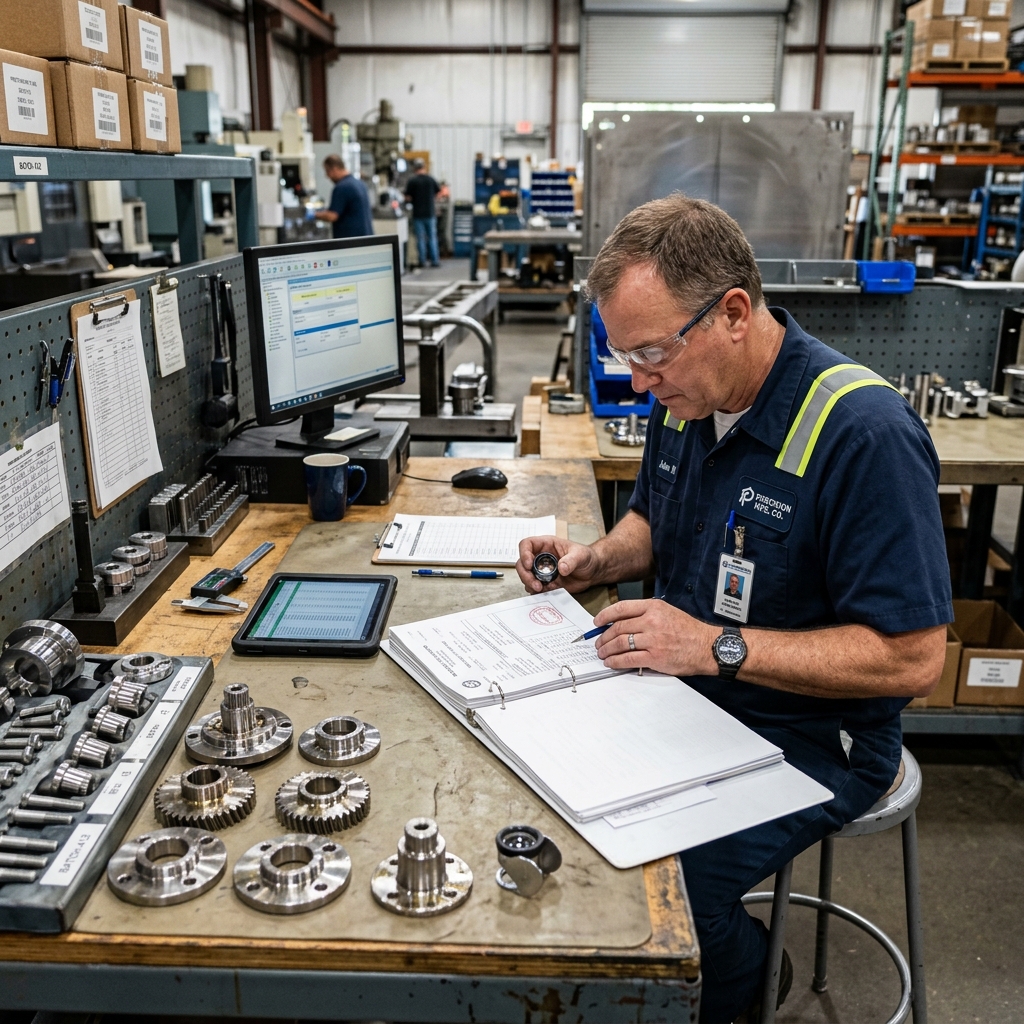
Illustration: RivCut
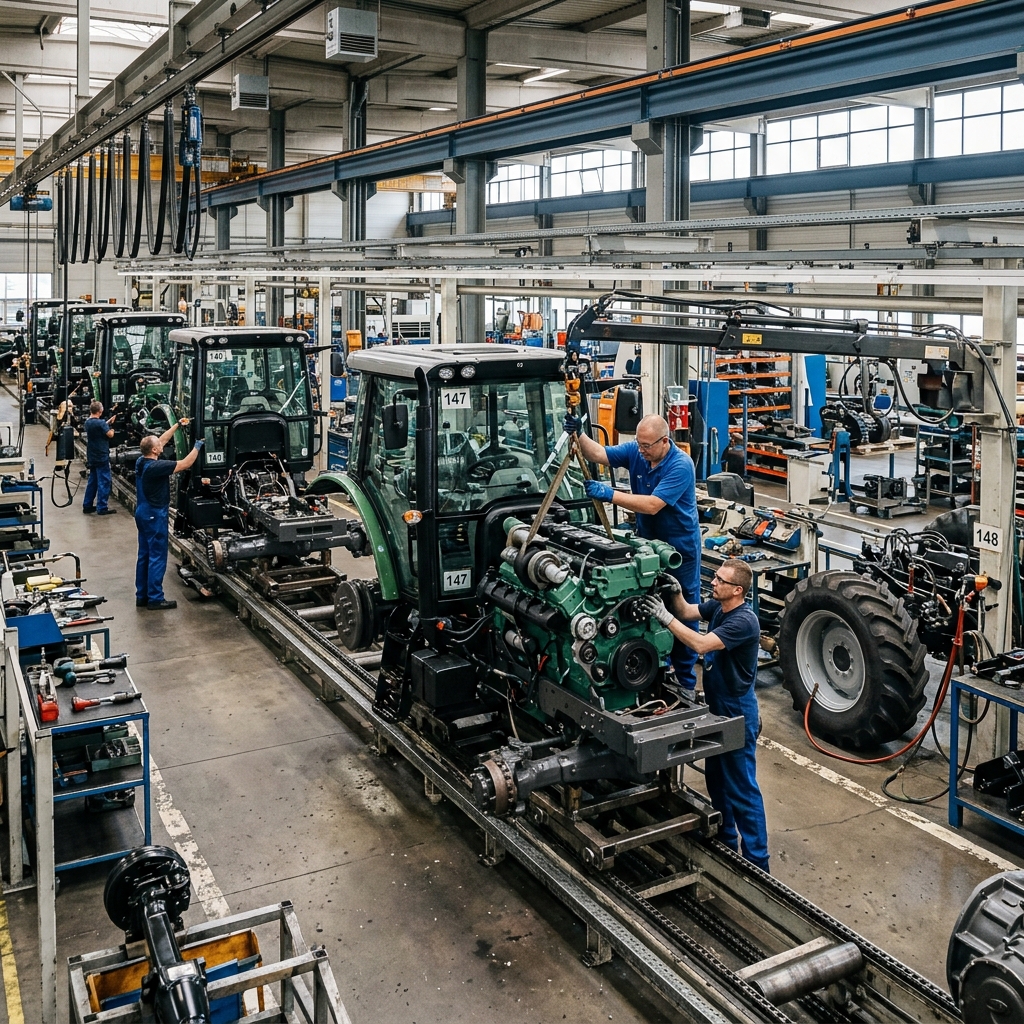
A presidential proclamation modifying Section 232 steel and aluminum tariffs went into effect on June 8, 2026, introducing stricter domestic sourcing standards and tiered duty structures for industrial equipment manufacturers. The updated rules change how imported raw metals and certain finished subcomponents are classified under existing national security tariff authority. Mobile industrial equipment and agricultural machinery now face graduated tariff rates based on the origin of the steel and aluminum content in hydraulic components, structural frames, and drivetrain housings.
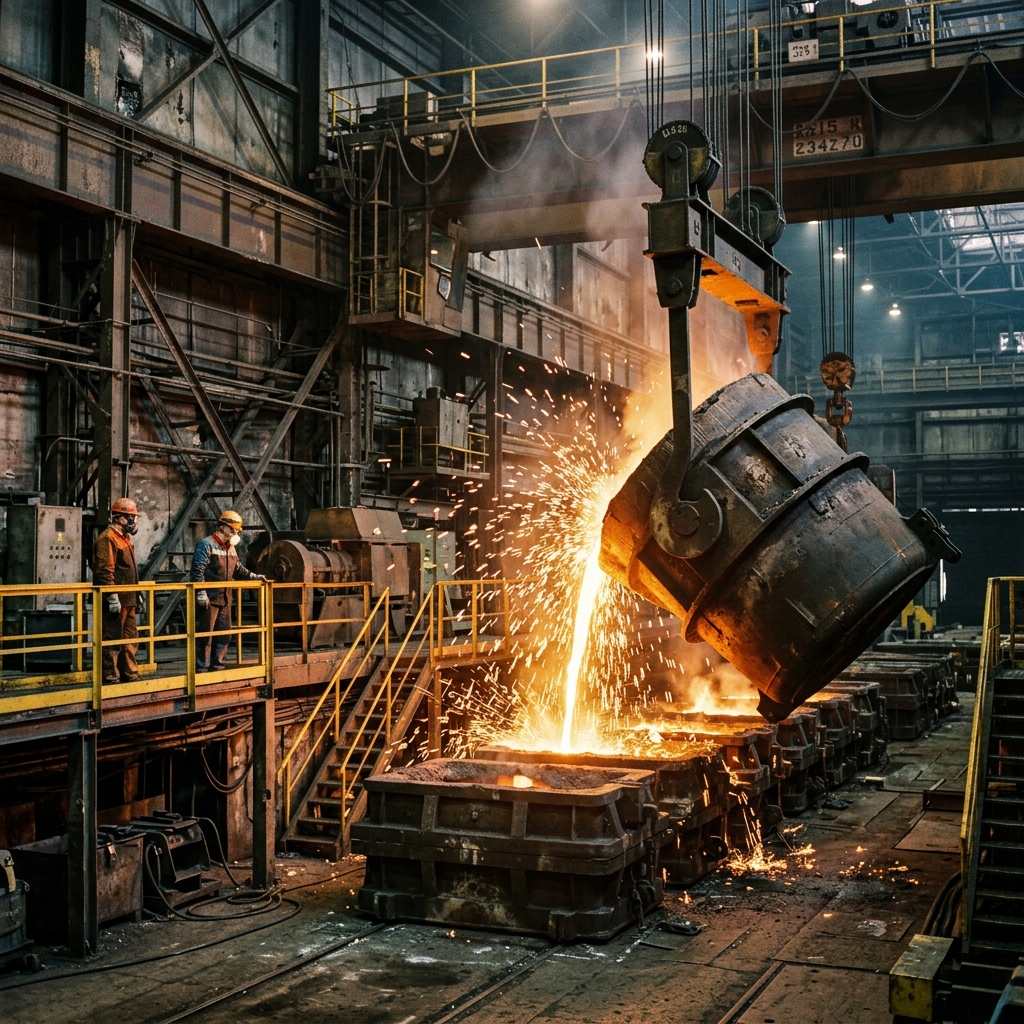
The most immediate impact centers on government procurement. Federal infrastructure projects now require that steel and aluminum must be 100 percent melted and poured in the United States to qualify for contracts funded by the Department of Transportation, the Army Corps of Engineers, and similar agencies. This eliminates a previous exemption that allowed metal processed domestically but sourced from foreign ingot. The policy aims to support domestic smelting and alloy production capacity, particularly for specialty grades used in heavy machinery and defense applications.
The tiered tariff structure applies different rates depending on the value and category of finished goods. Mobile equipment with hydraulic systems valued over $250,000 per unit now faces a 15 percent duty on imported steel components, up from the previous flat 10 percent rate. Agricultural machinery under that threshold remains at 10 percent, but manufacturers must certify the country of melt for all structural steel in compliance documentation. Aluminum tariffs follow a parallel structure, with rates of 12 percent for high-value equipment and 8 percent for lower-tier goods.
Finished subcomponents present the most complex compliance challenge. Forged connecting rods, machined valve bodies, and cast transmission housings sourced from offshore suppliers now require detailed traceability to the original smelter. Manufacturers must track not just the country of final machining but the origin of the raw billet or casting. This creates an audit trail that extends across multiple tiers of the supply chain, often reaching suppliers who have never been required to document melt origin before.
Why it matters for manufacturers
Illustration: RivCut
The 100 percent domestic melt requirement for government contracts forces a binary sourcing decision. Manufacturers who compete for federal infrastructure work must either qualify every steel and aluminum input or exit that market segment. This is not a gradual adjustment. Contracts awarded after June 8 are subject to the new standard, and noncompliance can trigger contract termination and debarment from future bids. For companies with significant public sector revenue, the compliance burden is immediate and nonnegotiable.
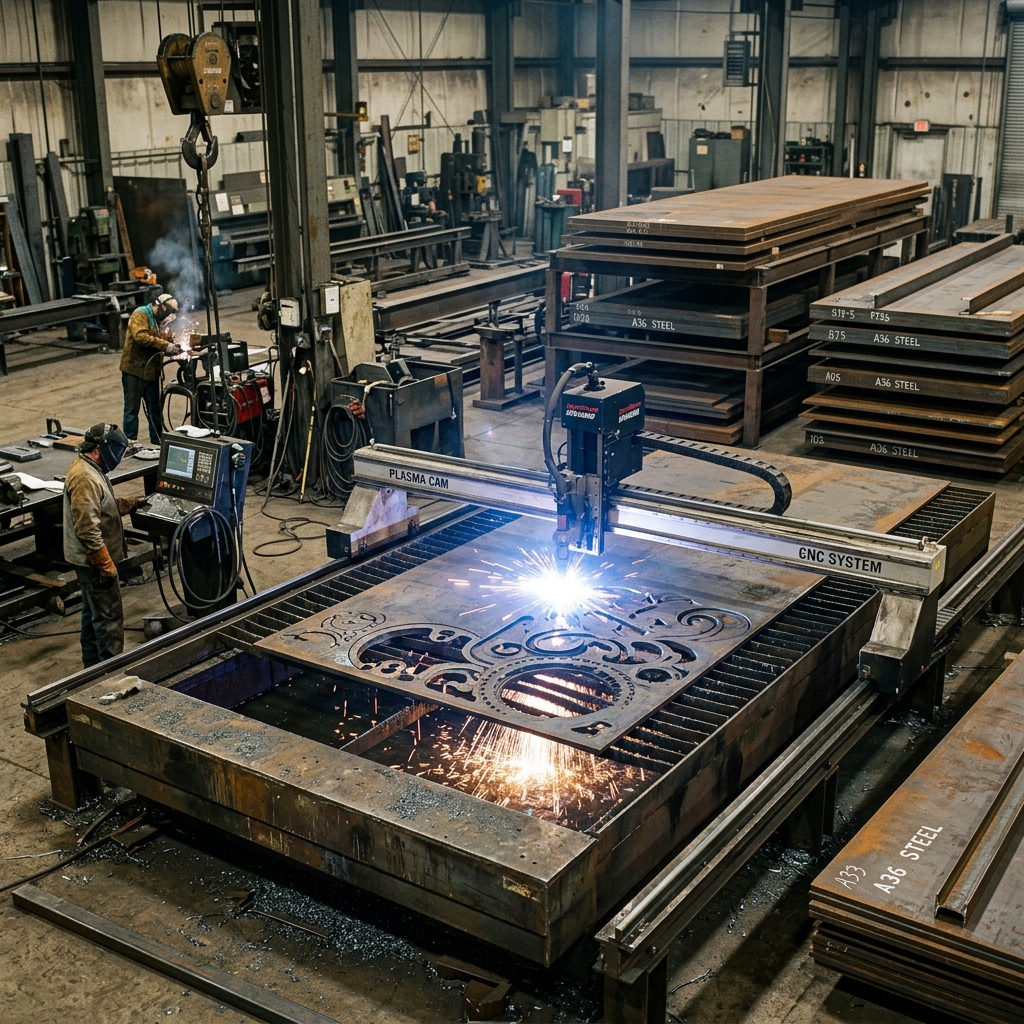
Domestic smelting capacity is the bottleneck. The United States produces roughly 80 million tons of raw steel annually, but specialty alloy grades used in mobile equipment represent a small fraction of that output. High-strength low-alloy steels for boom arms, wear-resistant plates for bucket edges, and chromium-molybdenum tubing for hydraulic cylinders often come from mills that source pre-alloyed ingot from overseas. Nucor, Steel Dynamics, and Cleveland-Cliffs have announced capacity expansions, but new electric arc furnaces take 18 to 24 months to commission. The supply gap will persist through at least 2027.
Aluminum presents a parallel problem. Primary aluminum smelting in the U.S. has declined steadily since 2000, with most domestic production now concentrated in five facilities operated by Alcoa and Century Aluminum. Aerospace-grade 7075 and 6061 alloys used in equipment frames and structural components rely on imported ingot from Canada, Iceland, and the Middle East. The new melt rule eliminates those sources for government work, pushing manufacturers toward a limited pool of certified domestic suppliers. Lead times for qualifying material have already extended from 8 weeks to 16 weeks for common grades, and specialty alloys are quoting 22 to 26 weeks.
The tiered tariff structure creates a cost differential that varies by product category. A mobile crane manufacturer sourcing forged boom pins from India now pays 15 percent duty on those components, adding roughly $4,500 to the landed cost of a $30,000 shipment. That cost either compresses margin or gets passed to the customer, depending on contract terms and competitive pressure. Agricultural equipment makers face lower rates but operate on thinner margins, so even the 10 percent duty on imported castings can shift sourcing decisions toward domestic foundries that may lack capacity or technical capability.
Compliance documentation introduces operational friction. Manufacturers must now track certificates of melt origin for every steel and aluminum part number in their bill of materials. This requires updated supplier agreements, third-party audits, and often direct engagement with primary mills that sit two or three tiers upstream from the OEM. Smaller suppliers lack the systems to provide this level of traceability, forcing manufacturers to consolidate their supply base or invest in compliance software that can aggregate and verify origin data across hundreds of part numbers. The administrative cost is real and recurring.
The policy also intersects with existing Buy America requirements in transportation and infrastructure. Those rules already required domestic final assembly and a certain percentage of domestic content by value. The new melt standard tightens that definition, closing loopholes that allowed foreign-sourced metal to count as domestic if it was processed in a U.S. facility. This creates a compound compliance burden for manufacturers who bid on federally funded transit, highway, and water projects. The intersection of Section 232 tariffs, Buy America content rules, and melt certification requirements now forms a three-layered regulatory framework that demands legal and sourcing expertise most small and midsize manufacturers do not have in-house.
For RivCut and similar precision machine shops, the change accelerates demand for domestic subcomponents. OEMs who previously sourced machined housings and brackets offshore are now evaluating domestic machining capacity that can provide certified traceability to U.S. smelters. This is a commercial opportunity, but it requires investment in material qualification and supply chain documentation that goes beyond traditional quality management systems. Shops that can demonstrate full traceability from billet to finished part will capture volume from manufacturers who cannot afford noncompliance risk on government contracts.
What to watch next
Illustration: RivCut
Domestic mill pricing will move first. Nucor and Steel Dynamics set spot prices weekly, and both have already raised hot-rolled coil quotes by $60 per ton since the proclamation was announced in early May. Plate and structural shapes used in equipment frames will follow, with increases likely in the $80 to $120 per ton range by the end of Q3 2026. Aluminum pricing is more volatile because global supply is tighter, but domestic premiums over London Metal Exchange spot are already at $0.18 per pound, up from $0.12 in March. Manufacturers with fixed-price contracts extending into 2027 will absorb those increases unless they negotiated material escalation clauses.
Legal challenges are probable. Industry groups representing equipment manufacturers and construction contractors are evaluating whether the melt requirement exceeds the statutory authority granted under Section 232, which allows tariffs to protect national security but does not explicitly mandate domestic sourcing for government contracts. The American Farm Bureau Federation and the Associated General Contractors have both issued statements questioning the policy's scope. Any litigation will take months to resolve, and manufacturers cannot pause sourcing decisions while waiting for a court ruling.
Supplier audits will become routine. Manufacturers bidding on federal work must verify melt origin for every steel and aluminum input, which means site visits and third-party certification for tier-two and tier-three suppliers. This will expose gaps in traceability systems across the supply chain. Expect a wave of supplier disqualifications as OEMs discover that forging shops and casting houses cannot document the origin of their raw material. Suppliers who invest in compliance infrastructure now will gain competitive advantage as the audit cycle intensifies through 2026 and 2027.
Capacity constraints will drive strategic decisions. Manufacturers with significant government revenue will prioritize qualifying domestic sources even if it means accepting longer lead times and higher costs. Those without federal exposure may continue sourcing offshore and pay the tiered tariffs, betting that private-sector customers will tolerate price increases rather than accept delivery delays. This will fragment the market, with some manufacturers optimizing for compliance and others optimizing for cost. The fragmentation will persist until domestic capacity catches up, which is at least 18 months away.
Watch for exemption petitions. The Commerce Department can grant exclusions for specific product categories or materials if domestic supply is insufficient. Manufacturers of specialized equipment, particularly in defense and aerospace, are likely to file petitions for high-strength alloys and corrosion-resistant grades that lack domestic equivalents. The petition process is slow and outcome uncertain, but it represents the only near-term relief valve for products that cannot be manufactured with currently available domestic material. Expect a backlog of petitions by Q4 2026 and selective approvals beginning in early 2027.
The broader question is whether the policy achieves its stated goal of expanding domestic smelting capacity. Investment in new mills requires confidence that demand will justify capital expenditure, and tariffs alone do not guarantee long-term market structure. If manufacturers find workarounds or the rules are softened under future administrations, the investment case weakens. For now, manufacturers face immediate compliance costs with uncertain long-term supply benefits. The next 12 months will clarify whether the policy drives genuine capacity expansion or simply shifts costs and delays through the supply chain without changing the underlying structure of the U.S. metals industry. For updates on how tariff policy affects sourcing decisions, see our ongoing trade policy coverage. If you need certified domestic machining for government work, get an instant quote to explore capacity and lead times.
Frequently Asked Questions
What are Section 232 tariffs?
Answer: Section 232 tariffs are trade duties imposed on imported steel and aluminum under U.S. law to protect domestic national security and industrial capacity.
How do metals tariffs affect U.S. machinery manufacturers?
Answer: Tariffs can increase the cost of imported raw metals and custom castings, prompting companies to source domestically or seek tariff exemptions.
What is the process for obtaining a tariff exclusion?
Answer: Manufacturers must file a request proving that the specific grade or size of metal cannot be sourced from U.S. producers in sufficient quantity or quality.
How can precision machining help offset higher metal costs?
Answer: Advanced CNC machining methods, nesting software, and DFM reviews minimize material scrap and optimize machining cycles, reducing per-part costs.
The melt rule forces manufacturers to choose between federal contracts and their existing supply chains, with no middle path.