What happened
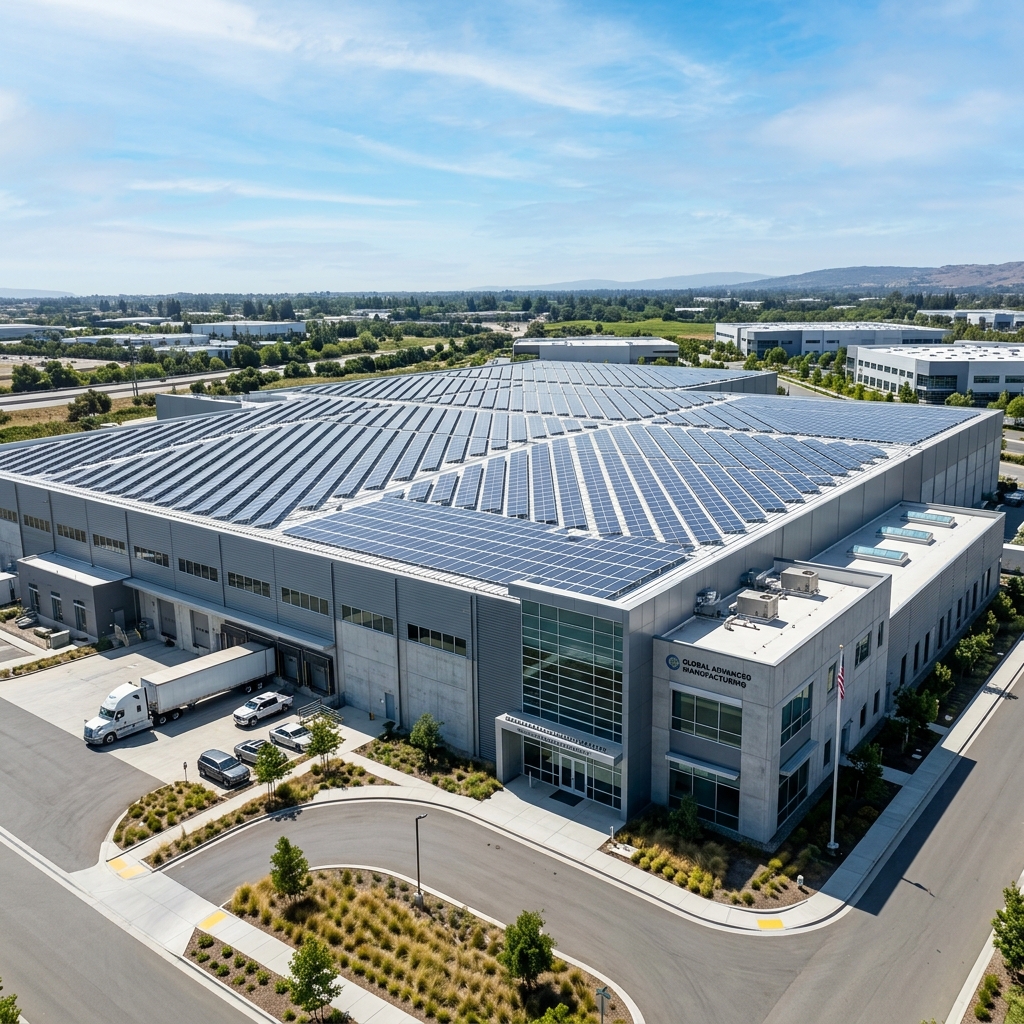
Illustration: RivCut
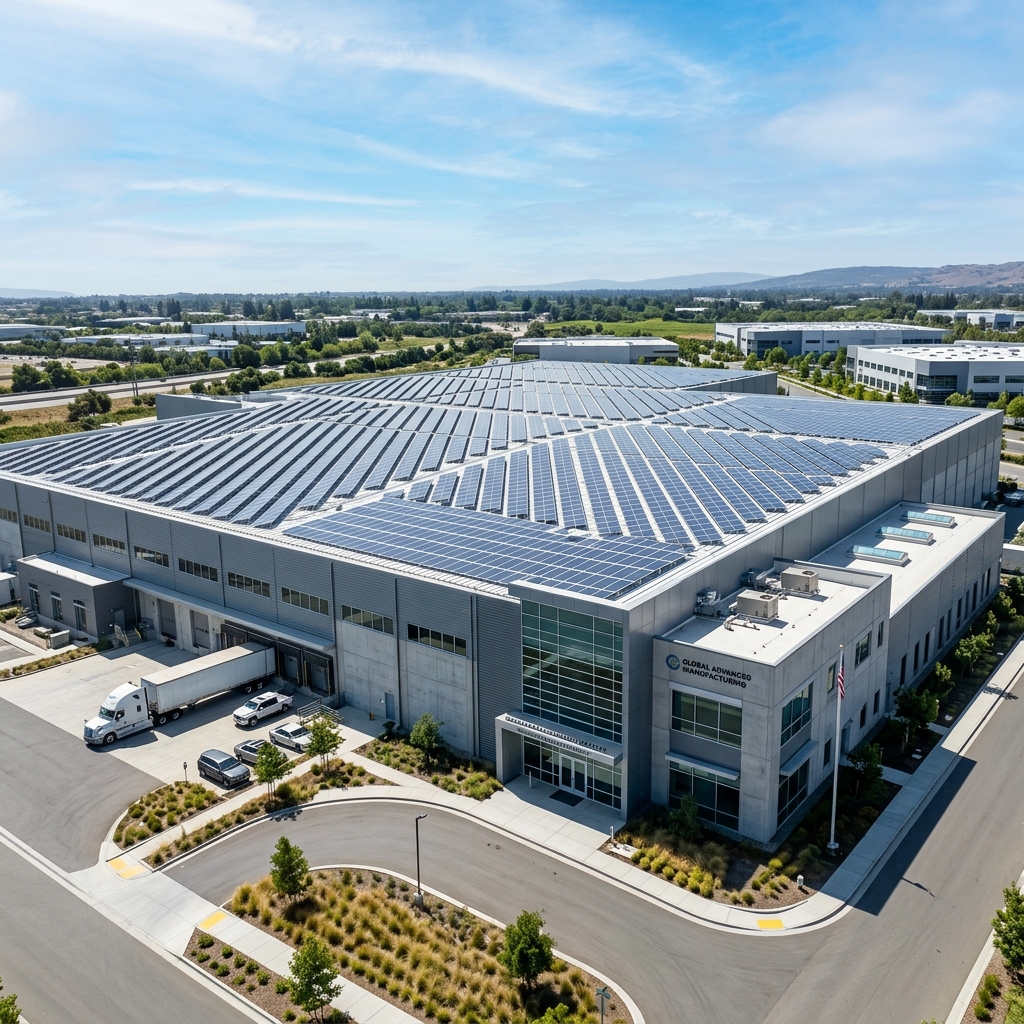
Global pharmaceutical companies are accelerating U.S. manufacturing investments in response to tariff threats from the Trump administration. According to Devdiscourse, Pfizer, AstraZeneca, and Merck have all announced expedited domestic production projects over the past six weeks. Pfizer committed $2.3 billion to expand biologics manufacturing in North Carolina and Massachusetts. AstraZeneca is bringing forward a $1.8 billion Maryland facility originally scheduled for 2029, now targeting late 2027 completion.
Merck revealed plans to convert an existing New Jersey research campus into a sterile injectables plant, aiming for operational status by mid-2028. The company also signed a ten-year contract manufacturing agreement with Catalent's Indiana facility to secure additional domestic capacity. These moves follow signals from Washington that pharmaceutical imports from Europe and Asia could face tariffs between 15 and 25 percent if companies don't demonstrate significant U.S. production increases.
The history of how drugs are made explains why this is a massive change. For many years, drug companies have used a global supply chain. They made active pharmaceutical ingredients, or APIs, in countries with low labor costs like India and China. APIs are the raw chemical ingredients that make a drug work. Once the APIs were made, they were shipped to factories in Europe or the United States. In those factories, the ingredients were mixed and put into pills, capsules, or vials. This final step is called finished dose manufacturing. By splitting the work this way, companies kept their costs very low. Now, new trade policies are challenging this model. The administration wants both API production and finished packaging to happen inside the United States.
Pfizer's investment of $2.3 billion is focused on biologics. Biologics are complex medicines made from living cells, rather than simple chemical mixes. Examples include vaccines and gene therapies. Making biologics is much harder than making normal pills. It requires large stainless steel tanks called bioreactors. It also requires sterile cleanrooms to keep out bacteria. Pfizer's decision to build these advanced plants in North Carolina and Massachusetts shows they are preparing for long-term domestic production. They cannot easily move this work back offshore once the plants are built.
The threat of tariffs has forced these companies to act quickly. If a company faces a 25 percent tariff on imported drugs, it will lose its competitive edge. They would have to raise prices, which could make patients and insurers switch to other brands. Alternatively, they would have to accept much lower profits. Building factories in the United States is expensive, but it protects them from tariff risk. This is why we are seeing such a sudden rush to invest in domestic plants.
Why it matters for manufacturers
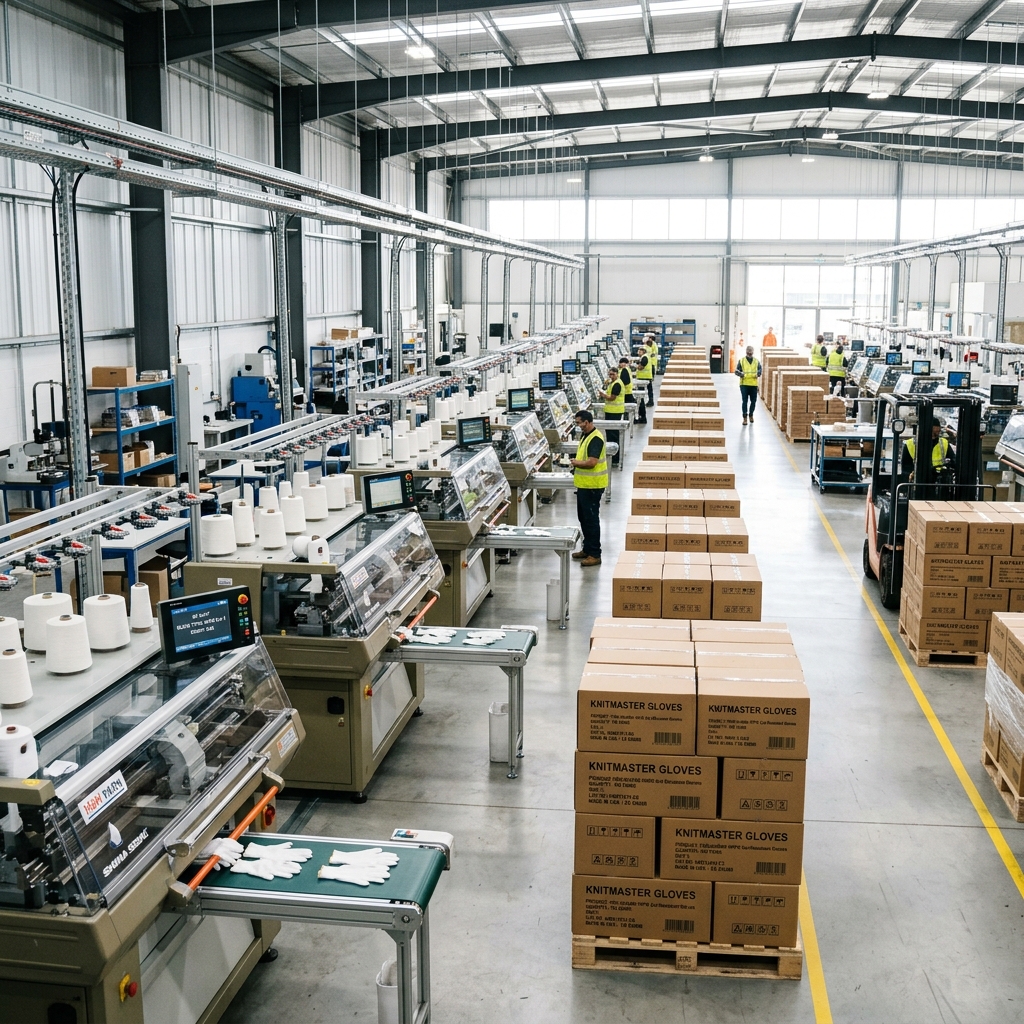
Illustration: RivCut
This pharmaceutical reshoring wave signals a broader shift in how companies assess supply chain risk versus tariff exposure. For precision component suppliers — including aerospace machinists and medical device contract manufacturers — the logic is identical. When import duties exceed the cost delta of domestic production, procurement teams move fast. Pfizer's $2.3 billion commitment wasn't a five-year strategic planning cycle. It was a six-week decision driven by spreadsheet math on landed costs.
The interesting wrinkle is timing. AstraZeneca pulled forward a project by eighteen months, which means they're accepting higher construction costs and tighter labor markets to avoid tariff risk. That's the same calculus playing out in automotive, defense, and industrial equipment. Companies are willing to pay a premium now to lock in tariff-free access to the U.S. market. For machine shops and fabricators, this creates a narrow window where capacity is suddenly more valuable than usual. Shops that can handle sterile environment enclosures, pharmaceutical-grade stainless work, or precision valve components should expect RFQs that specify domestic-only sourcing and ask about expedited delivery.
The Merck-Catalent contract manufacturing deal is another trend worth watching. When major OEMs can't build fast enough, they're locking up third-party capacity with long-term agreements. That reduces available capacity for everyone else and pushes smaller buyers toward either very large or very small suppliers. Mid-sized contract manufacturers get squeezed. It's not unique to pharma — we're seeing the same pattern in semiconductor packaging and battery module assembly.
This reshoring boom also impacts local manufacturing ecosystems. To build a sterile pharmaceutical plant, you need high-precision parts. Pipes, valves, pumps, and tanks must meet extremely strict cleanliness standards. They must have perfectly smooth surfaces so bacteria cannot grow in them. Making these parts requires advanced CNC machining and metal finishing. This is similar to the high-precision work done in aerospace machining. Machinists who make parts for airplanes are well-suited to make parts for drug factories because both industries require perfect quality.
To guarantee that these parts meet the required standards, shops must use strict quality assurance protocols and CMM inspection. CMM stands for Coordinate Measuring Machine. A CMM uses a highly sensitive probe to measure the shape and size of a part down to a fraction of a micron. If a valve in a sterile drug line is even slightly off-size, it could leak or trap bacteria, ruining a whole batch of medicine. Therefore, precision measurement is a critical step in the supply chain. Manufacturers who can prove their quality with CMM reports will have a major advantage in winning these domestic contracts.
What to watch next
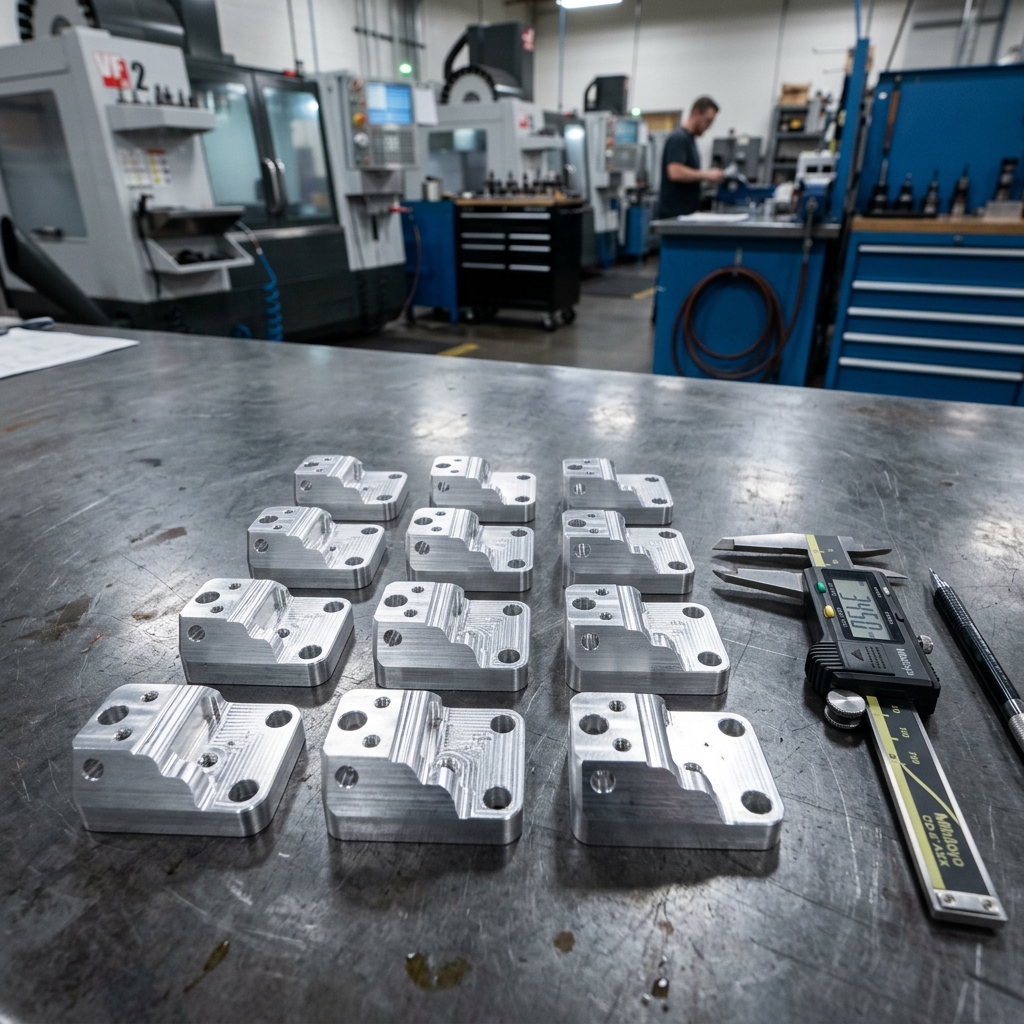
Illustration: RivCut
The formal tariff schedule is the obvious next milestone. If the administration publishes specific rates and exemption criteria for pharmaceutical imports, expect a second wave of reshoring announcements from European and Indian manufacturers who've been waiting for clarity. If the schedule stays vague or gets delayed past June, some of these accelerated projects will quietly slow back down.
Also worth monitoring: lead times for pharmaceutical manufacturing equipment. Bioreactors, lyophilizers, and sterile filling lines all have long lead times even in normal markets. If Pfizer, AstraZeneca, and Merck are all trying to buy the same equipment from the same European suppliers for U.S. installations, someone's schedule is going to slip. That creates secondary opportunities for U.S.-based equipment fabricators and system integrators. Companies that can design and assemble these systems locally will see a major increase in orders.
Finally, watch for knock-on effects in medical device and diagnostics manufacturing. Those sectors face similar tariff exposure but operate on thinner margins than big pharma. If small and mid-sized device companies can't afford expedited reshoring, they'll either accept the tariff hit and raise prices, or they'll exit the U.S. market entirely. Either outcome tightens supply and creates opportunities for domestic contract manufacturers who can move fast. If you're in that position, now's the time to make sure your certifications are current and your quoting process can handle rapid-turnaround inquiries. The buyers are already asking.
As these supply chains shift, trade policy will remain unpredictable. A tariff rate that is high today might be lowered tomorrow if trade negotiations succeed. This makes long-term planning difficult for manufacturers. However, building domestic capacity is generally a safe bet. It protects companies from political changes and reduces shipping times. Having a factory close to your customers is always an advantage, even without tariffs. Over the next two years, we will see which companies made the right bet.
Frequently Asked Questions
Why are drugmakers investing billions in US factories?
Drugmakers are expanding US plants to avoid potential tariffs of 15% to 25% on imported medicines from Europe and Asia. Building domestic factories allows them to supply the US market tariff-free.
Which companies are leading this investment surge?
Pfizer, AstraZeneca, and Merck are leading the reshoring effort. Together, they have committed billions of dollars to build or expand manufacturing sites in states like North Carolina, Maryland, and New Jersey.
What are active pharmaceutical ingredients (APIs)?
APIs are the chemical or biological components of a drug that produce the intended medical effect. Historically, most APIs were imported, but trade policies are now pushing for domestic API production.
How do tariffs affect the cost of medical devices?
Import tariffs increase the landed cost of foreign-made components. To maintain margins, device manufacturers must either raise prices for hospitals and patients or move their production to domestic suppliers.