What happened
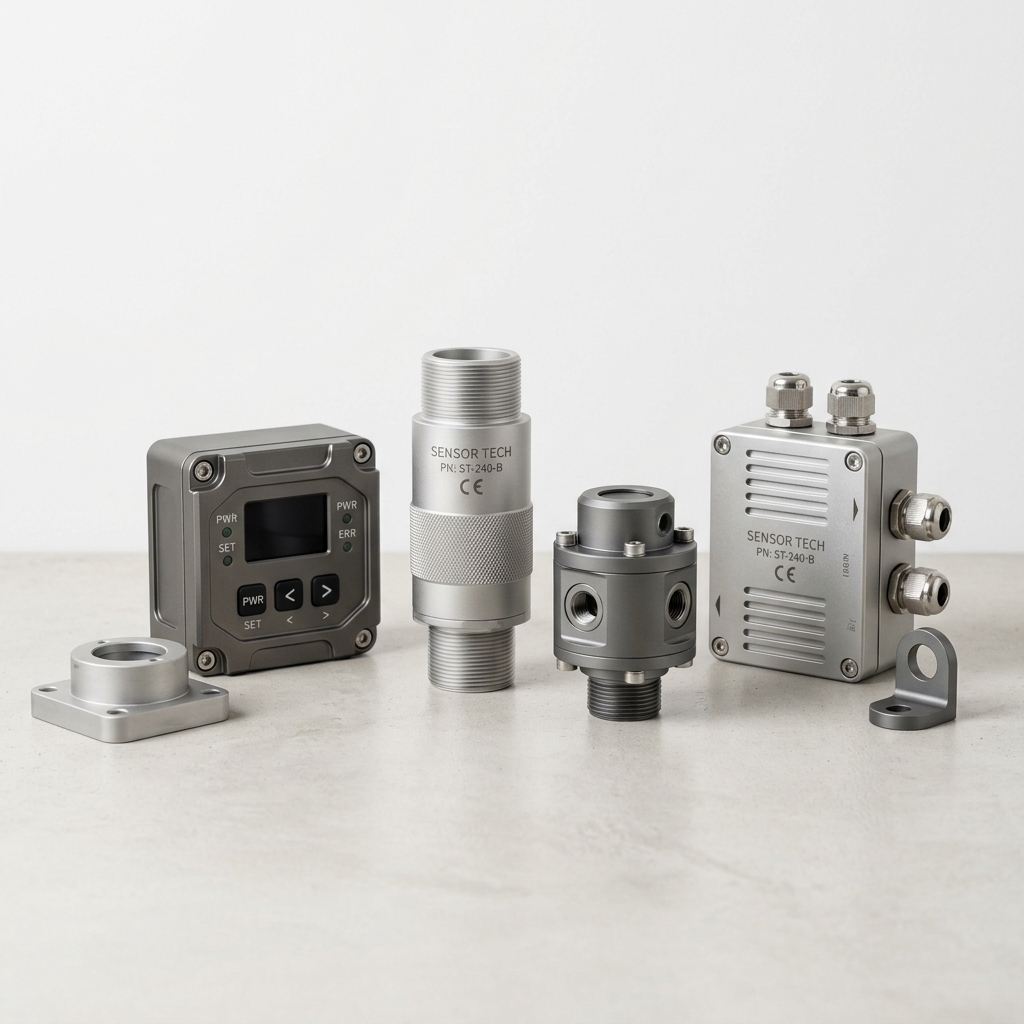
Illustration: RivCut
Apple CEO Tim Cook announced this week that the company will reinvest tariff refunds into U.S. manufacturing projects, according to Cult of Mac. The refunds stem from trade negotiations. These deals have allowed Apple to recoup duties paid on components and finished goods imported from China over the past several years. Cook did not specify the dollar figure. However, industry observers estimate the refunds could exceed $1 billion based on Apple's import volumes and tariff rates applied since 2018.
The announcement came during Apple's quarterly earnings call. Cook used the opportunity to emphasize the company's commitment to domestic manufacturing capacity. Apple has previously invested in U.S. suppliers including Corning. Corning manufactures Ceramic Shield glass at facilities in Kentucky and Texas. Apple also supports Finisar's Texas plant. This facility produces vertical-cavity surface-emitting lasers used in Face ID sensors.
Cook's statement follows a pattern established in 2018 when Apple pledged $430 billion in U.S. investments over five years. That commitment included direct spending on data centers, corporate facilities, and supplier development. The tariff reinvestment represents a new funding source but continues the same strategic direction. It aims to reduce supply chain exposure to geopolitical friction between Washington and Beijing.
The timing of the announcement is important as trade discussions remain a key topic in global business. By investing in U.S. factories, Apple is working to protect its supply chain from future tariff hikes. The tech giant wants to ensure it has stable partners close to home.
Under the current system, companies must apply for tariff exclusions. The U.S. Trade Representative reviews these requests one by one. If they approve an exclusion, the company can ask for a refund. This process takes a long time and requires a lot of legal work. Apple has a large team of trade lawyers who track these filings. For years, they have argued that certain components cannot be sourced outside of China.
Once the refunds are approved, the money goes back to Apple's treasury. Tim Cook's pledge means this capital will not just go to share buybacks. Instead, it will fund physical factory upgrades in the United States. This move could help build new high-tech lines that did not exist before.
Apple's history of U.S. investments
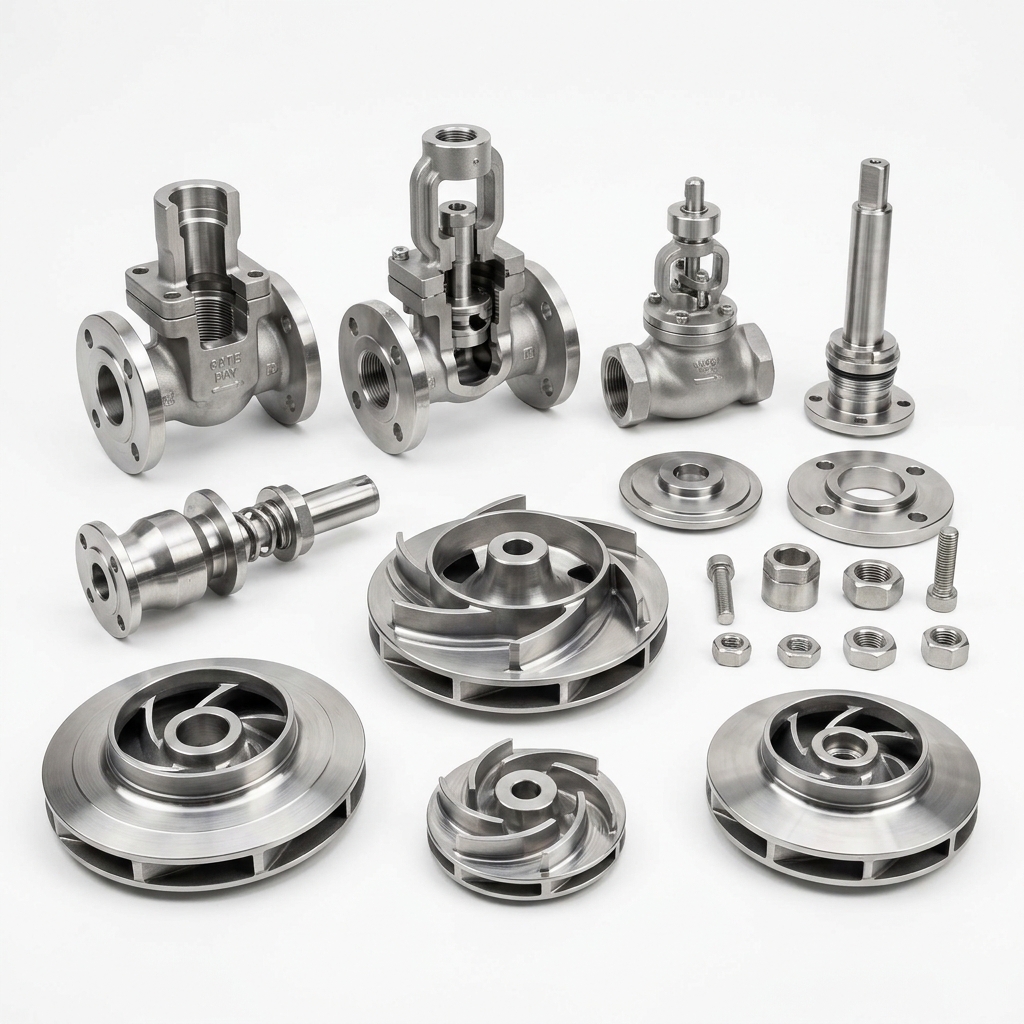
Illustration: RivCut
Apple has spent billions of dollars supporting American manufacturers through its Advanced Manufacturing Fund. This fund was created to foster innovation and build high-tech production capabilities in the U.S. By providing capital to suppliers, Apple helps them buy advanced equipment and hire skilled workers. This support has helped companies like Corning develop new materials that are used in millions of devices worldwide.
Another major recipient of Apple's funding is Finisar. The company received $390 million from Apple to build out a cleanroom facility in Sherman, Texas. This plant produces optical sensors that enable key features like Face ID and Animoji. The investment created hundreds of high-tech jobs in Texas. It also established a critical supply source for Apple's main product lines within the United States.
These investments show that Apple's strategy is not just about final assembly. The company is focused on high-value components and advanced materials. By securing domestic sources for these critical parts, Apple reduces the risk of shipping delays. It also protects its intellectual property by keeping advanced manufacturing processes within U.S. borders.
In addition to Corning and Finisar, Apple has backed other key suppliers. For example, they invested in II-VI Incorporated, a company that makes lasers for laser scanners. This company has operations in Sherman, Texas, and Warren, New Jersey. The funding helped them expand their cleanrooms and buy new testing gear. These parts are critical for Apple's augmented reality features.
These supplier projects also have a ripple effect on local economies. In Sherman, Texas, the expansion of the laser factory led to new training programs. Local community colleges worked with the supplier to train workers in cleanroom operations. This helped build a skilled local workforce. It shows how big tech investments can support education and community development.
Why it matters for manufacturers
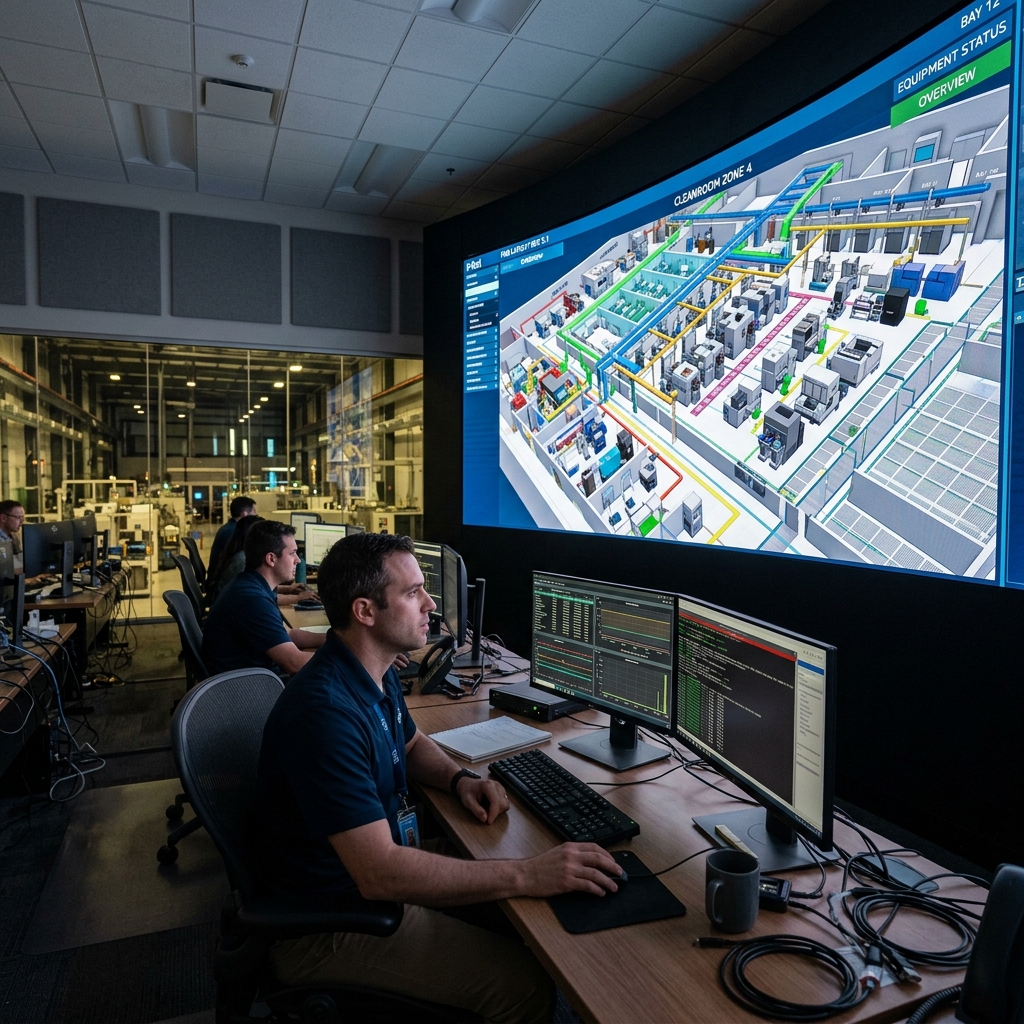
Illustration: RivCut
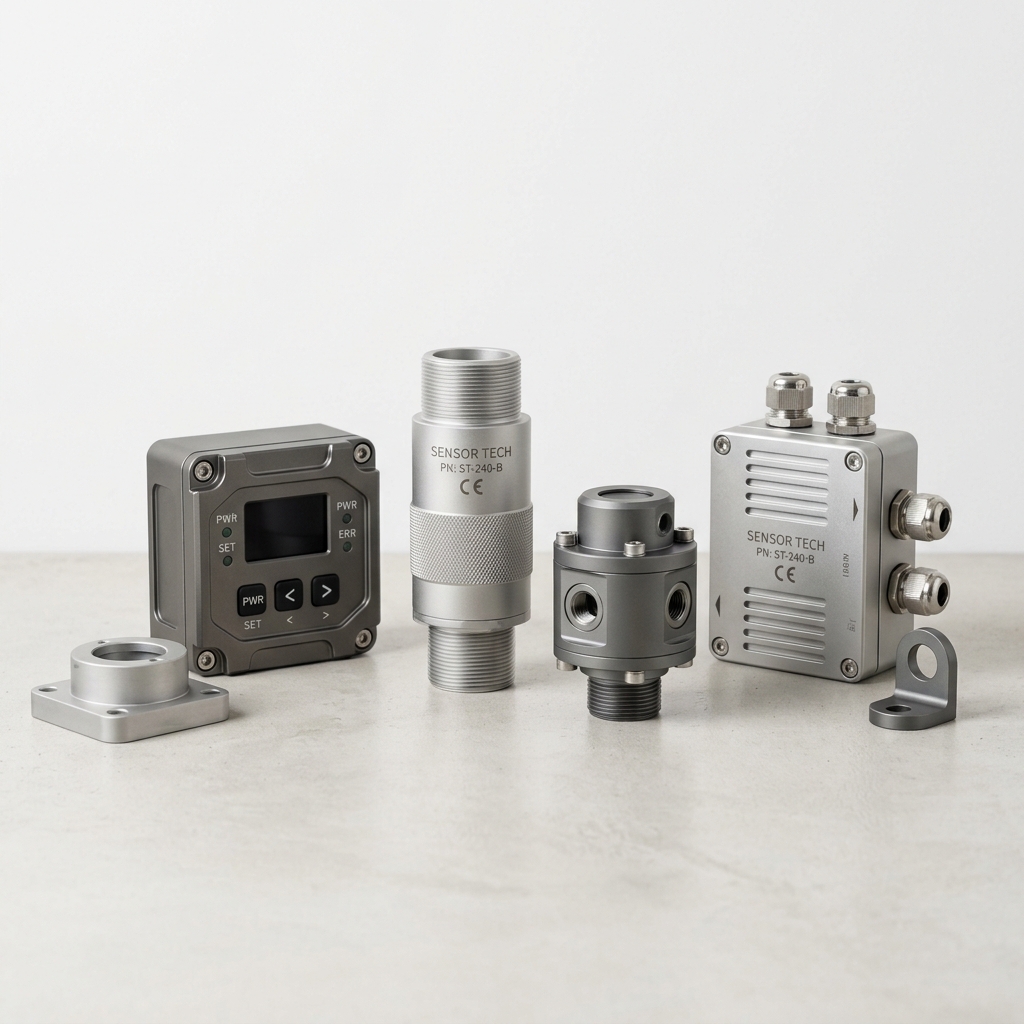
This move matters because Apple does not operate in a vacuum. When the world's largest consumer electronics company redirects capital toward domestic manufacturing, tier-two and tier-three suppliers feel the shift. Machine shops, injection molders, and precision component manufacturers who have spent a decade watching work migrate to Shenzhen now see a credible countertrend. Apple's suppliers employ over 2.7 million workers in the U.S., and new investment flows through that network.
The tariff refund mechanism itself deserves attention. Many manufacturers paid Section 301 duties on Chinese imports between 2018 and 2024. Often, this happened without realizing they might qualify for retroactive relief under trade agreements negotiated since then. If Apple structured its supply chain to document country-of-origin and meet specific manufacturing thresholds, those refunds become available. Smaller manufacturers who paid the same tariffs may have similar claims sitting dormant. That is money that could fund new machining capacity or tool up for reshoring projects.
However, skepticism is warranted. Apple has announced U.S. manufacturing commitments before, and the results have been mixed. The 2013 Mac Pro assembly in Austin generated headlines but represented a tiny fraction of Apple's production volume. The real test is whether this investment targets high-volume, high-complexity work—such as aluminum unibody machining, glass processing, or semiconductor packaging. Machine shops that can scale precision work in materials like 7000-series aluminum or titanium alloys are the ones positioned to benefit.
There is also a practical issue: lead times. If Apple wants U.S. suppliers to absorb work currently done in Asia, those suppliers need six to eighteen months to hire machinists, procure equipment, and qualify processes. That timeline does not align well with Apple's rapid product cycles. This is why much of the domestic investment has focused on materials and components with longer development horizons. These parts do not change every product generation.
For smaller machine shops, winning direct contracts from Apple is very difficult. The tech giant has strict requirements for volume and quality. But these shops can still benefit by working with Apple's tier-one suppliers. For example, a shop might make custom test fixtures, assembly jigs, or prototype enclosures. This work is steady and pays well, helping shops invest in new CNC machine tools.
Automating the shop floor is key for American suppliers to compete on cost. In Asia, manual labor is often used to move parts between machines. In the U.S., labor costs are much higher. To stay competitive, shops must use robotic loaders, advanced software, and smart fixtures. Apple's investments often help fund this type of high-end automation in supplier factories.
What to watch next
Watch where the money actually goes. Apple will likely publish case studies on supplier investments, similar to its Advanced Manufacturing Fund announcements. If those projects involve precision machining, glass processing, or semiconductor packaging at scale, that is a legitimate shift. If they are primarily R&D labs or pilot lines, the impact on production employment remains minimal.
Also watch tariff policy. Apple's refunds depend on trade agreements that could shift with the next election cycle. Manufacturers considering reshoring projects based on today's tariff structure should model scenarios where those incentives disappear or reverse. Our trade policy coverage tracks these changes because they directly affect sourcing decisions for parts we quote every week.
Finally, watch Apple's supplier list. The company publishes an annual roster of its top 200 suppliers by spend. If U.S.-based machine shops and component manufacturers start appearing in larger numbers, that confirms the commitment is real. If the list remains dominated by Asian suppliers with token U.S. presence, the tariff reinvestment is a financial maneuver rather than a manufacturing strategy. For shops evaluating whether to invest in new capacity, that distinction determines whether the opportunity is real or noise.
Another area to watch is the expansion of clean energy projects. Apple wants its entire supply chain to be carbon neutral by 2030. Suppliers must prove they use renewable energy to power their manufacturing lines. This means that factories in states with clean energy grids, like Texas and Oregon, may have an advantage when bidding for Apple contracts.
We should also watch how other tech companies react. If Apple succeeds in reshoring key parts, competitors like Google or Microsoft might follow. This would create a much larger market for domestic component manufacturing. The next few years will show if this Tim Cook announcement was the start of a broader industry shift or just an isolated case.
Frequently Asked Questions (FAQ)
How much tariff refund money does Apple plan to reinvest in the U.S.?
Answer: Apple has not named an exact figure, but industry experts estimate the refunds could exceed $1 billion based on its import volume from China.
Which U.S. companies have received investments from Apple's Advanced Manufacturing Fund?
Answer: Apple has invested in Corning, which makes Ceramic Shield glass in Kentucky and Texas, and Finisar, which makes Face ID laser sensors in Texas.
What are Section 301 tariffs?
Answer: Section 301 tariffs are import duties placed by the U.S. government on goods from China to address trade practices.
How do Apple's domestic investments affect smaller machine shops?
Answer: Apple's spending flows down to smaller shops that supply precision fixtures, custom brackets, and machinery tooling needed for domestic production.
Apple's tariff refunds could fund real capacity if the money targets high-volume machining and packaging, not just pilot lines and press releases.