What happened
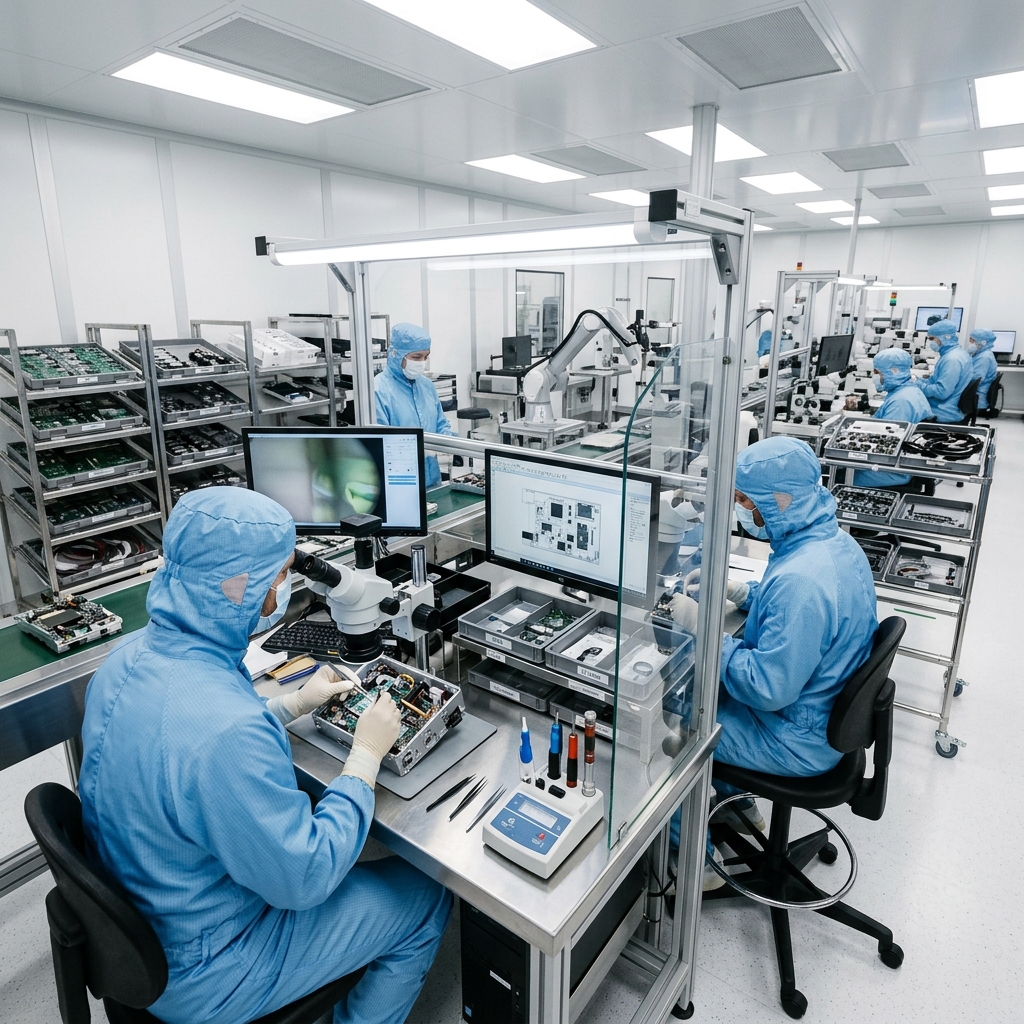
Illustration: RivCut
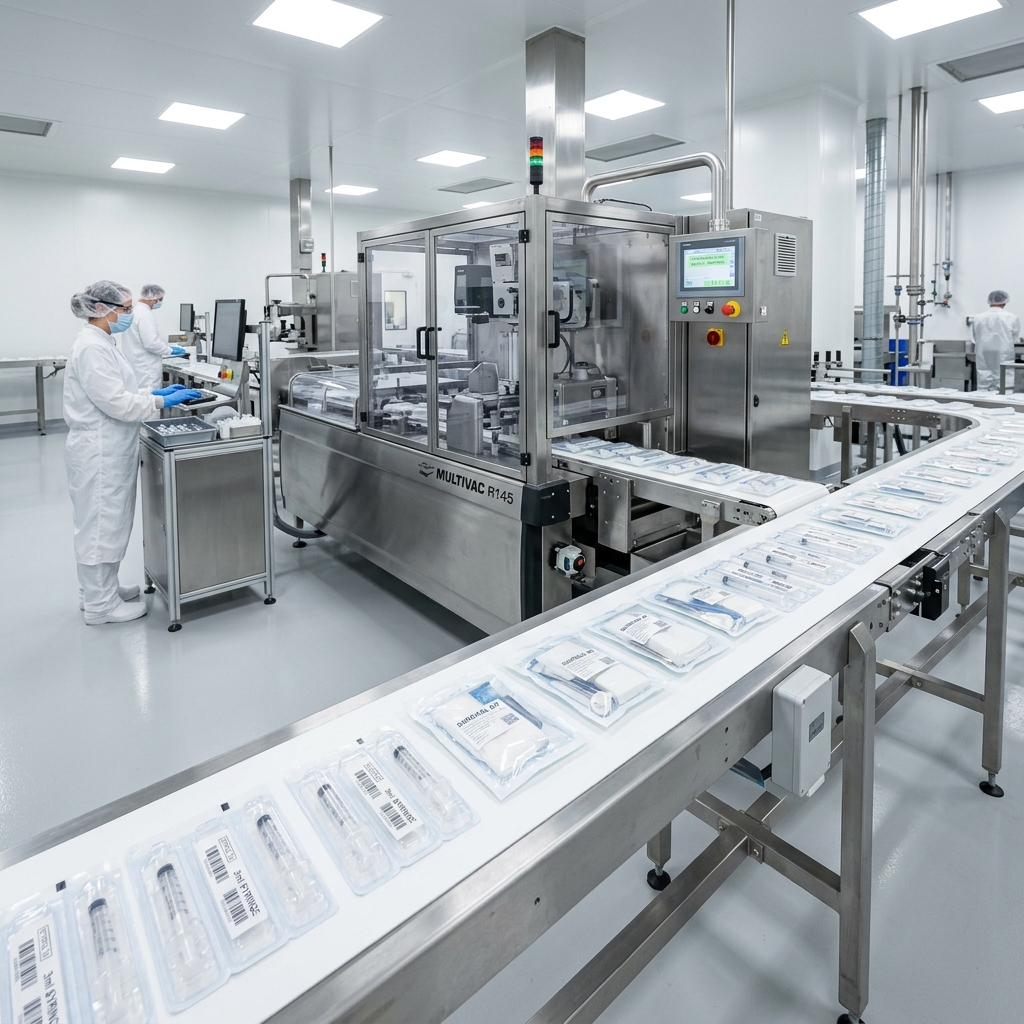
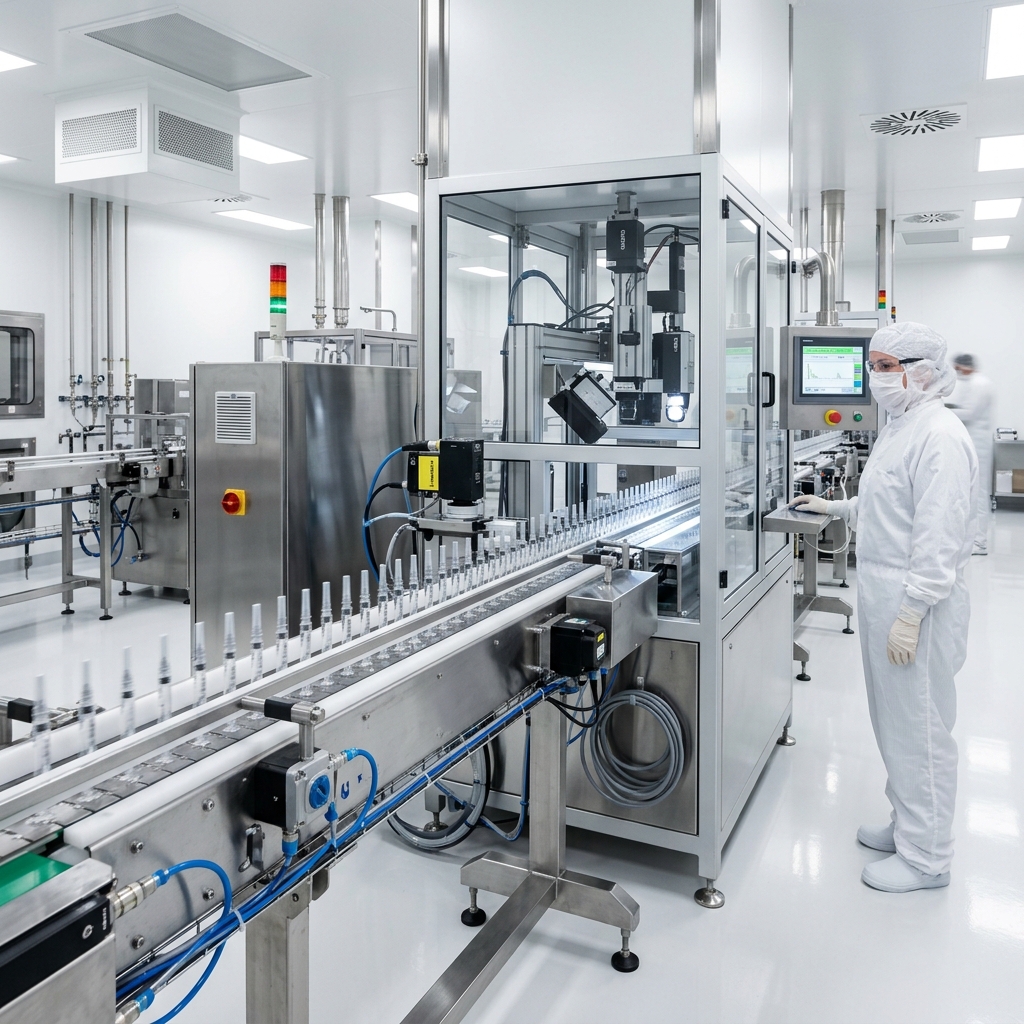
SCHOTT Pharma cut the ribbon on a $60 million expansion at its Lebanon, Pennsylvania facility this week, tripling the plant's output of pre-fillable glass syringes and sterile vials used to package injectables and vaccines. The German-based pharmaceutical packaging supplier added new ISO-certified cleanrooms and high-speed automated inspection systems designed to handle the growing volume of biologics and temperature-sensitive drugs entering the U.S. market.
The expansion positions SCHOTT as one of the largest domestic producers of sterile primary packaging for biopharmaceuticals. Pre-fillable syringes have become the delivery standard for monoclonal antibodies, GLP-1 diabetes medications, and mRNA vaccines — all of which require glass that won't leach or react with the drug compound. SCHOTT's Lebanon site now operates multiple production lines capable of inspecting and sterilizing glass containers at speeds exceeding 600 units per minute, according to the company.
The investment follows a multi-year trend of pharmaceutical packaging suppliers adding U.S. capacity in response to drug shortages tied to overseas production disruptions. Lebanon is SCHOTT's second-largest North American site after a vial plant in Elmsford, New York, and complements the company's European manufacturing footprint in Germany and Switzerland.
To ensure high quality, the Lebanon plant uses advanced cleanrooms. A cleanroom is a special room with controlled air filters. These filters keep dust, microbes, and other particles out of the air. Cleanroom workers must wear protective suits, gloves, and masks. The new rooms at Lebanon meet ISO Class 7 standards. This means they are extremely clean. The automated inspection systems are also vital. They use high-speed cameras to inspect each syringe and vial. The software checks for tiny cracks, bubbles, or particles. If it finds any defect, the item is removed immediately.
The history of SCHOTT Pharma is also notable. The company is a spin-off of the SCHOTT Group, which has made glass for over one hundred years. They are famous for inventing borosilicate glass. This type of glass is highly resistant to heat and chemicals. It does not react with drugs, which is crucial for modern medicine. When a drug sits in a glass syringe for months, the glass must not leach any chemicals into the liquid. SCHOTT's expertise in glass science is why major pharmaceutical companies trust them for packaging sensitive biopharmaceuticals.
Why it matters for manufacturers
Illustration: RivCut
The $60 million spend is a clear signal that pharmaceutical companies are willing to pay a premium for secure, traceable packaging supply chains. During the COVID-19 pandemic, vial shortages delayed vaccine distribution in several regions because most sterile glass production was concentrated in Europe and Asia. SCHOTT's Lebanon expansion addresses that vulnerability by localizing capacity for drugs that cannot tolerate packaging substitutions or delays.
For contract manufacturers and medical device machining shops like RivCut, the SCHOTT expansion underscores a broader shift: medical customers now factor supply chain geography into their sourcing decisions as heavily as they do cost. A syringe or vial might seem like a commodity part, but regulatory validation ties each drug formulation to a specific glass composition and sterilization process. Switching suppliers mid-production can trigger FDA revalidation that costs months and hundreds of thousands of dollars. Domestic capacity reduces that risk.
The investment also reflects the business reality of biologics manufacturing. Pre-fillable syringes eliminate the need for pharmacists to draw doses from multi-use vials, cutting contamination risk and improving dosing accuracy for expensive drugs that can cost $10,000 per treatment. As more biotech drugs move from hospital infusion centers to at-home injection, demand for pre-filled formats is growing faster than traditional vial packaging. SCHOTT's new cleanrooms are designed to support that mix shift.
What's less clear is whether $60 million in automation will insulate SCHOTT from the labor and energy cost pressures that make U.S. glass production expensive compared to imports. High-speed inspection lines reduce headcount, but running ISO Class 7 cleanrooms in Pennsylvania means competing with European plants that benefit from lower electricity rates and established workforce pipelines. The company is betting that customers will absorb that cost delta in exchange for shorter lead times and supply security. That's a reasonable bet for now, but it assumes drug manufacturers continue to prioritize resilience over price — a calculus that changes when reimbursement pressures tighten.
Sourcing teams must understand the strict rules of medical validation. You cannot simply swap one glass syringe for another. The FDA requires extensive testing to prove the drug remains stable in the new package. This process can take six months or more. It requires specialized laboratories and lots of data. By tripling its domestic capacity, SCHOTT makes it easier for U.S. drug makers to secure their supply chains without having to go through the painful process of qualifying an overseas supplier. It is a long-term strategy to reduce regulatory risk.
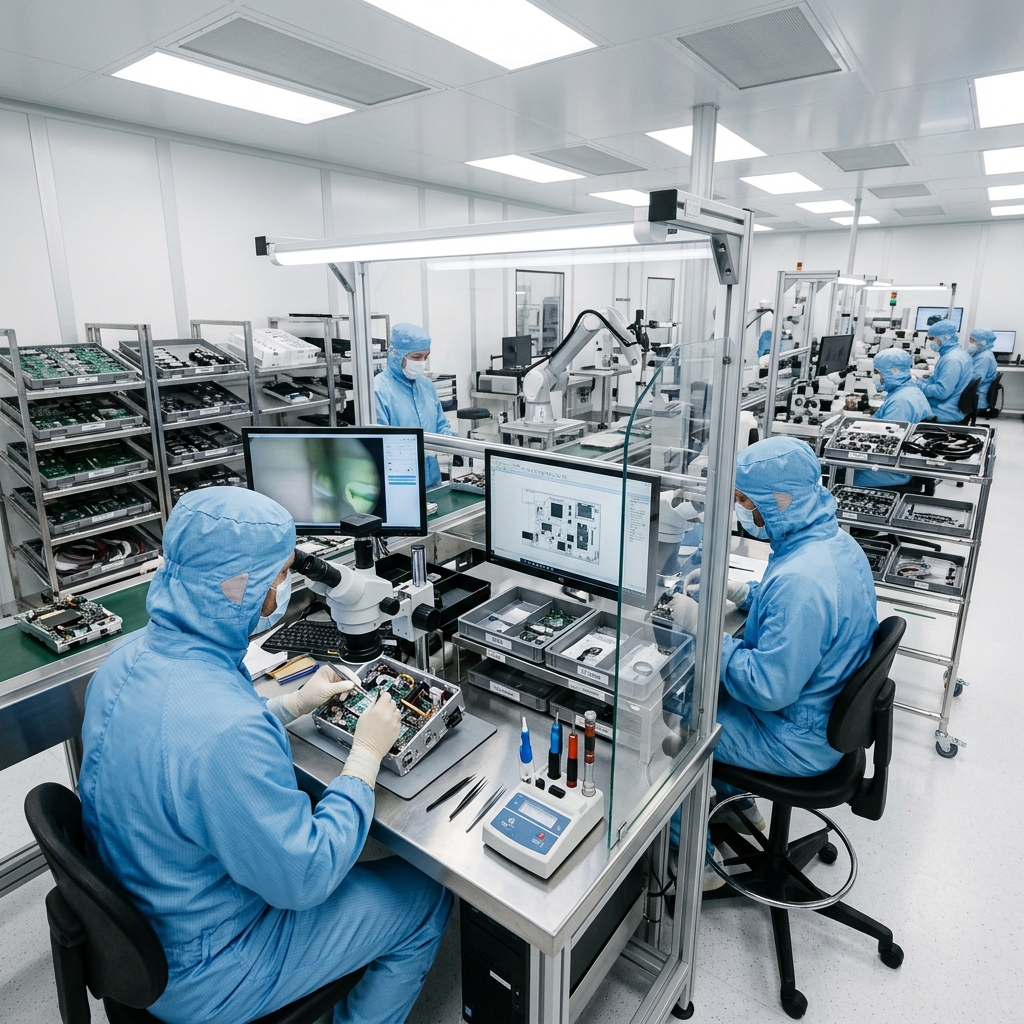
There is also an opportunity for local machine shops that support the medical industry. The high-speed automation equipment in the Lebanon plant requires custom metal components, brackets, and fixtures. These parts must meet cleanroom standards, which means they must have smooth surfaces and be easy to clean. Shops that understand these requirements can win contracts to supply maintenance parts for the new production lines. RivCut specializes in this type of precision work, and we see growing demand for cleanroom-grade components across the sector.
What to watch next
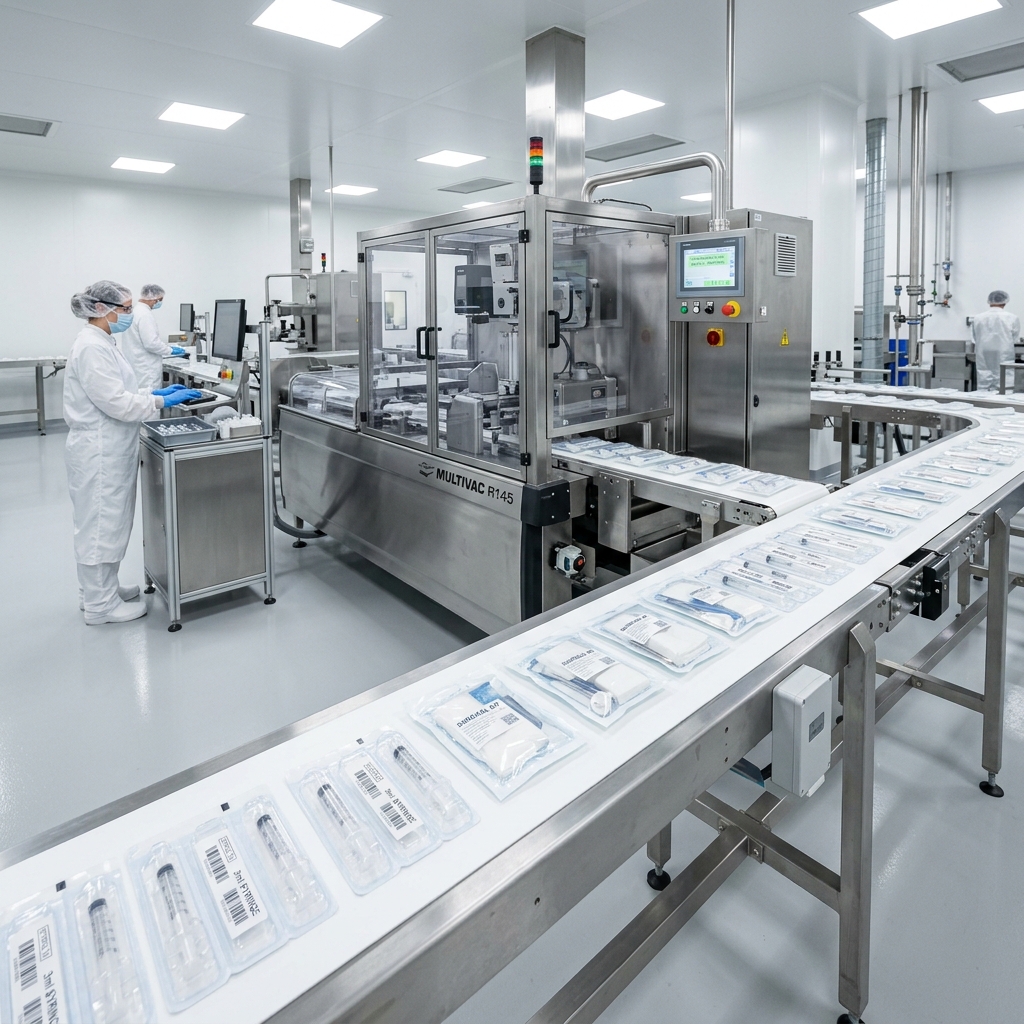
Illustration: RivCut
The next test for SCHOTT's Lebanon expansion will be how quickly the new lines ramp to full utilization. Cleanroom commissioning and FDA process validation can stretch six to nine months, and hiring trained operators for sterile environments remains difficult in smaller Pennsylvania markets. If SCHOTT hits its production targets by early 2027, expect competitors like Stevanato Group and Nippon Electric Glass to announce similar U.S. expansions.
Also watch whether the investment attracts upstream suppliers. High-purity borosilicate glass tubing — the raw material for syringes and vials — is still produced almost entirely in Germany and Japan. If demand for domestic pharmaceutical packaging continues to grow, tubing manufacturers may face pressure to establish North American melting capacity, which would require capital commitments far larger than SCHOTT's $60 million.
For procurement teams, the broader takeaway is that lead times for sterile packaging are unlikely to compress much despite the new capacity. SCHOTT's expansion replaces import dependency with domestic dependency, but it doesn't change the fact that pharmaceutical glass is a validated, single-source input for most drug products. Building redundancy into your quality assurance and supplier qualification processes matters more than ever when your product's regulatory approval is tied to a specific syringe supplier in Lebanon, Pennsylvania.
Another area to watch is the raw material supply chain. Even though SCHOTT packages the syringes in Pennsylvania, the raw glass tubing is still made in Germany. If there is a shipping strike or a global logistics crisis, the Lebanon plant could run out of glass. This means the supply chain is still partially vulnerable. We should watch if SCHOTT or another glass maker decides to build a glass melting furnace in the U.S. This would create a truly independent domestic supply chain, but it requires much more energy and capital.
Finally, keep an eye on new packaging materials. Some companies are experimenting with cyclic olefin polymers (COP). These are high-performance plastics that can be used instead of glass. Plastic syringes do not break as easily as glass and do not leach metal ions. However, glass is still the gold standard because it has decades of safety data. If plastic syringes gain market share, it could slow down the growth of glass packaging plants. Watch if SCHOTT expands its plastic syringe offerings in the coming years to hedge against this risk.
Frequently Asked Questions
What is the main purpose of SCHOTT Pharma's $60 million plant expansion?
The main goal of the expansion in Lebanon, Pennsylvania, is to triple the plant's output of pre-fillable glass syringes and sterile vials. These high-purity glass containers are crucial for packaging injectables, vaccines, and advanced biologic drugs.
Why are pre-fillable glass syringes in high demand?
Pre-fillable glass syringes are in high demand because they allow patients to receive medications safely and accurately, often at home. They reduce the risk of contamination compared to drawing doses from multi-use vials and are ideal for modern biotech treatments.
How does localizing pharmaceutical packaging help drug manufacturers?
Localizing packaging helps drug makers avoid shipping delays and geopolitical risks from overseas suppliers. It also makes quality control easier, as U.S. engineers can quickly visit U.S. plants to resolve issues, reducing the risk of drug shortages.
What are the challenges of setting up cleanroom production in the U.S.?
The main challenges include high energy costs, strict regulatory validation processes, and a shortage of skilled operators. Cleanrooms must meet strict ISO standards, and finding and training technicians to maintain sterile environments can take several months.
Domestic capacity reduces regulatory risk, but it doesn't eliminate the single-source problem when your drug approval is tied to one syringe plant.