What happened
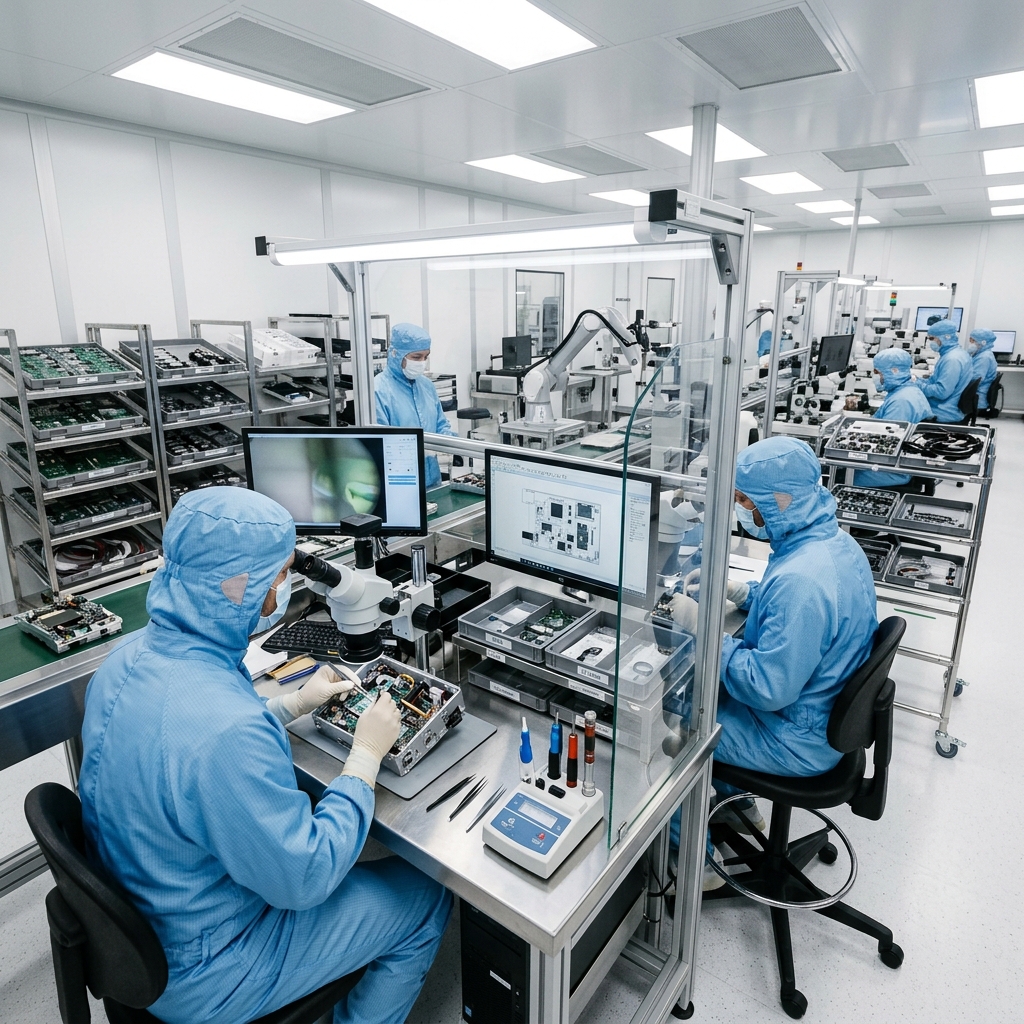
Illustration: RivCut
The Food and Drug Administration, or FDA, approved many new medical devices in the first quarter of 2026. The FDA uses a program called 510(k) to check these devices. In this quarter, the FDA cleared 47 new implants that need to be made with extreme precision. This number is high. It matches the high numbers we saw in the last two quarters. Most of these new devices are orthopedic implants, dental implants, and spinal fusion cages. They also include plates used to rebuild bones in the face and head. Industry reporting shows that these categories are growing fast. Making these implants requires special computer-controlled machines. These are called CNC machines. The implants must be made from safe materials. The most common materials are titanium and a special plastic called PEEK.
The pace of these approvals is very important for machine shops. When a company gets 510(k) clearance, they can start selling their product quickly. They do not have to wait for years of clinical trials. This is different from other types of FDA approvals. Because of this, a clearance in the first quarter of the year leads to manufacturing demand very soon. Most companies will start making these devices in large numbers within six to twelve months. This means machine shops will see more orders in the second half of 2026. Companies that just got their devices cleared are looking for manufacturing partners right now. They need shops that can meet tight tolerances. They also need shops that can handle the strict paperwork rules of the medical industry.
There is a steady demand for these surgeries because of our aging population. More people in the United States and Europe are getting older. In 2025, the number of people aged 65 and older in the U.S. reached 58 million. Older people need more joint replacements and spinal surgeries. Doctors perform hip and knee replacements every day. They also perform spinal fusions to help patients walk without pain. This demand has been growing for six quarters in a row. It does not drop when the economy slows down. People need new hips and knees even when interest rates are high. This makes medical implant manufacturing a very stable business. Machine shops that do this work can count on steady orders for many years.
Understanding the 510(k) Clearance Process
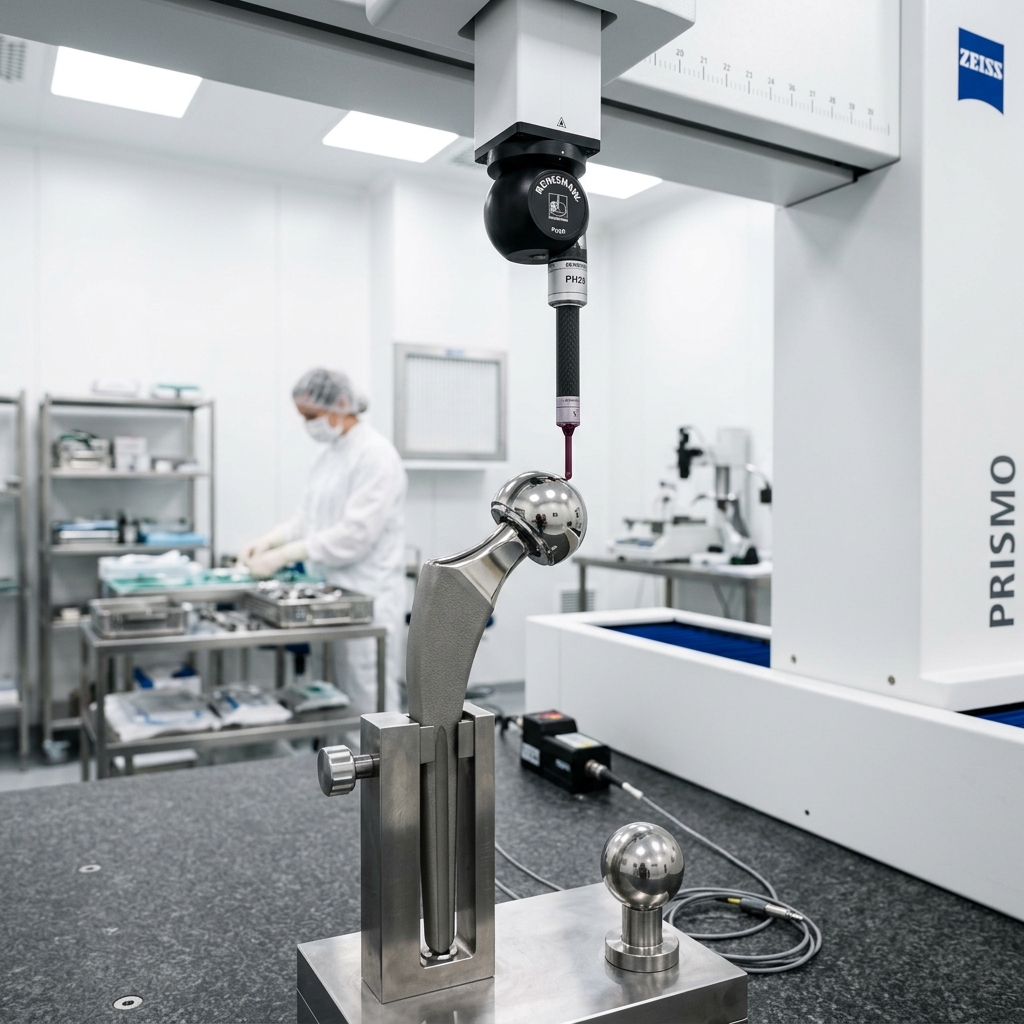
Illustration: RivCut
To understand why this matters, we must look at how the FDA works. The FDA is the government group that keeps medical products safe. The 510(k) process is a path to get a new device approved. A company must show that their new device is substantially equivalent to an old one. This means the new device is very similar to a device that is already on the market. It must use similar materials and have a similar design. If the company can prove this, the FDA will clear it for sale. This process is much faster than proving a completely new invention is safe from scratch. It saves companies a lot of time and money.
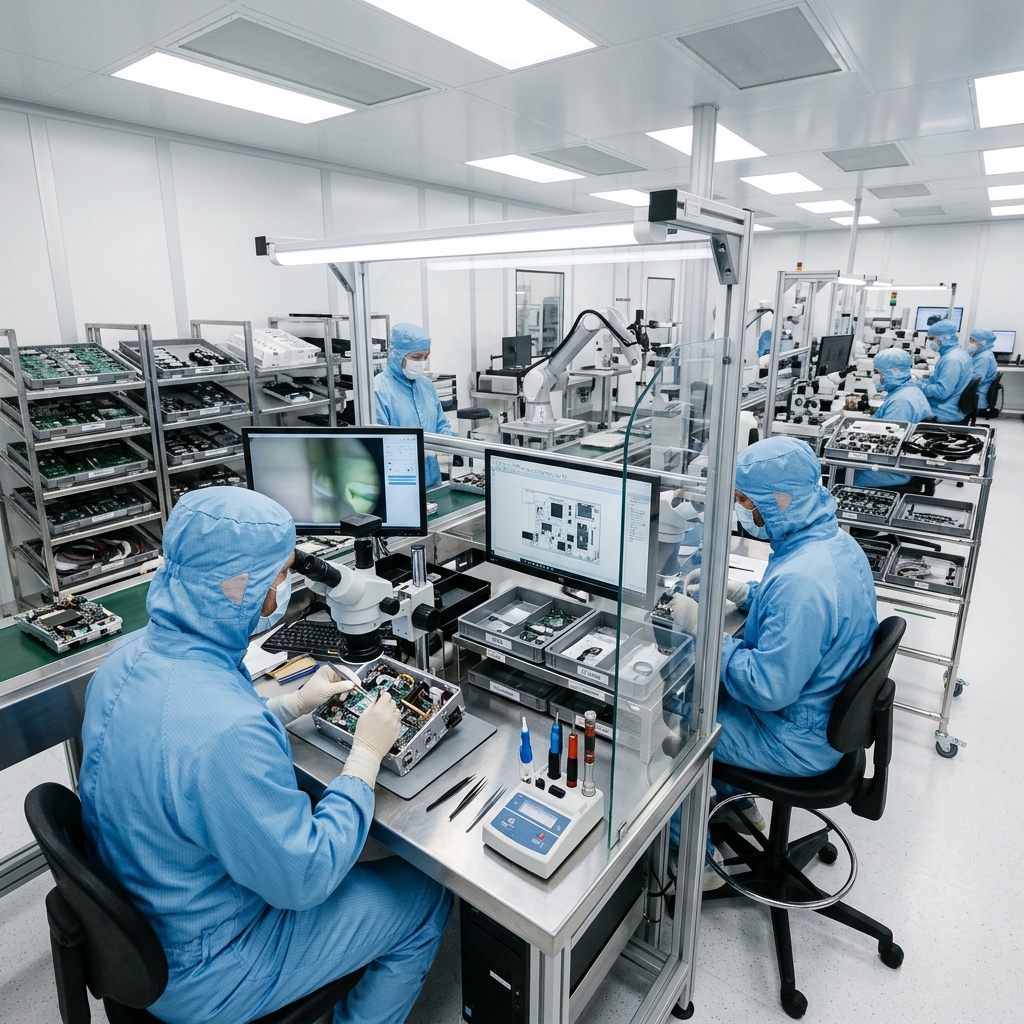
However, getting clearance is only the first step. Once a device is cleared, the company must build a supply chain to make it. They cannot just make the implants in any workshop. They must use manufacturers that follow strict quality rules. These rules are set by the FDA and international groups. The machines must be calibrated correctly. The air in the factory must be clean. Every step of the process must be written down. If a company cannot find a good machine shop, they cannot sell their cleared device. This is why qualified machine shops are in such high demand. They are a critical link in the process of bringing new medical tools to patients who need them.
Why it matters for manufacturers

Illustration: RivCut
Medical device machining is some of the hardest work a machine shop can do. The demand is strong in 2026, but the work is not easy. The materials used for implants are very tough. Titanium alloy, known as Ti-6Al-4V, is the most common metal. It is very strong and lightweight. It also lasts a long time inside the human body. But titanium is very hard to cut. It heats up quickly and wears down cutting tools. Operators must use sharp tools and lots of coolant. They must also set their machines to the exact right speed. If they make a mistake, they can ruin the metal or break a tool. This can cost a shop thousands of dollars in lost materials and time.
Plastic implants are also common today. Many spinal cages are made from PEEK. This is a strong plastic that can go inside the body. PEEK cuts easily, but it has its own problems. It can melt if the cutting tool gets too hot. It can also crack if the cuts are too deep. Operators must use high spindle speeds and light cuts. They must also clean away the plastic chips constantly. If the chips build up, they can scratch the finished part. Neither titanium nor PEEK allows for any mistakes. Machine shops must be very careful when working with these materials. They must train their workers to treat every part with care.
The surface of an implant must be perfect. If the part is a joint, the surface must be as smooth as glass. This reduces friction when the patient moves. The surface finish is measured in micrometers. A joint might need a finish of Ra 0.4 micrometers. If the implant meets bone, it might need a rougher surface. This helps the bone grow into the implant. This bone growth is called osteocontegration. Dental implants have very small threads that must fit into the jaw bone. These threads need a finish of Ra 0.2 micrometers. To make these complex shapes, shops use five-axis CNC milling. These advanced machines can turn the part in many directions. This allows the tool to reach every angle without moving the part to another machine. Moving a part by hand can cause small errors that make the implant useless.
The Importance of ISO 13485 and Quality Control
Quality control is the most important part of medical manufacturing. In standard machining, you might check one part out of every ten. In medical machining, you must check every single part. The shop must have a certification called ISO 13485. This certificate shows that the shop follows international standards for medical devices. It means the shop has a system to track everything. They must write down the exact lot of raw material used for each part. They must record which worker ran the machine. They must even track when the cutting tools were changed. This is called a documentation chain or a device history record.
This paperwork takes a lot of time. In fact, the paperwork can cost more than the actual machining. But it is necessary for patient safety. If an implant fails inside a patient, the FDA will investigate. They will want to see all the records for that specific part. They will want to know if the material was pure. They will want to know if the machine was running at the right speed. If the shop cannot show these records, they can face huge fines. They can also lose their license to make medical parts. This is why device companies only work with certified shops. They need to know that their manufacturing partner takes quality seriously.
To meet these requirements, shops invest in high-tech inspection tools. They use coordinate measuring machines, or CMMs. These machines use sensitive probes to measure parts down to the micrometer. They compare the physical part to a digital 3D model. The CMM creates a report that proves the part is correct. This report becomes part of the documentation package. Shops also use laser scanners to check surface finishes. These tools help find tiny scratches that the human eye cannot see. By using these tools, shops can catch mistakes before the parts leave the factory. This keeps patients safe and protects the shop's reputation.
What to watch next
There are two major trends to watch in the coming years. The first trend is 3D printing. Many companies are now printing titanium implants. This is called additive manufacturing. Printing allows companies to make complex shapes that cannot be cut on a CNC machine. For example, they can print a porous structure that looks like real bone. This helps the bone grow faster. However, 3D printing is not replacing CNC machining. Printed parts still need to be finished on a CNC machine. The threads and mating surfaces must be cut to exact sizes. Shops that combine 3D printing with CNC machining will have a big advantage. They can offer a complete solution to medical companies.
The second trend is the supply of raw materials. Implant-grade titanium is hard to get. Only a few distributors sell titanium that is pure enough for implants. In early 2026, lead times for titanium rose to 12 to 16 weeks. This is up from 6 to 8 weeks in recent years. This means shops must wait four months to get material after they order it. This makes planning very difficult. Companies that buy material in advance are in a good position. They can start jobs immediately when they get an order. Shops that rely on buying material at the last minute are struggling. They cannot deliver parts on time. Medical device companies are choosing partners who already have titanium in stock. To stay updated on these supply chain issues, read more manufacturing news on our website.
Frequently Asked Questions (FAQ)
What is FDA 510(k) clearance for medical implants?
Answer: FDA 510(k) clearance is a regulatory approval showing that a new medical implant is safe and effective by comparing it to an existing approved device.
What materials are commonly used for machined medical implants?
Answer: The most common materials are titanium alloy (Ti-6Al-4V) and PEEK polymer. Both are biocompatible, meaning they can safely remain inside the human body.
Why is traceability critical in medical device manufacturing?
Answer: Traceability proves that every implant was made with the correct material, tools, and processes. This documentation is required by the FDA to ensure patient safety.
How does demographics affect demand for medical implant machining?
Answer: An aging population in the U.S. and Europe has led to more orthopedic surgeries like hip and knee replacements. This drives steady, long-term demand for machined implants.
The 510(k) clearance rate isn't what matters to a machine shop — it's whether the device company can actually get traceability-certified suppliers when they need to scale. Most can't.