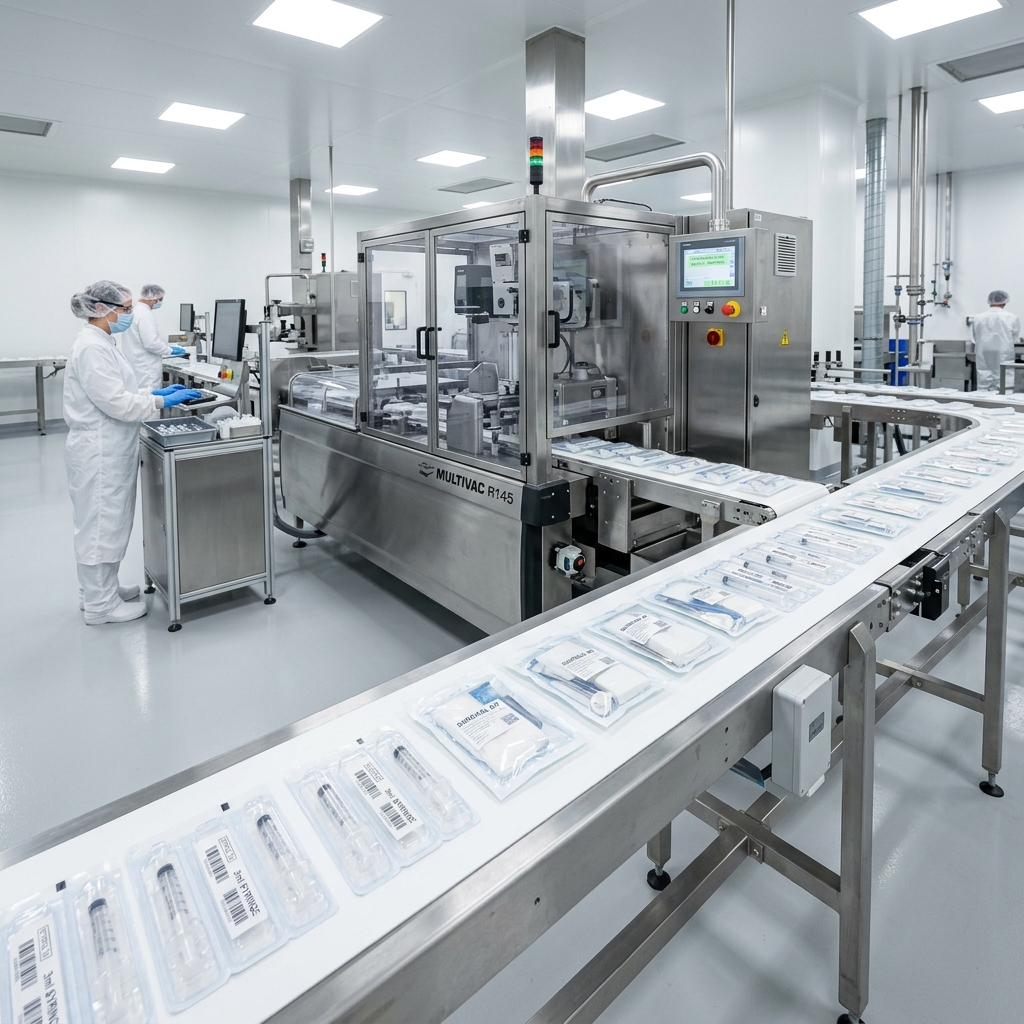
What happened
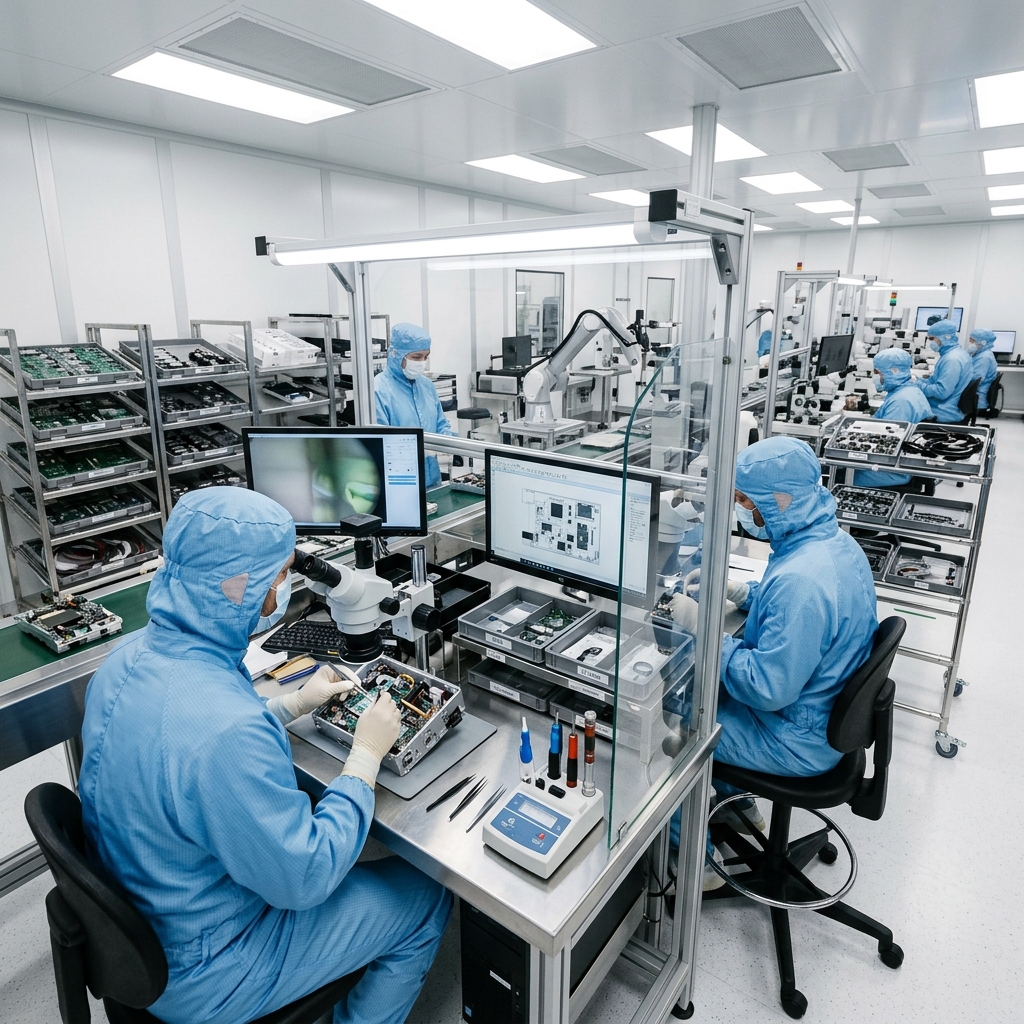
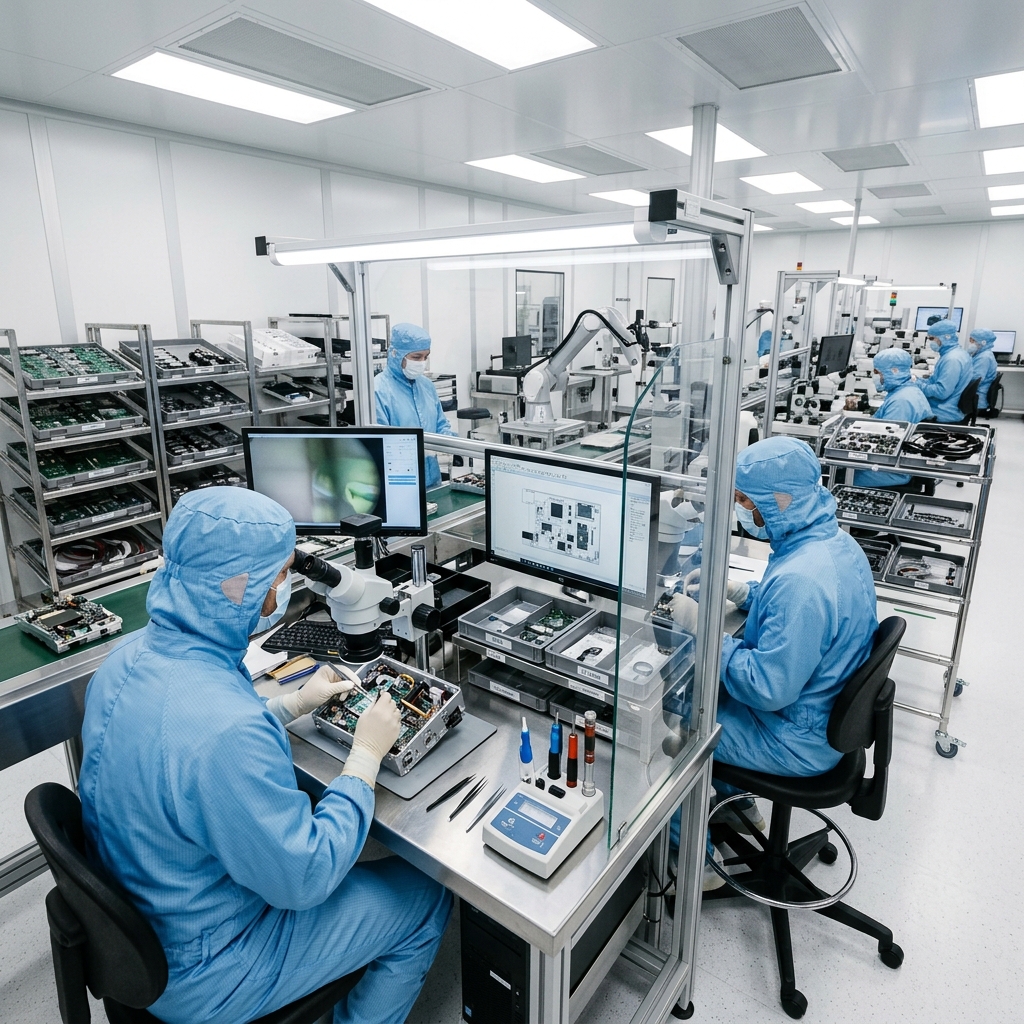
Illustration: RivCut
Medline Industries received its second FDA warning letter in two months, this time for its Waukegan, Illinois drug manufacturing facility. The agency's May 28 letter cites repeated microbial contamination that investigators documented during an inspection earlier this year.
FDA inspectors isolated Bacillus cereus from finished drug products on nine separate occasions between mid-2023 and mid-2025. The warning letter faults Medline's quality control department for failing to conduct thorough root-cause investigations after each contamination event. The agency also criticized inadequate cleaning and disinfecting protocols and said Medline ignored contamination risks that affected both the Illinois facility and a separate Wisconsin site.
This marks Medline's second warning letter since March, when the FDA cited a New York facility for manufacturing defects in syringes. The company, a major supplier of medical devices and pharmaceuticals to hospitals across the United States, has not publicly disclosed corrective action timelines for either facility.
To understand why this is serious, we should look at Bacillus cereus. This is a type of bacteria that forms tough spores. These spores are highly resistant to heat and common disinfectants. This means they are very hard to kill once they get inside a factory. If this bacteria gets into finished medical products, it can cause severe infections in patients. For people with weak immune systems, these infections can be fatal. The FDA expects sterile drug plants to have zero tolerance for such contamination. Finding it nine times indicates a major control failure.
The warning letter also noted a communication gap. The FDA found that Medline did not share quality data between its Illinois and Wisconsin plants. Because they did not talk to each other, they missed a regional contamination trend. This is a classic quality control error. Large companies must have systems that connect all their sites. If one plant finds a problem, other plants should check for the same issue immediately. Medline's failure to do this allowed the contamination to persist for two years.
Why it matters for manufacturers
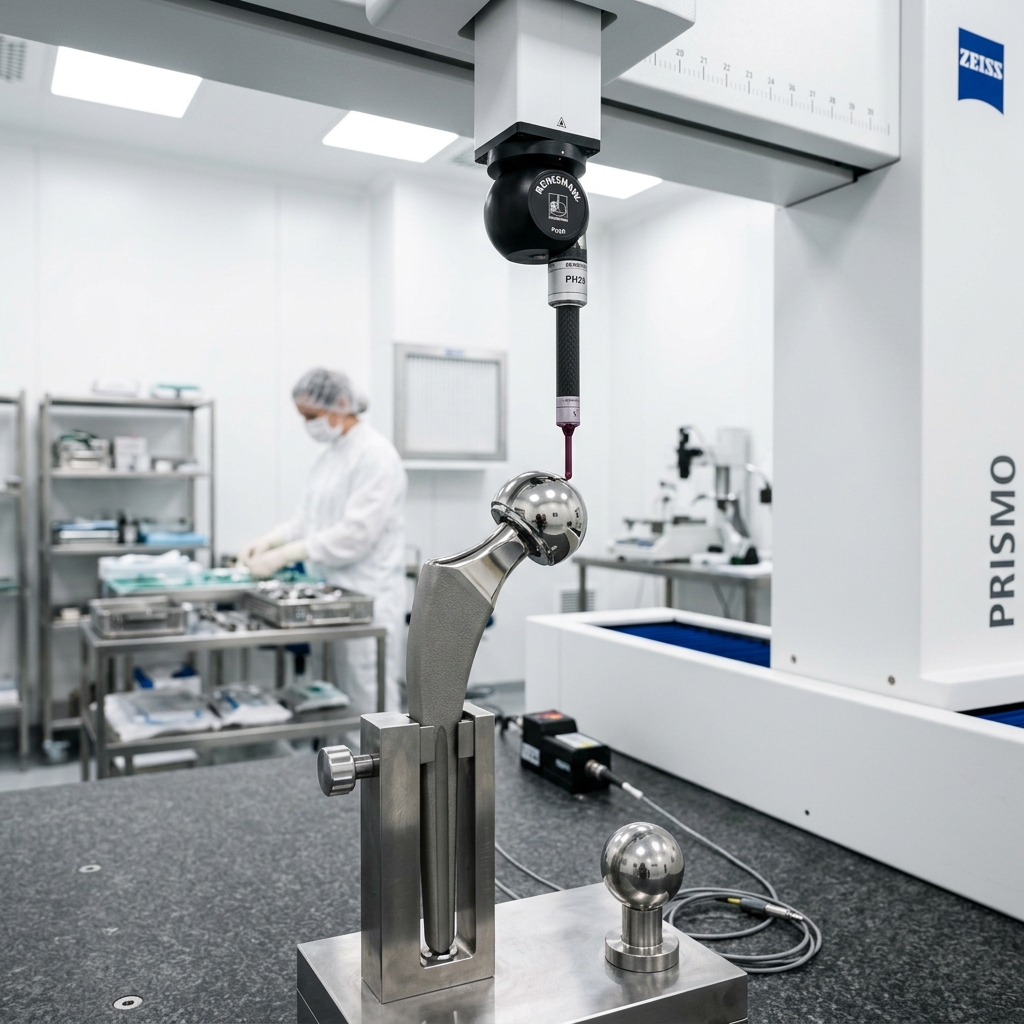
Illustration: RivCut
Two warning letters in sixty days is not a paperwork problem. It suggests systemic failures in how a large supplier manages quality across multiple sites. For any company making parts that end up in sterile environments — surgical instruments, diagnostic housings, drug delivery components — this is a reminder that the FDA does not grade on a curve based on your revenue or market share.
Bacillus cereus contamination in finished products means something broke down at multiple checkpoints: incoming material controls, environmental monitoring, process validation, and final release testing. The fact that it happened nine times over two years without triggering a root-cause overhaul tells you the quality management system was not functioning as designed. That is the kind of breakdown that costs months of rework, scrapped inventory, and customer trust.
If you supply components to medical device OEMs, your customer's quality audit is going to ask how you prevent similar lapses. CMM inspection and documented process controls are table stakes, but so is proving you can trace a defect back to its source and implement corrective action that sticks. Medline's repeated contamination events show what happens when you treat quality as a checklist instead of a closed-loop system.
For shops that machine medical device components, this is also a sourcing signal. When a Tier 1 supplier stumbles on basic quality controls, OEMs start evaluating their supply chains more carefully. That creates openings for smaller manufacturers who can demonstrate tighter process controls and faster response times when something does go wrong.
Cleaning a cleanroom is a highly technical process. It is not like sweeping a floor at home. Technicians must use specific chemicals in a precise rotation. If you use the same disinfectant for too long, bacteria can build resistance to it. You must also validate the cleaning. This involves taking swabs of surfaces and incubating them in a lab to prove no bacteria are growing. If a company fails to run these tests, they cannot prove their cleanroom is sterile. RivCut places quality assurance at the center of our machining services, ensuring full compliance with medical standards.
Sourcing teams must evaluate their suppliers' CAPA (Corrective and Preventive Action) systems. A CAPA is a formal process for fixing a quality problem. It requires finding the root cause of the error and changing the manufacturing process so it never happens again. If a supplier has a backlog of open CAPAs, it shows they are struggling to resolve their issues. Medline's warning letter is a warning to all manufacturers: if you ignore small quality problems, they will eventually grow into major regulatory disasters.
What to watch next
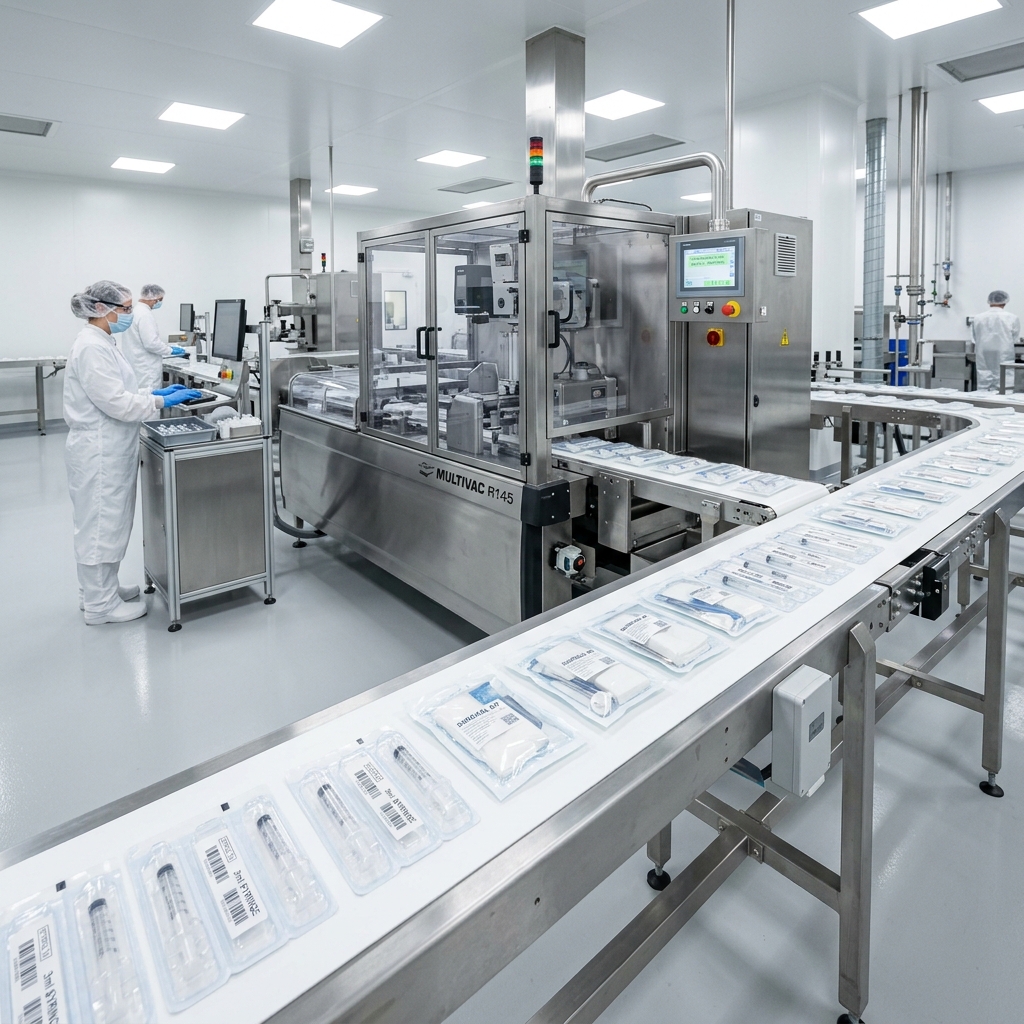
Illustration: RivCut
Medline has fifteen business days to respond to the FDA with a corrective action plan. The agency can escalate to consent decrees, import alerts, or production shutdowns if the response is inadequate. Given that this is the second warning in two months, the FDA is likely to scrutinize Medline's entire quality infrastructure, not just the two cited facilities.
The bigger question is whether Medline's customers — hospitals, surgery centers, pharmaceutical companies — start shifting orders to competitors while the company works through remediation. Medical device buyers do not wait for FDA enforcement actions to move volume. They move when they see a pattern.
For the rest of the industry, this is a stress test of how well your own quality systems would hold up under the same inspection standard. If you cannot explain your contamination controls, your environmental monitoring program, and your corrective action process in plain language to an FDA investigator, you have work to do before they show up. Read more medical manufacturing news to stay ahead of regulatory trends that affect component suppliers.
We should watch for FDA consent decrees. A consent decree is a legal agreement approved by a federal judge. It can force a company to shut down factories and pay heavy fines. The FDA can also appoint an independent auditor to run the plants. Remediation under a consent decree can take years. It can cost tens of millions of dollars. If the FDA pushes for a consent decree against Medline, it will create a massive supply shortage for U.S. hospitals. Sourcing managers should prepare by qualifying secondary suppliers now.
Finally, watch the impact on medical device distributors. Medline is a major distributor of products made by other companies. If the FDA restricts Medline's operations, those third-party products could also face delays. This would ripple through the entire healthcare supply chain. Sourcing teams should check if their critical medical devices are distributed by Medline. If they are, you should identify alternate distribution channels to ensure you can get the parts you need without interruption.
Frequently Asked Questions
Why did the FDA issue another warning letter to Medline Industries?
The FDA issued the warning letter due to repeat microbial contamination at Medline's drug manufacturing facility in Waukegan, Illinois. Inspectors found Bacillus cereus bacteria in finished products on nine occasions and cited the company for failing to conduct proper root-cause investigations.
What is Bacillus cereus and why is it dangerous in medical products?
Bacillus cereus is a type of bacteria that can produce toxins. In medical products, especially injectables or sterile devices, bacterial contamination can cause serious infections in patients, potentially leading to severe illness or death.
What was the focus of the previous FDA warning letter to Medline in March?
The March warning letter focused on manufacturing defects in syringes at a Medline facility in New York. The repeated warnings within 60 days suggest systemic quality control issues across multiple Medline manufacturing sites.
How should medical component manufacturers respond to this news?
Manufacturers should review their own quality management systems. They must ensure they have thorough environmental monitoring, clear cleaning protocols, and a closed-loop system for investigating and resolving quality failures.
Two warning letters in sixty days suggests systemic failures in how a large supplier manages quality across multiple sites.