What happened
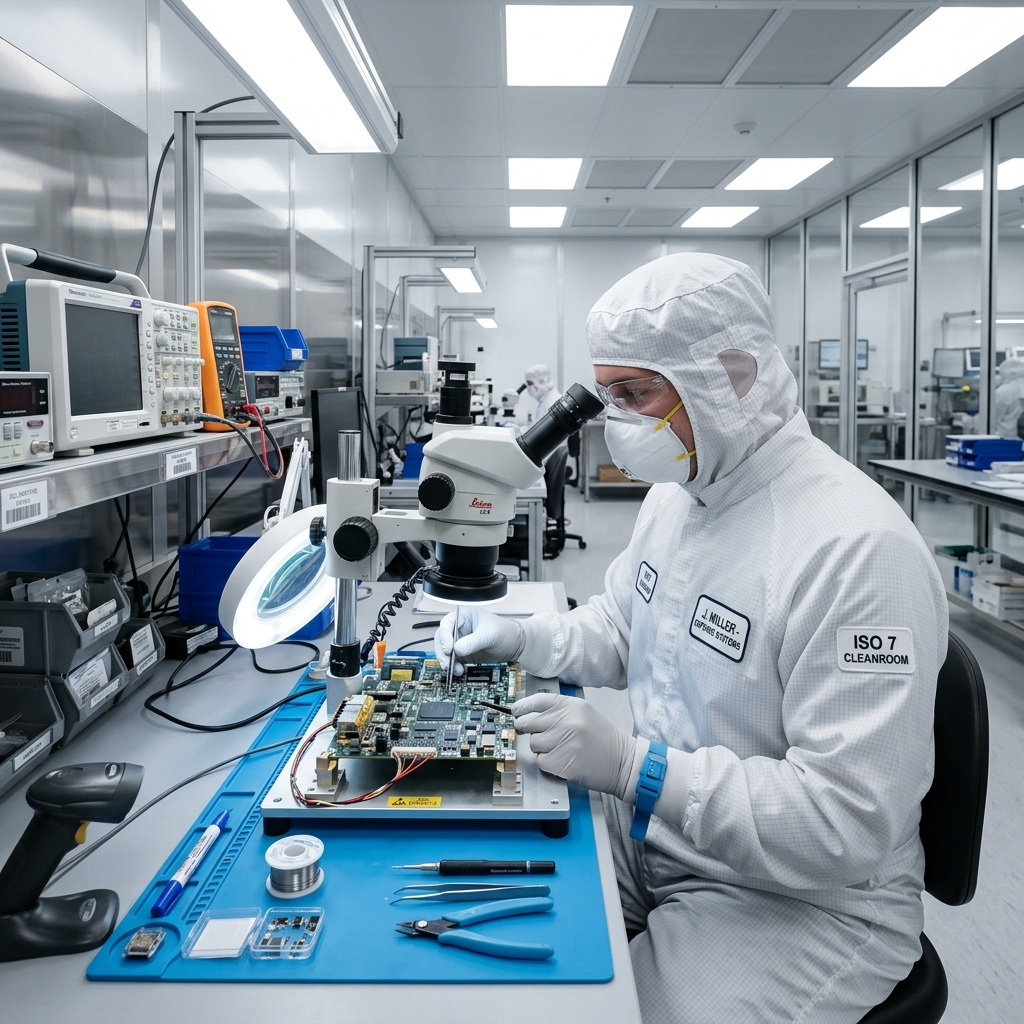
Illustration: RivCut
India's government appointed General NS Raja Subramani as the next Chief of Defence Staff, according to The Economic Times. He replaces General Anil Chauhan in the role that coordinates India's Army, Navy, and Air Force. The announcement came May 9, 2026. This appointment is a major step for the nation's military leadership. It comes at a time when India is facing new security challenges in the region.
Subramani's new position carries two explicit priorities. First, he must implement theater commands. This reorganizes India's military structure along geographic and functional lines. Second, he must advance the government's 'Make in India' push for defense manufacturing. His background includes years working on capital procurement. This is the process that determines how India's armed forces buy equipment. It covers everything from basic rifles to advanced aircraft carriers.
Theater commands represent the most significant reorganization of India's military since independence. Currently, the Army, Navy, and Air Force have their own separate command structures. This can make coordination difficult. The theater command concept collapses service-specific commands into joint structures. Army, Navy, and Air Force units will report to a single commander based on mission type or geography. This shift requires new equipment standards, shared logistics, and interoperable systems. Domestic suppliers could gain traction if procurement rules favor local manufacturing.
The transition to joint commands is a long process. It requires changing decades of military tradition. General Subramani will need to build consensus among the different services. He will also need to make sure that the transition does not weaken India's defense readiness. The government believes that joint commands are essential for modern warfare. They allow the military to respond quickly to threats. The new Chief of Defence Staff will be responsible for making this vision a reality.
Why it matters for manufacturers
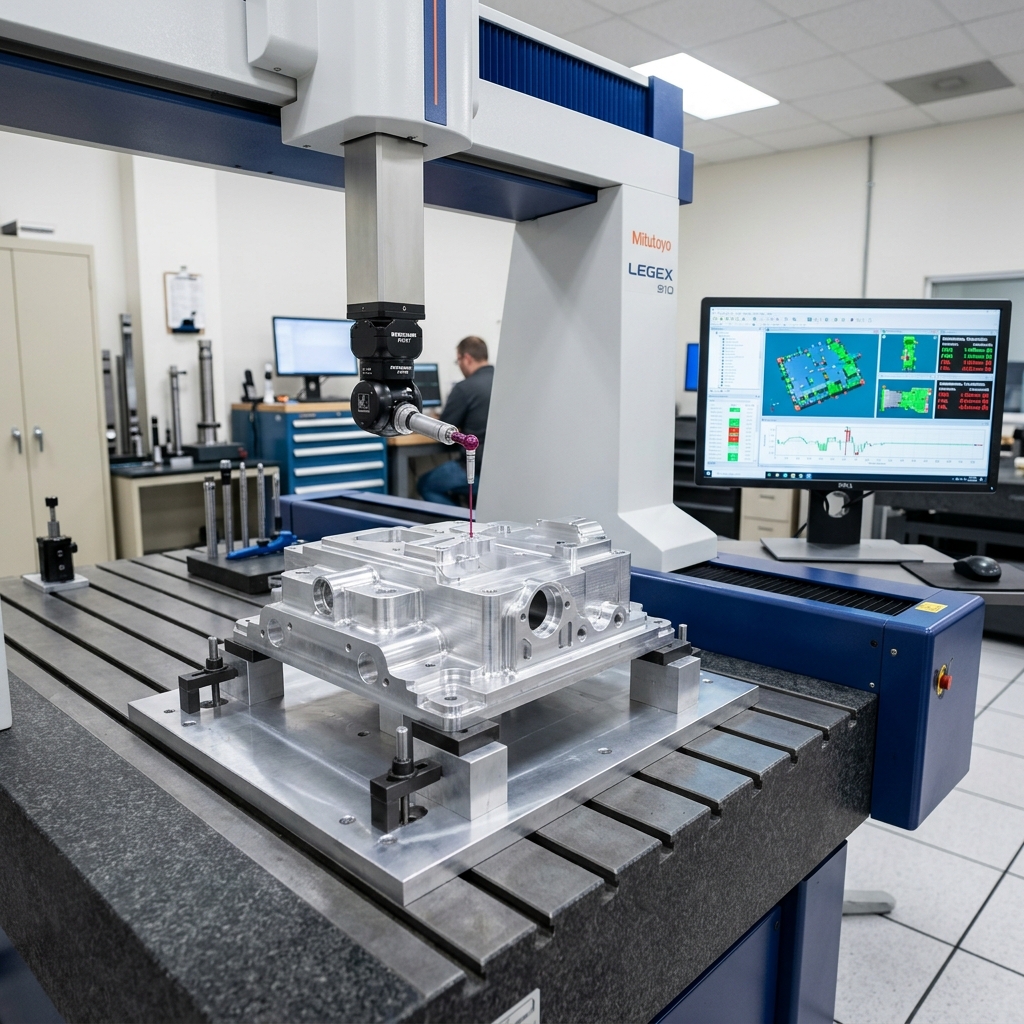
Illustration: RivCut
Subramani's track record on procurement reform matters more than his title. Officers who have spent careers navigating India's defense acquisition bureaucracy understand its friction points. These include multi-year approval cycles, shifting technical specifications, and preference systems that often favor established foreign contractors. If the new Chief of Defence Staff uses his authority to streamline capital procurement, machine shops with defense machining credentials could see shorter qualification timelines.
The 'Make in India' mandate is not new. The government launched it in 2014, but enforcement has been uneven. Some programs require domestic content percentages that sound ambitious on paper but allow foreign manufacturers to claim compliance through minimal local assembly. Others set technical standards so narrow that only one or two suppliers worldwide can bid. The difference between paper policy and actual contracts comes down to how military leadership interprets procurement rules.
Theater command implementation creates a different kind of opportunity. Reorganizing command structures means updating everything from communications hardware to vehicle maintenance protocols. The Indian Air Force alone operates more than 30 aircraft types. Consolidating maintenance across services could drive demand for standardized tooling, inspection systems, and spare parts. If procurement favors domestic sources, that is new work. If it does not, it is the same foreign suppliers in new organizational charts.
Domestic shops must prepare to meet strict quality standards. Sourcing defense parts requires high precision. Machine shops must show they can produce parts that match international standards. This means investing in new machinery and quality control tools. Shops that already have certifications will be in a good position. They can quickly bid on new contracts as they become available.
The real test will be whether Subramani's tenure produces measurable changes in contract awards. India's defense budget is one of the largest in the world. A significant portion of this budget is earmarked for capital procurement. How much of that flows to domestic manufacturers depends on implementation, not intention. Machine shops watching this space should track procurement tender releases, not just policy announcements.
Another factor is the development of a local supply chain. Sourcing raw materials locally can help manufacturers reduce costs and lead times. It also helps them comply with domestic content rules. However, building a local supply chain for specialized materials like titanium or carbon fiber is difficult. General Subramani will need to support initiatives that help local material suppliers expand their capacity. This will make the entire manufacturing ecosystem more resilient.
What to watch next
Illustration: RivCut
Theater command rollout timelines will signal how quickly procurement patterns might shift. The government has discussed creating several theater commands. These include northern, western, maritime, air defense, and logistics commands. Each command will need its own supply chain decisions. If those decisions favor domestic suppliers with established quality systems, shops holding AS9100 or NADCAP certifications gain an edge. If they default to existing foreign contractors, nothing changes.
Pay attention to offset policy updates. India requires foreign defense contractors to reinvest a percentage of contract value in domestic manufacturing. This is the offset obligation. How strictly the Defence Staff enforces those requirements affects whether foreign prime contractors genuinely develop Indian suppliers or simply route paperwork through local offices. Subramani's approach to offset compliance will matter more than his public statements about Make in India.
Watch for changes in indigenization lists. These are the documents specifying which defense items must be sourced domestically. The Ministry of Defence publishes these lists, but military leadership influences which items get added. Expanded lists mean new opportunities. Stagnant lists mean business as usual. For U.S. machine shops, the practical impact runs through partnership potential. Indian manufacturers looking to qualify for defense work may need precision machining partners who can meet NATO or U.S. military specifications that India often references.
The broader question is whether India's defense procurement reforms will accelerate. Or will they continue their decade-long pattern of incremental progress? Subramani's appointment suggests the government wants faster movement. Whether the bureaucracy cooperates is a separate issue. Manufacturers should plan for the procurement system as it exists today. They should also monitor whether this leadership change produces new contract opportunities. We will watch these developments closely in the coming months.
We should also watch how the Indian military adopts new technologies. Modern warfare relies heavily on drone systems, cyber defense, and AI-driven logistics. Sourcing these advanced technologies domestically is a priority. This opens doors for tech startups and advanced manufacturers. General Subramani is likely to support joint ventures between domestic private firms and foreign technology leaders. These partnerships can help transfer critical technology to India, boosting local manufacturing capabilities.
Finally, track the funding for defense R&D. The government is pushing for more domestic research and development. This helps design weapons that can be manufactured locally from the start. If the military funds more R&D projects with private firms, it will create long-term opportunities for manufacturers. Designing a product in India is the best way to ensure it is manufactured in India.
Frequently Asked Questions
Who is General NS Raja Subramani and what is his new role?
General NS Raja Subramani is the new Chief of Defence Staff for India. In this role, he coordinates the operations of the Army, Navy, and Air Force. He succeeds General Anil Chauhan.
What are theater commands in the Indian military?
Theater commands combine the units of the Army, Navy, and Air Force under a single commander. This helps the different military branches work together more effectively during operations.
How does this appointment affect defense manufacturers under the Make in India initiative?
General Subramani has a strong background in capital procurement. If he simplifies procurement rules, it will make it easier for domestic machine shops to win defense contracts.
What qualifications do shops need to supply parts for Indian defense contracts?
Shops often need certifications like AS9100 or NADCAP. These show that the shop meets high quality and safety standards for manufacturing military and aerospace components.
The difference between paper policy and actual contracts comes down to how military leadership interprets procurement rules.