What happened
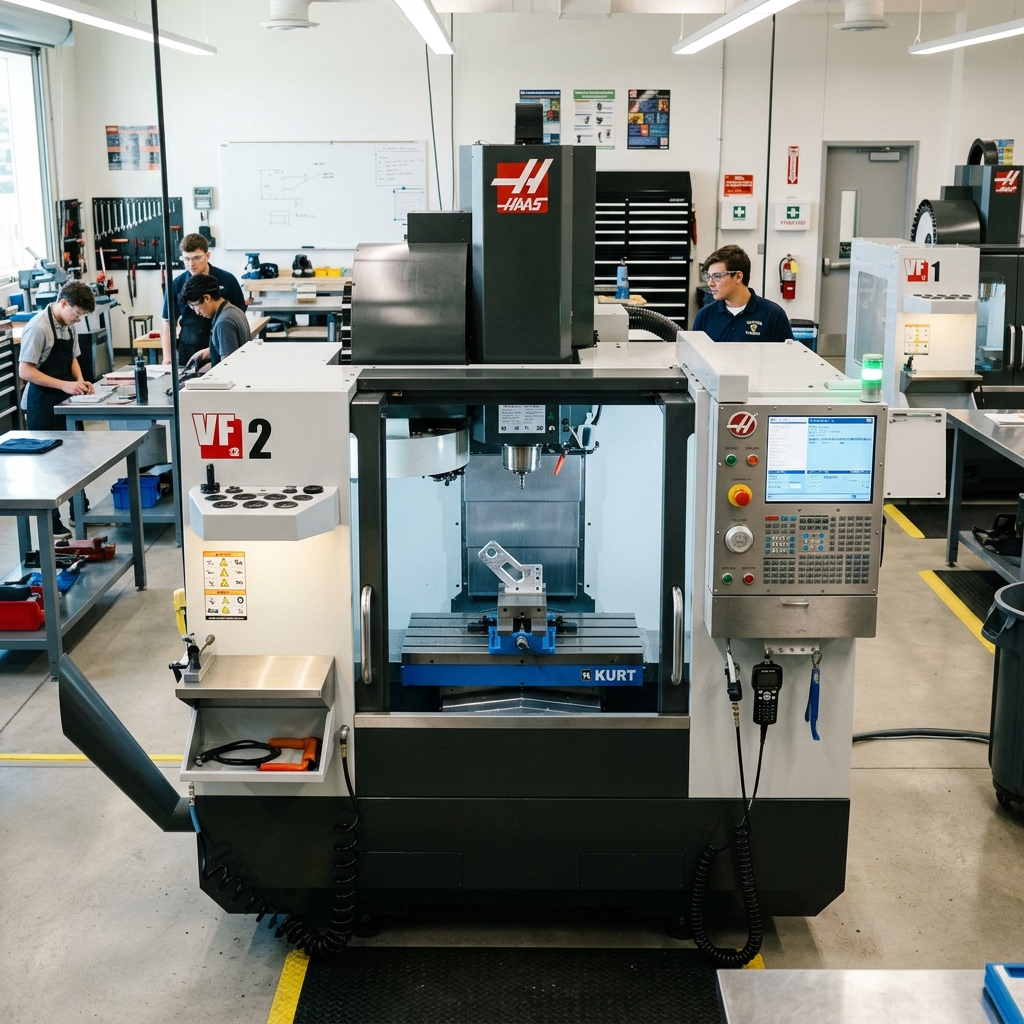
Illustration: RivCut
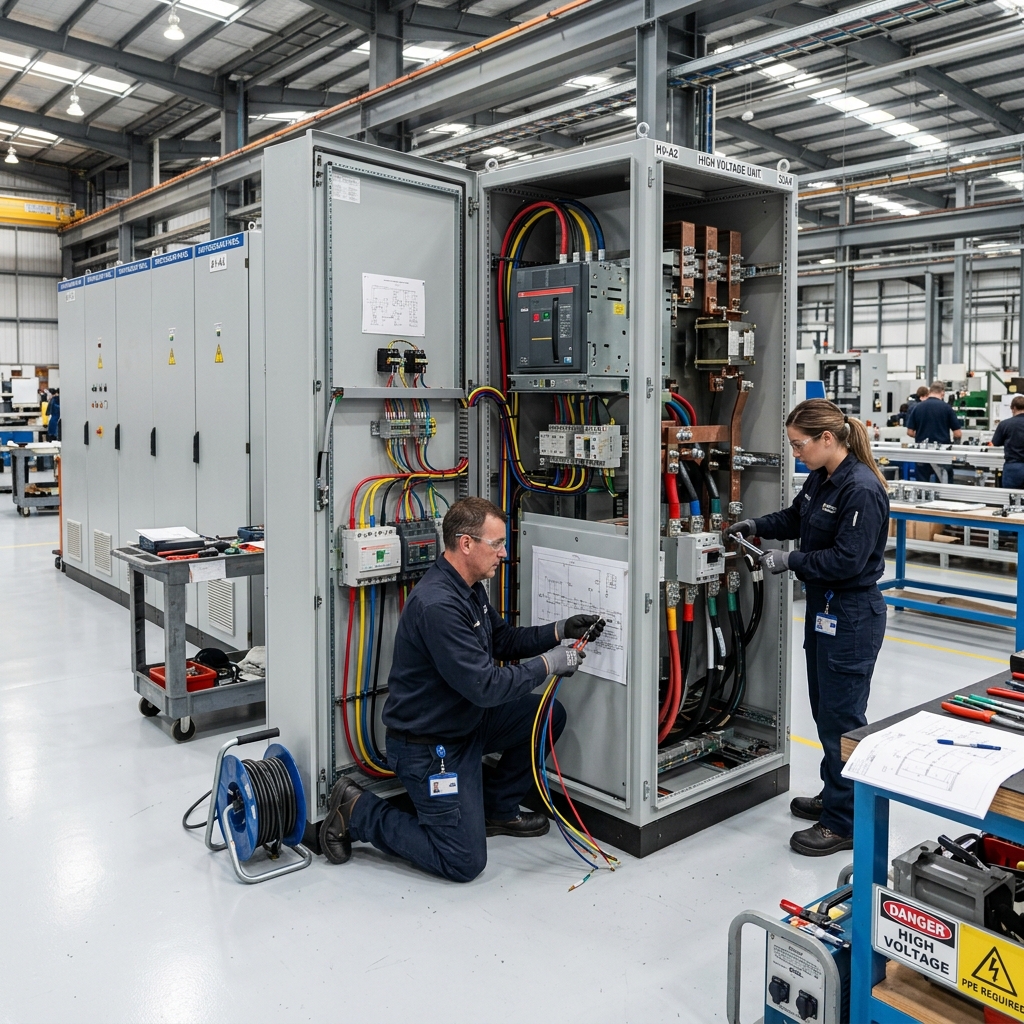
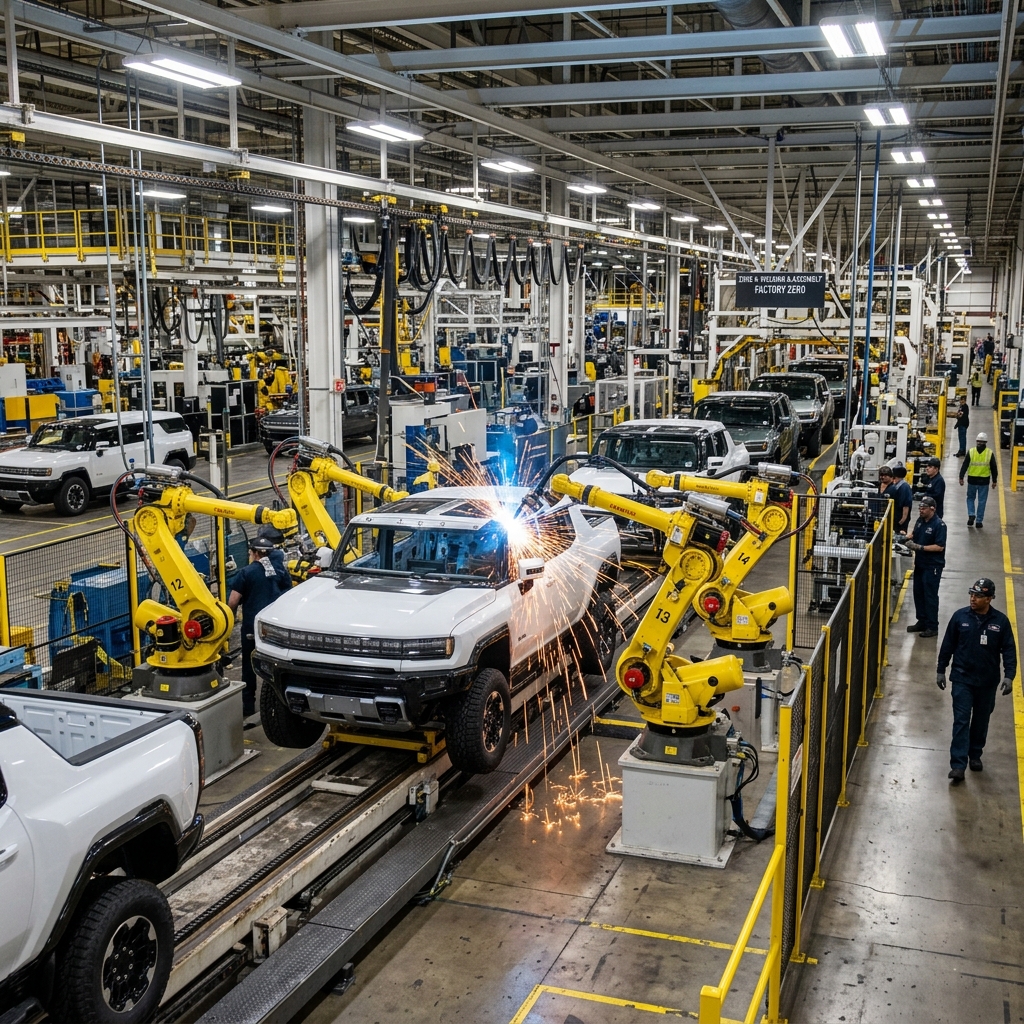
Bloomberg Philanthropies awarded the City of Houston a $17 million grant to expand skilled trades career pathways in manufacturing, logistics, and petrochemical production. The funding will build direct pipelines between Houston-area high schools and industrial employers, targeting precision machinists, ASME-certified welders, and logistics technicians. According to the Greater Houston Partnership, demand for these roles has reached record levels across the region's industrial base.
The initiative bypasses traditional community college structures in favor of employer-embedded training programs. Students will complete dual-credit coursework while logging hours in actual production environments, earning stackable credentials recognized by regional manufacturers. The model aims to produce shop-ready workers within 18 months of high school graduation rather than requiring four-year degrees or lengthy apprenticeships.
Houston's petrochemical corridor, which stretches east from the Ship Channel through Baytown and Texas City, employs over 63,000 workers in manufacturing and processing roles. The region produces 45% of the nation's base petrochemicals and hosts the largest concentration of refineries in North America. As Baby Boomer machinists and pipe fitters retire, companies like LyondellBasell, Chevron Phillips, and INEOS have reported unfilled positions extending past 120 days, a timeline that disrupts maintenance cycles and capital project schedules.
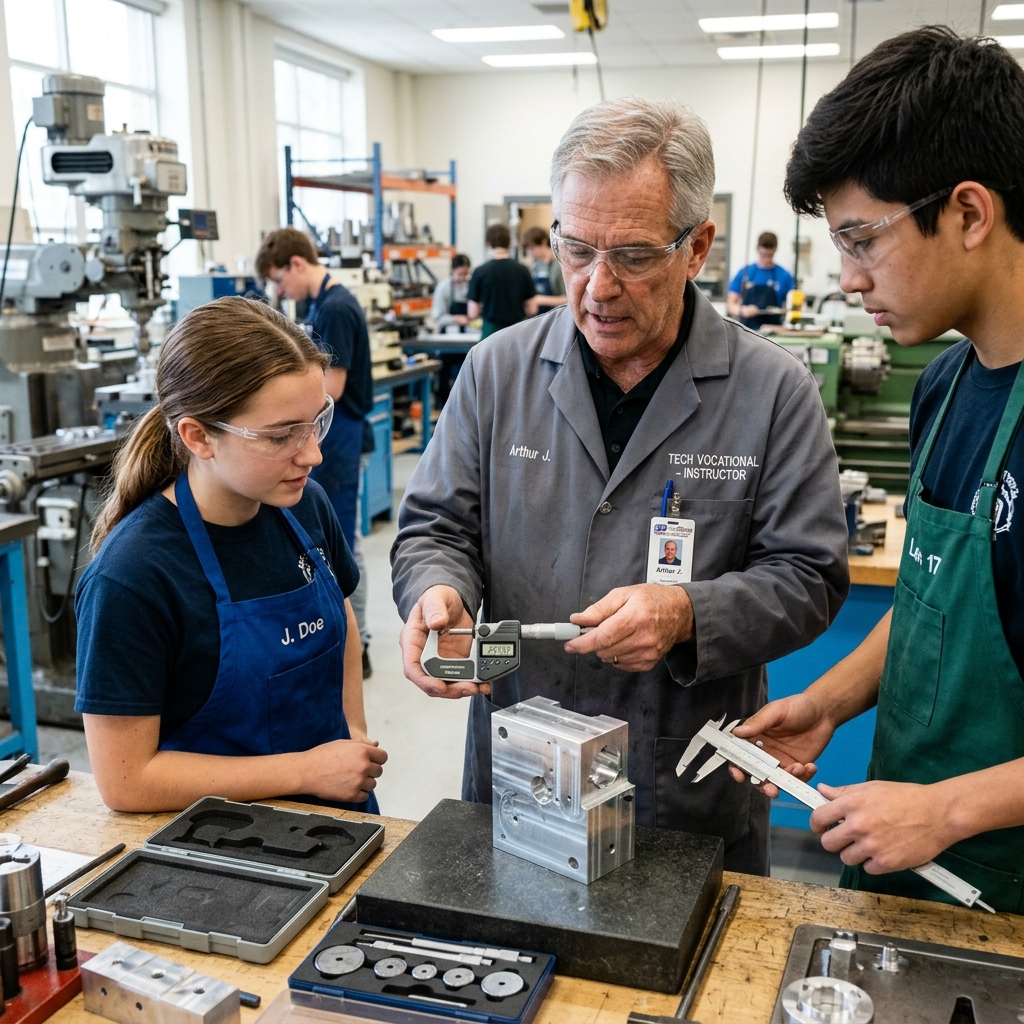
The grant will fund equipment purchases for five Houston Independent School District campuses, including CNC mills, welding stations compliant with API 1104 pipeline standards, and metrology labs equipped with coordinate measuring machines. Partner employers have committed to rotating supervisors through instructor roles and guaranteeing interview slots for program graduates. Unlike earlier workforce initiatives that relied on general manufacturing awareness, this program requires employer sign-off on curriculum content and skill benchmarks before students advance.
The Greater Houston Partnership identified logistics technicians as a parallel priority. The Port of Houston moved 2.1 million TEUs in 2025, and container volume is projected to grow 6.8% annually through 2030. Automated yard systems and intermodal terminals require technicians fluent in programmable logic controllers, hydraulic systems, and inventory management software. The grant allocates funding for simulator-based training that mirrors the equipment configurations used at Barbours Cut and Bayport terminals.
Why it matters for manufacturers
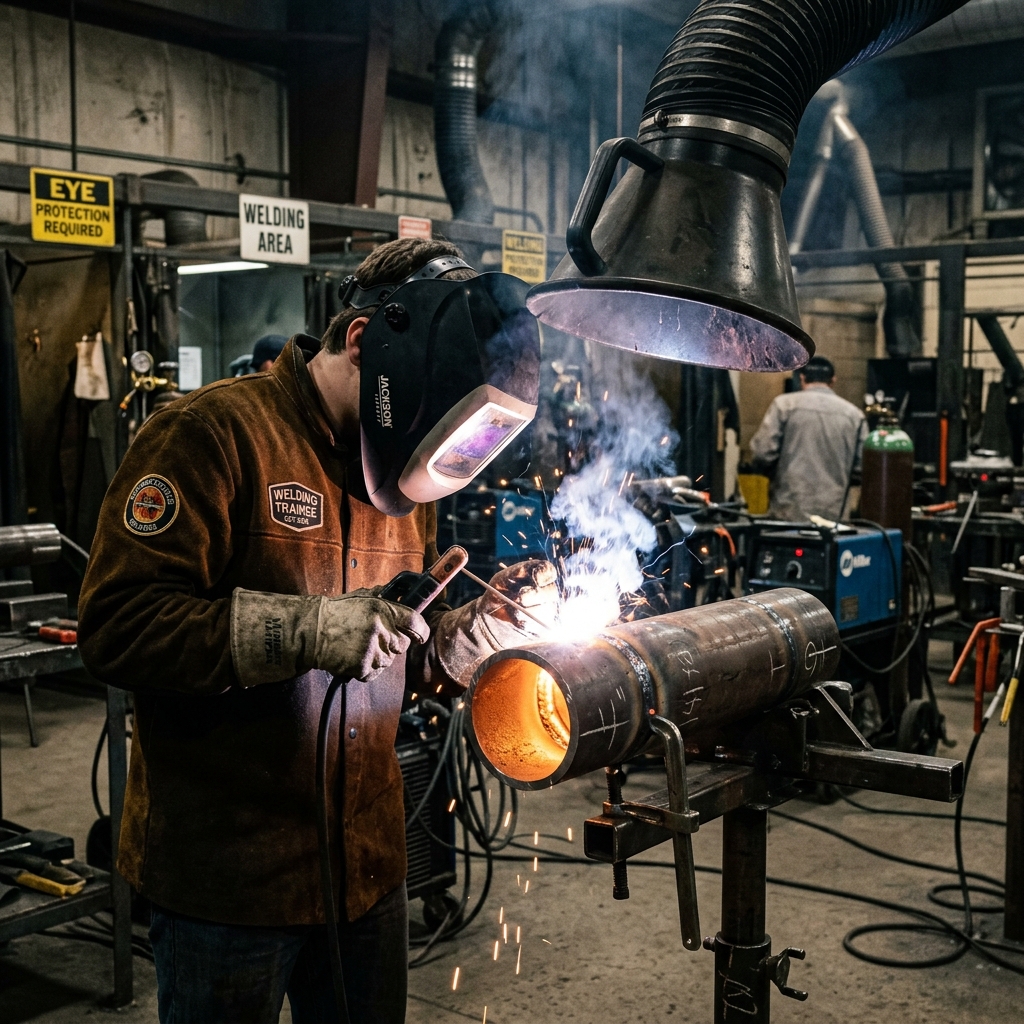
Illustration: RivCut
This funding model signals a broader shift in how industrial regions address workforce shortages. Instead of competing for mobile talent or waiting for federal policy changes, Houston is building capacity at the source. For procurement teams and production managers, that matters because labor availability directly affects lead times, quality assurance capabilities, and supplier reliability. When a machine shop in Pasadena or a fabricator in Deer Park cannot staff second shift, your delivery schedule slips.
The 18-month timeline is aggressive but realistic for specific skill sets. A precision machinist does not need differential equations to set up a Haas VF-2 and hold ±0.0005-inch tolerances on aluminum brackets. They need geometric dimensioning and tolerancing fluency, toolpath logic, and enough trigonometry to calculate offsets. Welding certifications for 6G pipe positions require muscle memory and metallurgical understanding, not academic credentials. By aligning training duration with actual skill requirements, Houston avoids the credential inflation that has plagued other workforce programs.
Employer-embedded training also reduces the mismatch between classroom instruction and shop floor reality. CNC programs that teach Mastercam without corresponding machine time produce students who can generate toolpaths but cannot recognize chatter, diagnose tool wear, or adjust feeds based on material hardness. Welding students who practice only on carbon steel coupons struggle when they encounter stainless pipe with helium backing gas requirements. Direct employer involvement ensures that training matches the alloys, processes, and quality standards students will face in production.
The regional concentration of petrochemical and energy infrastructure creates network effects that make Houston's approach particularly viable. A welder certified to API 1104 standards can move between pipeline contractors, refinery maintenance crews, and fabrication shops without retraining. A machinist trained on Fanuc controls at one facility can transfer those skills across dozens of Houston-area manufacturers running similar equipment. This labor mobility benefits both workers and employers, reducing the lock-in risk that sometimes accompanies company-specific training investments.
For procurement professionals sourcing low-volume production runs or custom fabrication, workforce depth in supplier regions matters as much as quoted lead times. A machine shop that can hire and retain qualified machinists will deliver more consistent quality and respond faster to engineering changes than one constantly training new hires. The difference shows up in first-article inspection results, on-time delivery percentages, and the supplier's ability to absorb urgent requests without sacrificing existing commitments.
Houston's logistics focus also addresses a bottleneck that affects manufacturers nationwide. Container dwell times at U.S. ports increased 22% between 2020 and 2025, driven partly by labor shortages among terminal operators, drayage coordinators, and customs processors. Training technicians who can maintain automated stacking cranes, troubleshoot terminal operating systems, and manage intermodal transfers reduces congestion that ripples through supply chains. Faster port throughput means shorter ocean freight transit times and more predictable material availability for production planning.
What to watch next
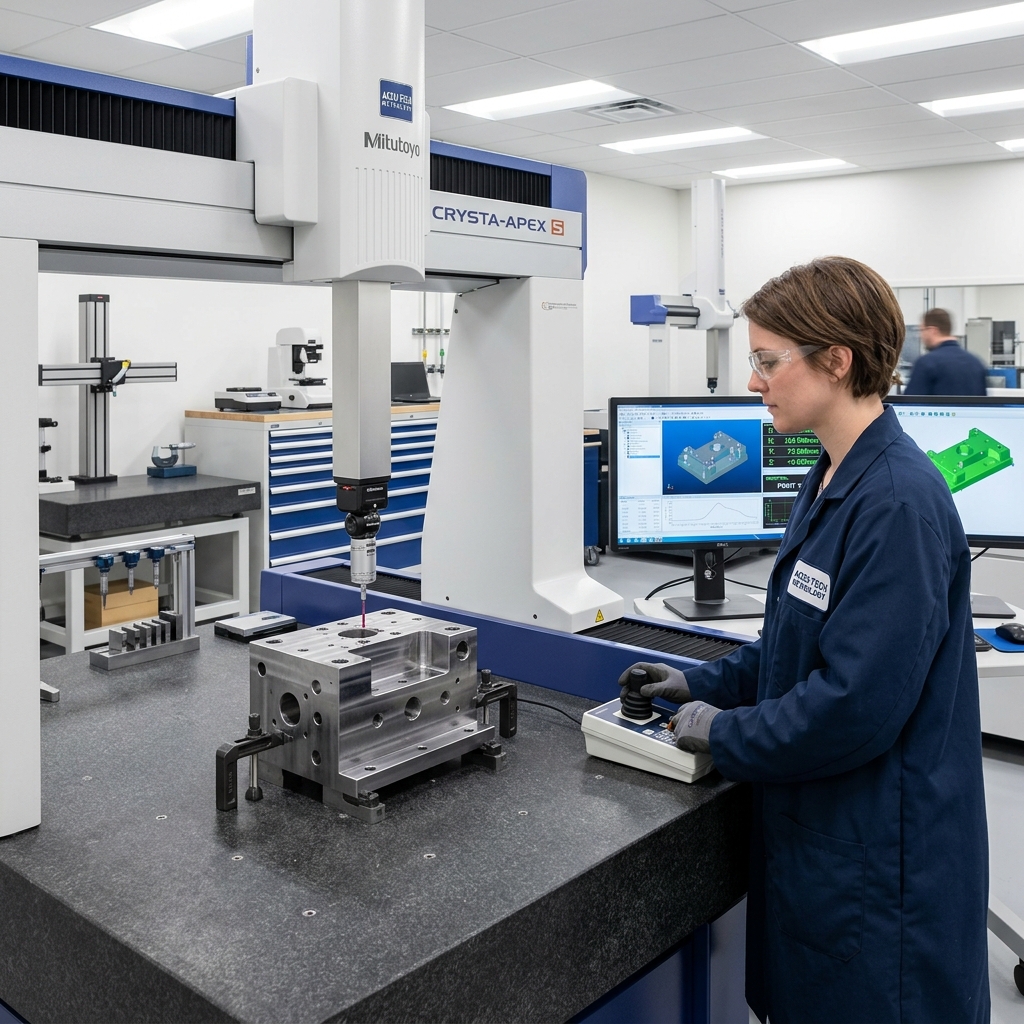
Illustration: RivCut
The real test will be employer follow-through. Workforce partnerships often fail when companies treat training programs as talent pipelines without committing resources to curriculum development, instructor rotations, or guaranteed hiring. If Houston manufacturers view this grant as outsourced HR rather than a collaborative investment, the initiative will produce graduates who lack the specific skills employers actually need. Watch for announcements about which companies are dedicating engineering and production personnel to teaching roles, not just signing memorandums of understanding.
Credential portability will determine whether this model scales beyond Houston. If the welding and machining certifications earned through these programs satisfy requirements in other industrial regions, the blueprint becomes exportable to the Midwest manufacturing corridor, the Carolinas automotive belt, or California aerospace clusters. If credentials remain Houston-specific or tied to individual employer standards, the workforce remains geographically locked and less valuable to both workers and the broader manufacturing ecosystem.
Equipment depreciation timelines also matter. CNC mills and welding stations funded by this grant will age out in seven to ten years, depending on usage intensity. Sustainable programs require either refresh funding or mechanisms for employers to donate used but functional equipment as they upgrade production floors. The Bloomberg grant covers initial capital, but ongoing operational funding will likely depend on state workforce development budgets or employer contributions. Programs that rely on one-time grants often collapse once equipment needs replacement.
The petrochemical industry's transition toward hydrogen production and carbon capture will reshape Houston's skill requirements over the next decade. Welders will need certifications for high-pressure hydrogen piping that meets ASME B31.12 standards. Machinists will fabricate components for CO2 compression systems operating at pressures exceeding 2,200 psi. If this training program builds adaptability into its curriculum rather than optimizing solely for today's refinery configurations, it will remain relevant as the energy mix evolves. If it trains narrowly for legacy processes, graduates will face obsolescence within a decade.
Other industrial metros are watching. The Greater Houston Partnership's structure as a business-led economic development organization gives this initiative credibility that government-only workforce programs sometimes lack. If Houston demonstrates measurable improvements in time-to-hire, retention rates, and employer satisfaction by 2028, expect similar models in Pittsburgh, Birmingham, and Baton Rouge. If results disappoint, the philanthropic funding model for vocational education will face skepticism that could delay workforce solutions for years.
For now, Houston has capital and attention. Whether that translates into a sustainable pipeline of shop-ready machinists, welders, and logistics technicians depends on execution details that grant announcements rarely specify. The manufacturing labor shortage has persisted long enough that symbolic initiatives no longer move the needle. This program will be judged by how many 19-year-olds can set up a four-jaw chuck, lay a 6G stainless pipe bead, or diagnose a PLC fault without supervision. Everything else is just press release material.
Read more analysis on manufacturing workforce and supply chain developments in our US Manufacturing News section.
Frequently Asked Questions
What is the goal of the Bloomberg grant in Houston?
Answer: The grant aims to expand vocational training and apprenticeship programs to help high school students and career changers enter high-paying skilled trades.
Why is there a shortage of skilled machinists and welders?
Answer: An aging workforce is retiring, and fewer young people have entered vocational fields in recent decades, creating a talent gap as manufacturing demand rises.
How do modern apprenticeships differ from traditional trade schools?
Answer: Apprenticeships combine classroom learning with paid, on-the-job training at local companies, allowing students to earn a living while mastering their trade.
What role does digital technology play in modern vocational training?
Answer: Students learn digital skills like CAD/CAM programming, CNC machine operation, and 3D printing alongside traditional manual techniques.
Labor availability affects lead times and supplier reliability more than most procurement teams admit.