What happened
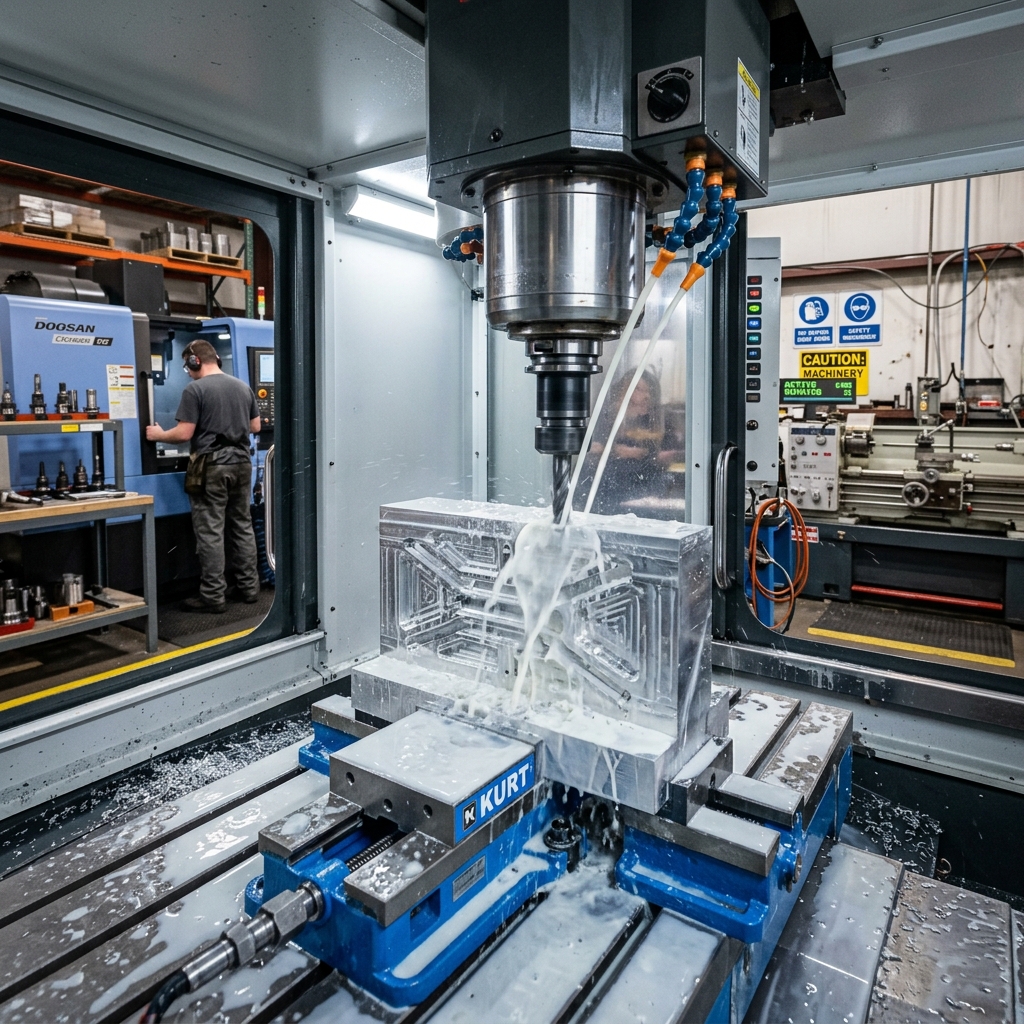
Illustration: RivCut
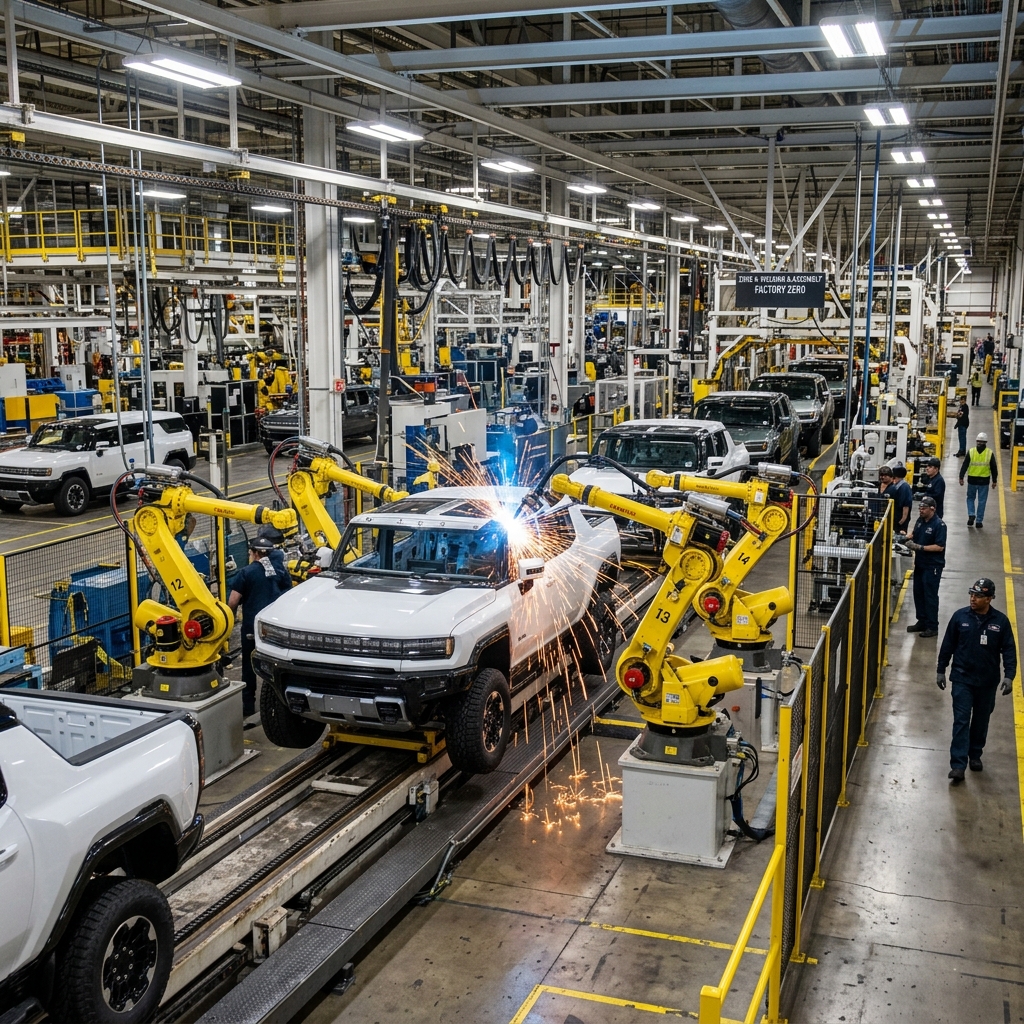
The race to build artificial intelligence infrastructure is creating unprecedented demand across the industrial manufacturing base. Manufacturing Dive reported that suppliers of mechanical components, heavy electrical systems, switchgear, liquid-cooling manifolds, and metal hoses are now managing order backlogs they've never seen before. The immediate driver is hyper-scale data center construction, facilities designed specifically to run the massive computational loads required for training and deploying large language models and other AI workloads.
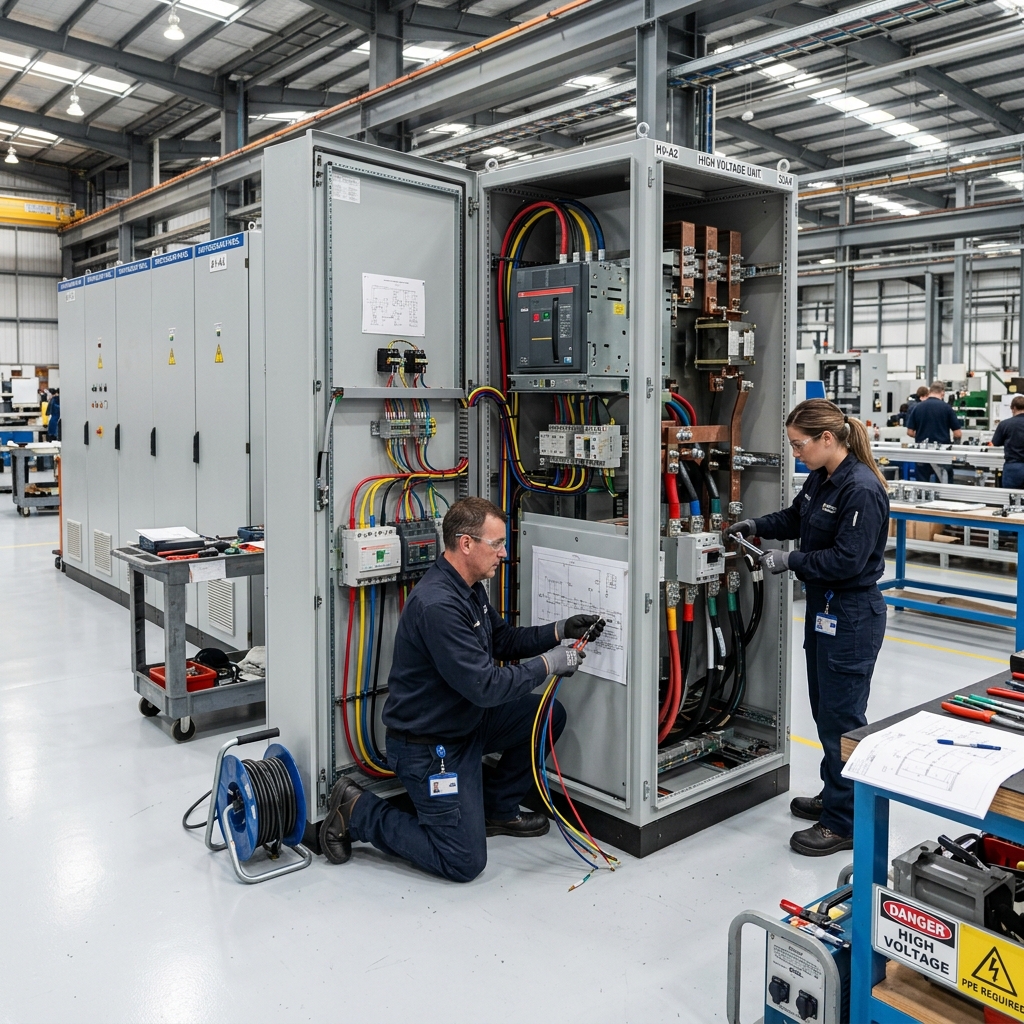
Industrial giants like Siemens, ABB, and Eaton are operating production lines at maximum throughput to deliver high-voltage power distribution equipment. These systems are fundamentally different from traditional data center infrastructure. AI compute clusters require far more electrical capacity per square foot, often demanding custom switchgear rated for continuous loads that would have been considered industrial overkill just three years ago. A single AI training cluster can draw as much power as a small steel mill, and the electrical distribution hardware must be engineered to handle that sustained load without failure.
Smaller, specialized manufacturers are feeling the pressure even more acutely. Southeastern Hose, a producer of custom metal hose assemblies and flexible connectors, has experienced what company representatives describe as a massive influx of orders for critical cooling lines. These are not commodity parts. Each assembly must meet exact dimensional tolerances, pressure ratings, and material specifications. The cooling systems for AI server racks increasingly rely on liquid rather than air, and the manifolds, quick-disconnects, and pressure-rated hoses are precision-machined components that require dedicated tooling and rigorous inspection protocols.
The shift in demand is also changing what gets prioritized on the shop floor. Manufacturers that previously balanced a mix of commercial, industrial, and infrastructure orders are now allocating capacity to data center projects first. Lead times for certain classes of electrical enclosures have stretched from eight weeks to sixteen. Custom metalwork for cooling distribution headers, once a specialty item ordered in small batches, is now moving into higher-volume production runs that still require the same per-unit attention to quality and finish.
Material sourcing has become a secondary bottleneck. Stainless steel tubing, copper bus bars, and specialized alloys used in high-temperature or high-vibration applications are seeing tighter availability. Suppliers report that mills are running long lead times on certain grades, and buyers are locking in contracts months ahead to secure volume. The procurement teams at data center construction firms are competing with aerospace, defense, and traditional industrial buyers for the same raw materials, driving up costs and forcing manufacturers to hedge their material pipelines more aggressively than usual.
Why it matters for manufacturers
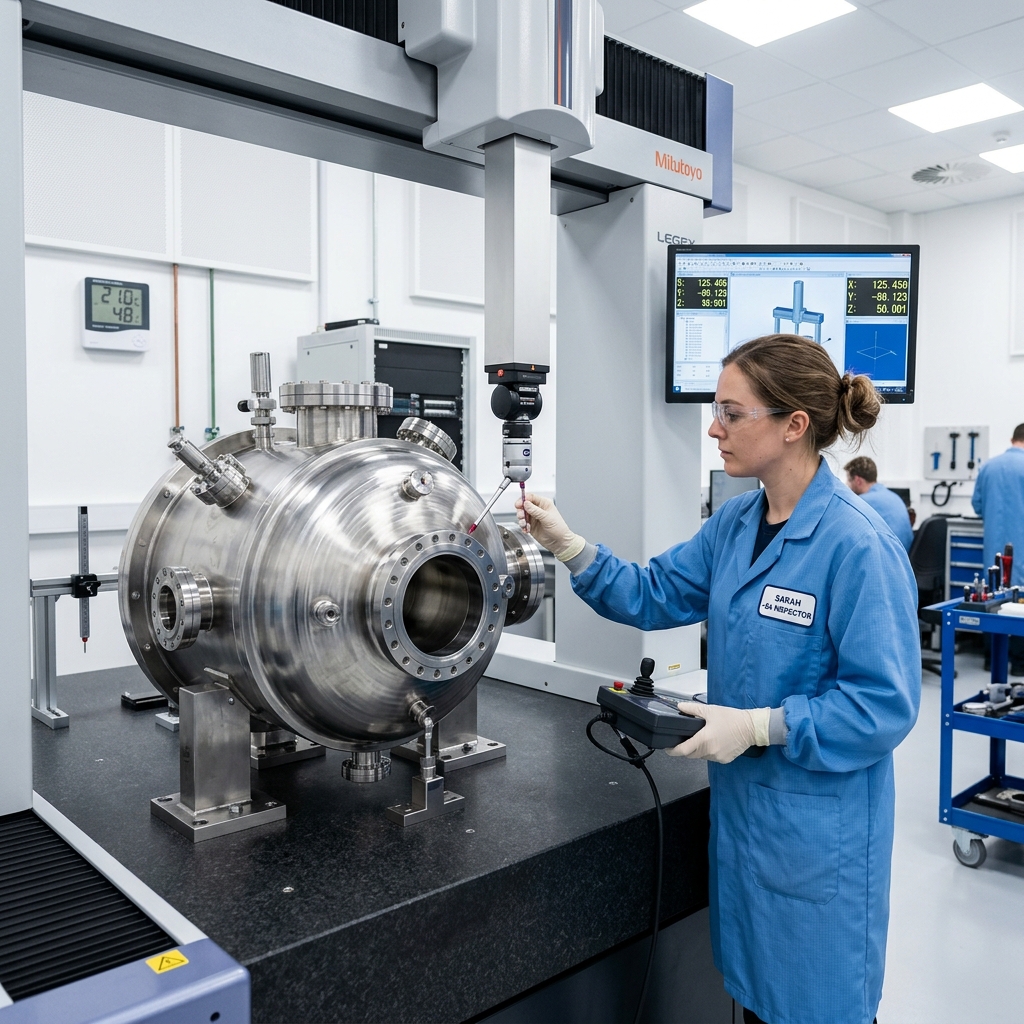
Illustration: RivCut
This wave of orders is exposing the difference between shops that can scale quality and shops that just scale volume. Data center operators are not forgiving customers. A failed cooling line or a mis-spec'd electrical enclosure can take down millions of dollars of compute capacity and delay project timelines that are already under intense scrutiny from executive teams and investors. That means every component leaving the factory has to meet print, every time. Manufacturers without robust CMM inspection and QA processes are either declining work or discovering very expensive failures in the field.
The demand is also clarifying which manufacturers have the engineering depth to handle custom, high-stakes work. A liquid cooling manifold for an AI server rack is not a catalog item. It requires design collaboration with the mechanical engineers specifying the system, material selection based on thermal expansion coefficients and corrosion resistance, and machining to tolerances that leave no room for interpretation. Shops that can turn around prototypes quickly, validate them under pressure and temperature, and then move into controlled production runs are the ones getting repeat orders. The work favors precision over speed, and it rewards manufacturers who invested in metrology equipment and process documentation.
Lead time inflation is another reality that procurement teams are now pricing into their schedules. If you are sourcing components for a project breaking ground in Q3 of 2027, you are placing orders now. That extended visibility is helpful for capacity planning, but it also locks manufacturers into delivery commitments that assume stable material supply and no major disruptions in the tooling or labor pipeline. Shops running lean inventories are finding they need to carry more safety stock of certain raw materials, which ties up working capital and increases the risk of obsolescence if specifications change mid-project.
For machine shops considering whether to chase this market, the calculus is not simple. Data center work pays well, but it comes with contractual penalties for late delivery and zero tolerance for out-of-spec parts. It also tends to be lumpy. A builder might order 500 custom brackets in June and then go silent for four months while the next phase of construction gets financed and permitted. Manufacturers need enough diversification in their customer base to absorb that lumpiness without idling expensive equipment or laying off skilled machinists they will need again in Q1.
There is also the question of what happens when the build-out slows. Right now, every major cloud provider and several well-funded startups are racing to deploy AI compute capacity. That urgency is real, but it is being driven by a specific moment in the technology adoption curve. If the pace of new model training plateaus, or if utilization rates on existing infrastructure turn out to be lower than projected, the order flow could decelerate quickly. Manufacturers who tooled up specifically for data center work may find themselves with excess capacity and sunk costs in specialized fixtures and inspection gear that does not transfer easily to other markets.
The smarter play for most shops is to treat data center orders as a complement to a diversified production mix, not a replacement for it. If you can deliver low-volume production runs of high-precision metal components with documented traceability and rigorous QA, data center work fits naturally into your existing capabilities. You do not need to become a data center specialist. You just need to be a manufacturer who does not cut corners, even when the customer is in a hurry.
What to watch next
Illustration: RivCut
The most immediate indicator to monitor is lead time creep on raw materials. If you are a buyer of stainless tube, copper bar stock, or aluminum plate, track your supplier's quoted lead times week to week. When those start extending beyond historical norms, it is a signal that upstream capacity is tightening and you need to adjust your procurement strategy. Some manufacturers are already moving to blanket purchase orders with scheduled releases, locking in material at known prices and delivery windows rather than ordering spot every time a job hits the schedule.
Labor availability is the other constraint that has not fully surfaced yet. Running plants at maximum capacity sounds straightforward until you need to add a third shift or extend weekend overtime for six months straight. Skilled welders, CNC machinists, and quality inspectors are already in short supply in many regional markets. If data center construction stays hot into 2027, manufacturers will face a choice between paying significant wage premiums to attract and retain talent, or turning down work because they cannot staff the production lines. Some shops are already exploring partnerships with technical colleges and apprenticeship programs, but those pipelines take years to mature.
Watch also for signs of specification creep. As data center operators gain more experience with liquid cooling and high-density power distribution, they will refine their requirements. That could mean tighter tolerances, more exotic materials, or additional testing and certification requirements. Each of those changes adds cost and complexity to manufacturing, and not every shop will be willing or able to keep up. The manufacturers who stay close to their customers' engineering teams and participate in design reviews early will have a better chance of adapting without major retooling.
Contract terms are another area worth scrutiny. Data center projects operate on aggressive timelines with milestone-based payments and liquidated damages clauses. If you agree to deliver 300 custom cooling assemblies by a specific date and you miss it by two weeks because your material supplier was late, you might be on the hook for penalties that wipe out your margin on the entire job. Reading the fine print and negotiating realistic delivery commitments based on your actual lead times and supplier reliability is not optional. It is the difference between profitable work and a financial disaster.
Finally, keep an eye on the broader economic cycle. Data center construction is capital-intensive, and much of it is being financed with borrowed money or venture funding. If interest rates move or if the AI investment narrative shifts, the pipeline of new projects could dry up faster than most manufacturers expect. Diversification remains the best hedge. Shops that maintain strong positions in aerospace, medical devices, industrial automation, or other precision manufacturing markets will be far less exposed to a sudden slowdown in data center builds than those who went all-in on AI infrastructure.
The current surge in orders is real, and for manufacturers with the right capabilities, it represents a significant opportunity. But it is not a free lunch. Delivering on data center work requires precision, process discipline, and a clear-eyed view of the risks. Shops that approach it as a complement to a balanced production portfolio, rather than a bet-the-company pivot, will be the ones still standing when the market inevitably shifts. For more analysis on how industrial demand is shaping U.S. production, see our US Manufacturing News coverage.
Frequently Asked Questions
Why do AI data centers require liquid cooling instead of air cooling?
Answer: AI chip clusters run at extremely high densities, generating more heat per square foot than traditional servers. Liquid cooling is much more efficient than air cooling at transferring heat away from the chips.
What precision metal components are needed for liquid cooling systems?
Answer: Liquid cooling systems require custom stainless steel manifolds, pressure-rated metal hoses, quick-disconnect fittings, and heat sinks machined to very tight tolerances to prevent any leaks.
Why are lead times extending for electrical switchgear and enclosures?
Answer: The massive surge in data center construction has swamped manufacturers of high-voltage distribution gear. The high power demands of AI clusters require specialized equipment, leading to long manufacturing backlogs.
How can buyers secure materials like copper and stainless steel during this boom?
Answer: Sourcing teams are using blanket purchase orders with scheduled releases to lock in volume and prices months ahead, preventing project delays from material shortages.
Data center orders pay well, but they come with zero tolerance for out-of-spec parts and contractual penalties that can wipe out your margin if you miss delivery by two weeks.