
What happened

Illustration: RivCut
The White House convened small business owners from manufacturing, defense, energy, food production and retail during National Small Business Week on May 4. The gathering brought together operators from across the industrial base, marking a shift from previous summits that emphasized tech startups and service companies over production businesses.
Small manufacturers rarely receive this kind of visibility in Washington. The last comparable event — a 2019 Made in America showcase — featured finished consumer goods rather than the component suppliers and contract manufacturers that form the foundation of defense production. This year's attendee list included owners from the machining and defense contracting sectors, according to White House officials.
The timing coincides with ongoing Pentagon efforts to map and strengthen Tier 2 and Tier 3 suppliers. A March 2026 Defense Industrial Base report identified critical shortfalls in precision machining capacity, particularly among shops that can meet ITAR requirements and hold active security clearances. Small manufacturers represent 87 percent of companies in the defense supply chain but produce only 22 percent of total contract value, creating fragility when demand spikes.
The summit was held in Washington and featured a live speech by President Donald Trump. He spoke about the need to protect American jobs and bring manufacturing back to the United States. He promised that the government would cut regulations and make it easier for small businesses to get loans. Many of the business owners in the audience were pleased with these promises. However, the manufacturers at the event know that speeches are just the first step. The real challenge is translating these promises into actual orders from the military and big defense primes.
The Pentagon's focus on small manufacturers is a response to recent global supply chain problems. In the past, the US military relied on a few giant defense contractors to build everything. But these large companies depend on thousands of small shops for parts. If a small machine shop in Ohio closes, it can stop the production of an entire jet fighter or missile system. The government now realizes that these Tier 2 and Tier 3 suppliers are critical to national security. The summit was a way to show these small business owners that their work is valued and that the government wants to help them grow.
Why it matters for manufacturers
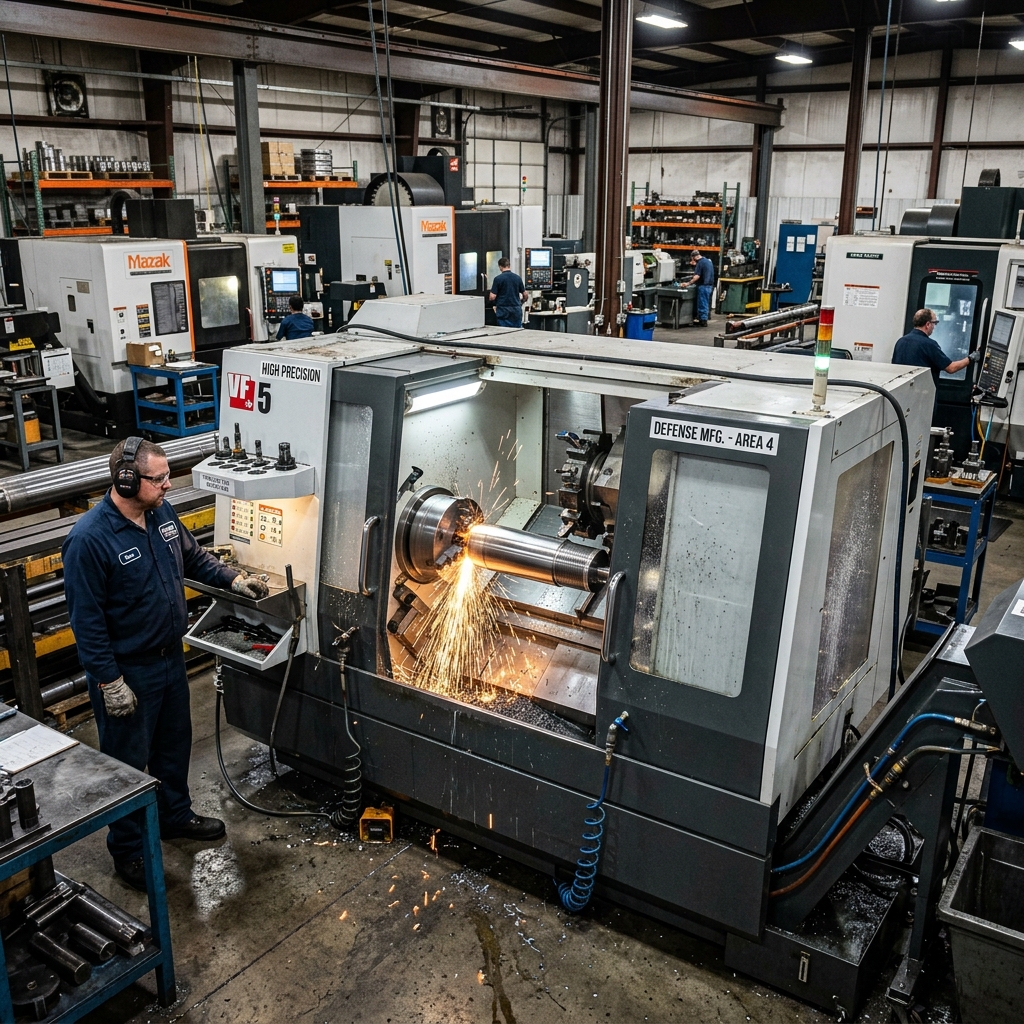
Illustration: RivCut
Visibility matters when procurement officers make sourcing decisions. Defense primes still default to established suppliers even when smaller shops offer better lead times or specialized capabilities. A machine shop owner attending a White House event gains credibility that no marketing budget can buy — especially when that owner returns home with photos and a clearer understanding of where defense production bottlenecks actually exist.
The real question is whether attention translates to contracts. Small manufacturers face structural barriers that a summit cannot fix: payment terms stretching 90 days or longer, qualification processes that consume six months and thousands of dollars, and prime contractors that treat machine shops as interchangeable commodities. Defense machining requires significant upfront investment in inspection equipment, security infrastructure and specialized tooling. That capital outlay makes sense only when order volumes justify the expense.
What changes behavior is not speeches but procurement reform. The Defense Production Act expansions passed in 2025 included provisions allowing small manufacturers to receive progress payments and expedited security clearances. But implementation remains inconsistent across contracting offices. Some manufacturers report approvals within 45 days; others wait four months for the same clearance level. Until that variance disappears, events like this summit function more as recognition than catalyst.
The inclusion of manufacturers alongside food and retail businesses also reveals something about how policymakers understand the industrial base. Lumping CNC machine shops with restaurants suggests the challenges are similar — access to capital, regulatory burden, workforce development. In reality, a precision CMM inspection and QA operation faces problems that have nothing to do with small business tax policy and everything to do with defense acquisition regulations written for billion-dollar prime contractors. A restaurant does not need to comply with ITAR or run CMM reports to serve a meal. A machine shop making missile parts must prove that every feature is accurate within a few ten-thousandths of an inch. They must keep records of where they bought their raw metal and verify that no foreign parts were used. This level of quality assurance is expensive and requires specialized staff. Speeches at a summit do not change the fact that small shops must carry this heavy compliance burden on their own.
What to watch next
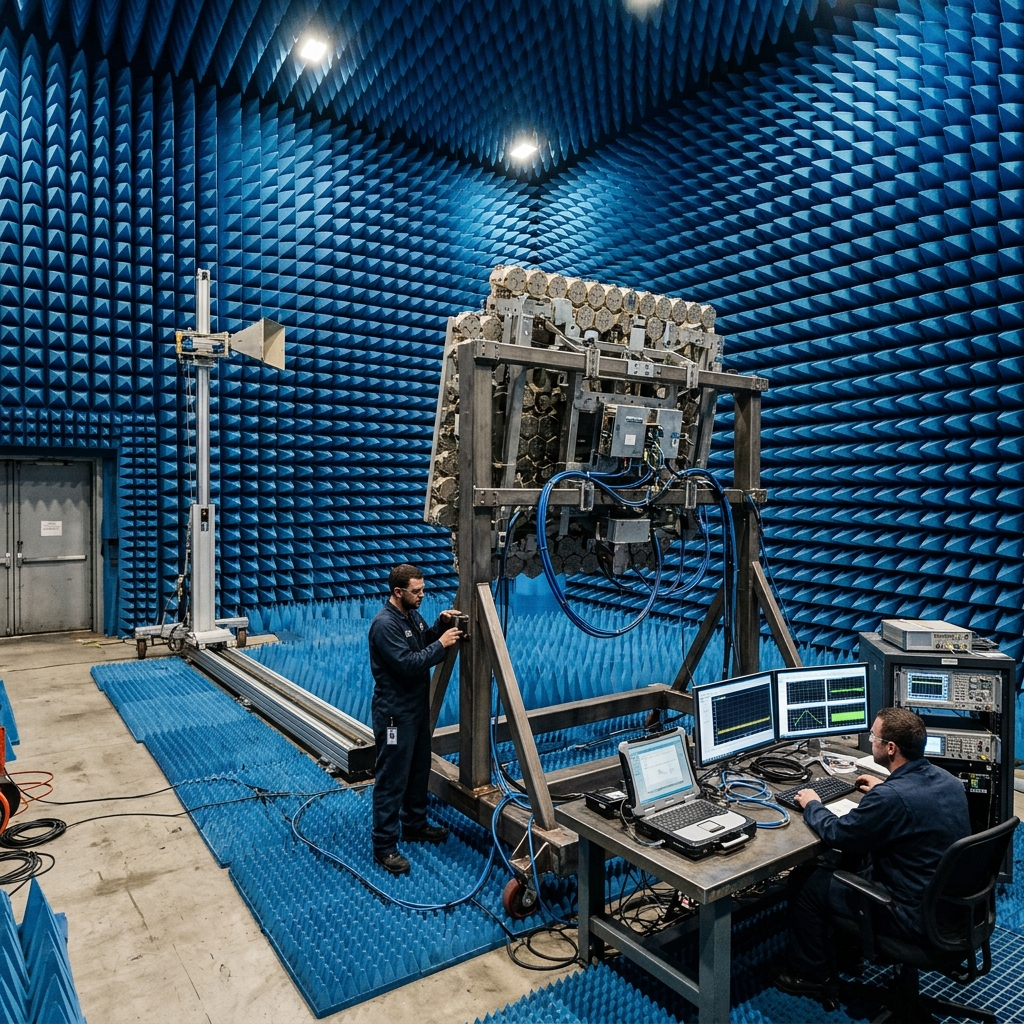
Illustration: RivCut
The National Defense Authorization Act for fiscal year 2027 is working through committee markup right now. Language requiring primes to maintain geographic diversity in their supplier base — with specific carve-outs for small manufacturers — has bipartisan support but faces resistance from industry lobbyists who argue it constrains their sourcing flexibility. If that provision survives conference committee, it would create enforceable requirements rather than aspirational goals.
More immediately, watch whether attendees from this summit receive follow-up contact from the Defense Logistics Agency or prime contractor procurement teams. Previous White House manufacturing events produced short-term attention spikes that faded within 60 days. Sustained impact requires systemic change: shorter payment cycles, standardized qualification processes and contract vehicles designed for shops running three-axis mills rather than Fortune 500 defense giants.
The other indicator is whether small manufacturers see movement on ITAR reform. Current regulations treat a 15-person machine shop making missile components the same as a 15,000-person aerospace integrator. Reasonable people can disagree on how much to relax export controls, but the compliance burden should scale with company size and actual security risk. Until it does, many capable shops will continue avoiding defense work entirely — and summits will remain symbolic rather than substantive.
Small machine shops should also look for ways to make their processes more efficient. If the government will not cut regulations, shops must automate their quoting and production. Having a fast online system allows shops to quote on jobs quickly. At RivCut, we offer instant quoting for precision CNC parts. You can visit our quote page to see how we help aerospace and defense buyers get parts made in the USA. By using automated tools, small shops can compete with larger suppliers on speed and price, even with high compliance costs. For more on defense manufacturing developments, see our defense news coverage.
Frequently Asked Questions
What is the goal of the White House small business summit?
The summit aims to support domestic small businesses, with a new focus on precision machining and defense component suppliers crucial to the national supply chain.
Why is the defense supply chain considered fragile?
Small manufacturers make up 87% of defense suppliers but receive only 22% of total contract value. This low profit margin and high regulatory burden make them vulnerable to shutdown, risking supply gaps.
What is ITAR compliance in manufacturing?
ITAR stands for International Traffic in Arms Regulations. Compliance means a manufacturer follows strict security protocols to prevent defense-related technical data from leaving the United States.
What is a CMM inspection and why is it used?
CMM stands for Coordinate Measuring Machine. It is a high-precision tool used to verify that manufactured parts match CAD specifications exactly, which is critical for military and aerospace applications.