What happened
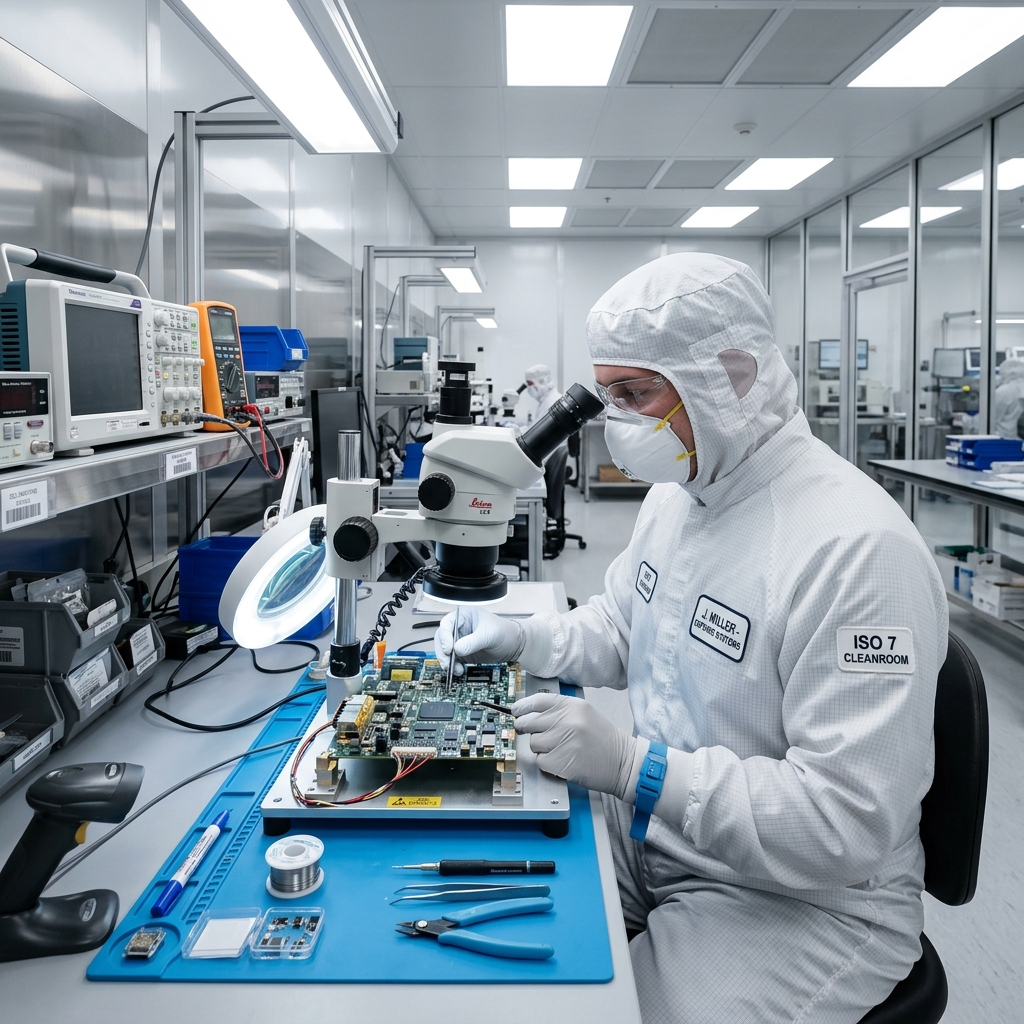
Illustration: RivCut
The United States Department of Defense, also known as the Pentagon, has decided to spend a lot of money on defense. They awarded 5.4 billion dollars in new contracts. These contracts are spread over several years. The main goal is to build more precision weapons. Three major defense companies got these contracts. These companies are Raytheon, L3Harris, and General Dynamics. They want to increase their production of smart weapons by 40 percent. They plan to reach this goal within the next three years. Industry reporting says the contracts will focus on key weapons. These include Javelin missiles, HIMARS rockets, and guided artillery fuzes. The U.S. military has sent many of these weapons to help allies around the world. Now, the military needs to refill its own empty stockpiles.
The U.S. military realized that its stockpiles were too low. For a long time, planners thought that modern wars would be short. They believed they would not need to use many weapons. But recent global events proved them wrong. Soldiers are using up weapons much faster than factories can make them. In some cases, the rate of use is ten times higher than planned. This has put a big strain on the defense supply chain. Rebuilding these supplies is not just about writing checks. It requires physical factories with real machines. Setting up these machines and training workers takes a lot of time. It cannot be done overnight, even with billions of dollars.
The big defense companies will manage the contracts. But they cannot make all the parts themselves. They must hire hundreds of smaller machine shops. Raytheon, for example, buys parts from 600 different suppliers in the U.S. These shops are called tier-2 and tier-3 suppliers. The new contracts will send a lot of work to these local businesses. There is a huge rush to get parts made. The most urgent parts are those that take a long time to build. These parts must also go through strict testing before they are ready for the military. This means machine shops must start preparing their assembly lines right now.
The Challenge of Munition Stockpiles
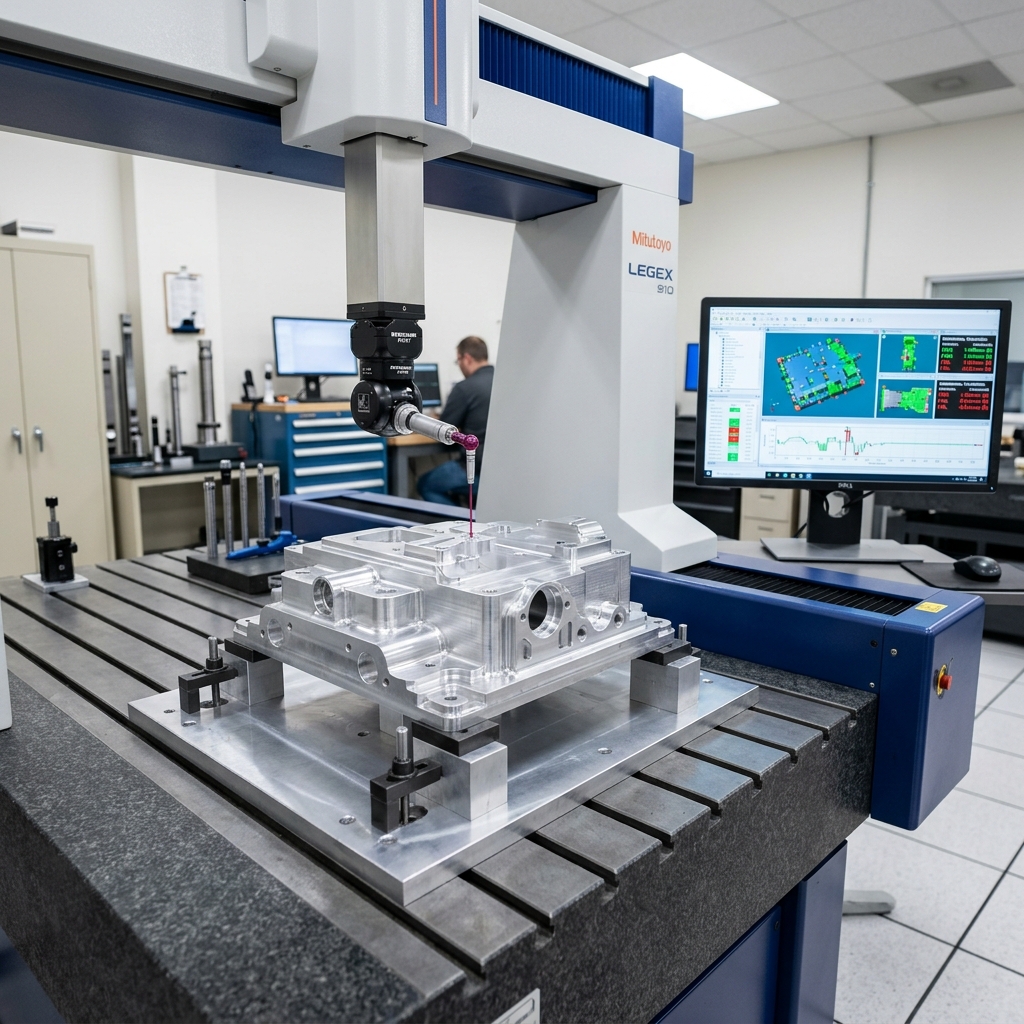
Illustration: RivCut
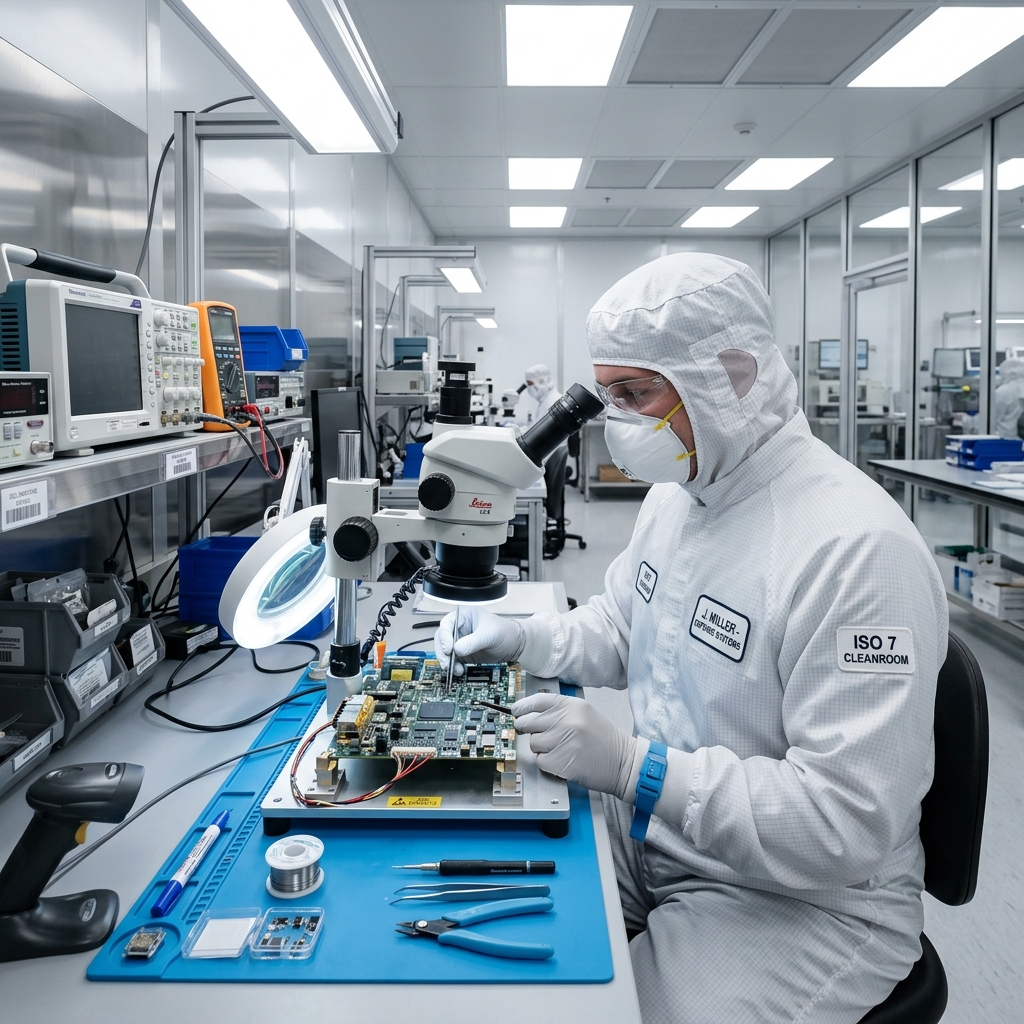
Rebuilding a stockpile of weapons is a very complex task. A modern missile is not just metal and gunpowder. It is a highly advanced computer that flies. It contains sensors, motors, and computer chips. Every single piece must work perfectly. If one small part fails, the entire missile will miss its target. This is why the military is very careful about how these parts are made. They do not allow any shortcuts in the manufacturing process.
The production process is also slowed down by material shortages. Weapons use special metals that are hard to find. For example, missile bodies use high-strength steel that is heat-treated to resist melting. Guidance systems use titanium to save weight. Even the copper used in warheads must be extremely pure. Finding these materials can take months. Defense companies are trying to buy these metals in advance. This helps them keep their machines running. However, smaller shops often struggle to get the materials they need on time. This creates a bottleneck in the production line that the military is trying to fix.
Why it matters for manufacturers
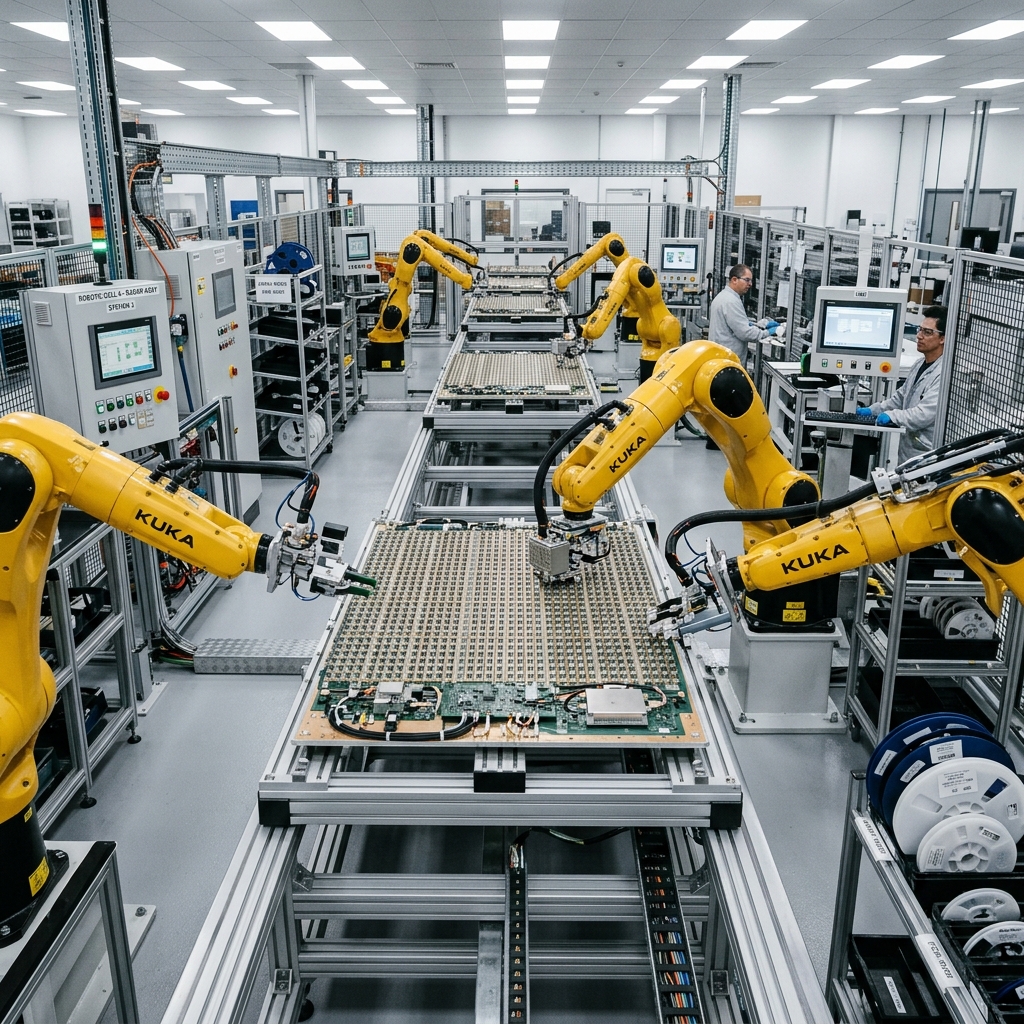
Illustration: RivCut
Smart weapons require a lot of high-precision machining. This is a big opportunity for CNC machine shops. A Javelin missile contains many complex parts. The outer casing must be machined to a very exact thickness. If the metal is too thin, it might explode too early. If it is too thick, the missile will be too heavy. The guidance section has a metal housing that holds the optical sensors. The holes in this housing must be perfectly aligned. The tolerances for these parts are often smaller than a human hair. This means there is no room for error during the cutting process.
Shops that do defense manufacturing must follow strict government rules. The most important rule is ITAR. This stands for International Traffic in Arms Regulations. ITAR rules say that defense parts cannot be made outside the U.S. They also say that foreign citizens cannot look at the drawings. A machine shop must register with the government before they can start this work. They must have a secure building. They must also lock their computer files to prevent leaks. These rules can be hard to set up. But they protect our national security. Shops that are already registered have a big advantage. They can get new defense orders much faster than other shops.
To cut these tough defense metals, shops use five-axis CNC milling. These advanced machines can cut parts from many directions at once. This is important for making complex shapes like fins and housings. The materials used are very difficult to cut. High-strength steel alloys like 4340 are very hard. They wear out cutting tools quickly. Titanium is lightweight but it generates a lot of heat when cut. Operators must use special carbide tools and high-pressure coolant. They must also check their tools often to make sure they are not dull. A dull tool can ruin a expensive part in a few seconds.
Understanding Defense Compliance and ITAR
Working with the military requires a different mindset than commercial work. In commercial work, speed and cost are the most important things. In defense work, quality and compliance are what matter most. A shop must have a quality system called AS9100D. This is a special standard for aerospace and defense. It means the shop has a clear process for everything. They must trace every piece of metal back to the mill where it was melted. They must also keep records of every inspection for many years. This helps the military find the cause if a weapon fails in the field.
Information security is also a major focus. The government wants to protect its secrets from cyber attacks. Shops must follow cybersecurity rules called CMMC. This stands for Cybersecurity Maturity Model Certification. It means the shop must secure its email and computer networks. They cannot store defense blueprints on personal computers. They must train their employees to recognize phishing emails. While these rules cost money to implement, they are now mandatory. Shops that do not meet these cybersecurity standards will be cut off from defense work. This makes cybersecurity a vital part of doing business with the Pentagon.
Despite these challenges, defense work is very rewarding. The contracts are often long-term, lasting for several years. This provides a stable source of income for a machine shop. It allows owners to invest in new machines and hire more workers with confidence. It also feels good to know that your shop is helping to protect the country. Many machinists take great pride in making parts for the U.S. military. This pride helps maintain a high level of quality in the workshop.
What to watch next
The next few years will see a steady increase in defense orders. The Pentagon is trying to qualify new suppliers as fast as possible. They are trying to shorten the time it takes for a new shop to start production. If your shop has the right certifications, you should contact defense prime contractors now. They are looking for reliable partners who can deliver parts on time. The initial orders will likely be small test batches. But they can grow into large production runs if your quality is good.
We should also watch for new technology in defense manufacturing. The military is testing 3D printing for metal parts. This could help make replacement parts faster in the field. However, CNC machining will remain the main method for making critical parts. The strength and precision of machined metal cannot be matched by 3D printing yet. Machine shops that combine traditional machining with new technologies will be in the best position. They can adapt to the changing needs of the military. To stay updated on these defense industry trends, read more manufacturing news on our website.
Frequently Asked Questions (FAQ)
What are ITAR regulations in defense manufacturing?
Answer: ITAR stands for International Traffic in Arms Regulations. It is a set of government rules that control the export and import of defense-related articles and services. It requires manufacturers to protect sensitive technical data.
Why are Javelin and HIMARS components hard to machine?
Answer: Javelin and HIMARS components are hard to machine because they use tough materials like titanium and high-strength steels. They also require extremely tight tolerances down to half a thousandth of an inch.
What role do tier-2 and tier-3 machine shops play in defense contracts?
Answer: Tier-2 and tier-3 machine shops are subcontractors to the main defense primes like Raytheon. They machine individual components, housings, and assemblies that go into the final defense products.
What certifications do CNC shops need for defense work?
Answer: CNC shops usually need an AS9100D quality certification and must register with the Directorate of Defense Trade Controls (DDTC) to show they are ITAR compliant.
Rebuilding the munitions stockpile isn't a foundry problem or a propellant problem — it's a precision machined components problem, and the supply base is small.