What happened
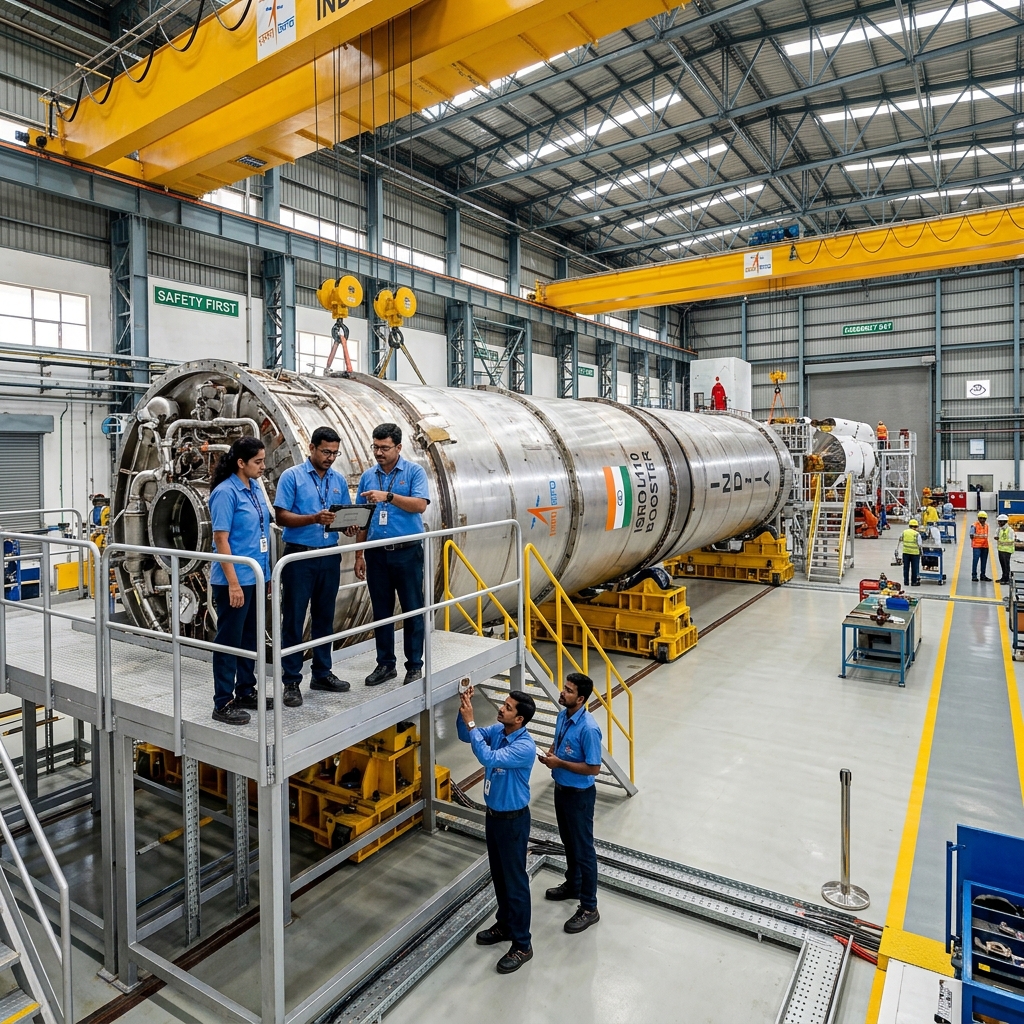
Illustration: RivCut
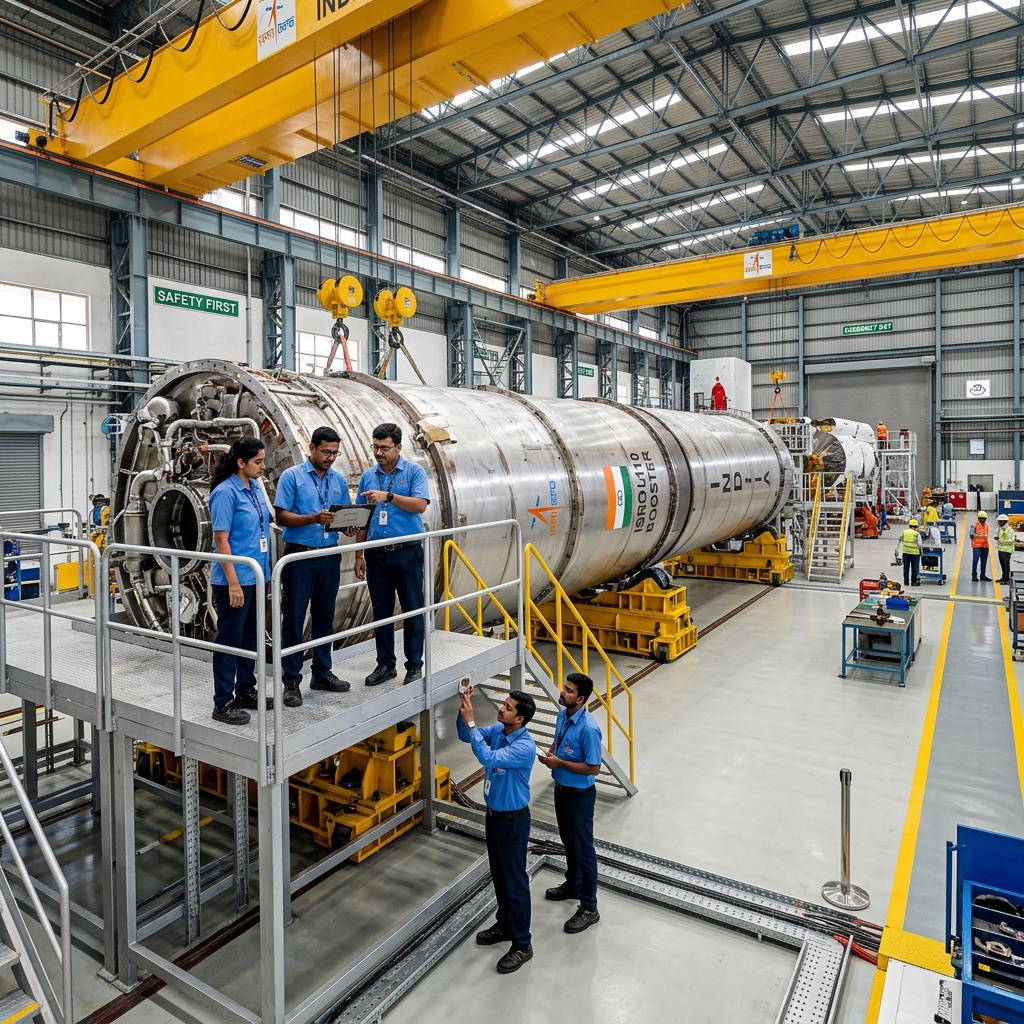
Bombardier's CEO told Reuters on April 30 that Honeywell's plan to spin off its aerospace business into a standalone company should benefit the supply chain. The comments come as Honeywell supplies engines and avionics to Bombardier's business jet lines. According to Bombardier, Honeywell's performance delivering those components has gotten better over the last twelve months. This is good news for the plane maker, which has faced supply chain challenges recently. Having reliable parts on time is key to keeping the assembly line moving.
Honeywell announced the aerospace separation in January 2026, aiming to complete the spinoff by late 2026 or early 2027. The new entity will focus exclusively on commercial and defense aerospace systems, including auxiliary power units, wheels and brakes, flight management systems, and cockpit electronics. Honeywell's remaining business will concentrate on industrial automation and building technologies. The split will create two separate public companies, each with its own management team. This will allow each business to focus on its own markets and customers.
Bombardier did not disclose specific lead time improvements or component counts in the Reuters interview. The business jet manufacturer produces the Challenger and Global aircraft families, both of which rely on Honeywell for critical flight systems and propulsion components. Business jets are highly complex machines that require thousands of parts to work together perfectly. Any delay in getting these parts can set back the delivery of a multimillion-dollar jet to a client. Therefore, Bombardier watches its tier-one suppliers very closely.
Why it matters for manufacturers
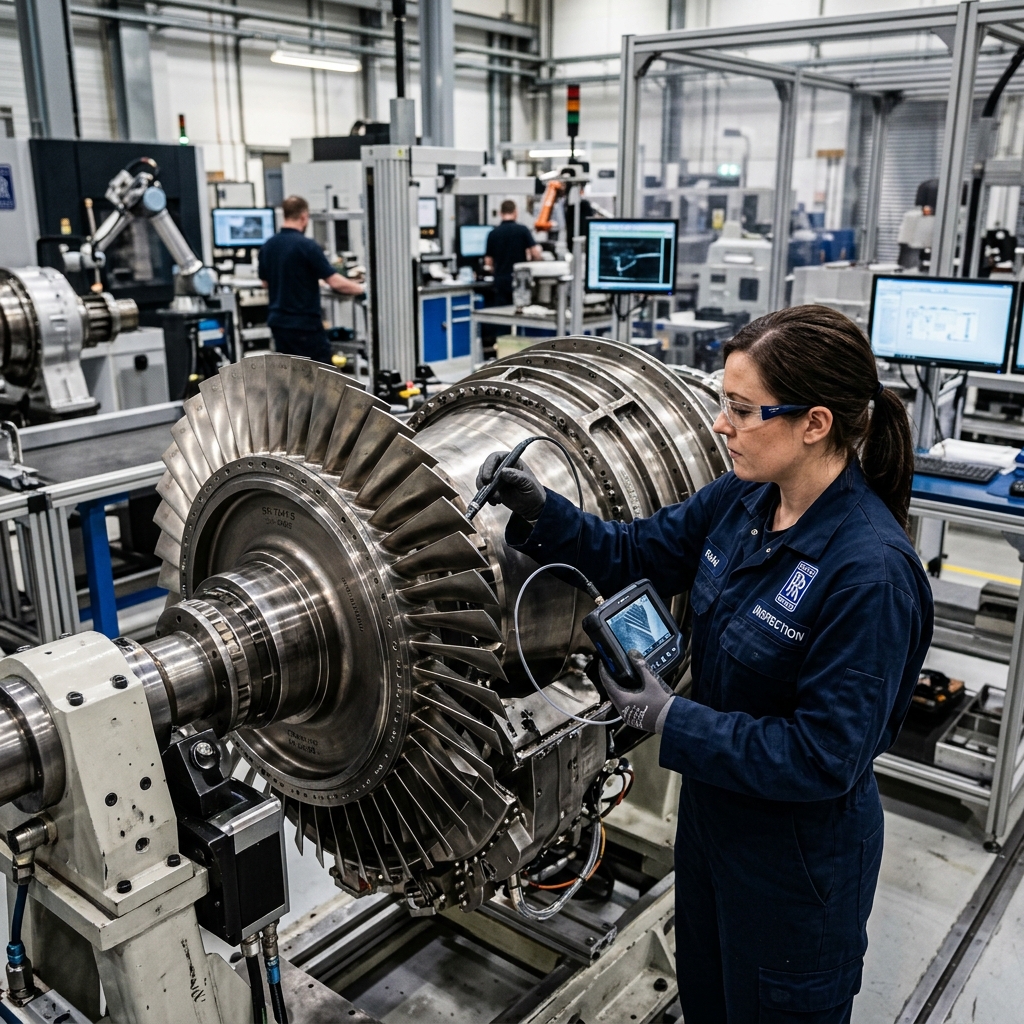
Illustration: RivCut
When a Tier 1 aerospace supplier splits from a conglomerate parent, procurement teams at OEMs usually see two outcomes: faster decision cycles and clearer accountability. Honeywell Aerospace currently shares corporate resources with industrial and building automation divisions. A standalone aerospace company answers only to aerospace customers, which tends to shorten approval chains for engineering changes and capacity investments. It also means the company can focus all its spending on improving aerospace factories.
The timing matters. Aerospace supply chains are still working through post-pandemic labor shortages and raw material bottlenecks. Lead times for aerospace machining components stretched from 12 weeks to 20-plus weeks between 2021 and 2024. If Honeywell's spinoff dedicates capital specifically to aerospace production lines rather than competing with building controls for internal funding, that could pull lead times back down. Faster lead times allow plane makers to plan their production schedules with more confidence.
Bombardier's confirmation that Honeywell delivery has improved suggests the supplier has already started ring-fencing aerospace operations ahead of the legal separation. That's the pattern Raytheon Technologies followed before spinning out Otis and Carrier in 2020. Suppliers who know a spinoff is coming tend to pre-allocate production capacity to avoid inheriting a backlog. They want to start their new life as a standalone company with a clean slate and happy customers.
For machine shops in the Honeywell supply chain, the spinoff creates both risk and opportunity. A focused aerospace company will likely audit its supplier base more aggressively and ask for CMM inspection reports on every lot. Shops that can't document process control will lose purchase orders. But suppliers who meet AS9100 standards and hold tight tolerances on 5-axis milling should see more predictable order volumes once the new company sets multi-year capacity plans.
The bigger question is whether Honeywell Aerospace will vertical-integrate more manufacturing or lean harder on outside shops. Conglomerates tend to outsource; pure-play aerospace companies sometimes bring machining in-house to control delivery. Bombardier's optimism suggests Honeywell plans to keep buying from proven suppliers rather than building new factories. This is a positive sign for the small and medium machine shops that rely on aerospace contracts.
The Shift in Domestic Production
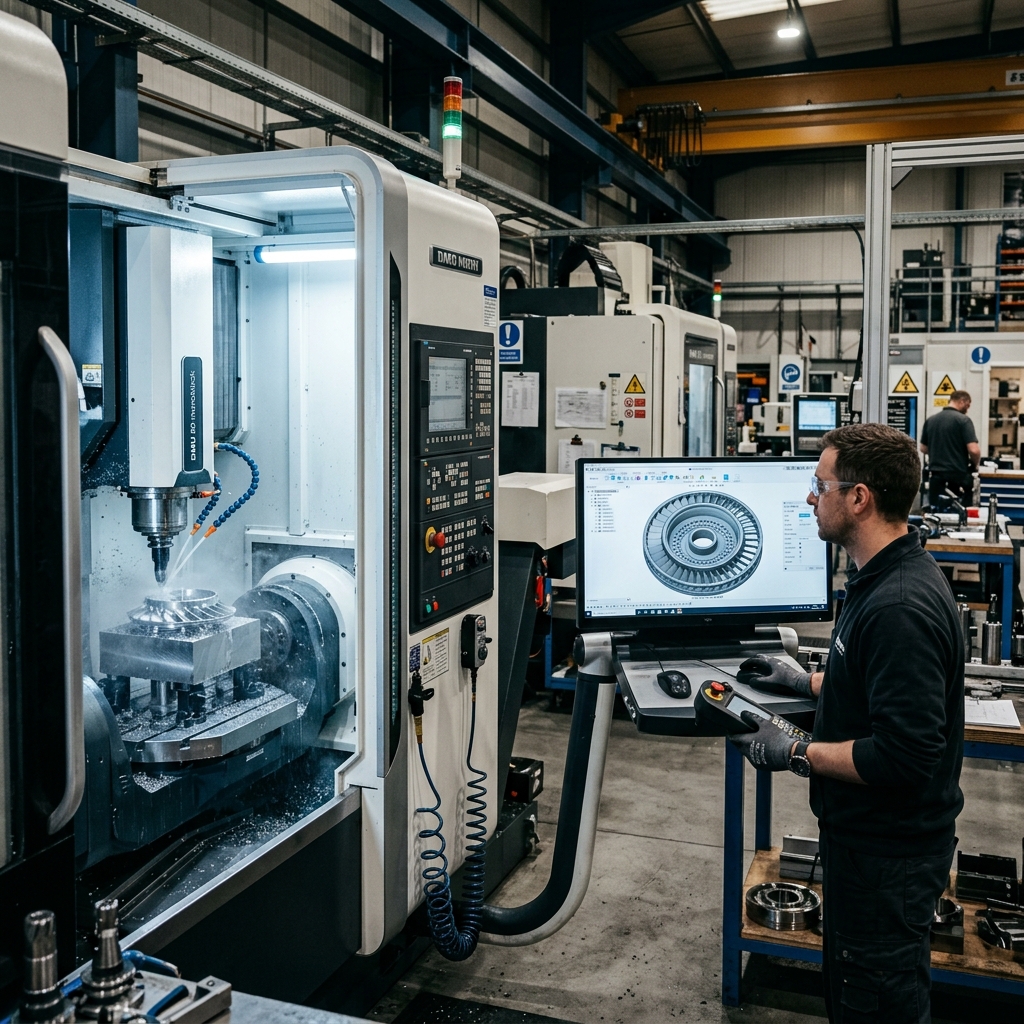
Illustration: RivCut
Aerospace manufacturing is seeing a return to domestic suppliers. For many years, companies tried to find the cheapest parts from around the world. However, this global supply chain can be easily broken. Shipping delays, port closures, and international conflicts can stop production. Many aerospace OEMs are now looking for suppliers closer to home. This is known as nearshoring or reshoring. It helps reduce risks and ensures that parts arrive when they are needed.
Sourcing parts from local machine shops has several benefits. It allows engineers from the OEM and the supplier to work together more easily. They can quickly meet in person to solve design issues. Local shipping also takes days instead of weeks. This reduces the need to keep large amounts of inventory in warehouses. It makes the entire manufacturing process leaner and more efficient. It also helps support the local economy and creates jobs for skilled technicians.
However, local suppliers must be prepared to meet high standards. Aerospace parts must be made with extreme precision. The materials used must have full documentation to show where they came from. Shops must invest in advanced machines and inspection equipment. They also need a highly trained workforce. The transition to local sourcing will take time, but it is a major trend that will shape the industry for the next decade.
Advancements in Manufacturing Technology
Technology is helping aerospace manufacturers improve quality and speed. One major advancement is 5-axis CNC machining. These machines can cut a part from five different angles at the same time. This allows shops to make complex shapes in a single setup. It reduces the time needed to move the part between different machines. It also reduces the chance of errors that can happen when parts are set up multiple times.
Another important technology is digital inspection. Coordinated measuring machines use touch probes and lasers to check parts. They can verify that a part matches the digital design within very tight tolerances. This is crucial for aerospace parts, where even a tiny error can cause a failure. Digital inspection creates a complete record of the part's measurements. This record is needed to prove that the part is safe for flight.
In addition, factories are using software to track their production in real time. Managers can see exactly where a job is on the shop floor. They can predict when parts will be finished and find bottlenecks. This data helps them make better decisions and improve delivery times. As these technologies become more affordable, even small machine shops will be able to adopt them. This will make the entire aerospace supply chain more robust and responsive.
What to watch next
Honeywell has not yet named a CEO for the spinoff or disclosed which facilities will belong to the new aerospace entity. Those announcements will signal how serious the company is about competing with Collins Aerospace and Safran on delivery speed. If Honeywell appoints an executive from its automation division rather than someone with aerospace manufacturing experience, that would undercut the focus argument.
Bombardier's production rate is another indicator. The company delivered 138 business jets in 2025. If that number climbs above 150 in 2026 while Bombardier continues praising Honeywell's delivery, it confirms the supplier can scale with demand. If deliveries stay flat or Bombardier starts dual-sourcing critical avionics, the spinoff didn't solve the capacity problem.
Finally, watch for Honeywell's capital allocation in the first two quarters post-spinoff. Standalone aerospace companies typically invest 8-10% of revenue in new production equipment. If the new Honeywell Aerospace falls below 6%, the separation was financial engineering rather than an operational reset. Suppliers will know within six months whether this spinoff actually shortens lead times or just rearranges the organizational chart.
For more analysis on how aerospace manufacturing affects precision machining and supply chains, visit our manufacturing news section.
Frequently Asked Questions (FAQ)
Why is Honeywell spinning off its aerospace business?
Answer: Honeywell wants the aerospace unit to focus only on planes and space. This helps the new company make faster decisions and improve deliveries.
How does this spinoff help aircraft companies like Bombardier?
Answer: The spinoff should make Honeywell deliver engines and parts faster. This prevents delays on Bombardier's jet assembly lines.
What is the main problem in the aerospace supply chain?
Answer: The main problem is long wait times for parts. Bottlenecks in machining and raw materials have slowed down plane production for years.
What quality standards must aerospace suppliers meet?
Answer: Suppliers must meet very strict rules like AS9100. They must inspect every part with precision tools to ensure it is perfectly safe to fly.
A standalone aerospace company answers only to aerospace customers — which usually means faster decisions and shorter lead times.