What happened
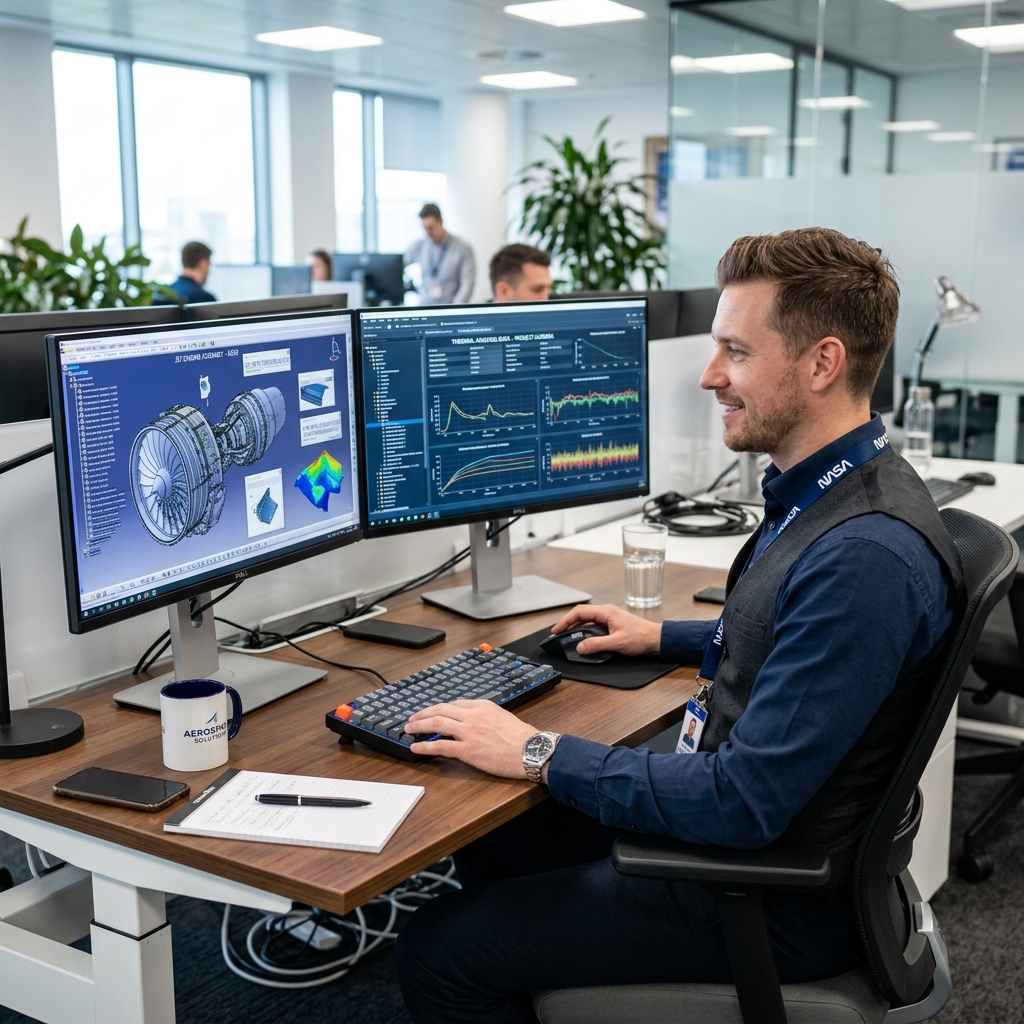
Illustration: RivCut
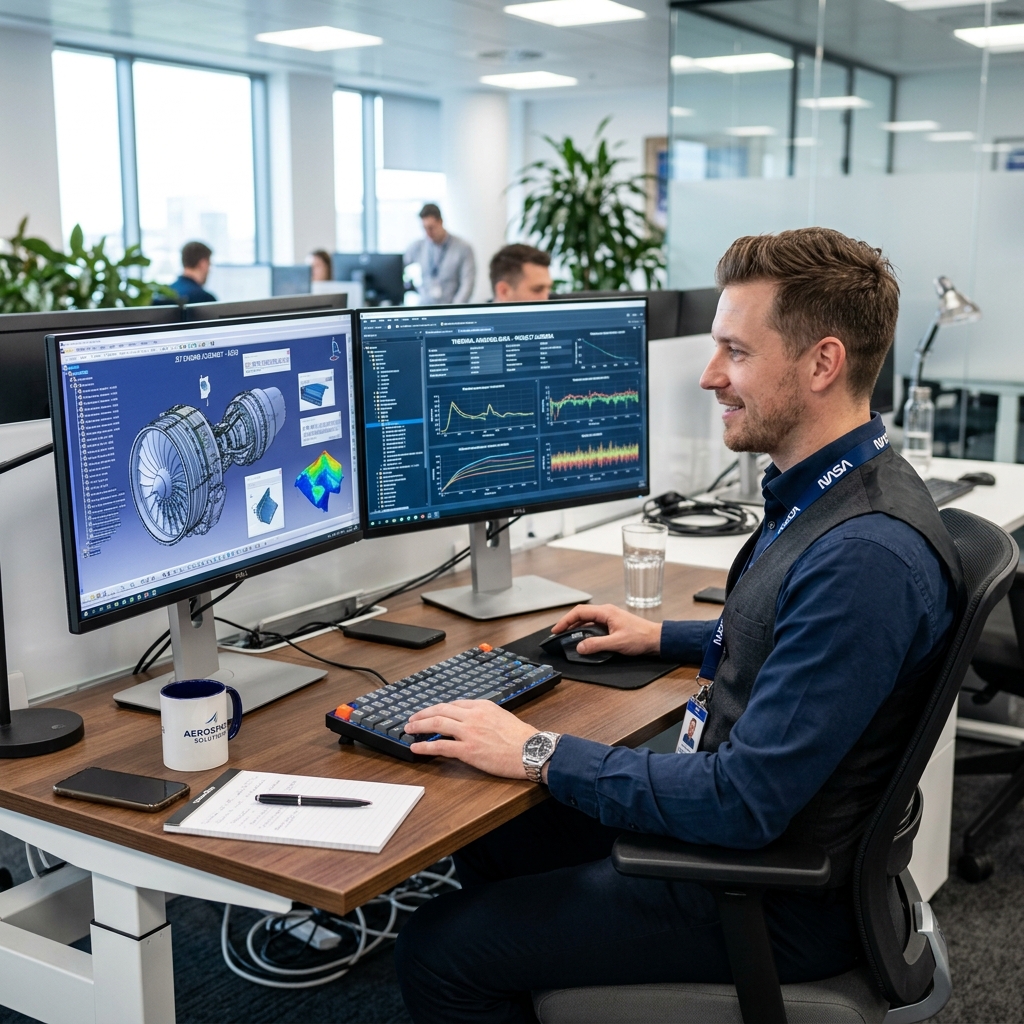
GE Aerospace reported that LEAP engine deliveries hit a new monthly record in Q1 2026, up 22% year-over-year. The milestone marks the first time the program has exceeded its pre-pandemic output trajectory, driven by a surge in single-aisle aircraft orders as airlines work through post-COVID backlogs. The Boeing 737 MAX and Airbus A320neo family collectively account for over 10,000 aircraft on backlog, and LEAP powers both platforms. This record output shows how jet engine production is ramping up to meet demand.
The breakthrough came after a two-year struggle with powder metal disk supply. Turbine disks require ultra-clean powder metallurgy to achieve the fatigue life certification airlines need, and the supply base for aerospace-grade powder metal is intentionally narrow. GE's primary disk supplier added a second production line in late 2025 after a two-year qualification process, and the throughput increase has flowed directly into engine assembly output. Monthly LEAP deliveries are now tracking above 250 units for the first time.
The achievement is significant in context. LEAP engine output had been the gating constraint on narrowbody aircraft delivery for two consecutive years. Airlines were taking delivery of airframes without engines, storing them in the desert, and waiting for powerplants. That backlog is now clearing. Boeing's 737 MAX production rate is climbing toward 38 per month, and Airbus is targeting 75 A320neo-family aircraft per month by 2027. Both programs need LEAP — and now LEAP can keep up.
Why it matters for manufacturers
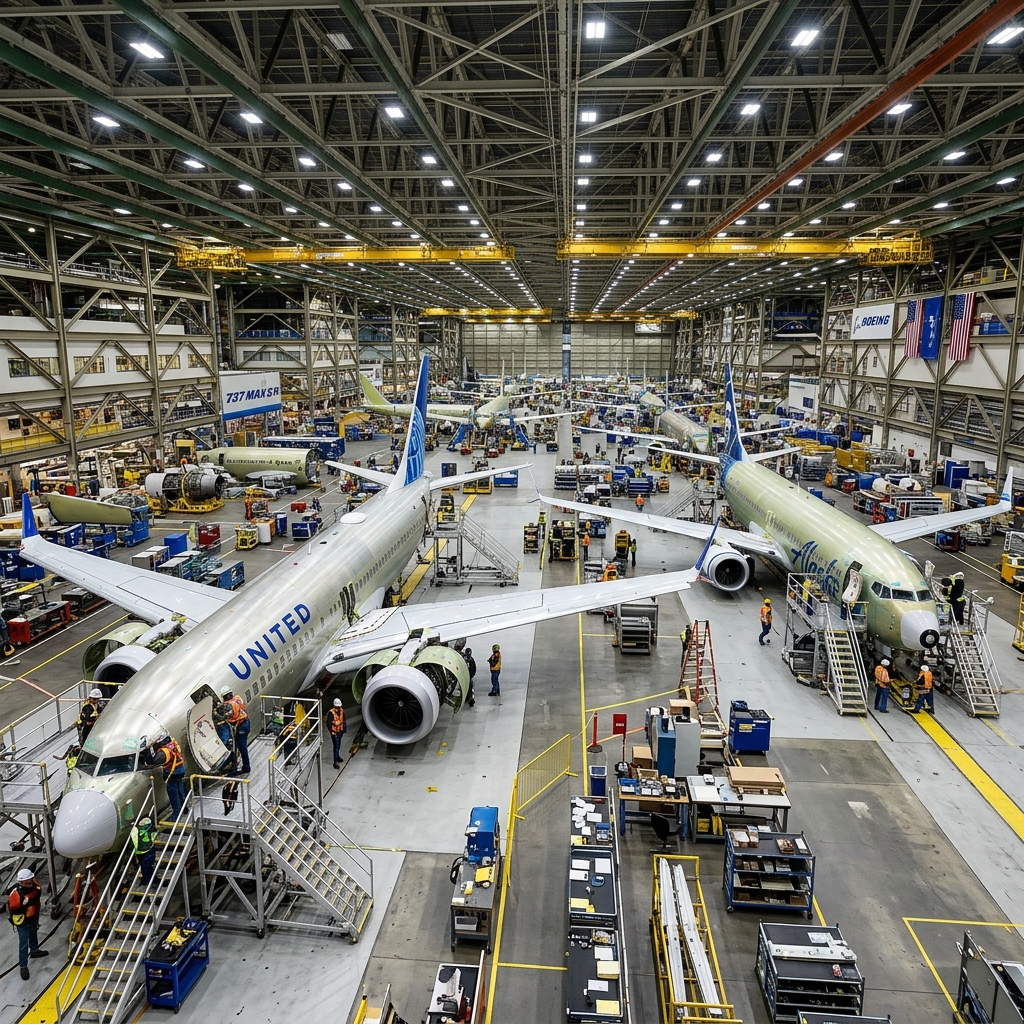
Illustration: RivCut
The LEAP recovery is genuinely good news for aerospace component manufacturers, but it introduces a second-order complication. Pratt & Whitney's GTF engine — which powers the A220 and A320neo variants not using LEAP — has an ongoing durability issue requiring early-removal inspections on certain powder metal disk lots. Those inspections pull engines out of service, require replacement hardware, and generate repair workscope at engine MRO facilities. The repair work draws on the same precision machining capacity as new production.
Specifically, GTF inspection and repair requires precision turbine disk turning, high-temperature alloy re-contouring, and new-hardware installation. The shops capable of this work — those with 5-axis CNC capability in nickel superalloys and titanium, long AS9100 pedigrees, and approved supplier status — are the same shops GE needs to ramp LEAP component production. High-performance CNC milling for turbine hardware is not fungible capacity; it takes years to qualify a new supplier and the tooling costs alone run into the hundreds of thousands of dollars per part family.
For Tier 2 machine shops, the demand environment is genuinely the strongest in a decade. Lead times for aerospace CNC work have stretched from 8–12 weeks in 2023 to 16–24 weeks in 2026 at many qualified shops. Shops with existing approved supplier lists for both CFM (GE/Safran joint venture that makes LEAP) and Pratt & Whitney are being asked to prioritize, and many are turning down new customer qualification because their capacity is already committed through 2027.
The Shift in Domestic Production
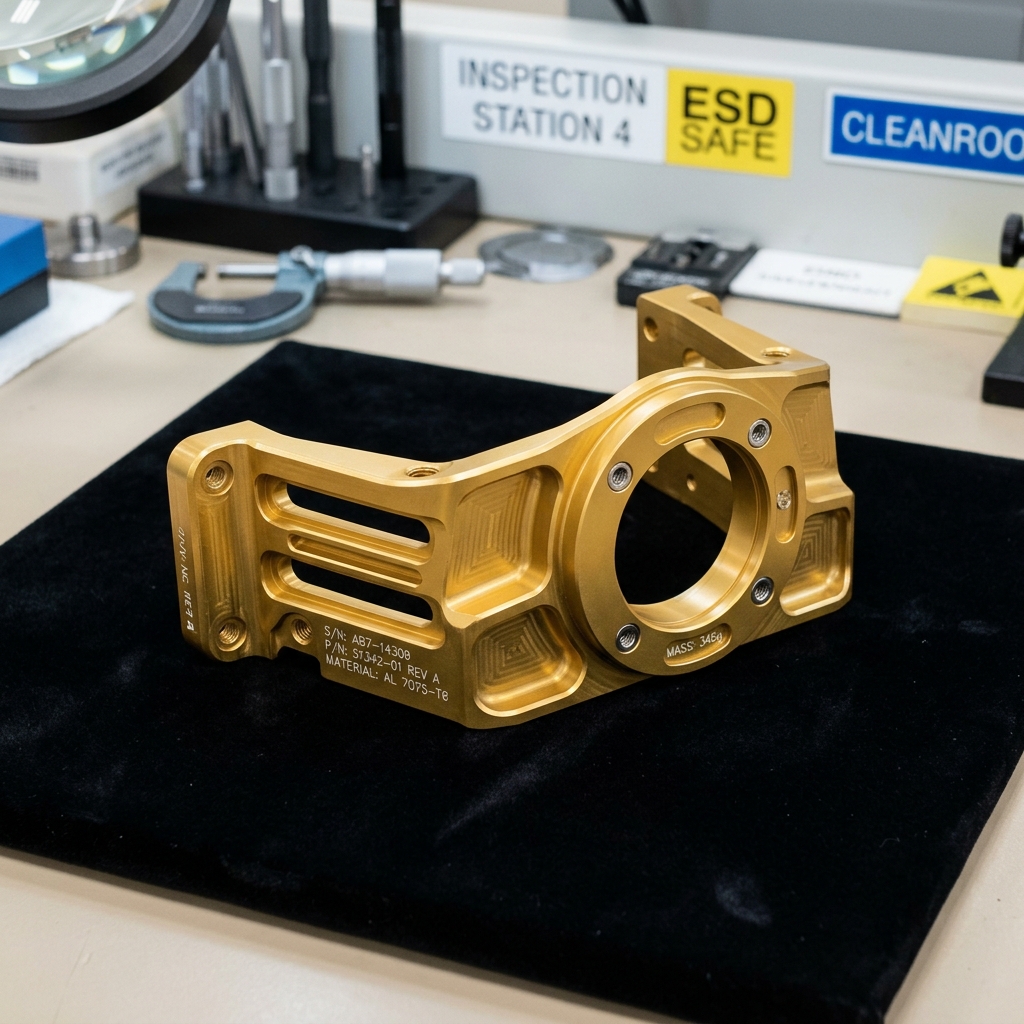
Illustration: RivCut
Aerospace companies are looking for ways to build more parts locally. Over the past decade, many manufacturers relied on global supply chains to reduce their costs. However, recent disruptions have shown that global networks are fragile. Shipping delays and port closures can halt engine production lines. By using domestic machine shops, aerospace manufacturers can reduce their risks and get parts faster. This shift helps secure the supply of critical components.
But reshoring in the aerospace industry is very difficult. Aerospace parts must be made with extreme precision and meet strict safety standards. Every piece of metal used must have full documentation showing its source and quality. Local machine shops must invest in advanced machinery and quality control systems. They also need a highly trained workforce of technicians who understand aerospace specifications. This is a long-term transition that requires close cooperation between OEMs and suppliers.
Local suppliers also benefit from better communication. When a shop is nearby, engineers can easily meet in person to resolve design issues. This collaboration reduces errors and speeds up the production process. It also makes it easier for shops to adjust their capacity when order volumes change. The push for domestic sourcing is creating a more stable and resilient aerospace manufacturing sector in the United States.
Advancements in Manufacturing Technology
Technology is helping aerospace shops meet the growing demand for turbine parts. One major advancement is multi-axis CNC machining. These advanced machines can cut a part from multiple angles at the same time. This allows shops to make complex turbine blades and disks in a single setup. It reduces the time needed to move parts between machines and prevents setup errors. This high level of accuracy is essential for turbine parts.
Another important technology is digital quality control. Digital probes and laser scanners check part dimensions in seconds. They compare the physical part to the digital model to ensure it is perfect. This is crucial because even a tiny mistake can cause a turbine blade to fail in flight. The inspection system creates a digital record that is saved for traceability. This ensures that every engine part is completely safe and reliable.
Additionally, software is helping factories track their production in real time. Managers can monitor each job on the shop floor and predict when it will be finished. This helps them find bottlenecks and improve their delivery schedules. As these technologies become more common, even small shops can improve their efficiency and support the aerospace ramp-up. Technology is the key to building the next generation of jet engines.
What to watch next
The near-term question is whether the powder metal disk supply increase at LEAP is sustainable or a temporary surge. GE's supply chain team is well aware that a single-source dependency on precision forgings is a systemic risk; the programs to qualify additional disk forgers have been running since 2022, but aerospace qualification timelines mean none are producing saleable hardware before 2027 at the earliest.
The longer-term question is about GTF. Pratt & Whitney has not disclosed the full scope of the inspection campaign, but the early-removal rate on certain engine lots is high enough that replacement hardware demand will be material through at least 2028. Shops that can secure GTF repair contracts now are effectively being handed multi-year workscopes. The catch is the traceability requirements: every machined component in an engine repair must carry a full material certificate chain and operator documentation going back to raw stock. Shops without mature quality systems will struggle to qualify even if they have available capacity.
For more analysis on aerospace engine manufacturing and supply chain trends, visit our manufacturing news section.
Frequently Asked Questions (FAQ)
What is the LEAP engine and why is it important?
Answer: The LEAP engine is a jet engine made by GE Aerospace and Safran. It powers popular narrowbody planes like the Boeing 737 MAX and Airbus A320neo, which carry millions of passengers.
What caused the bottleneck in LEAP engine production?
Answer: The bottleneck was caused by a shortage of powder metal disks. These turbine disks require ultra-clean metal and specialized forging, which only a few suppliers can perform.
How did GE Aerospace achieve a new monthly delivery record?
Answer: GE's primary disk supplier added a second production line in late 2025. This increased the supply of forgings, allowing GE to build and deliver engines much faster.
What challenges do aerospace machine shops face with this ramp-up?
Answer: Shops face capacity pressure because they must support both new engine production and repairs. Finding skilled workers and qualifying new suppliers also takes a long time.
The engine shortage wasn't about machining capacity — it was about forgings. Now that forgings are flowing, the CNC shops have to absorb everything at once.